
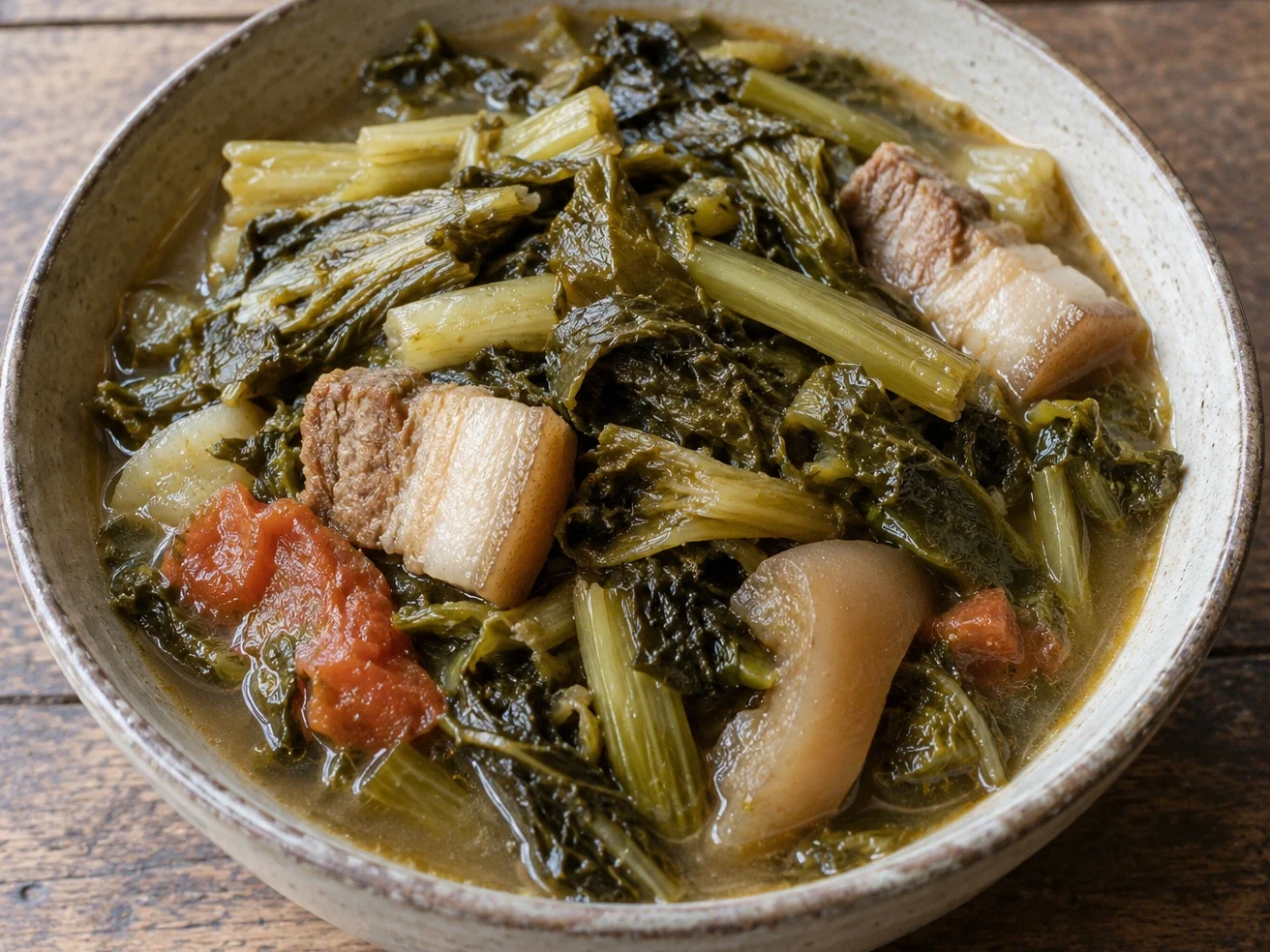
At the table
Use a spoon and chopsticks for the soft greens and pork, with rice alongside. Add the separate dip to taste and set any bones aside.
Contains pork and may include bones. Check the dip for chili before adding it.
This is the Longchuan pork version; souring ingredients and finishing seasonings may differ in other preparations.
GET TO KNOW THE DISH
What goes into it?
Explore some key ingredients below. Preparations may use additional seasonings and ingredients.
Chili and coriander may be added at serving, or garlic, coriander and chili can form a separate dip. Seasoning differs between cooks.
Typical ingredients
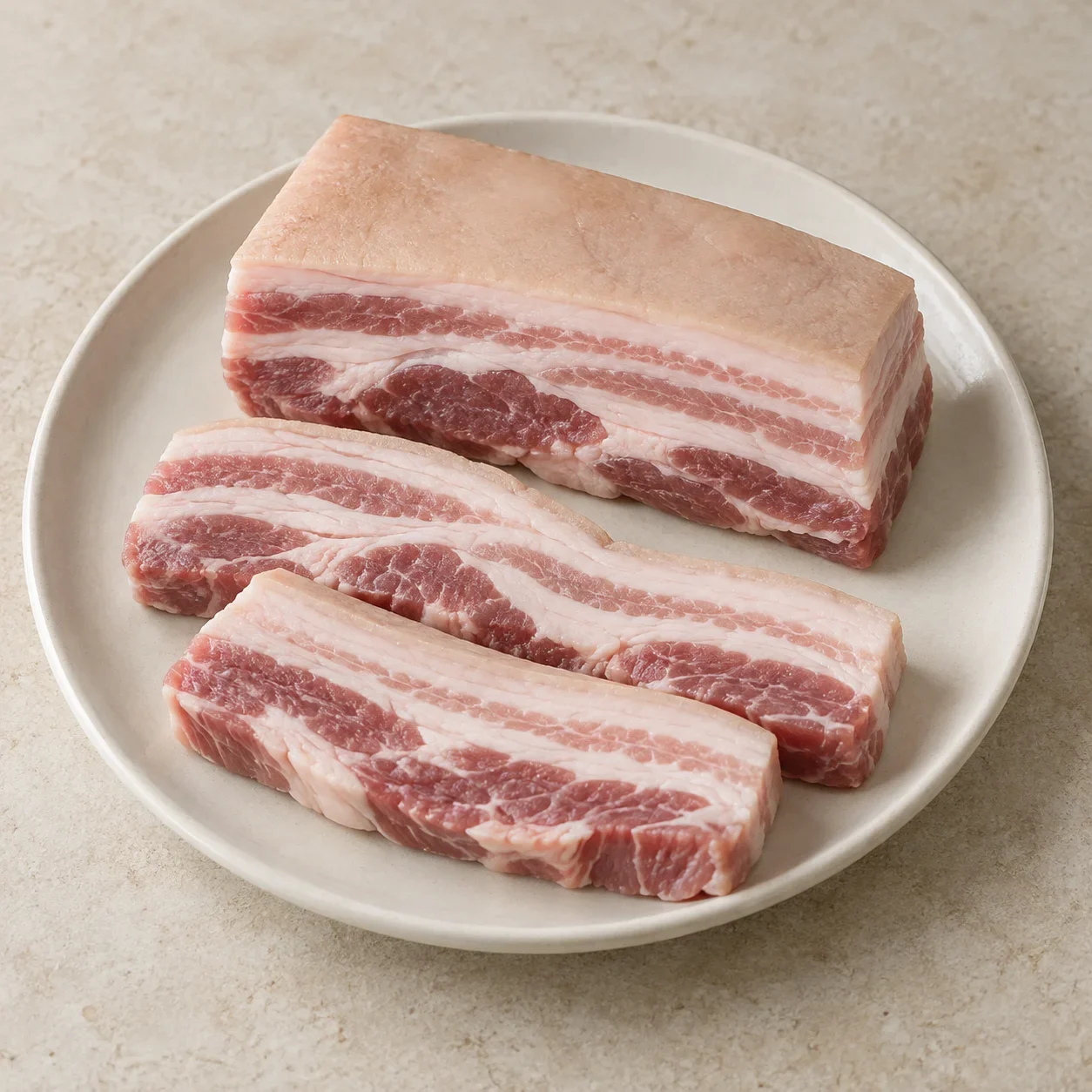
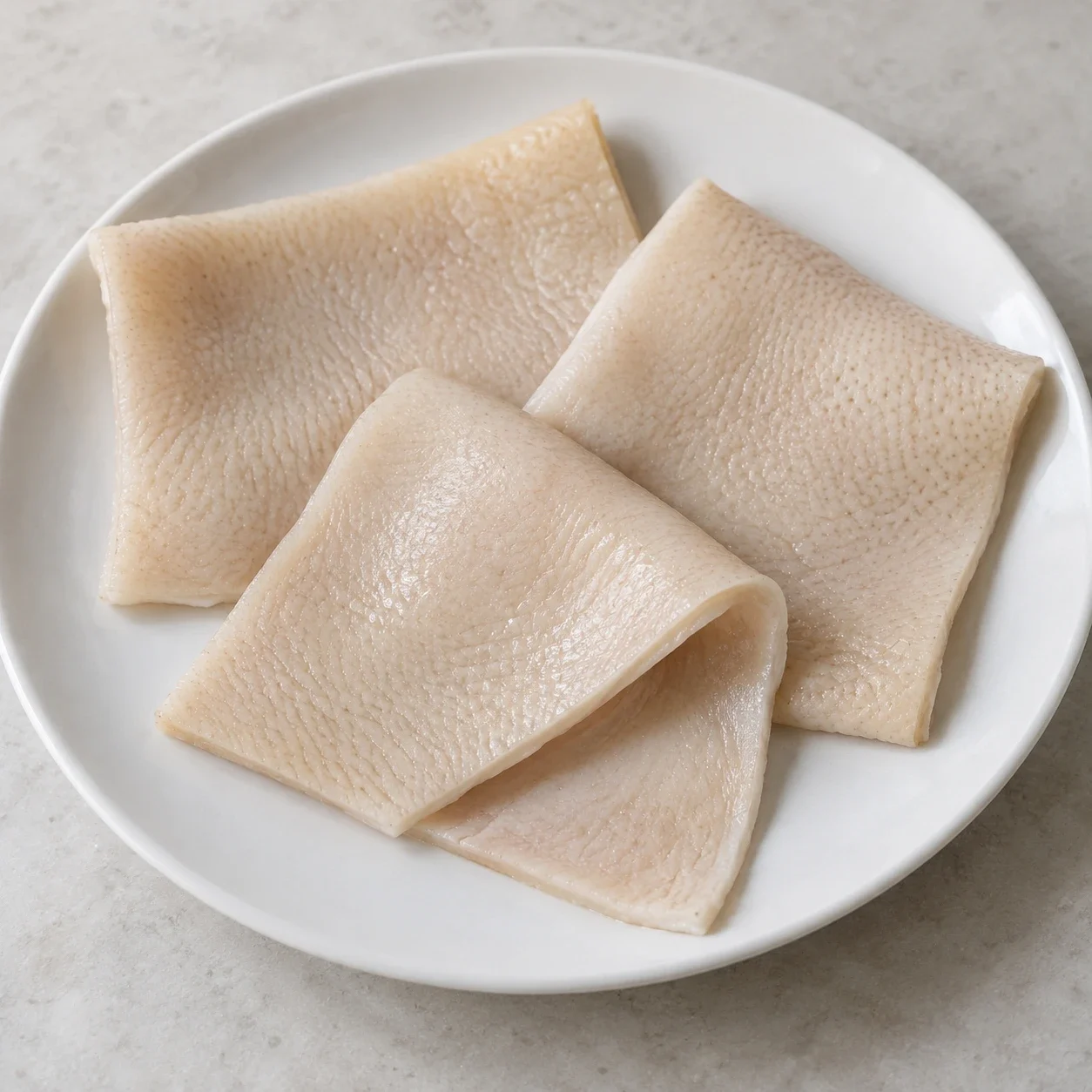
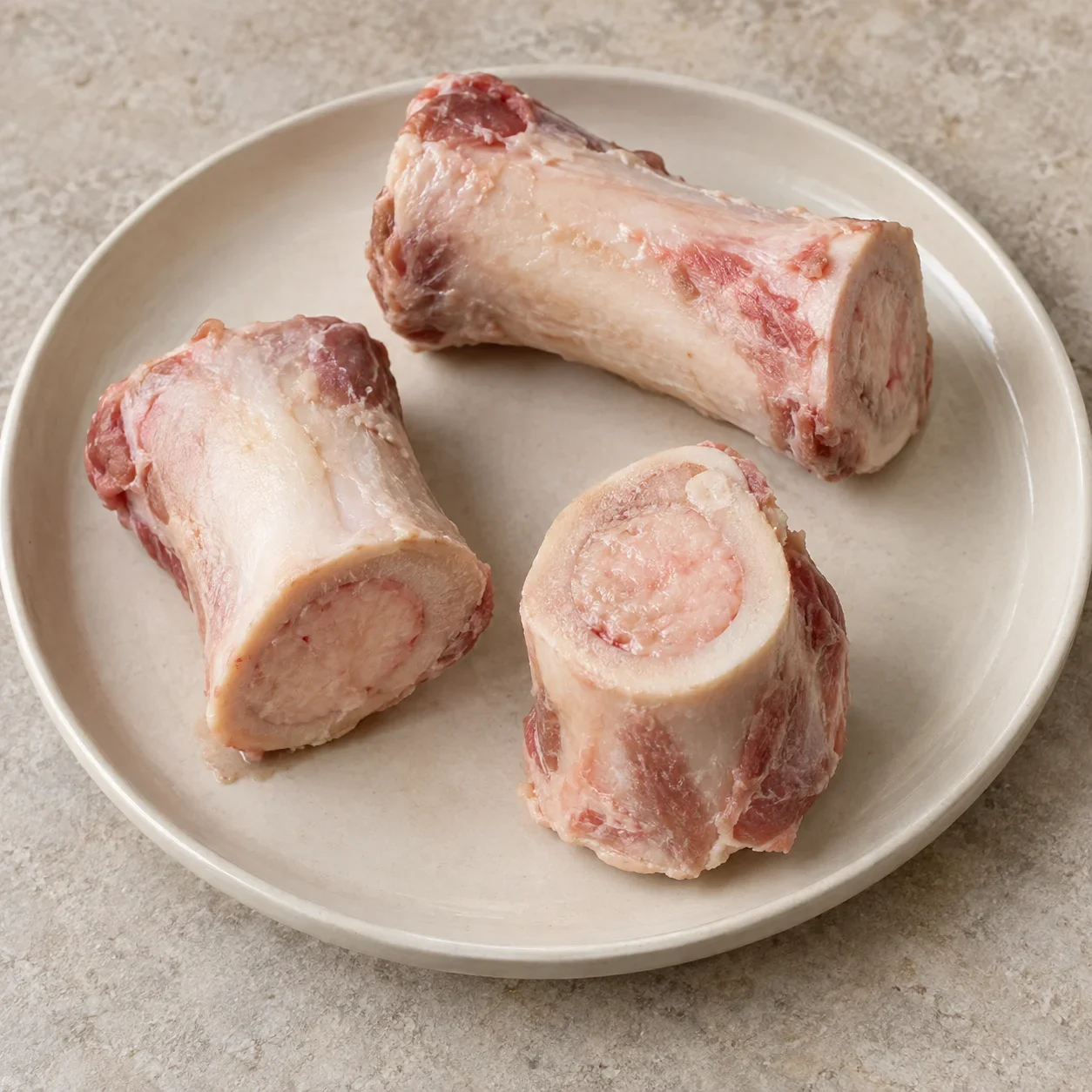
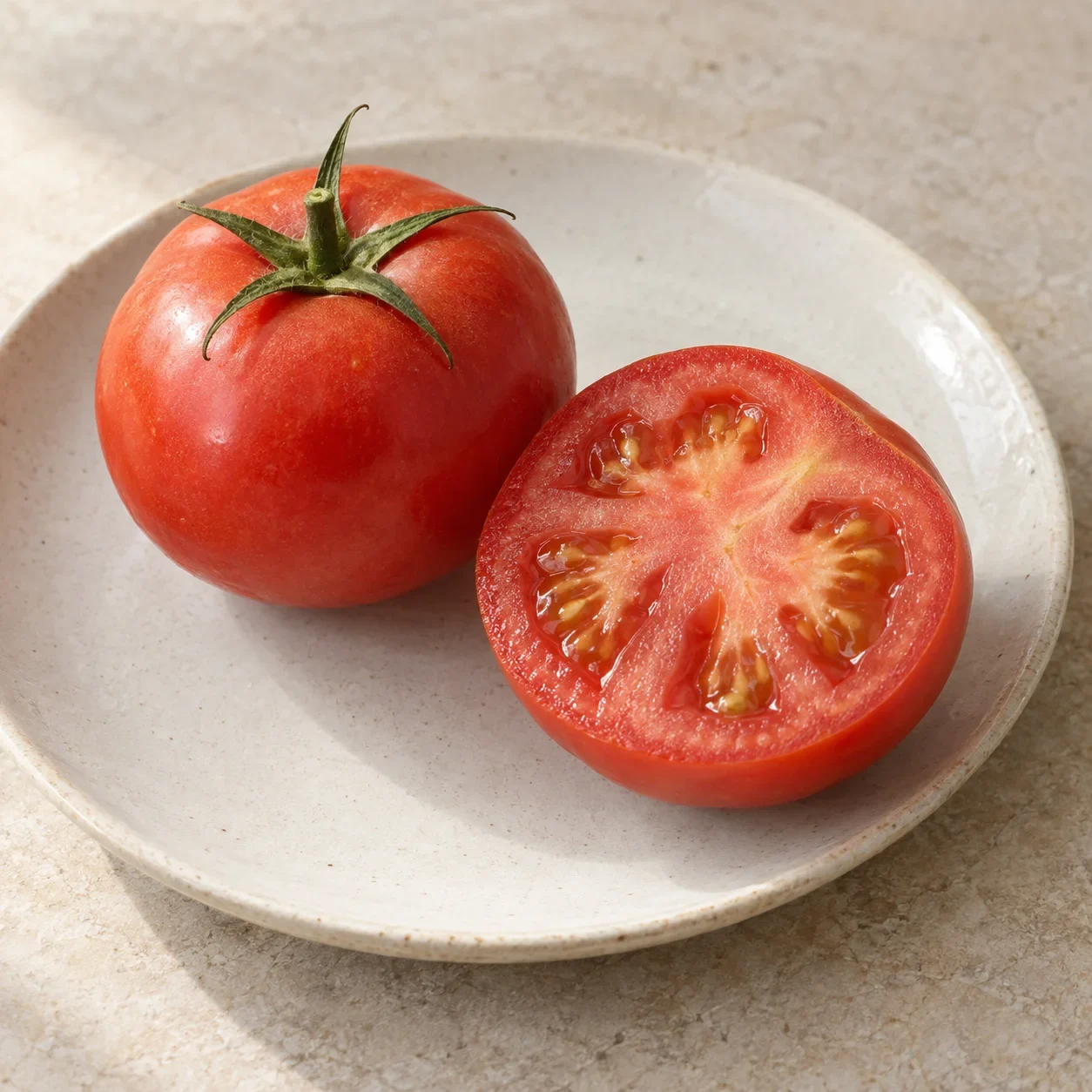
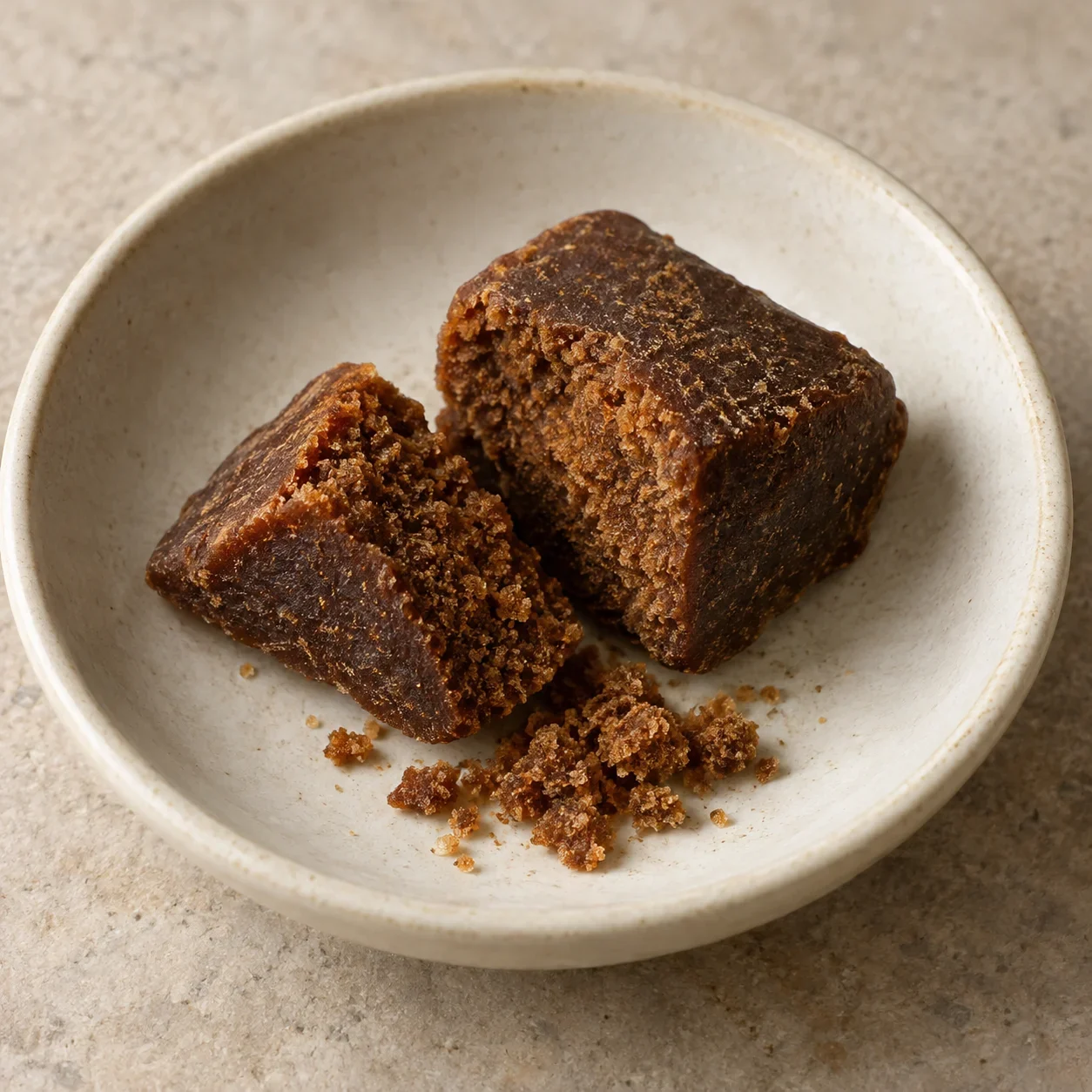
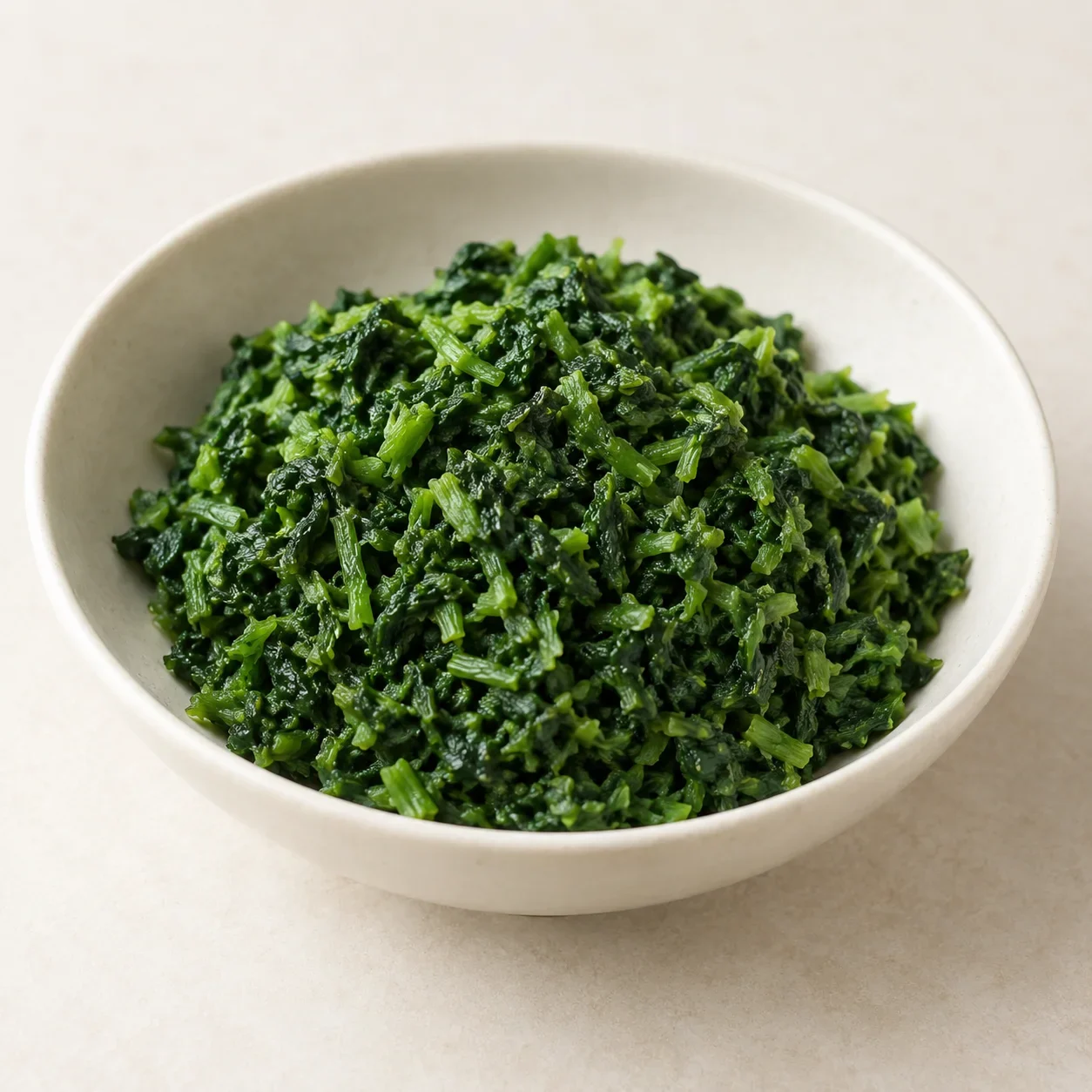
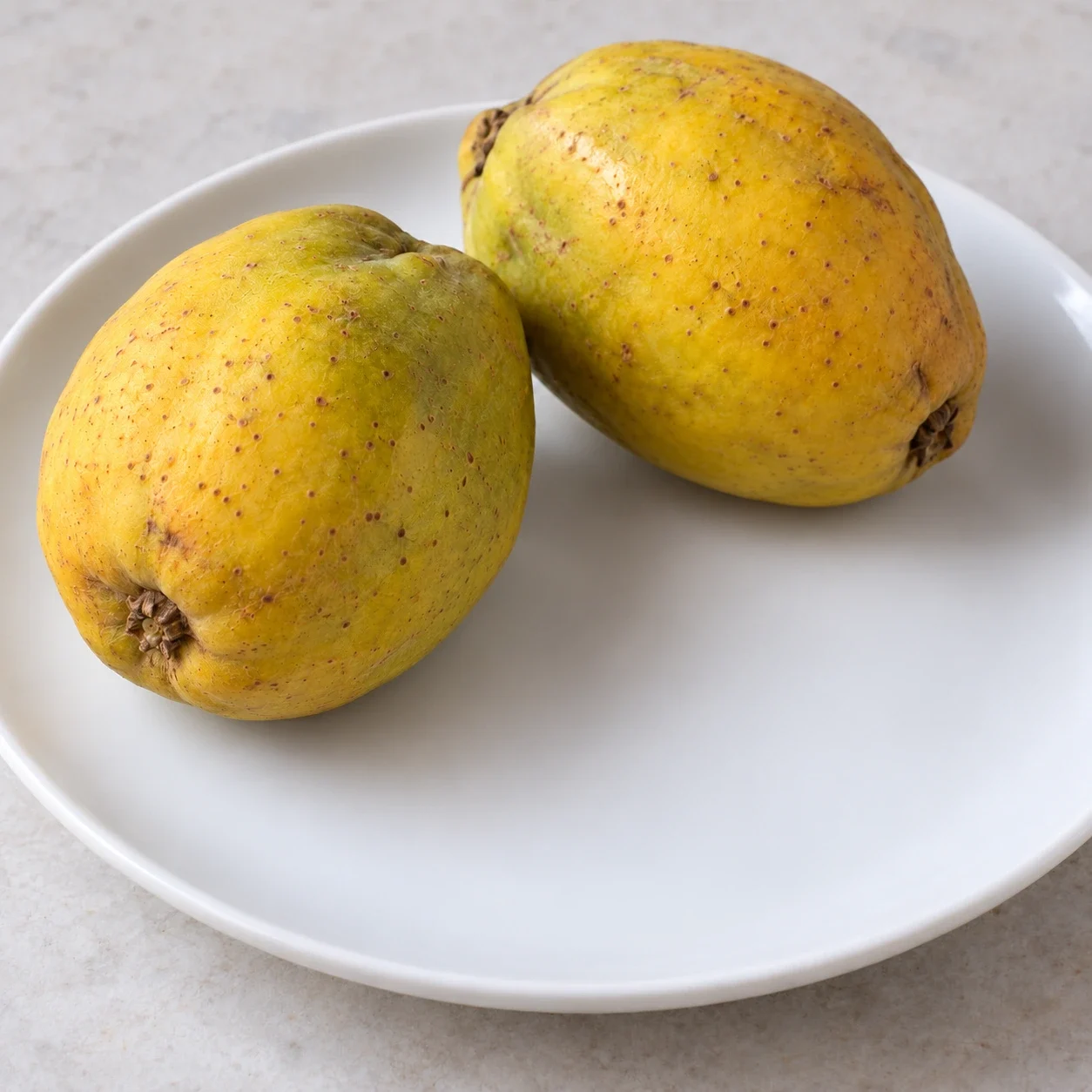
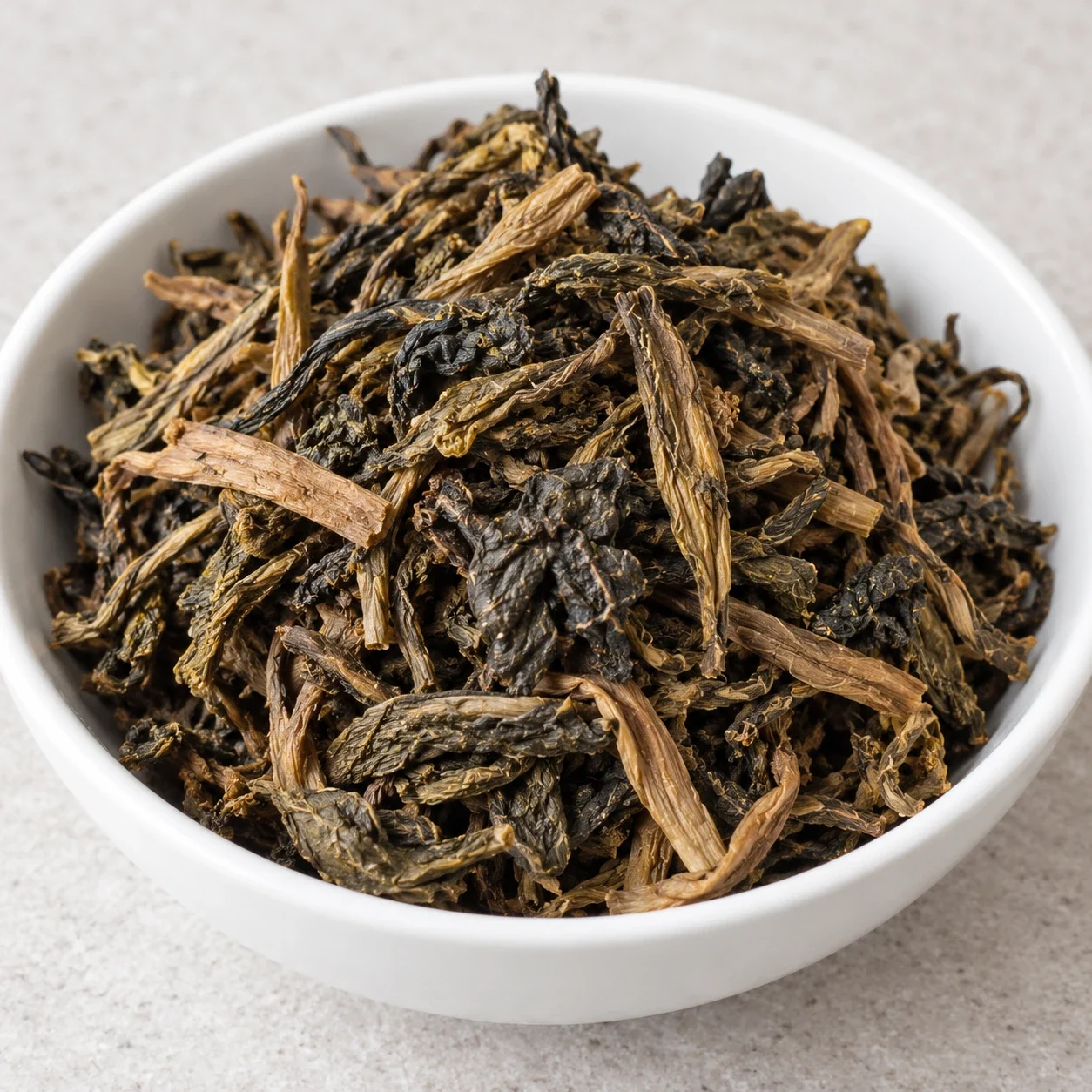
In some versions
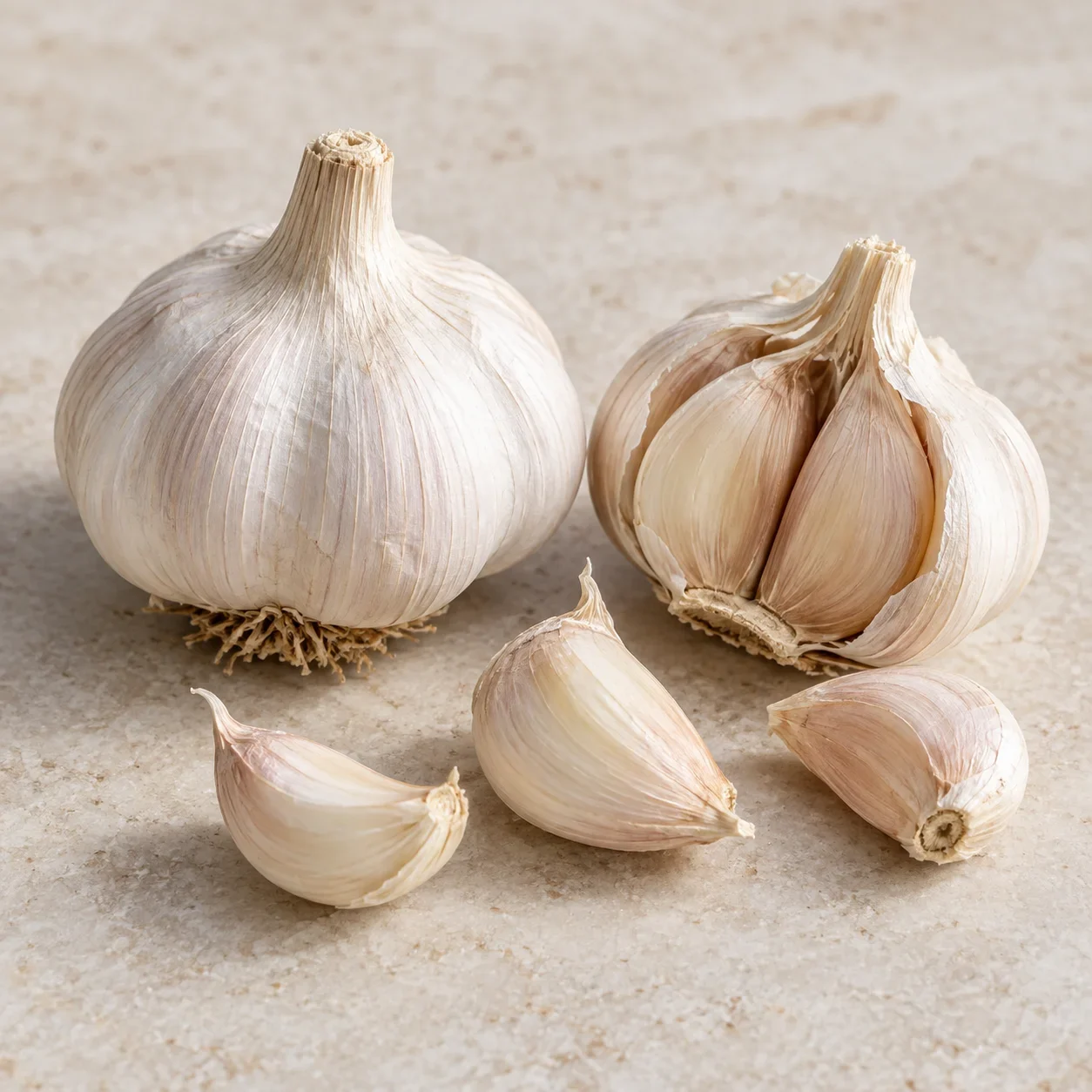
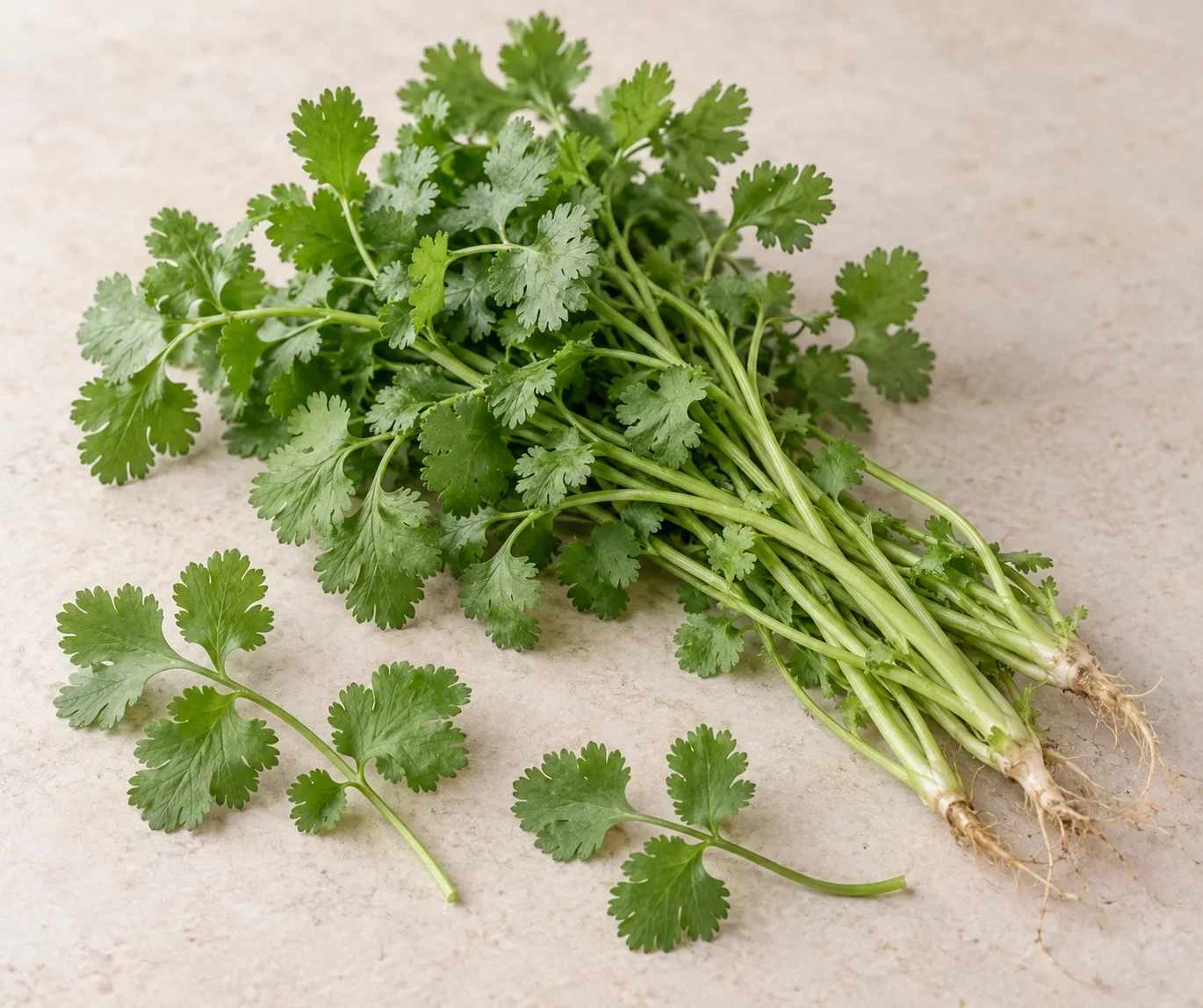
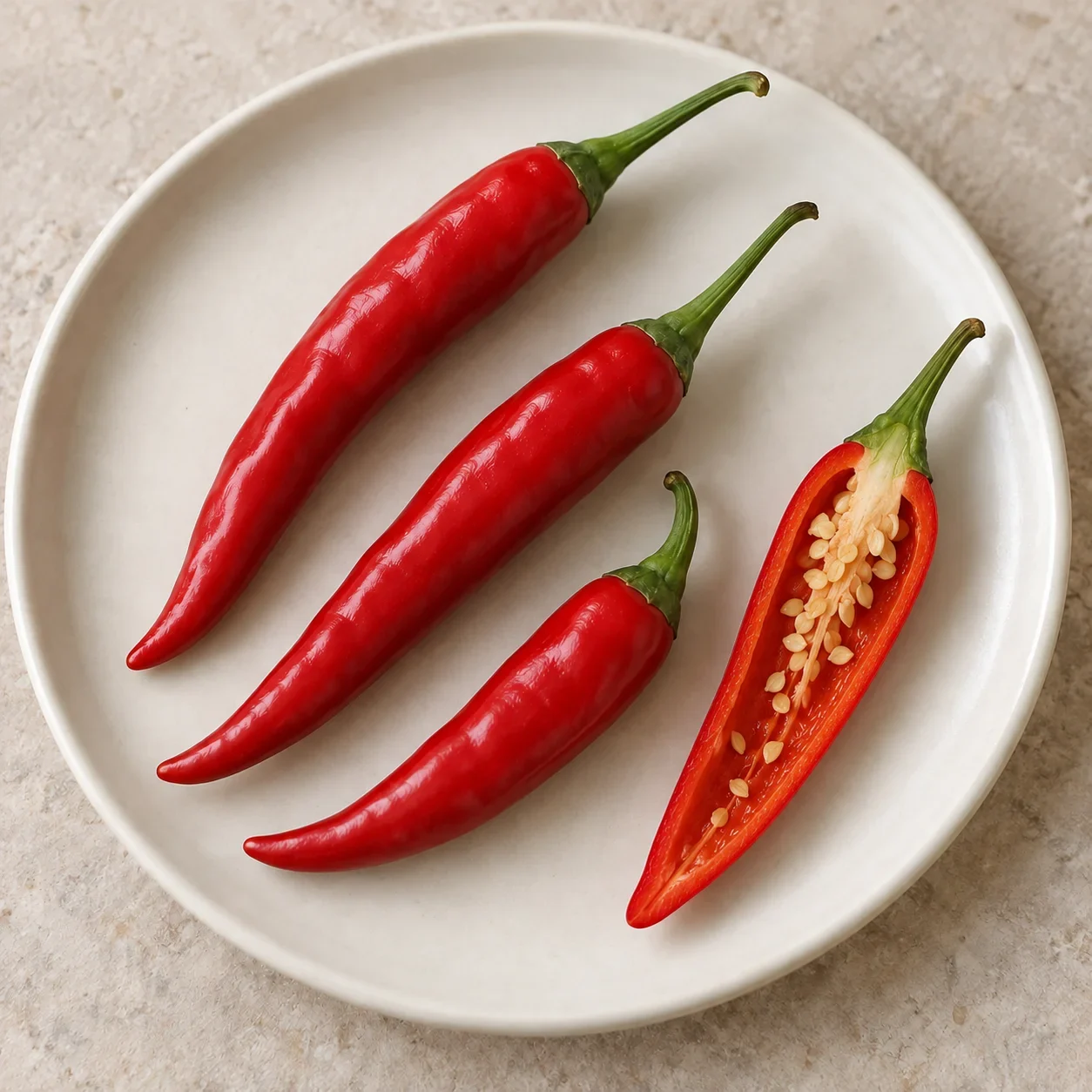

Recipes vary by restaurant.
How does it taste?
Gently sour and savory, with a slight sweetness.
- Chili heat
- Texture
- Very soft greens, tender pork and yielding pork skin in broth.
- How it’s made
- Greens and pork ingredients are simmered, then cooked gently with the sour ingredients and sugar until the greens collapse.
Chili and coriander may be added at serving, or garlic, coriander and chili can form a separate dip. Seasoning differs between cooks.
A CONNECTION TO PLACE
Origin & regional roots
Associated with Yunnan.
About this regional connection
Yunnan: Representative regional version; see linked source review.
Ask if they have it first
请问你们有酸扒菜吗?
Do you have this item?
A LITTLE SOMETHING TO READ
Story & history
Soft greens on a Dai table
In Longchuan, suan pa cai appears in everyday Dai meals and shared festive meals. Slow cooking brings greens and pork together in a sour broth that works well with rice.