
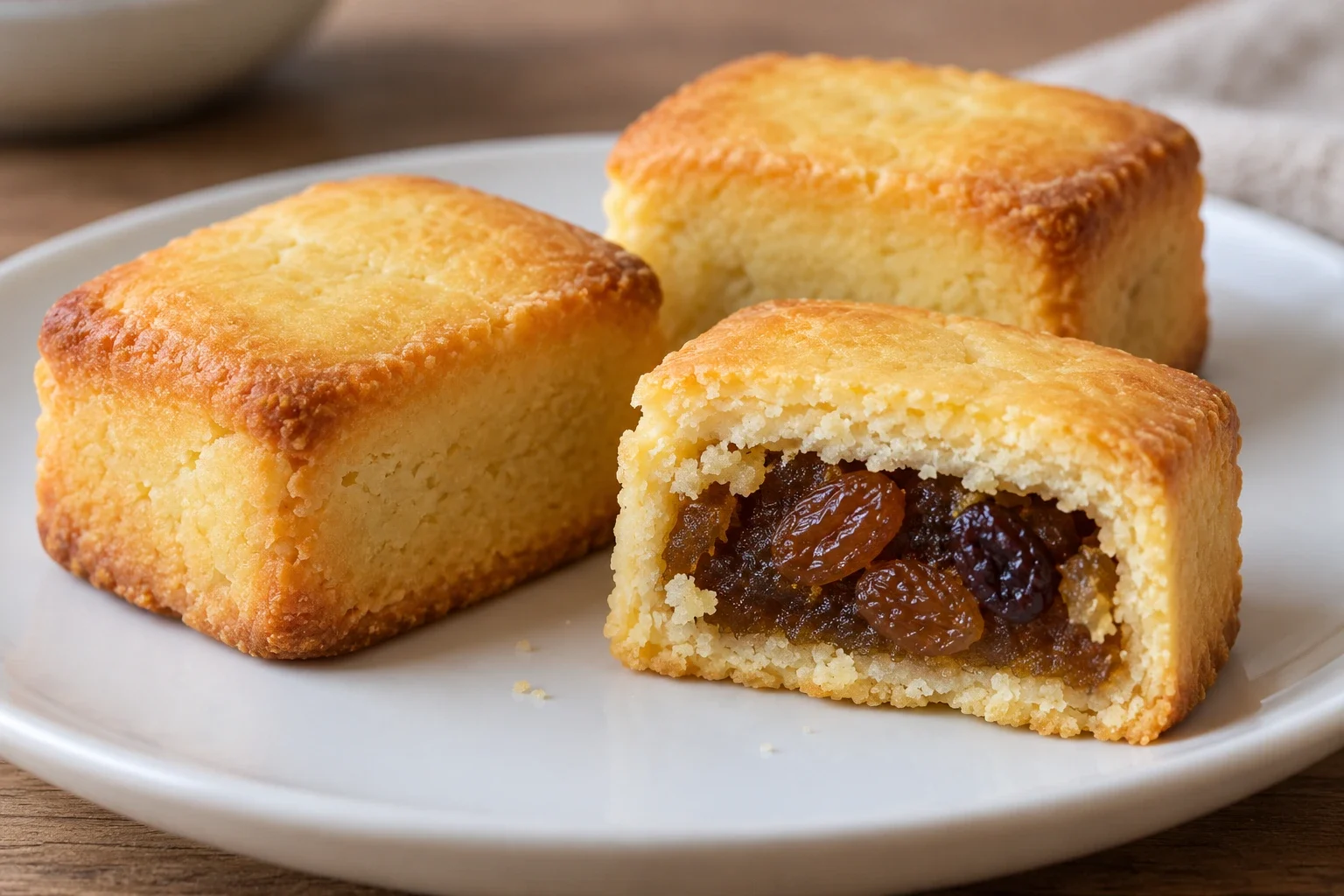
At the table
Unwrap and eat in small bites over a plate; split a piece for sharing. No reheating or dipping is necessary.
Contains wheat, milk and egg. Other flavors contain walnuts; check the actual product label and shared production.
Apricot and rose-walnut versions are also sold. This particular raisin product uses milk and butter; separately added milk skin is not part of its ingredient list.
For children who chew raisins well, offer a small piece after checking wheat, milk and egg; check other flavors for nuts.
Recipes vary. Ask the restaurant about ingredients and serving before you order.
GET TO KNOW THE DISH
What goes into it?
Explore some key ingredients below. Preparations may use additional seasonings and ingredients.
Apricot and rose-walnut versions are also sold. This particular raisin product uses milk and butter; separately added milk skin is not part of its ingredient list.
Typical ingredients
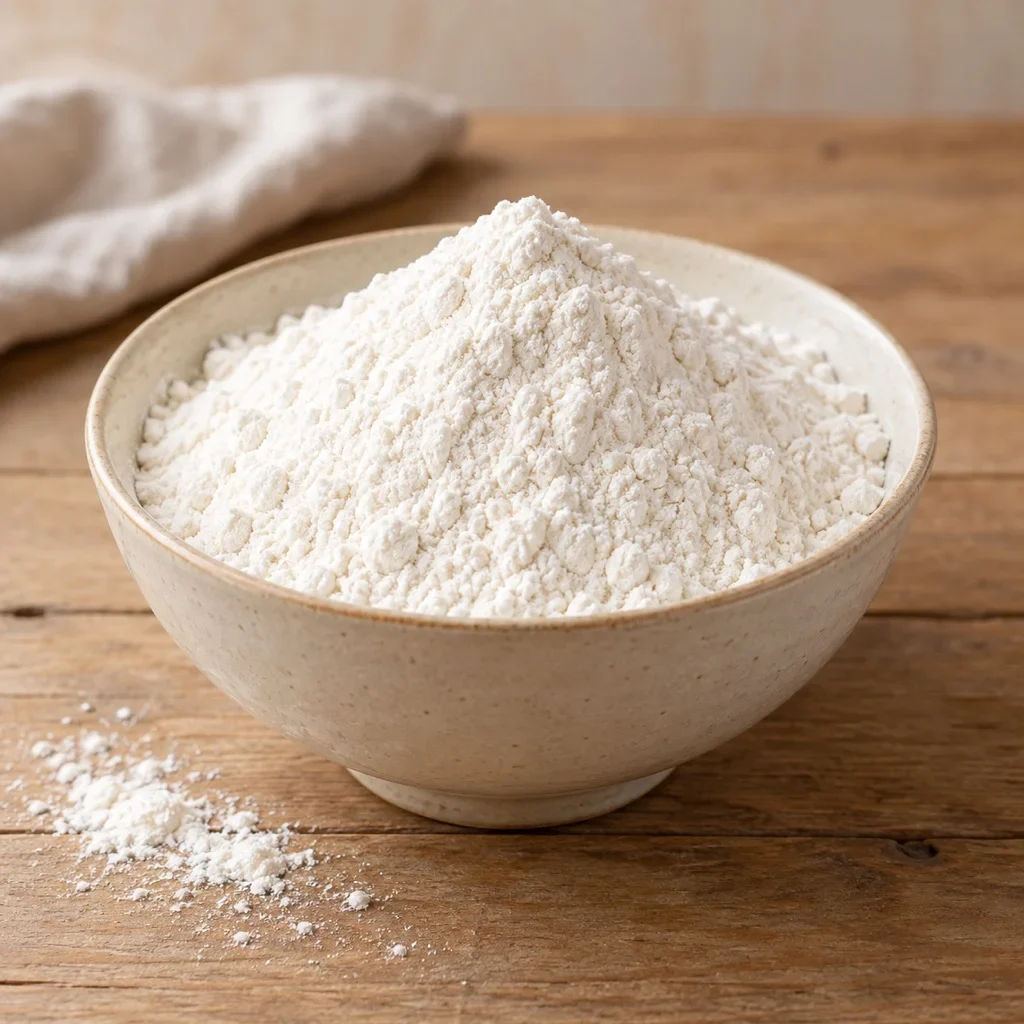
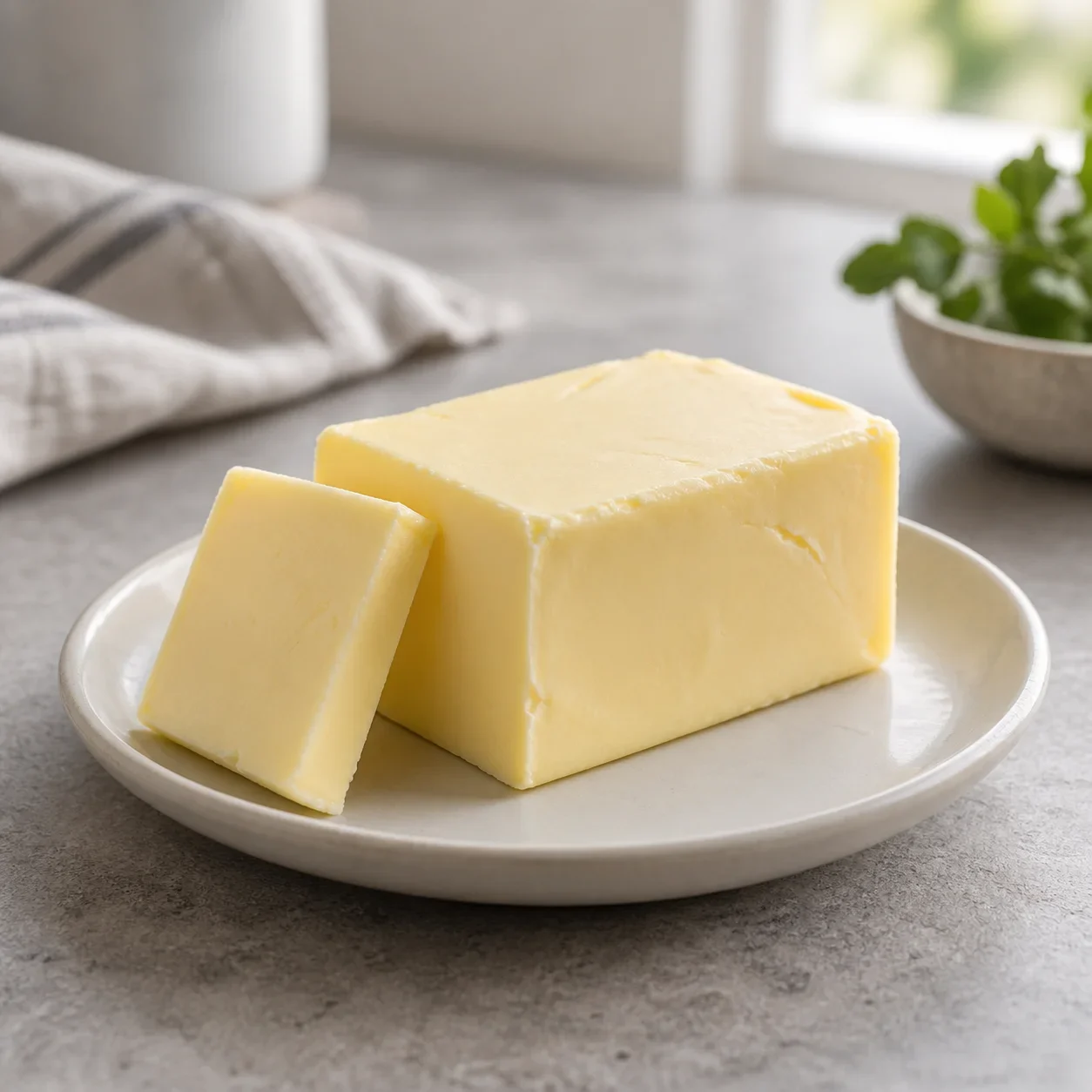
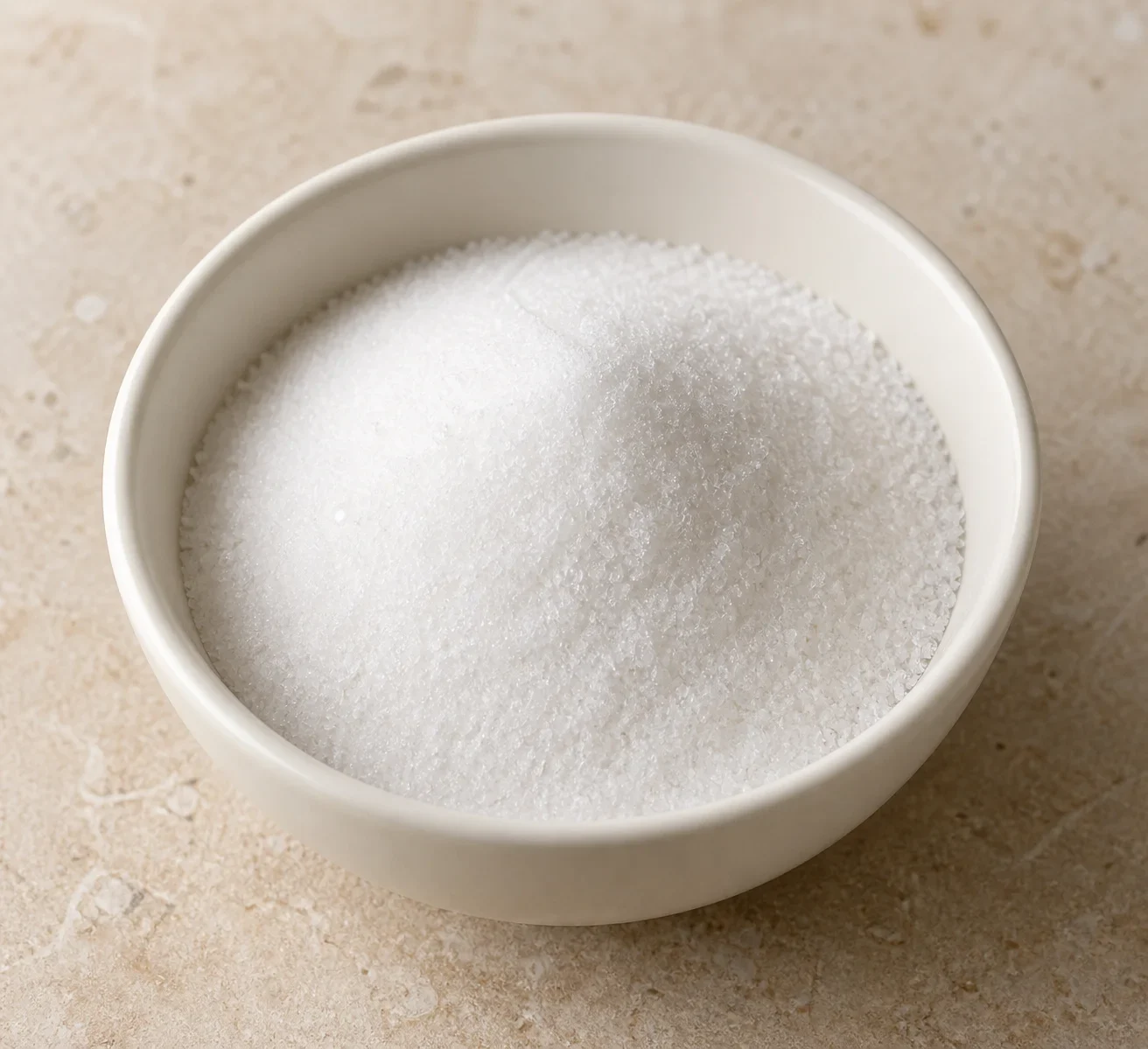
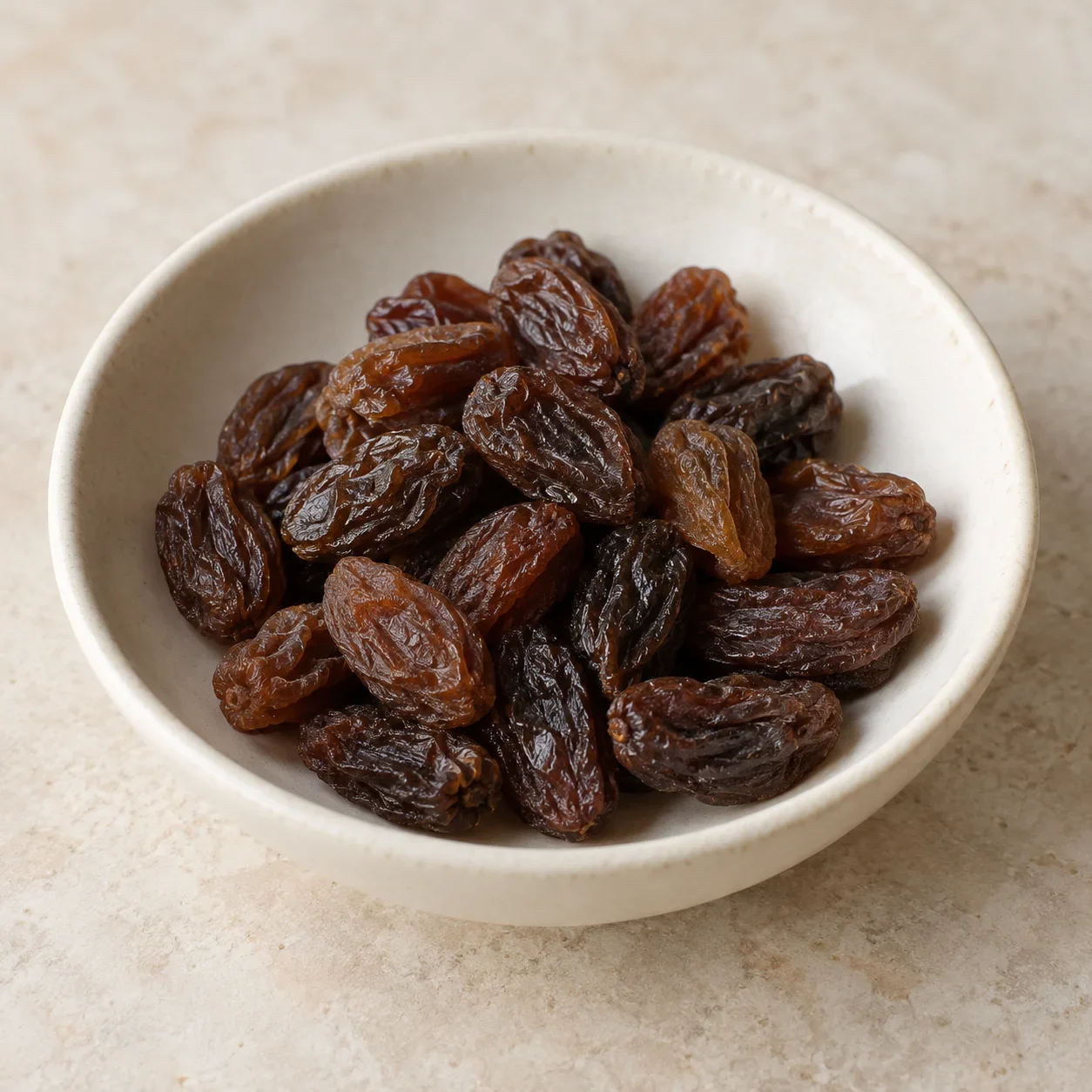
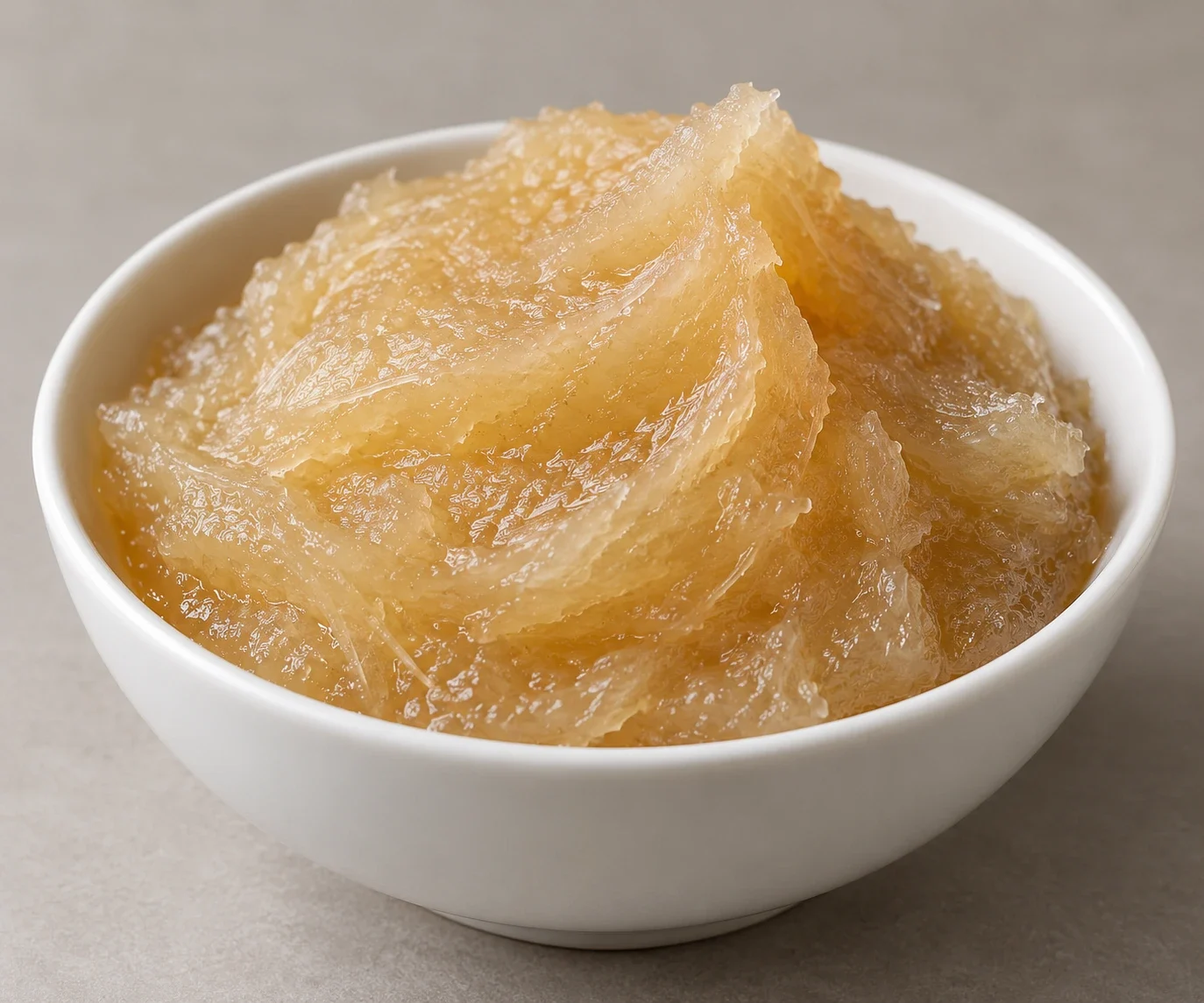
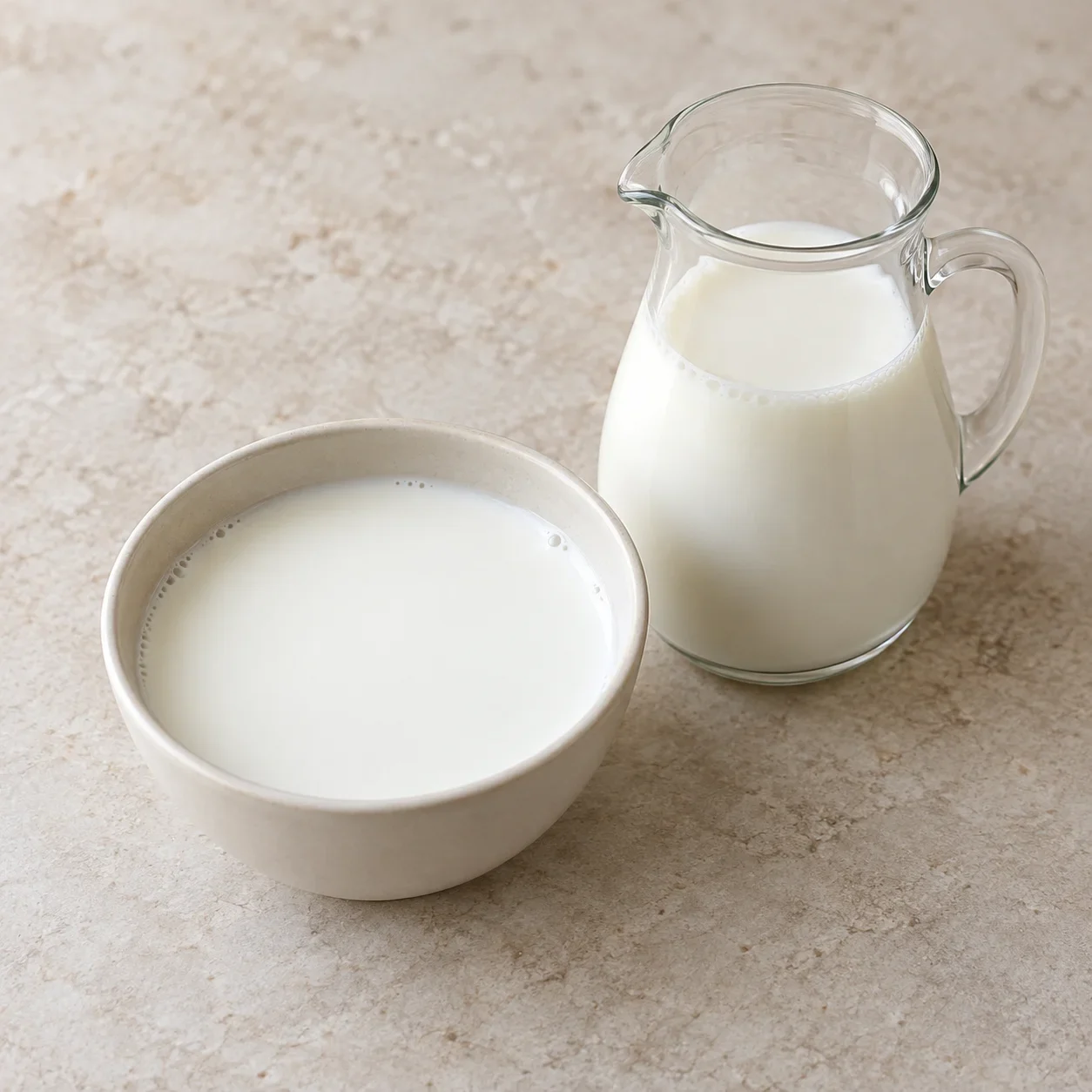
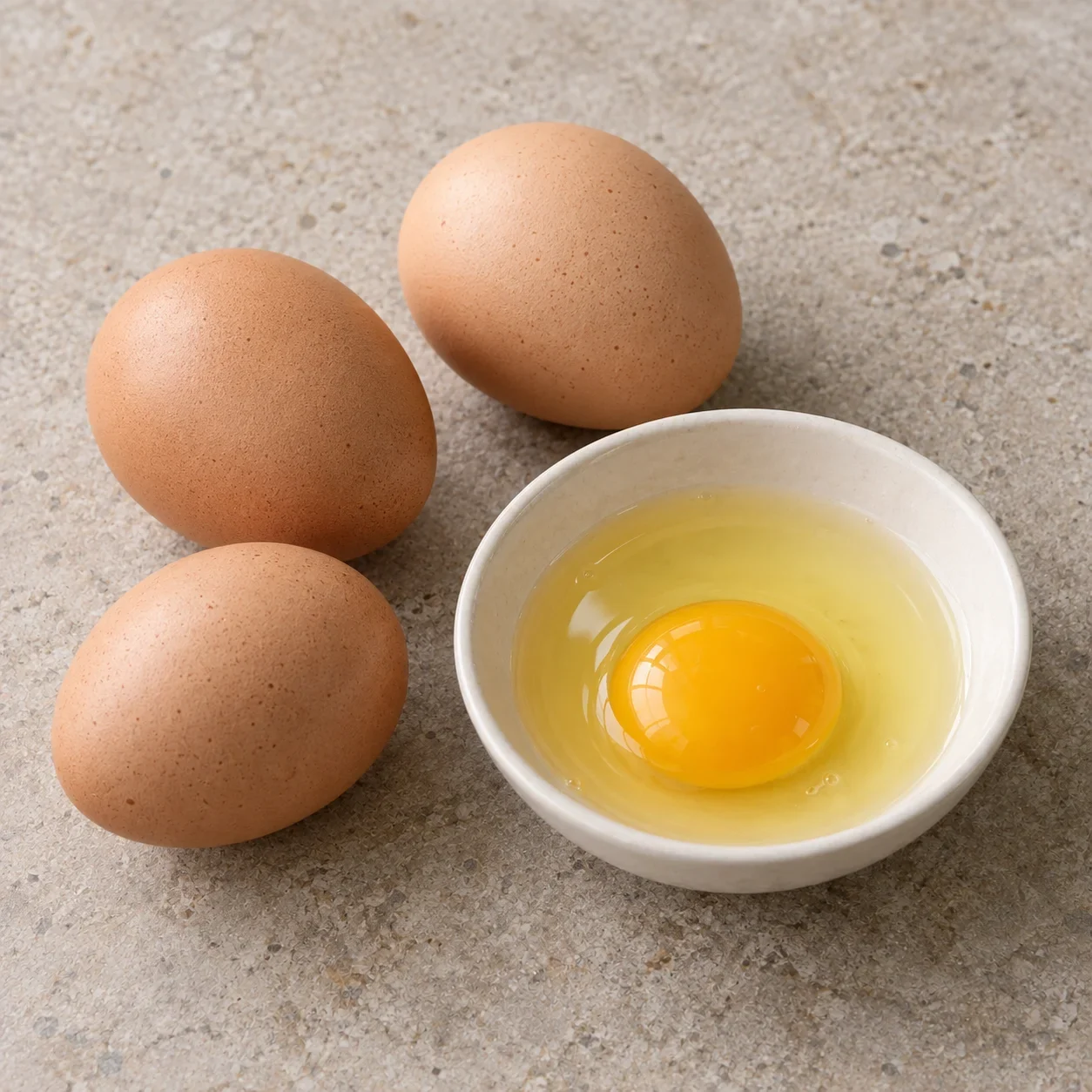
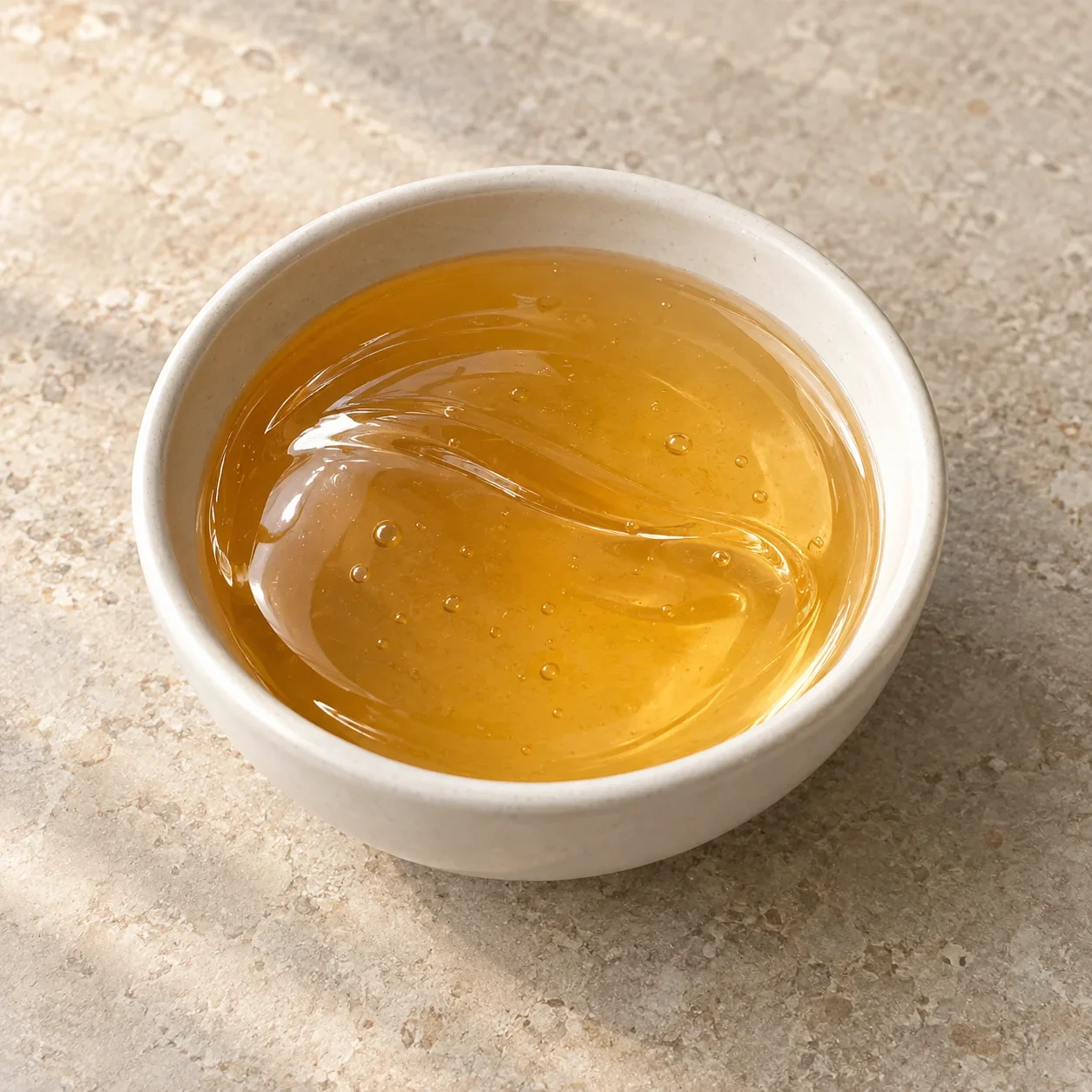

Recipes vary by restaurant.
How does it taste?
Rich milk and butter aroma with sweet, slightly tangy raisins.
- Chili heat
- Texture
- Crumbly short pastry around a dense, gently chewy fruit filling.
- How it’s made
- Shape wheat-flour pastry with butter, milk, egg, sugar, maltose and salt around raisins and prepared winter melon paste, then bake. The paste contains winter melon, maltose, sugar, rapeseed oil and salt.
Apricot and rose-walnut versions are also sold. This particular raisin product uses milk and butter; separately added milk skin is not part of its ingredient list.
A CONNECTION TO PLACE
Origin & regional roots
Associated with Xinjiang.
About this regional connection
Xinjiang: 新疆当代烘焙与伴手礼糕点。
Ask if they have it first
请问你们有奶皮酥吗?
Do you have this item?
A LITTLE SOMETHING TO READ
Story & history
A milk-flavored Xinjiang gift pastry
This account describes a tradition or story, rather than an established historical fact.
Contemporary Xinjiang bakeries combine rich dairy pastry with local-style dried-fruit fillings. Small individually wrapped pieces make naipisu easy to share with tea.