
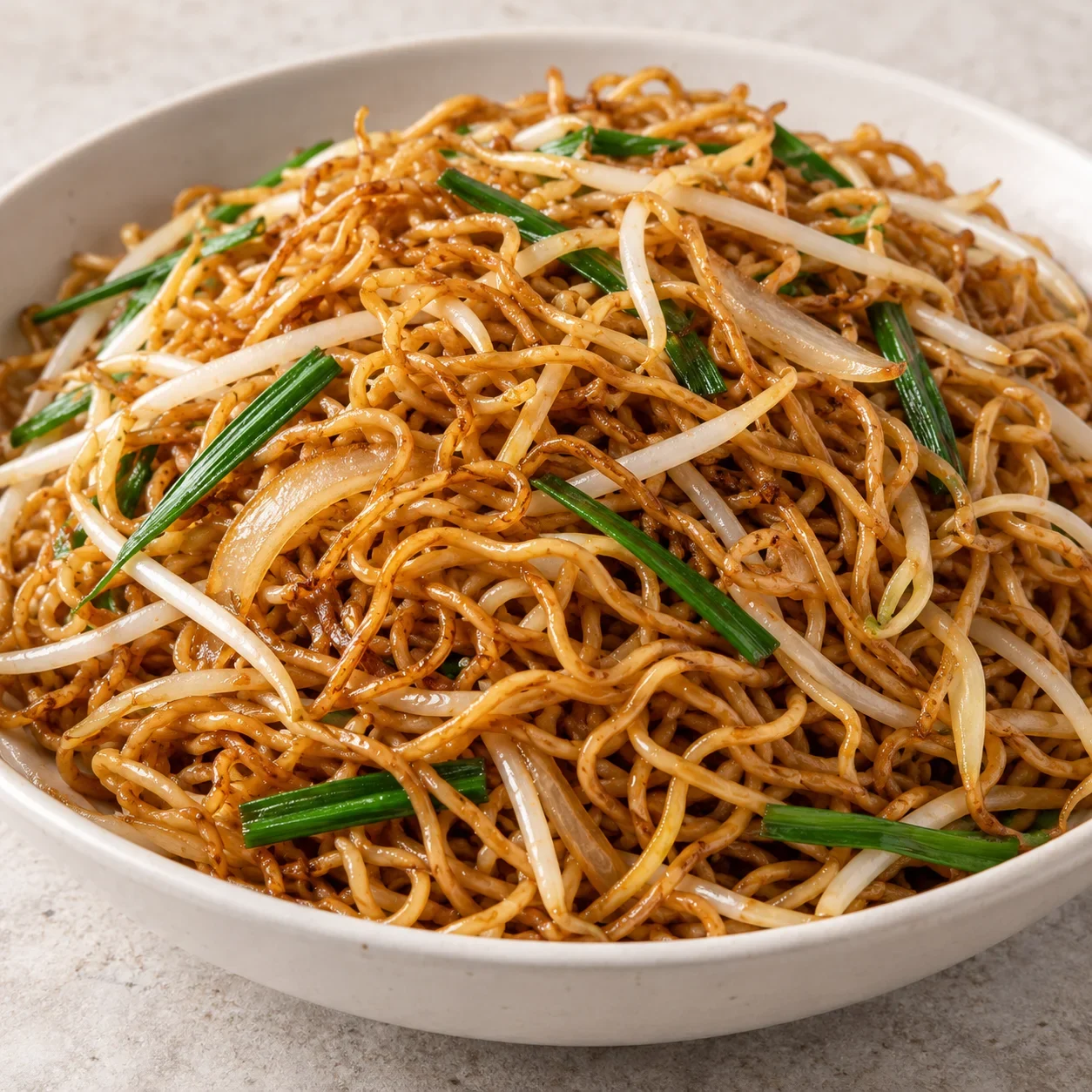
At the table
Lift a small bundle with chopsticks. For sharing, move a portion to your own bowl; congee, if ordered, is eaten alongside.
This version uses egg noodles and oyster sauce: it is not vegetarian. Wheat, egg, soy, oysters and sesame may matter to diners with allergies; ask about the actual recipe.
No chili in this version. Ginger adds aroma, not a chili-heat rating; optional hot sauce is separate.
GET TO KNOW THE DISH
What goes into it?
Explore some key ingredients below. Preparations may use additional seasonings and ingredients.
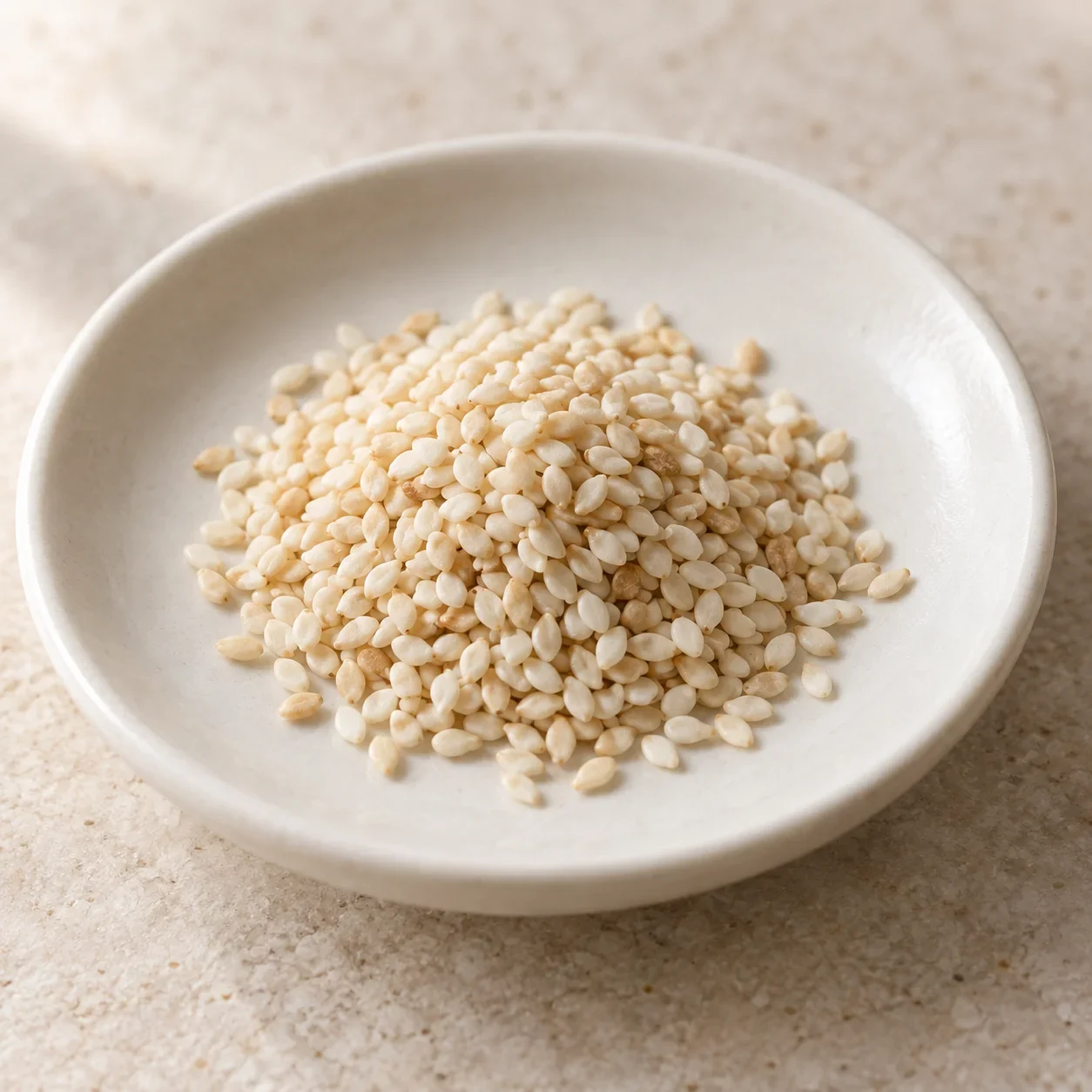
Green or yellow chives may be used; sesame seeds are an optional finish. Sauces vary, including vegetarian versions.
Typical ingredients
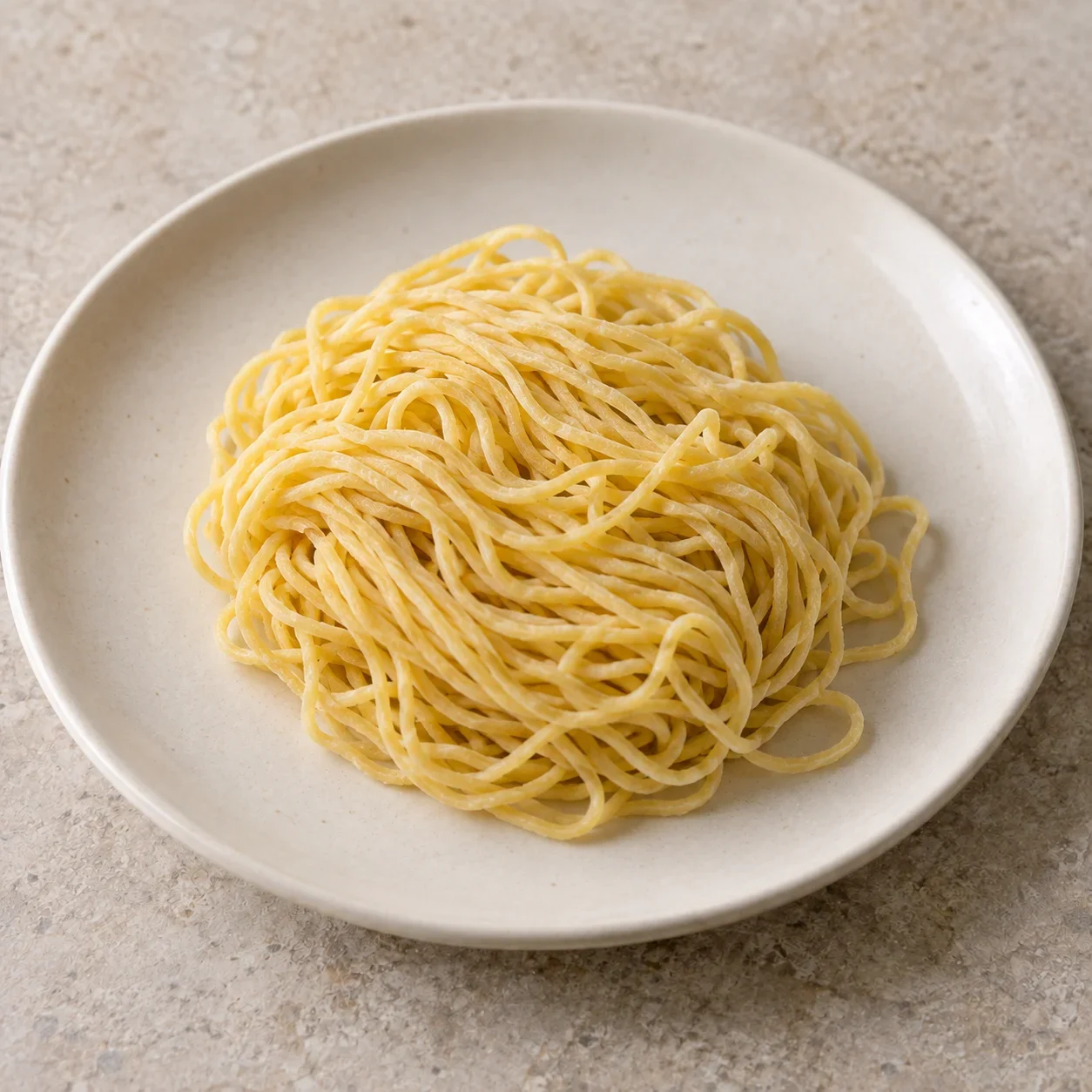
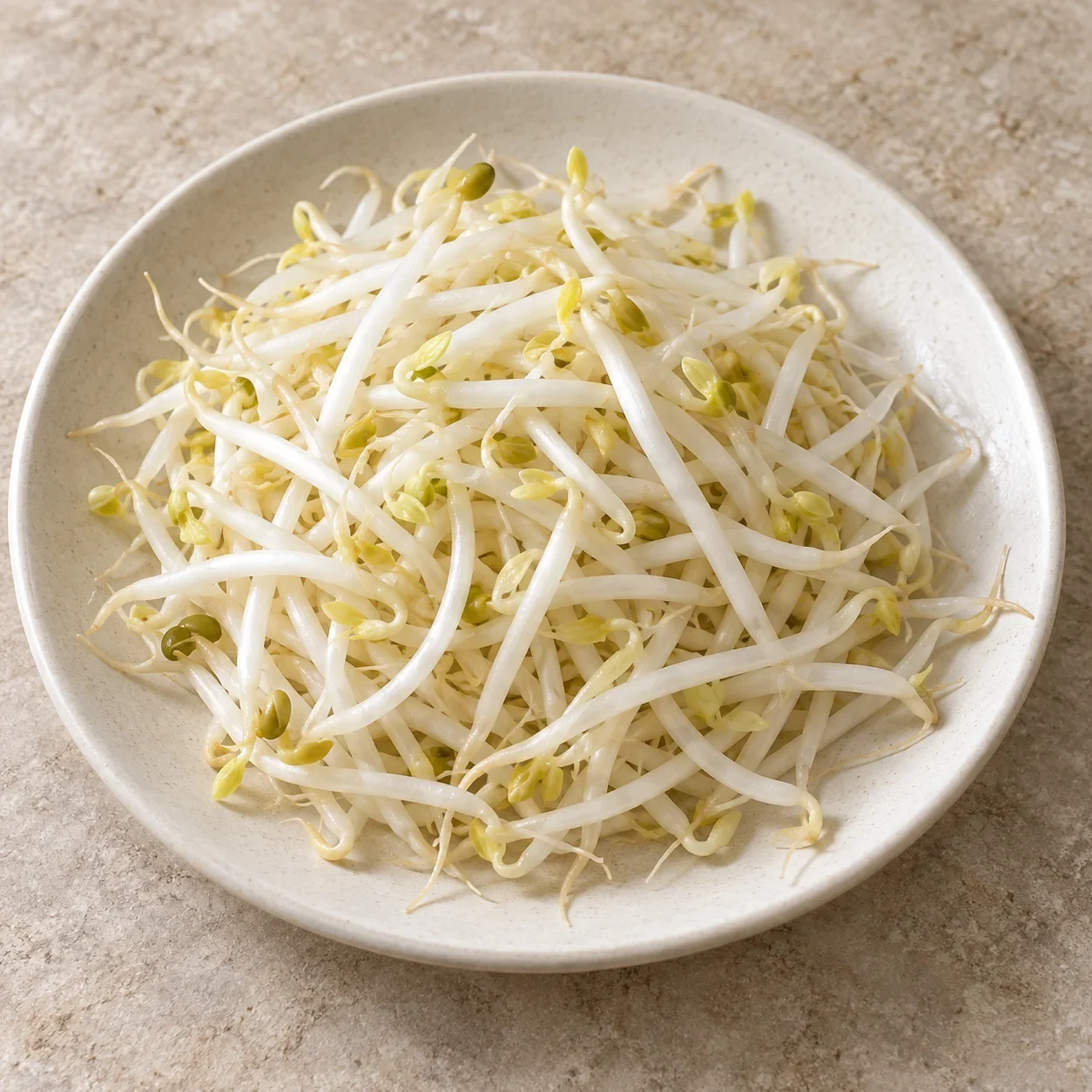
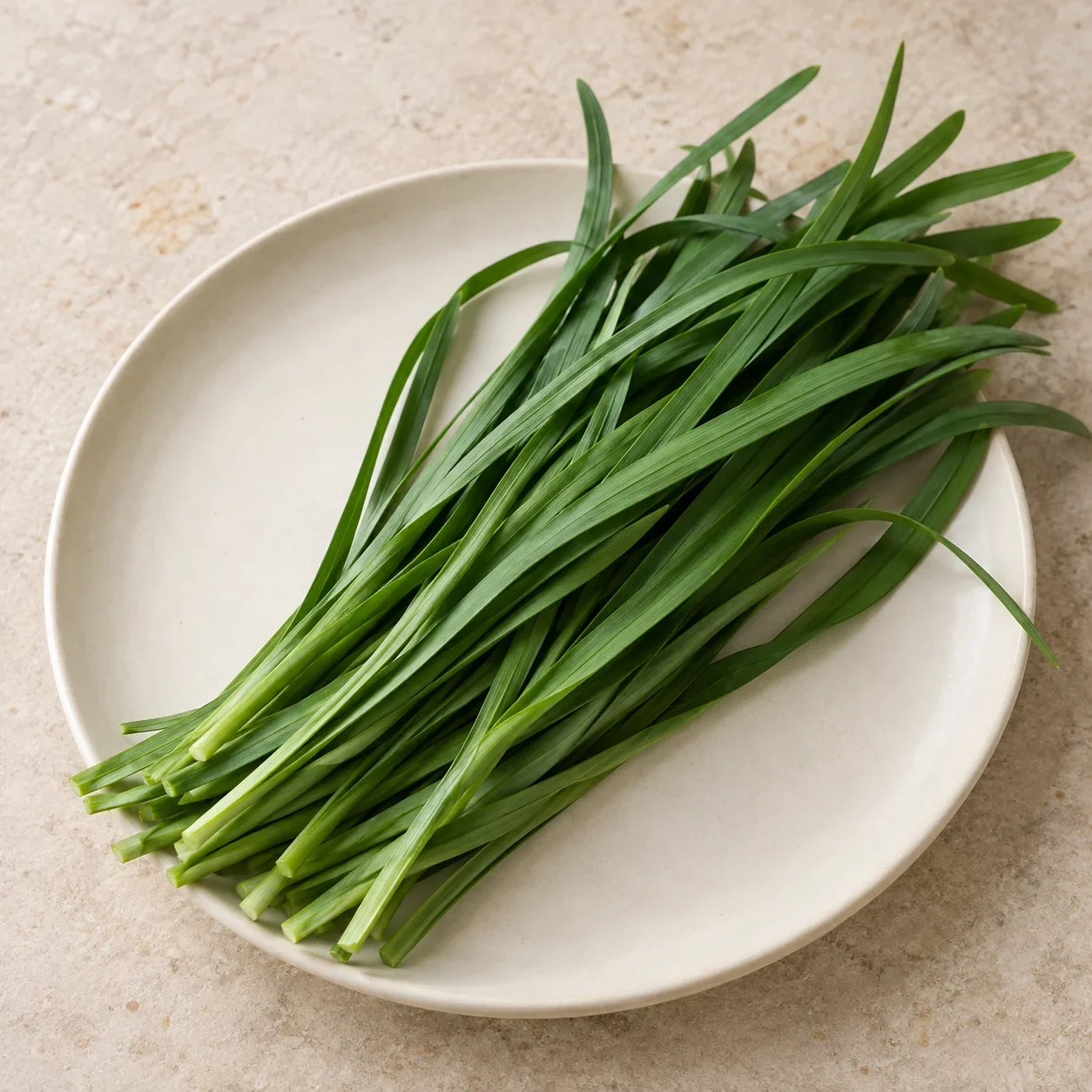
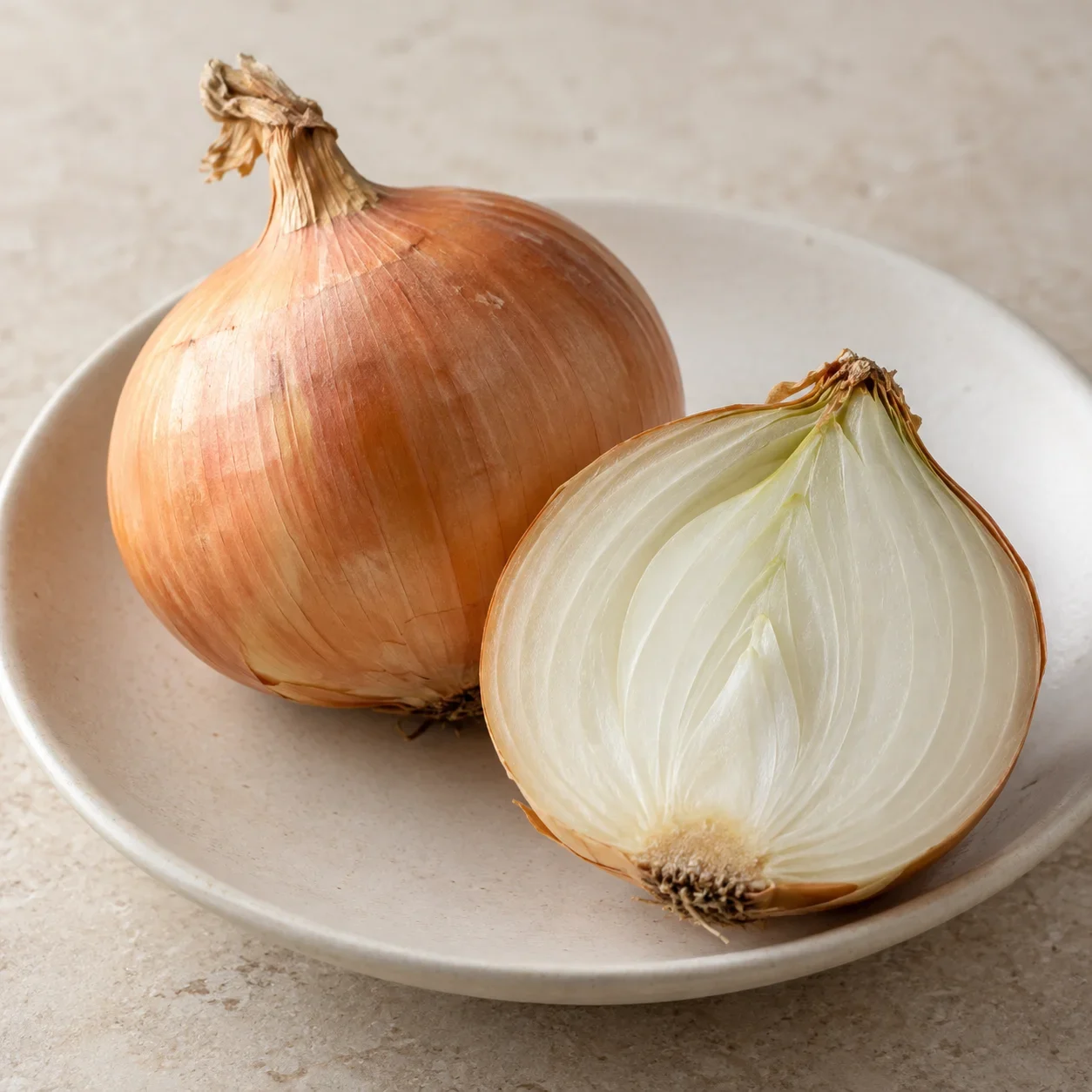
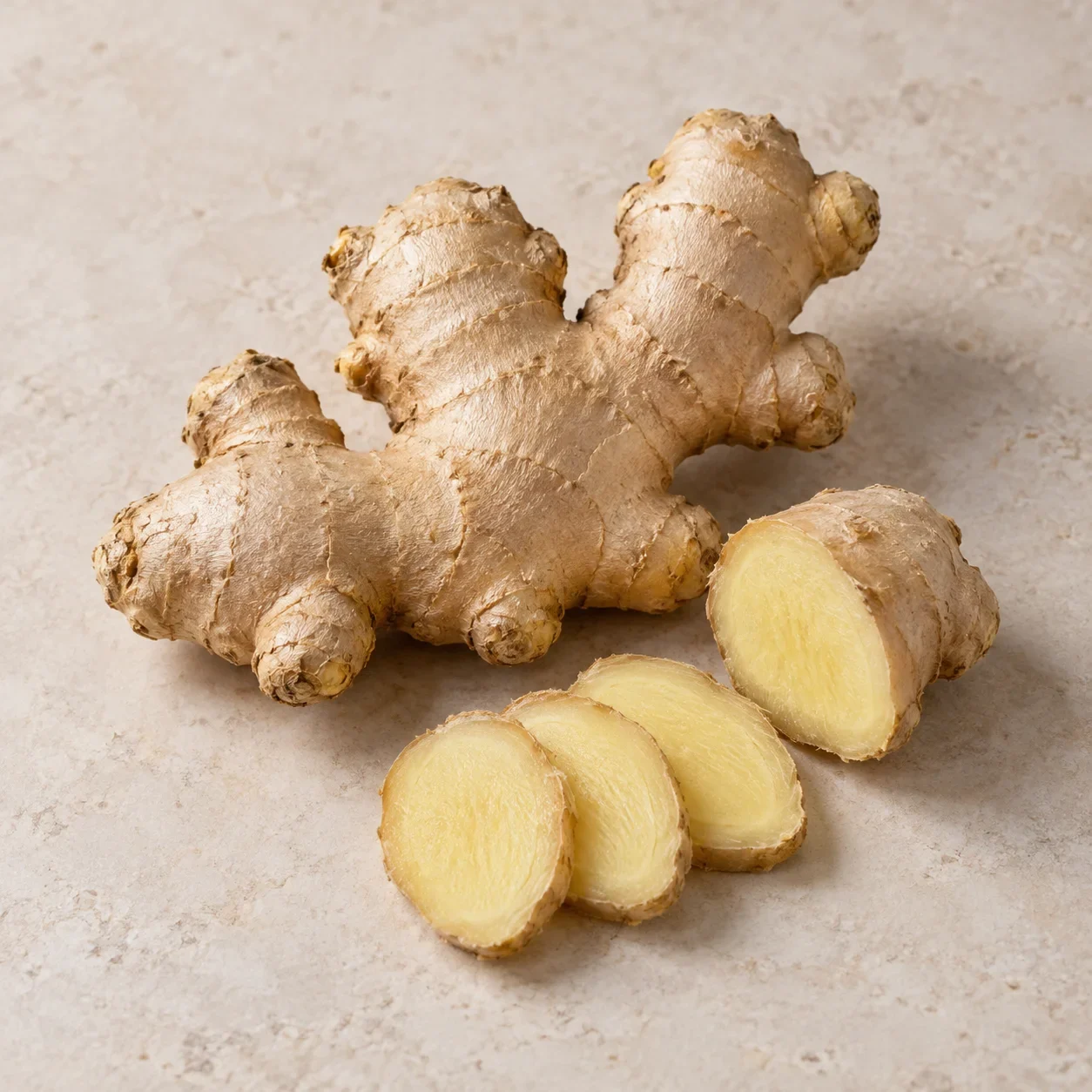
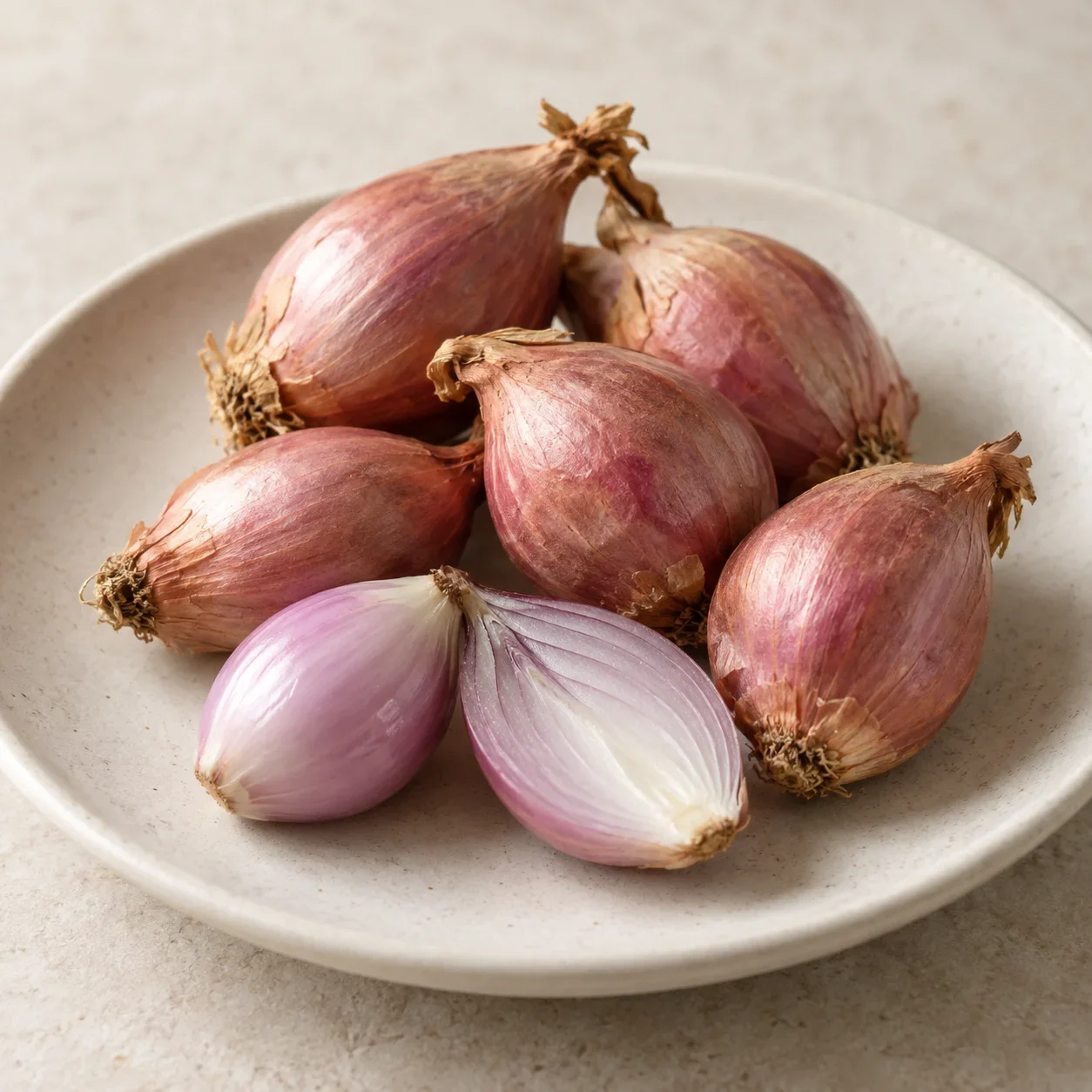
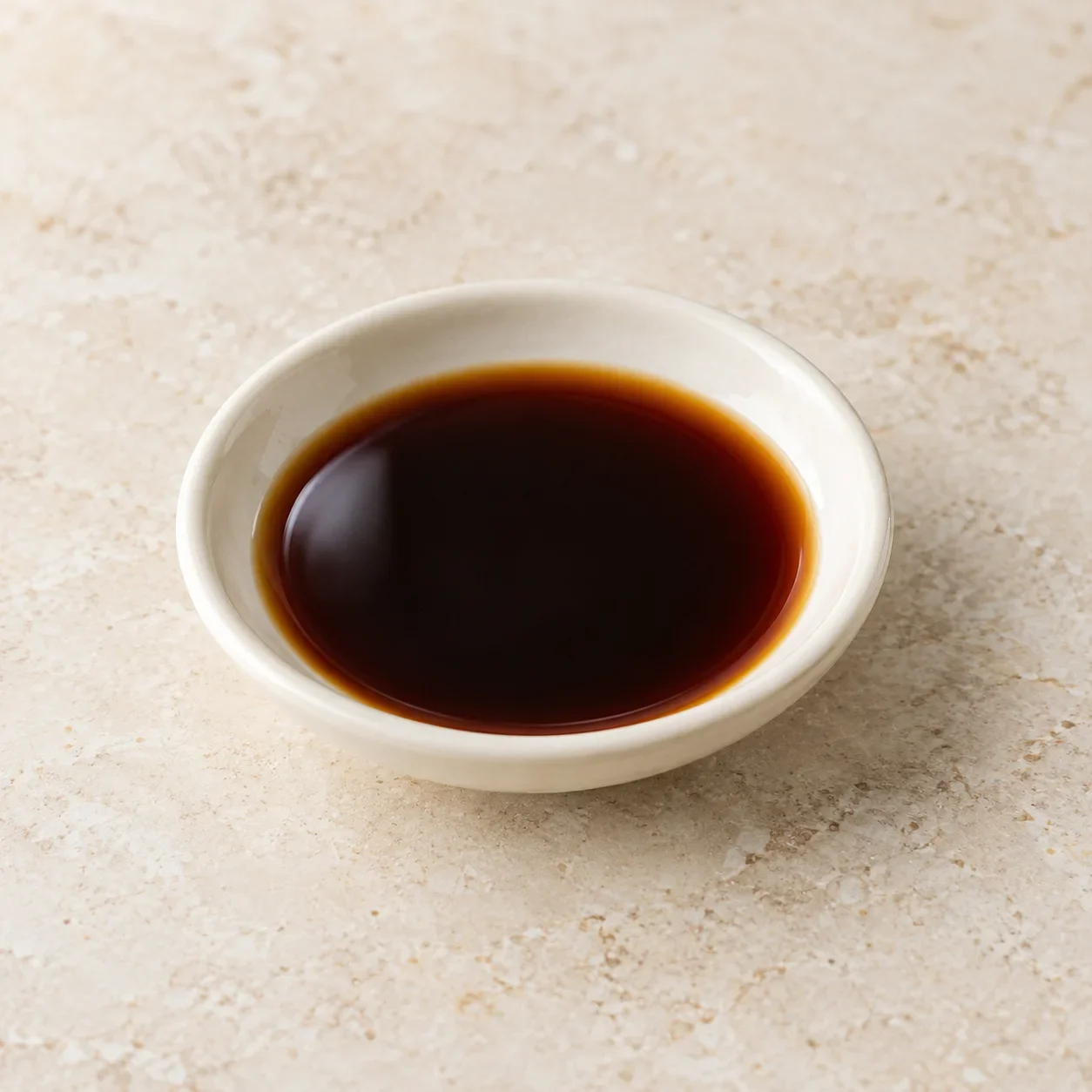

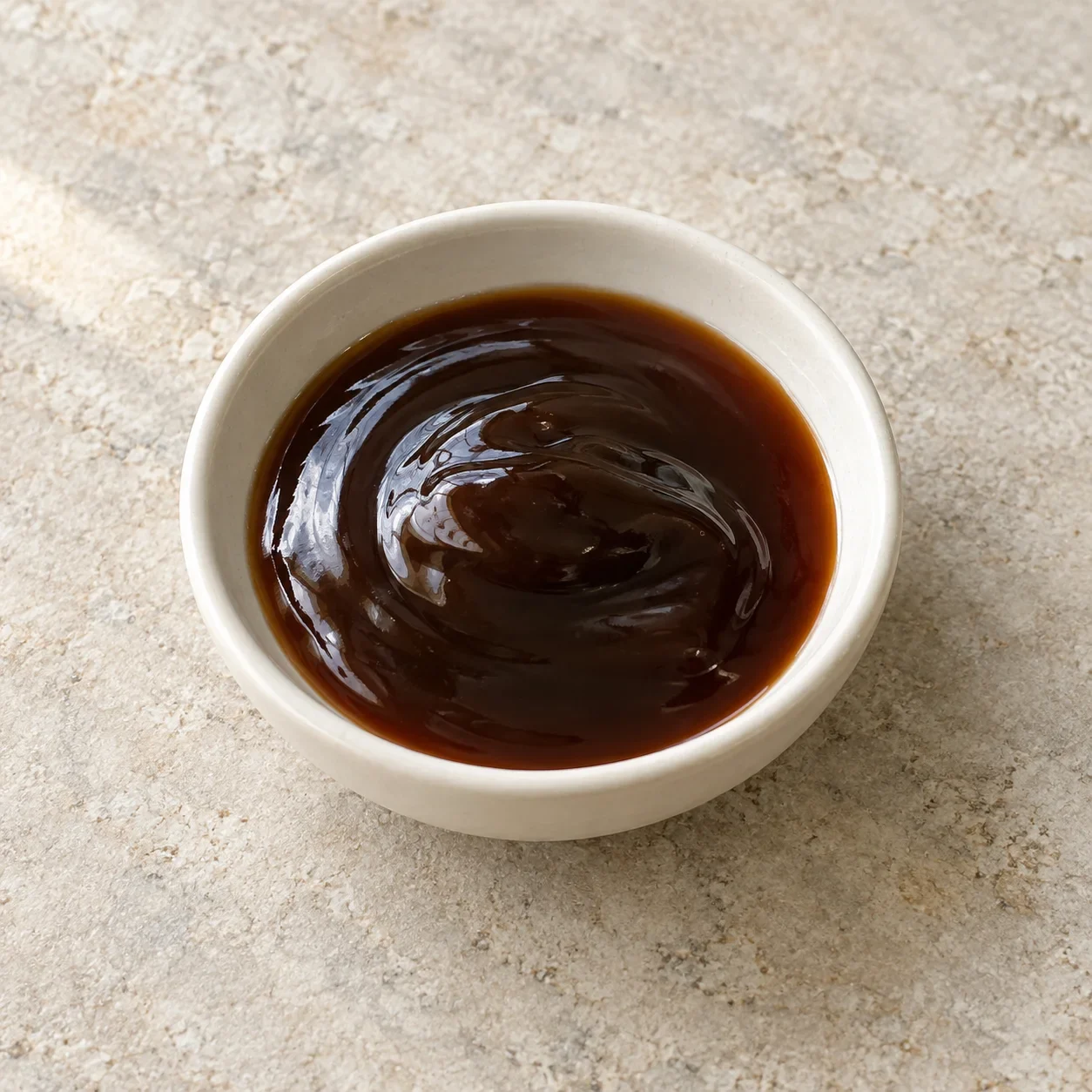
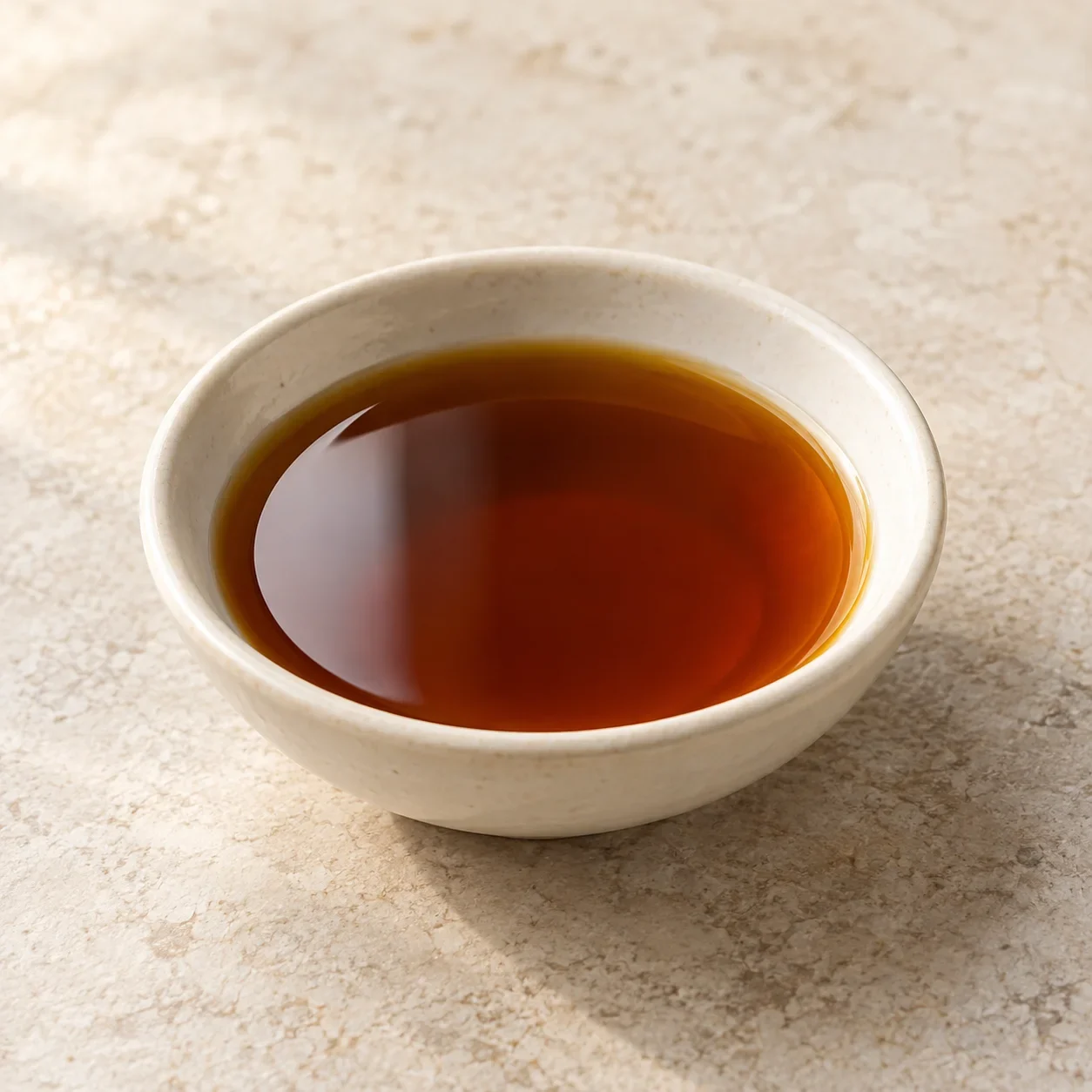
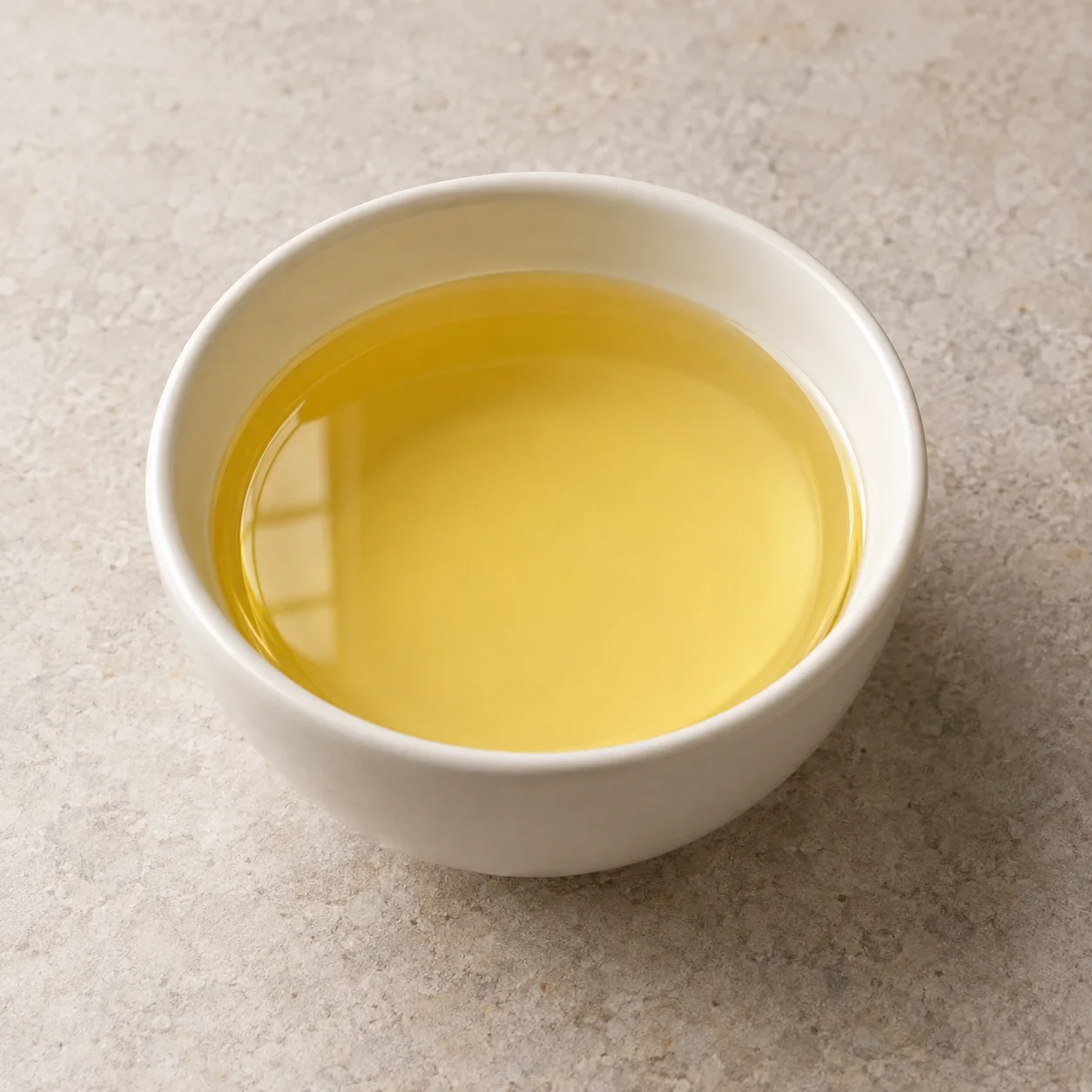
In some versions
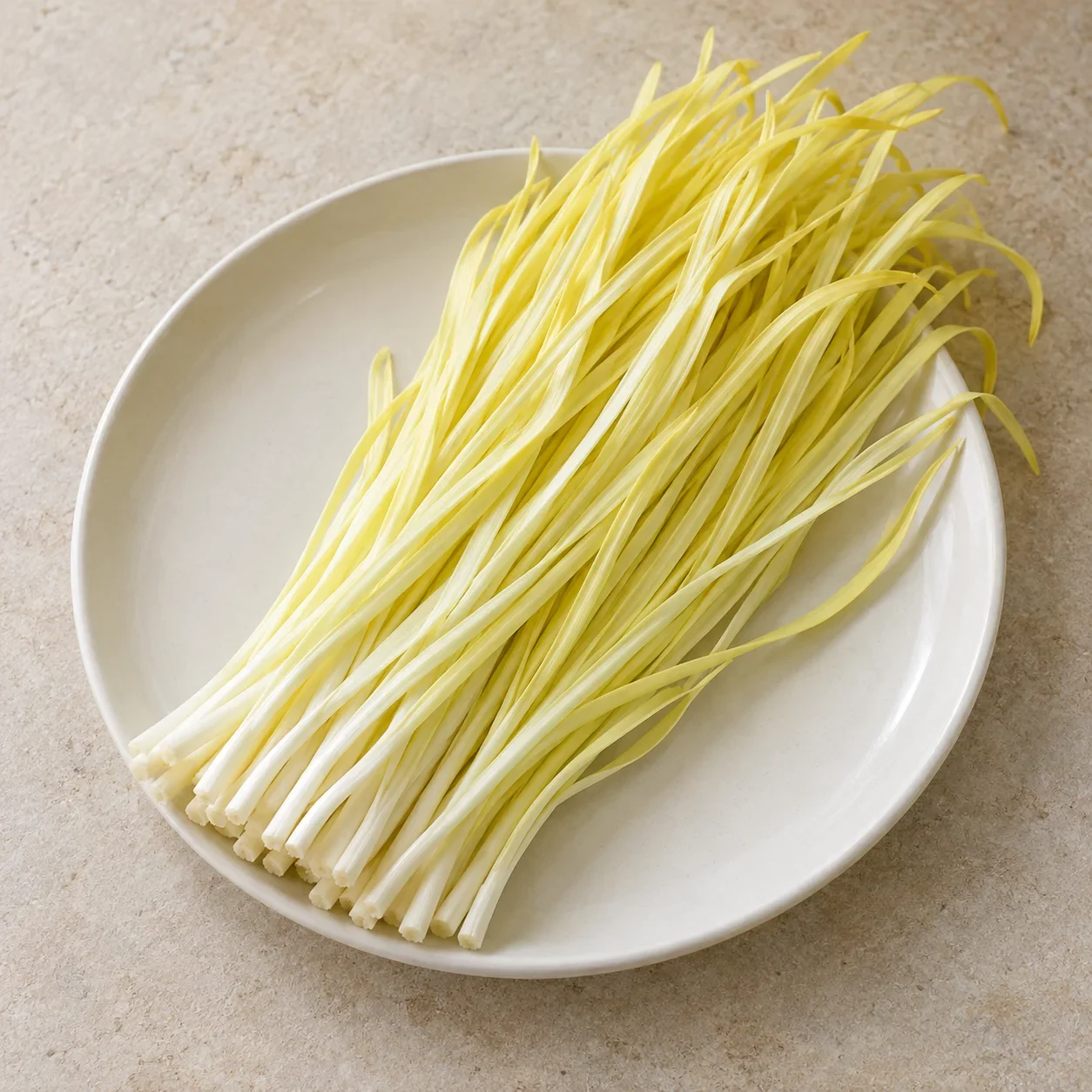
Recipes vary by restaurant.
How does it taste?
Savory soy with a little sweetness and toasted aroma.
- Chili heat
- Texture
- Springy, separate noodles with lightly crisp sprouts.
- How it’s made
- Briefly cooked noodles are drained, then wok-fried with vegetables, oil and mixed sauces.
Green or yellow chives may be used; sesame seeds are an optional finish. Sauces vary, including vegetarian versions.
A CONNECTION TO PLACE
Origin & regional roots
Associated with Hong Kong. Associated with Macau.
About this regional connection
Hong Kong: Cantonese breakfast noodles, not exclusive origin. Macau: Cantonese breakfast noodles, not exclusive origin.
Ask if they have it first
请问你们有豉油皇炒面吗?
Do you have this item?
A LITTLE SOMETHING TO READ
Story & history
A breakfast noodle plate
This account describes a tradition or story, rather than an established historical fact.
A Cantonese breakfast and snack also found in Macau. A bowl of plain congee can accompany the dry, soy-coated noodles; the dish is not noodle soup.