At the table
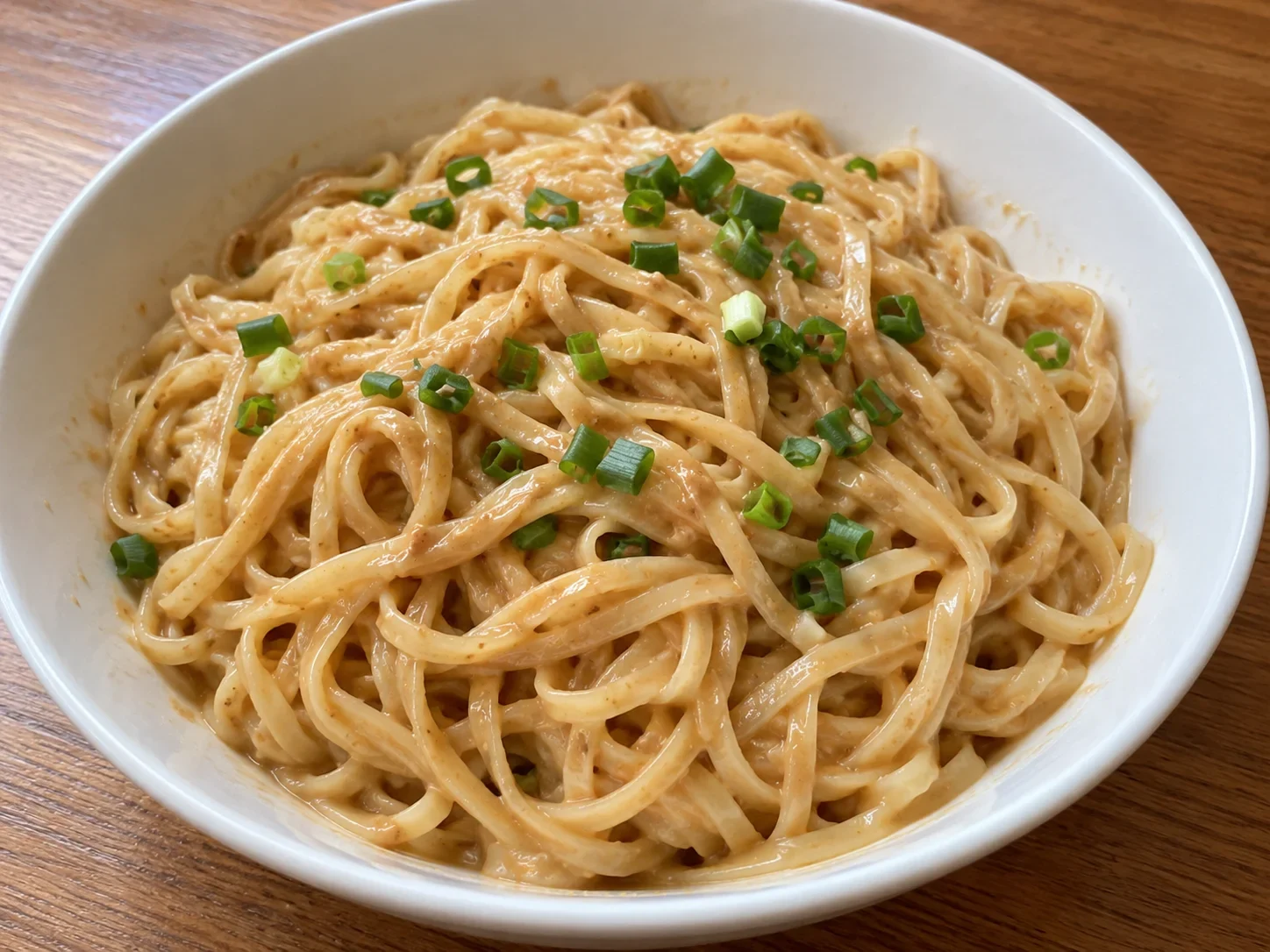
Toss the noodles through the peanut sauce before eating; a spoon can help lift a small portion.
Contains peanuts and wheat. The sauce may also contain sesame, soy or oyster sauce; ask about the ingredients.
Sauce combinations vary; oyster sauce, scallion-flavored oil or lard can be used. Some peanut-sauce versions use wheat noodles.
The usually mild noodles can suit children in small, cooled portions; check peanut and other sauce ingredients first.
Recipes vary. Ask the restaurant about ingredients and serving before you order.
GET TO KNOW THE DISH
What goes into it?
Explore some key ingredients below. Preparations may use additional seasonings and ingredients.
Sauce combinations vary; oyster sauce, scallion-flavored oil or lard can be used. Some peanut-sauce versions use wheat noodles.
Typical ingredients
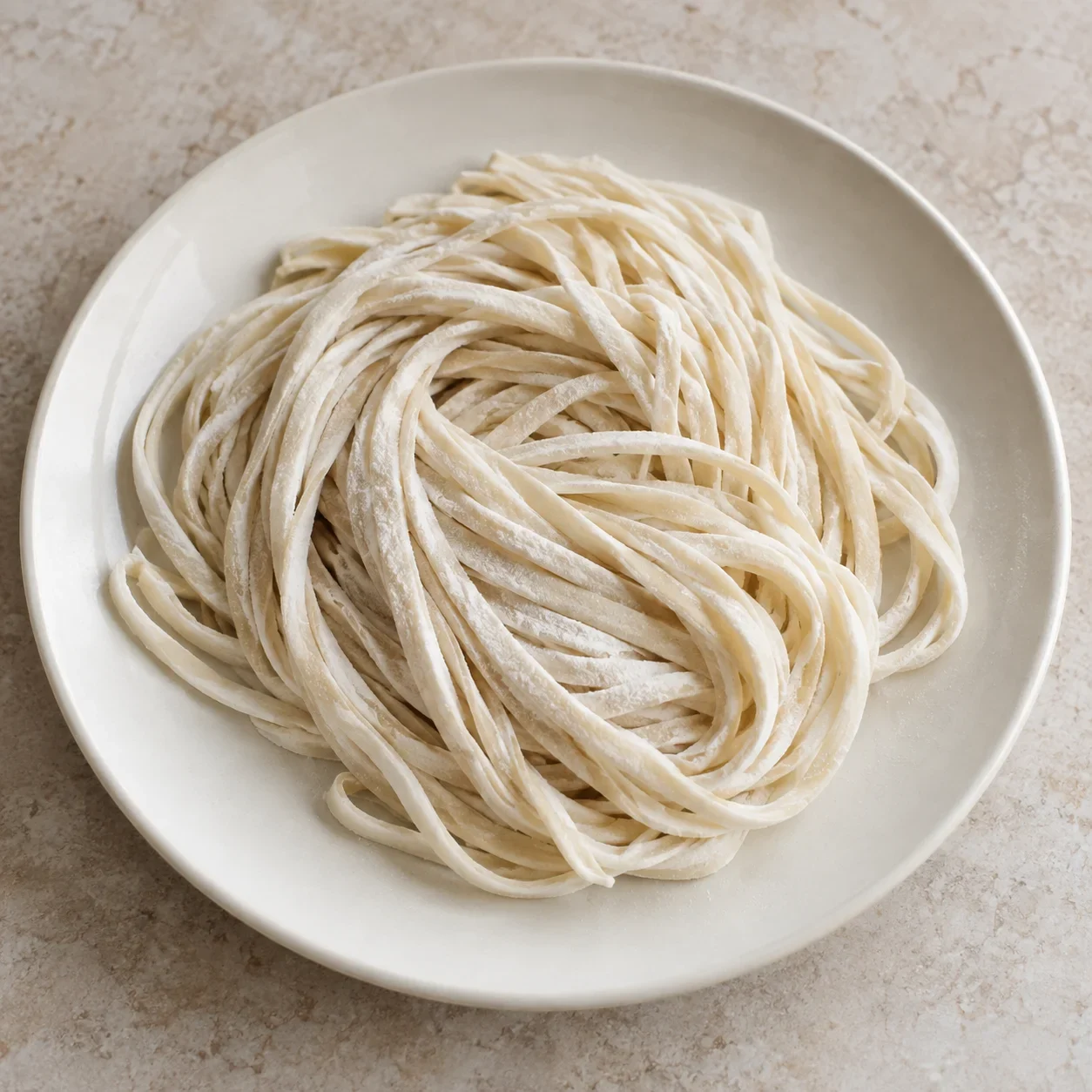
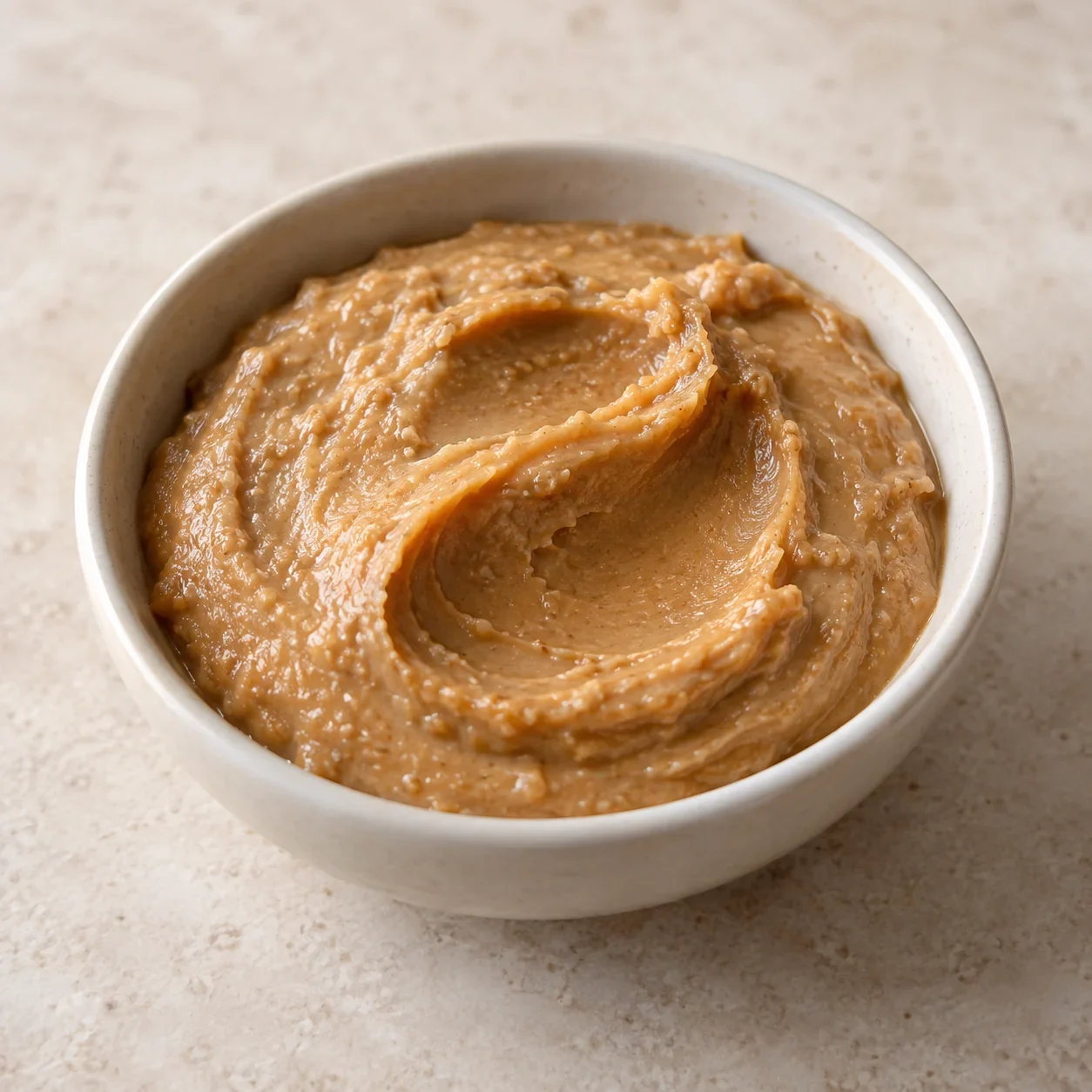
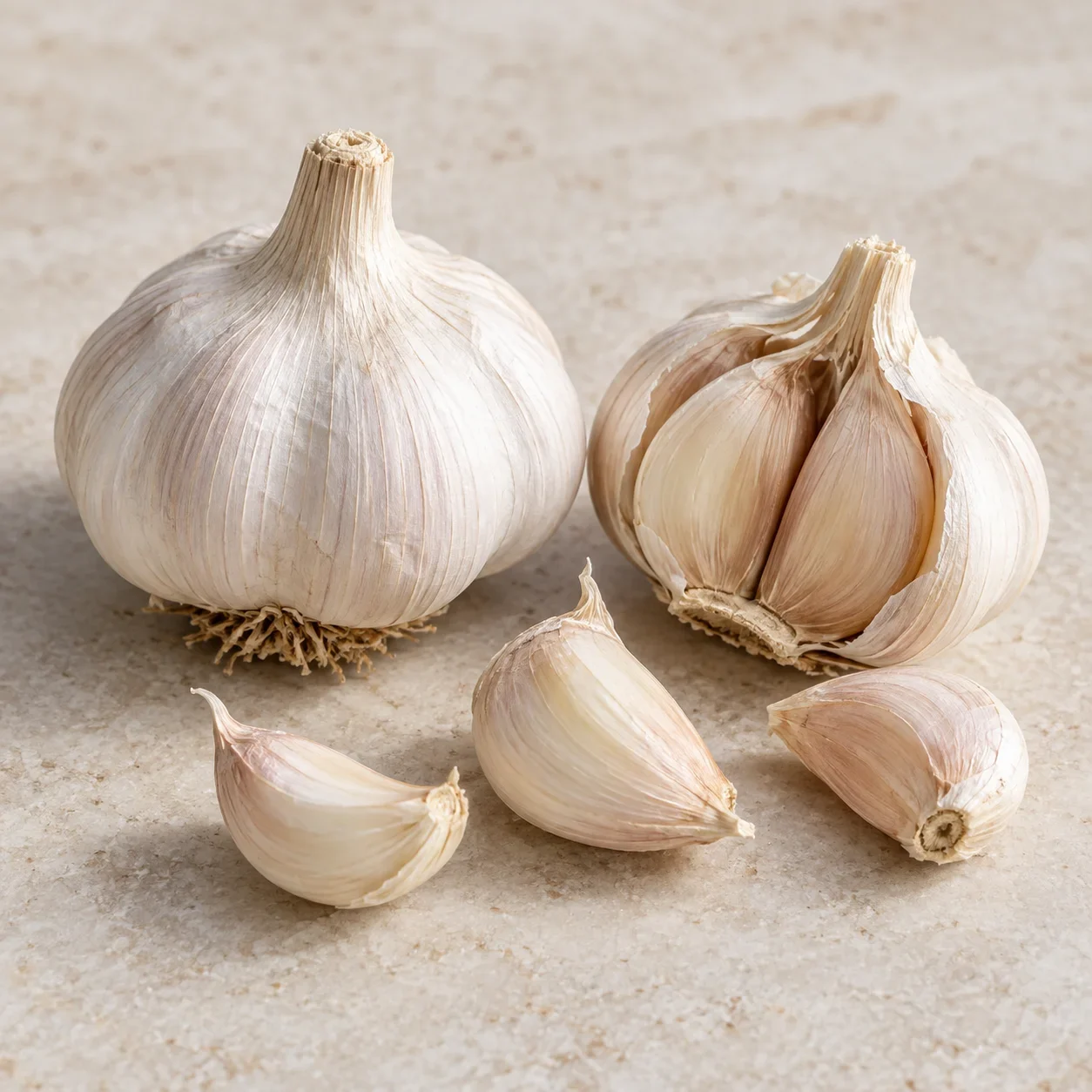

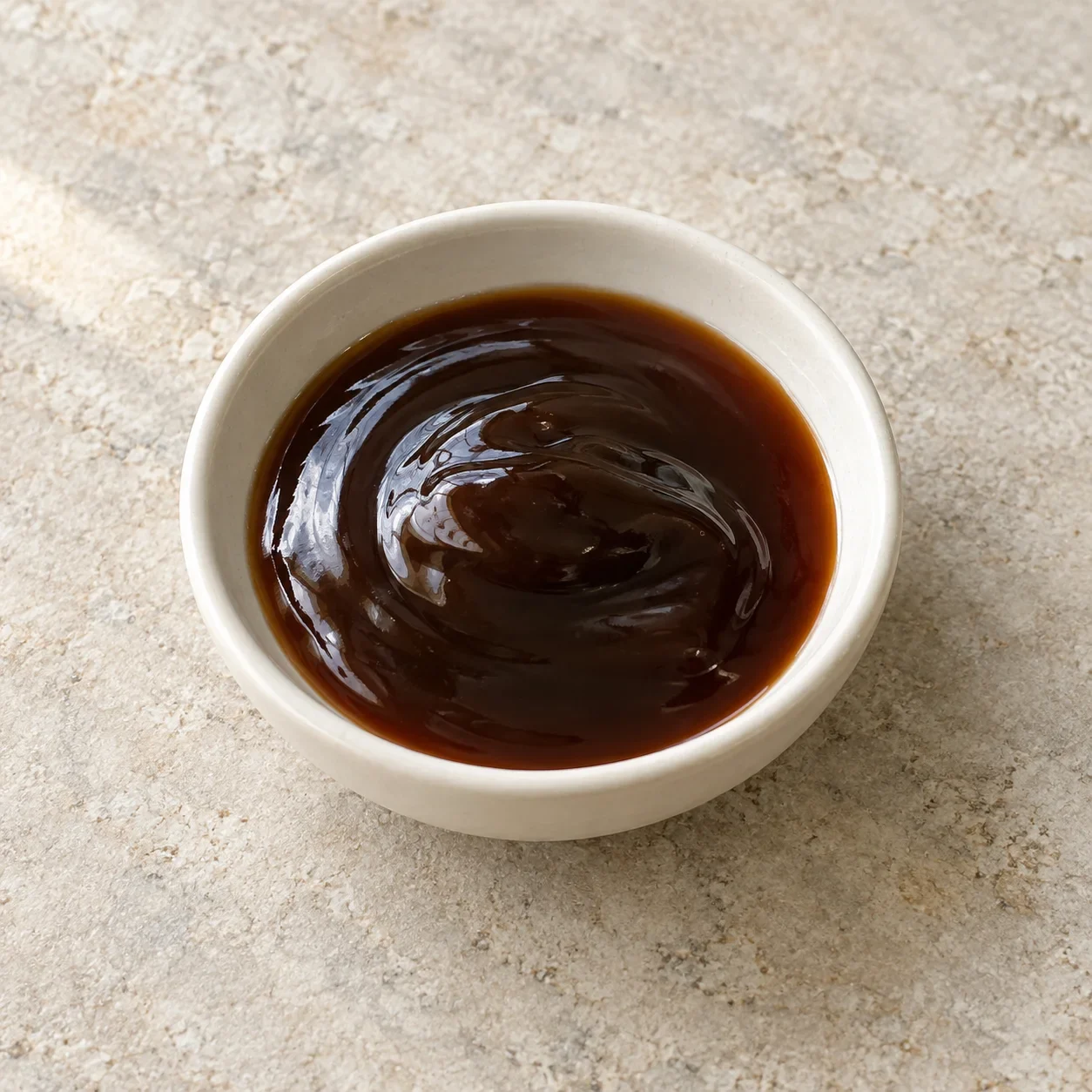
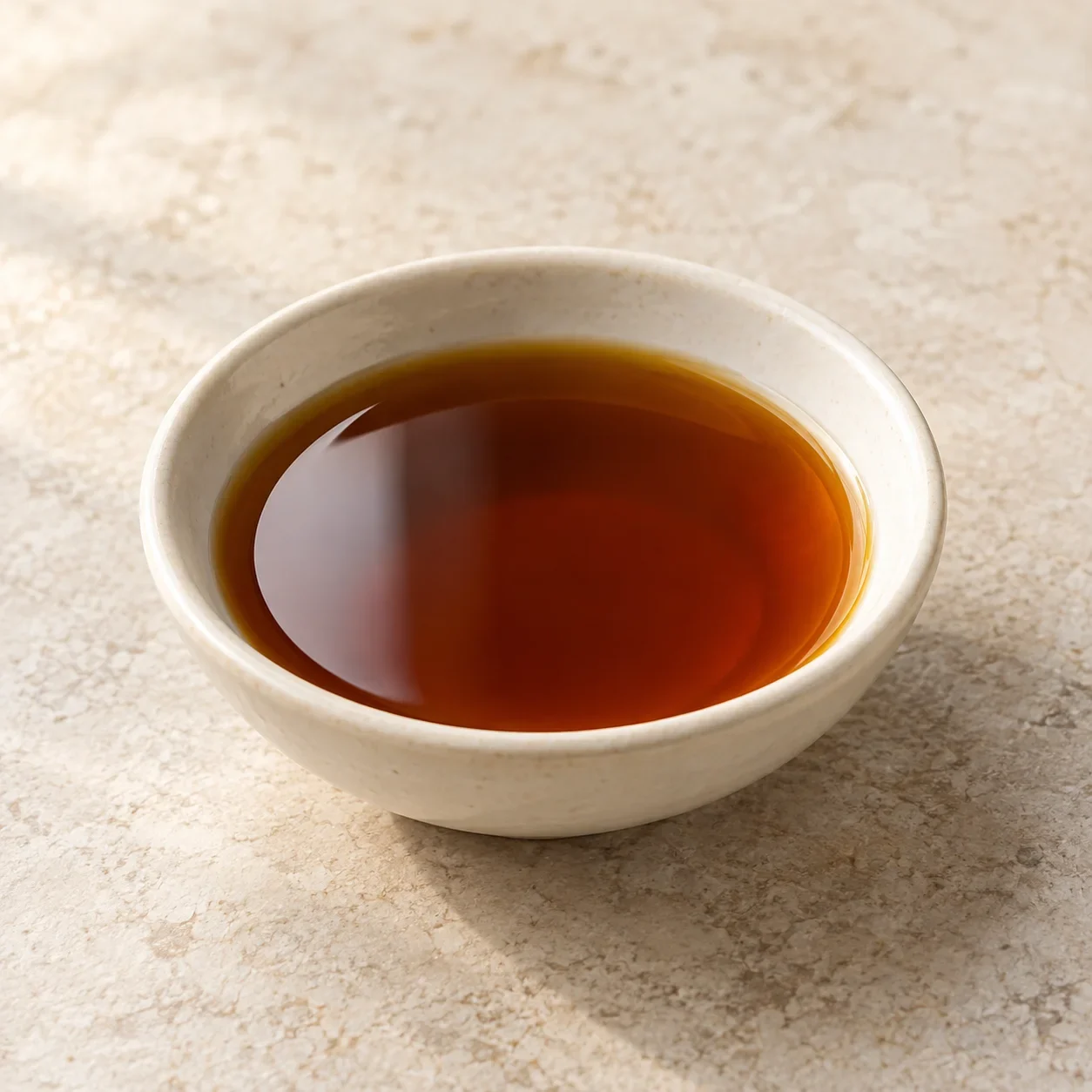
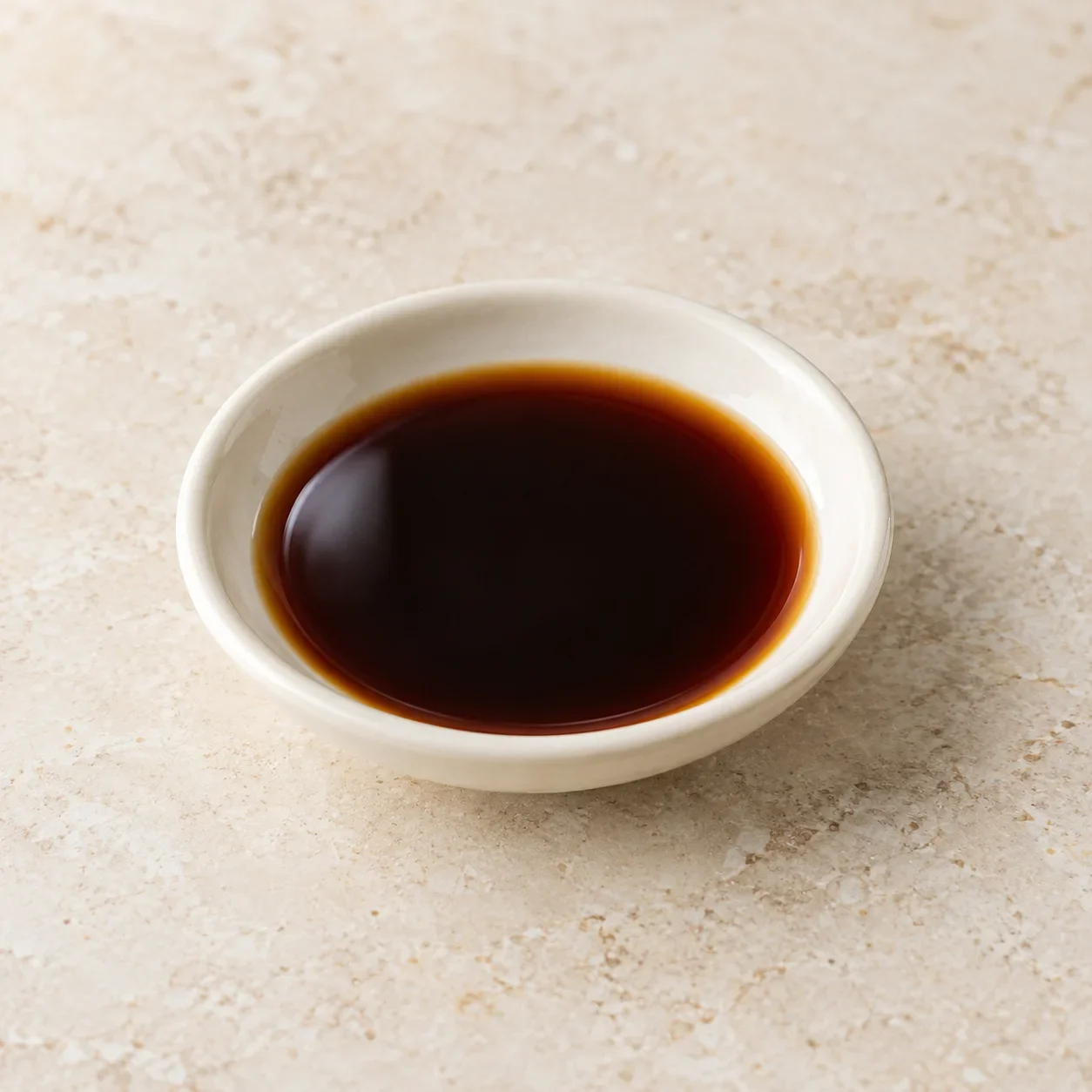
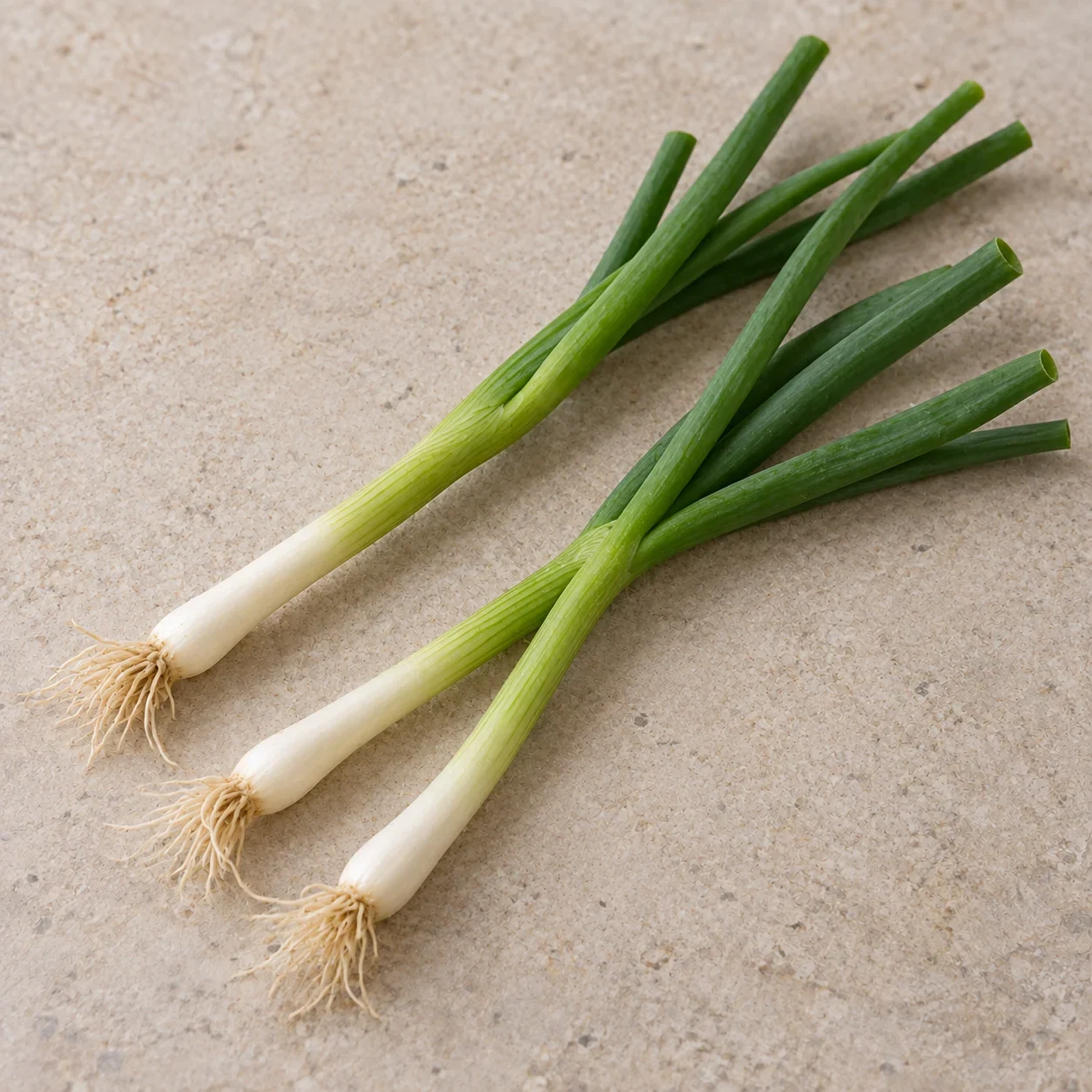
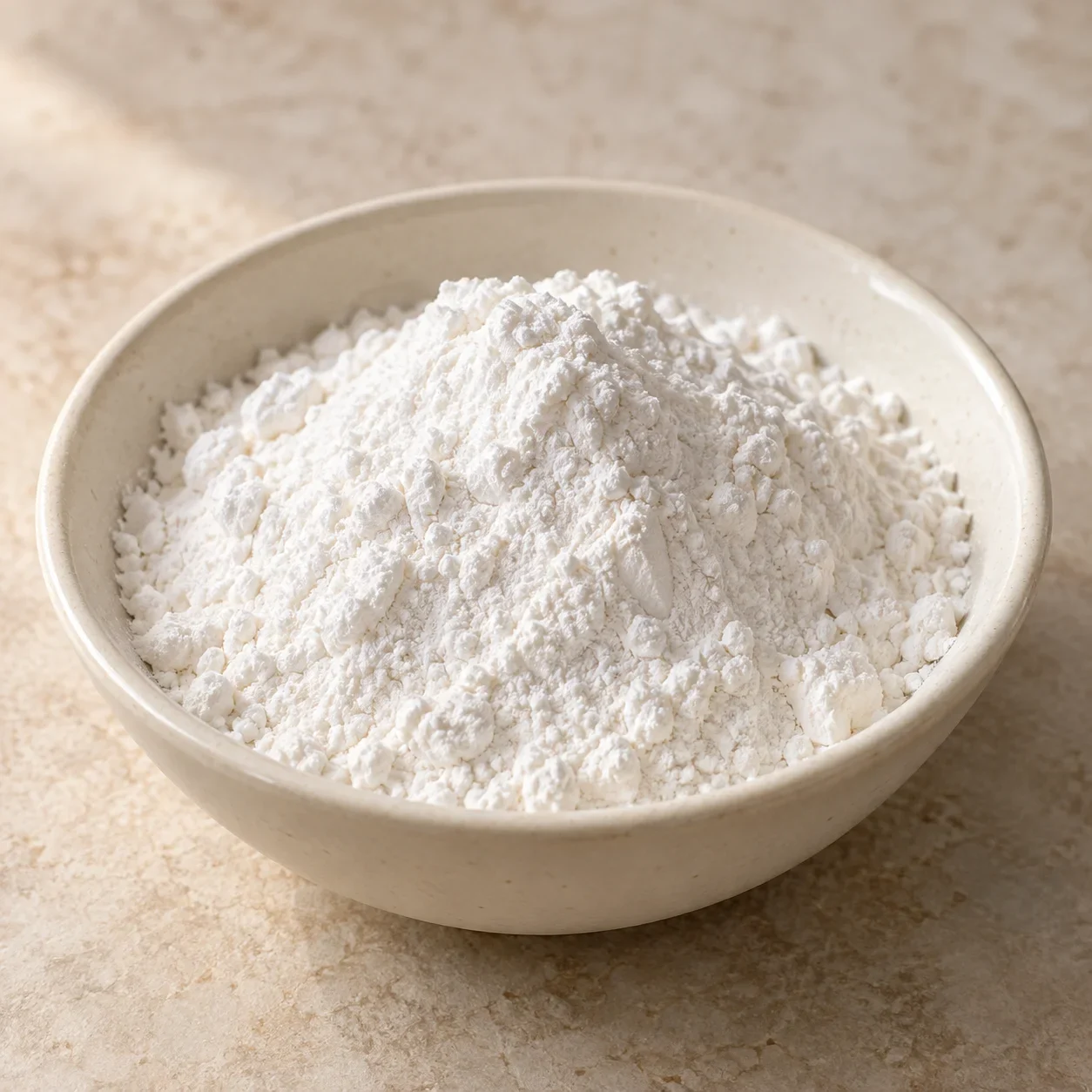
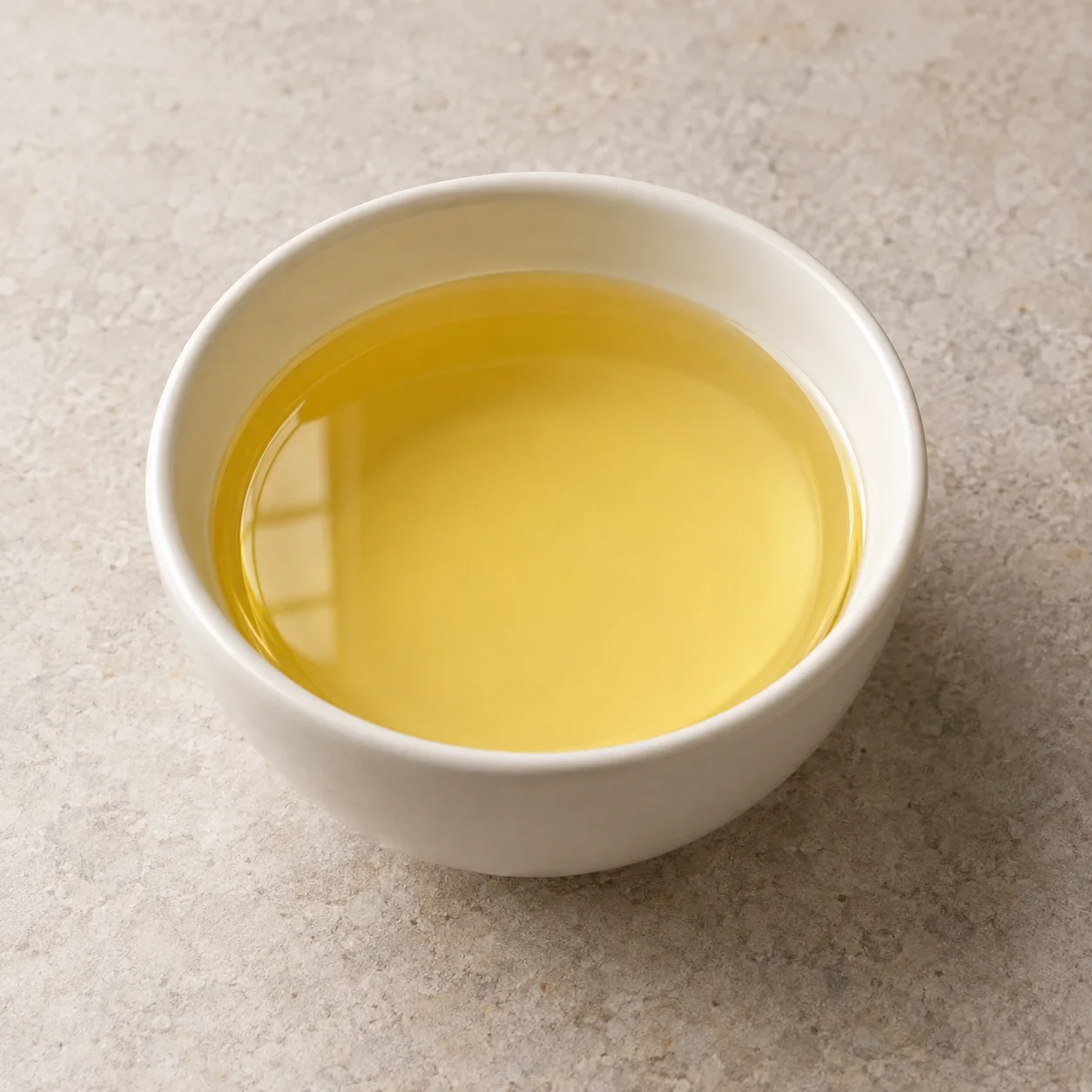
In some versions
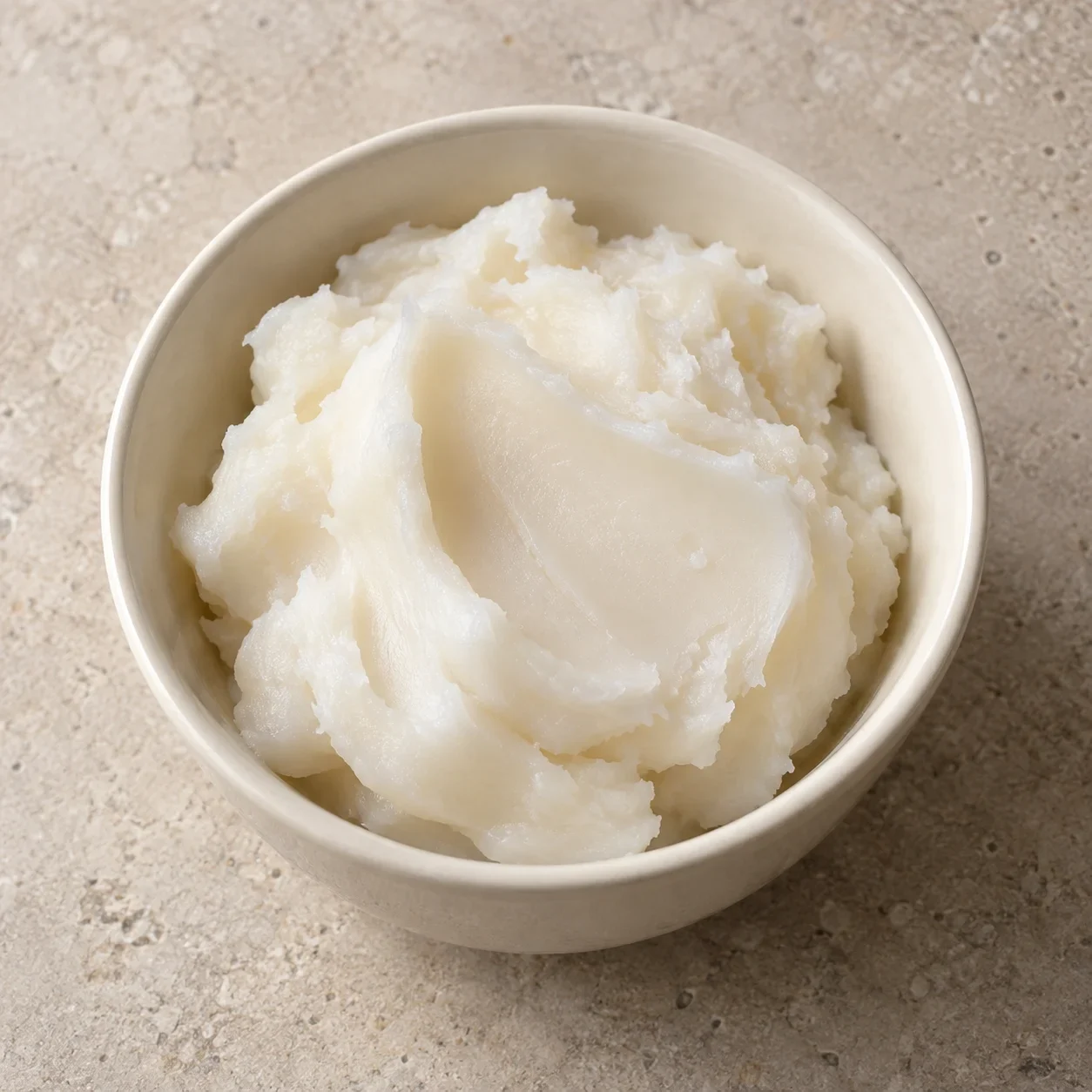
Recipes vary by restaurant.
How does it taste?
Nutty and savory
- Chili heat
- Texture
- Supple, well-coated noodles.
- How it’s made
- Boil thin alkaline noodles and toss with peanut sauce and seasonings.
Sauce combinations vary; oyster sauce, scallion-flavored oil or lard can be used. Some peanut-sauce versions use wheat noodles.
A CONNECTION TO PLACE
Origin & regional roots
Associated with Fujian.
Ask if they have it first
请问你们有沙县花生酱拌面吗?
Do you have this item?
A LITTLE SOMETHING TO READ
Story & history
From Yubang’s village stalls to Shaxian’s traveling kitchens
In the late 1980s, villagers from Yubang in Shaxian took bianrou dumplings and mixed noodles beyond their home area with a coal-briquette stove and two metal pots. These small traveling kitchens helped carry Shaxian snacks into other cities. In 1997, a county office, trade associations and an annual snack festival gave the growing trade more organized support. Peanut-sauce noodles belong to this wider snack-shop tradition, rather than to one documented inventor’s recipe.