At the table
Open a dumpling to release steam, then eat in small bites by hand or with chopsticks. No dipping sauce is needed for this sweet-sour filling.
Contains wheat and milk. Ask whether the filling is sweetened and whether a set includes bone broth; the soup is separate. Milk source and wrapper thickness vary.
Contains wheat and milk. Ask whether the filling is sweetened and whether a set includes bone broth; the soup is separate. Milk source and wrapper thickness vary.
GET TO KNOW THE DISH
What goes into it?
Explore some key ingredients below. Preparations may use additional seasonings and ingredients.
Contains wheat and milk. Ask whether the filling is sweetened and whether a set includes bone broth; the soup is separate. Milk source and wrapper thickness vary.
Typical ingredients
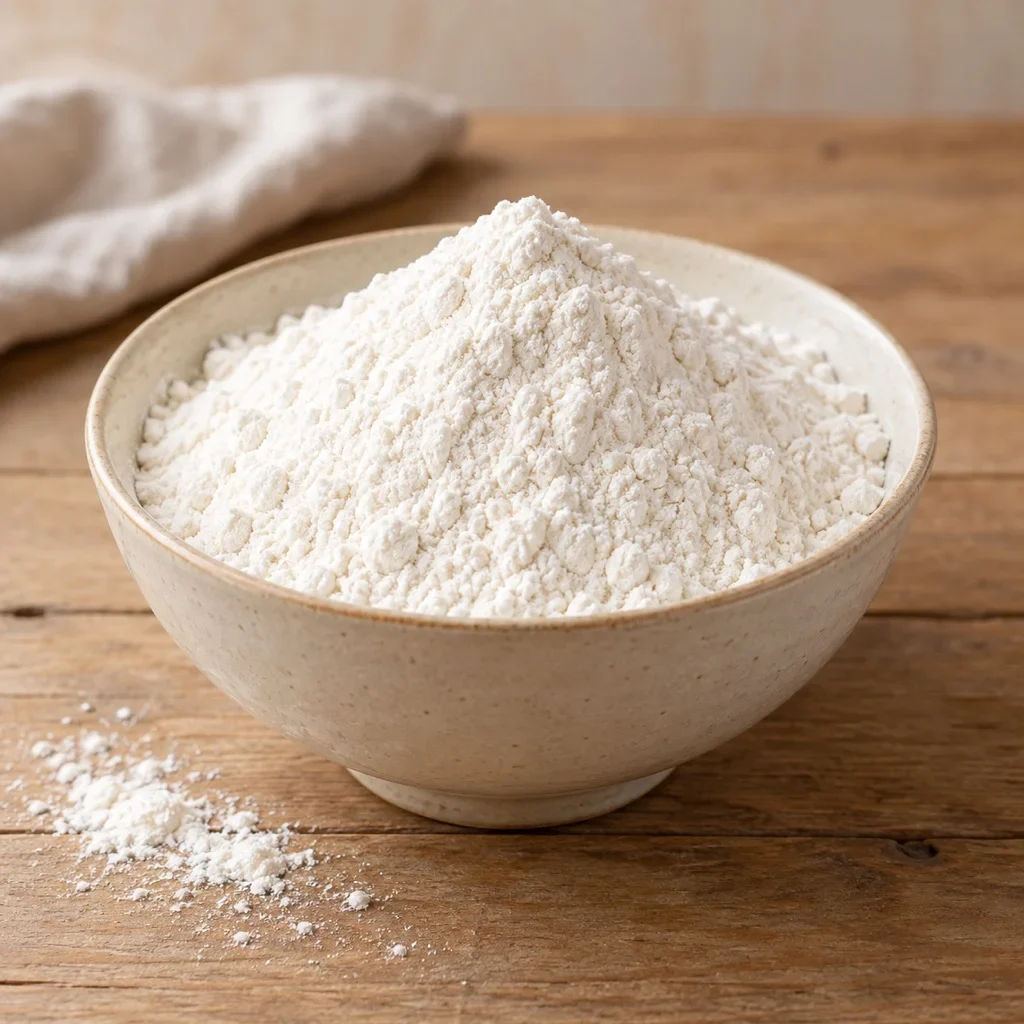
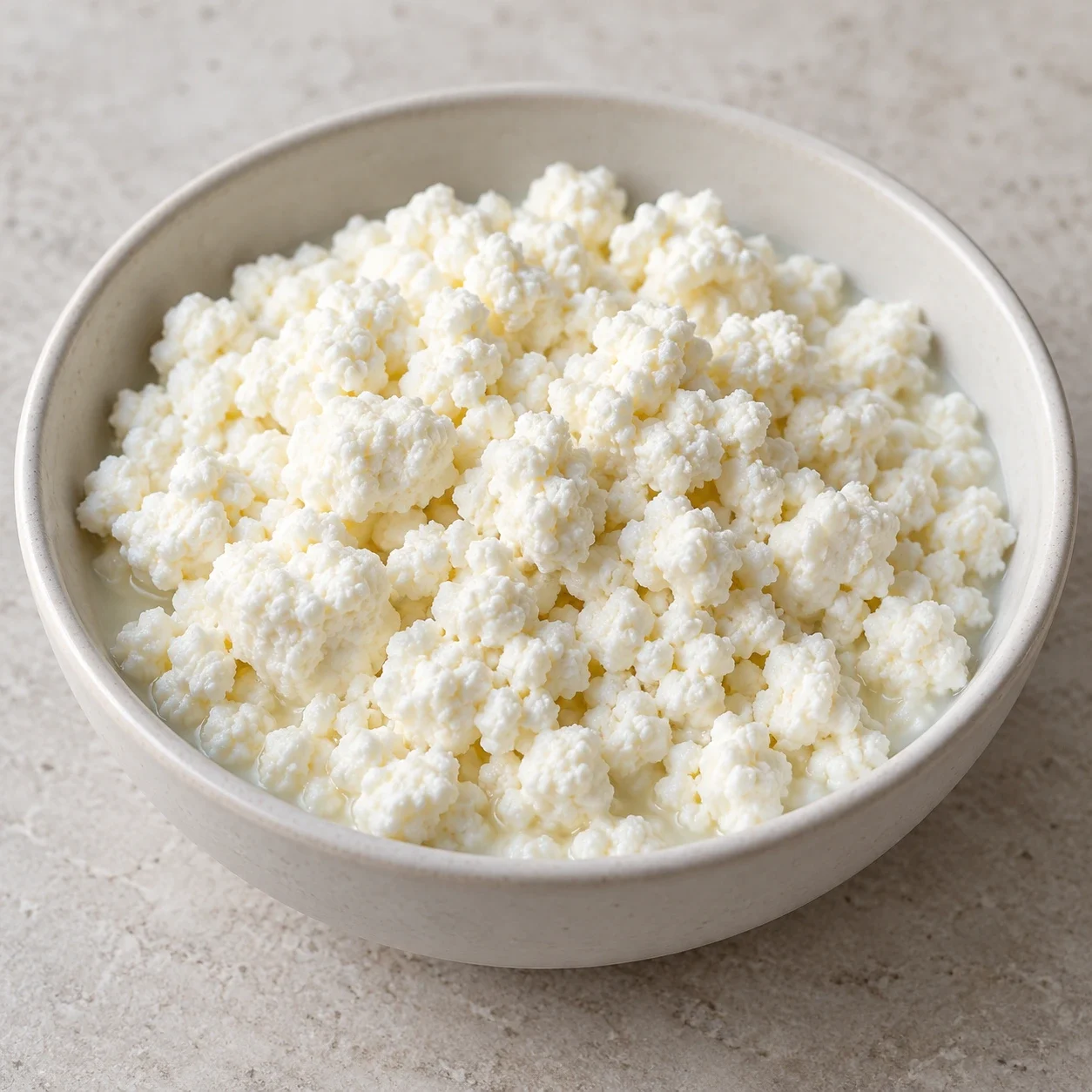
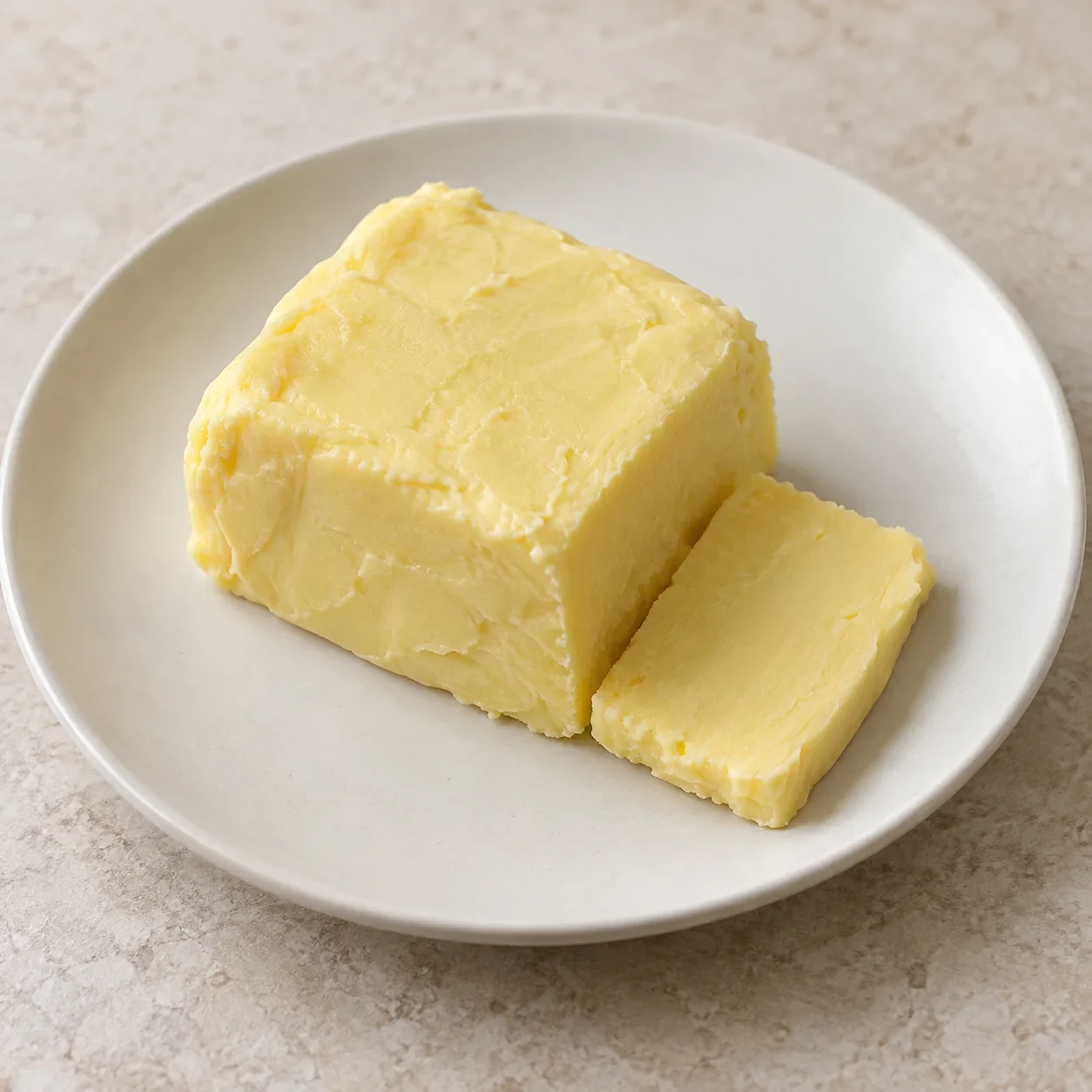
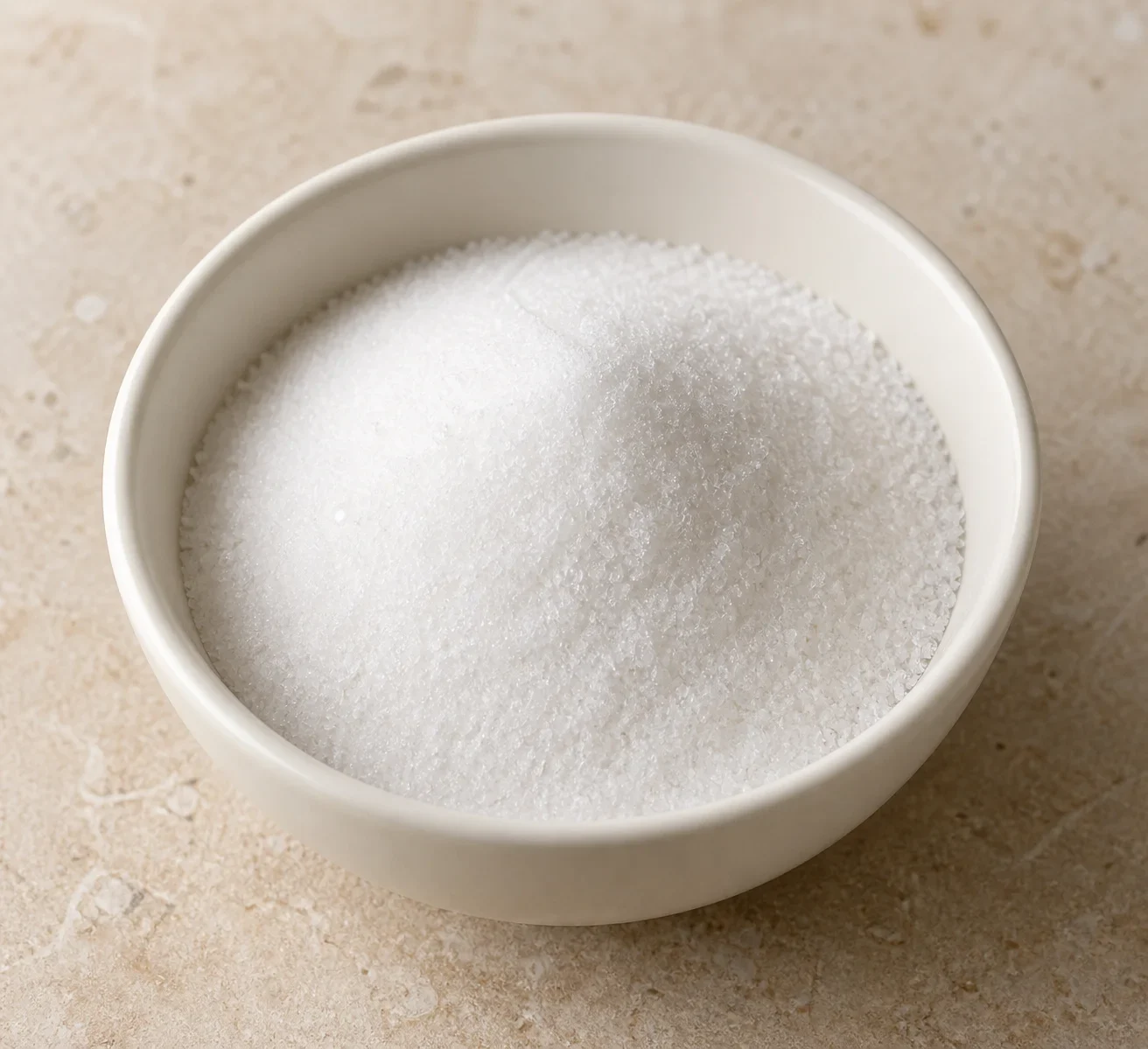
Recipes vary by restaurant.
How does it taste?
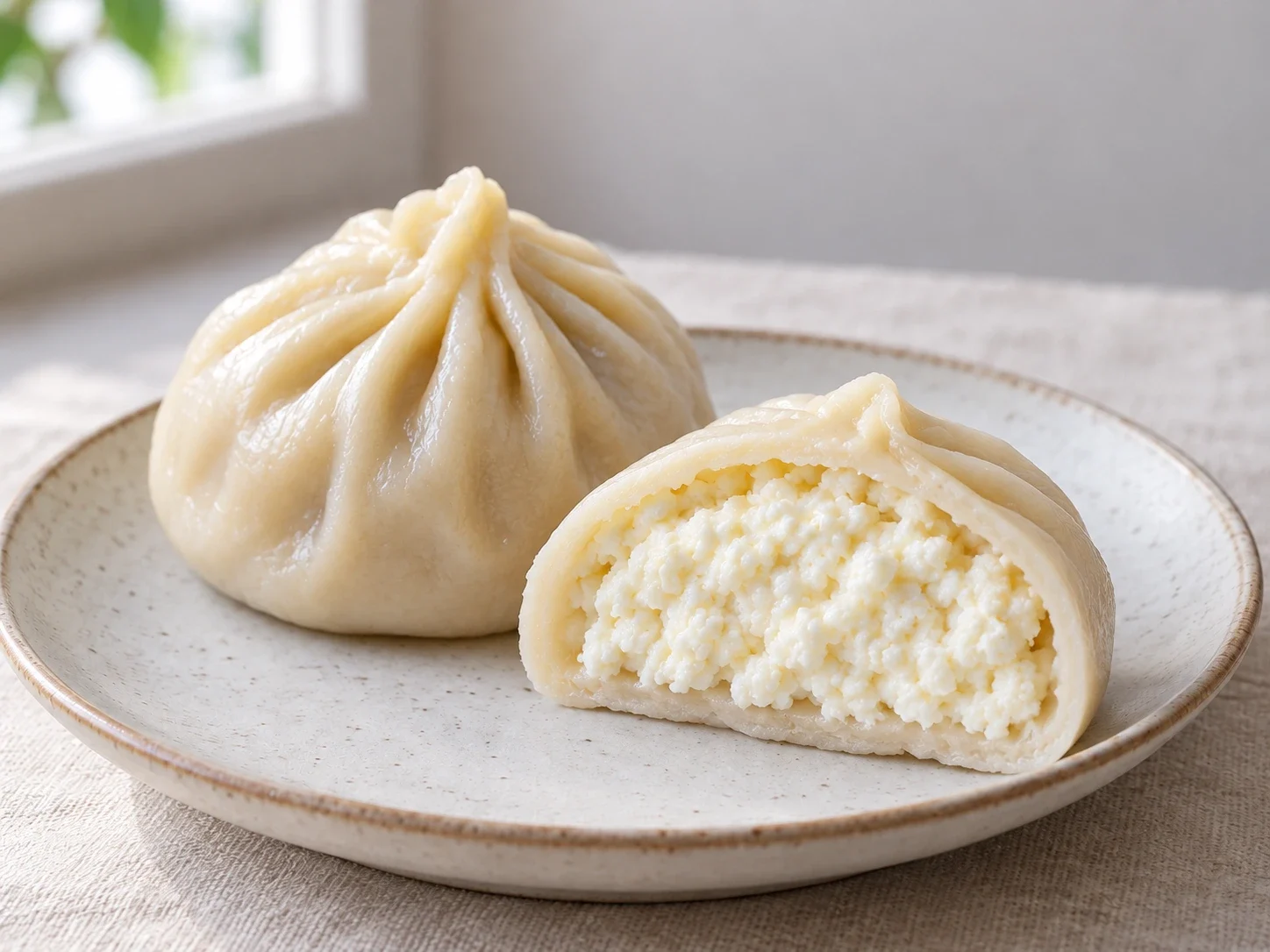
Wheat dumplings filled with soft white fresh milk curds, butter and sugar. The filling is gently sweet, tangy and milky, with a crumbly tenderness.
- Chili heat
- Texture
- Wheat dumplings filled with soft white fresh milk curds, butter and sugar. The filling is gently sweet, tangy and milky, with a crumbly tenderness.
- How it’s made
- Mix fresh soft curds with softened Tibetan butter and white sugar, wrap in wheat-flour-and-water dough and steam until cooked.
Contains wheat and milk. Ask whether the filling is sweetened and whether a set includes bone broth; the soup is separate. Milk source and wrapper thickness vary.
A CONNECTION TO PLACE
Origin & regional roots
Associated with Tibet.
About this regional connection
Tibet: Fresh dairy-curd dumplings are part of Tibetan food traditions.
Ask if they have it first
请问你们有奶渣包子吗?
Do you have this item?
A LITTLE SOMETHING TO READ
Story & history
Tibetan milk-curd steamed dumplings
Milk-curd fillings draw on Tibetan dairying, which produces butter and curds from milk. Shannan describes the fresh white sour curds used in these dumplings; they differ from hard dried curds eaten separately.