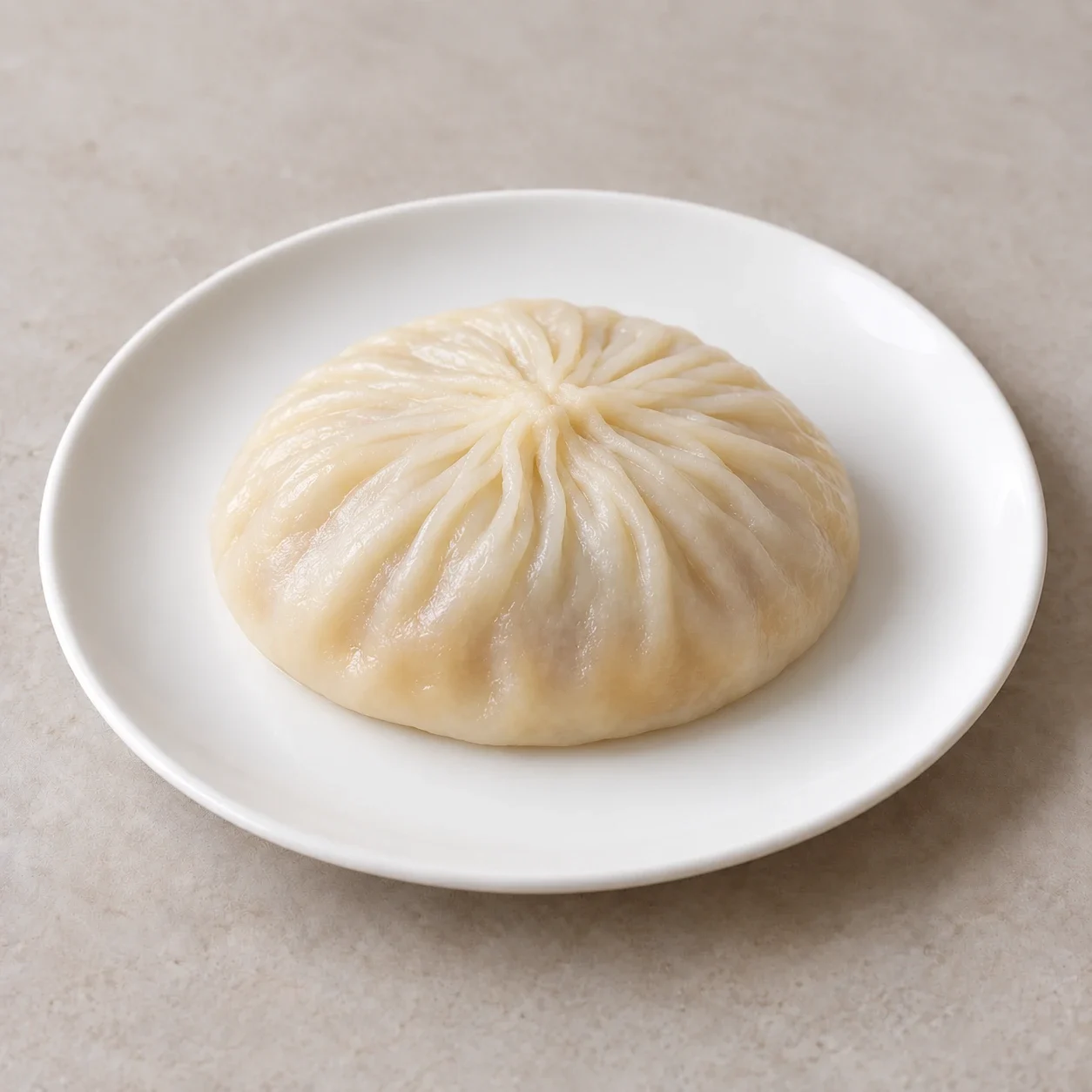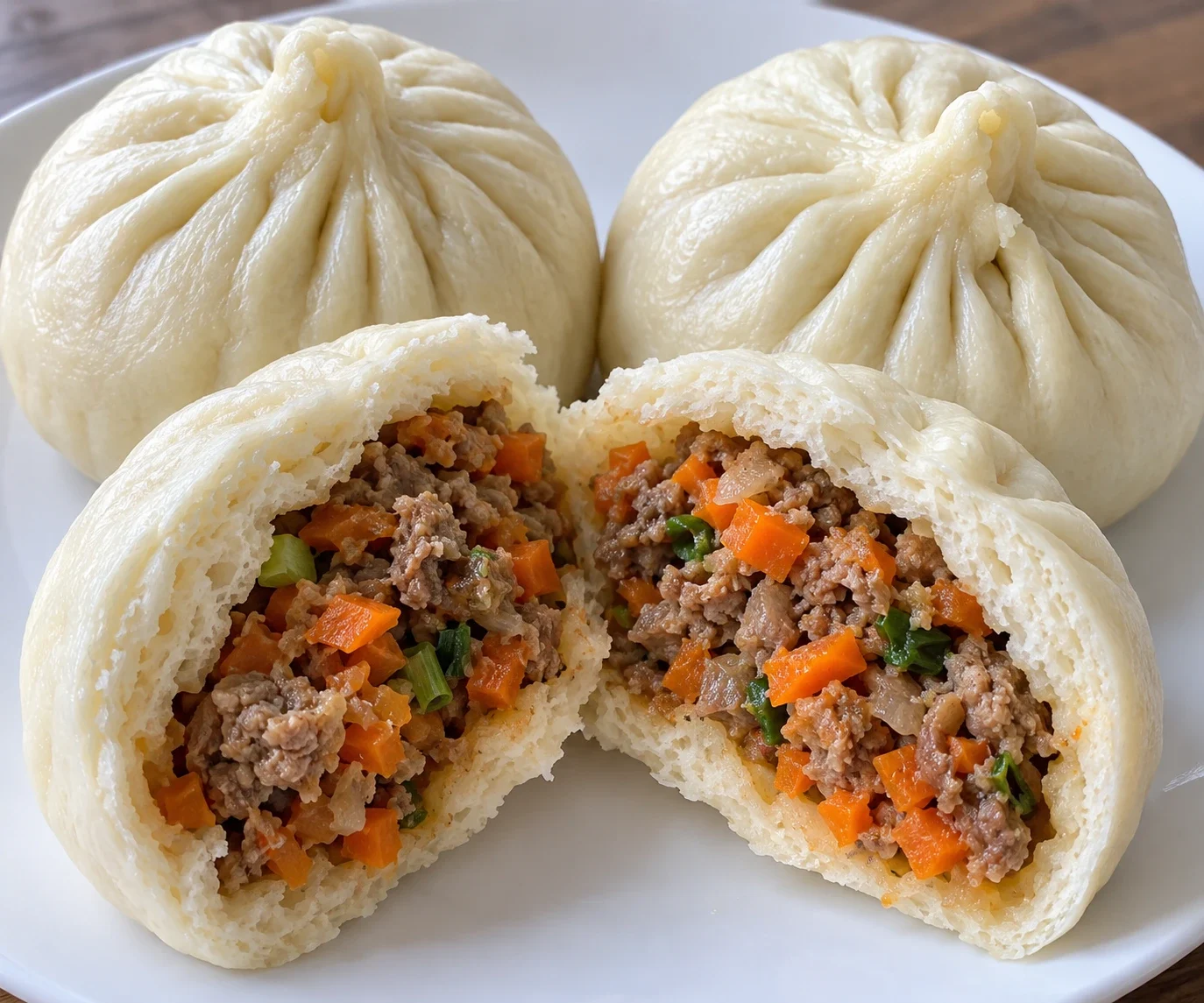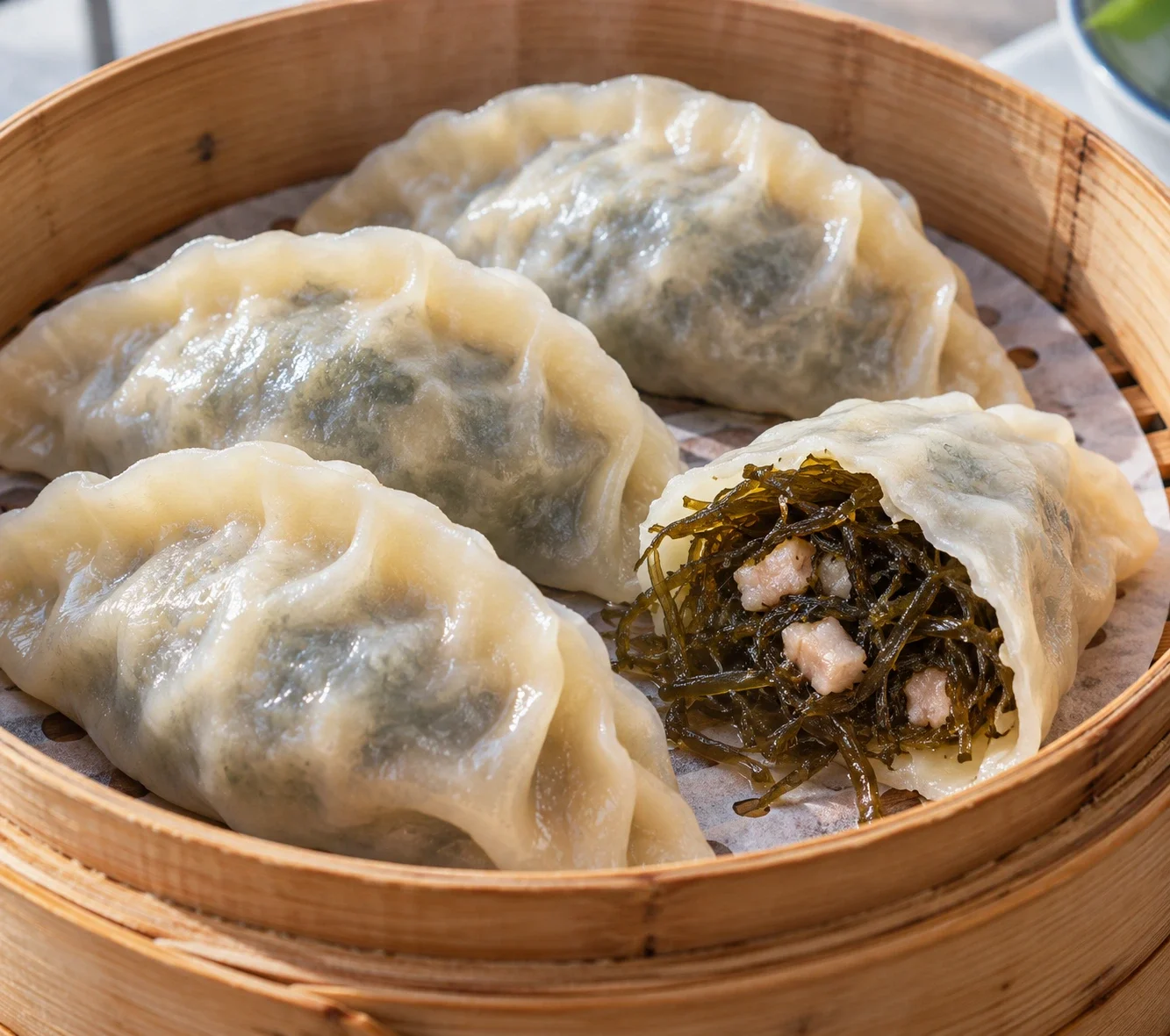
At the table
Lift gently with chopsticks or a spoon, bite a small opening and let steam escape. Eat the wrapper and filling together.
Contains wheat and pork in this version. Do not assume a seaweed filling is vegetarian.
This version uses pork pieces. Radish, starch noodles, Chinese chives or garlic may be added; fillings vary by maker.
GET TO KNOW THE DISH
What goes into it?
Explore some key ingredients below. Preparations may use additional seasonings and ingredients.
This version uses pork pieces. Radish, starch noodles, Chinese chives or garlic may be added; fillings vary by maker.
Typical ingredients
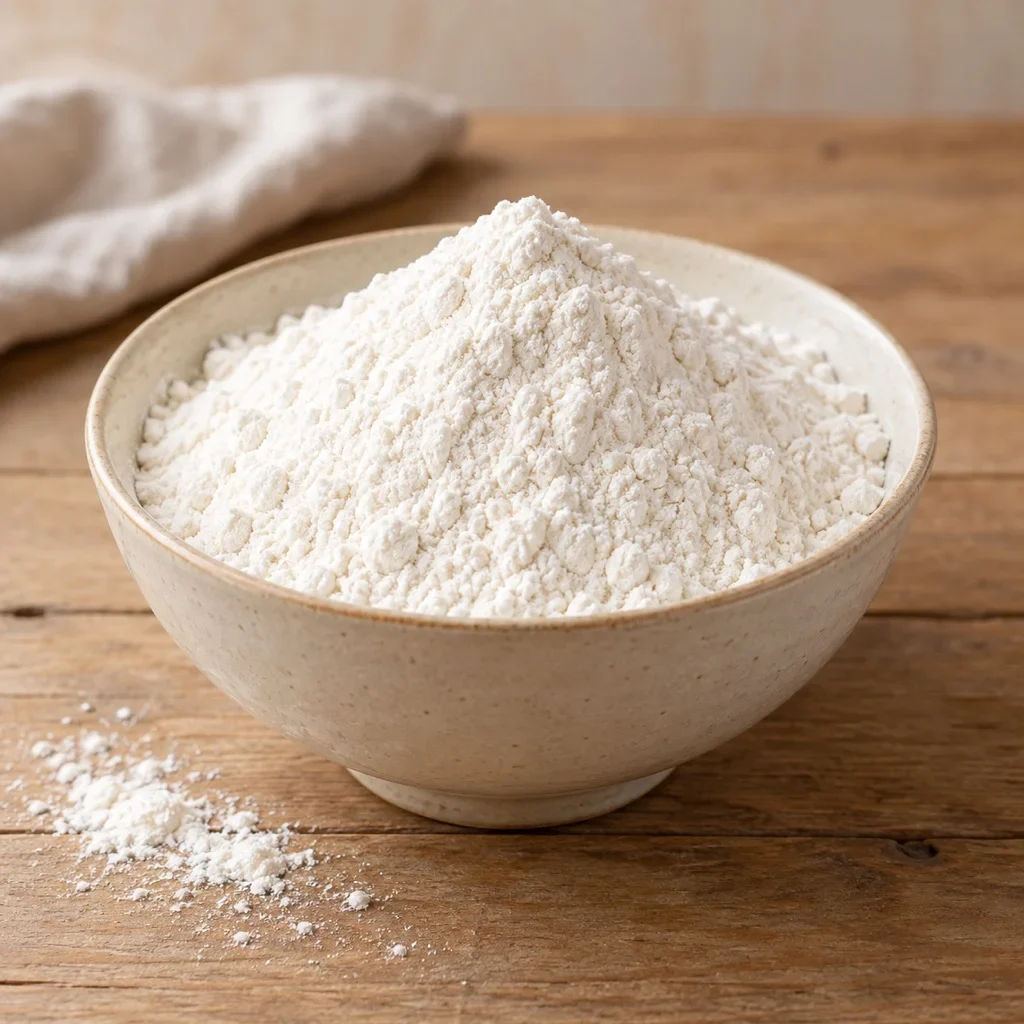
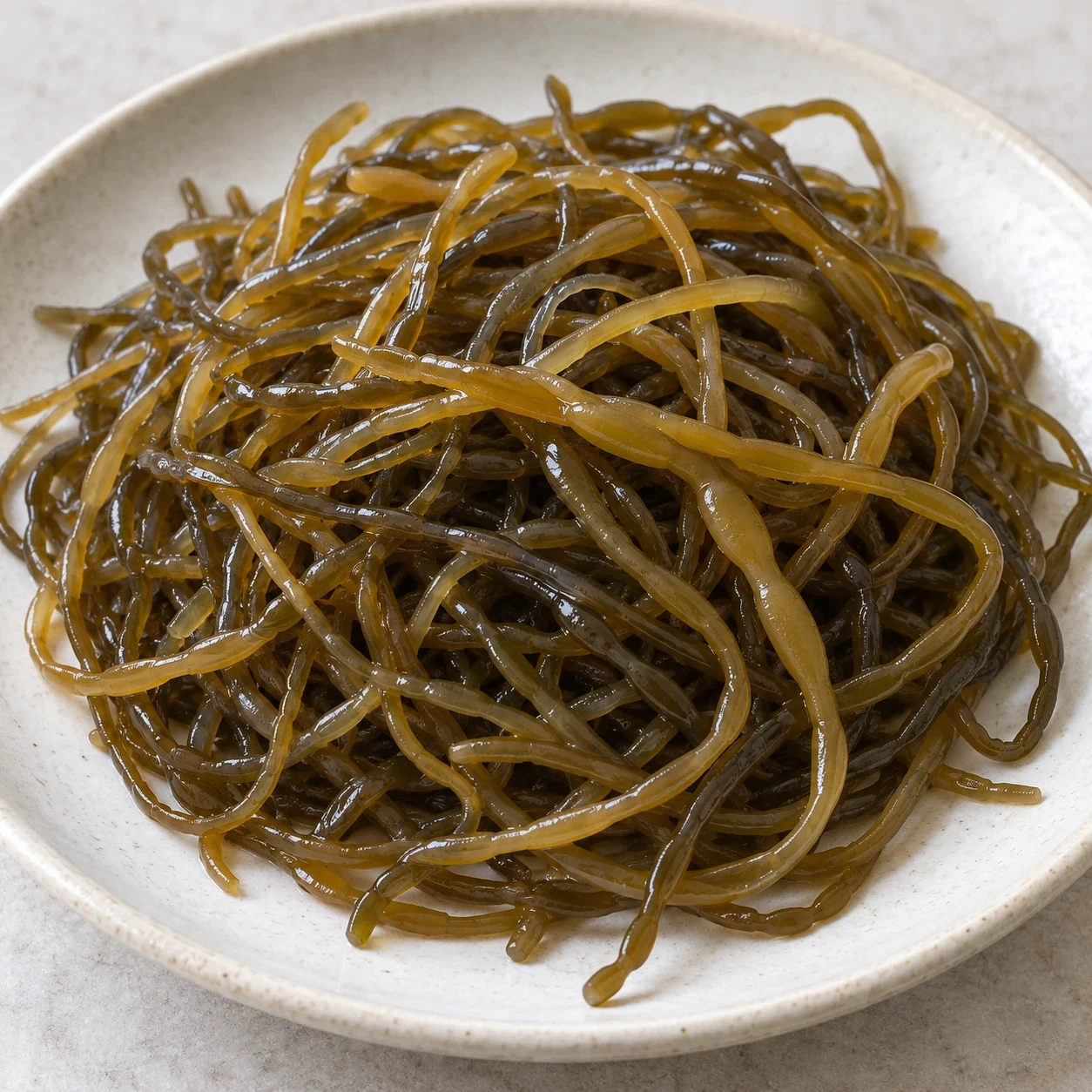
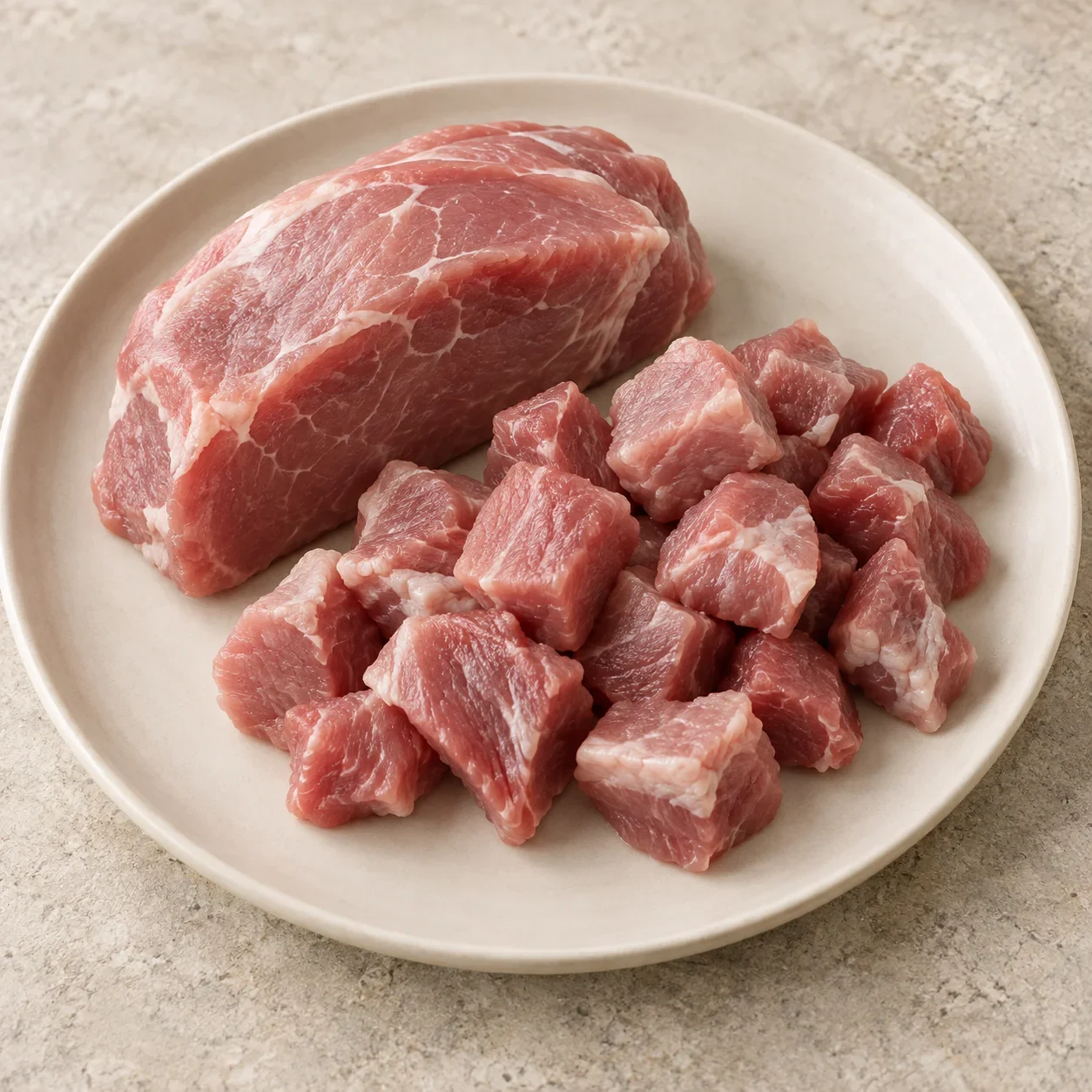
In some versions
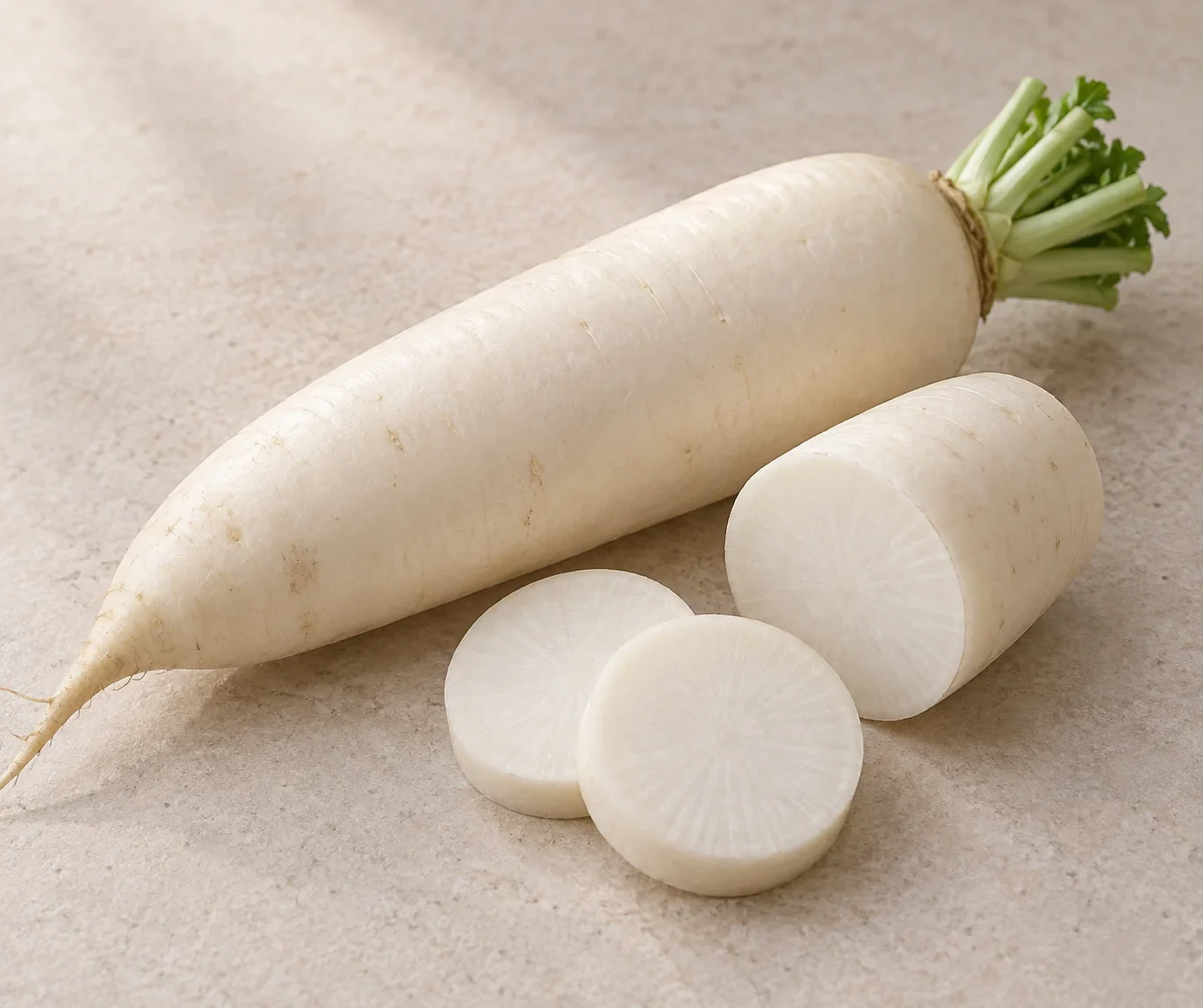
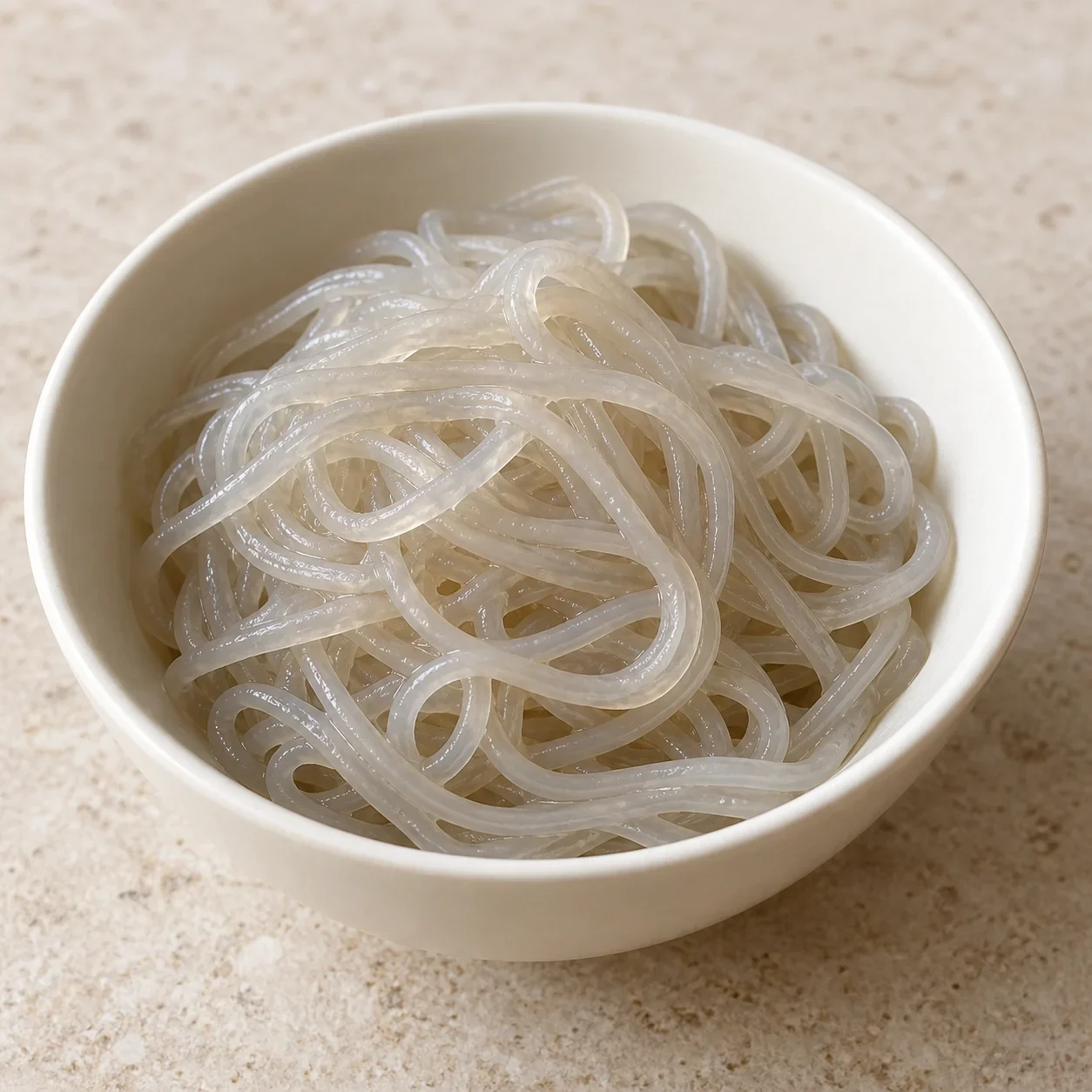
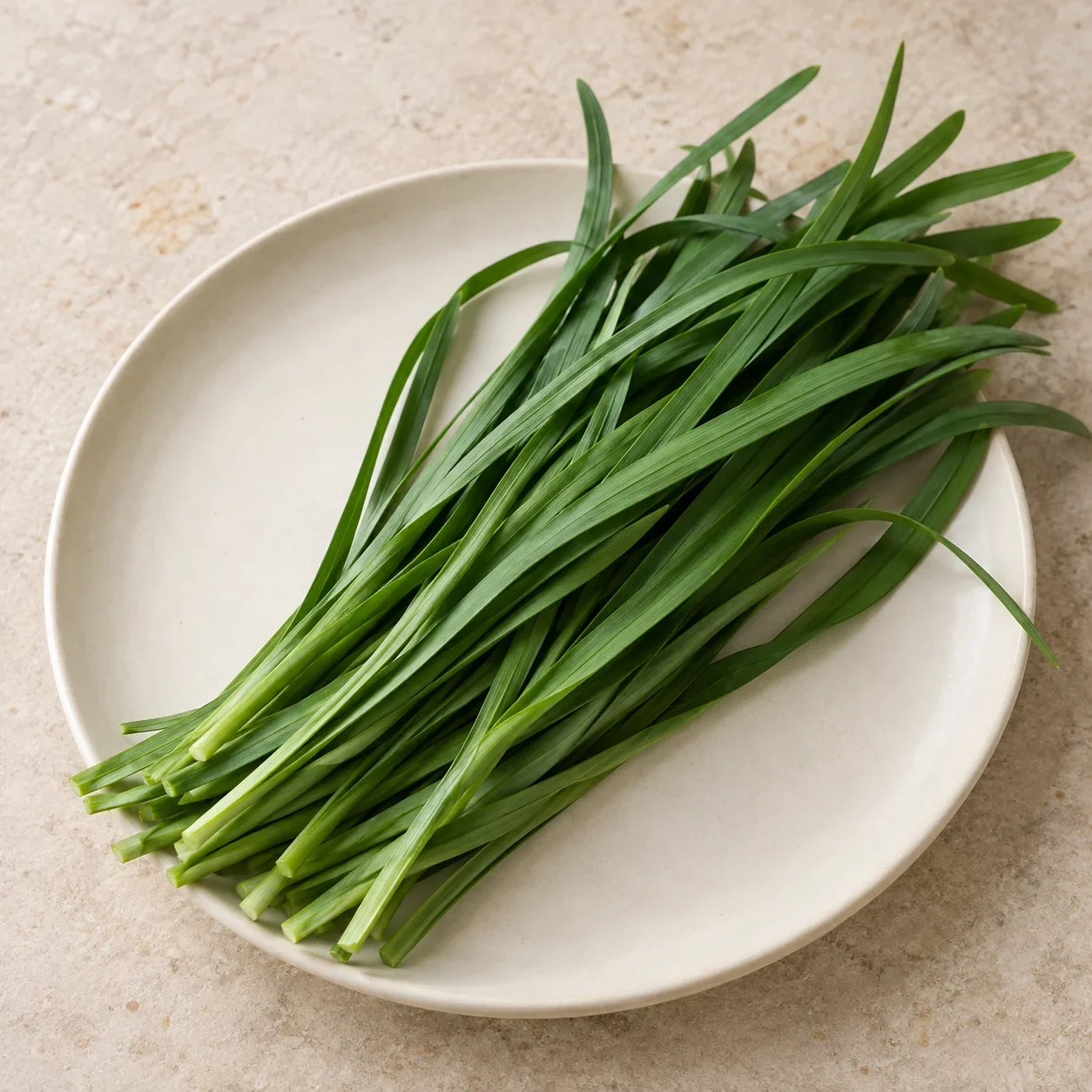
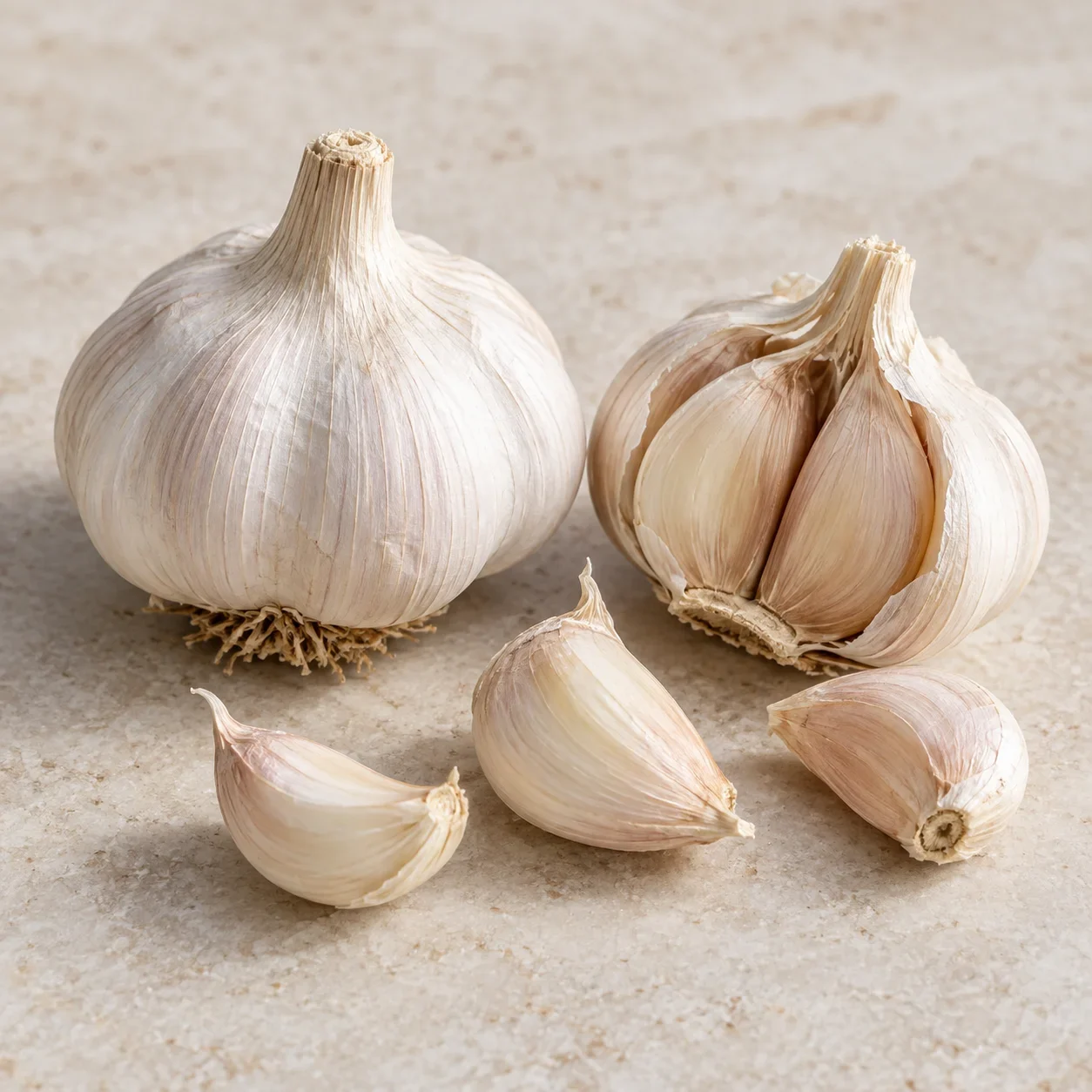
Recipes vary by restaurant.
How does it taste?
Savory seaweed and rich pork.
- Chili heat
- Texture
- Soft thin wrapper; slippery, gently chewy seaweed filling.
- How it’s made
- Scalded wheat dough is rolled thin, filled with cleaned seaweed and pork, then steamed.
This version uses pork pieces. Radish, starch noodles, Chinese chives or garlic may be added; fillings vary by maker.
A CONNECTION TO PLACE
Origin & regional roots
Its origins are linked to Liaoning.
About this regional connection
Liaoning: Dalian haimaxian/萱藻 bun; notkelp substituted.
Ask if they have it first
请问你们有大连海麻线包子吗?
Do you have this item?
A LITTLE SOMETHING TO READ
Story & history
A taste of Dalian’s coast
Haimaxian is the Dalian name for a tubular brown seaweed used in springtime home cooking. Thin wrappers let its dark filling show through, and pork adds richness to its soft, slippery texture.