
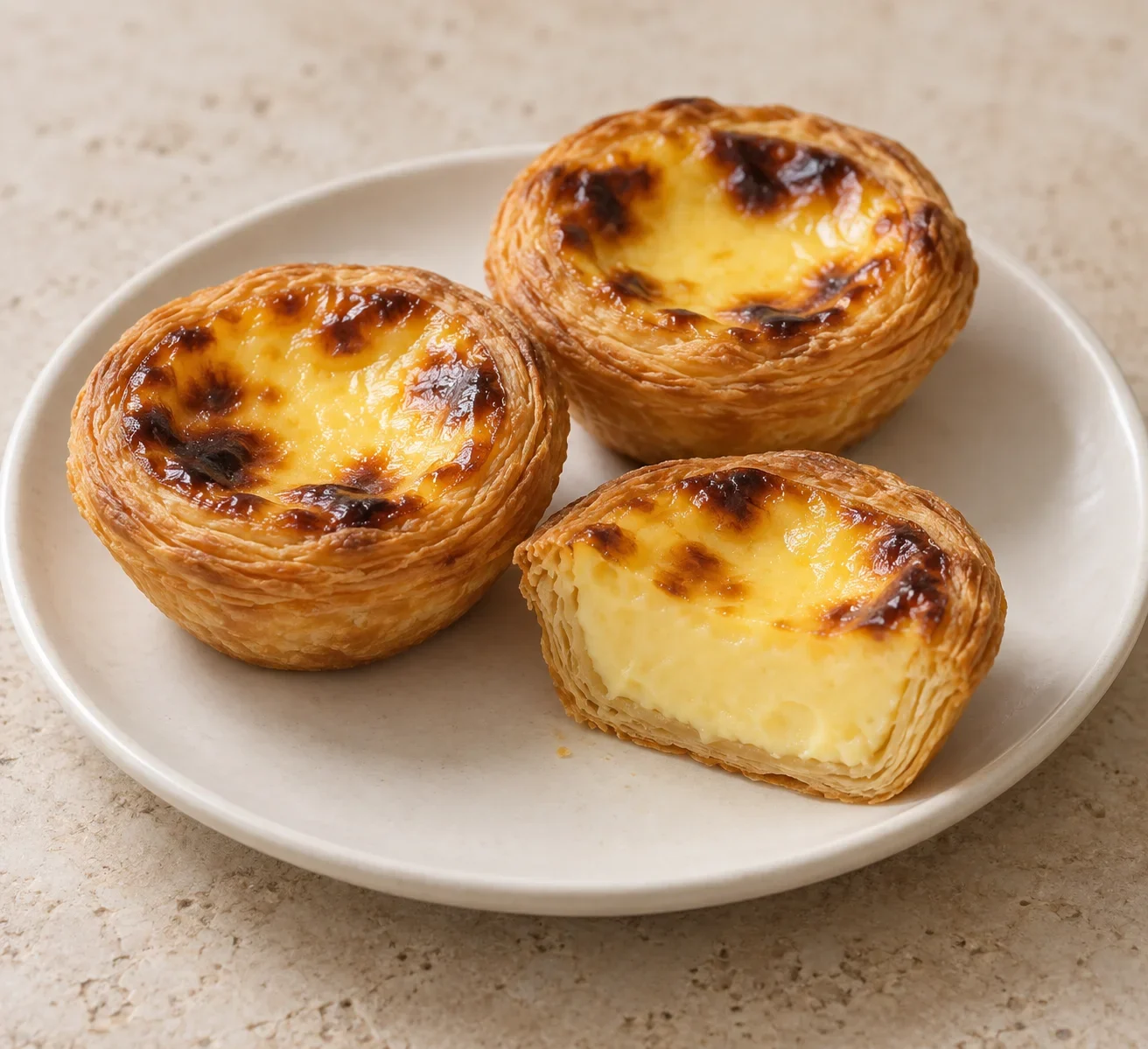
At the table
Let the filling cool a little before biting. Eat the custard and flaky shell together, warm or at room temperature.
Contains wheat, egg and dairy in this version. The filling can be hot; check the pastry ingredients if you have dietary restrictions.
This is a butter-pastry version with yolks, milk and cream. Other bakers use different pastry fats and proportions.
Soft custard and no chili can make small, cooled pieces an option for children who tolerate wheat, egg and dairy. Check the filling temperature and help with the flaky crust.
Recipes vary. Ask the restaurant about ingredients and serving before you order.
GET TO KNOW THE DISH
What goes into it?
Explore some key ingredients below. Preparations may use additional seasonings and ingredients.
Butter pastry is one option; proportions and pastry formulas differ among bakers.
Typical ingredients
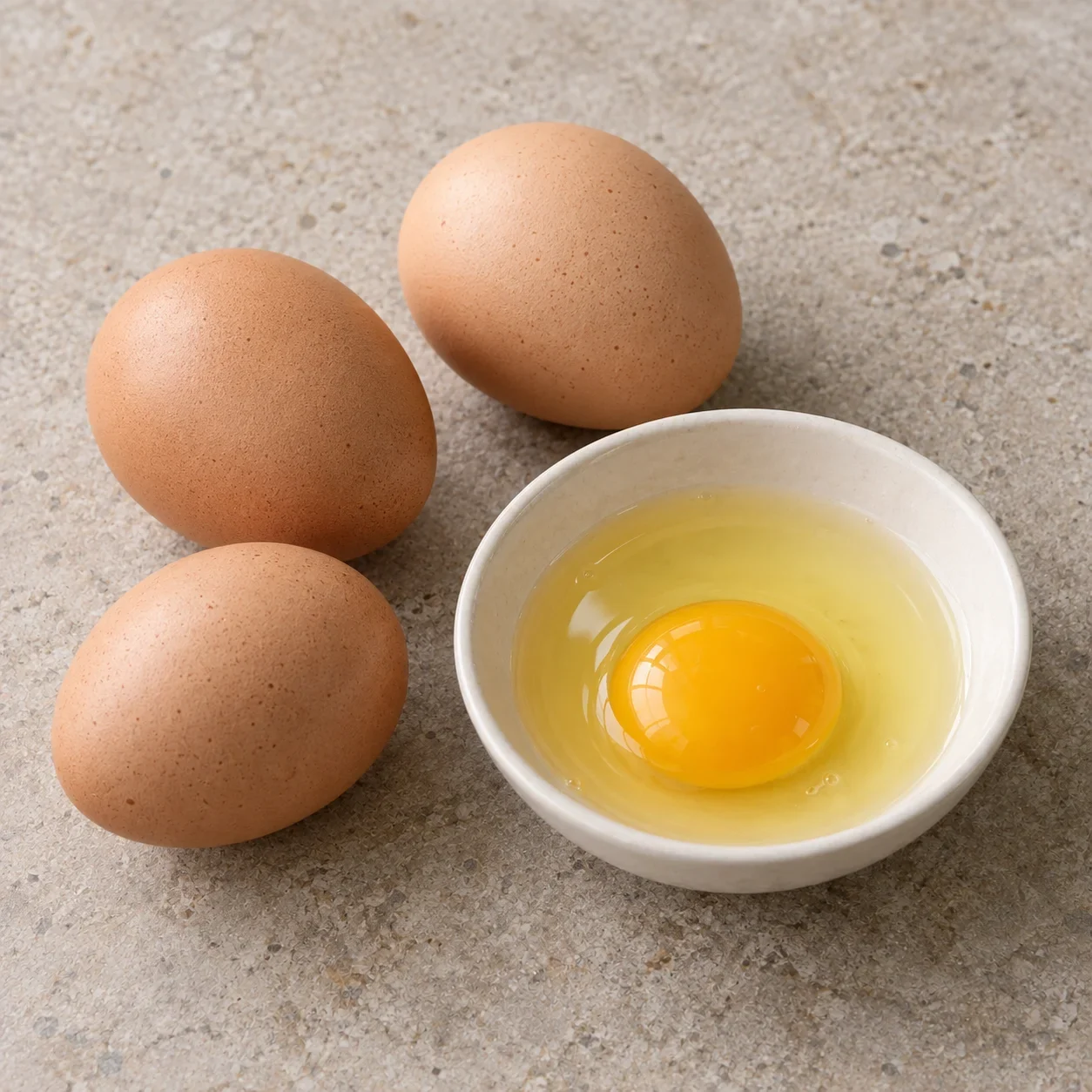
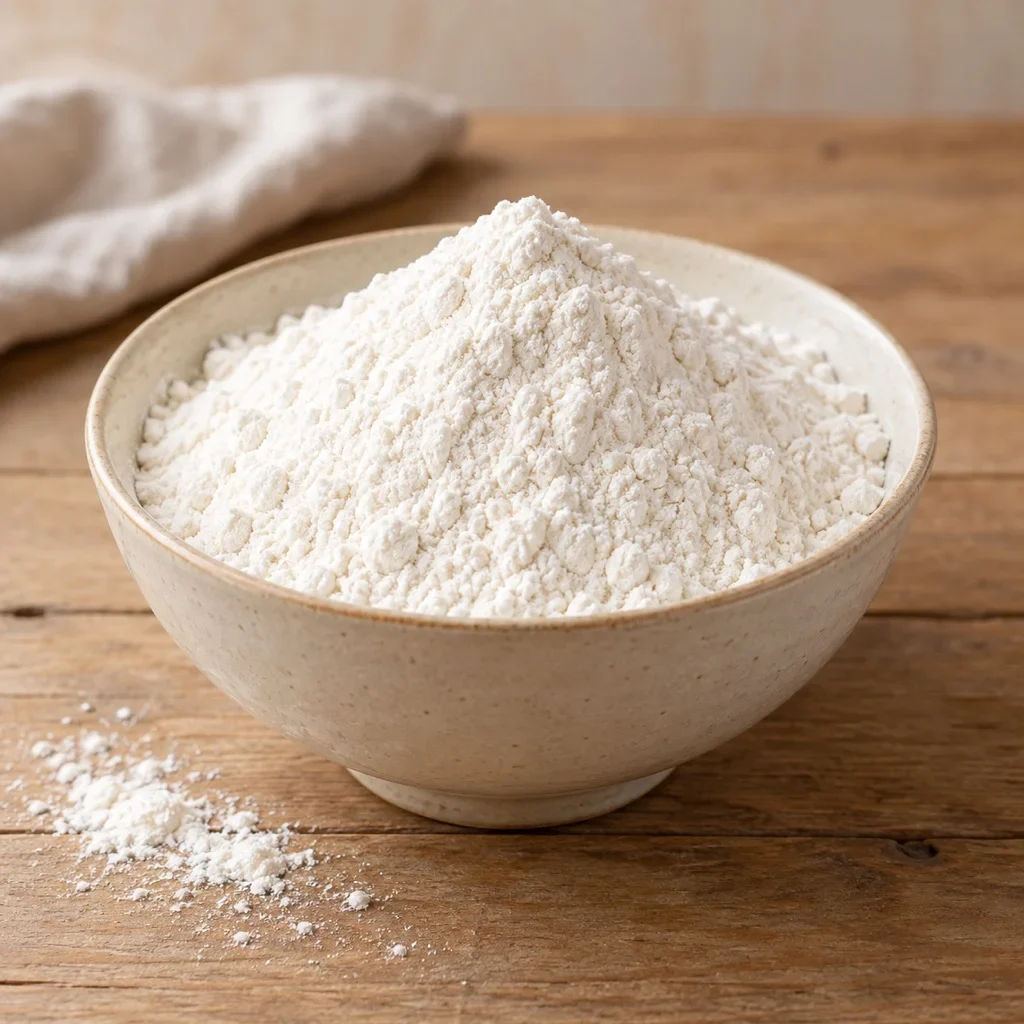
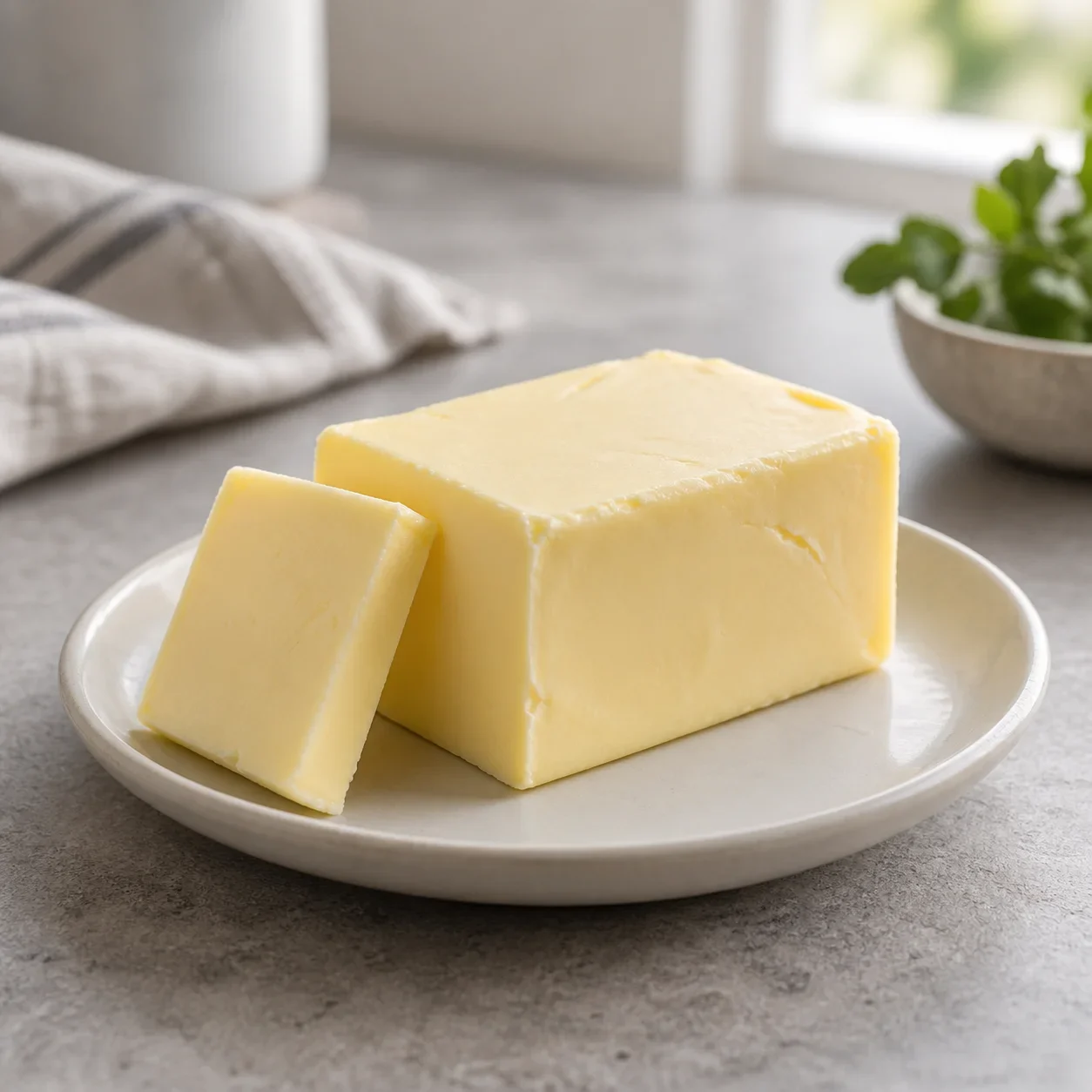
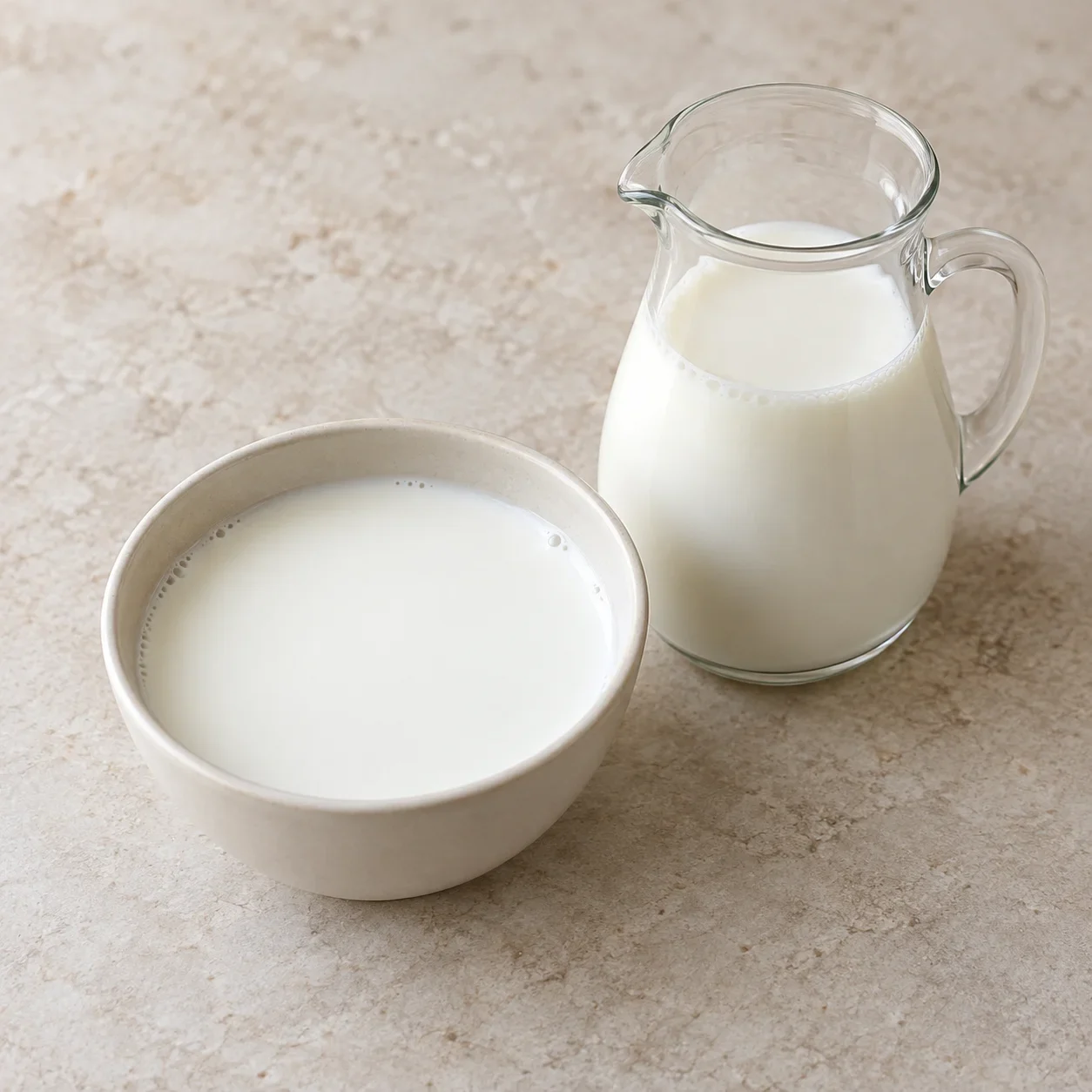
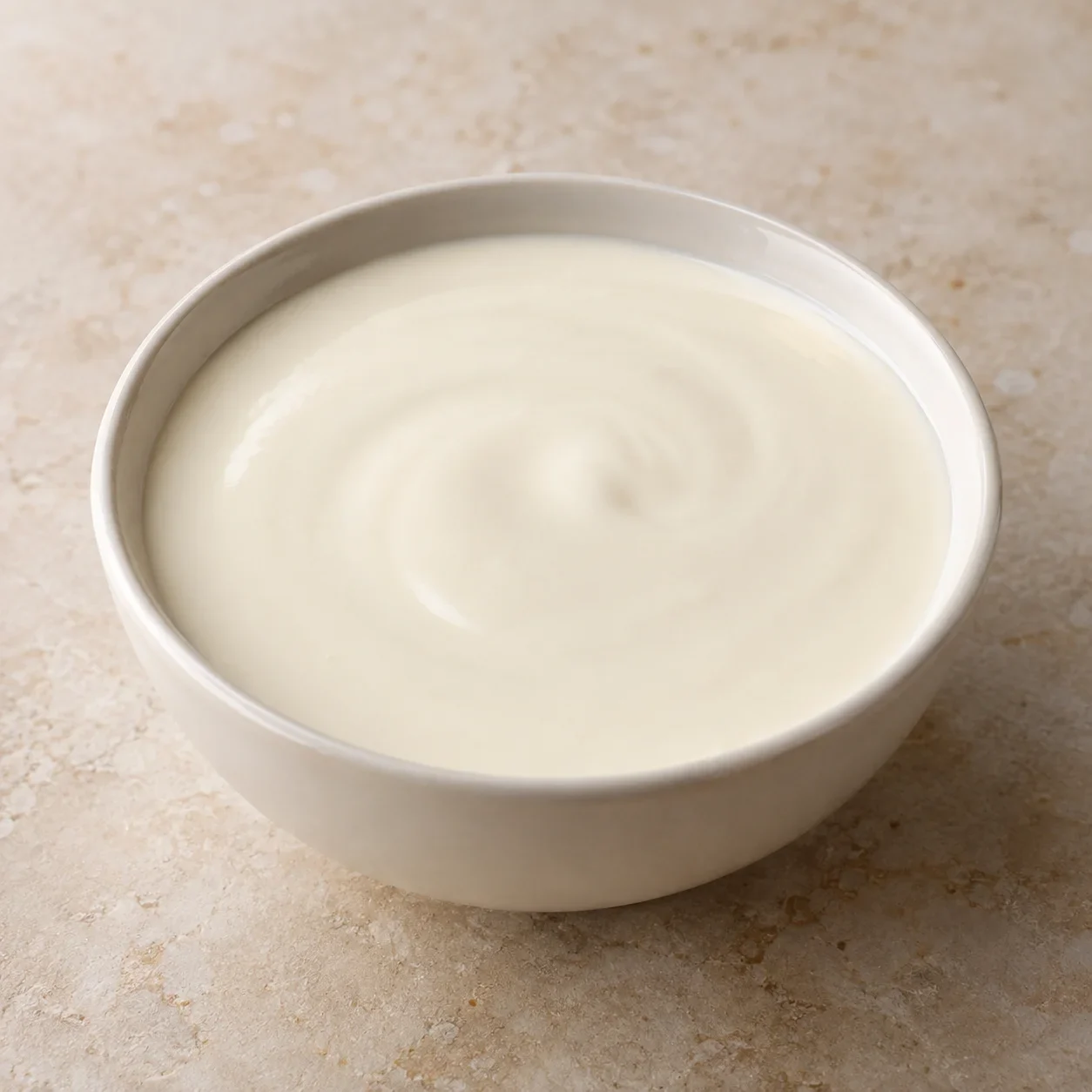
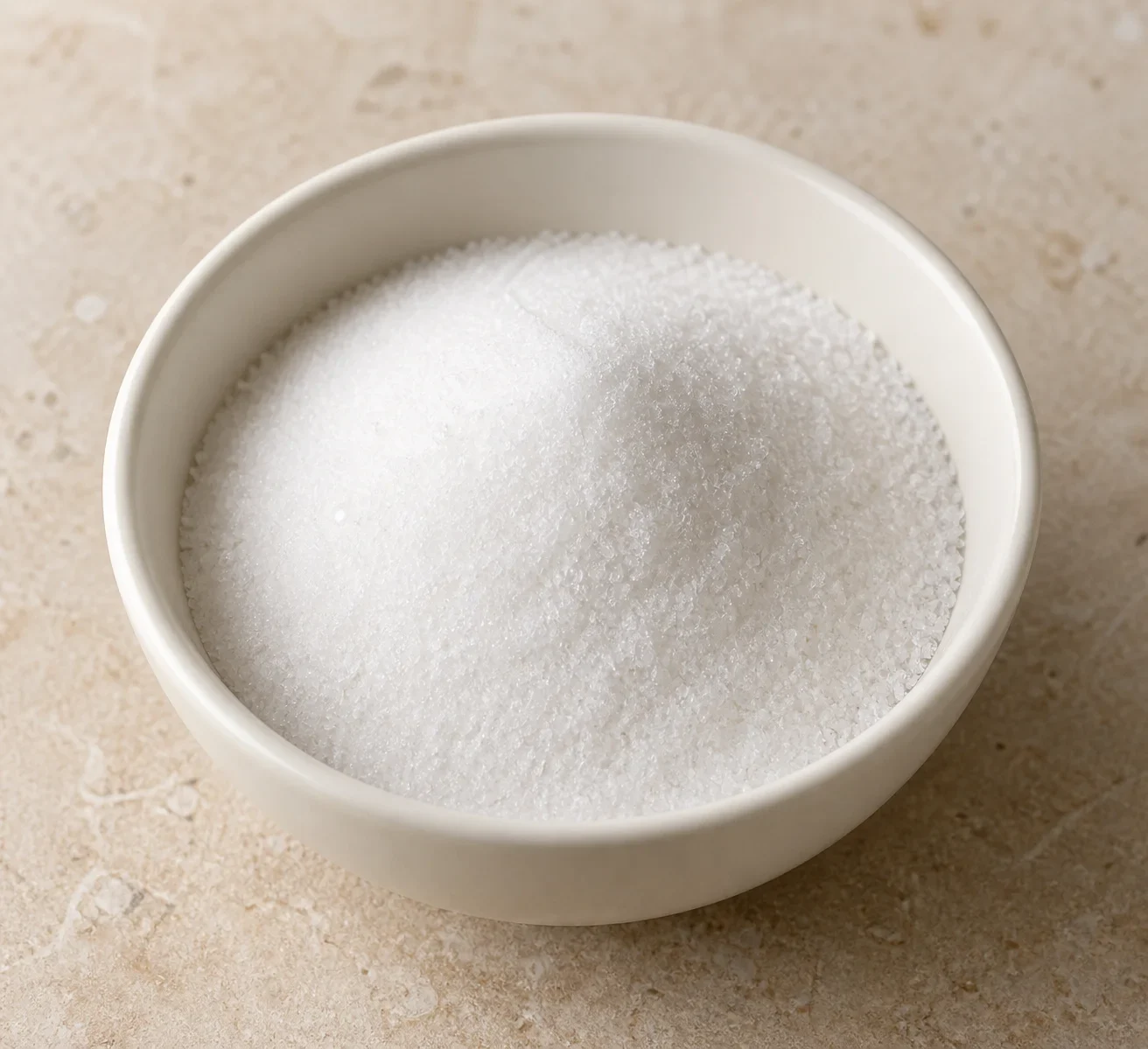
Recipes vary by restaurant.
How does it taste?
Sweet custard; bitter caramel notes.
- Chili heat
- Texture
- Flaky pastry around creamy custard.
- How it’s made
- Laminate butter into dough; shape shells, fill with yolk-and-dairy custard and bake until set with browned spots.
Butter pastry is one option; proportions and pastry formulas differ among bakers.
A CONNECTION TO PLACE
Origin & regional roots
Associated with Macau.
Ask if they have it first
请问你们有葡式蛋撻吗?
Do you have this item?
A LITTLE SOMETHING TO READ
Story & history
A Portuguese inspiration, a Macao pastry
This account describes a tradition or story, rather than an established historical fact.
Macao’s Portuguese egg tart pairs a flaky shell with creamy custard and a spotted, browned top. Andrew Stow developed his own adaptation of Portugal’s pastéis de nata after opening his bakery in Coloane in 1989. The local pastry became a familiar Macao treat. Bakers use different pastry formulas; the butter version described here is one approach.