At the table
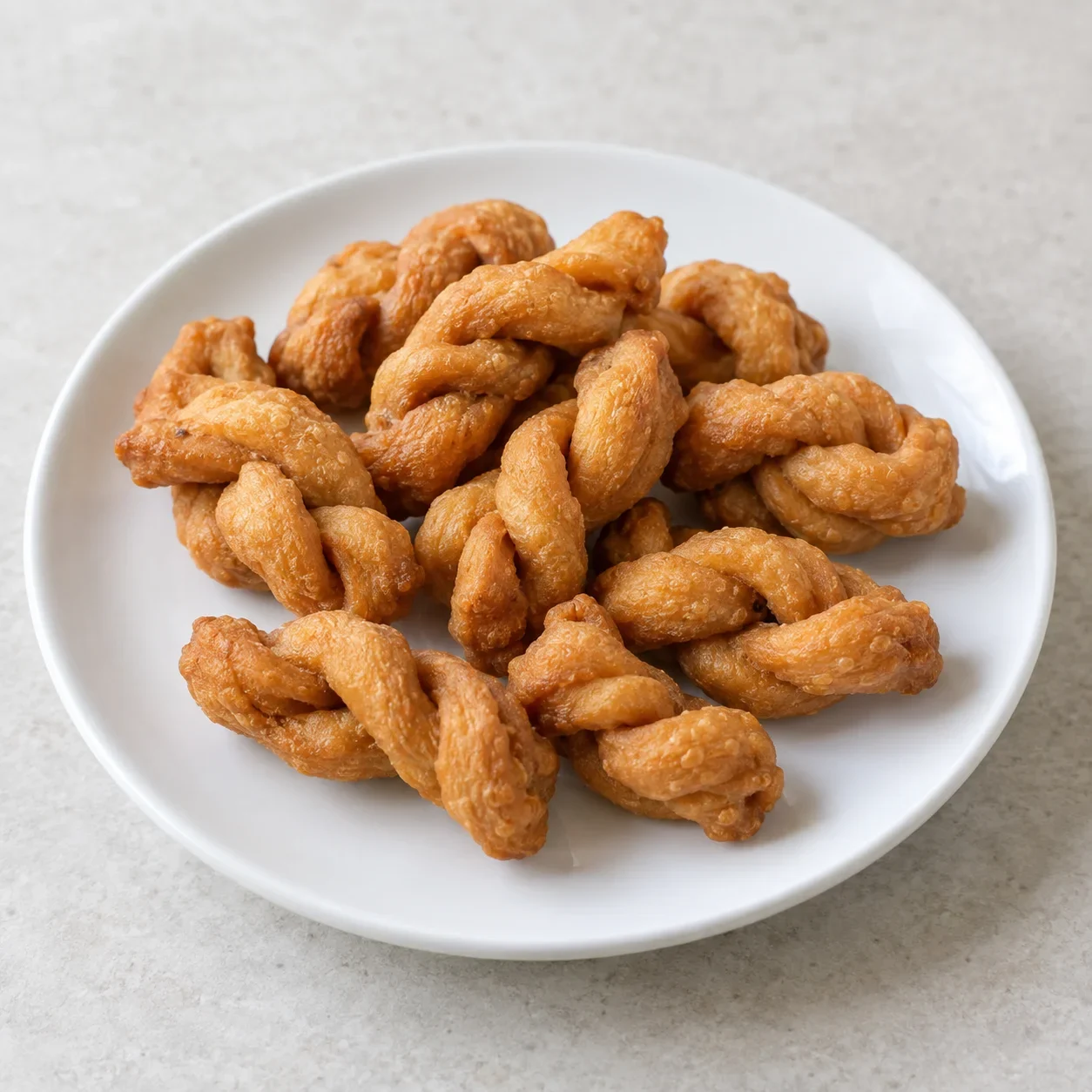
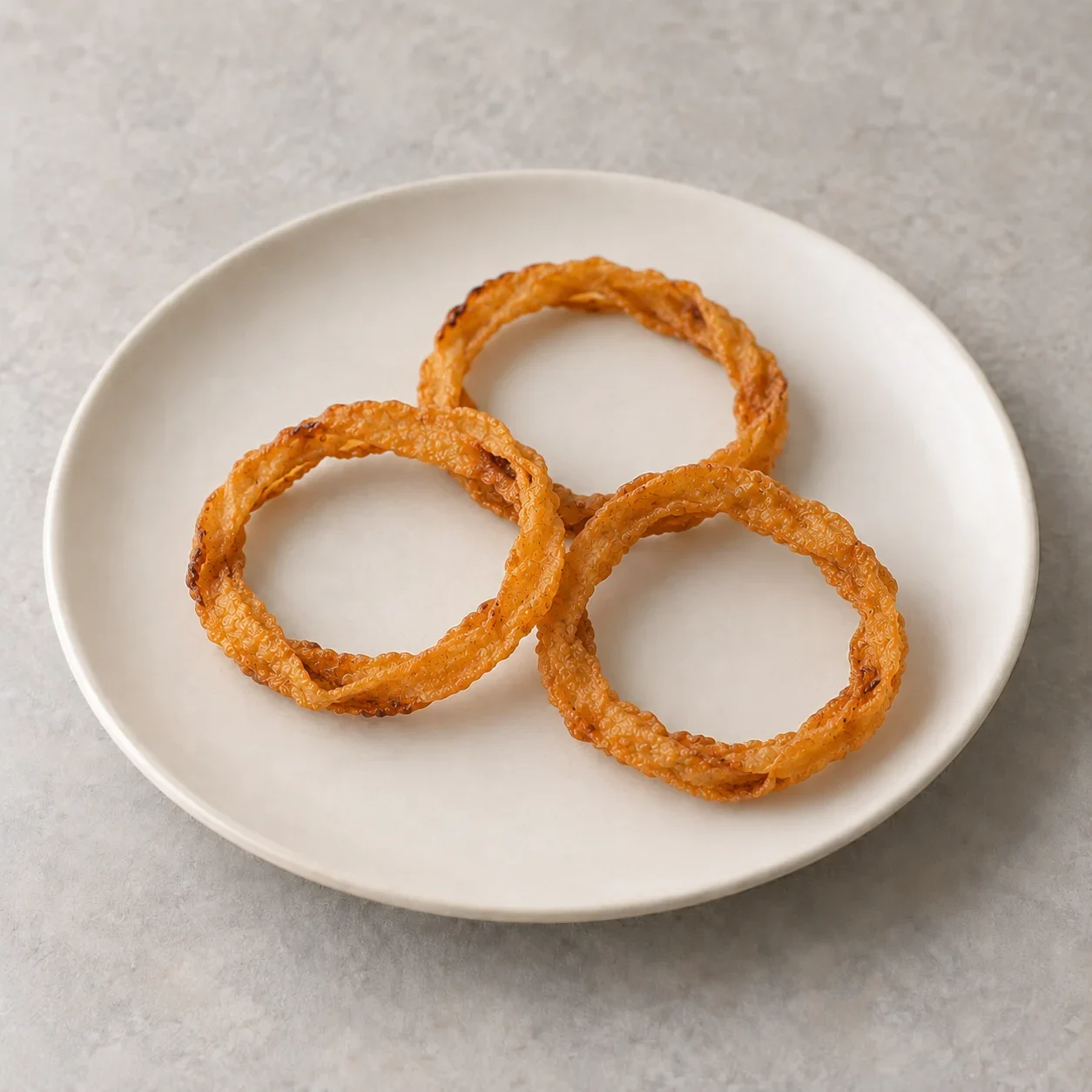
Break a ring into small pieces and eat with your hands or chopsticks. Douzhi, a fermented mung-bean drink, is a separate accompaniment.
Ring size and crispness vary; dough additives and frying oil may also differ.
GET TO KNOW THE DISH
What goes into it?
Explore some key ingredients below. Preparations may use additional seasonings and ingredients.
Jiaoquan is often eaten alongside douzhi, but it remains a separate snack.
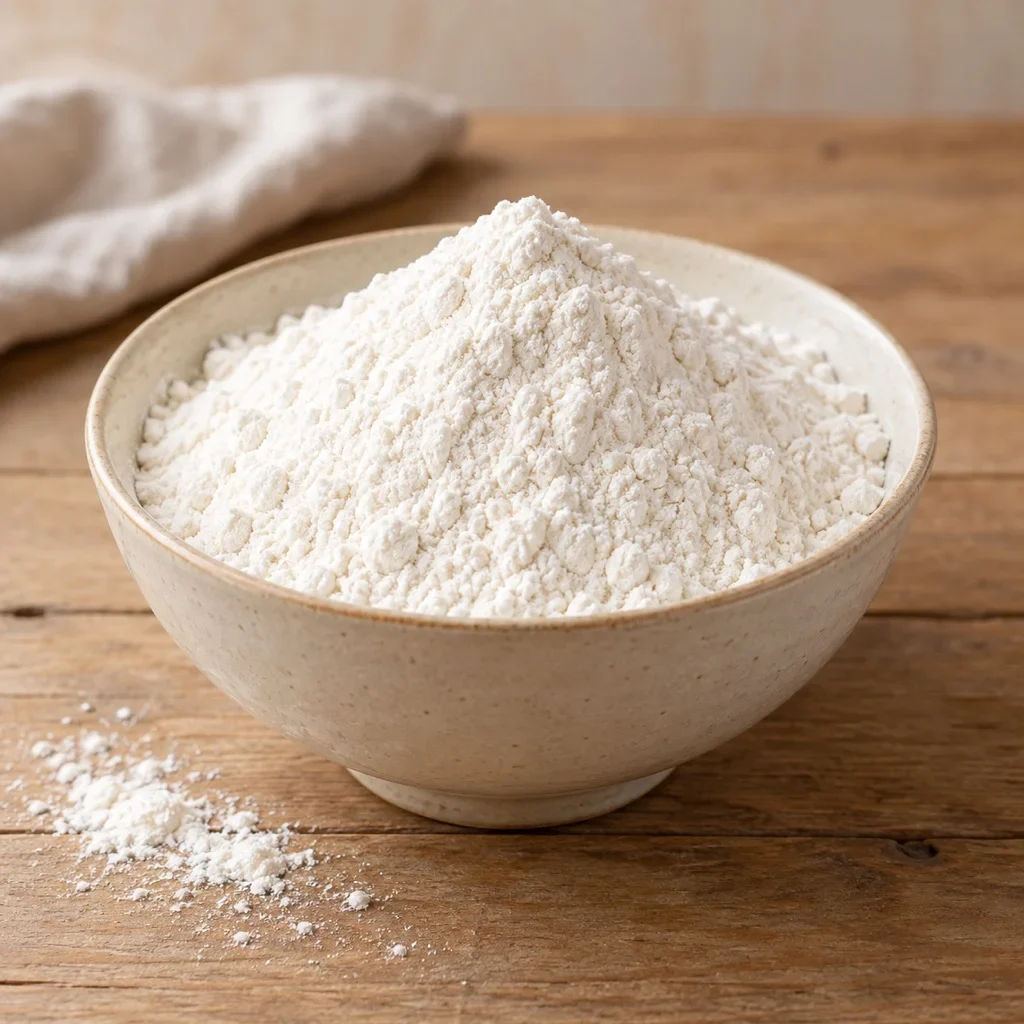
Typical ingredients


In some versions
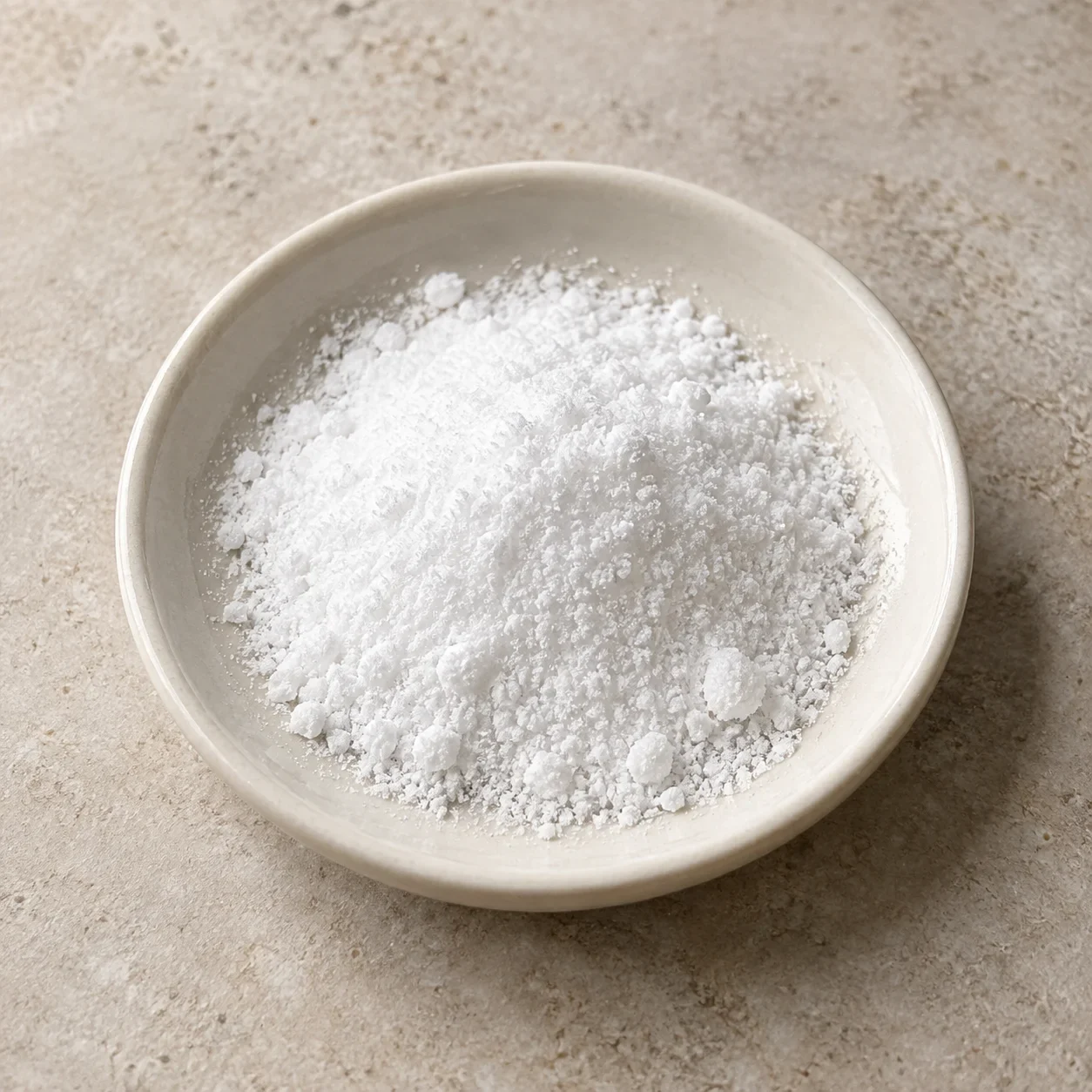
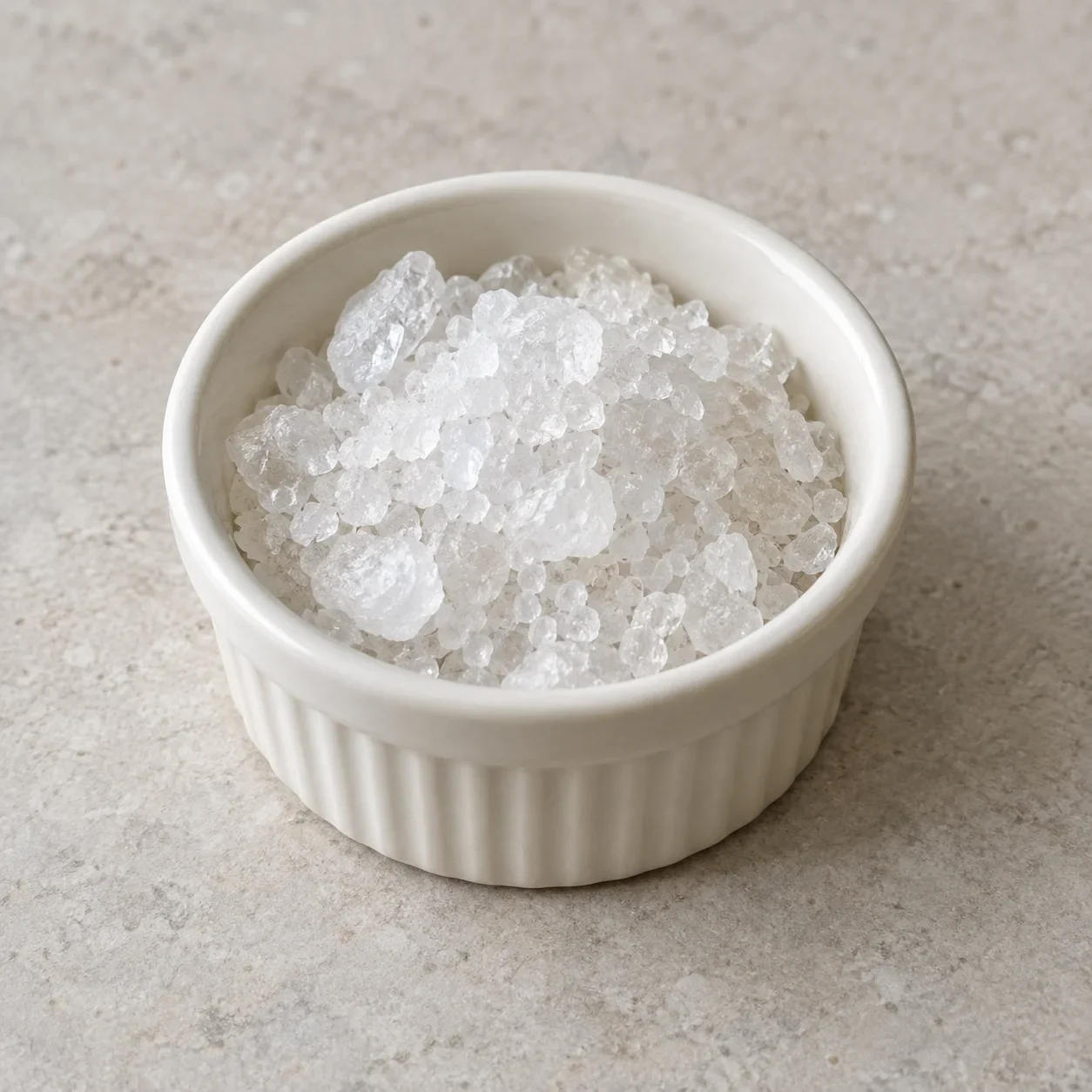
Recipes vary by restaurant.
How does it taste?
In one preparation, salt seasons the dough, while frying gives the rings an oil aroma.
- Chili heat
- Texture
- The rings are crisp, though texture varies with preparation and freshness.
- How it’s made
- In one preparation, wheat flour is mixed with a solution of salt, cooking alkali and alum. The dough is rested, cut and stretched into small ring shapes, then fried in cooking oil.
Jiaoquan is often eaten alongside douzhi, but it remains a separate snack.
A CONNECTION TO PLACE
Origin & regional roots
Associated with Beijing.
About this regional connection
Beijing: Beijing tourism articles identify 焦圈 as a Beijing snack and describe its common pairing; this supports association, not exclusive origin.
Ask if they have it first
请问你们有焦圈吗?
Do you have this item?
A LITTLE SOMETHING TO READ
Story & history
A crisp ring from old Beijing breakfasts
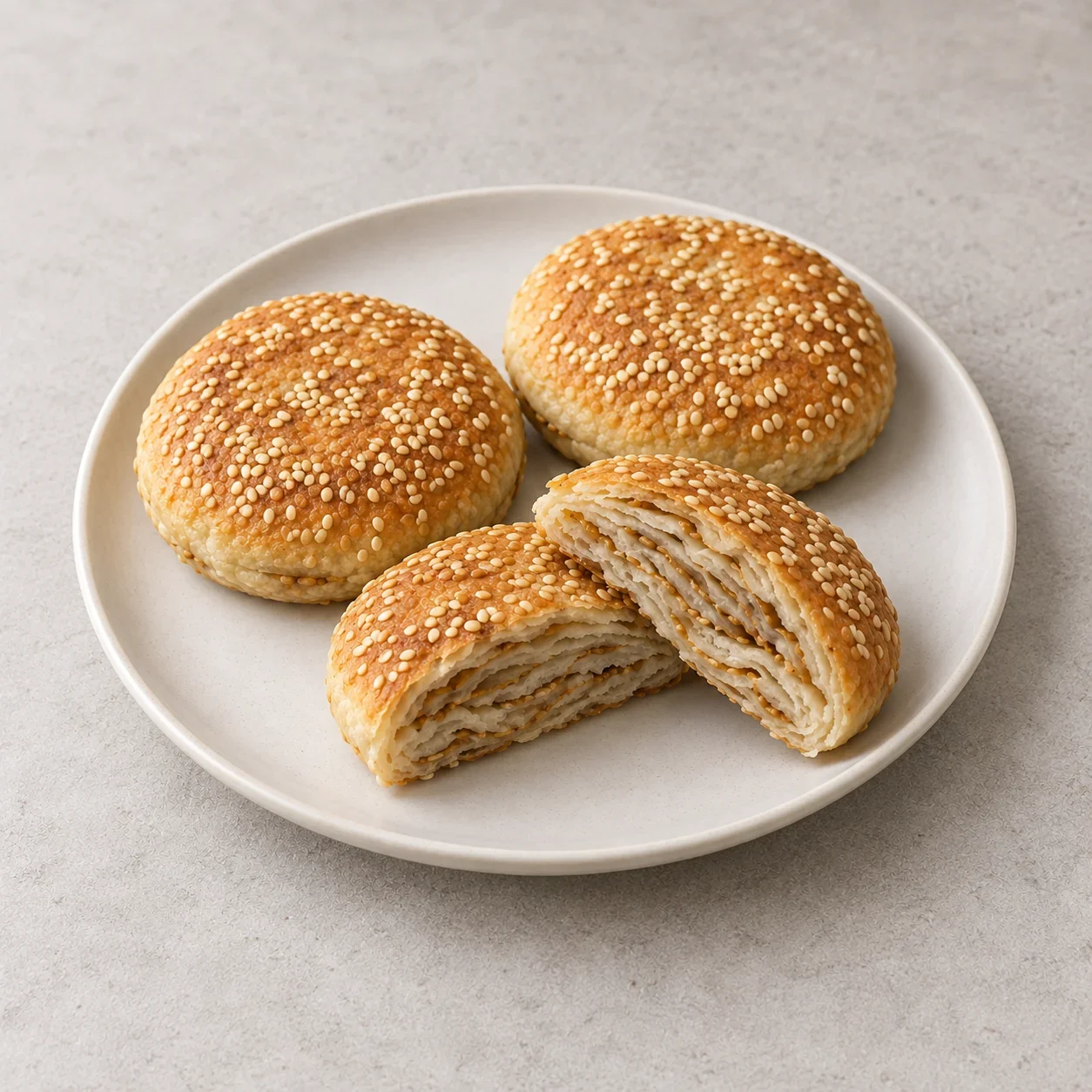
Jiaoquan has long belonged to Beijing’s breakfast-shop culture. The fried rings were sold alongside sweet soybean porridge and small spiral buns. Their little bracelet shape and brittle crunch made them a distinctive part of that breakfast spread.