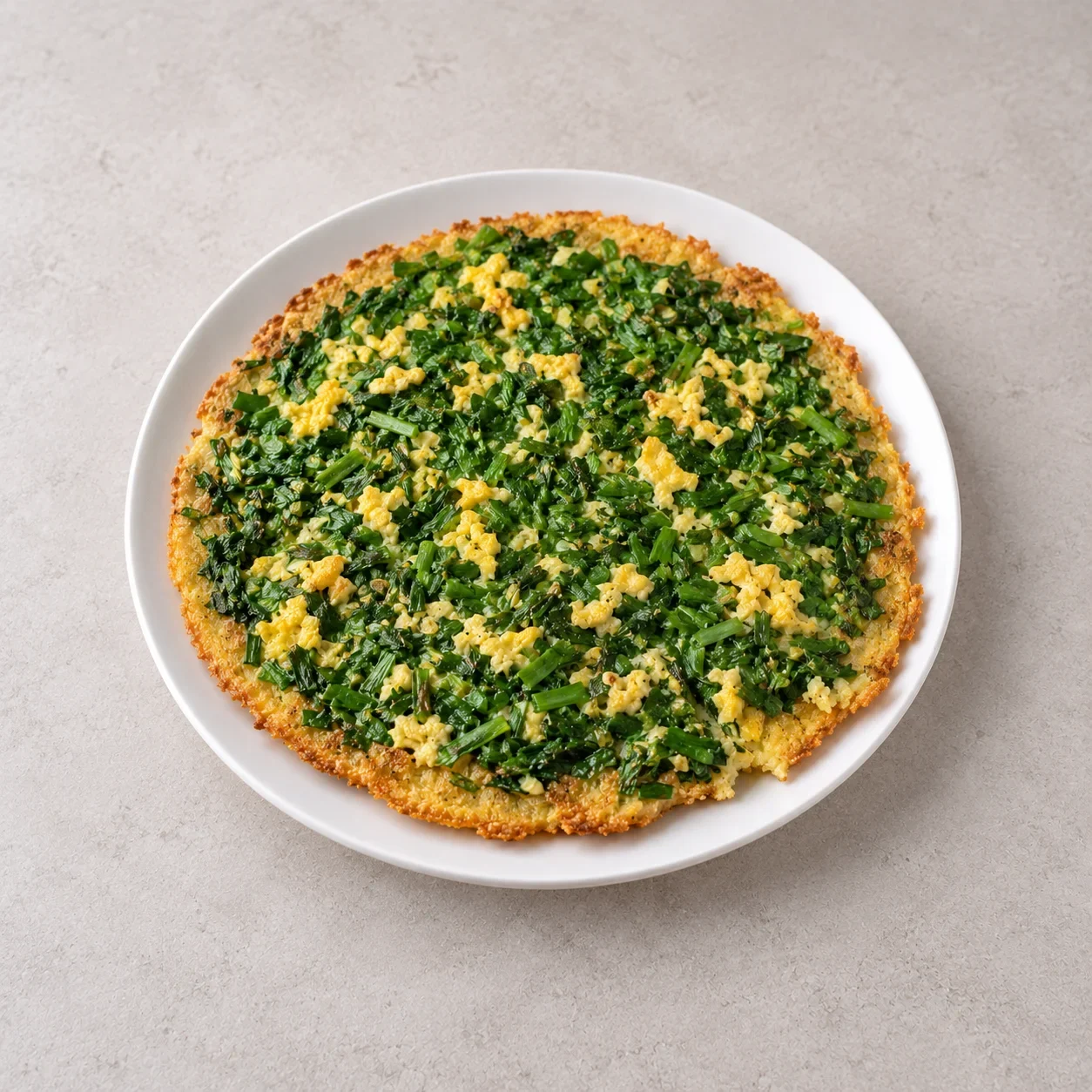
At the table
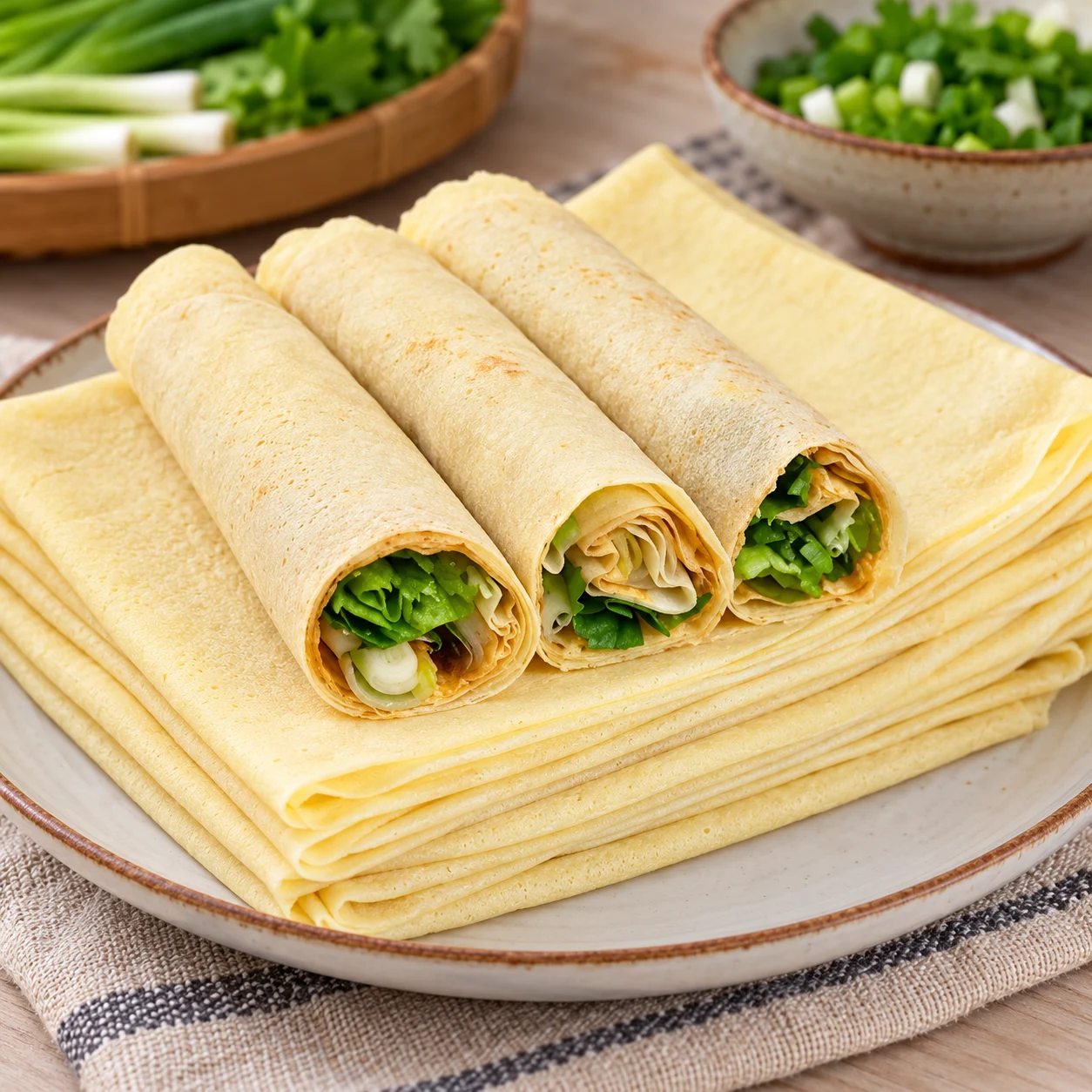
Break off pieces or fold around a little soybean paste and scallion. Add fillings to taste.
Ask about grain blends, peanuts, cooking fat and paste ingredients. Do not assume all commercial versions share one formula.
Corn, millet and rice versions exist, as do peanut-flavored pancakes. Paste and fillings are additions, not a fixed part of every pancake.
GET TO KNOW THE DISH
What goes into it?
Explore some key ingredients below. Preparations may use additional seasonings and ingredients.
Corn, millet and rice versions exist, as do peanut-flavored pancakes. Paste and fillings are additions, not a fixed part of every pancake.
Typical ingredients
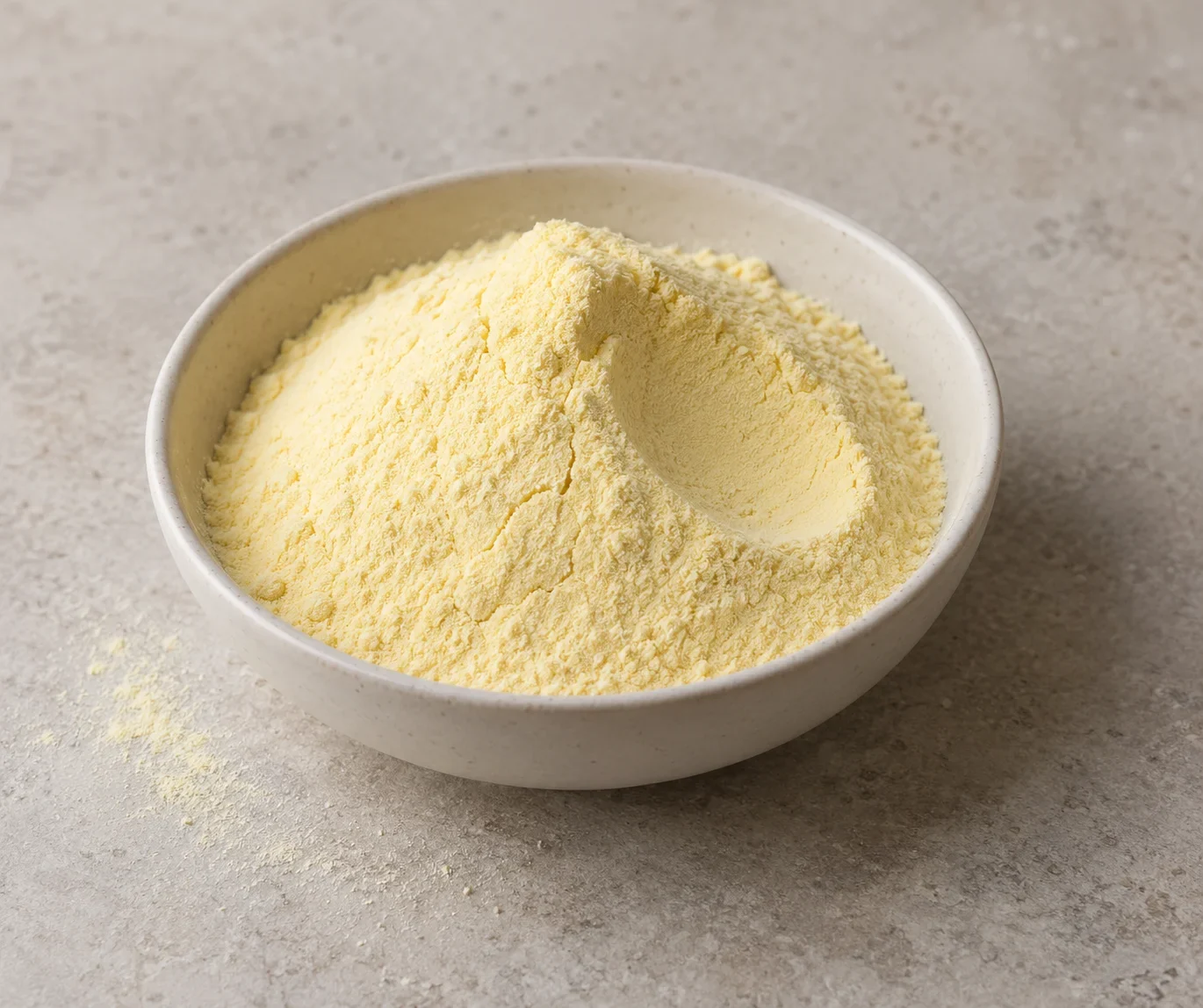
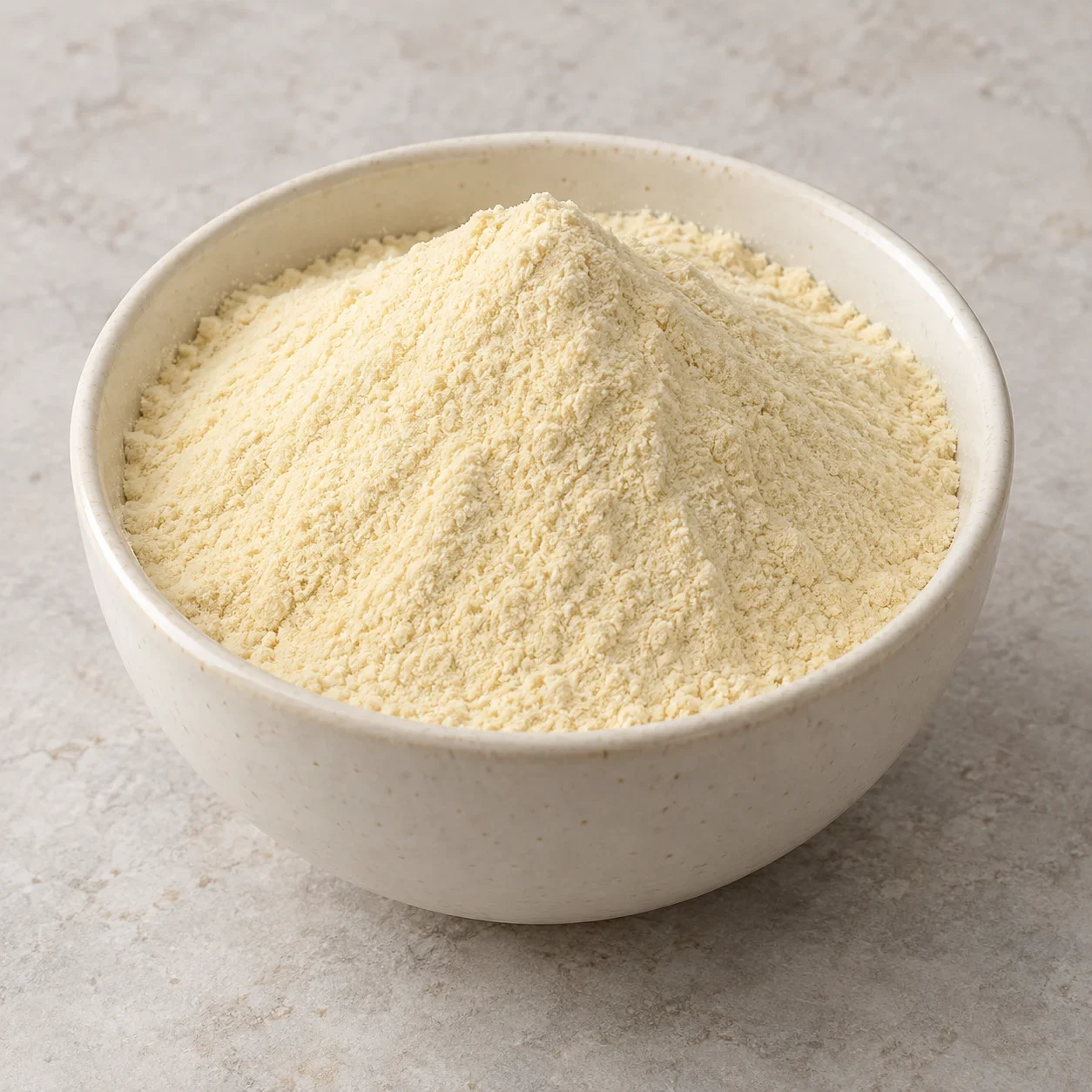
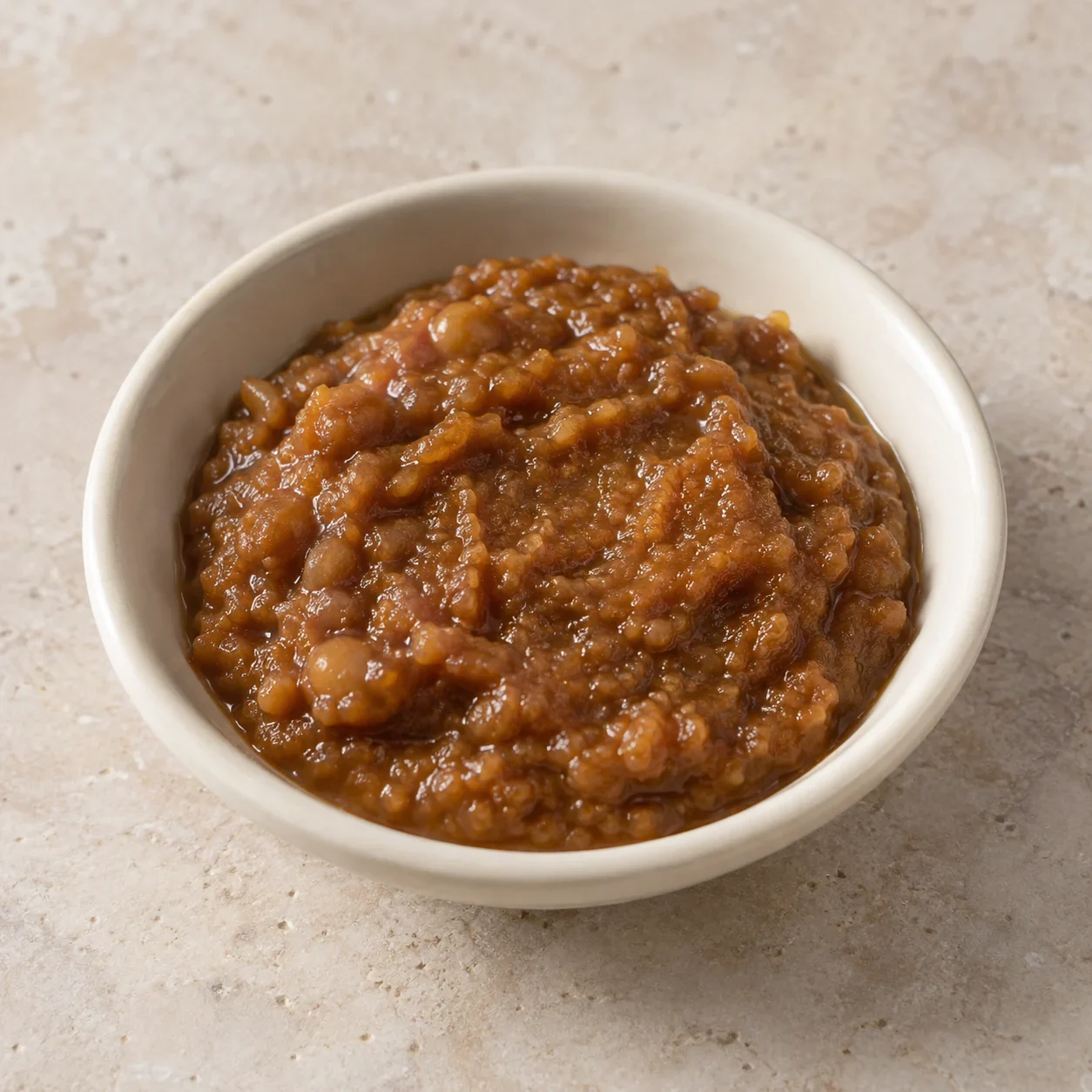

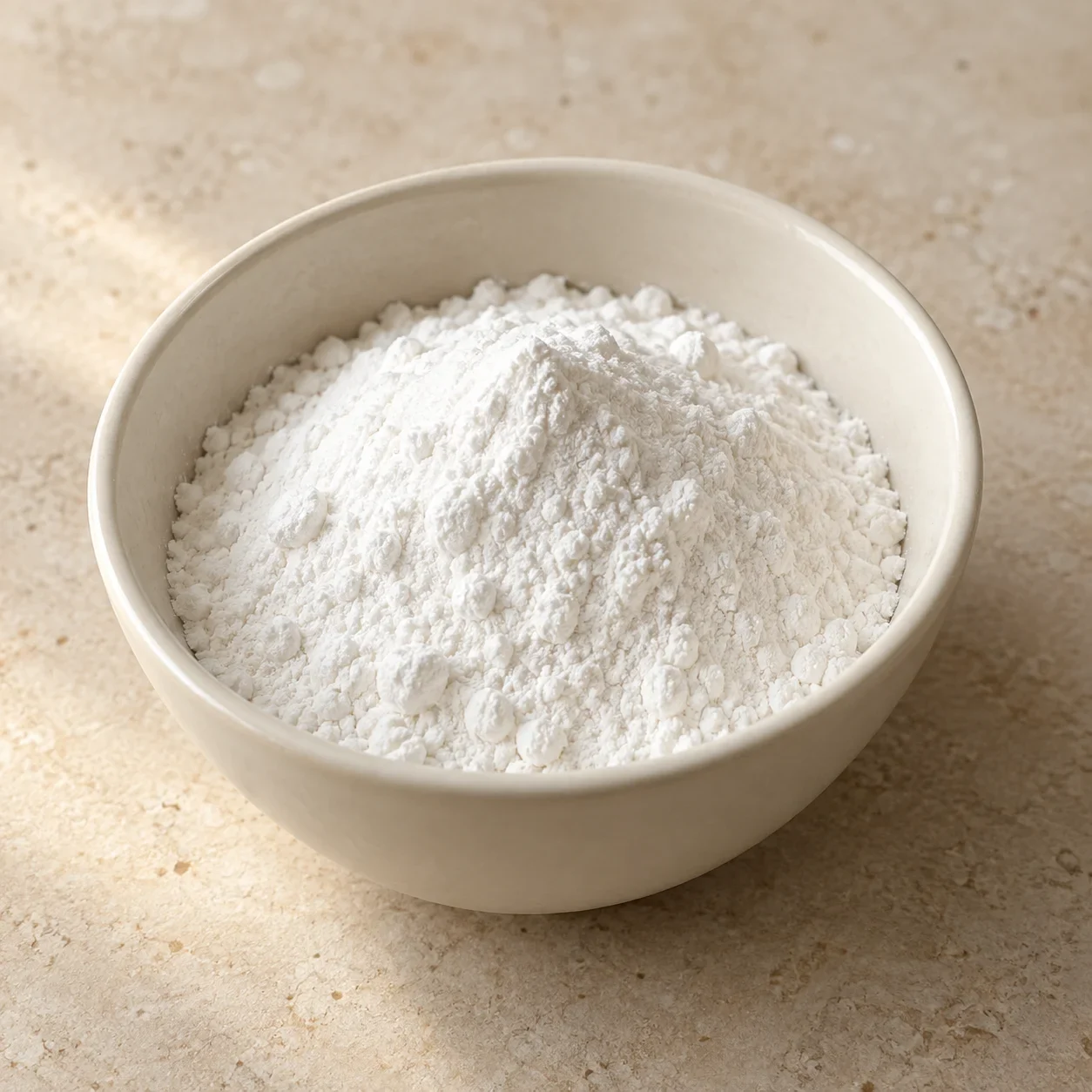
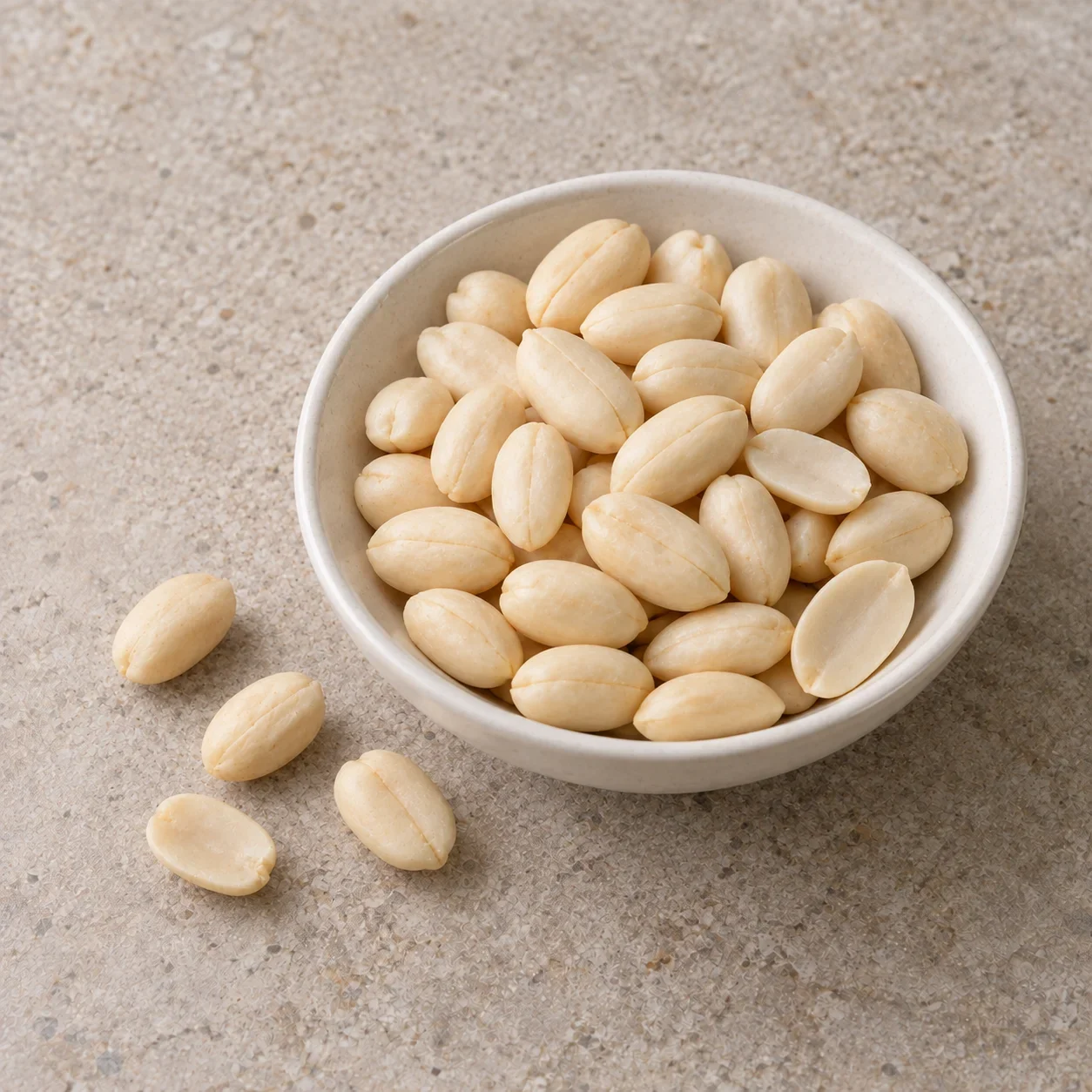
Recipes vary by restaurant.
How does it taste?
Toasted grain flavor, with salty paste if added.
- Chili heat
- Texture
- Thin and crisp when dry, more pliable after filling.
- How it’s made
- A grain batter is spread thinly by hand on a heated griddle.
Corn, millet and rice versions exist, as do peanut-flavored pancakes. Paste and fillings are additions, not a fixed part of every pancake.
A CONNECTION TO PLACE
Origin & regional roots
Its origins are linked to Heilongjiang.
About this regional connection
Heilongjiang: Huanan County, Jiamusi.
Ask if they have it first
请问你们有桦南煎饼吗?
Do you have this item?
A LITTLE SOMETHING TO READ
Story & history
Huanan thin grain pancakes
This account describes a tradition or story, rather than an established historical fact.
Huanan’s handmade pancakes depend on controlling griddle heat and spreading a thin layer of batter. Different grain versions are part of the local tradition.