At the table
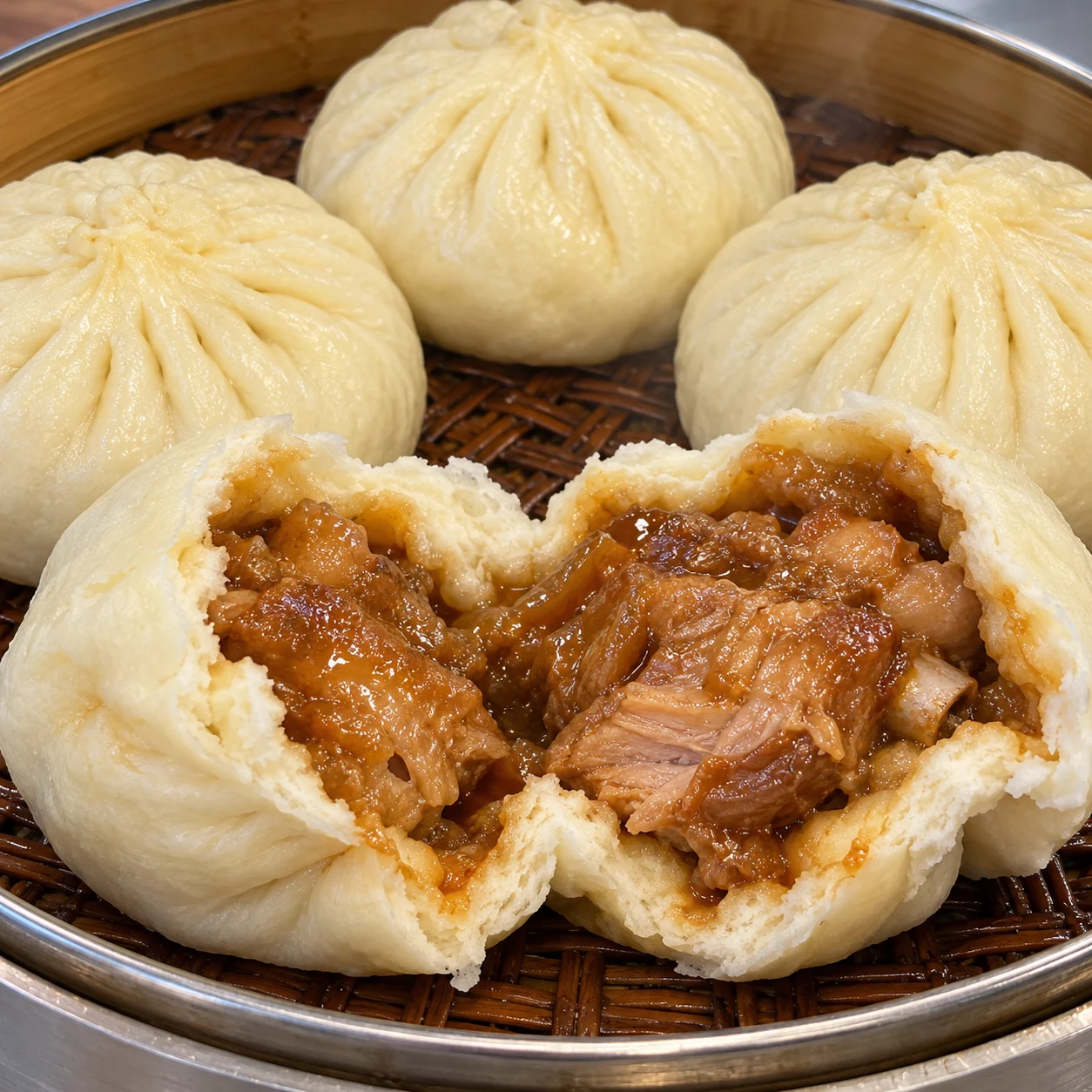
Break open the bun and let steam escape. Eat the filling carefully, removing rib bones rather than biting straight through.
Contains pork, wheat and potentially soy. Small bones and hot juices need attention.
Stock and seasoning mixtures vary. A documented shop preparation uses hen-and-pork-bone stock; it is not a rule for every seller.
GET TO KNOW THE DISH
What goes into it?
Explore some key ingredients below. Preparations may use additional seasonings and ingredients.
Stock and seasoning mixtures vary. A documented shop preparation uses hen-and-pork-bone stock; it is not a rule for every seller.
Typical ingredients
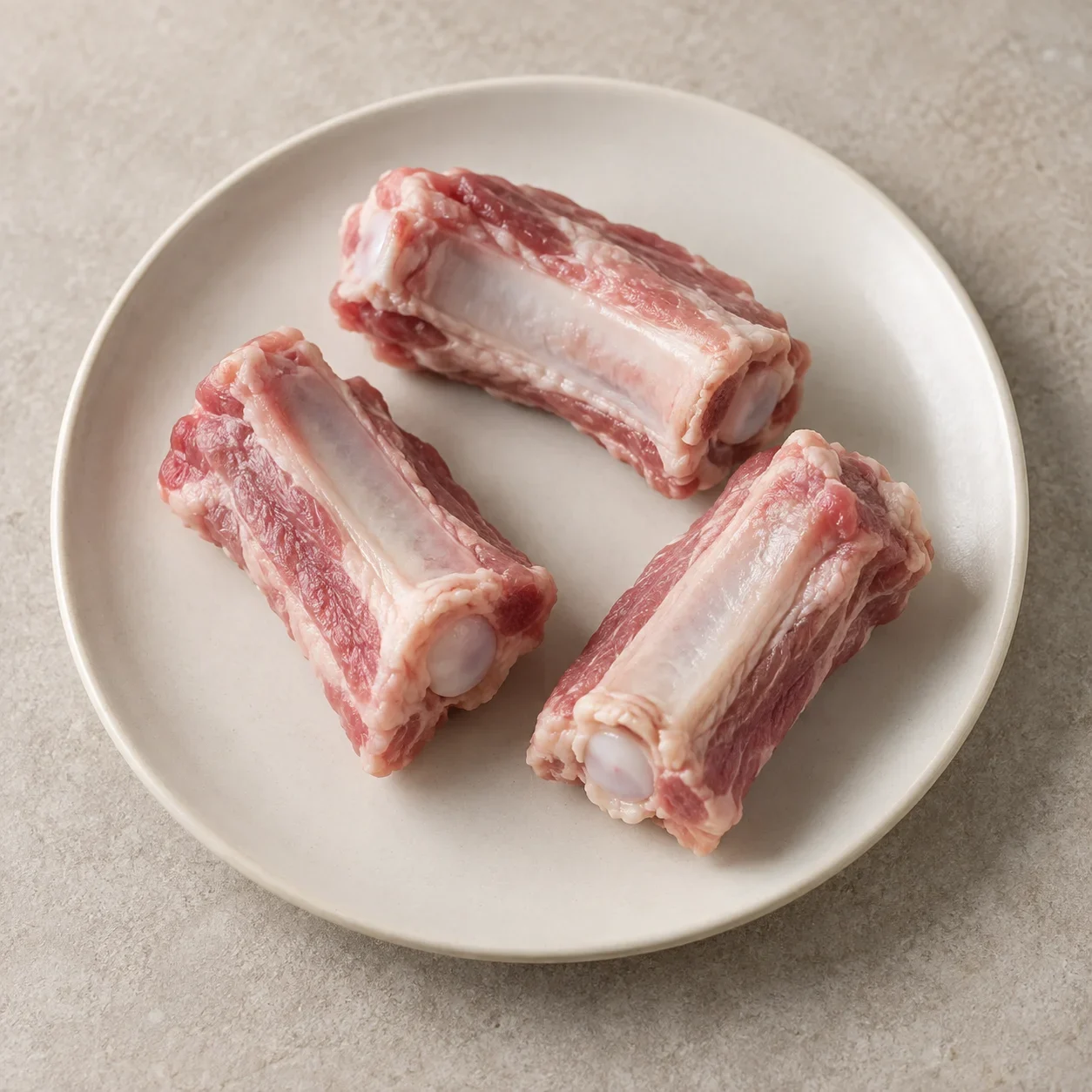
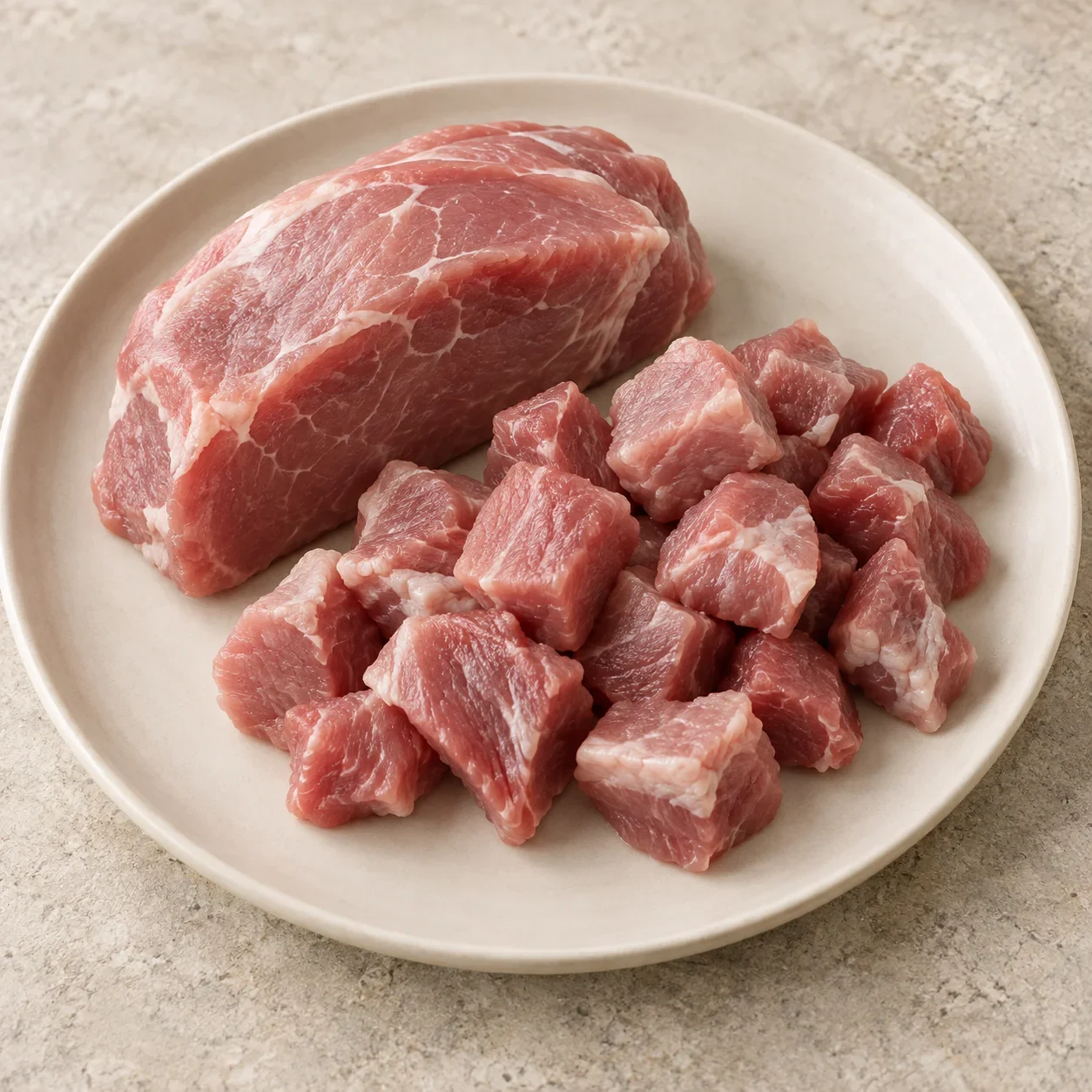
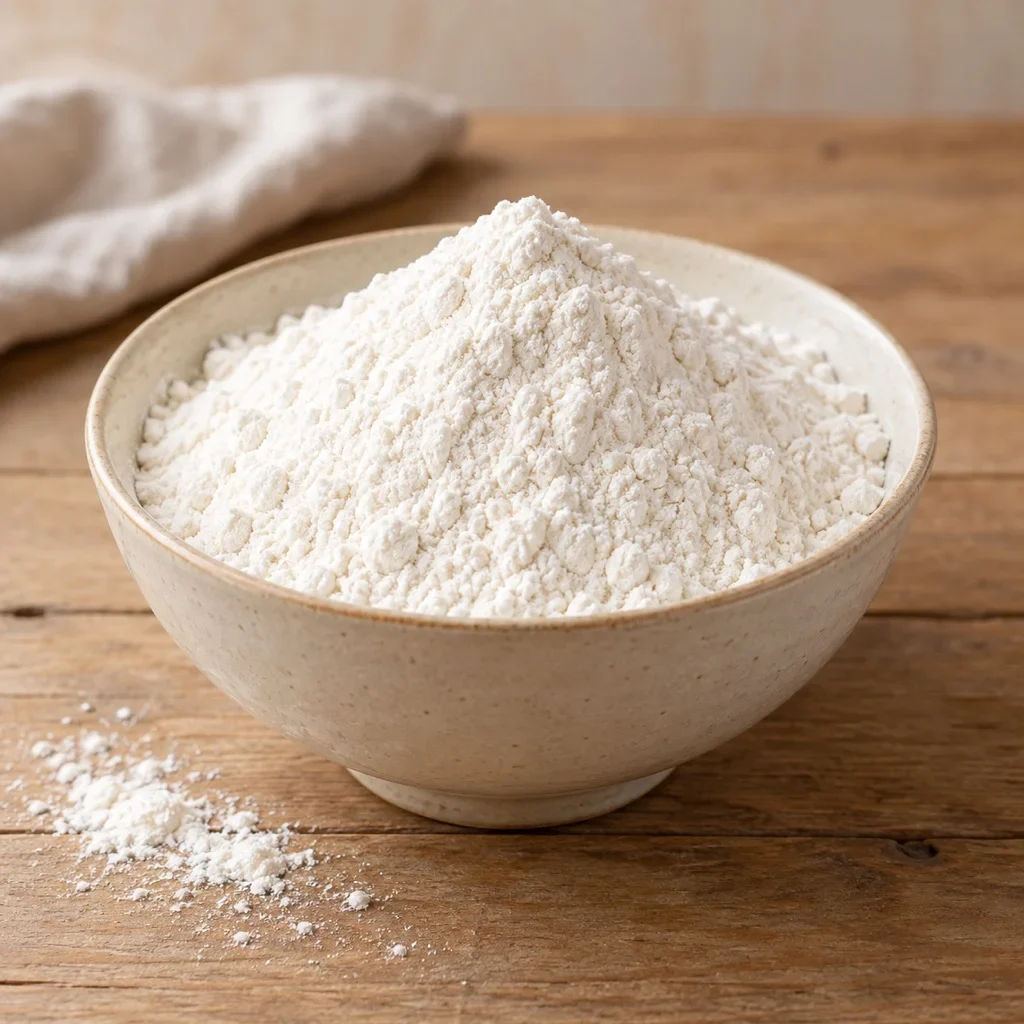
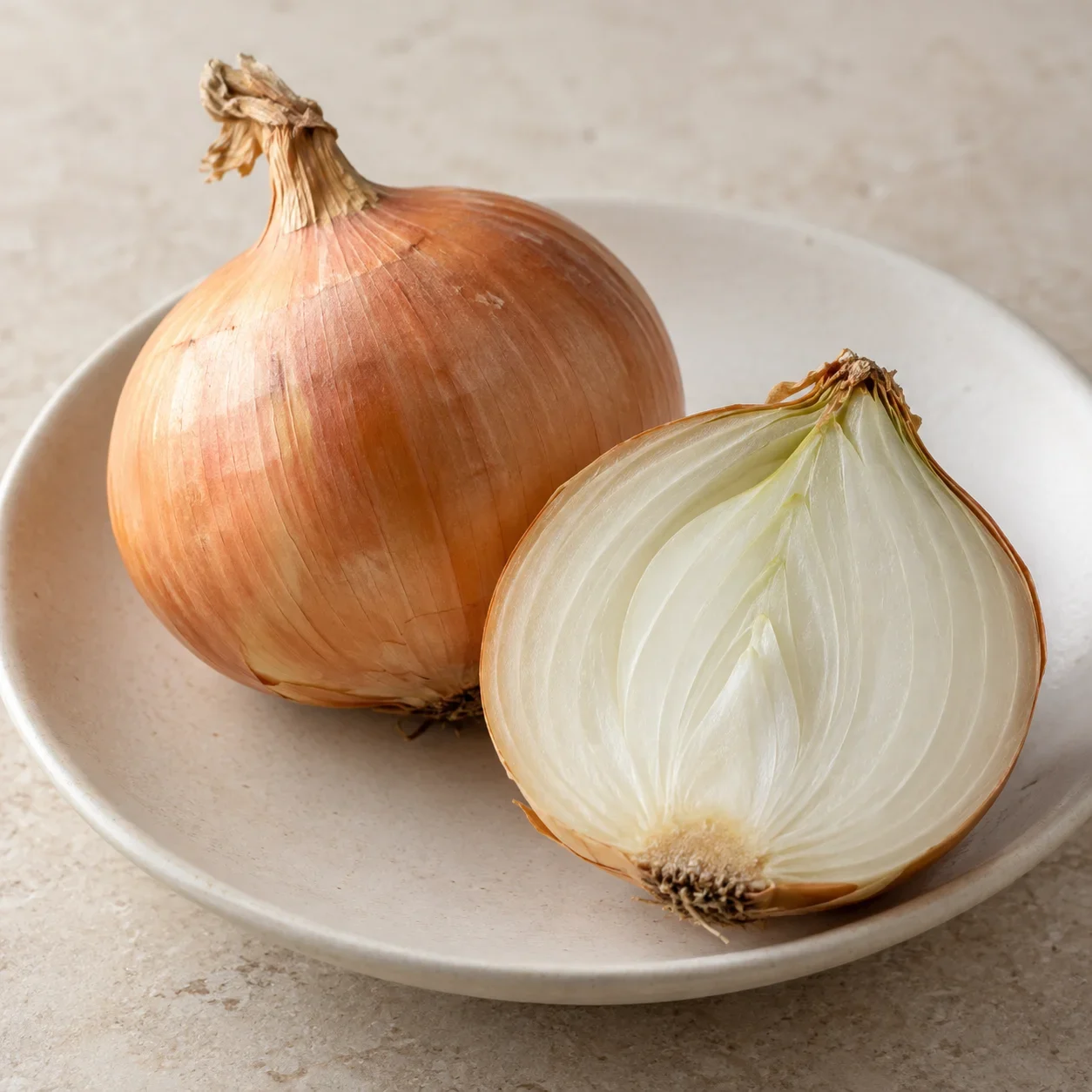
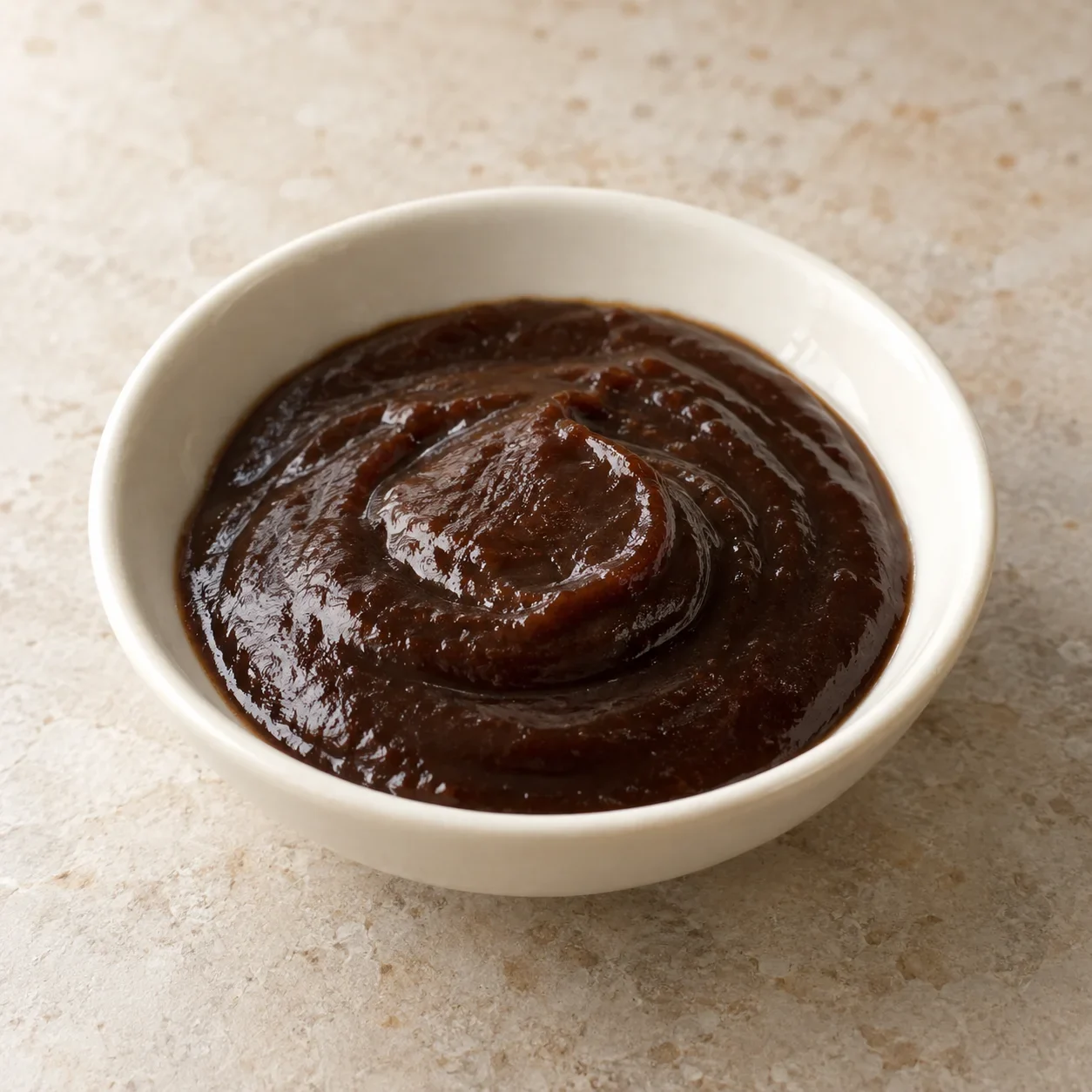
In some versions
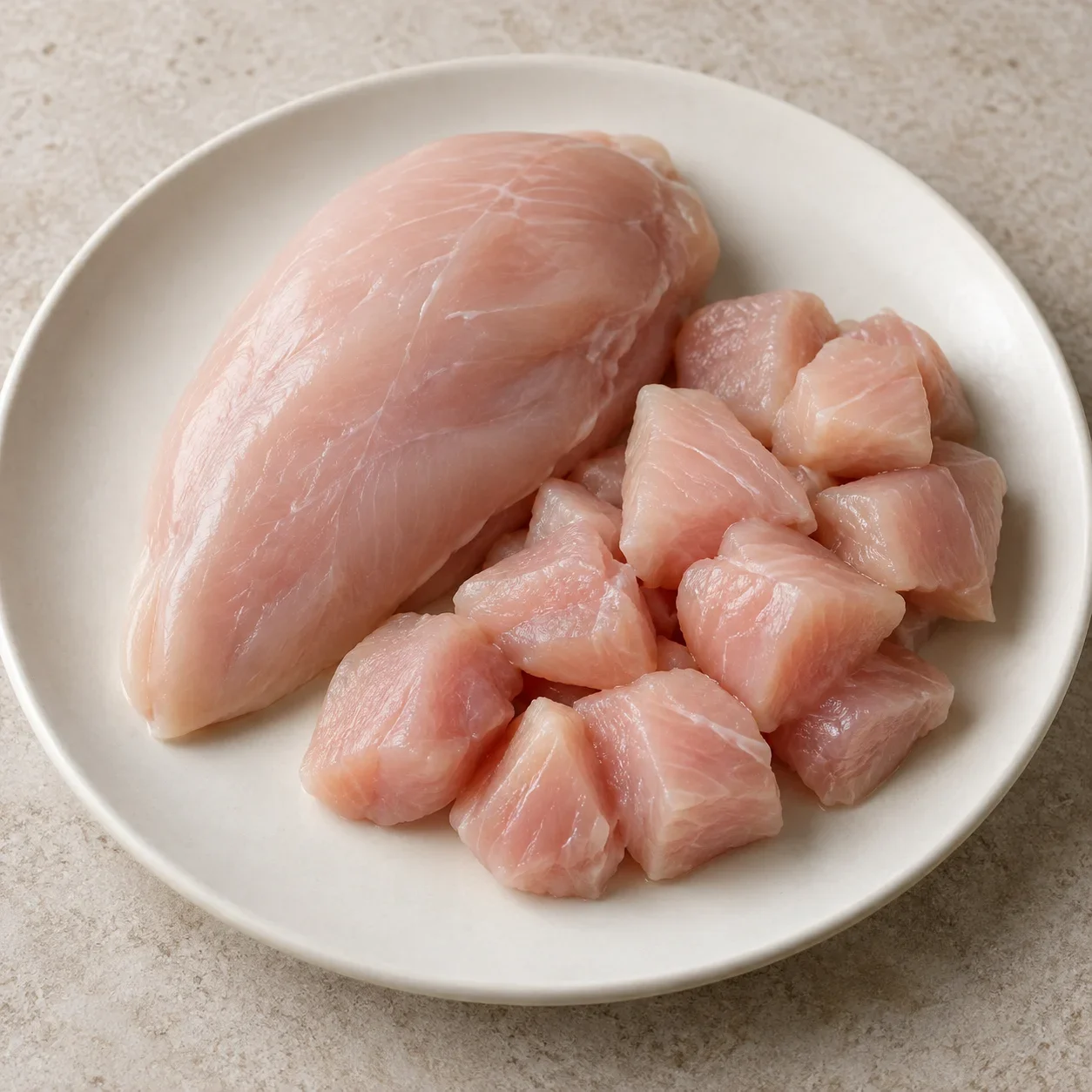
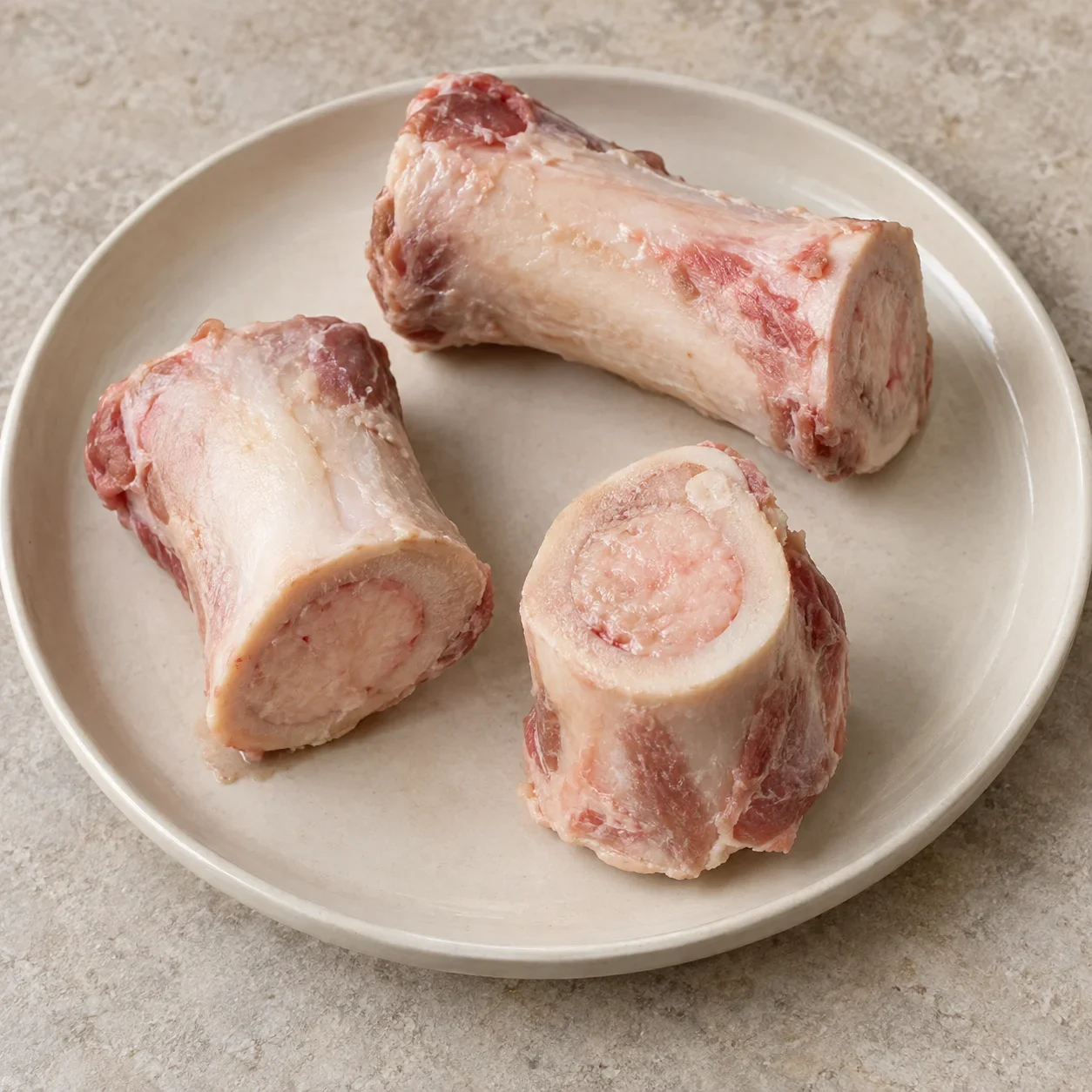
Recipes vary by restaurant.
How does it taste?
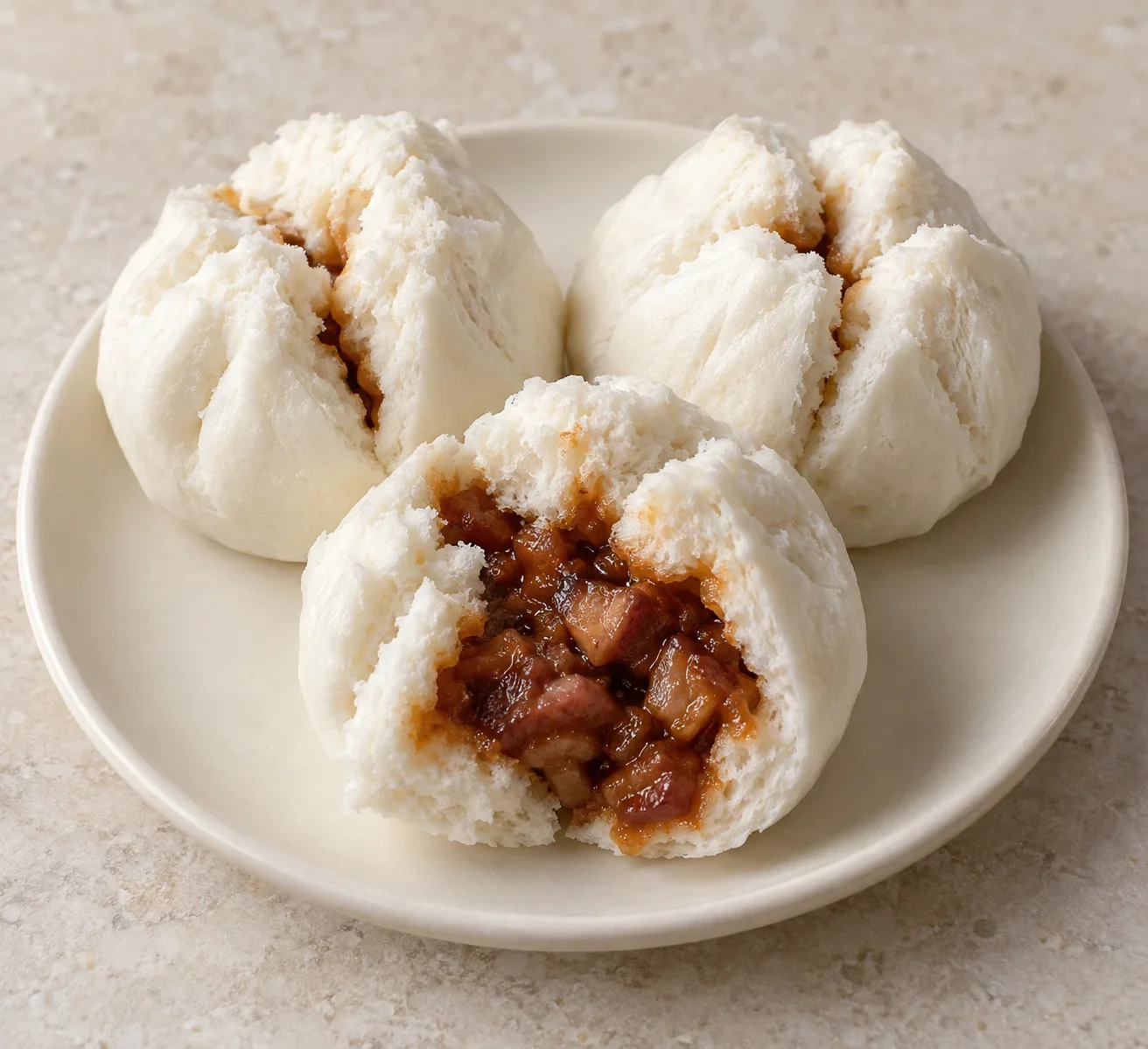
Rich savory pork with onion and a little sweet wheat sauce.
- Chili heat
- Texture
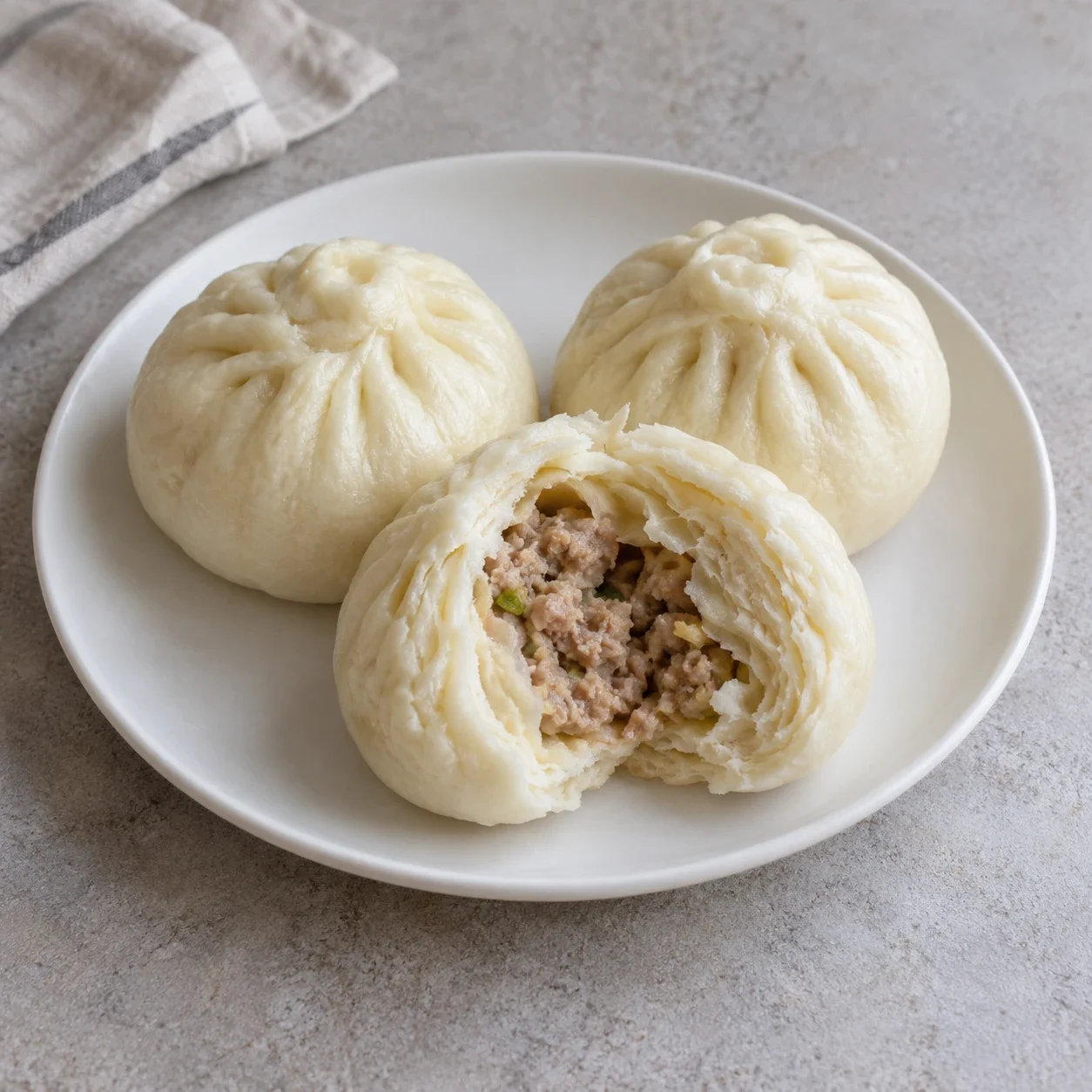
- Soft wheat wrapper around a juicy, meaty filling.
- How it’s made
- Chopped ribs and pork are seasoned, enclosed in wheat dough and steamed.
Stock and seasoning mixtures vary. A documented shop preparation uses hen-and-pork-bone stock; it is not a rule for every seller.
A CONNECTION TO PLACE
Origin & regional roots
Associated with Heilongjiang.
About this regional connection
Heilongjiang: Harbin. The opened account is Zhang Baopu, with a Daowai shop and a Qunli shop.
Ask if they have it first
请问你们有排骨包子吗?
Do you have this item?
A LITTLE SOMETHING TO READ
Story & history
A rib-filled Harbin bun
This account describes a tradition or story, rather than an established historical fact.
Pork-rib buns are associated with Harbin’s old Daowai bun-shop tradition. Their appeal is the combination of steamed dough and substantial rib filling, rather than a uniformly boneless mince.