
At the table
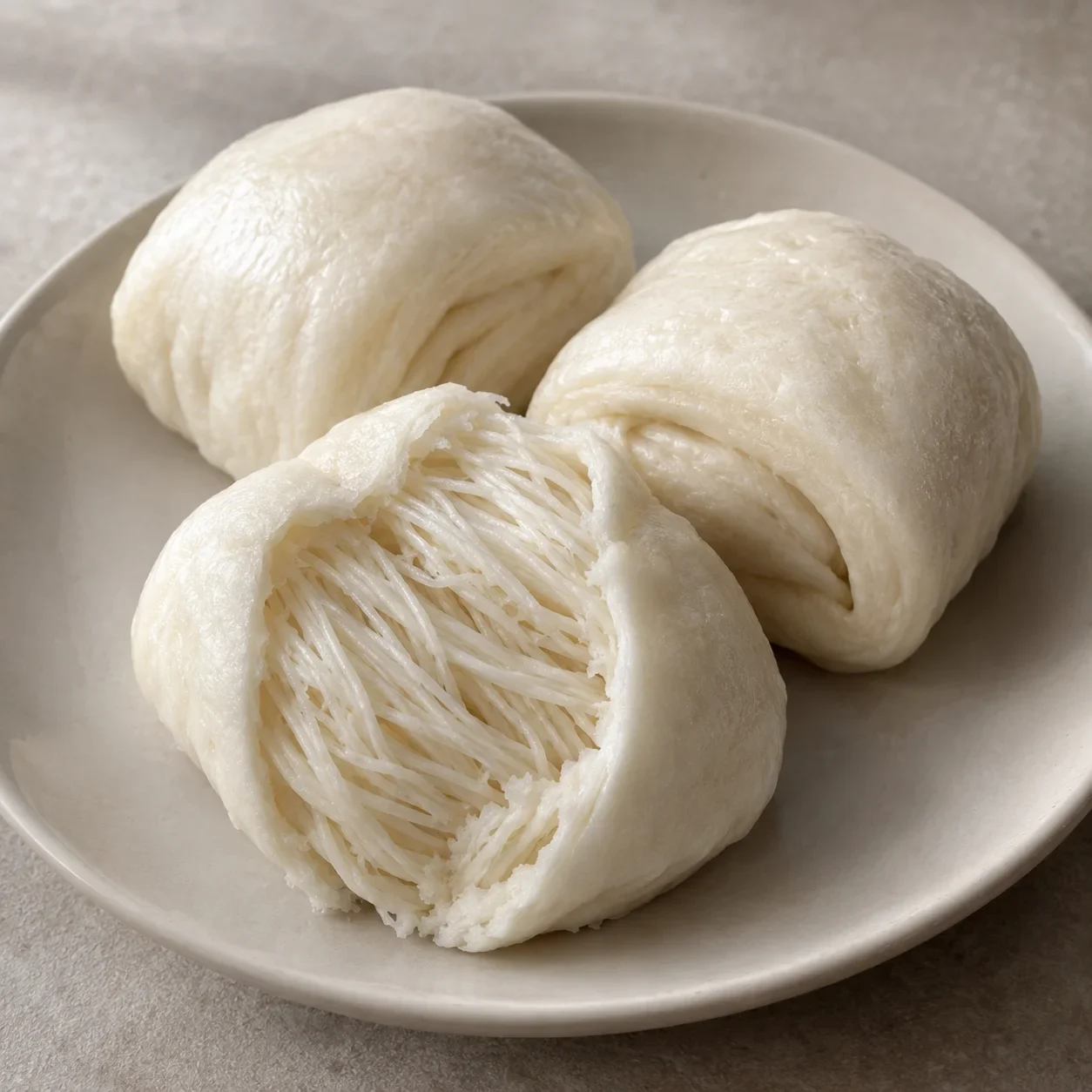
Tear off small pieces and enjoy warm. The threads inside are dough, not meat or a separate noodle filling.
Contains wheat; some recipes contain milk or lard. Check the actual recipe for dietary needs.
Some versions use lard, others vegetable oil; milk or milk powder may enrich the dough. Baked and steamed-then-fried versions are also made.
Soft but best divided into manageable pieces; check wheat and possible milk allergies.
Recipes vary. Ask the restaurant about ingredients and serving before you order.
GET TO KNOW THE DISH
What goes into it?
IN THE APP
Get to know every ingredient.
Explore what goes into a dish and how each ingredient shapes its flavor.
How does it taste?
Gently sweet and wheaty, sometimes with a milky richness; no chili heat.
- Chili heat
- 0/5
- Texture
- Fluffy outer dough with soft, fine strands inside.
A CONNECTION TO PLACE
Origin & regional roots
Tianjin · Beijing
Associated with Tianjin. Associated with Beijing.
About this regional connection
Tianjin: SA1 describes 银丝卷 as a well-known food of the Beijing–Tianjin region; this remains an author regional association proposal. Beijing: SA1 identifies this named roll at Tongheju in Beijing and SP1 lists it in the Beijing restaurant feature.
Ask if they have it first
请问你们有银丝卷吗?
Do you have this item?
A LITTLE SOMETHING TO READ
Story & history
Fengzeyuan’s silver-thread roll, from handwork to everyday tables
At Fengzeyuan, silver-thread rolls were among the hand-made flour specialties that only a few diners got to taste. A distinctive way to eat one is to tear open its outer layer by hand and draw out the soft strands inside. As demand grew, the restaurant expanded production beyond handwork, and these rolls reached everyday Beijing tables—a path from restaurant craft to a more familiar daily food.
Traveler experiences
Loading reviews…