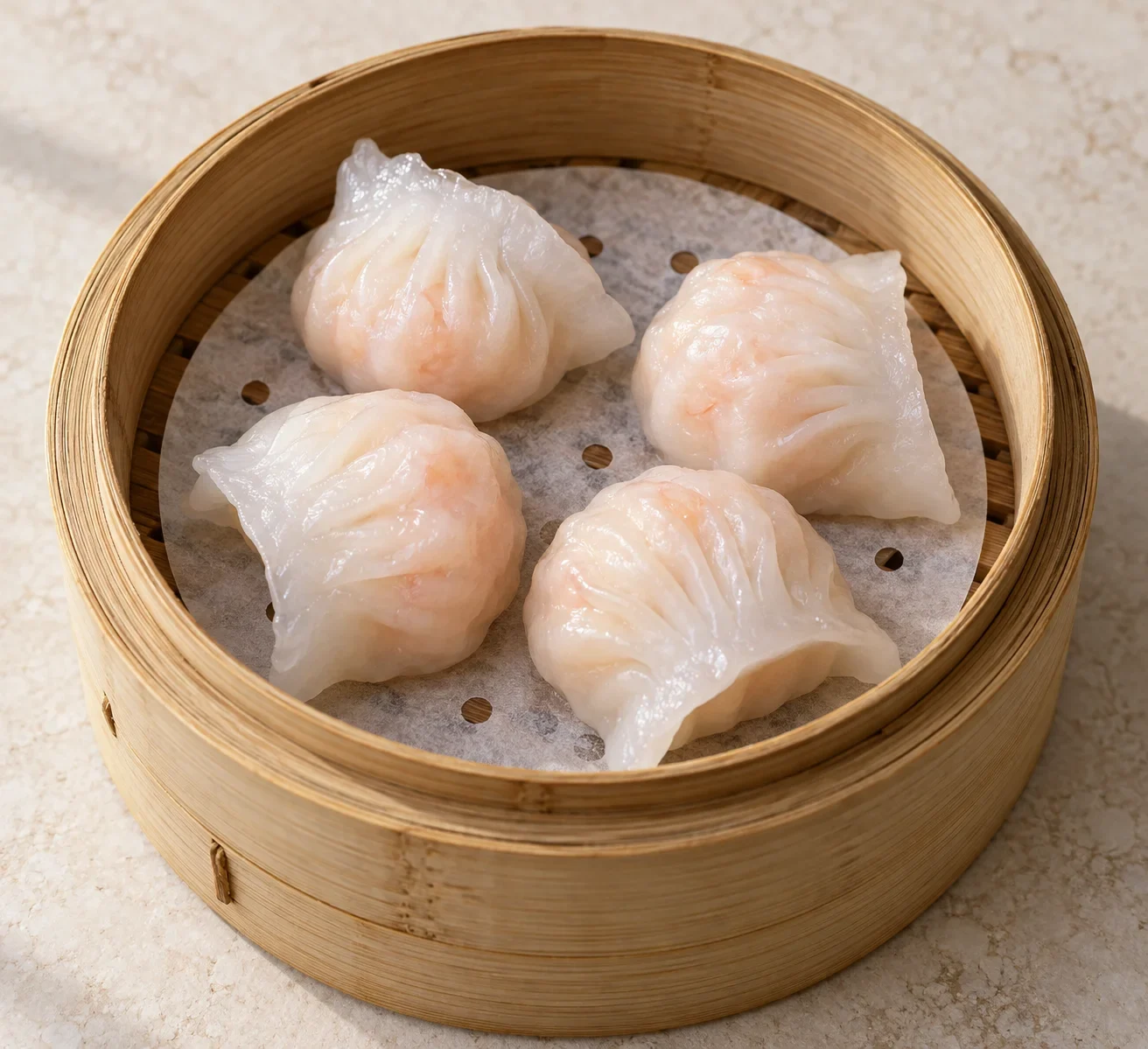
At the table
Lift gently with chopsticks and support with a spoon if needed. Let it cool slightly, then try it plain before adding a little sauce. The wrapper can tear if squeezed.
Contains shrimp and wheat starch. Do not assume the translucent wrapper is wheat-free. Pork, sesame oil, oyster sauce or soy-based seasonings may be used; check the recipe for allergies or dietary restrictions. Hot filling and springy shrimp need care; cut into suitable pieces for children.
Shrimp makes har gow neither vegetarian nor vegan. Pork or pork fat and bamboo shoots vary by recipe. Wheat starch is commonly blended with corn or tapioca starch, with lard or oil. The representative dumpling has no chili; dipping sauces may add heat.
GET TO KNOW THE DISH
What goes into it?
Explore some key ingredients below. Preparations may use additional seasonings and ingredients.
Pork and bamboo shoot can be included alongside the shrimp.
Typical ingredients
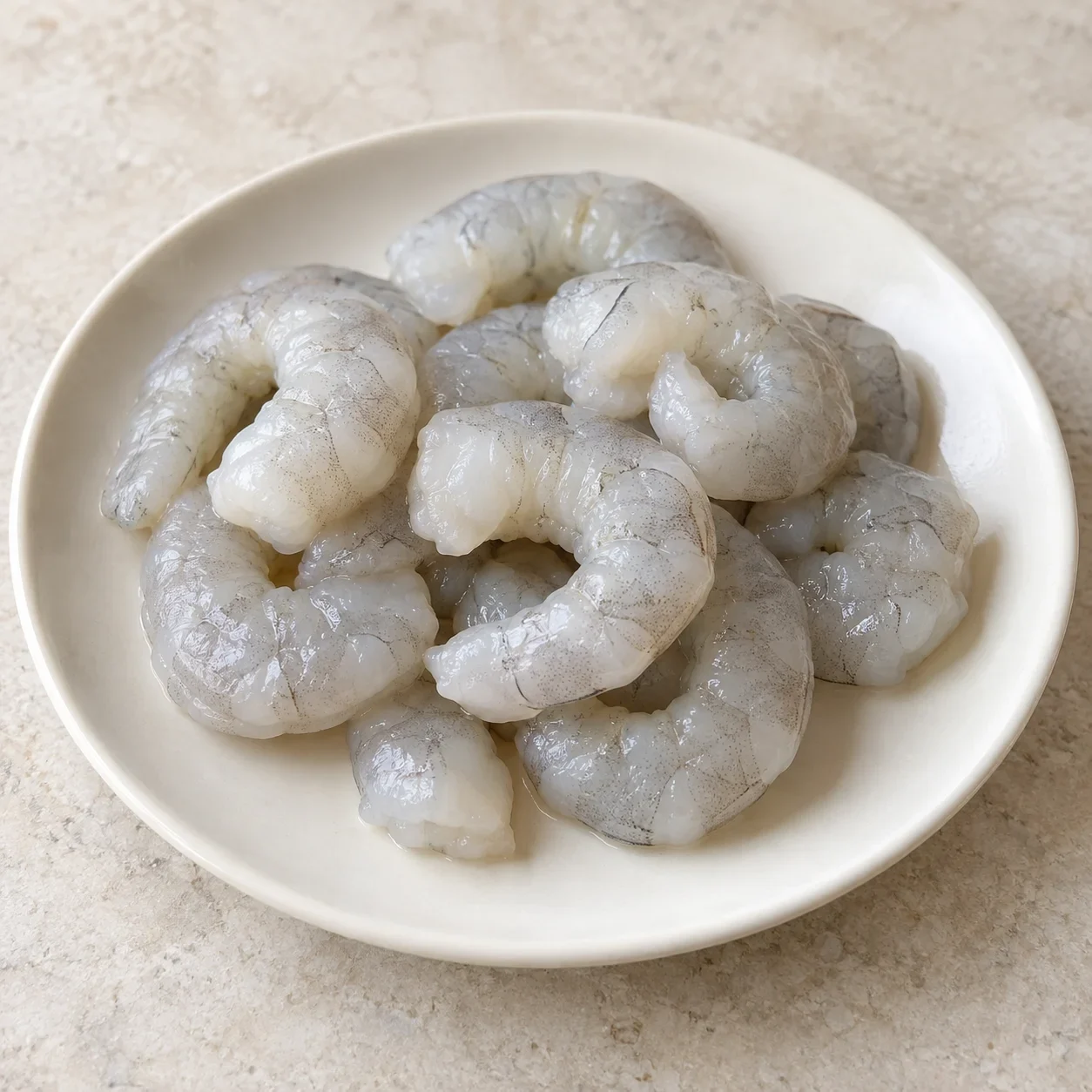
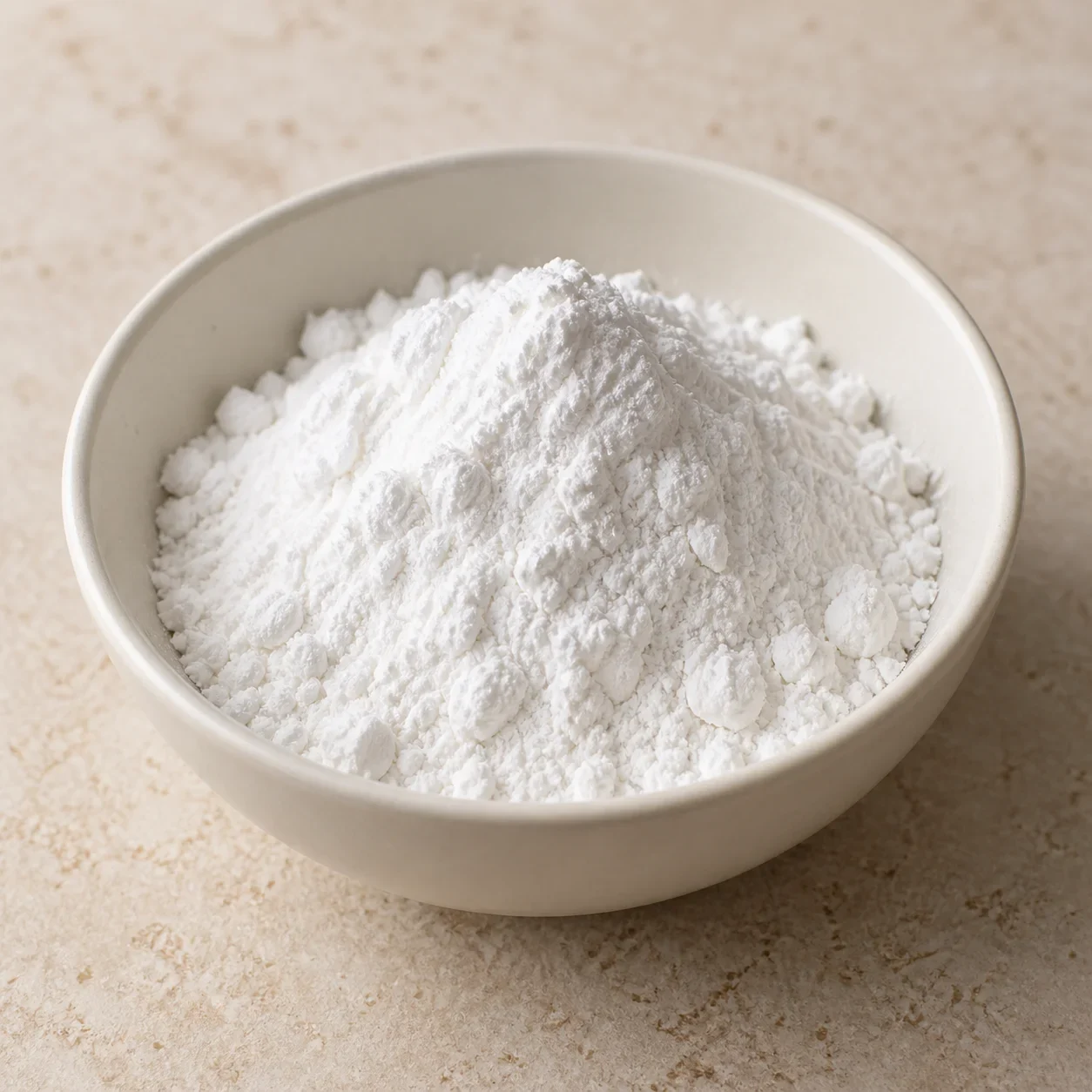

In some versions
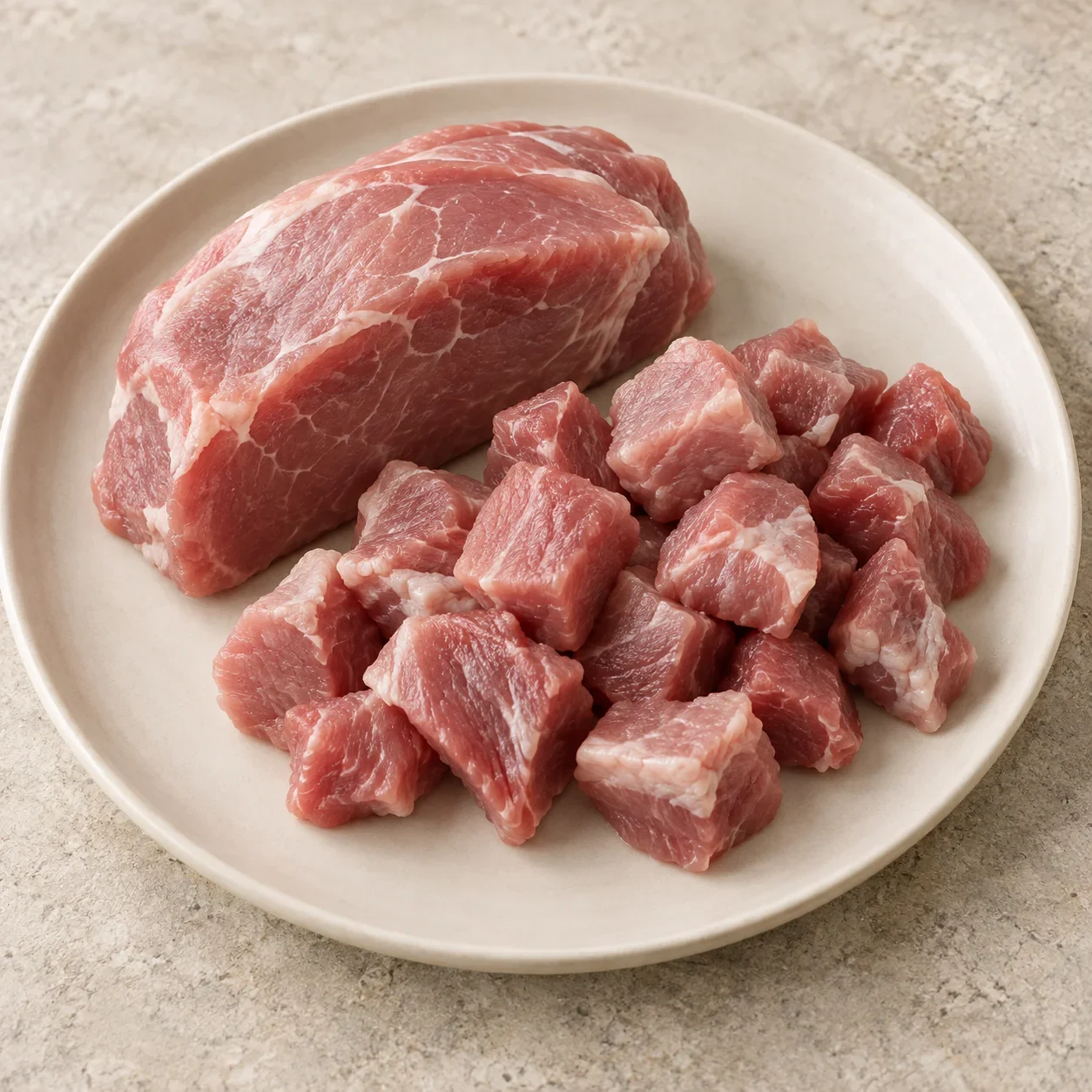
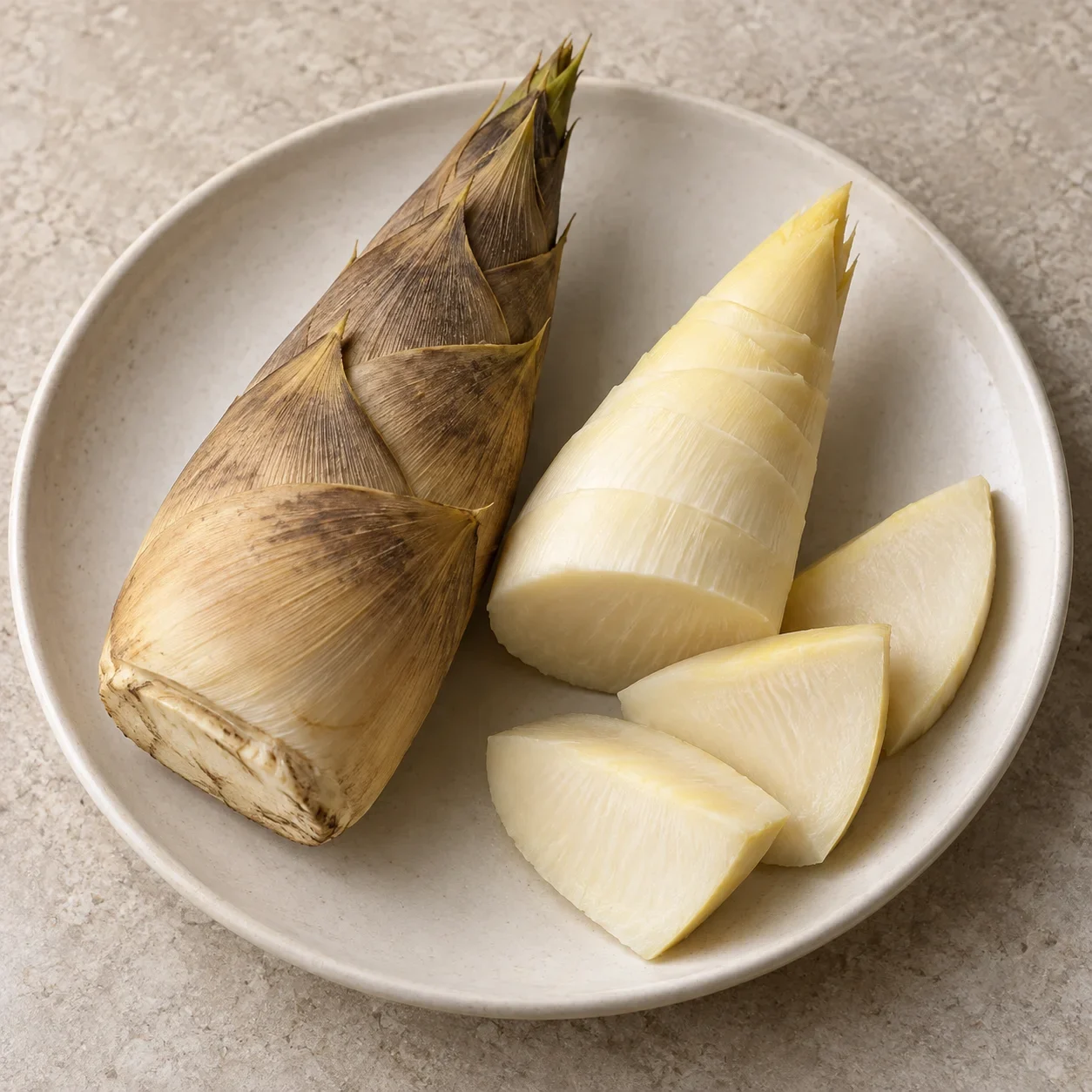
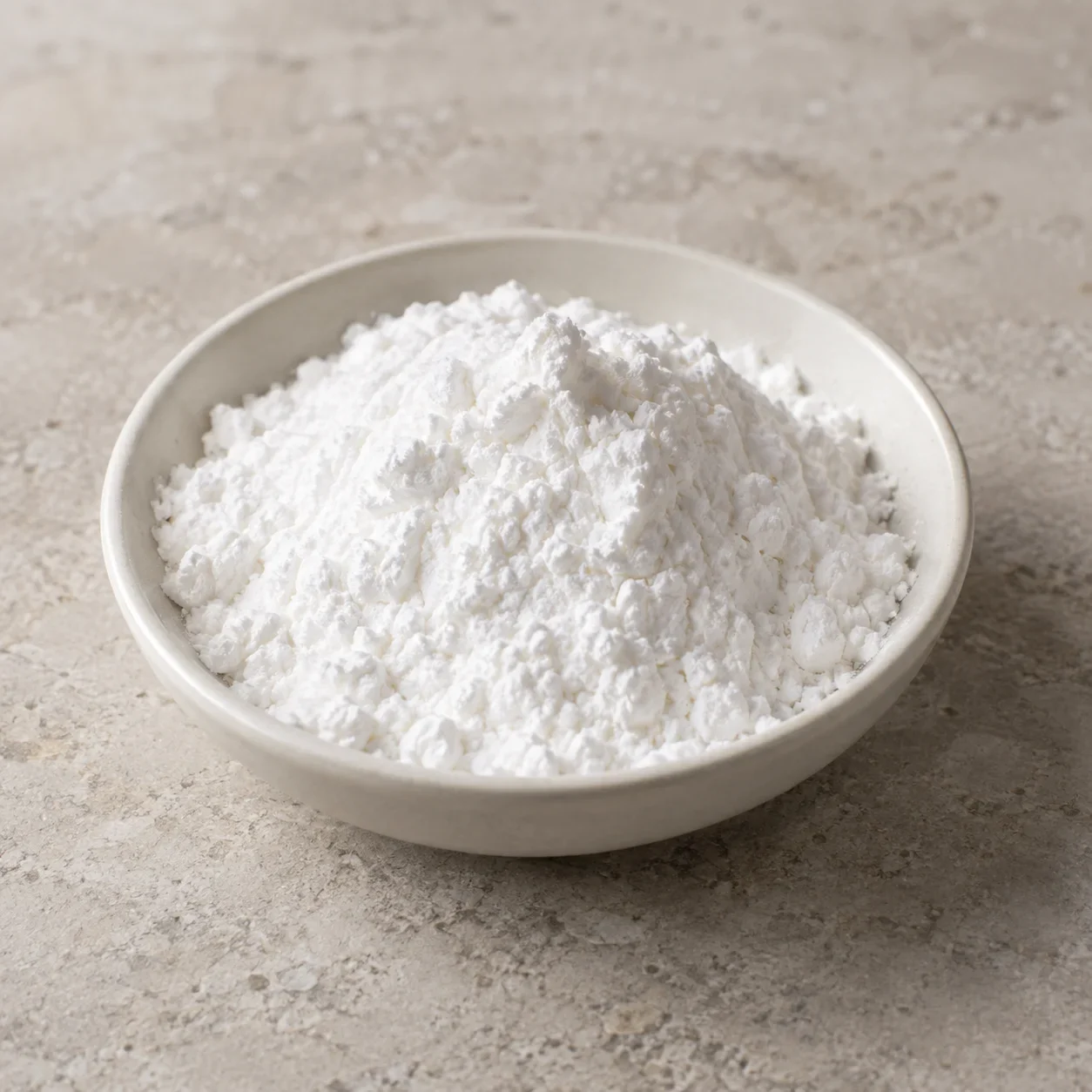
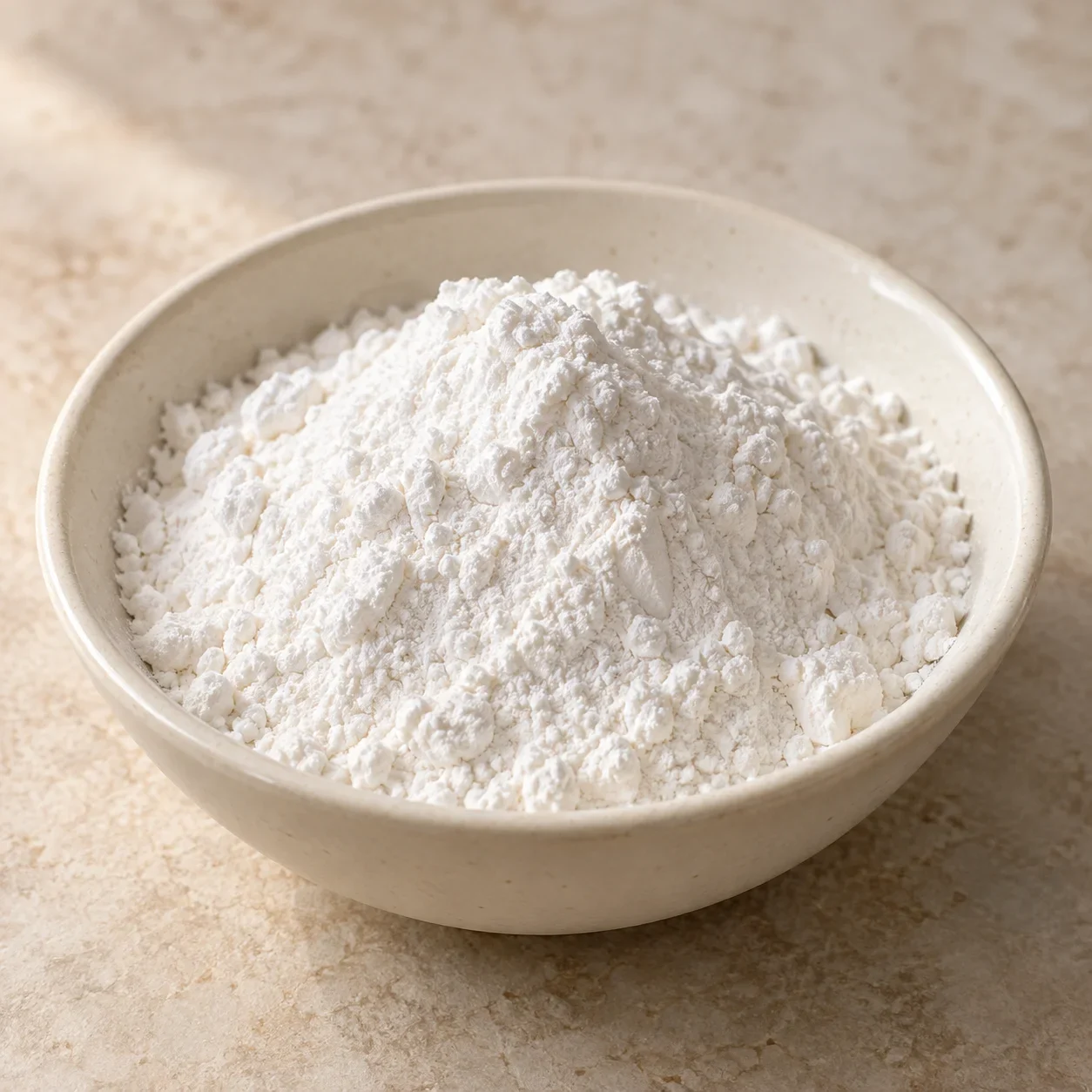
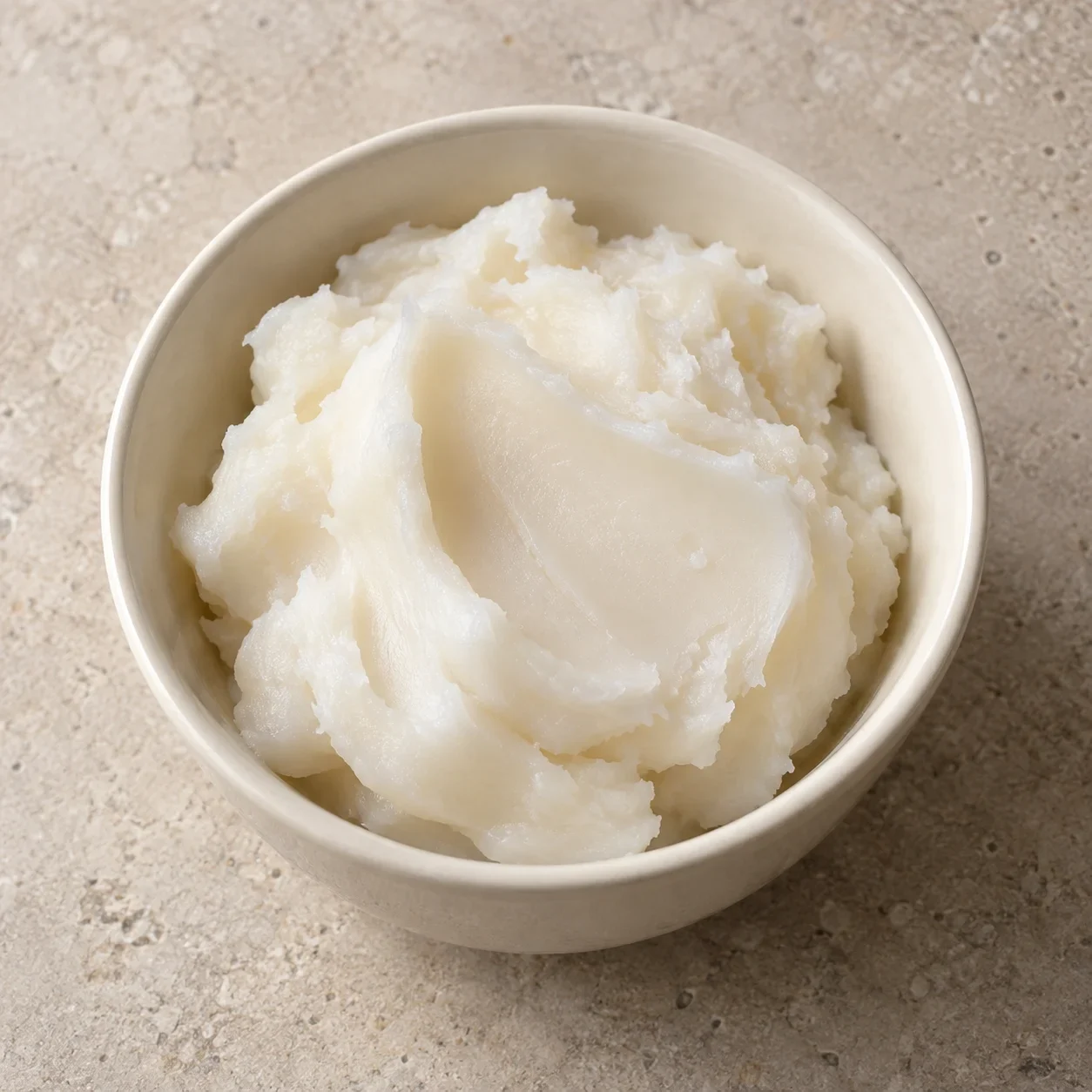
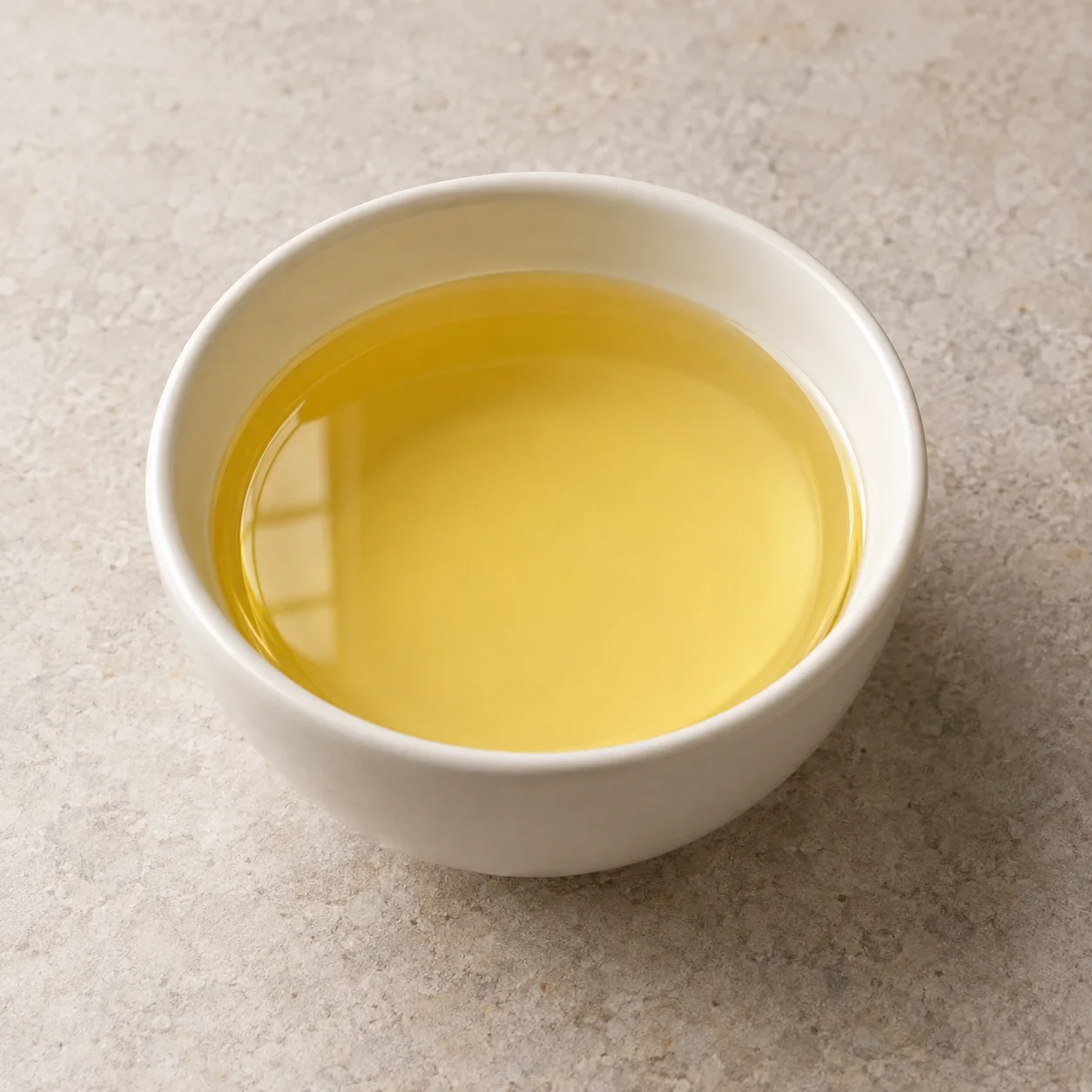
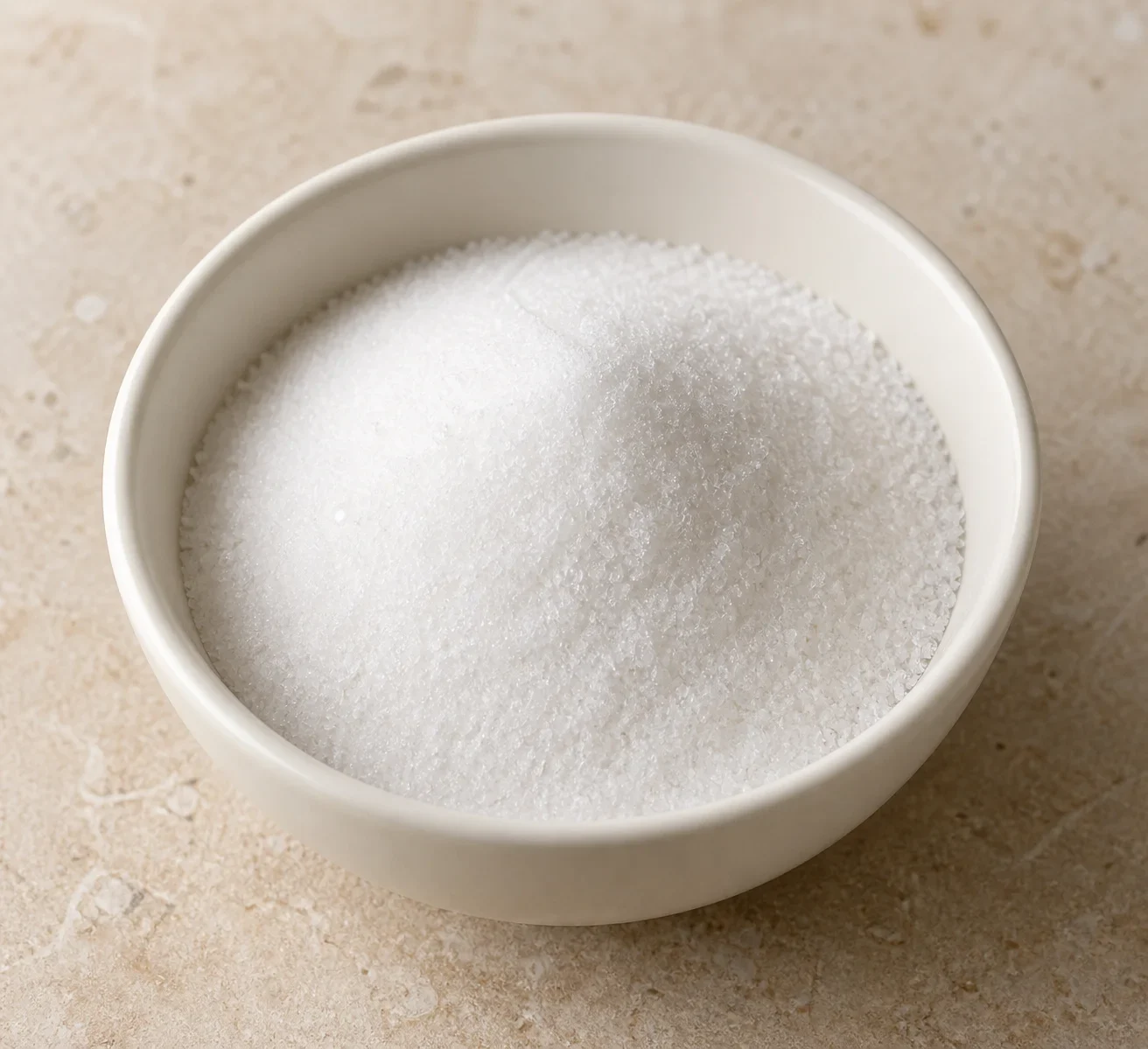
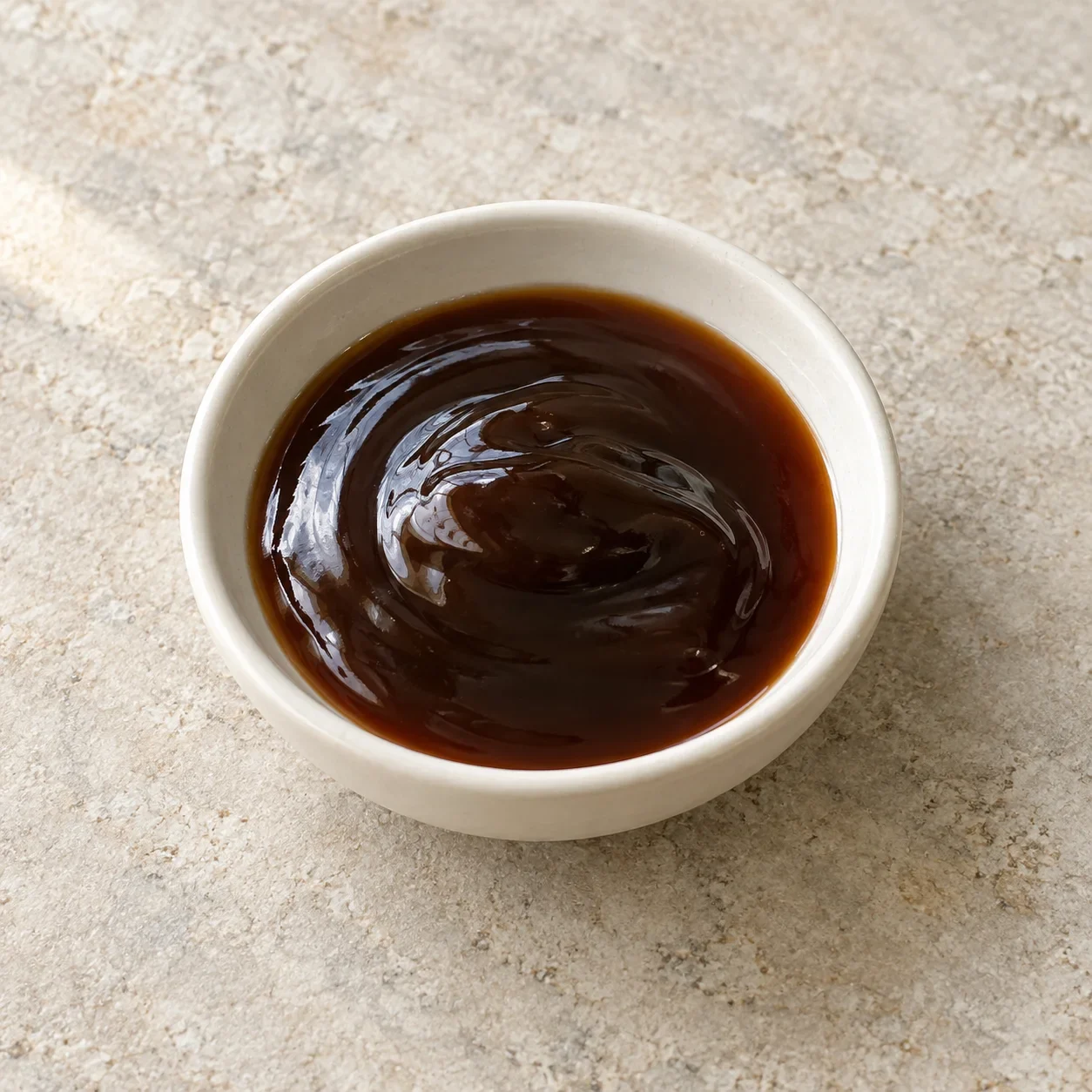
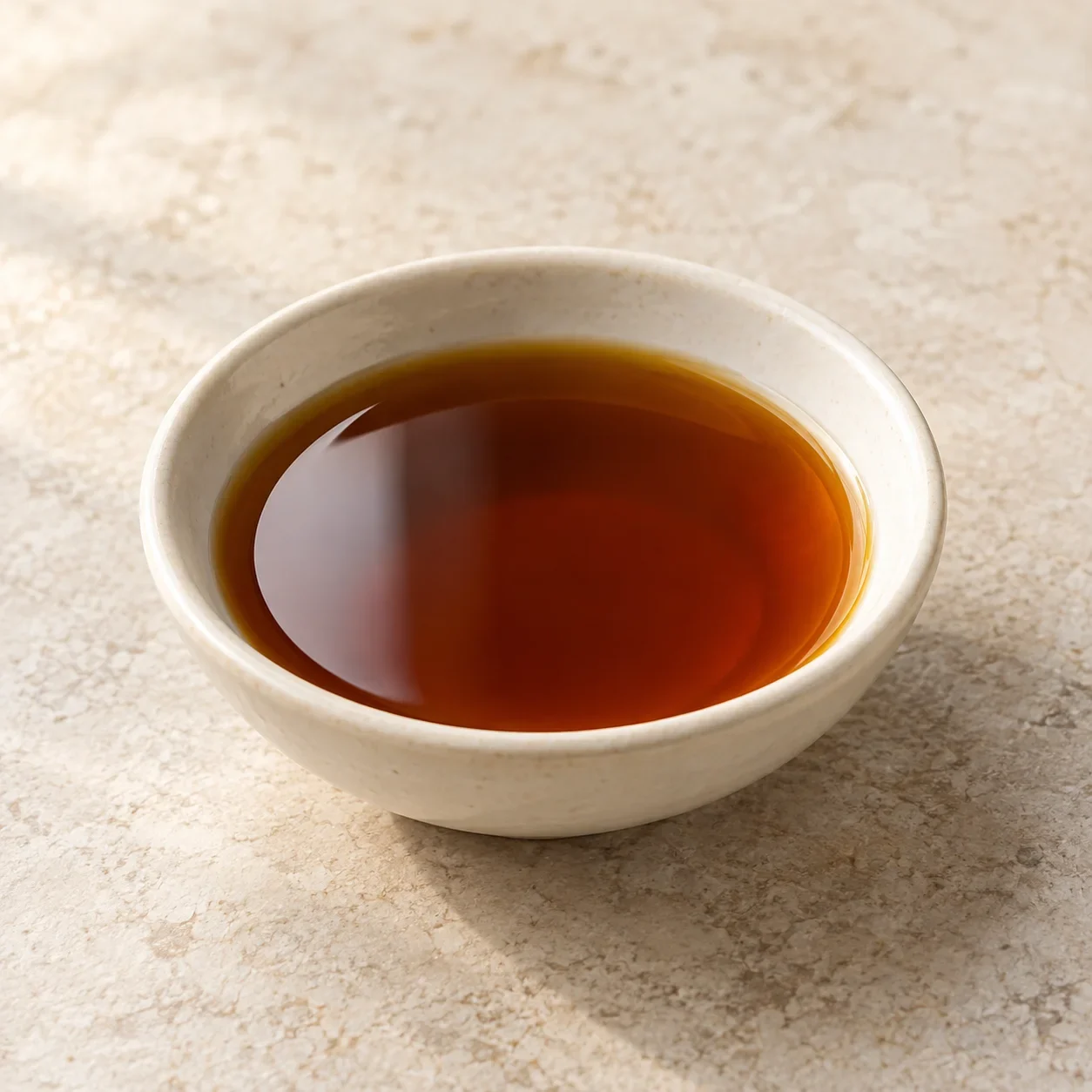
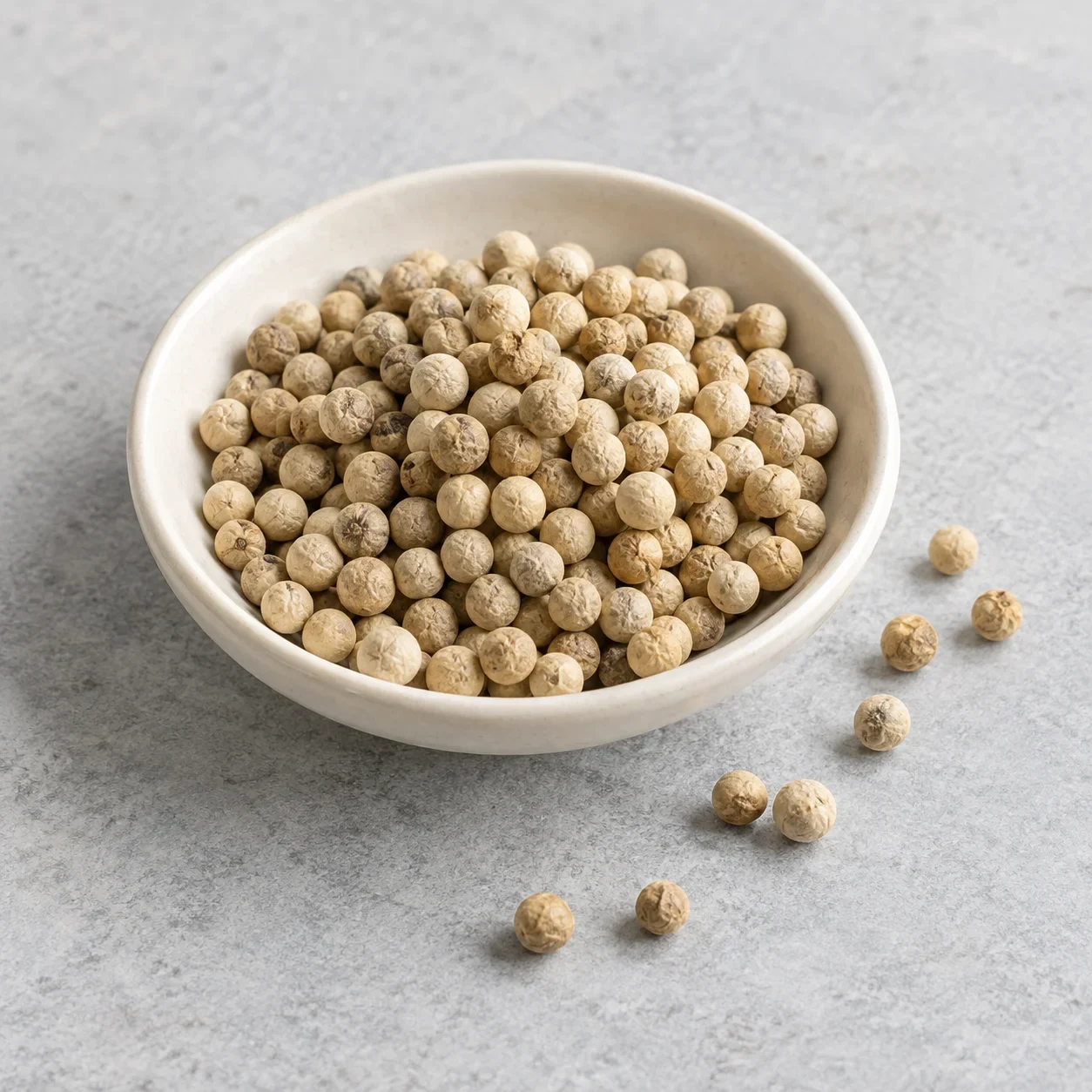
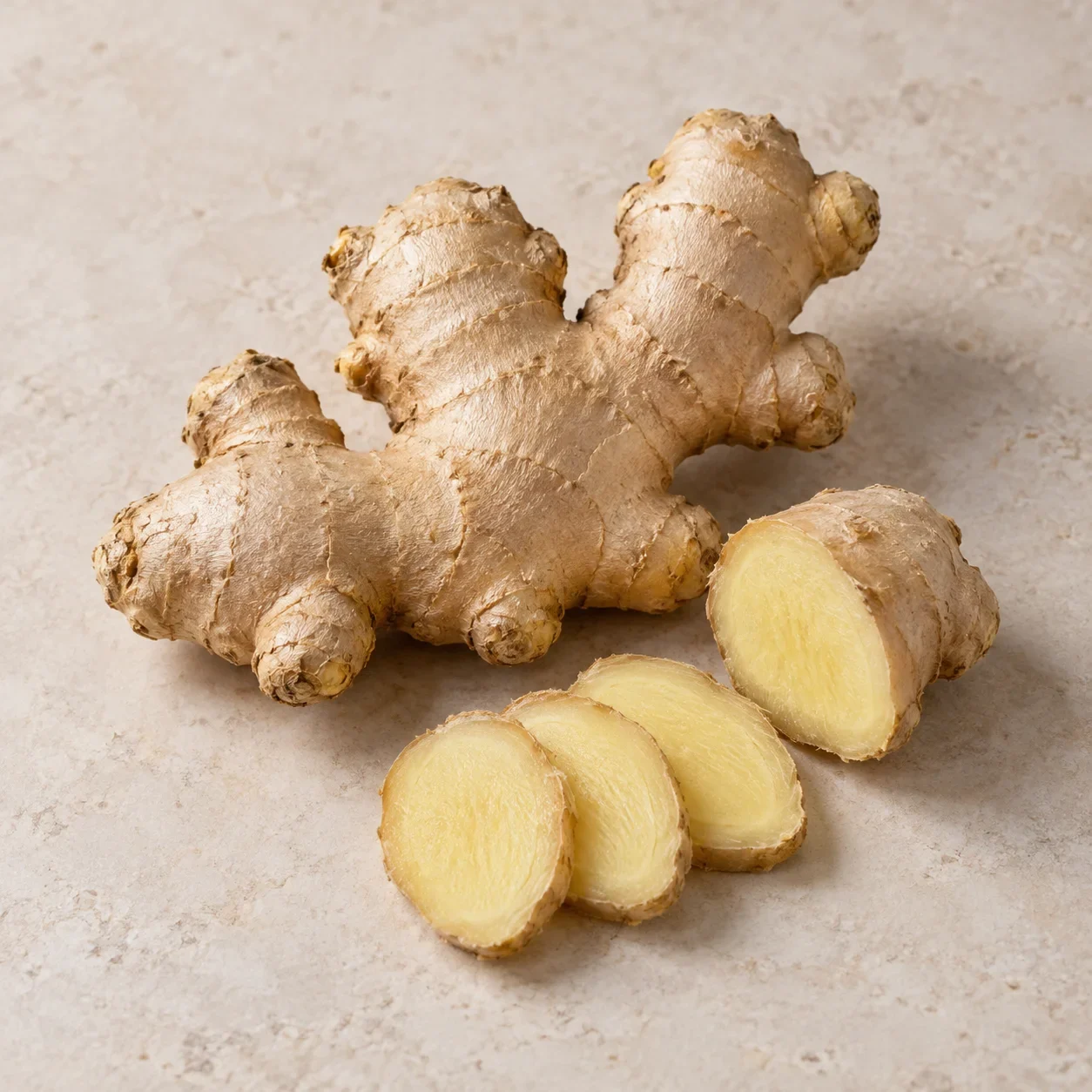
Recipes vary by restaurant.
How does it taste?
Shrimp-led.
- Chili heat
- Texture
- Delicate wrapper.
- How it’s made
- Steam.
Pork and bamboo shoot can be included alongside the shrimp.
A CONNECTION TO PLACE
Origin & regional roots
Associated with Hong Kong. Associated with Guangdong.
About this regional connection
Guangdong: Part of Cantonese/Xiguan food traditions.
Ask if they have it first
请问你们有蝦餃吗?
Do you have this item?
A LITTLE SOMETHING TO READ
Story & history
A small dumpling with a place at the tea table
Har gow is a classic of Cantonese yum cha, where tea accompanies small plates of dim sum. Its translucent wrapper lets the shrimp show through, while the curved shape and fine pleats display the maker’s skill. The aim is a delicate skin that holds a generous, springy filling without breaking when lifted.