
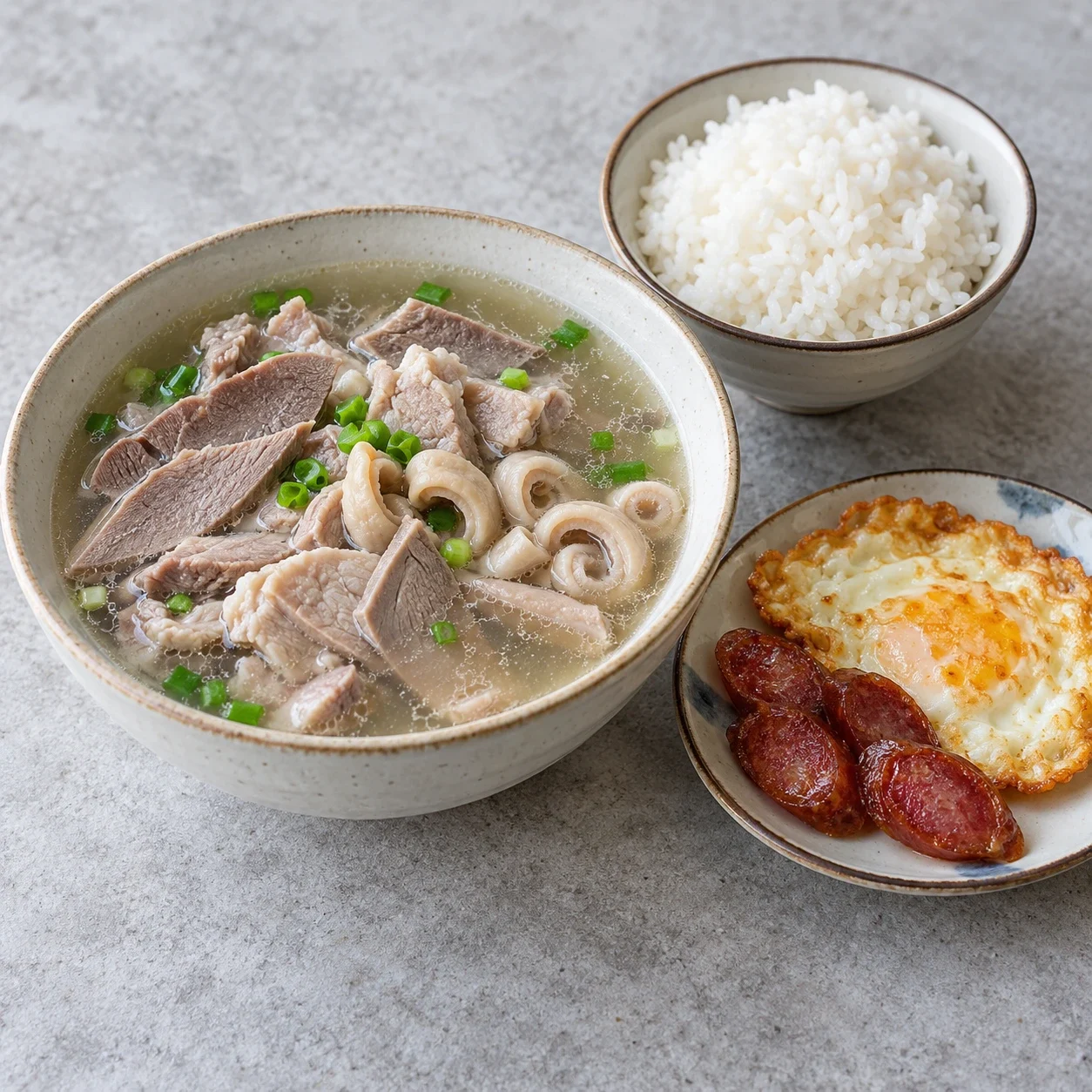
At the table
Eat the rice with spoonfuls of soup and pieces of pork or offal; add some soup to your rice if you prefer. Ask “里面有哪些猪杂?” (Which pork offal is in it?) and “米饭和配菜包含吗?” (Are rice and sides included?).
The soup is hot, and white pepper can feel strong even without chili. Offal textures vary. Egg and sausage, when ordered, bring their own ingredients.
Ask about the offal selection, rice seasoning and sides. “不要辣椒” asks for no chili, but does not mean no white pepper; ask “胡椒能少放吗?” for less pepper.
GET TO KNOW THE DISH
What goes into it?
Explore some key ingredients below. Preparations may use additional seasonings and ingredients.
The offal mix varies: stomach, liver or intestine may be used. Rice may be plain or seasoned; egg, sausage and chili condiments depend on the order.
Typical ingredients
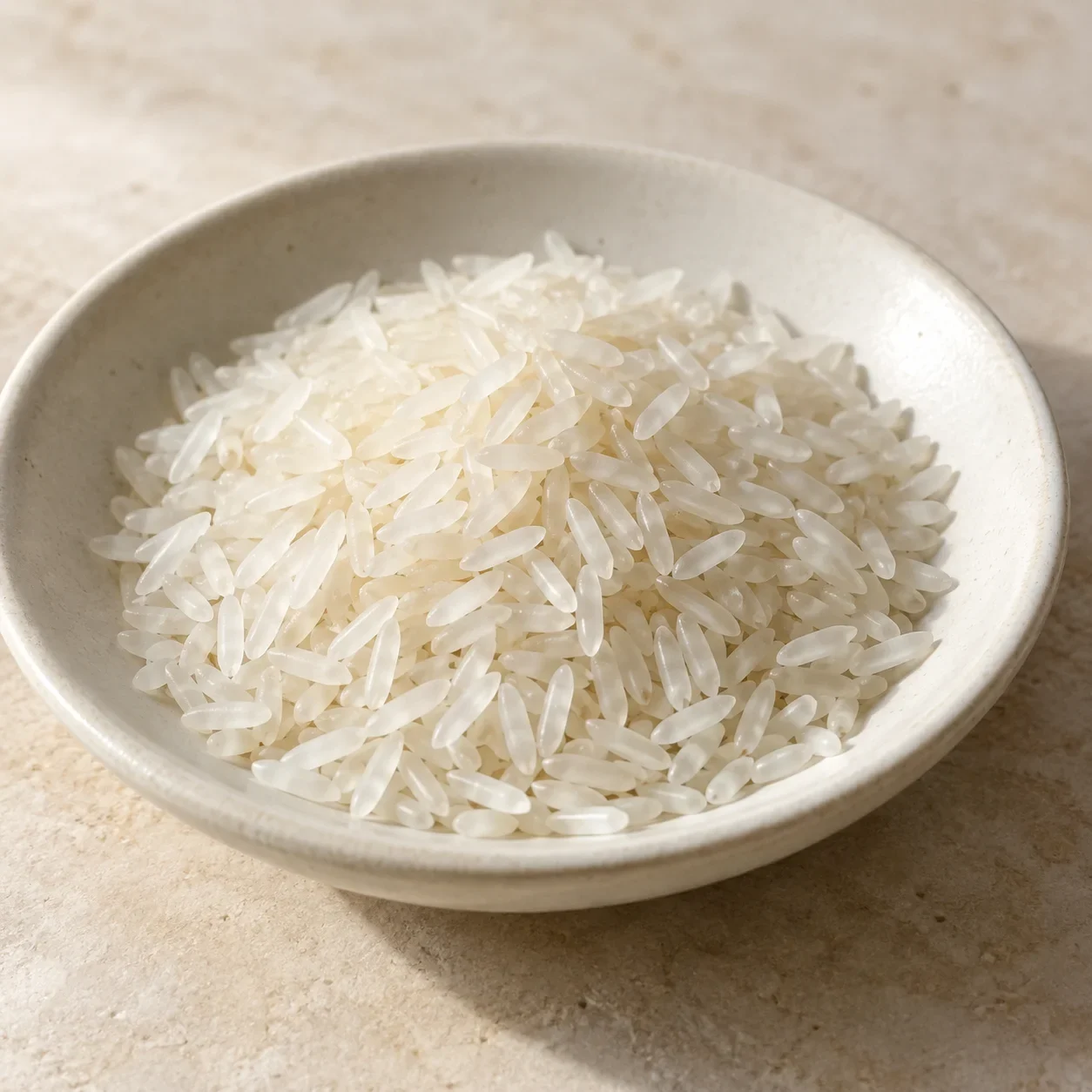
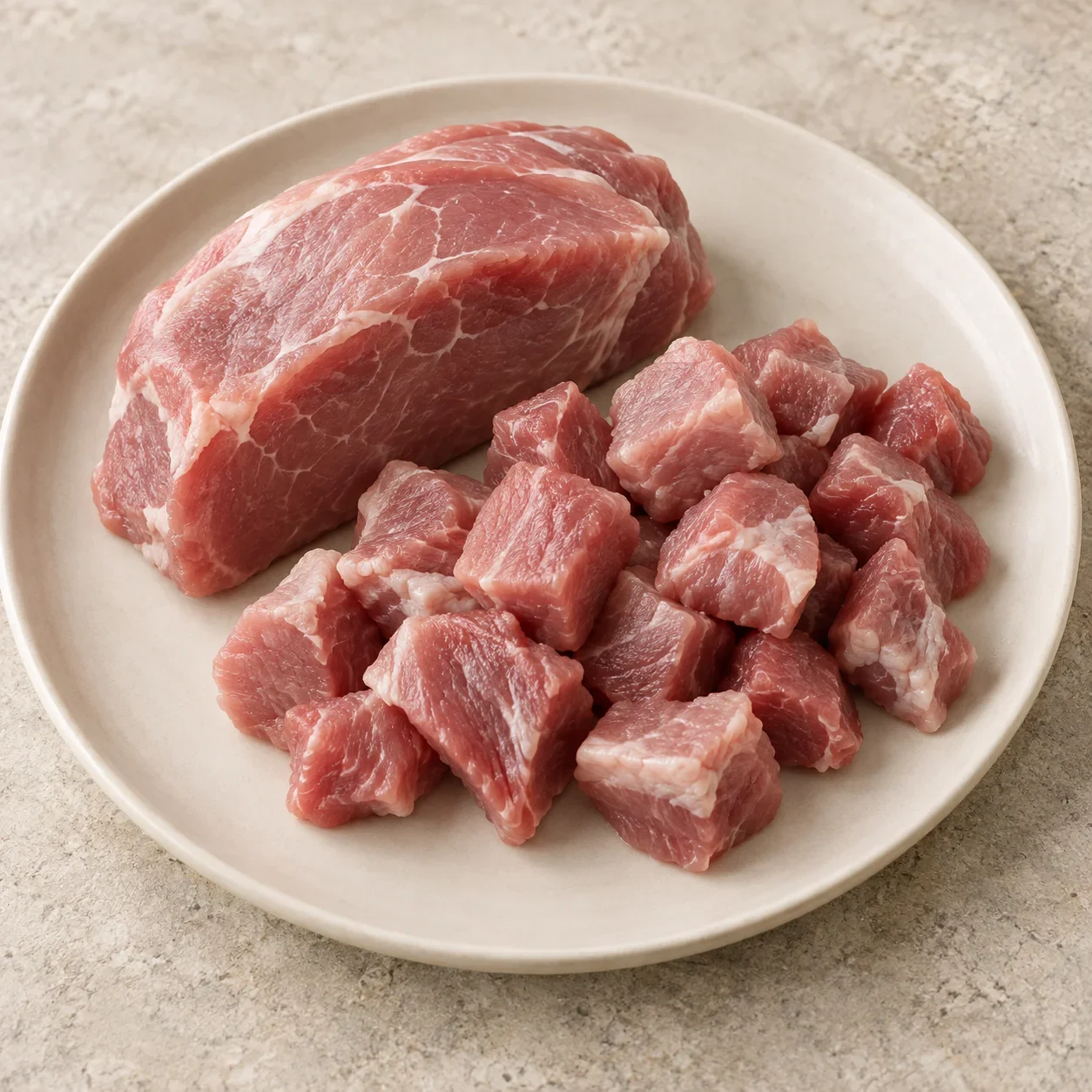
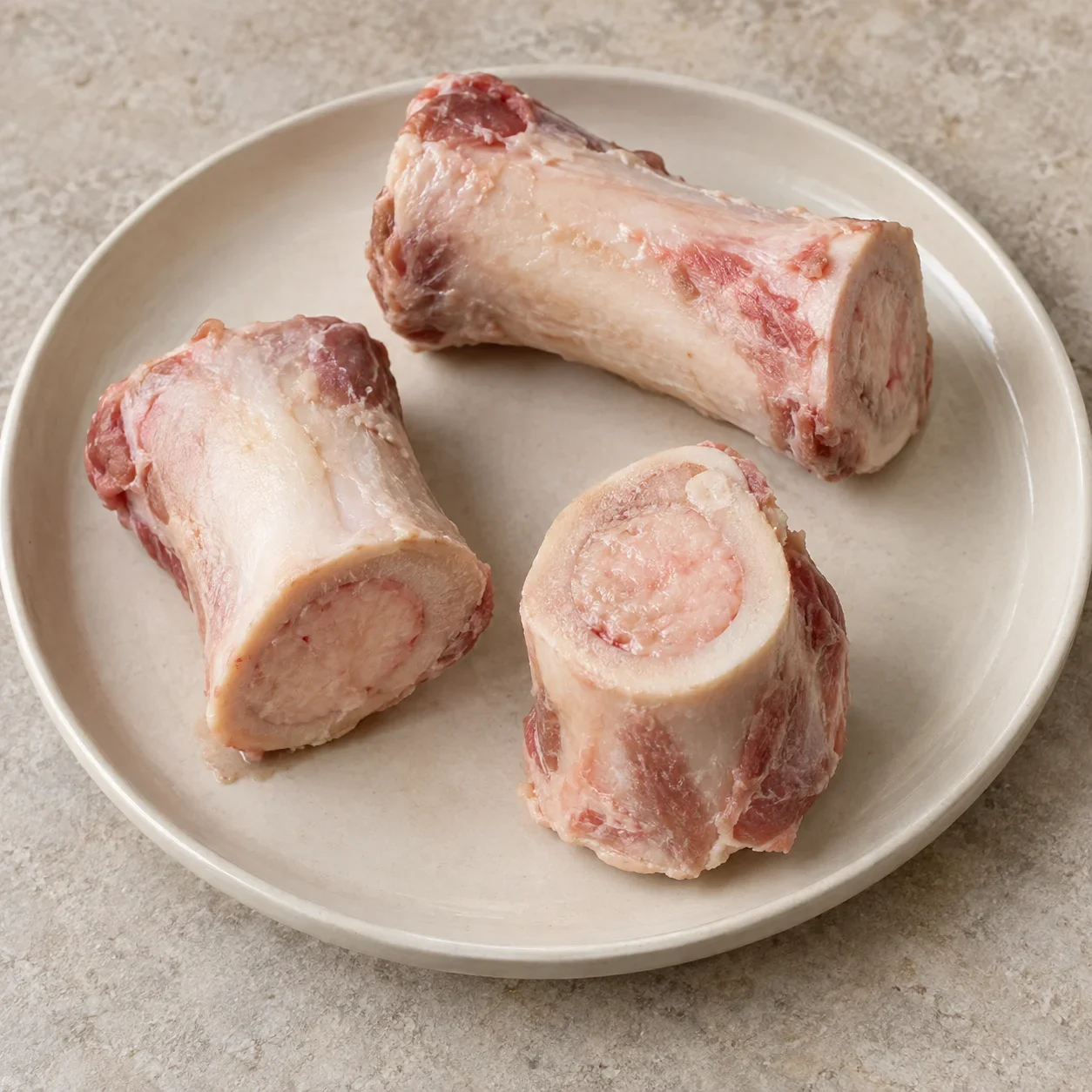
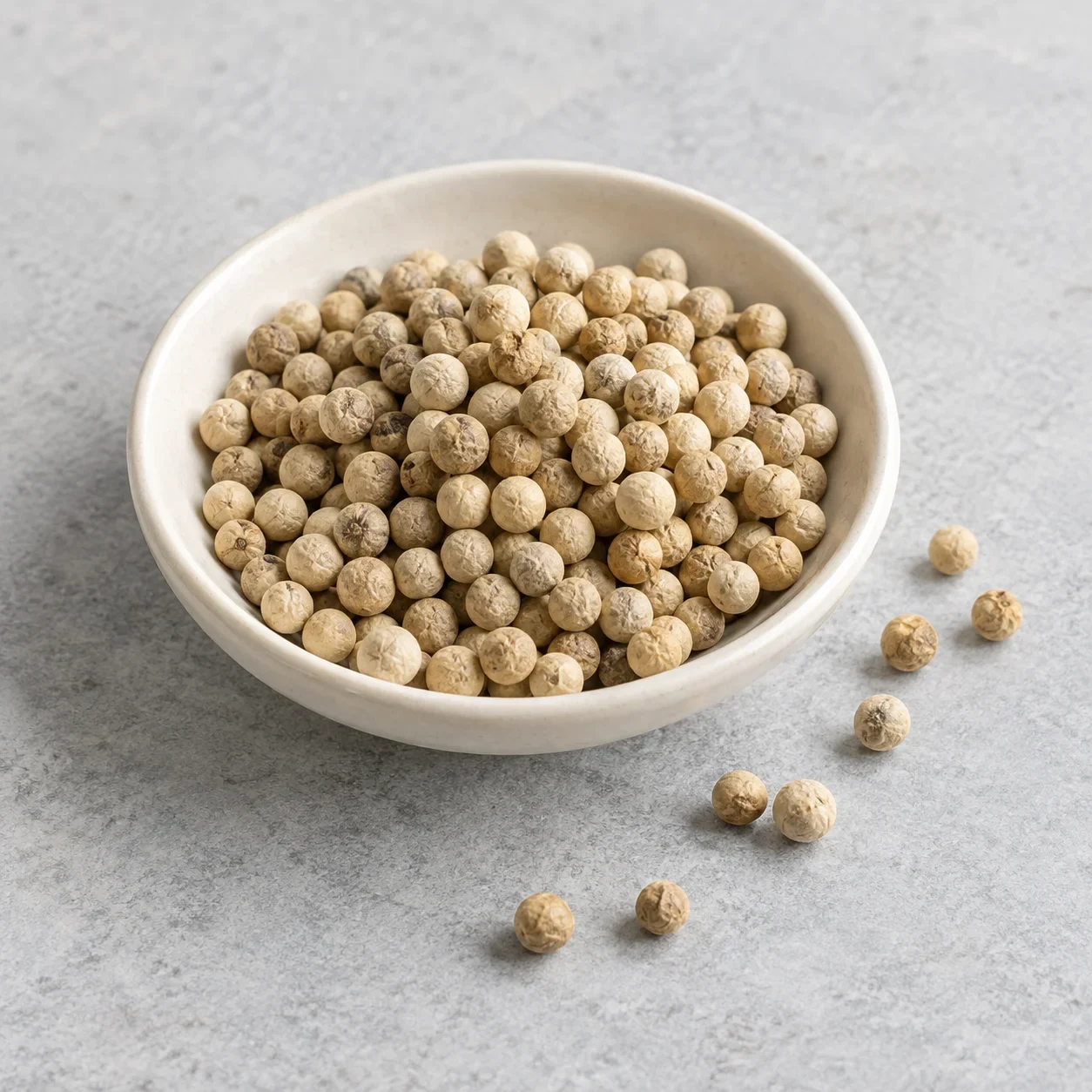

In some versions
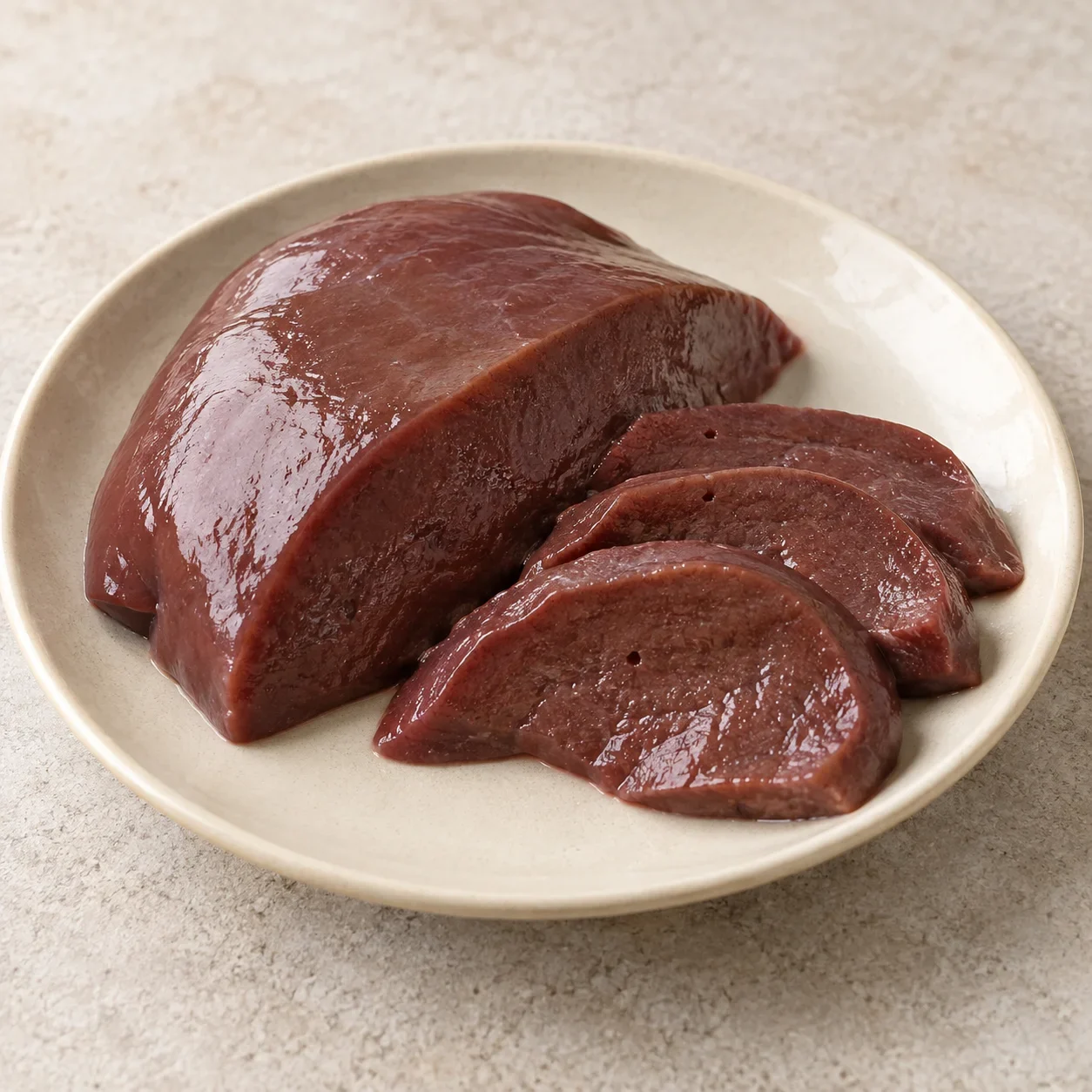
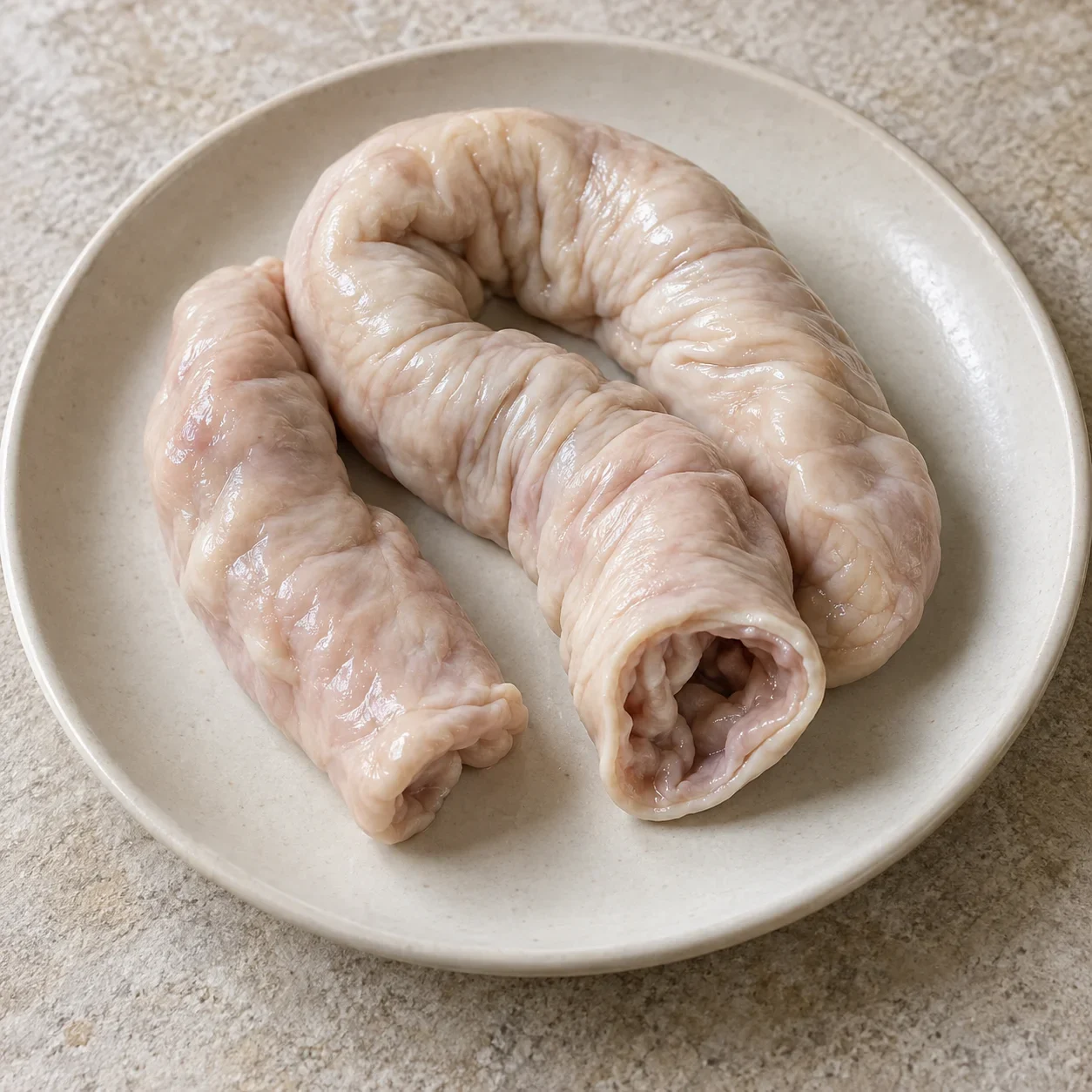
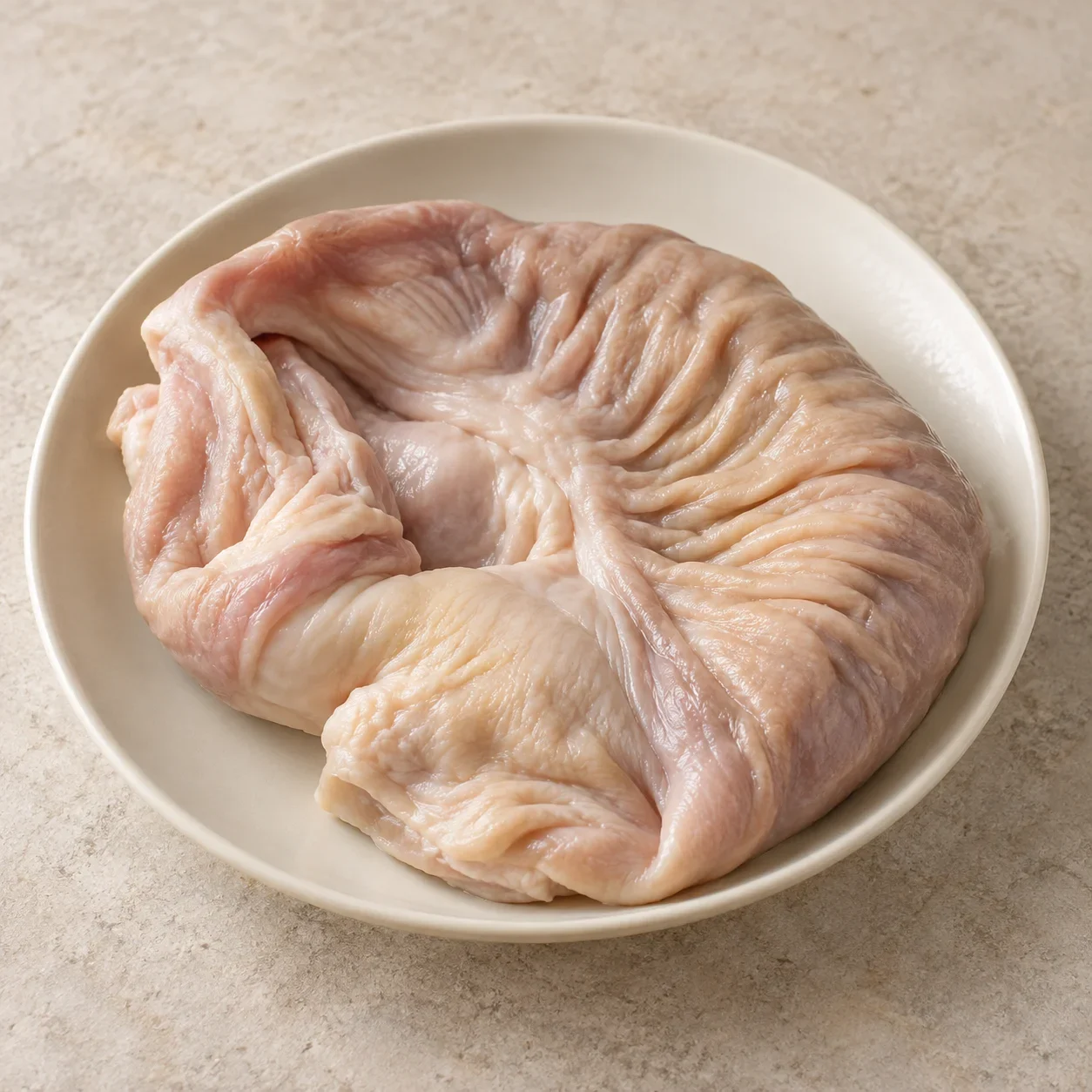
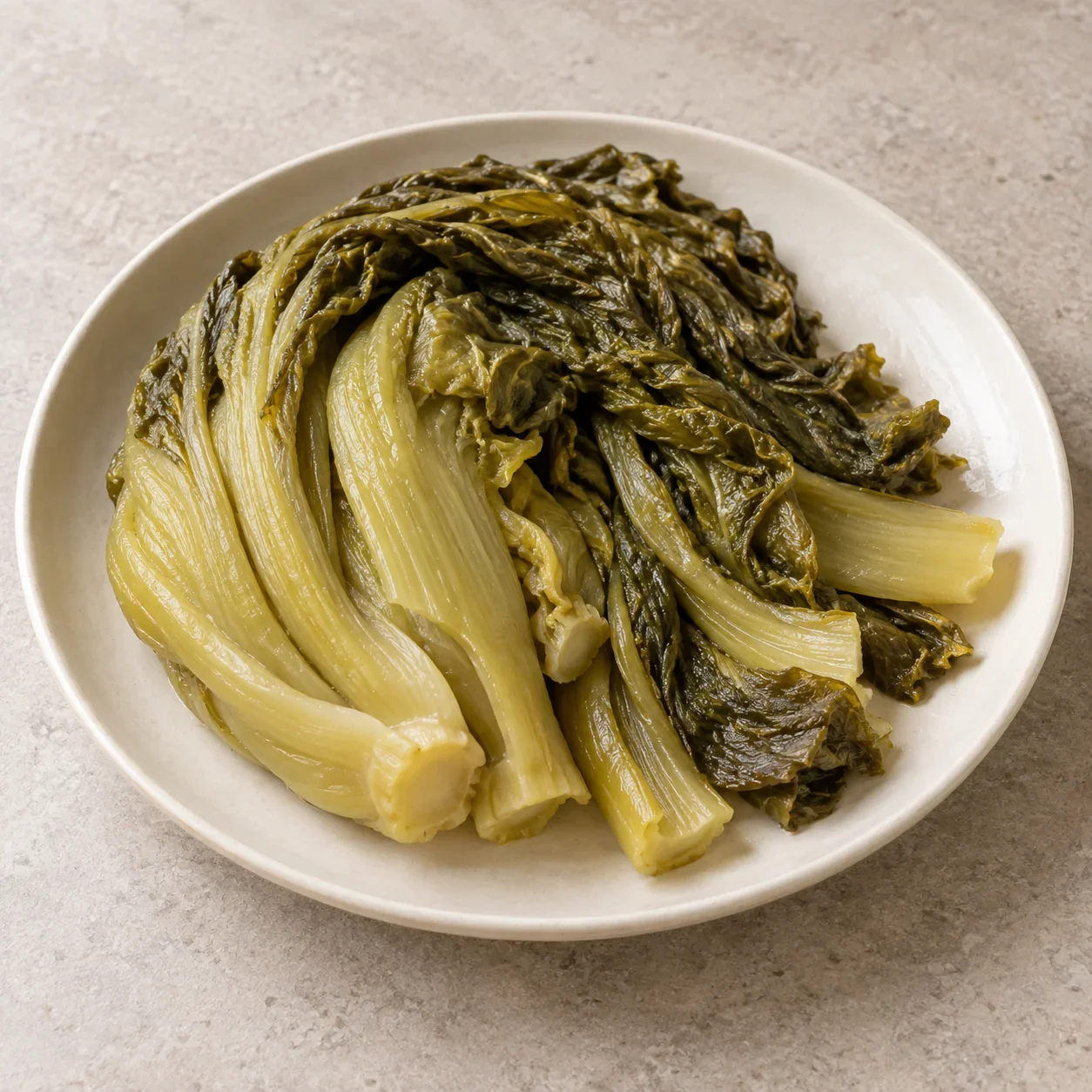

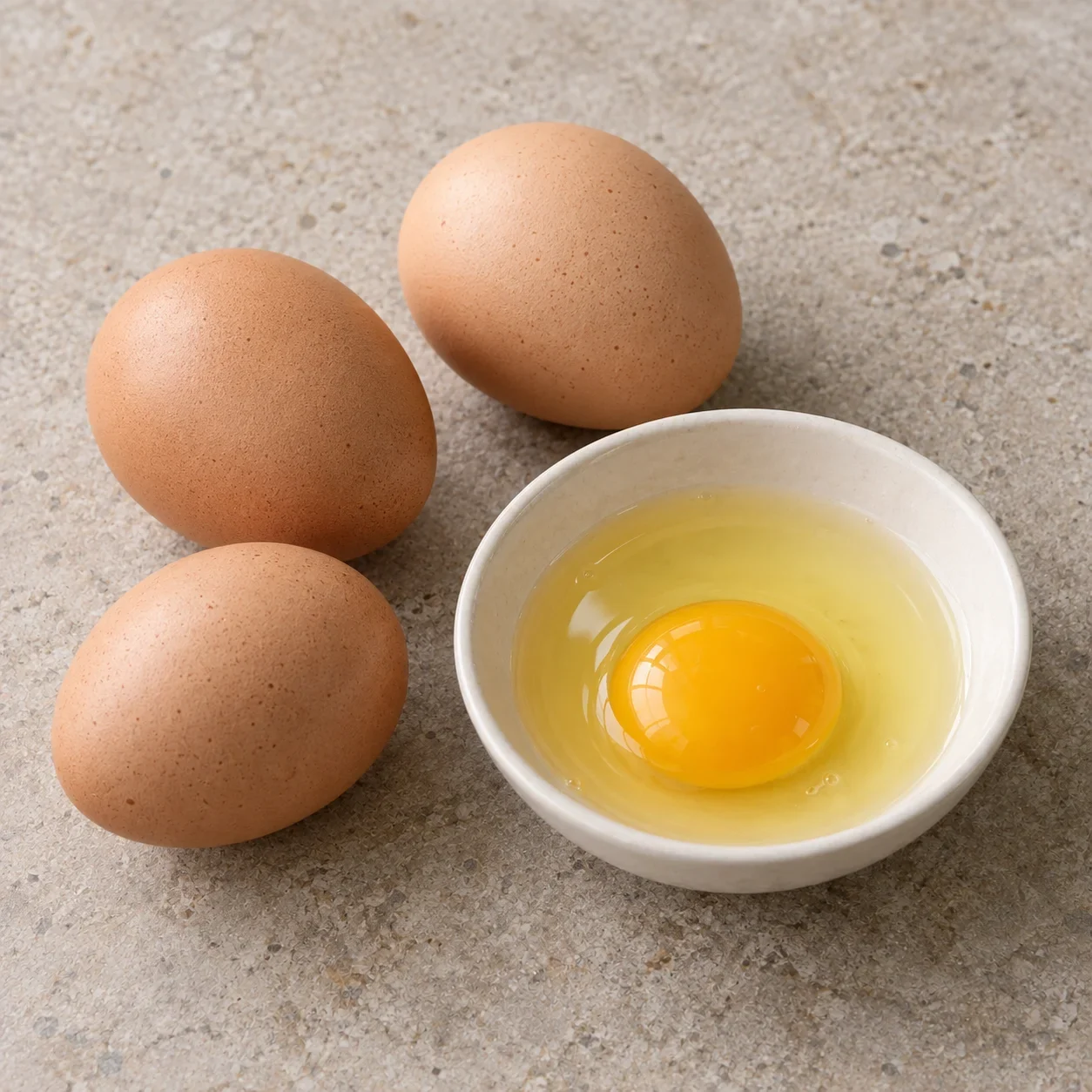
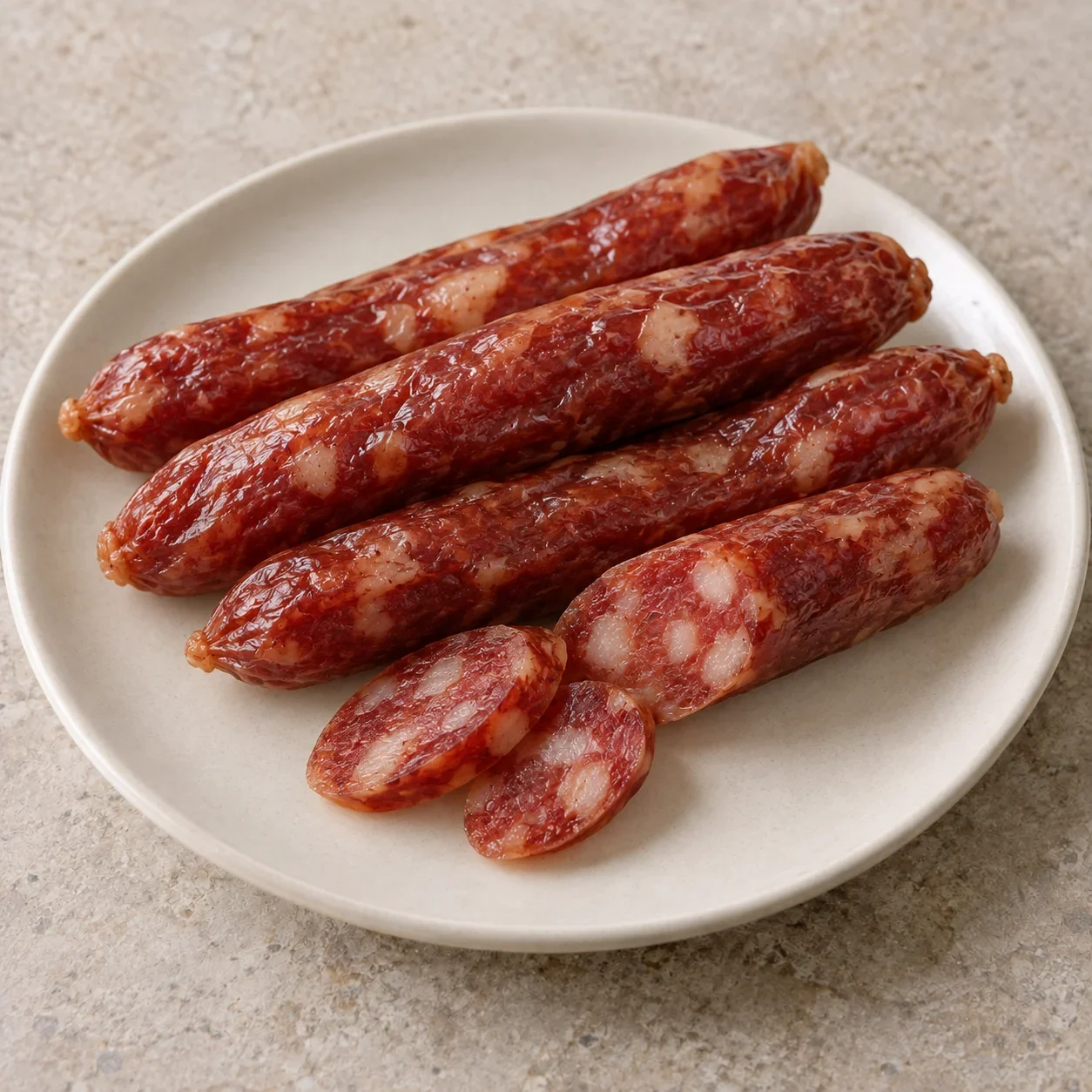

Recipes vary by restaurant.
How does it taste?
Savory pork broth with a strong white-pepper kick; pickled greens may add sourness. The base is not a red chili soup.
- Chili heat
- Texture
- Clear broth, tender pork and offal with varying chew, alongside separate soft rice.
- How it’s made
- Cook pork and selected offal thoroughly in pork-bone broth seasoned with white pepper and salt. Serve with cooked rice; scallions and pickled greens may be added.
The offal mix varies: stomach, liver or intestine may be used. Rice may be plain or seasoned; egg, sausage and chili condiments depend on the order.
A CONNECTION TO PLACE
Origin & regional roots
Associated with Hainan.
Ask if they have it first
请问你们有海口辣汤饭吗?
Do you have this item?
A LITTLE SOMETHING TO READ
Story & history
Breakfast around Shuixiangkou
This account describes a tradition or story, rather than an established historical fact.
Haikou’s Shuixiangkou old-street area is associated with this soup-and-rice meal. Its name’s la refers to the peppery sensation; rice, soup and small side dishes form a practical breakfast or simple meal.