
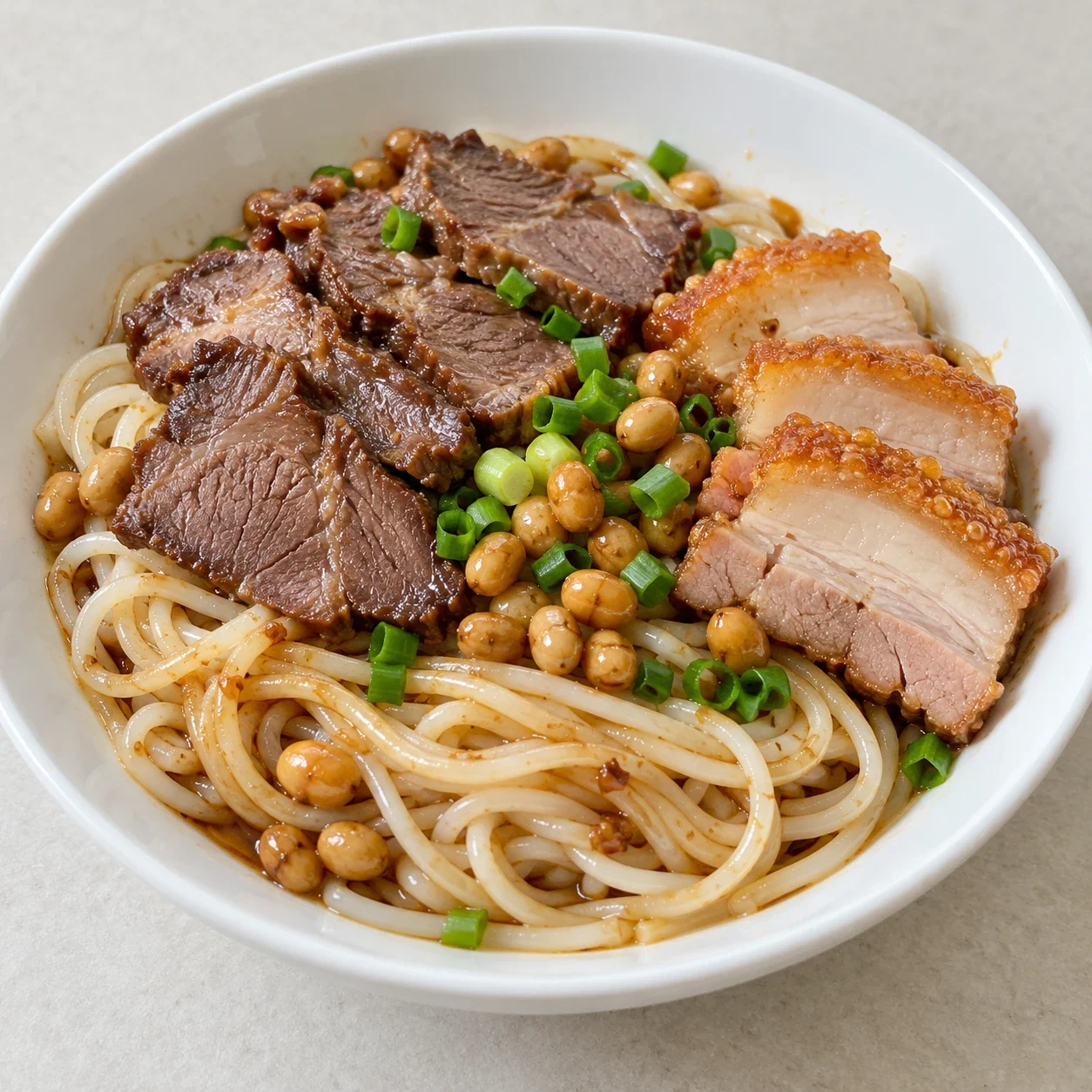
At the table
Use chopsticks to mix the noodles thoroughly before eating. Ask “干拌,不要加汤” for dry noodles without added soup; taste before adding chili.
Contains soy; soy sauce may contain wheat, and some versions use peanuts. Crisp skin and fried beans can be hard. Ask about meat, oil and seasonings.
Meat, animal-based braising liquid and sometimes lard make this neither vegetarian nor vegan. The heat estimate excludes optional chili; recipes vary.
GET TO KNOW THE DISH
What goes into it?
Explore some key ingredients below. Preparations may use additional seasonings and ingredients.
Braising recipes and toppings vary. Peanuts may replace soybeans; chili, scallion and garlic can be added. This is distinct from Guilin soup noodles.
Typical ingredients
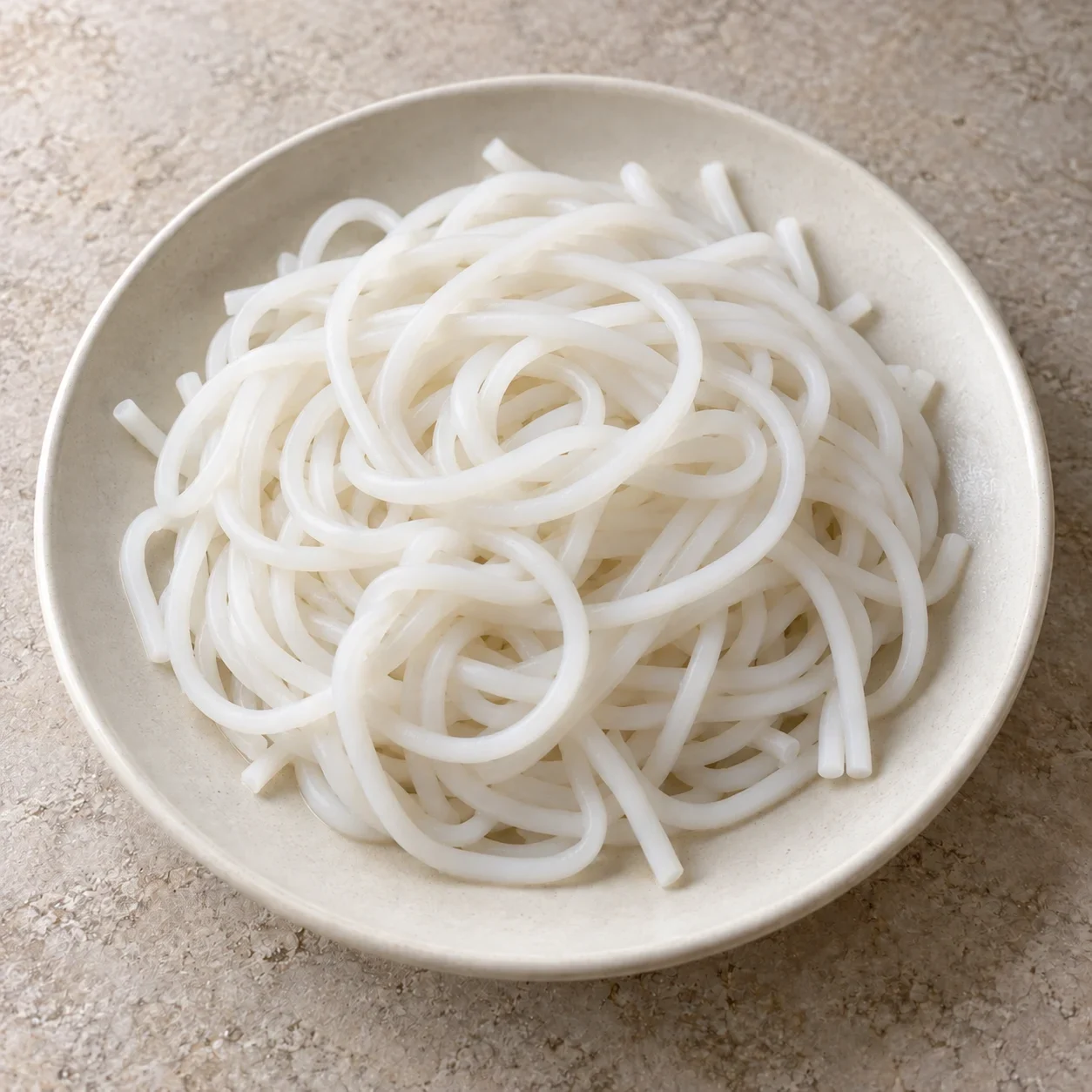
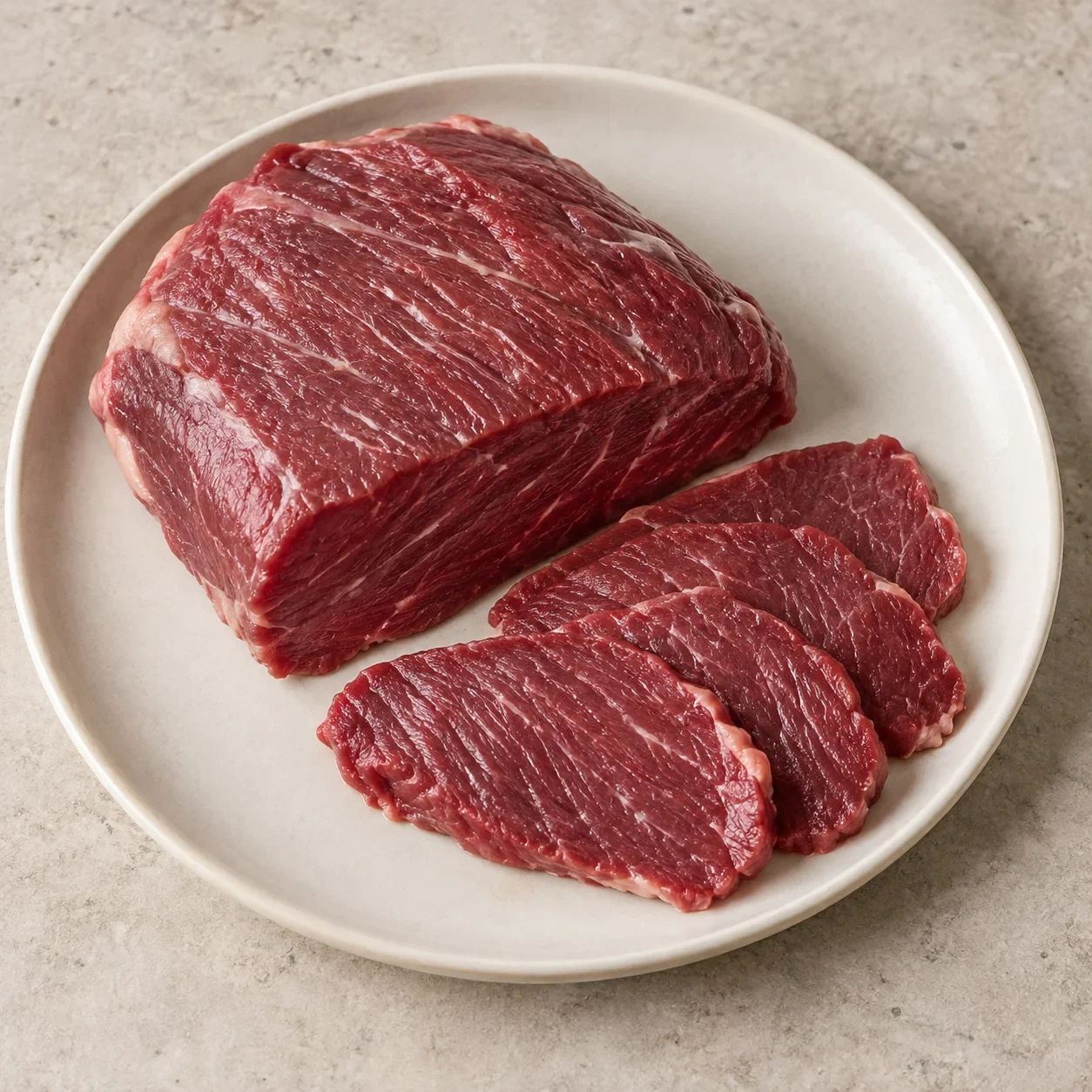
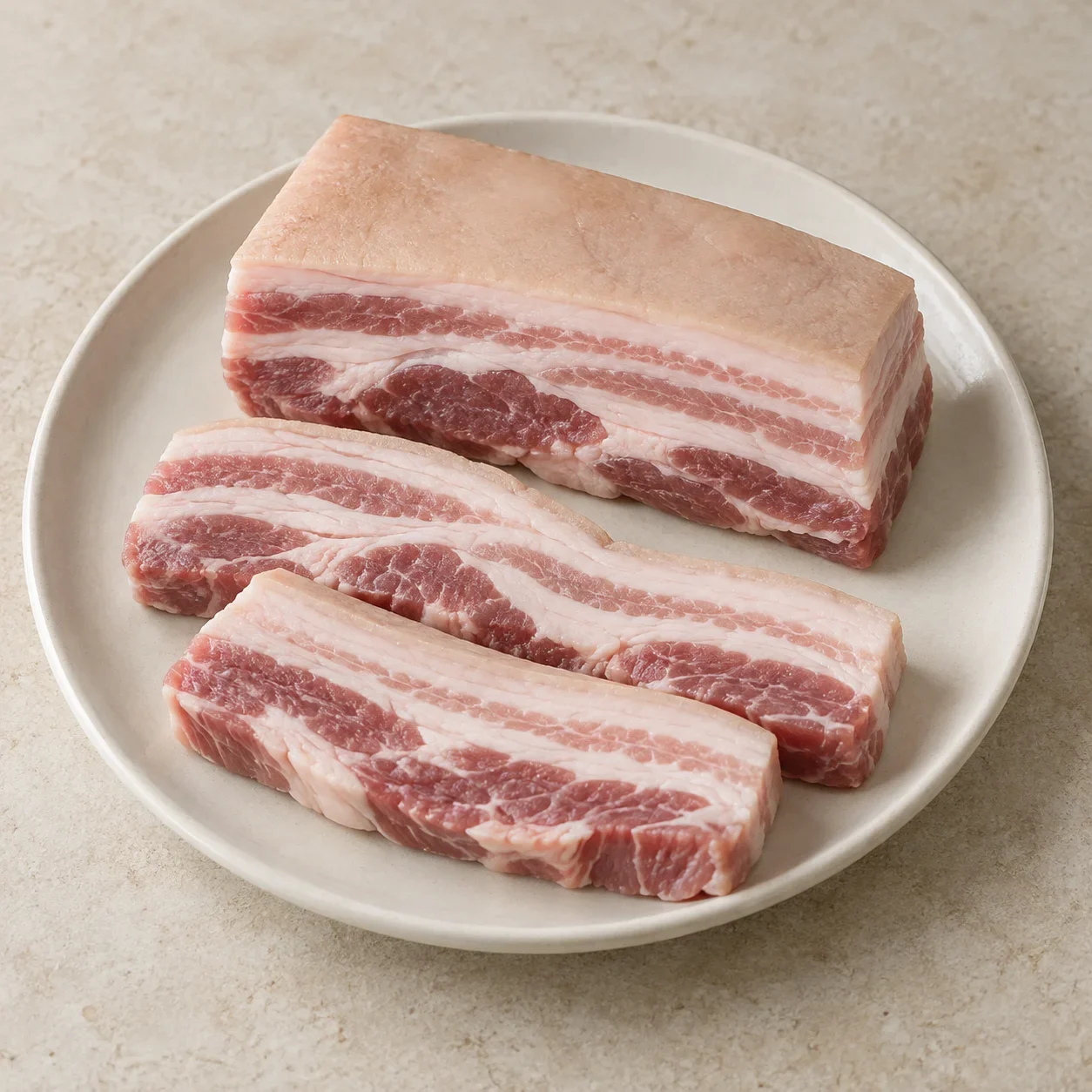
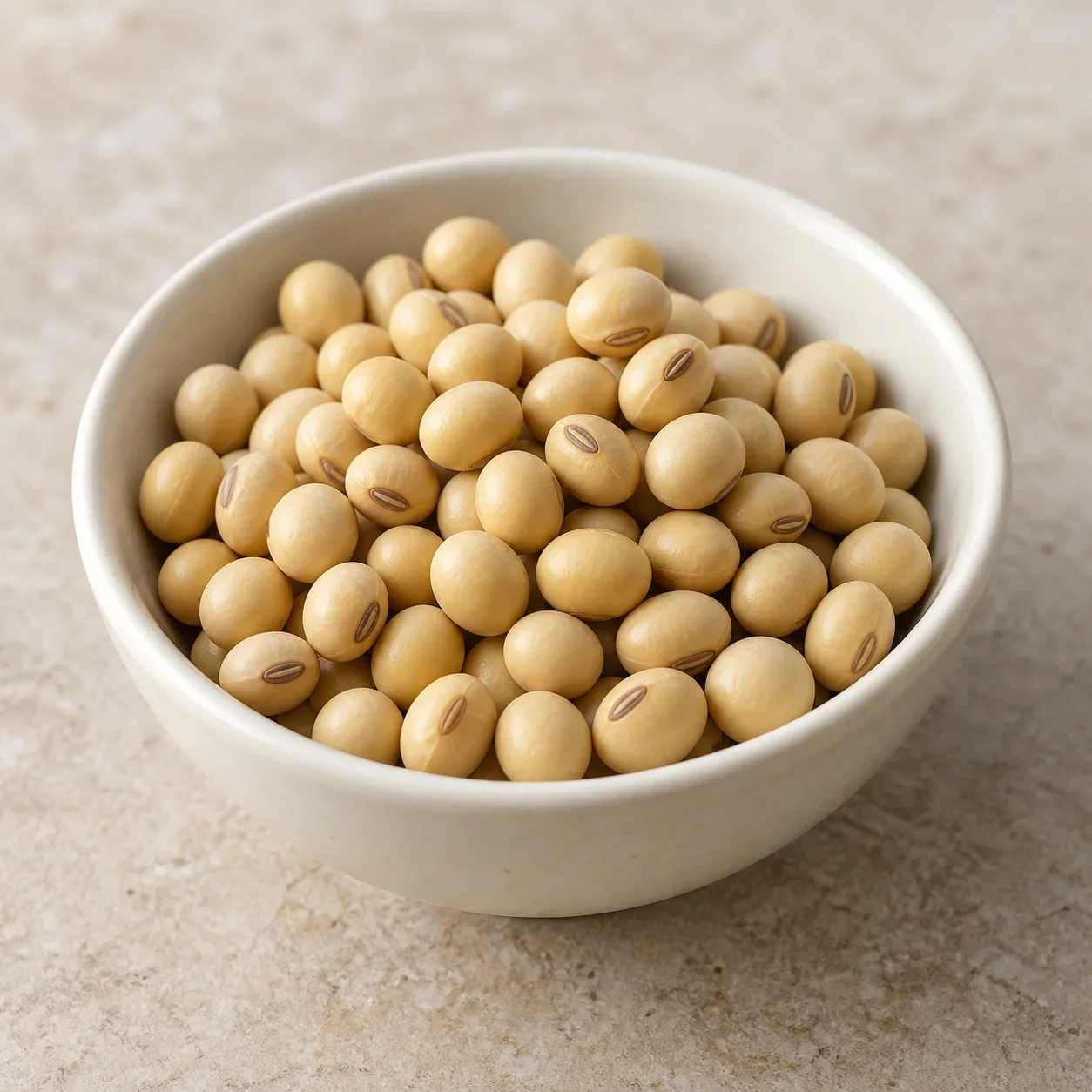
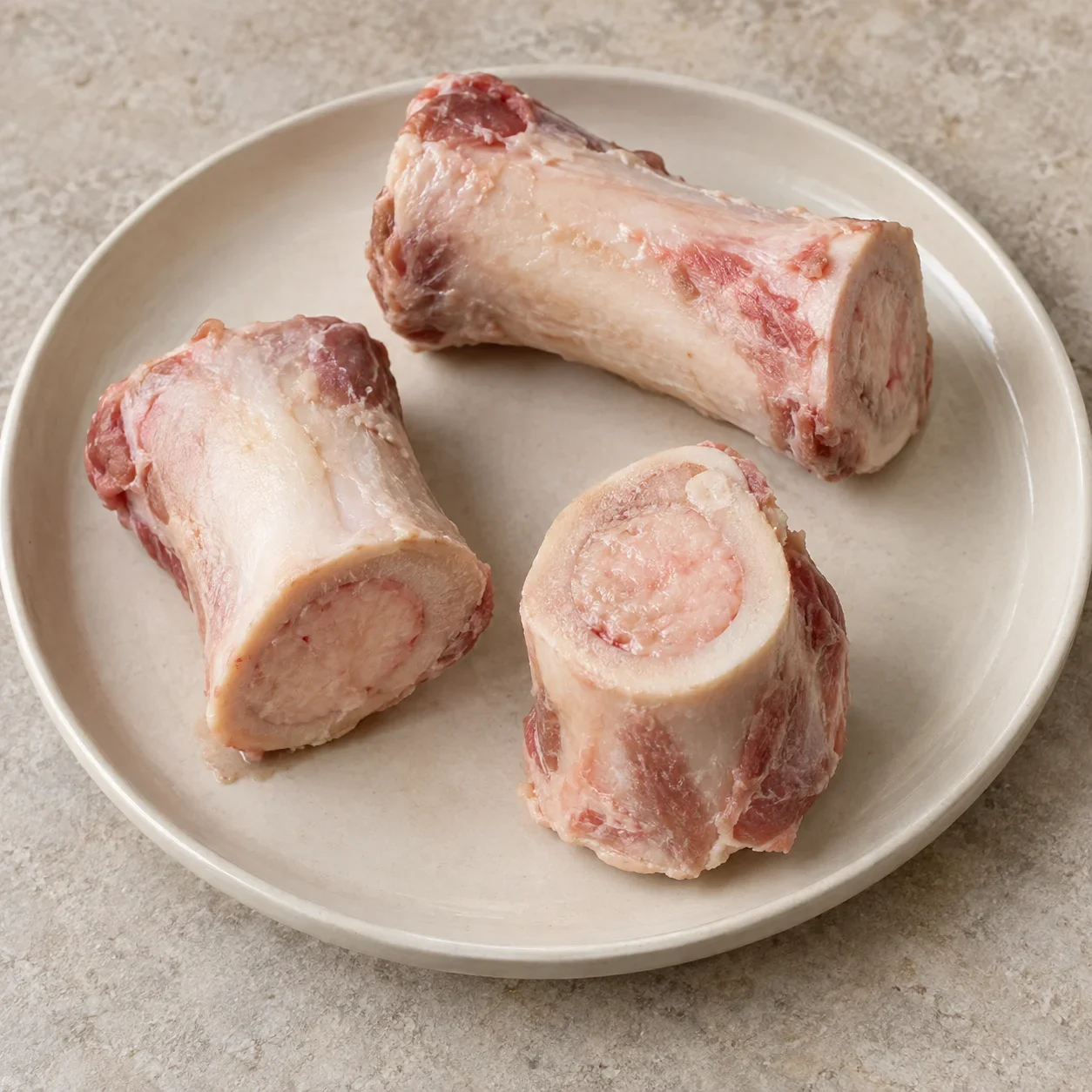

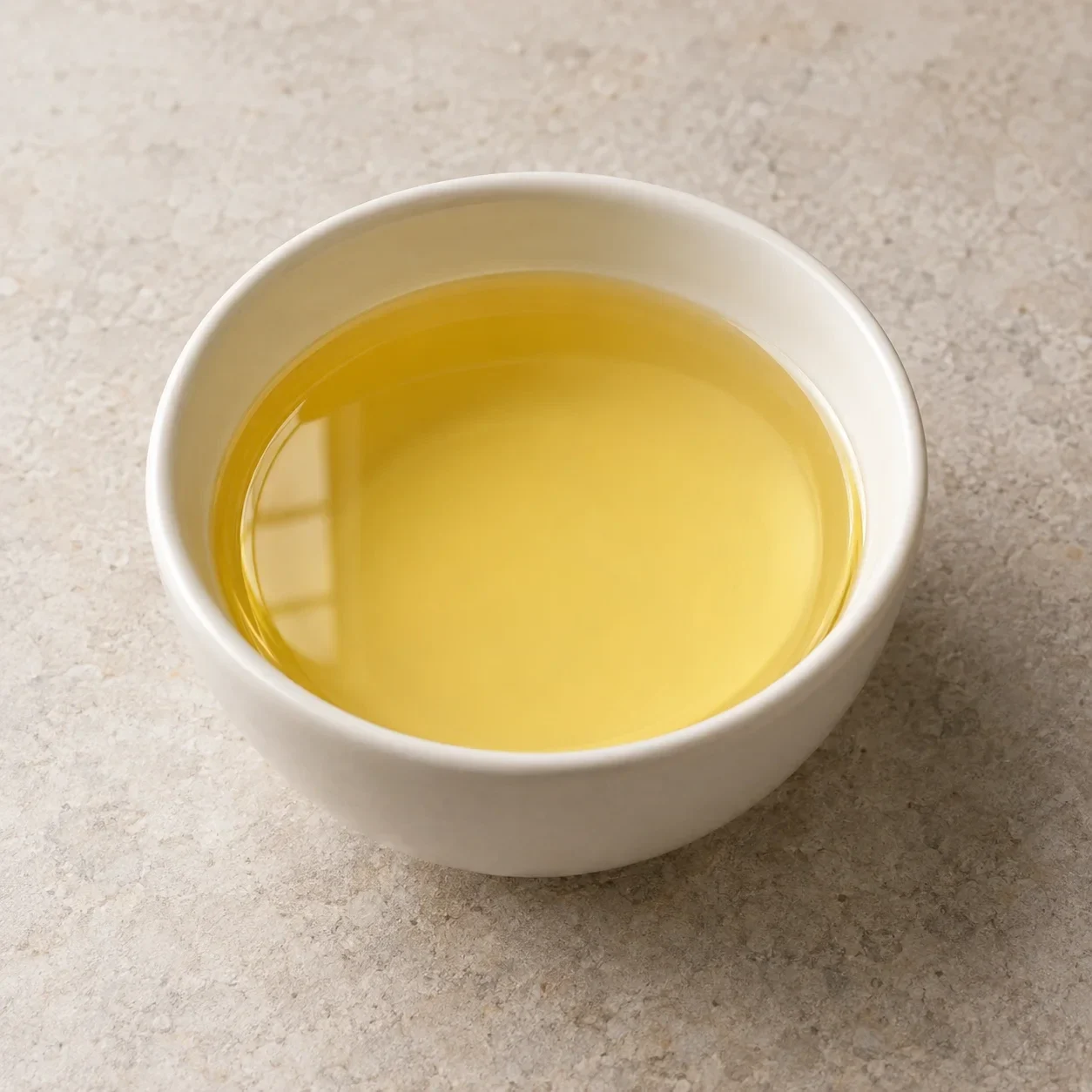


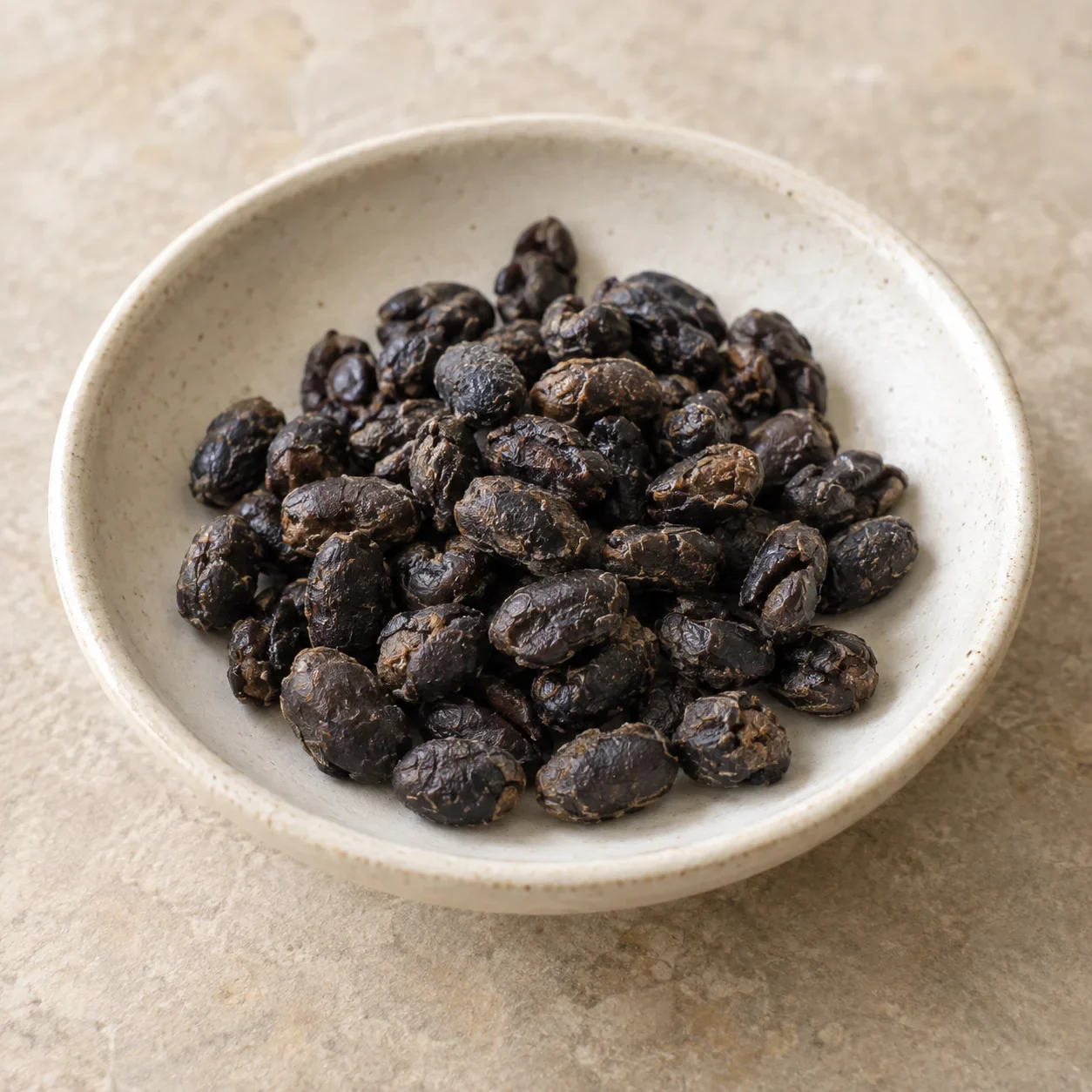
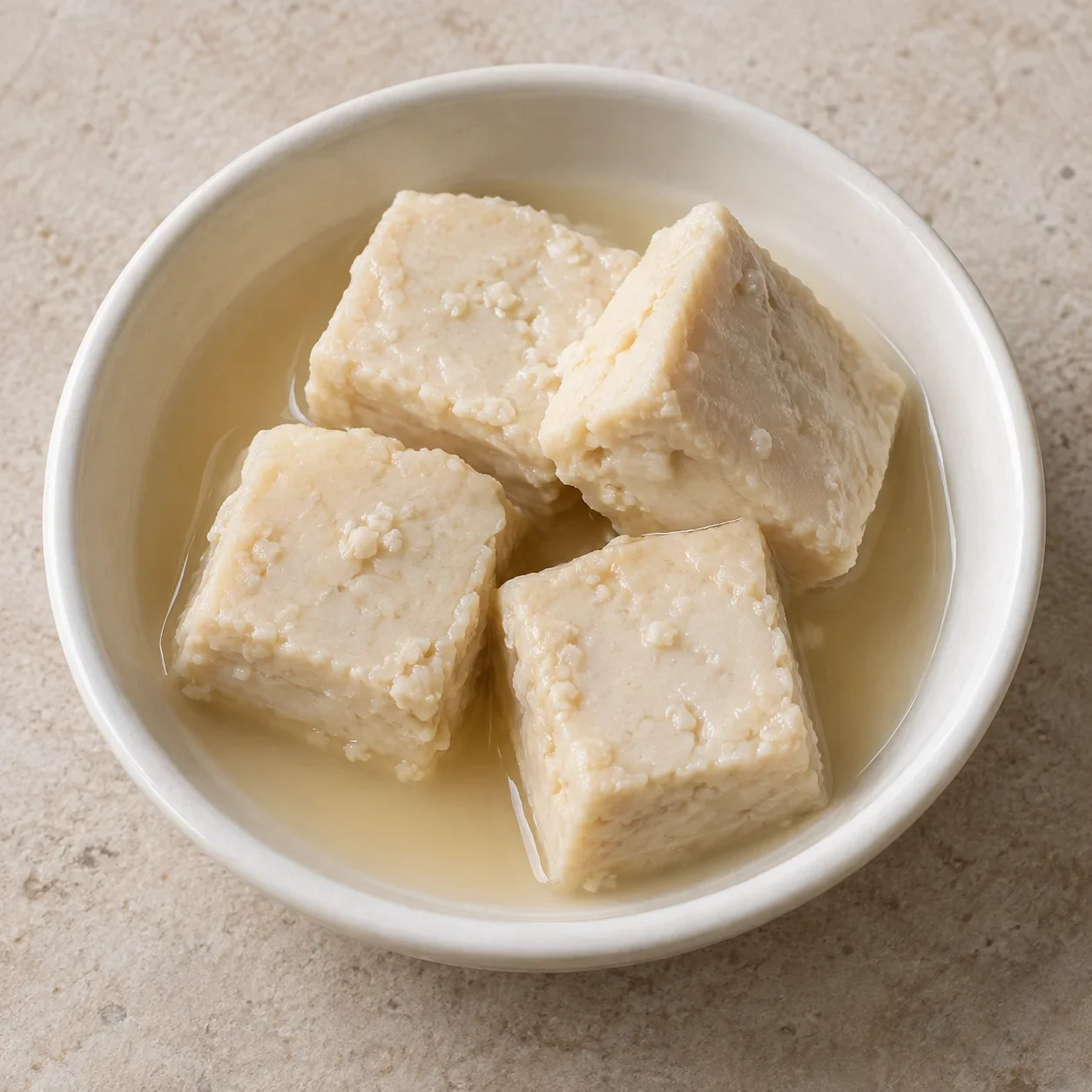

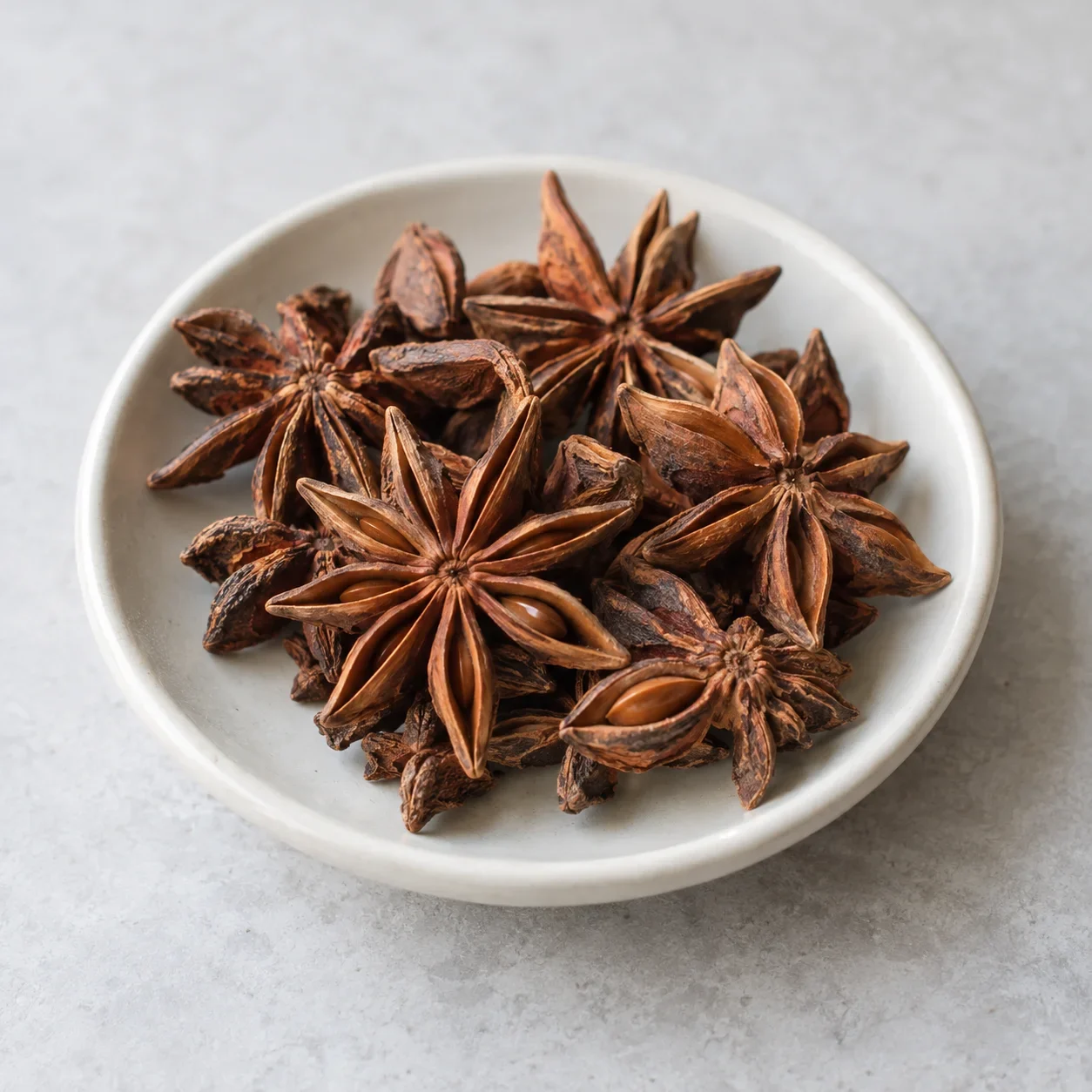
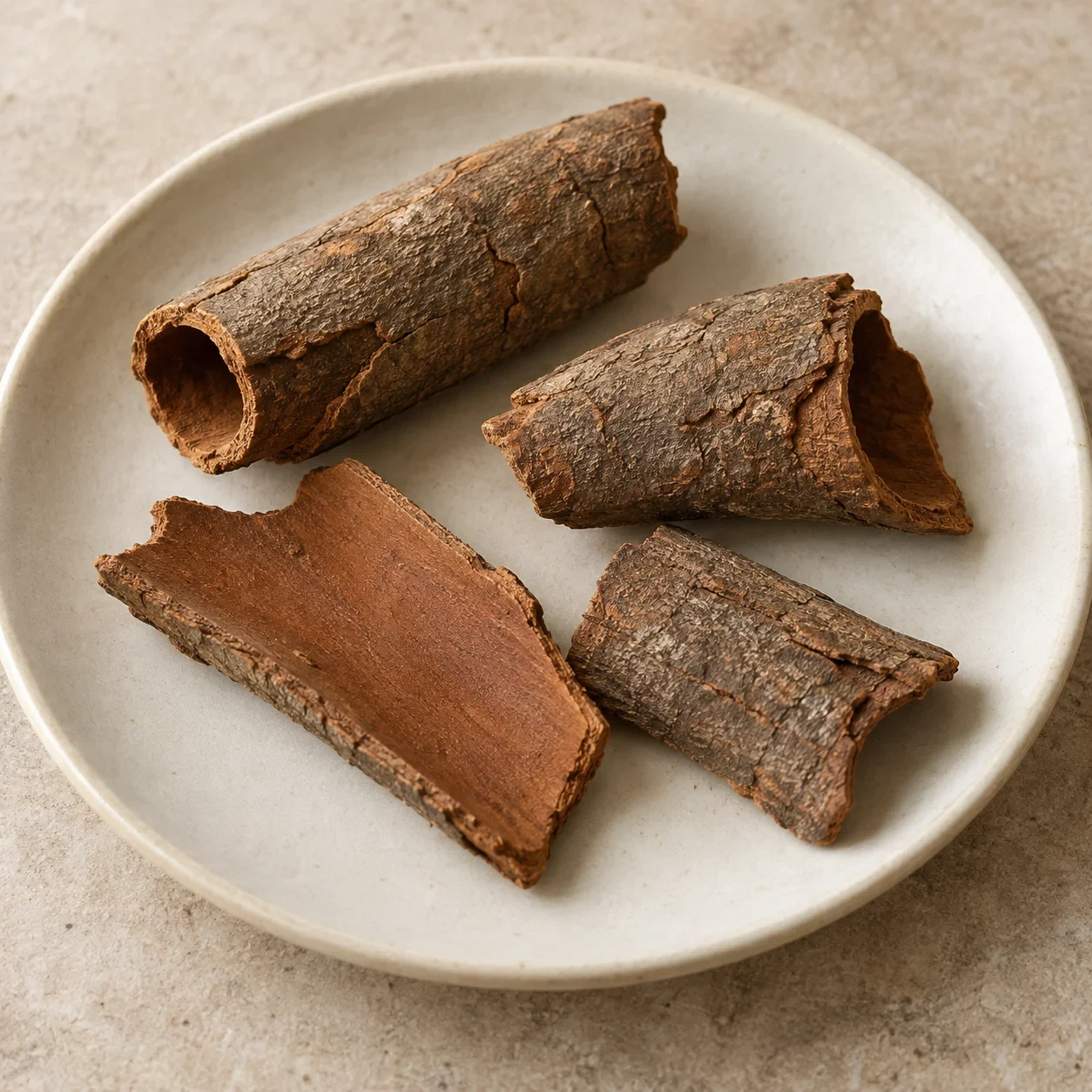
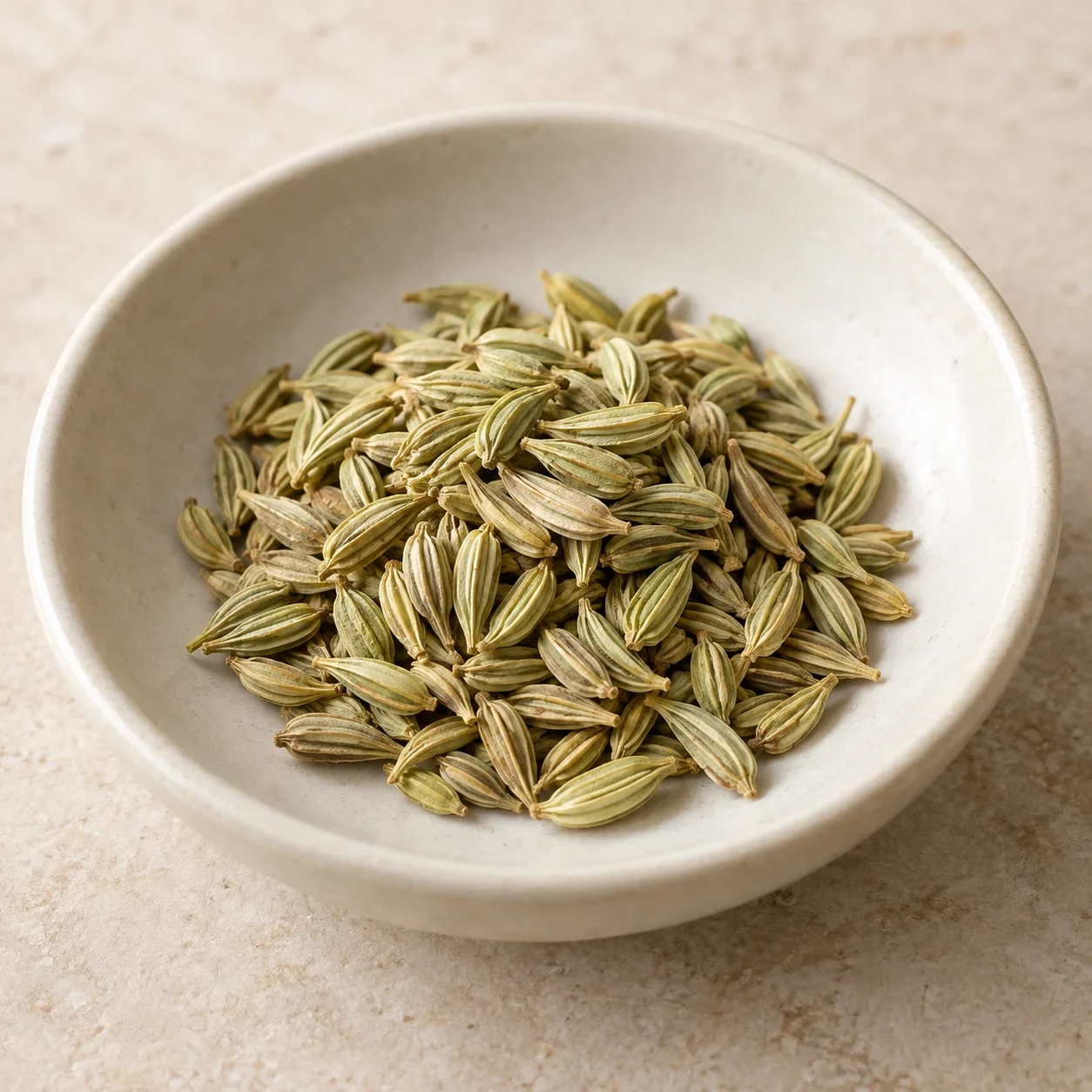
In some versions
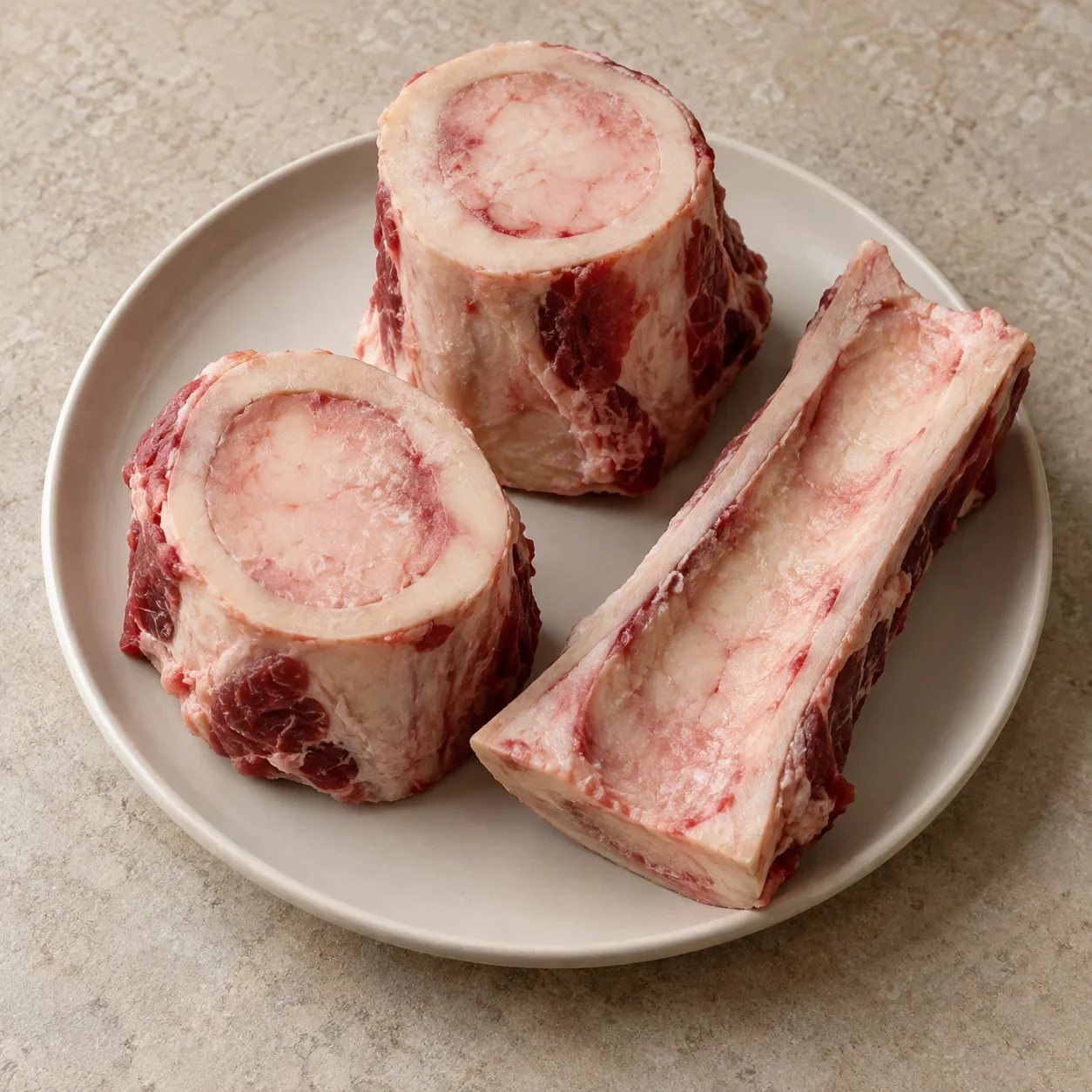
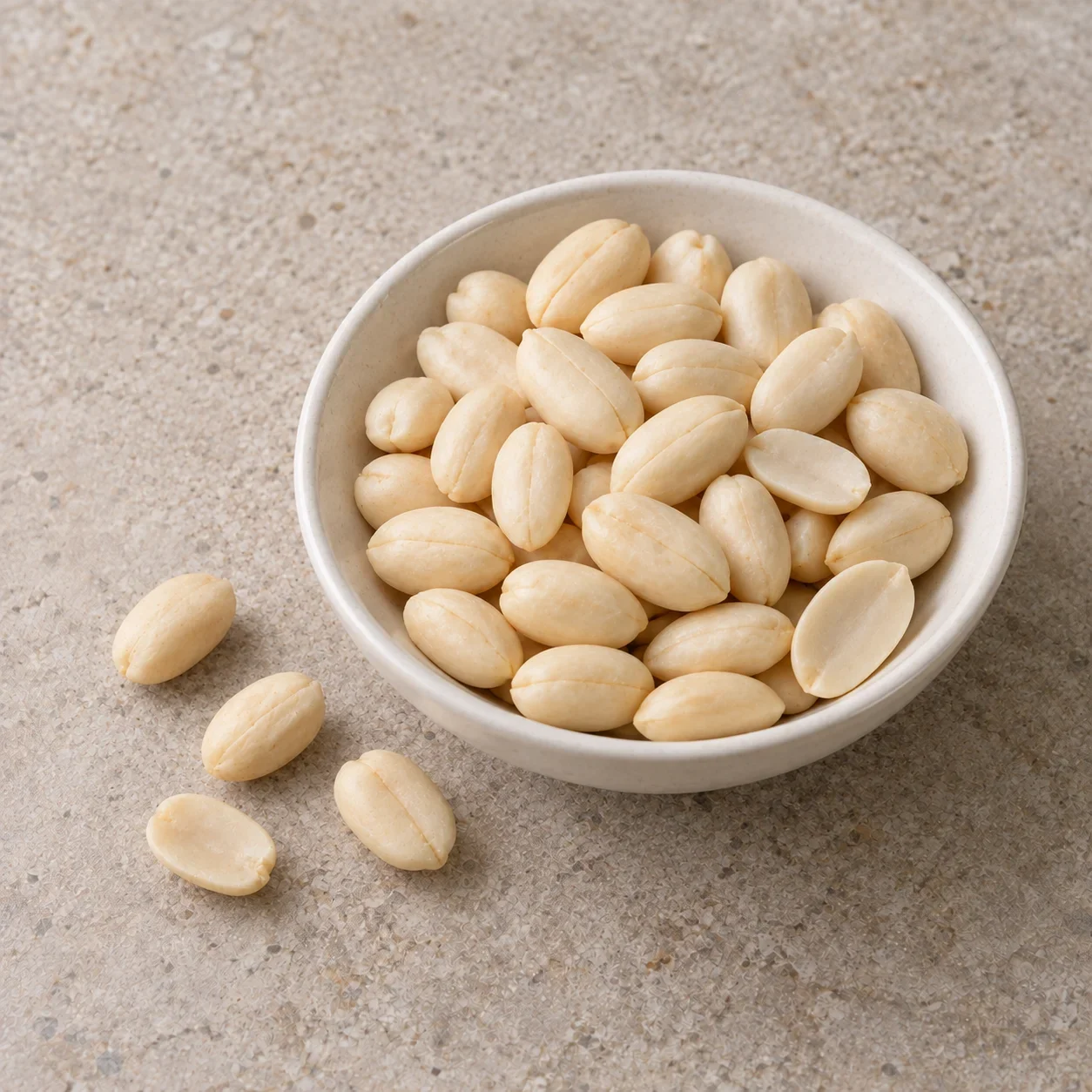
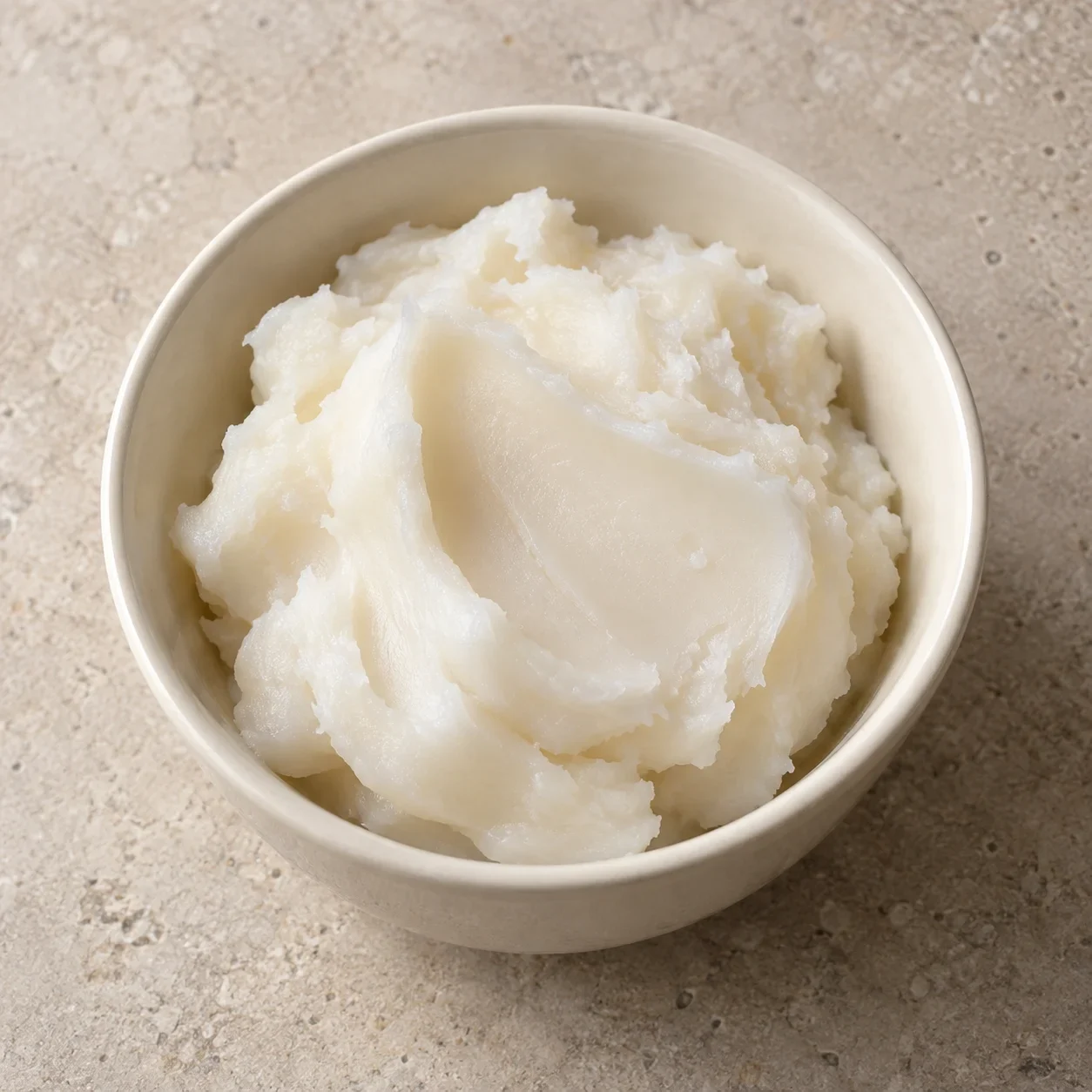

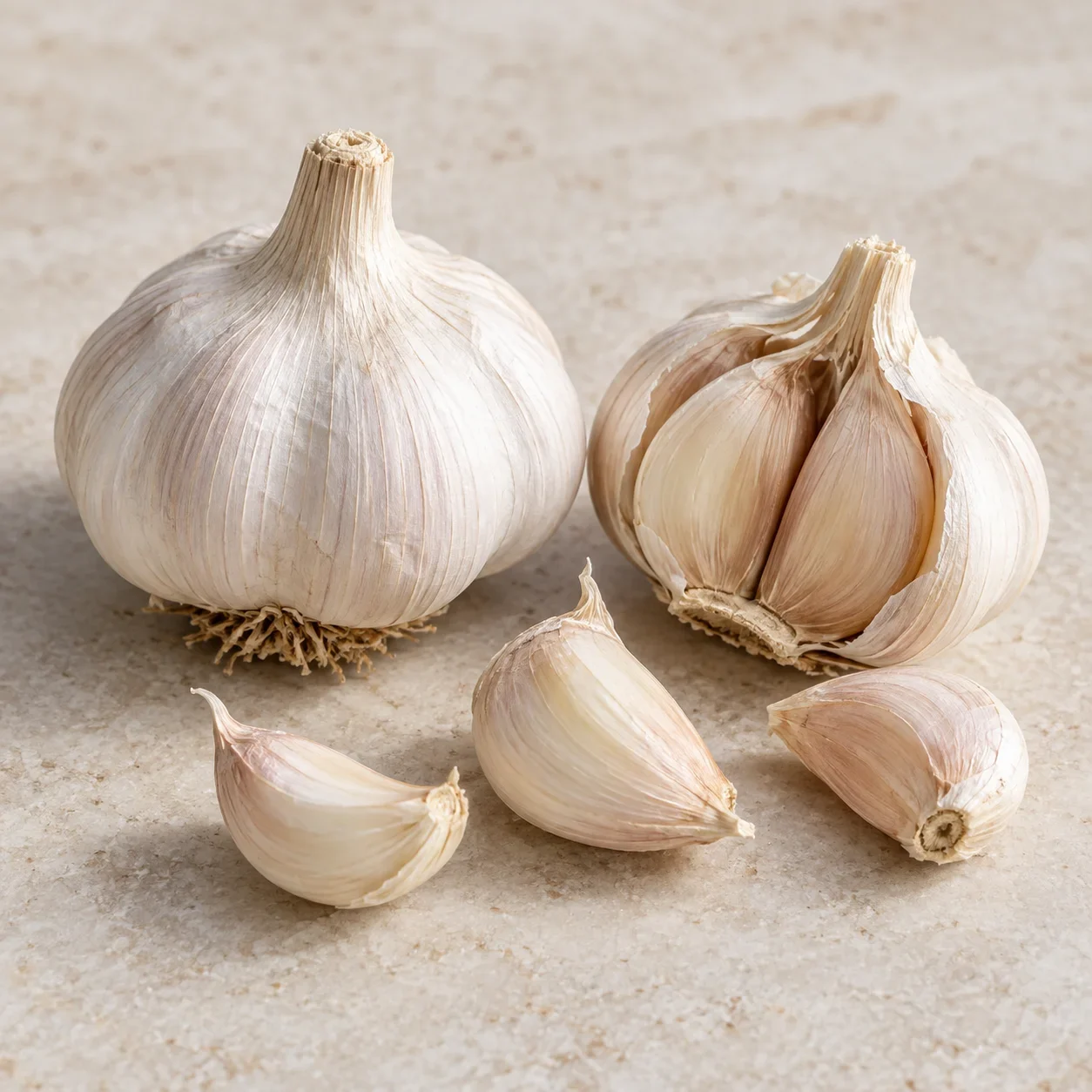
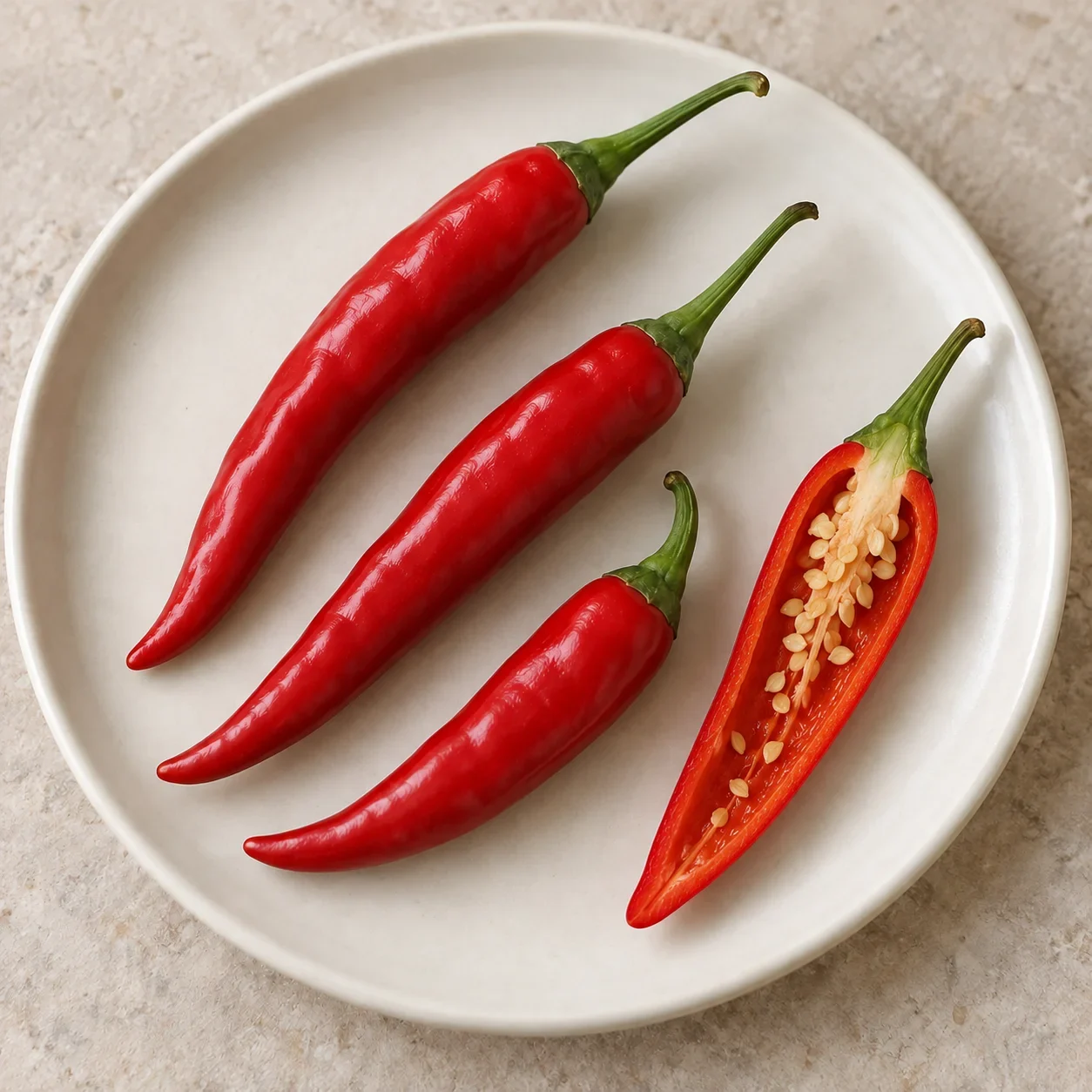
Recipes vary by restaurant.
How does it taste?
Savory and fragrant with spices; chili changes the heat.
- Chili heat
- Texture
- Springy noodles, firm-tender beef, crisp pork skin and crunchy soybeans.
- How it’s made
- Drain warmed noodles, add braising liquid, seasoned oil and prepared toppings, then toss.
Braising recipes and toppings vary. Peanuts may replace soybeans; chili, scallion and garlic can be added. This is distinct from Guilin soup noodles.
A CONNECTION TO PLACE
Origin & regional roots
Associated with Guangxi.
Ask if they have it first
请问你们有桂林卤菜粉吗?
Do you have this item?
A LITTLE SOMETHING TO READ
Story & history
Mix first, then enjoy the contrasting textures
In Guilin, lu cai fen is a familiar way to eat rice noodles. A small amount of concentrated braising liquid coats the drained noodles. Meat, crisp toppings and aromatic oil give each mouthful contrast; broth may be served separately afterward.