
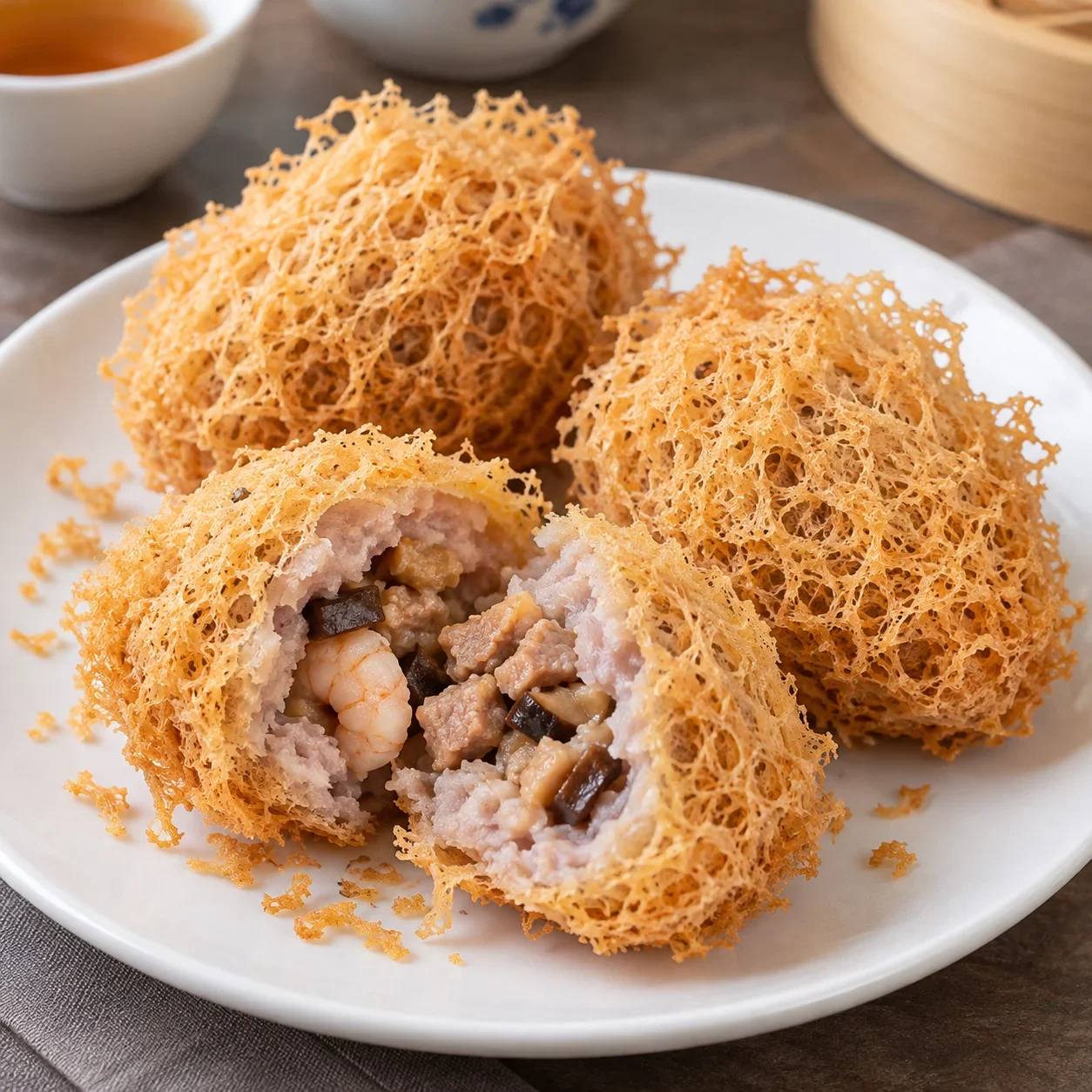
At the table
Support it on your plate rather than squeezing the fragile shell. Cut gently to share and take a small first bite of the hot filling. The whole crust is edible; remove any paper cup or liner if supplied.
This version contains pork, lard, shrimp, wheat starch, sesame oil and chicken seasoning. Compound seasonings may add allergens; butter-based variants also contain dairy.
No chili is included in this version. Pepper adds aroma; sauces and other recipes can differ.
GET TO KNOW THE DISH
What goes into it?
Explore some key ingredients below. Preparations may use additional seasonings and ingredients.
Butter can replace lard in some doughs; fillings and seasonings vary. A taro exterior does not mean a vegetarian filling.
Typical ingredients
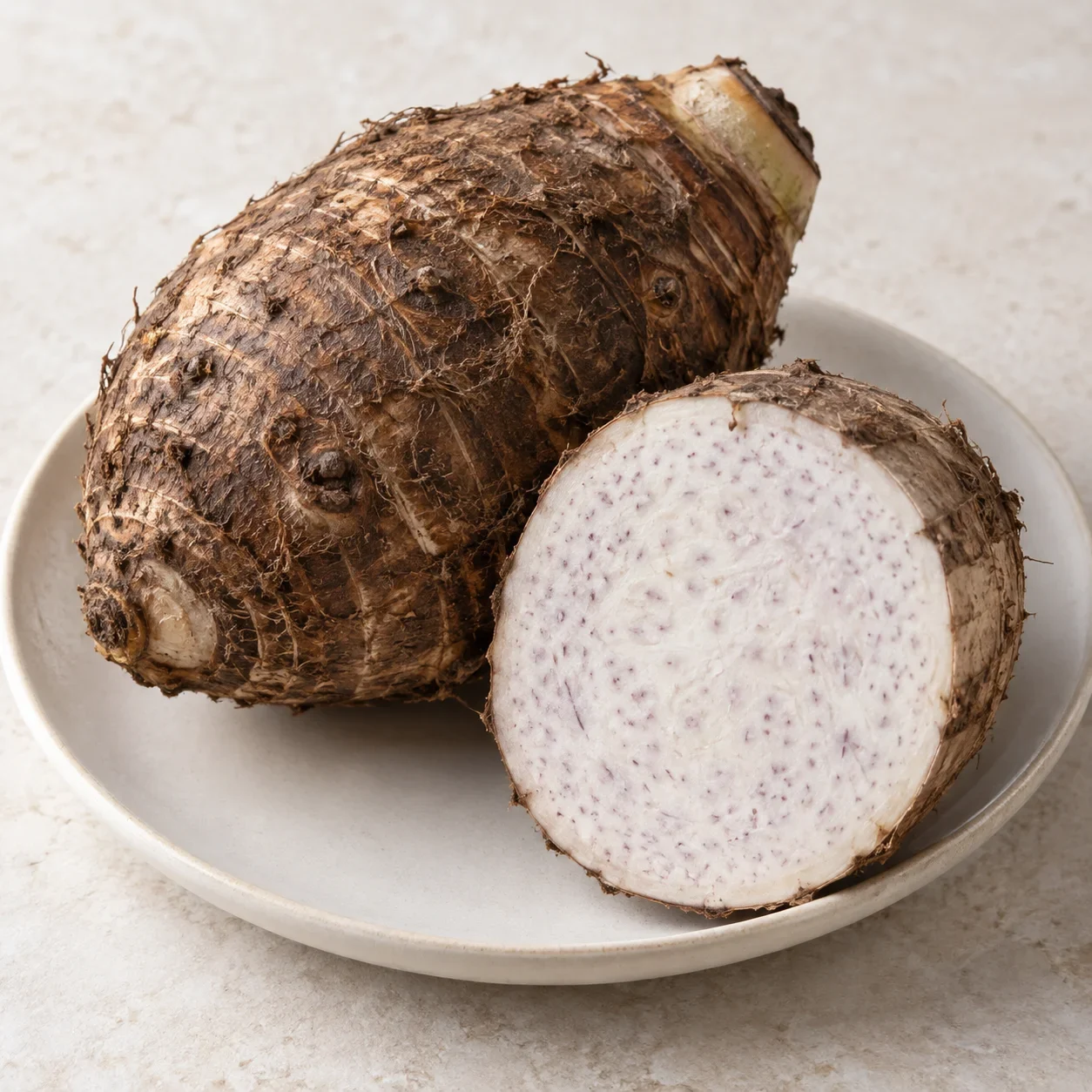
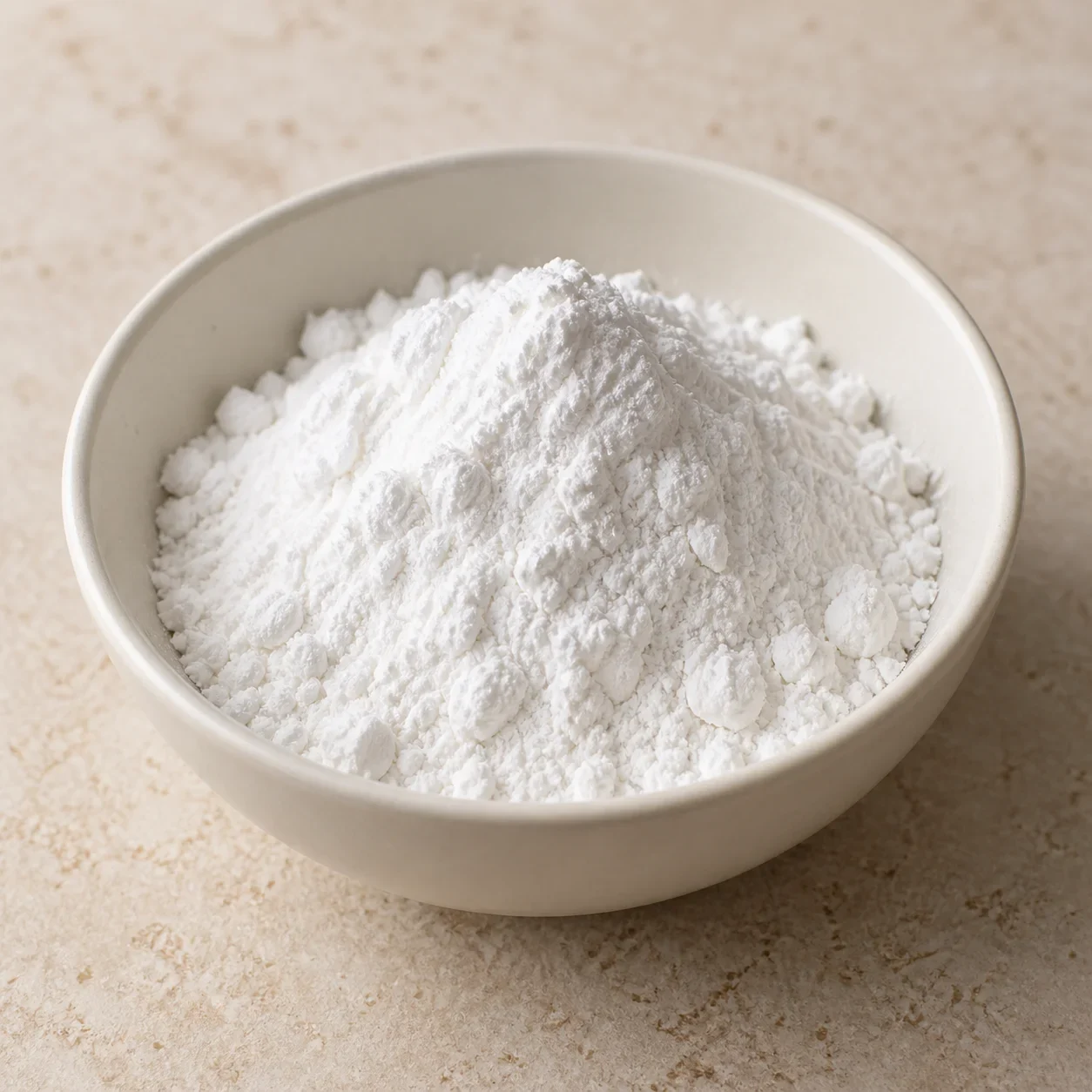
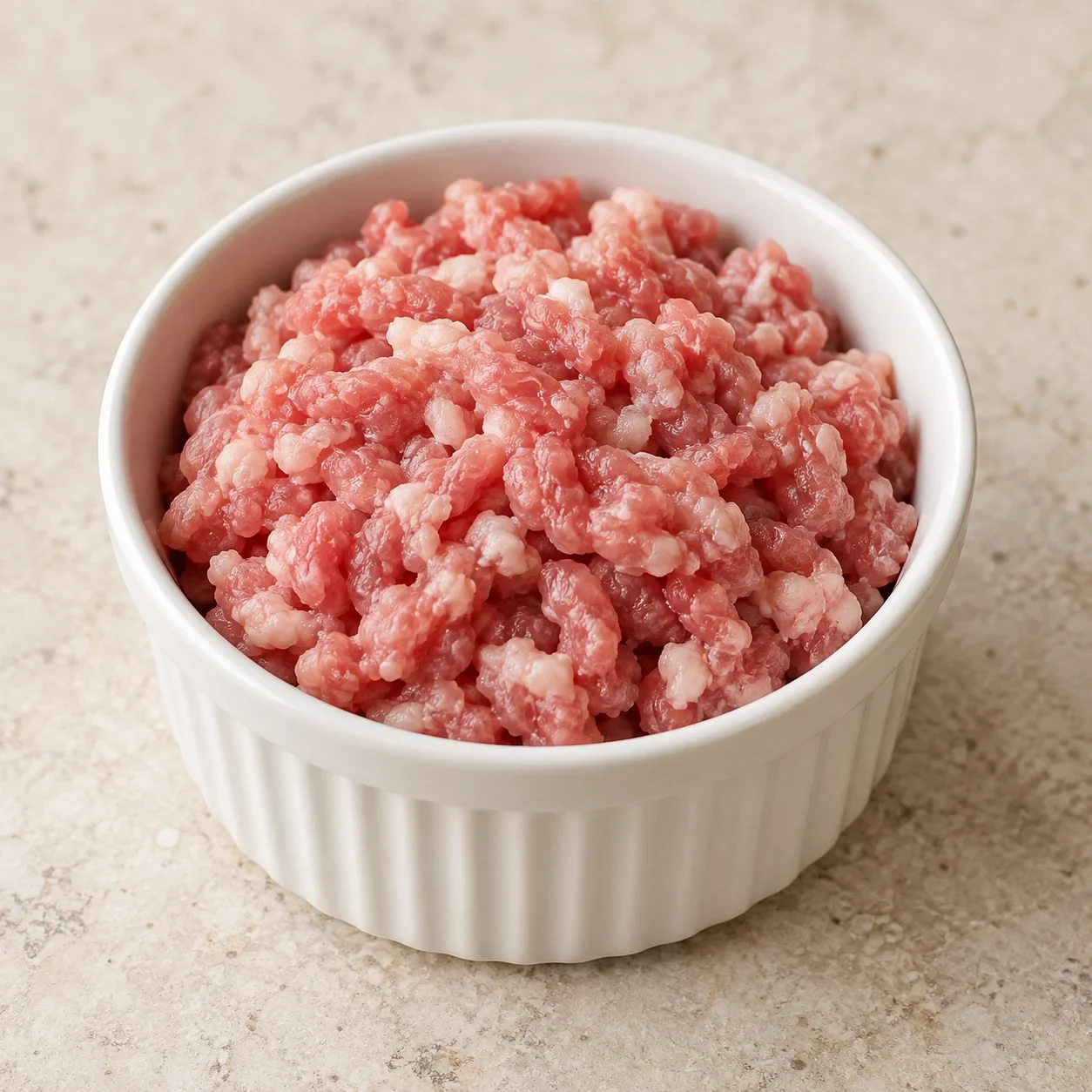
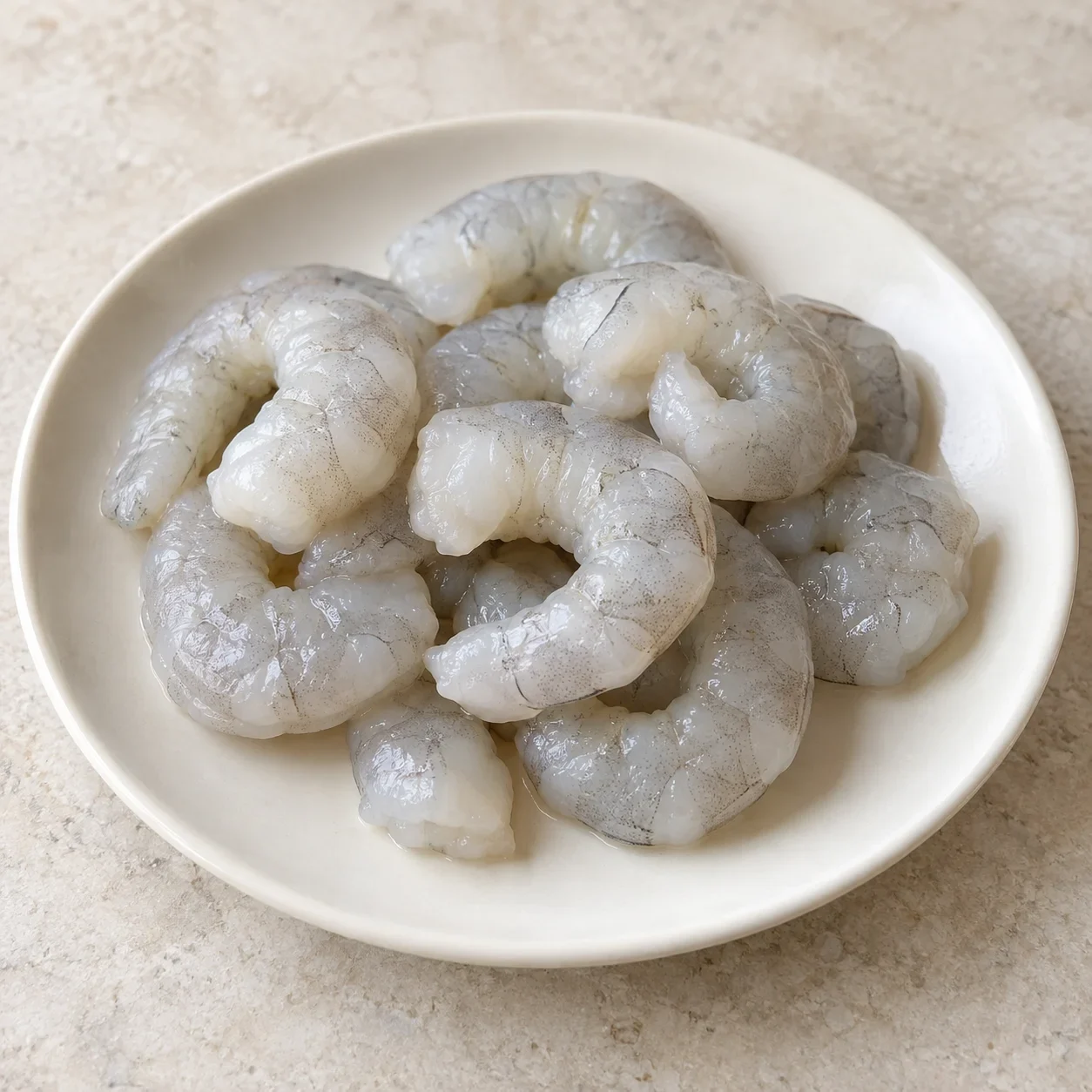
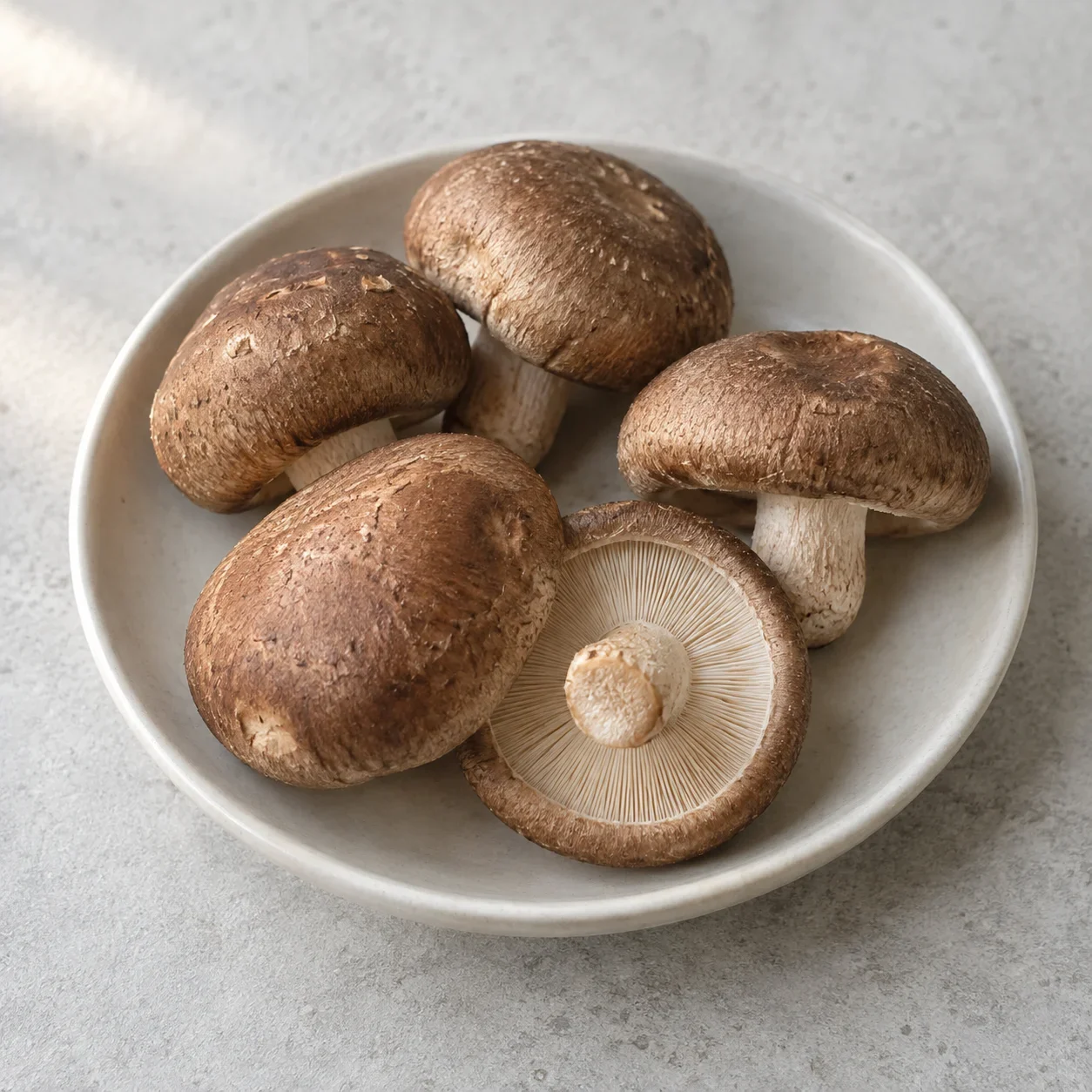
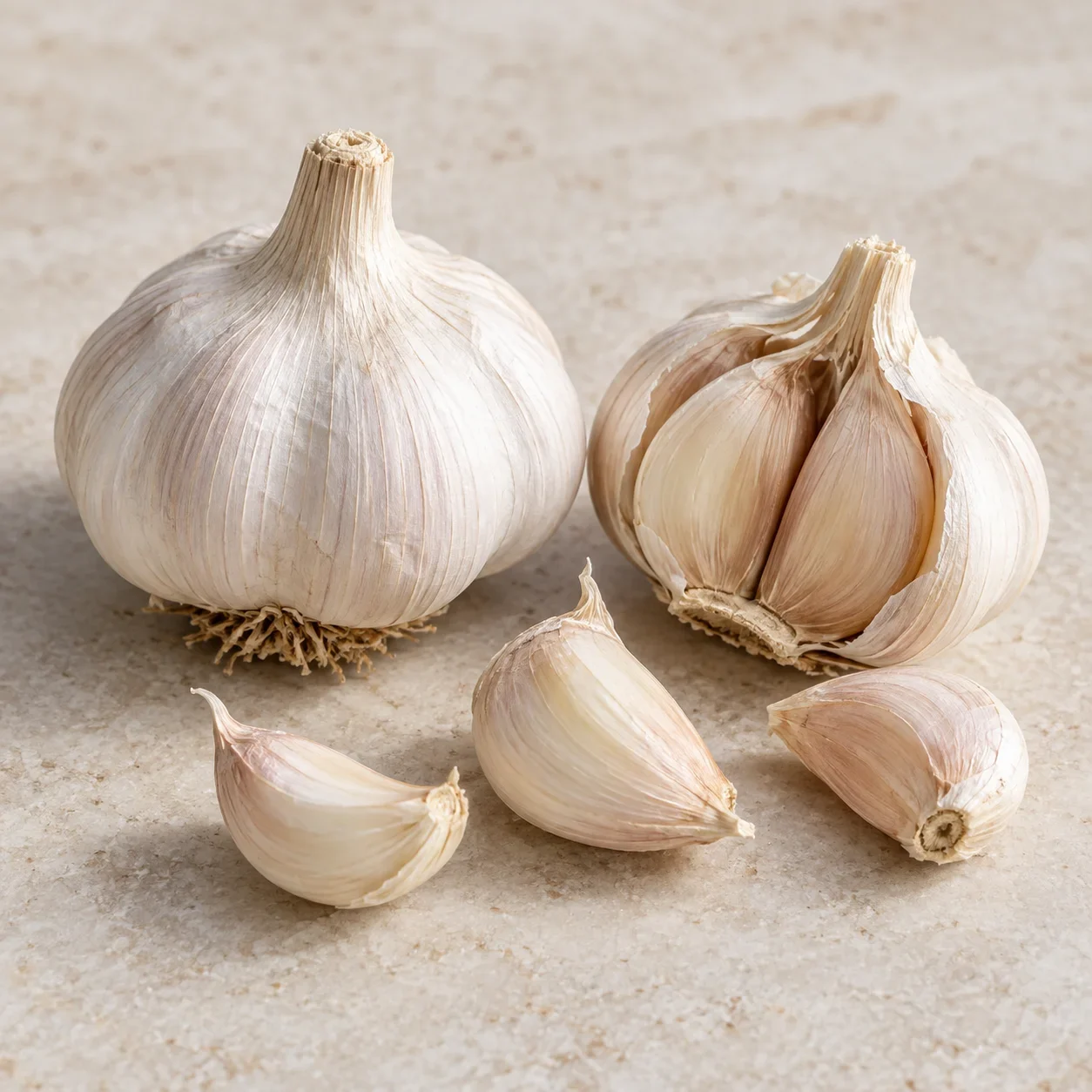
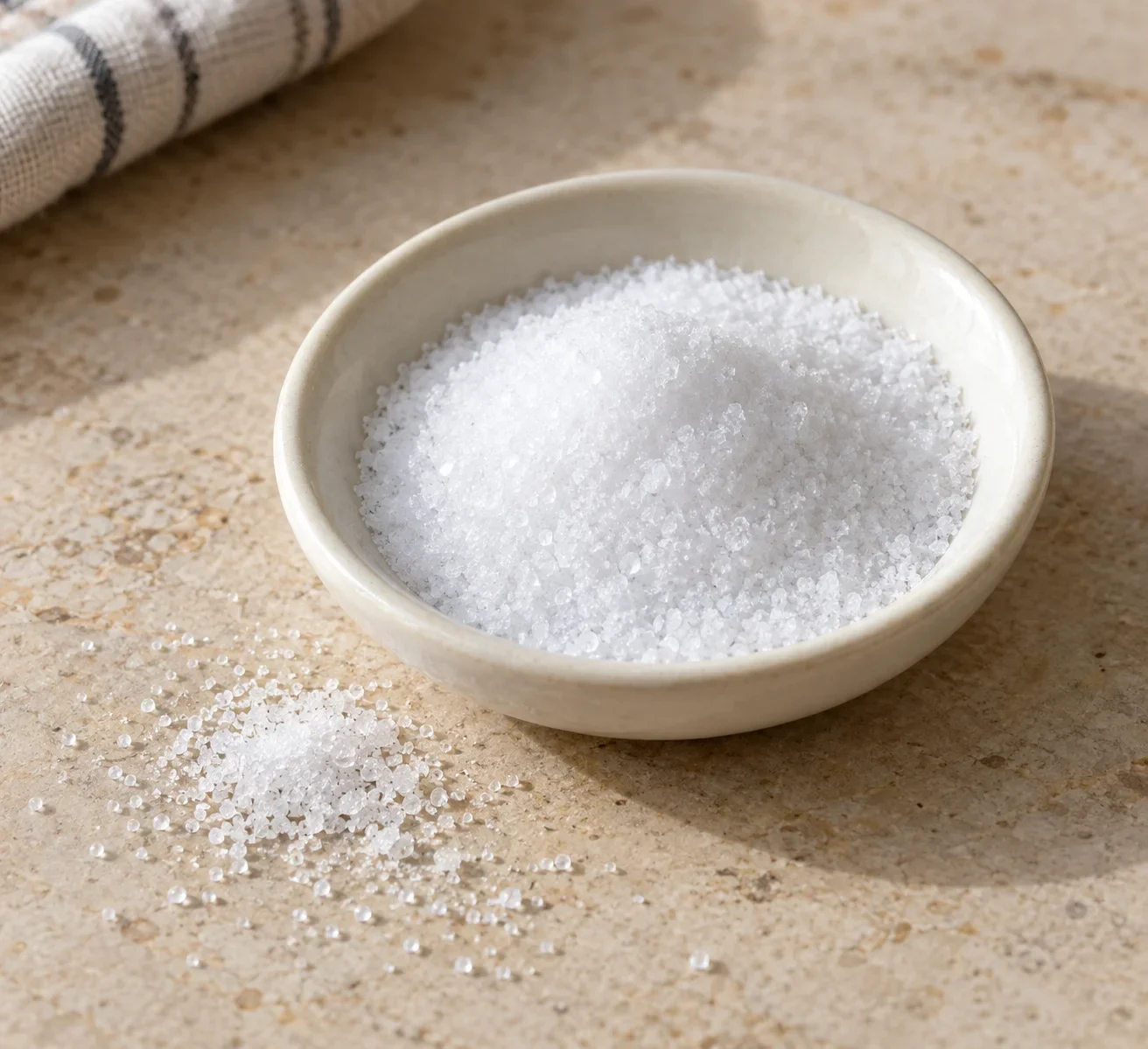
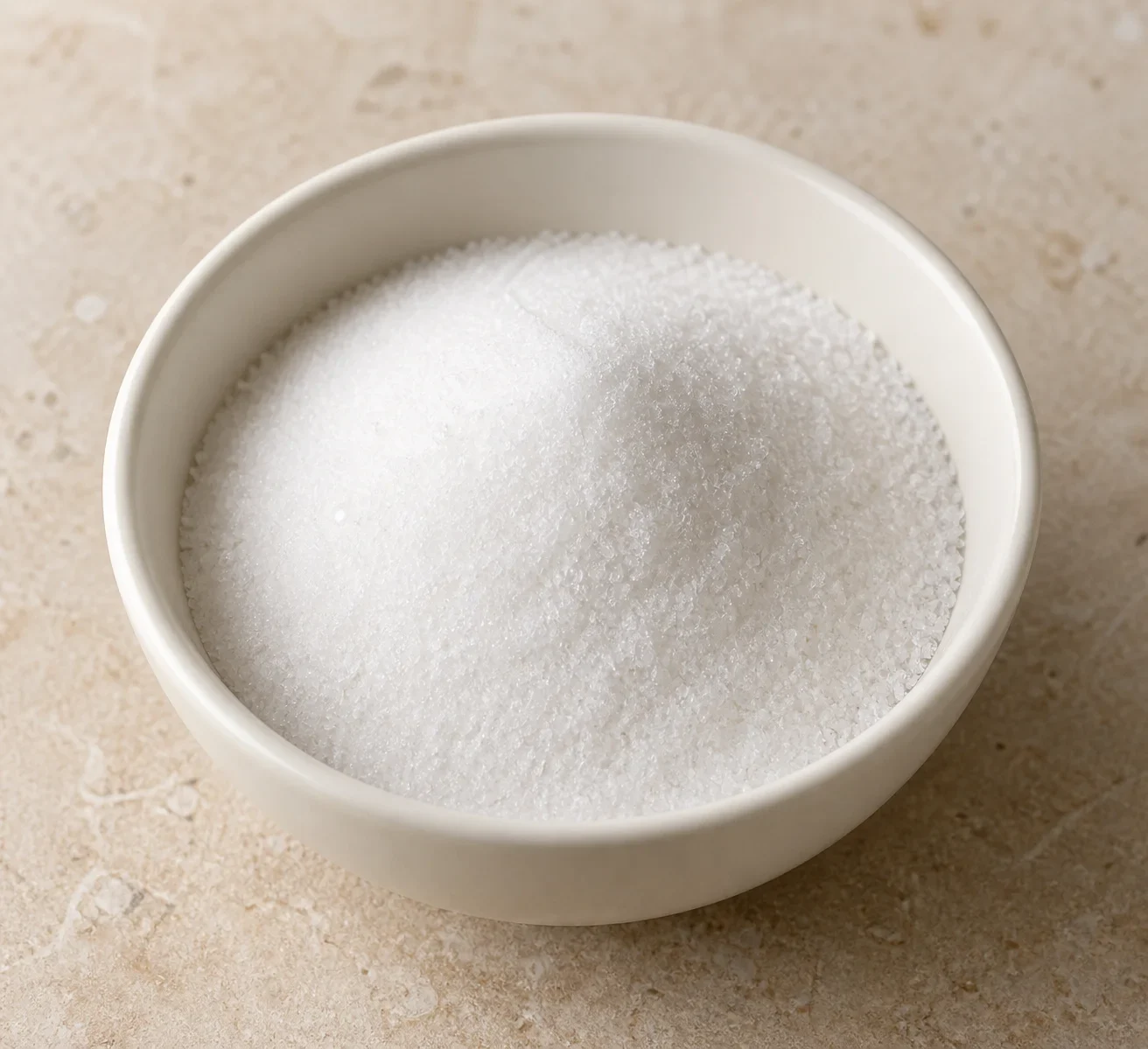
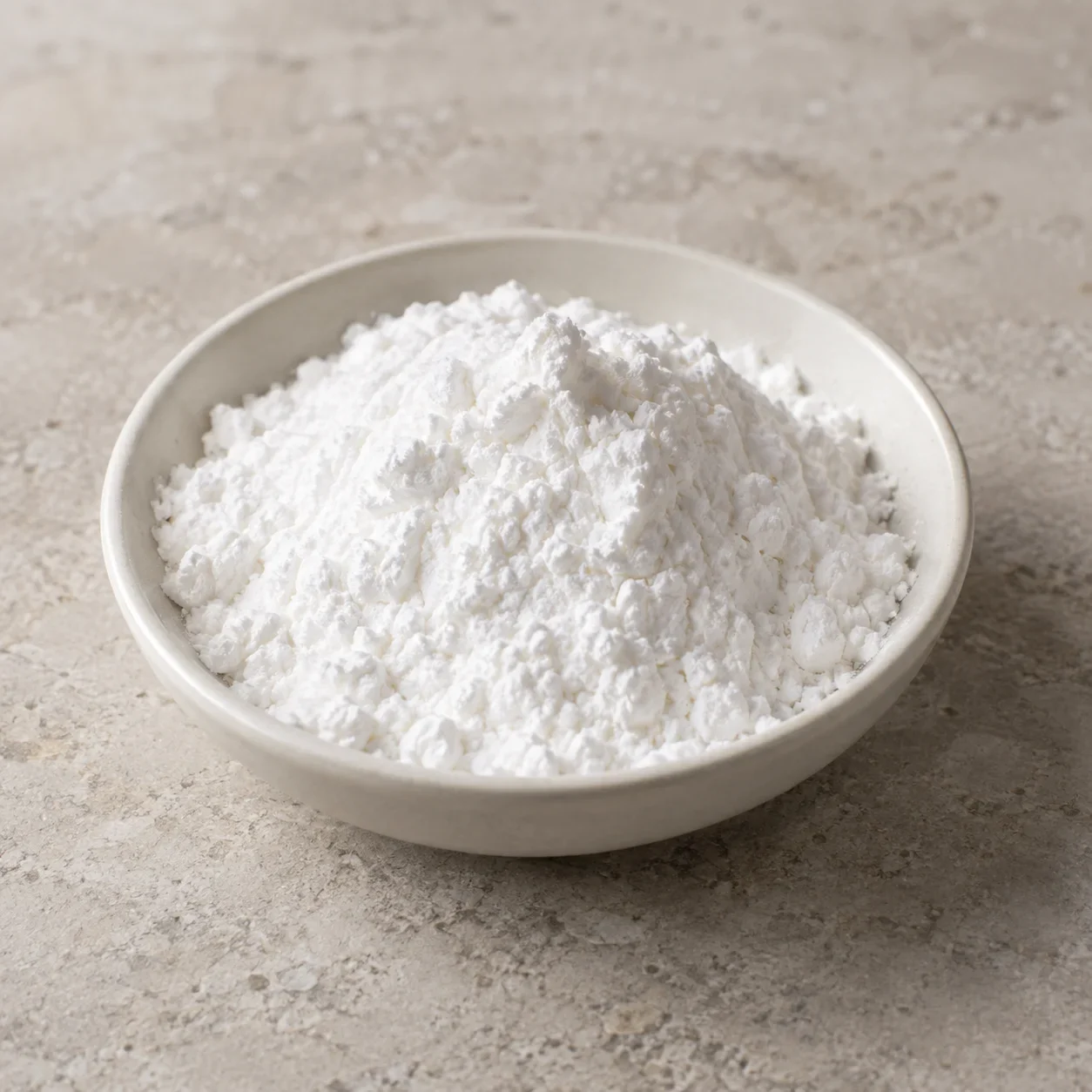
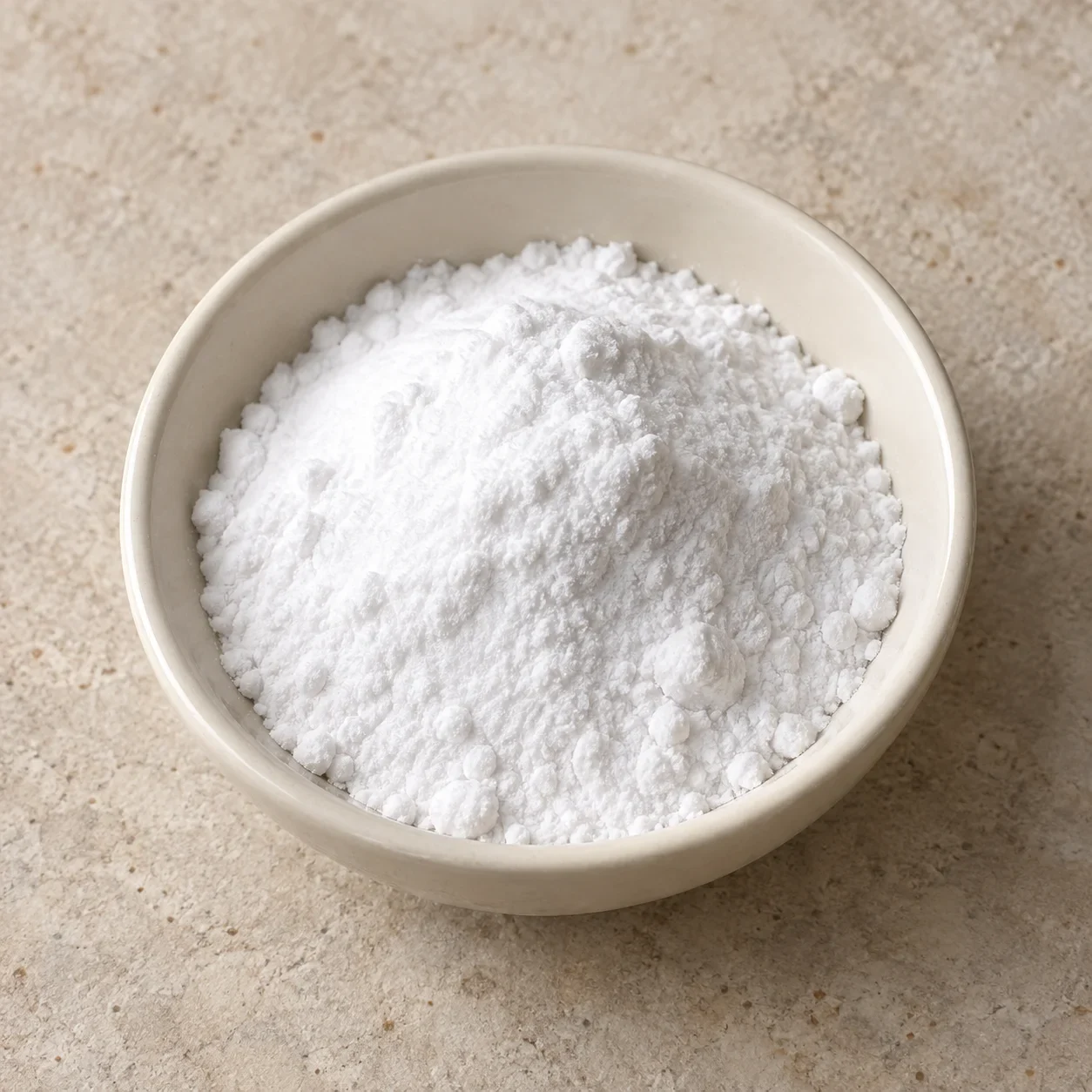
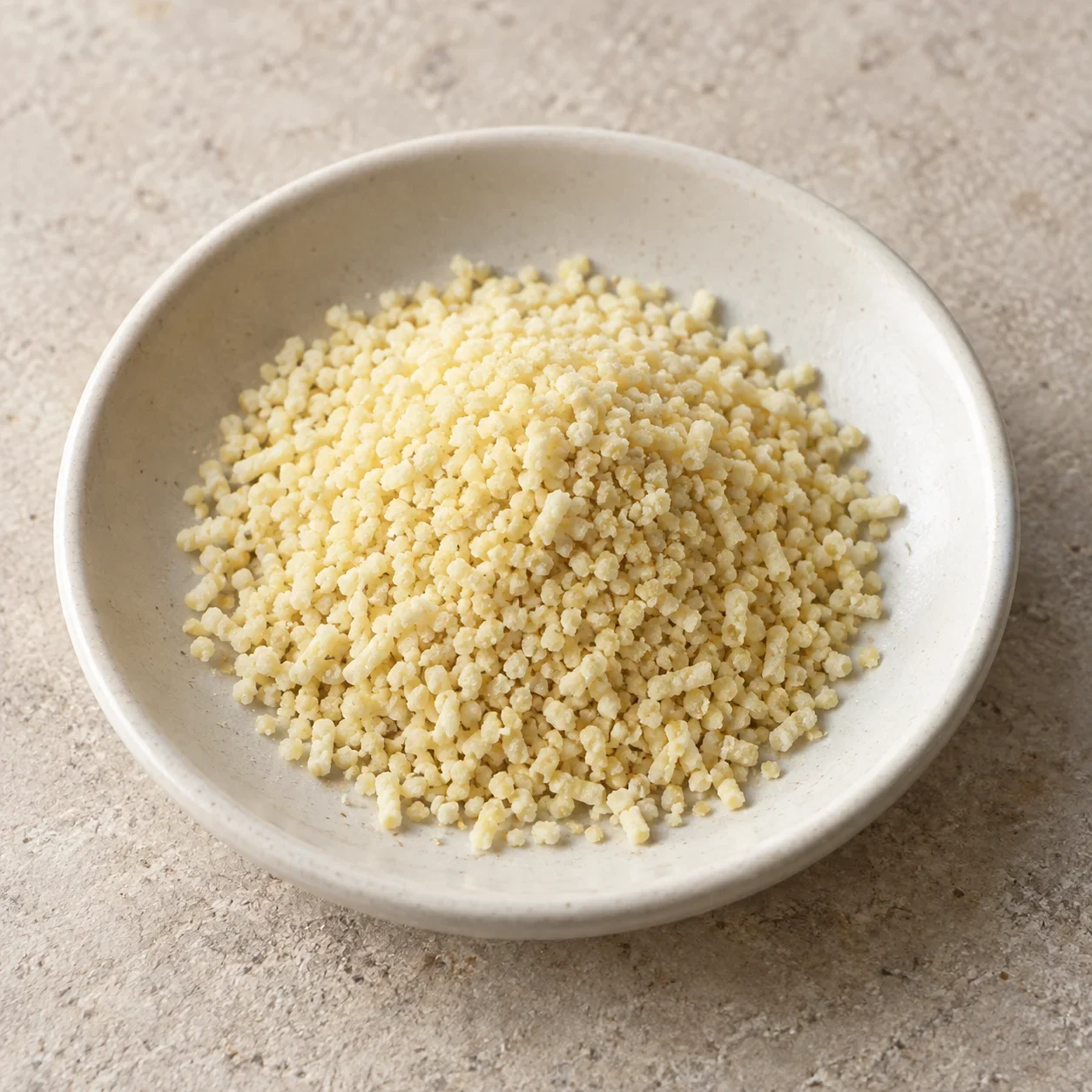
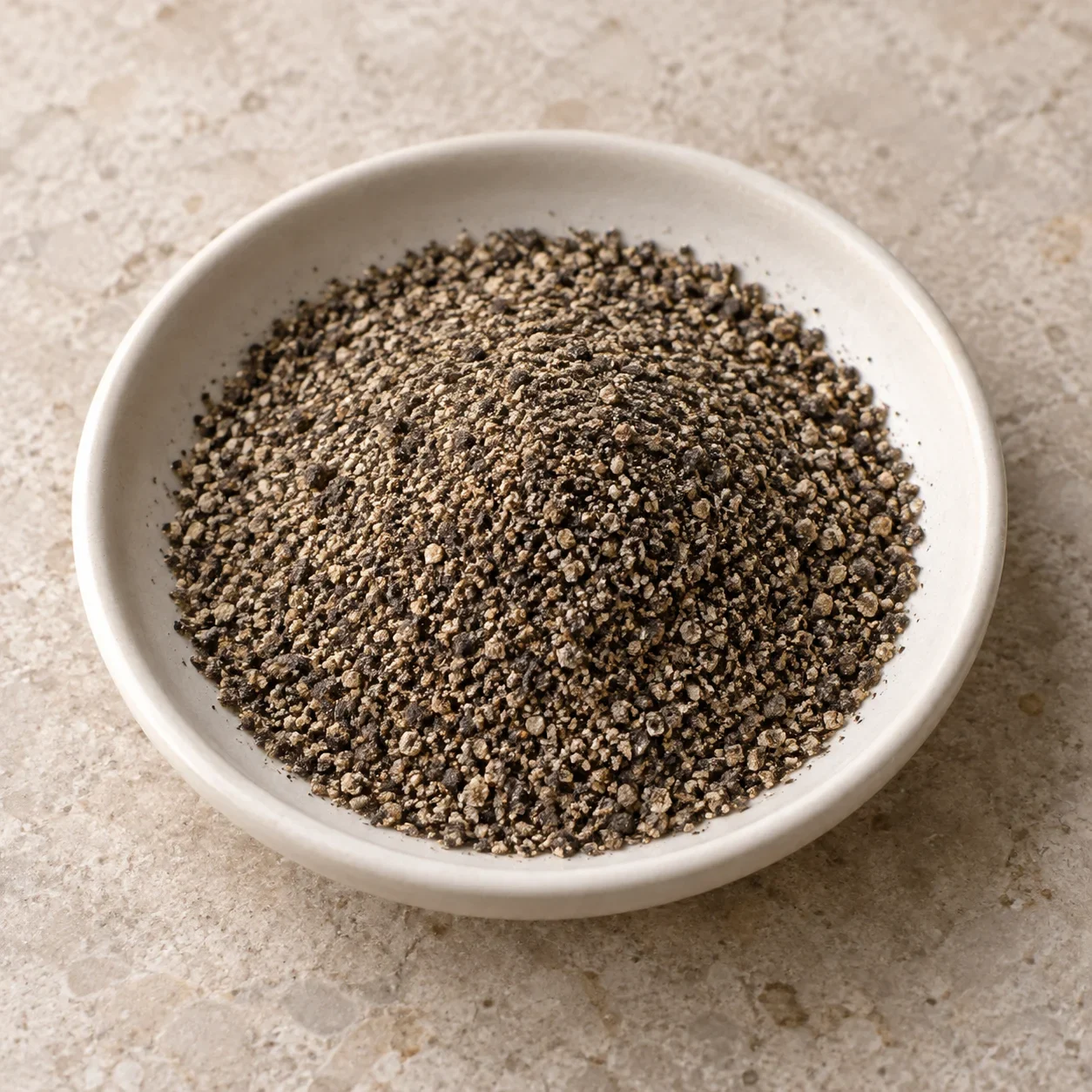
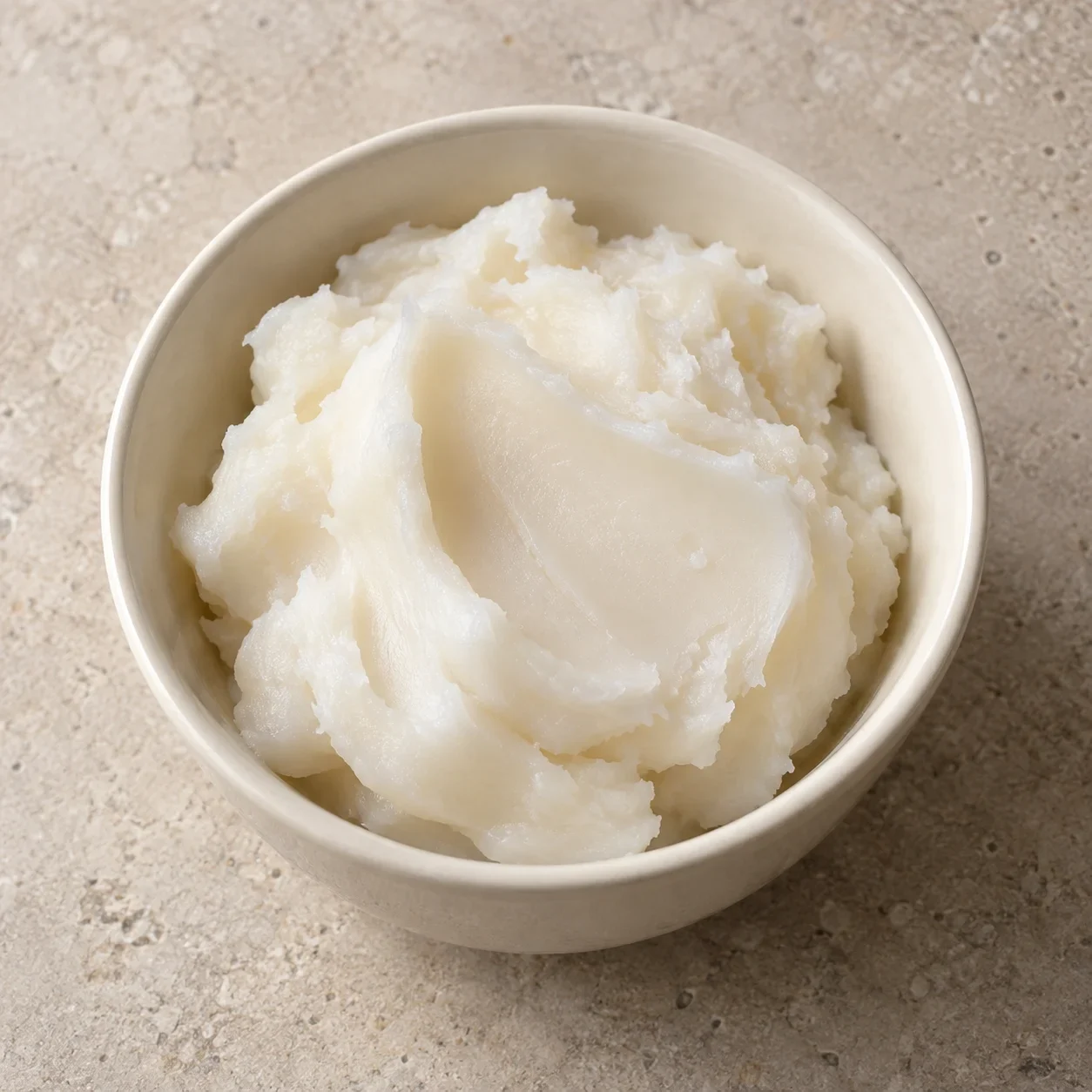
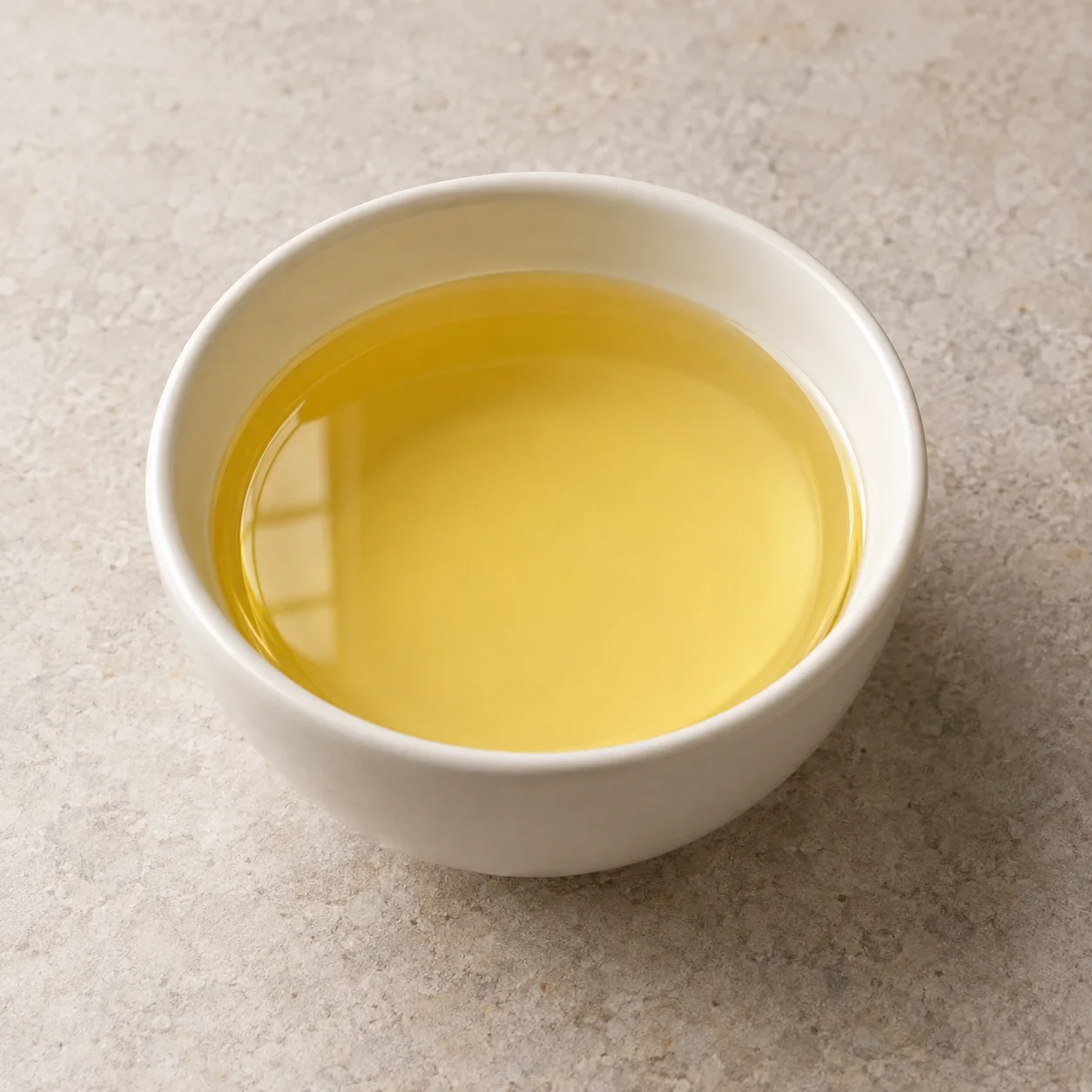
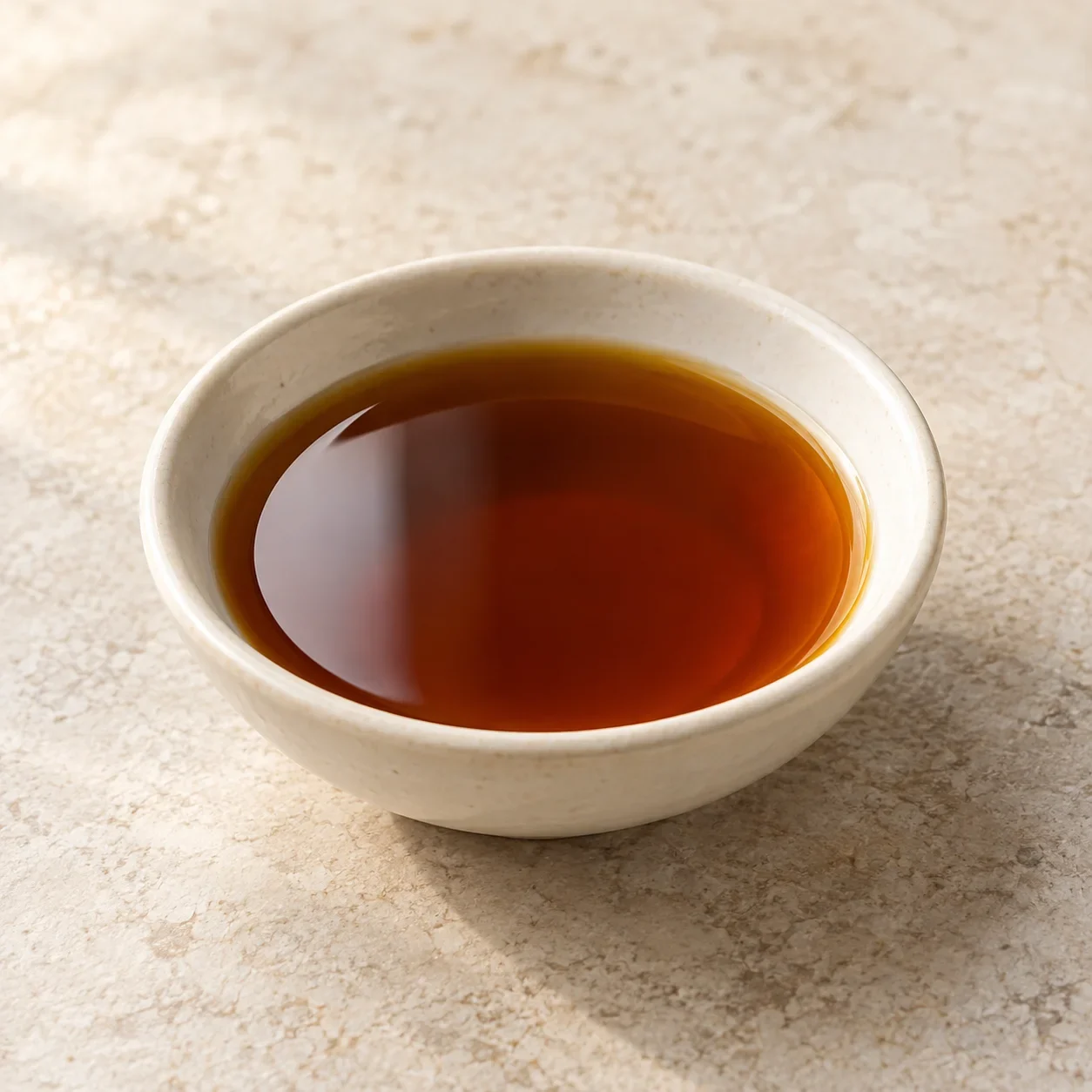
Recipes vary by restaurant.
How does it taste?
Savory meat and seafood with mellow taro and a little sweetness.
- Chili heat
- Texture
- Fragile crisp lace outside, soft taro underneath and a moist filling.
- How it’s made
- Cooked filling is wrapped in mashed-taro and starch dough, then deep-fried until a fine web forms.
Butter can replace lard in some doughs; fillings and seasonings vary. A taro exterior does not mean a vegetarian filling.
A CONNECTION TO PLACE
Origin & regional roots
Associated with Guangdong. Associated with Hong Kong.
About this regional connection
Guangdong: Cantonese dim sum identity; no exclusive origin claim. Hong Kong: Cantonese dim sum identity; no exclusive origin claim.
Ask if they have it first
请问你们有蜂巢芋角吗?
Do you have this item?
A LITTLE SOMETHING TO READ
Story & history
Why “honeycomb”?
This account describes a tradition or story, rather than an established historical fact.
The name describes the airy fried crust, not a honey coating. Wu gok is a Cantonese dim sum whose lacy shell contrasts with the soft taro inside.