
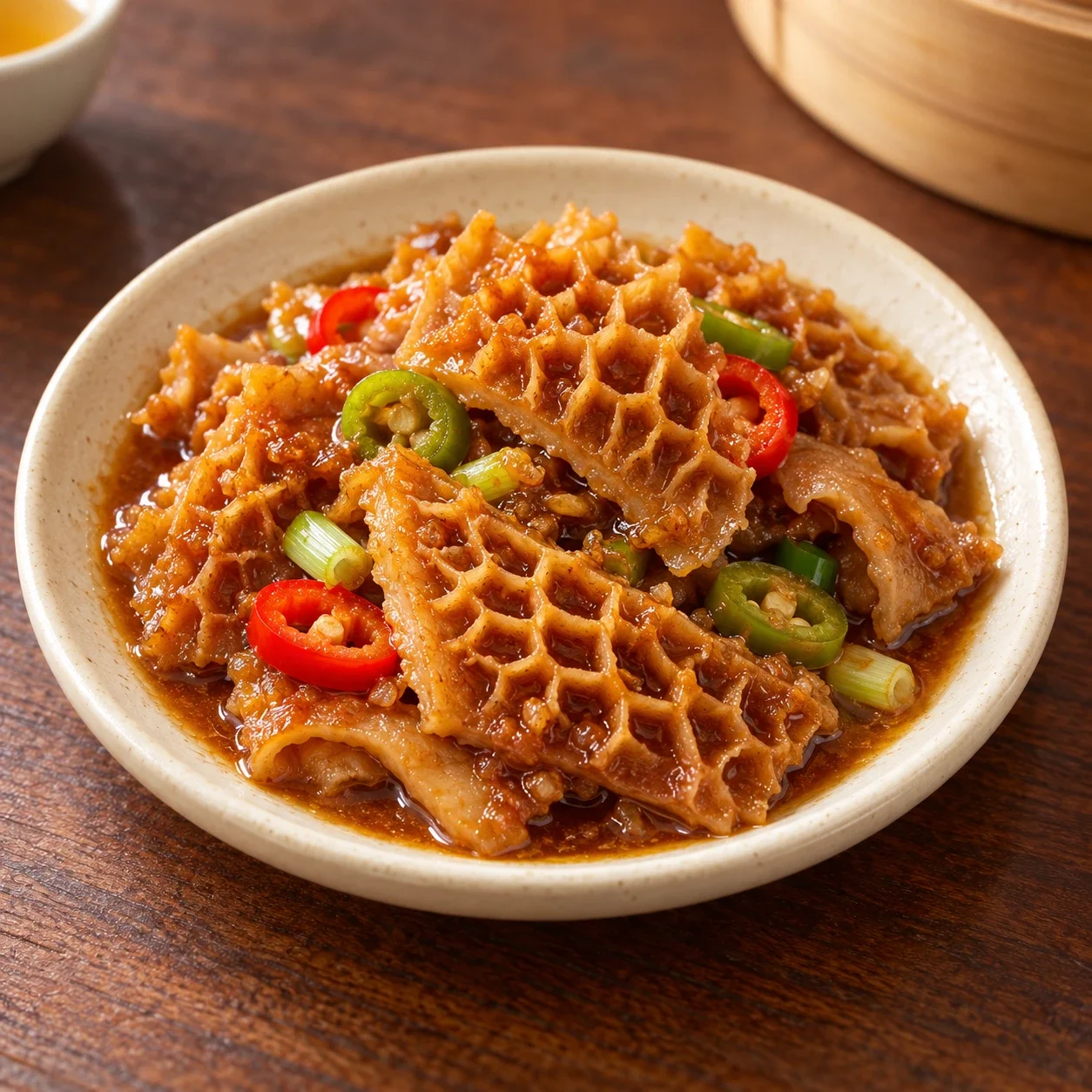
At the table
Lift a piece with chopsticks, let it cool and take small bites; ask for help cutting a piece that is difficult to bite.
Contains beef offal and peanut ingredients; sauces may also contain shrimp, milk, soy, wheat or sesame.
Sauces, chili quantity and tenderness differ by preparation.
GET TO KNOW THE DISH
What goes into it?
Explore some key ingredients below. Preparations may use additional seasonings and ingredients.
Sauces, chili quantity and tenderness differ by preparation.
Typical ingredients
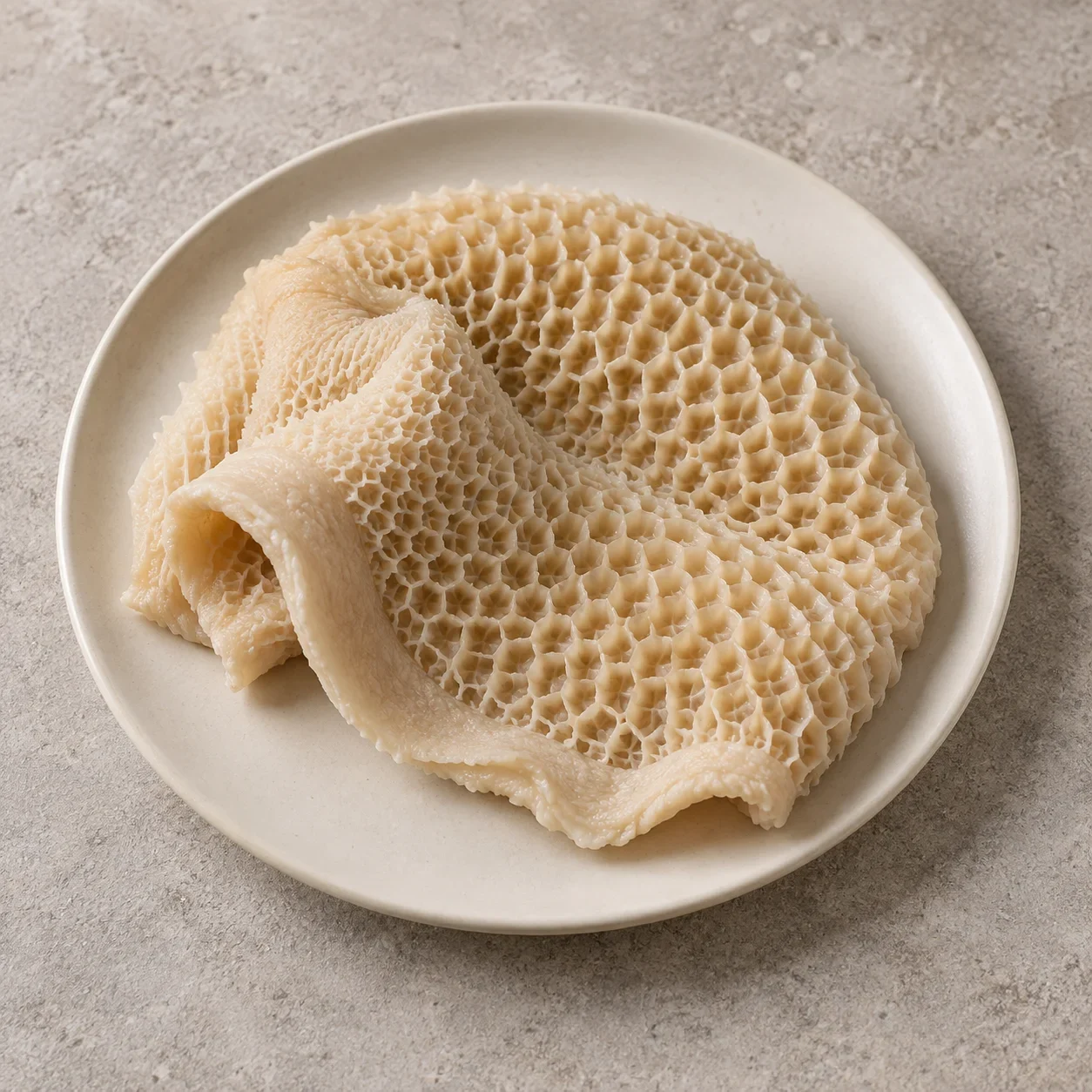
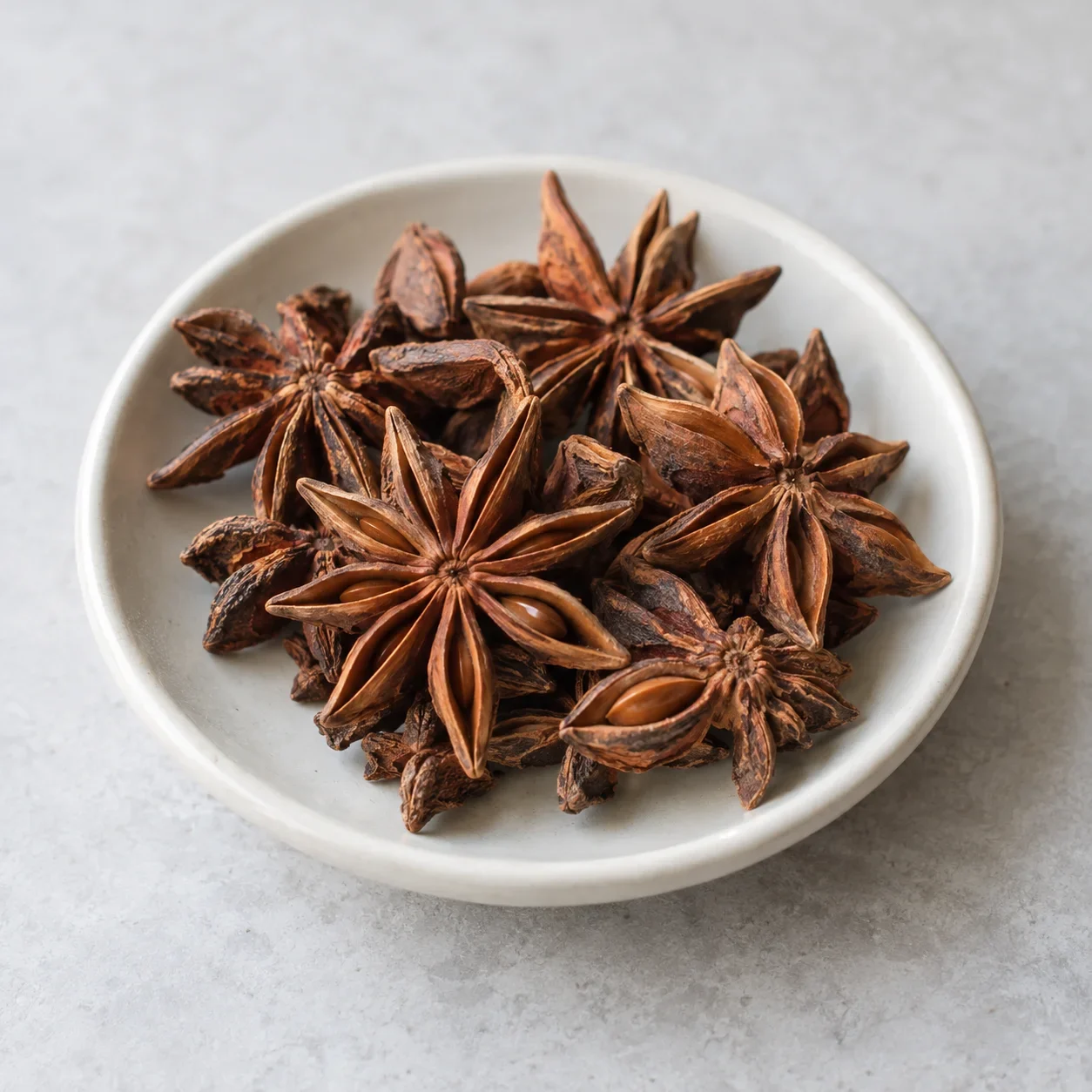
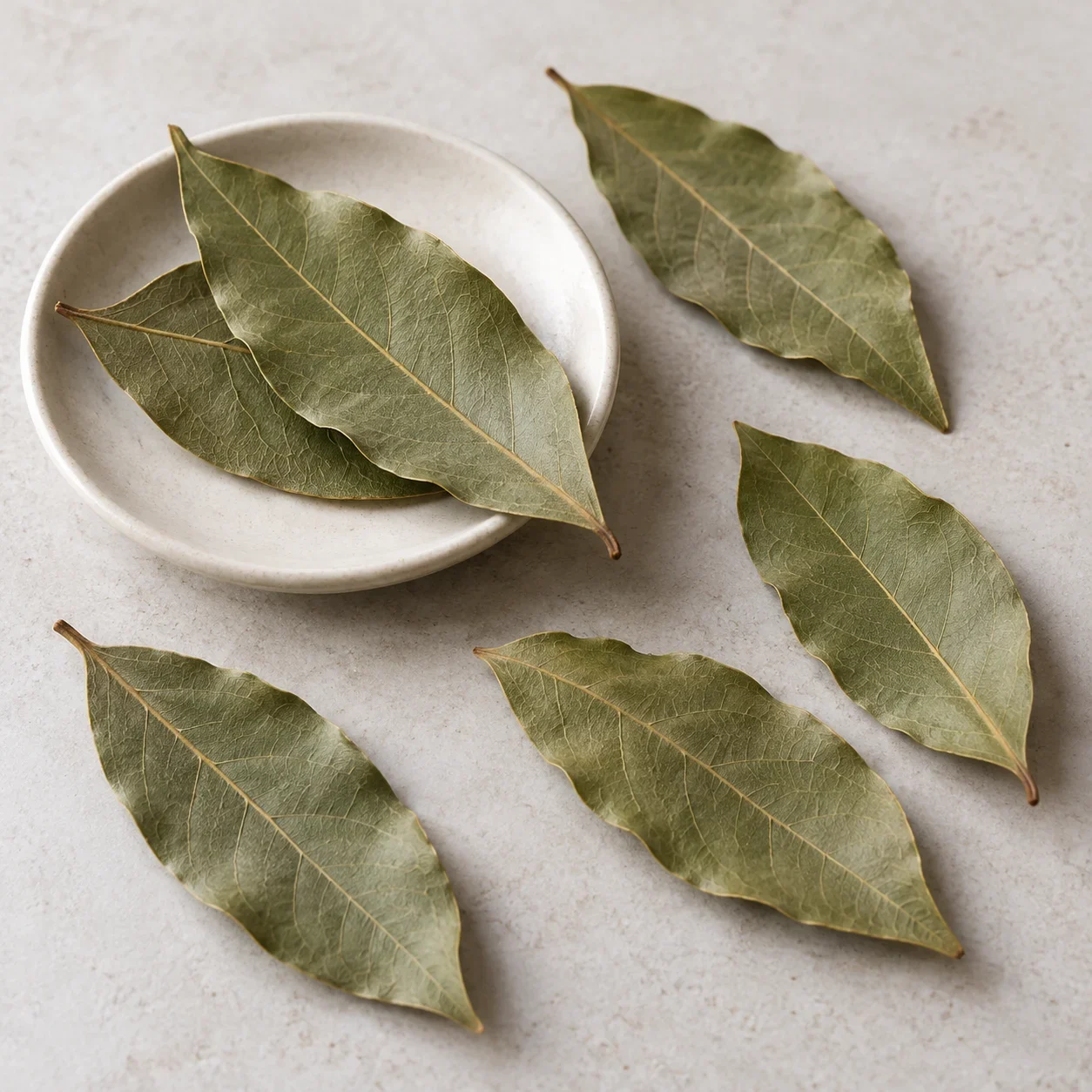
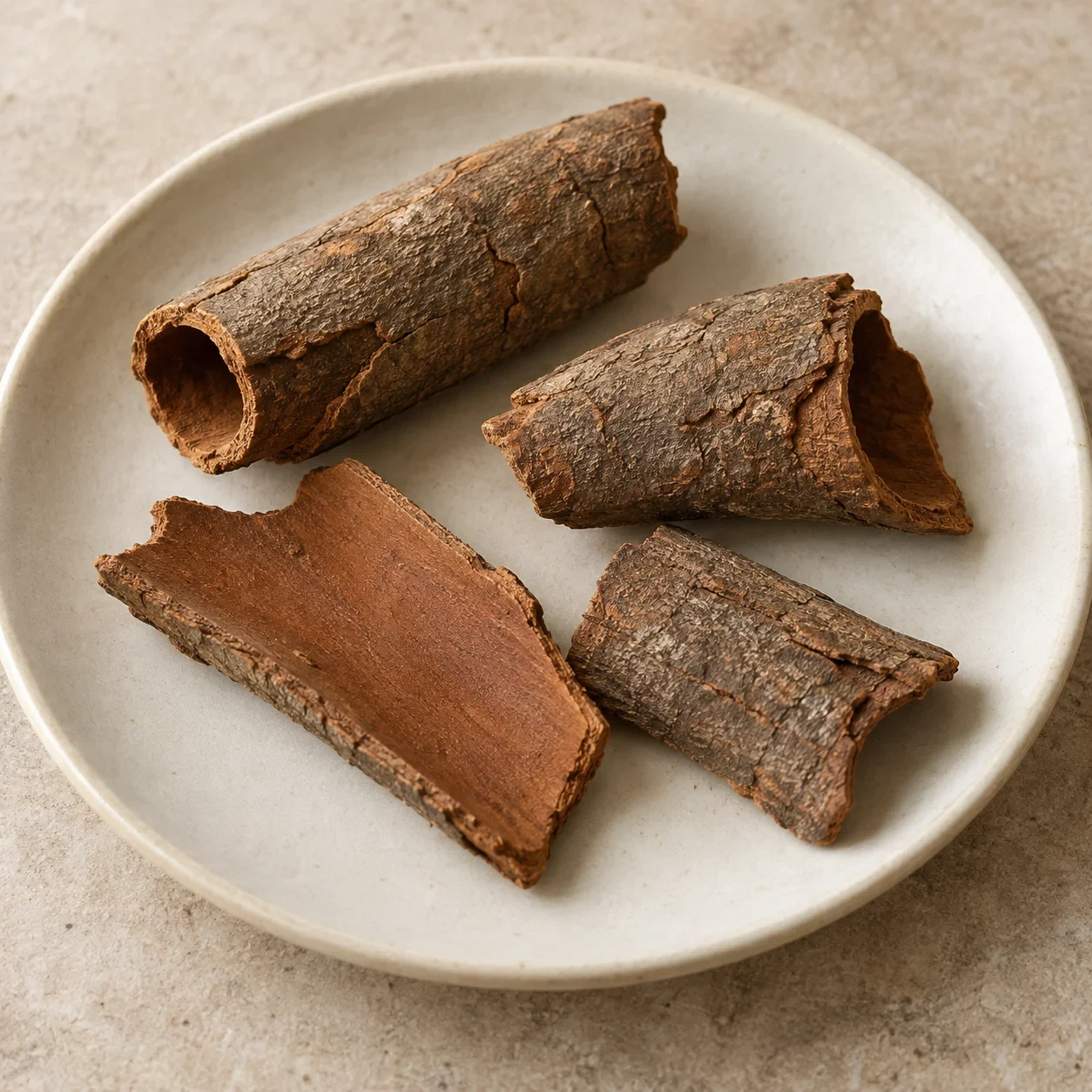
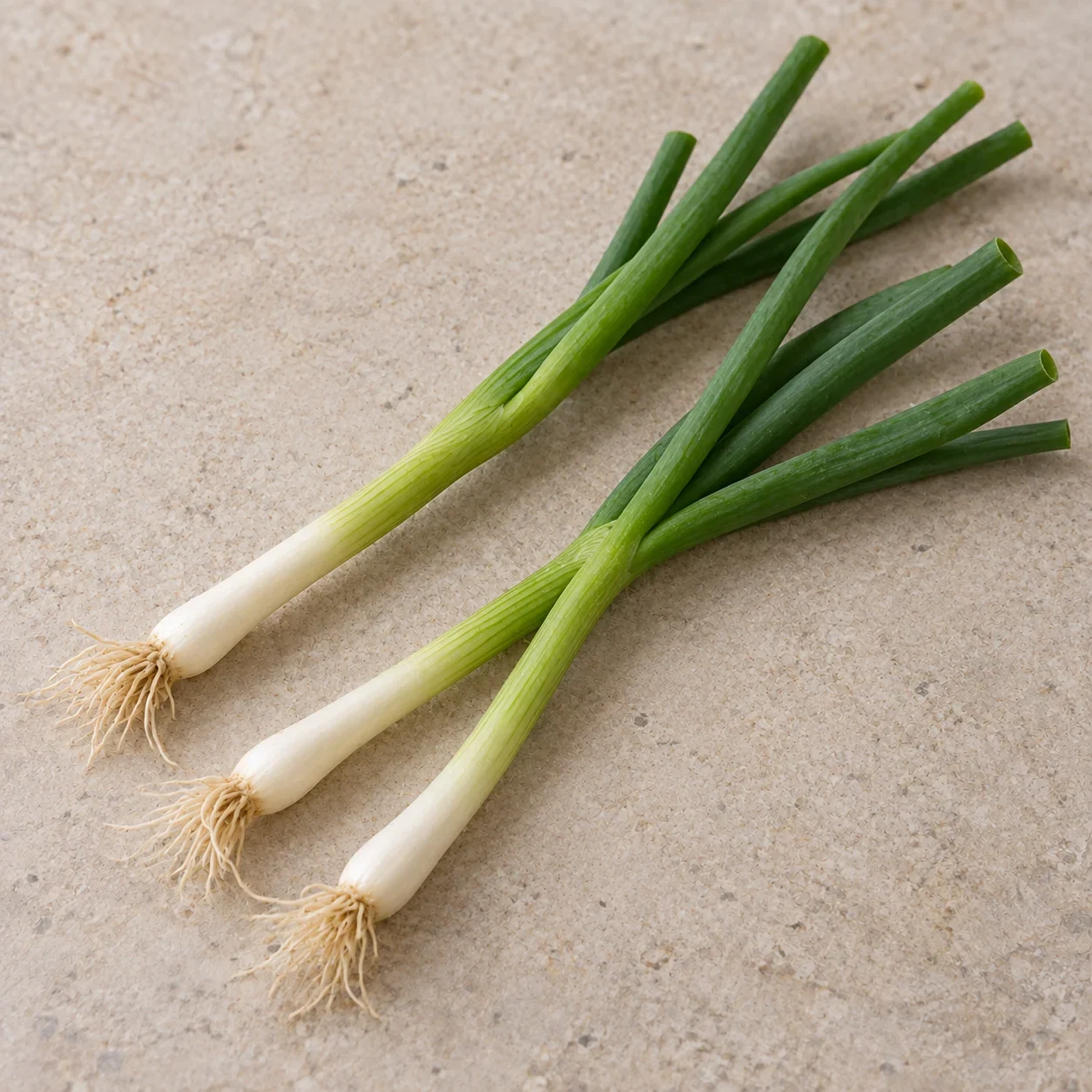
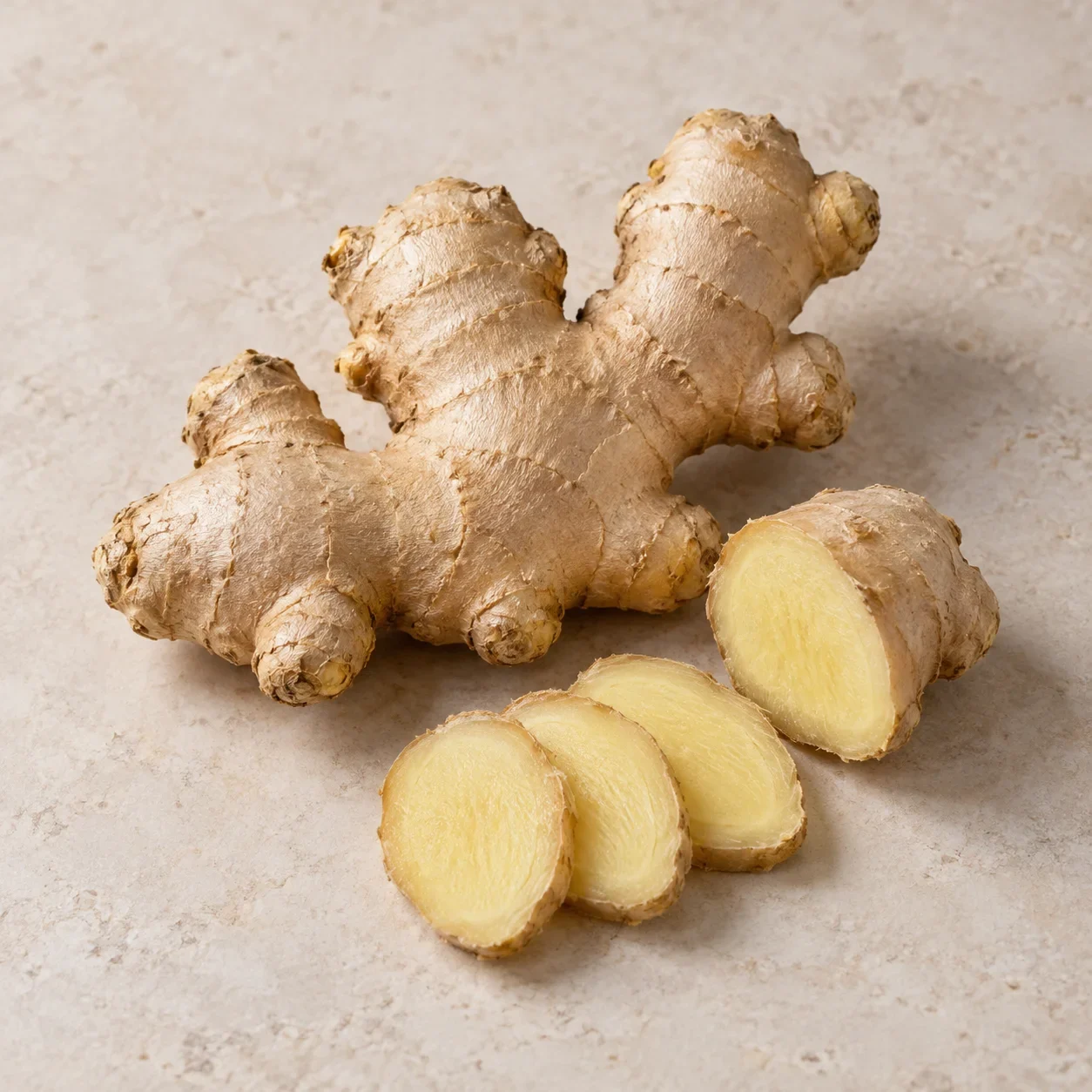
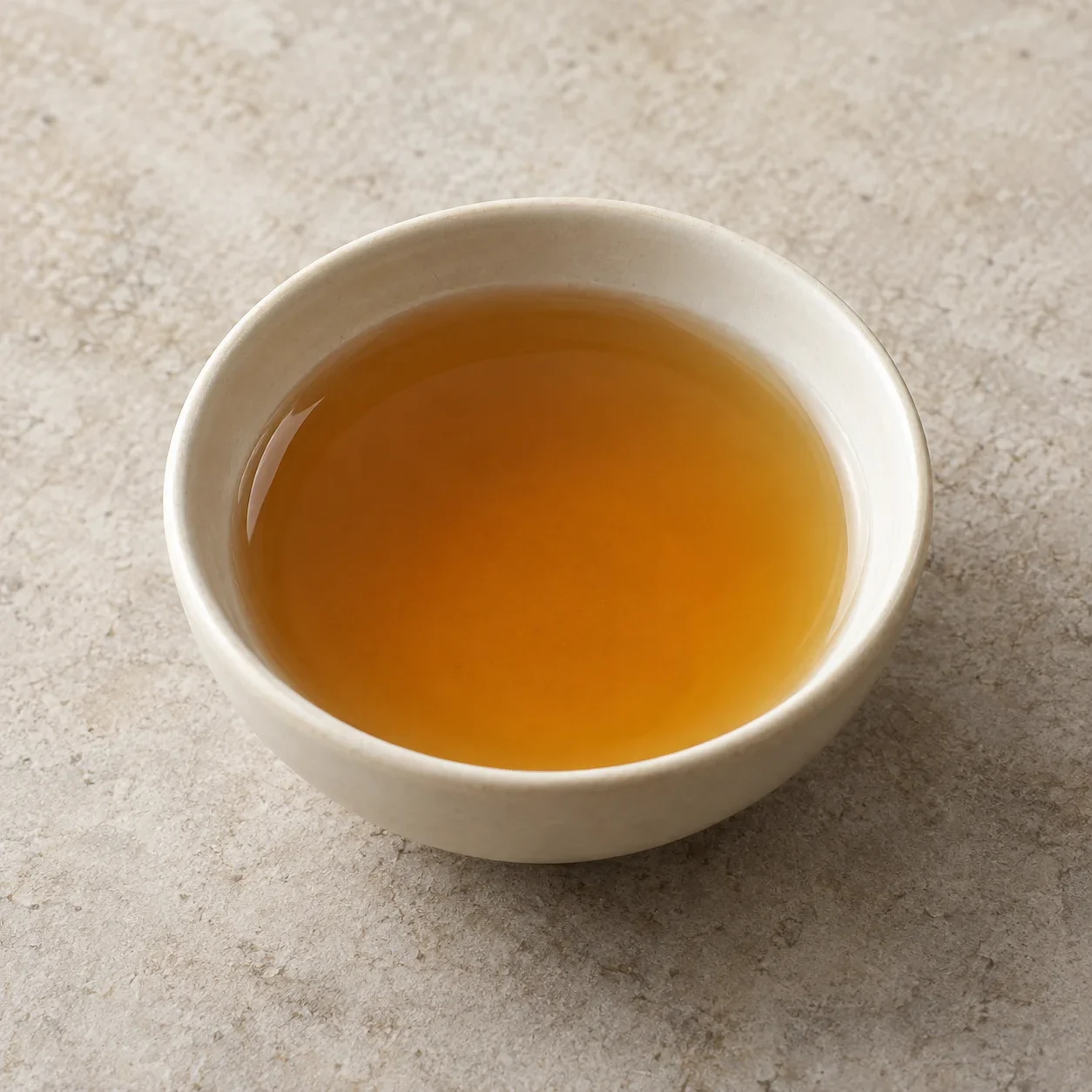
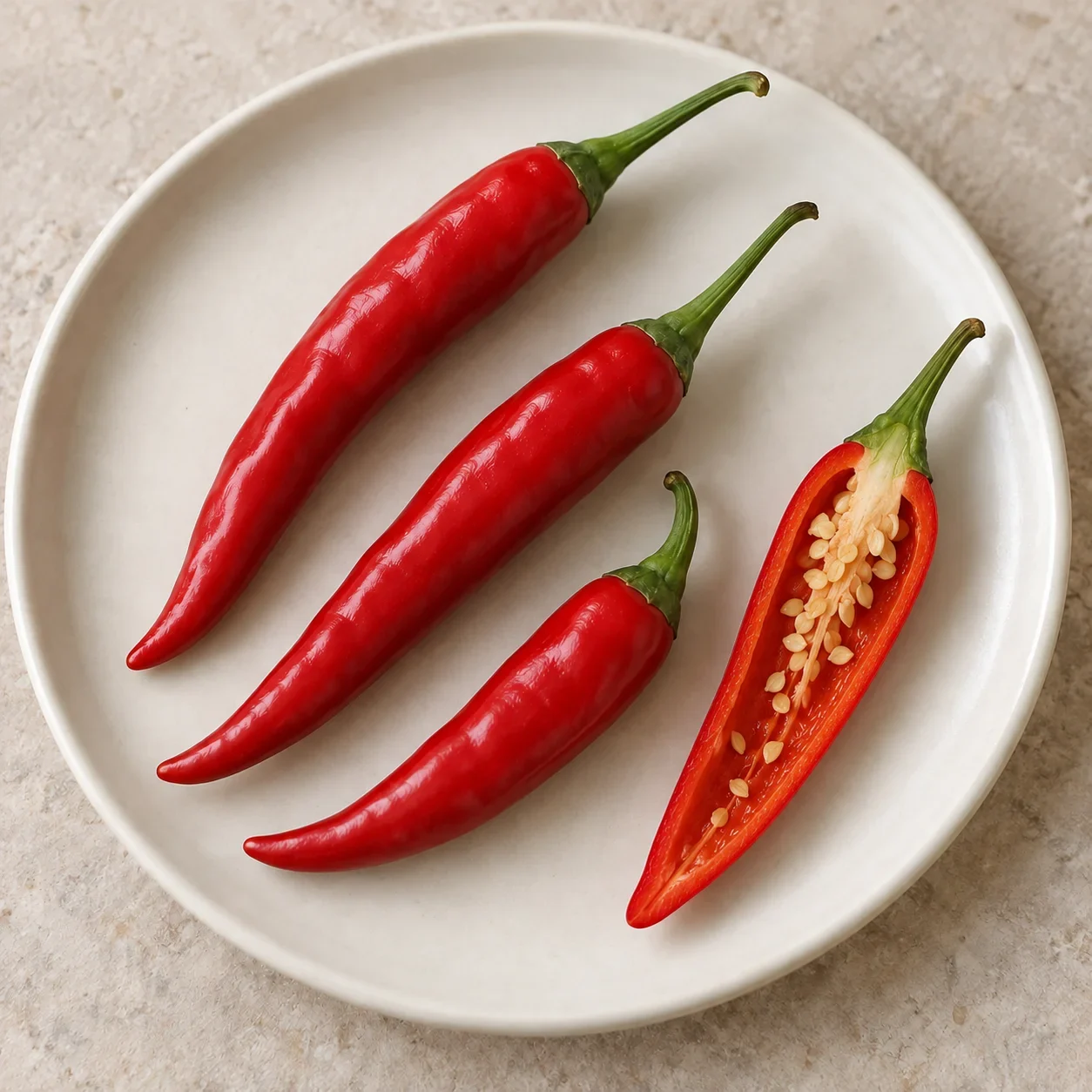
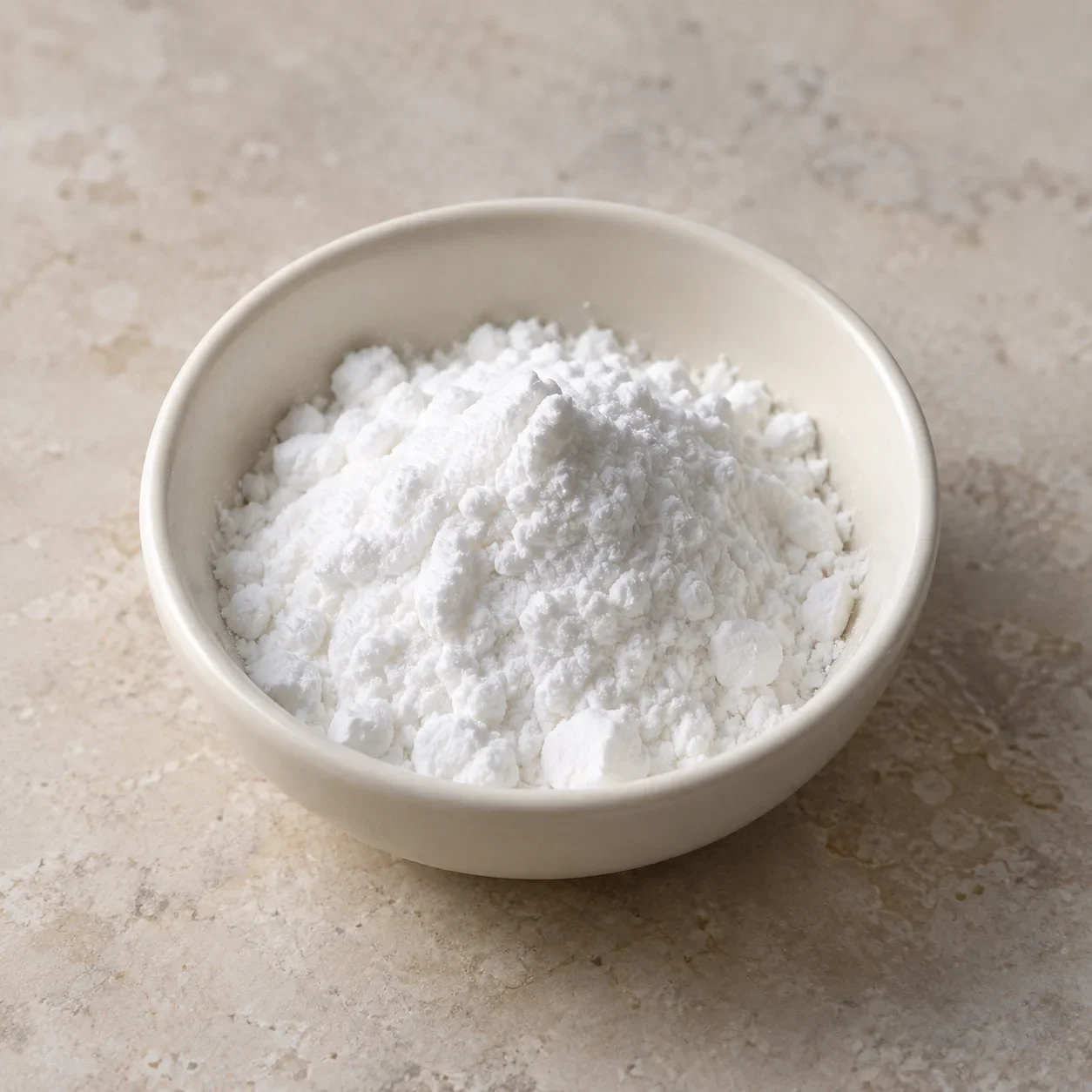
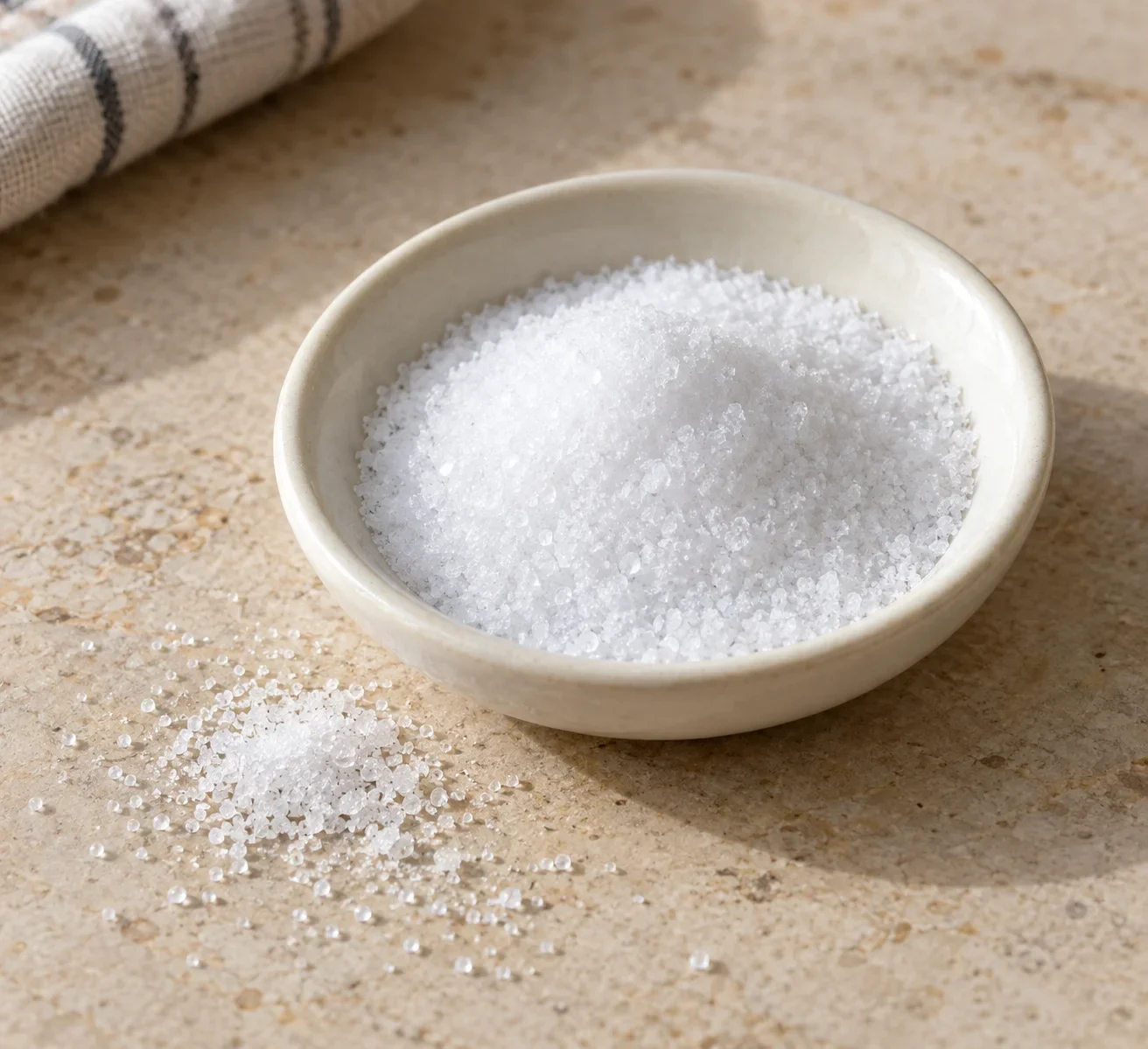
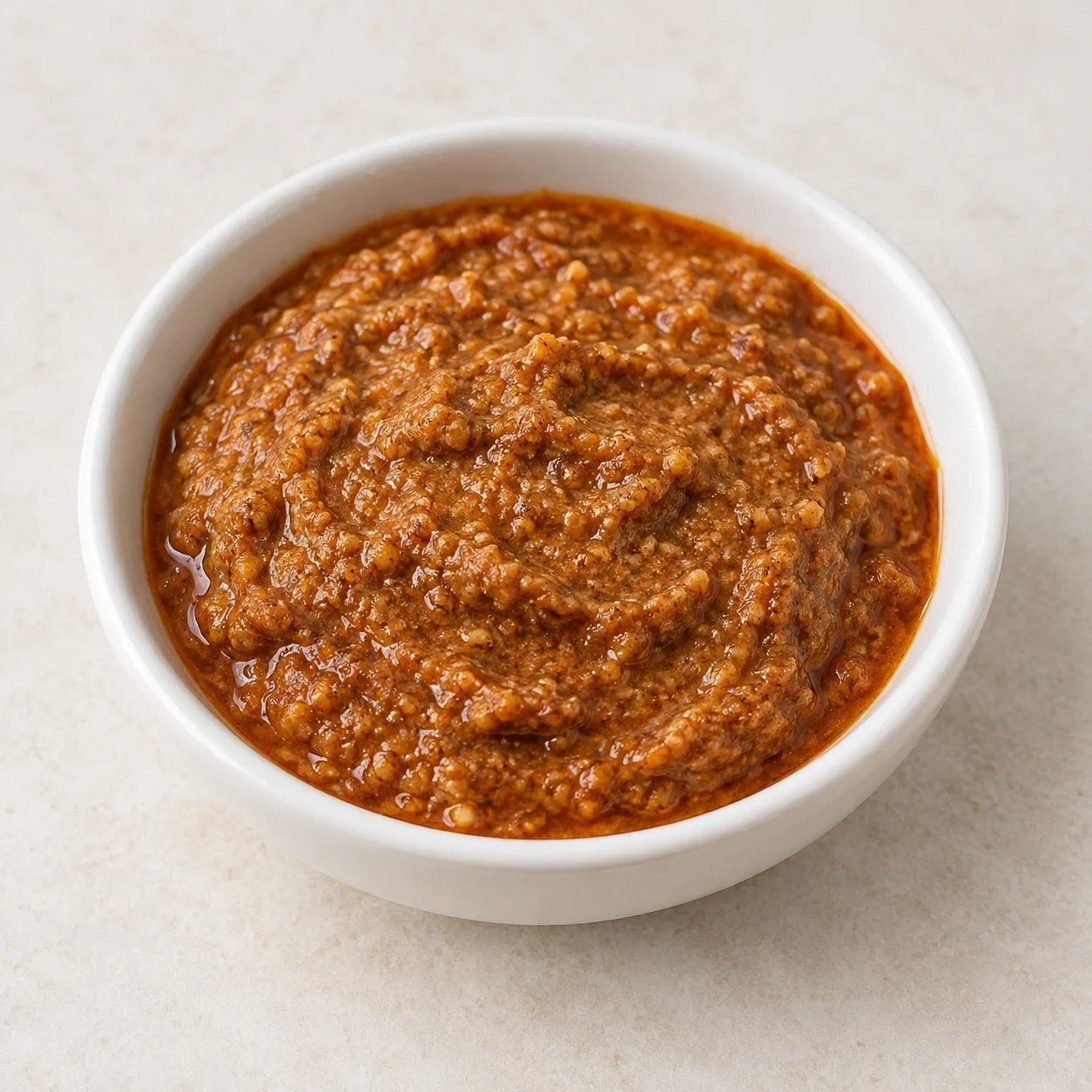
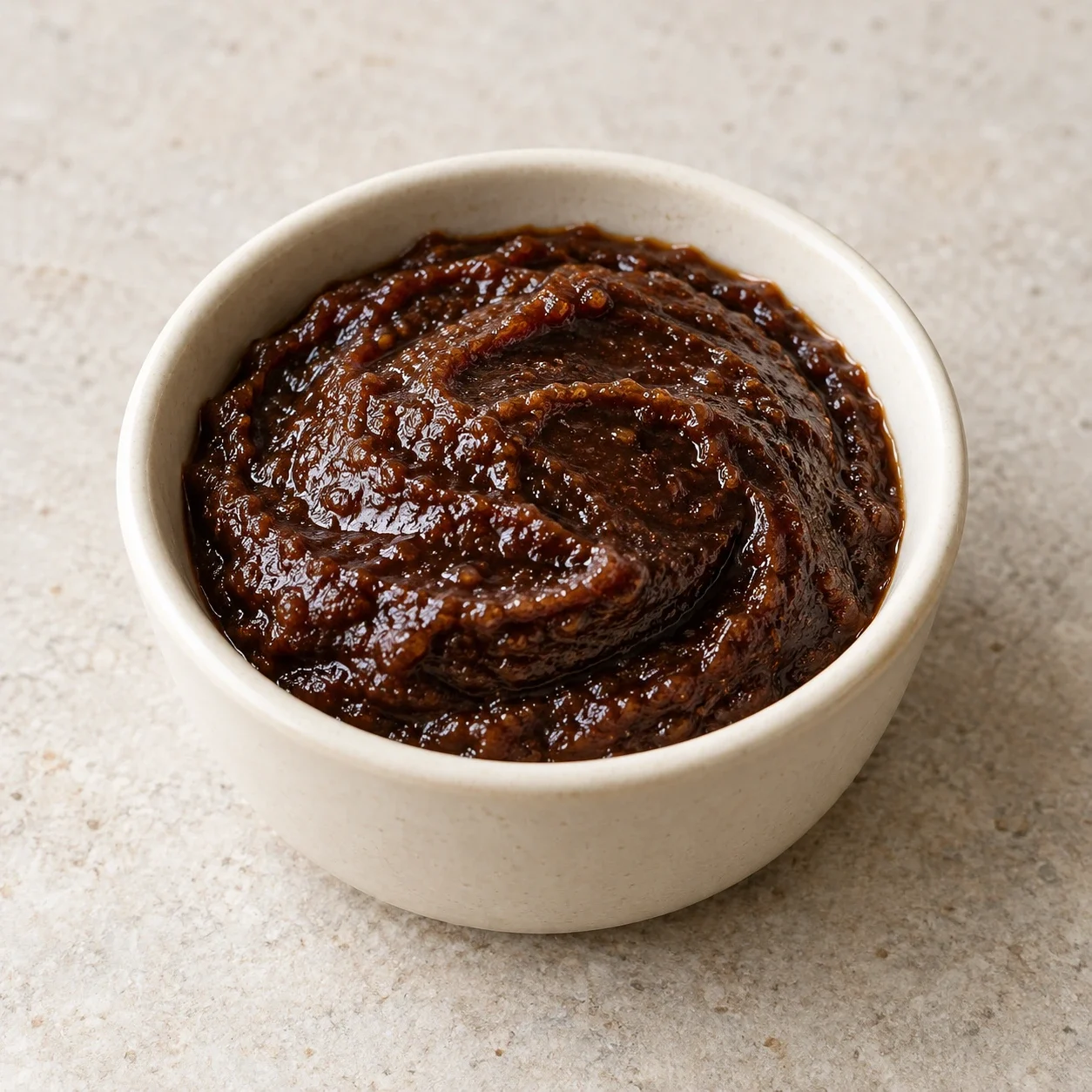
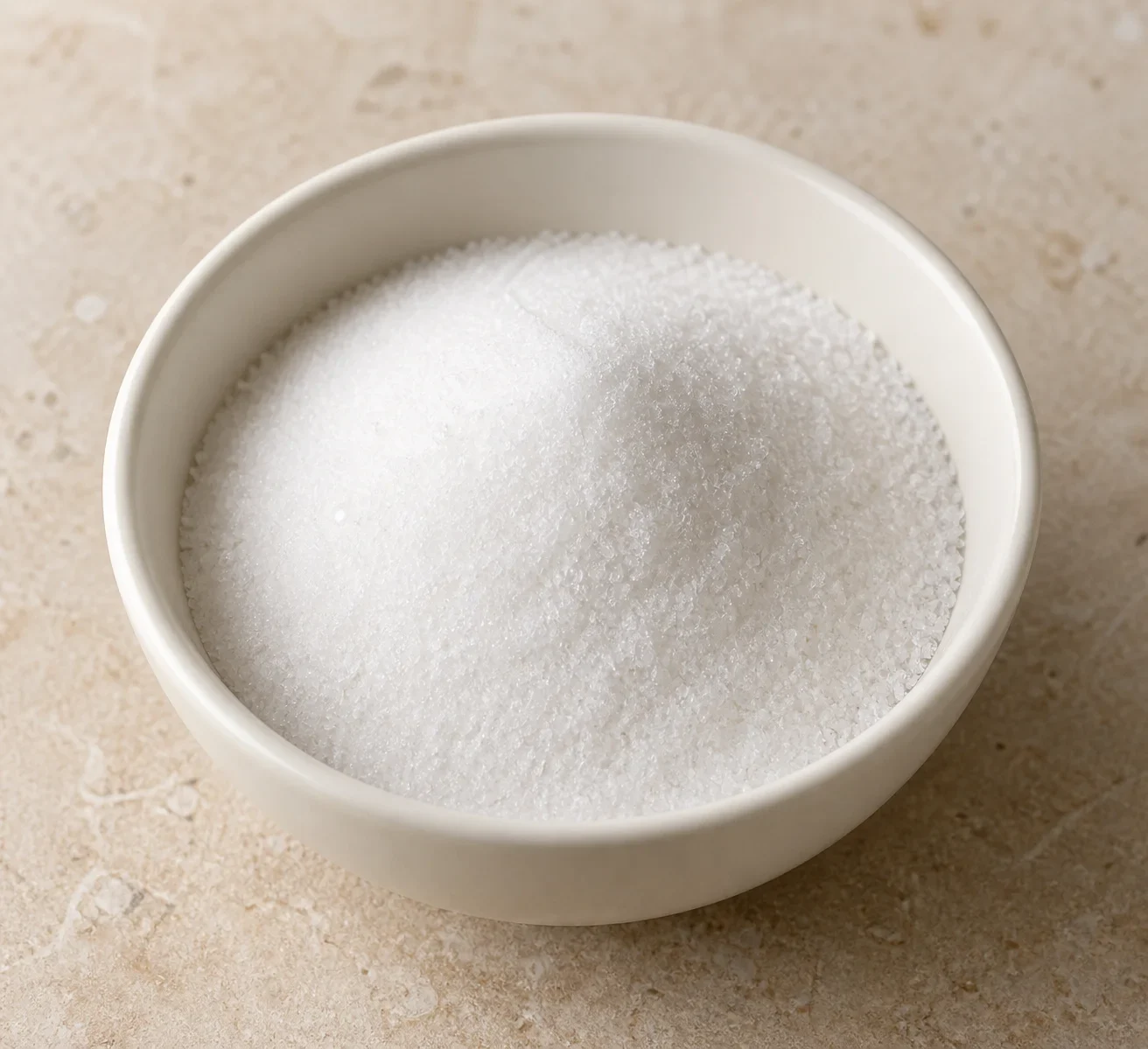
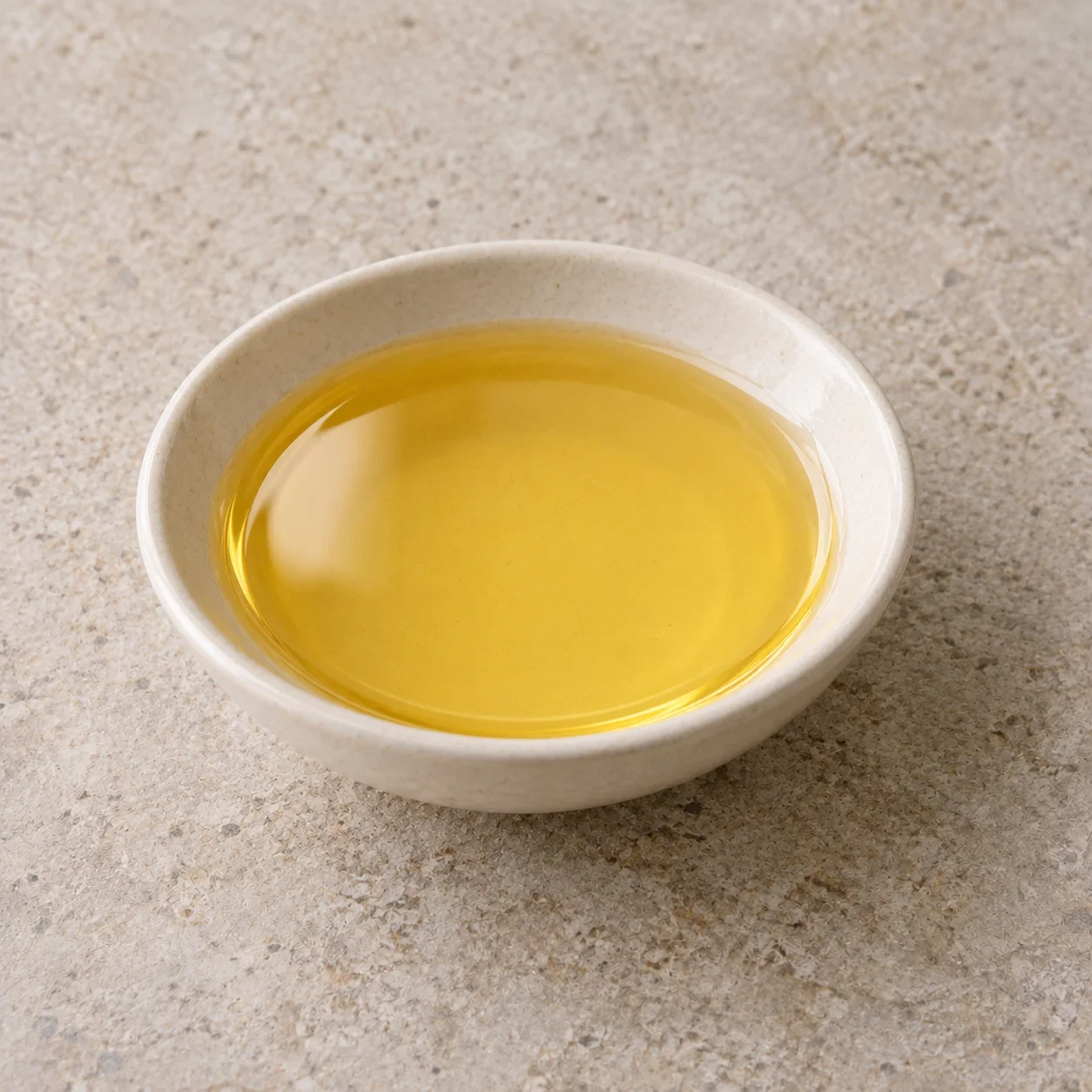
Recipes vary by restaurant.
How does it taste?
Savory, nutty and lightly sweet, with chili warmth.
- Chili heat
- Texture
- Tender but springy, with sauce caught in the honeycomb folds.
- How it’s made
- The tripe is simmered with aromatics, sliced, dressed with sauces, starch and scallion-infused peanut oil, then steamed with chili.
Sauces, chili quantity and tenderness differ by preparation.
A CONNECTION TO PLACE
Origin & regional roots
Associated with Hong Kong. Associated with Guangdong.
About this regional connection
Hong Kong: Cantonese dimsum cooking and serving context. Guangdong: Cantonese dimsum cooking and serving context.
Ask if they have it first
请问你们有广式金钱肚吗?
Do you have this item?
A LITTLE SOMETHING TO READ
Story & history
The honeycomb dim sum
This account describes a tradition or story, rather than an established historical fact.
Jinqian du refers here to the honeycomb-textured compartment of a cow’s stomach, not coins or a type of mushroom. Simmering softens it before a final steaming in sauce; the folds hold the seasoning.