At the table
Order beef or offal clearly and ask about heat before ordering. Lift and loosen the noodles with chopsticks, then eat them with the beef and sprouts. Let the hot broth cool.
Contains wheat and beef, including animal fat and bone broth. Sauces may add other allergens. Less chili does not necessarily mean a mild broth.
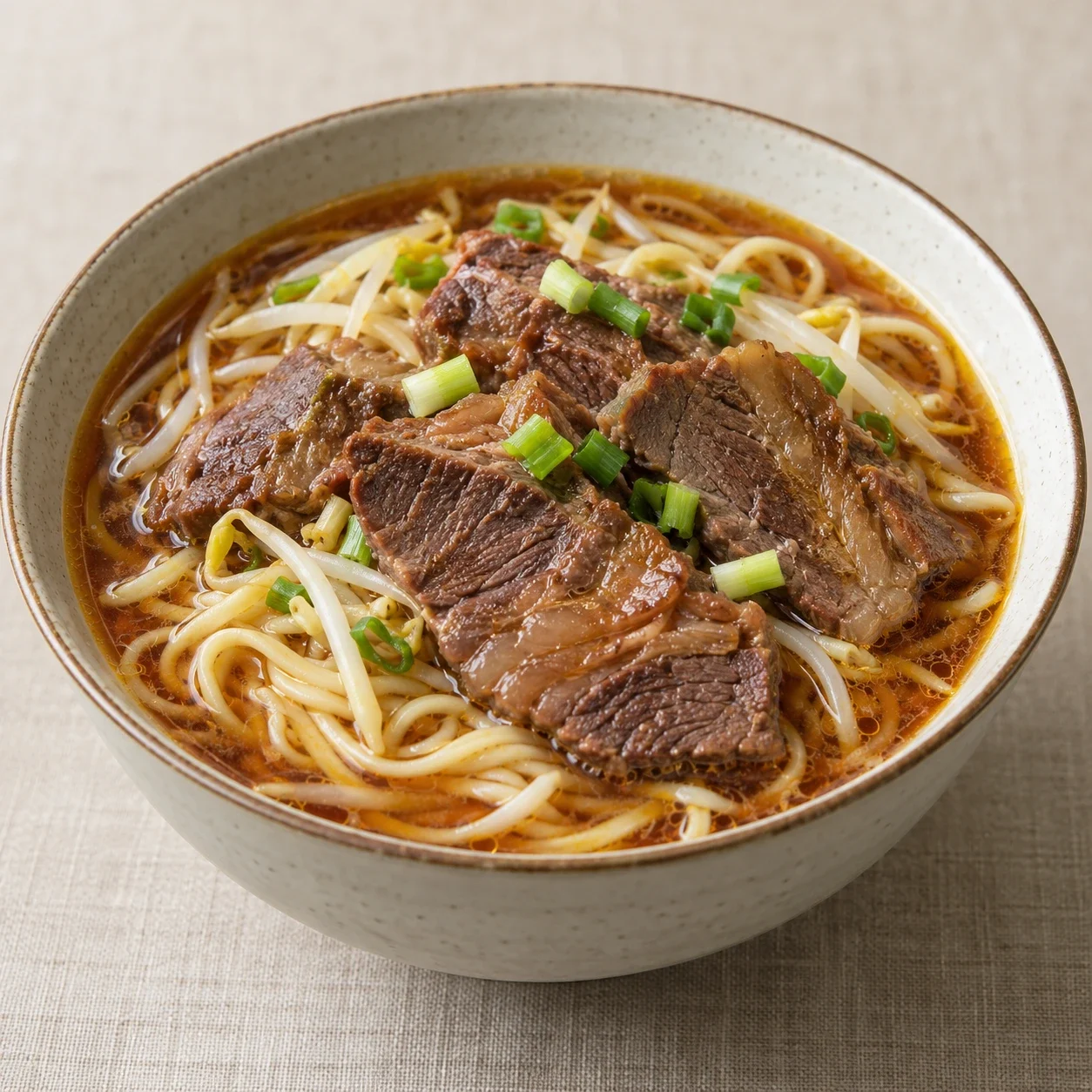
The image represents the beef-topped bowl. Seasoning blends and sprout varieties vary; a separate alcoholic drink is not required.
GET TO KNOW THE DISH
What goes into it?
Explore some key ingredients below. Preparations may use additional seasonings and ingredients.
Chili, Sichuan pepper and other seasonings vary. Some preparations use ginger, onion or coriander. Beef offal is another topping choice, not an obligatory part of this beef bowl.
Typical ingredients
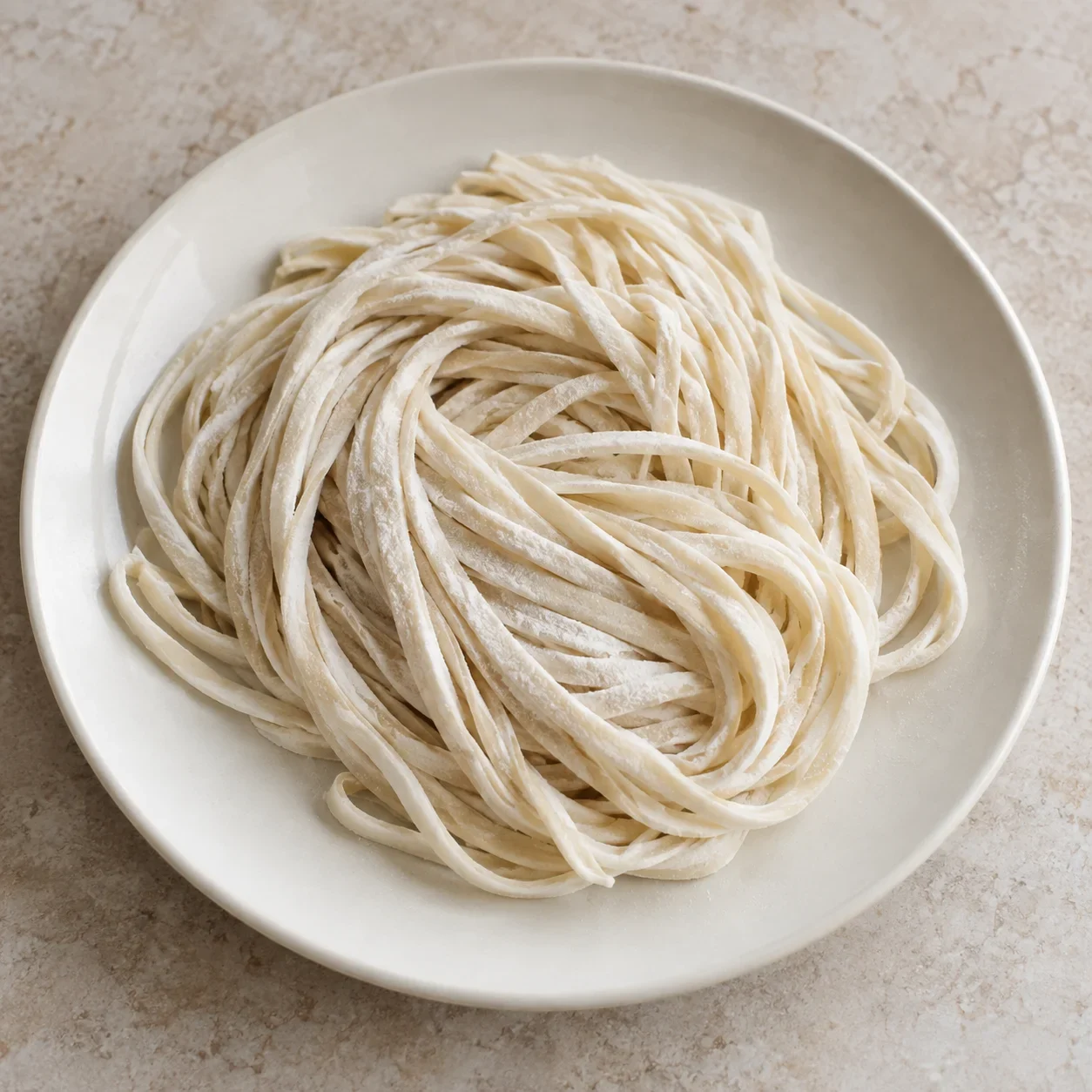
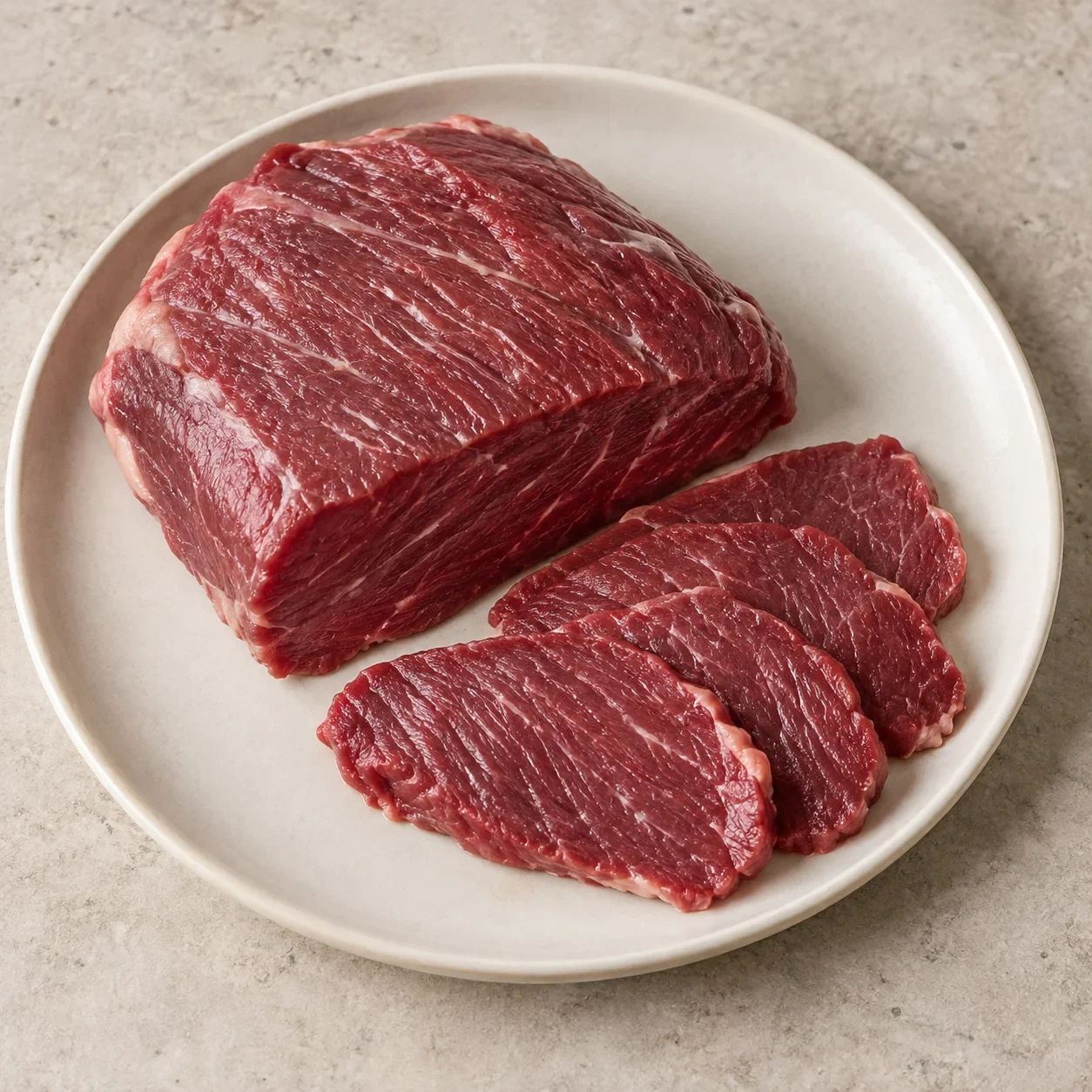
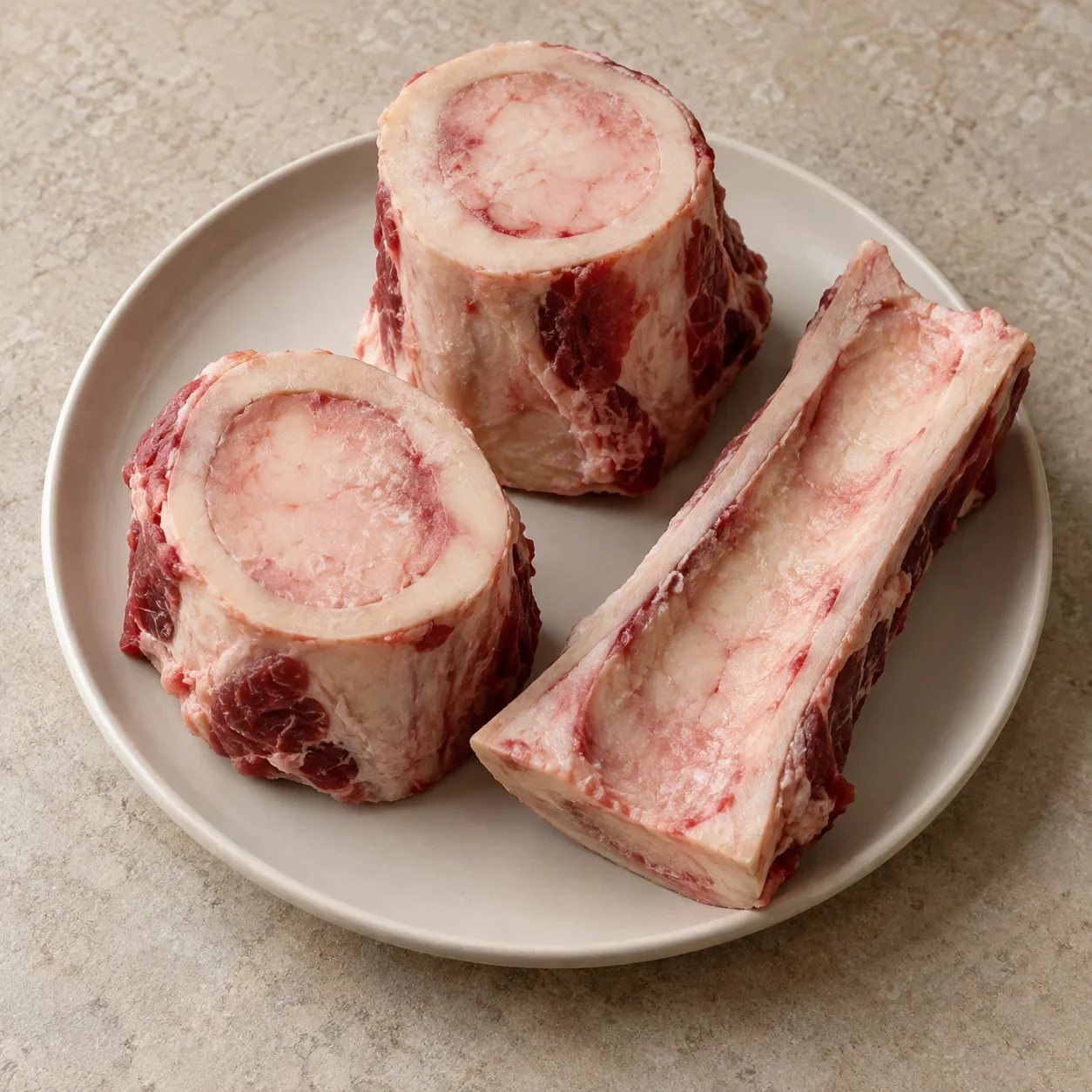
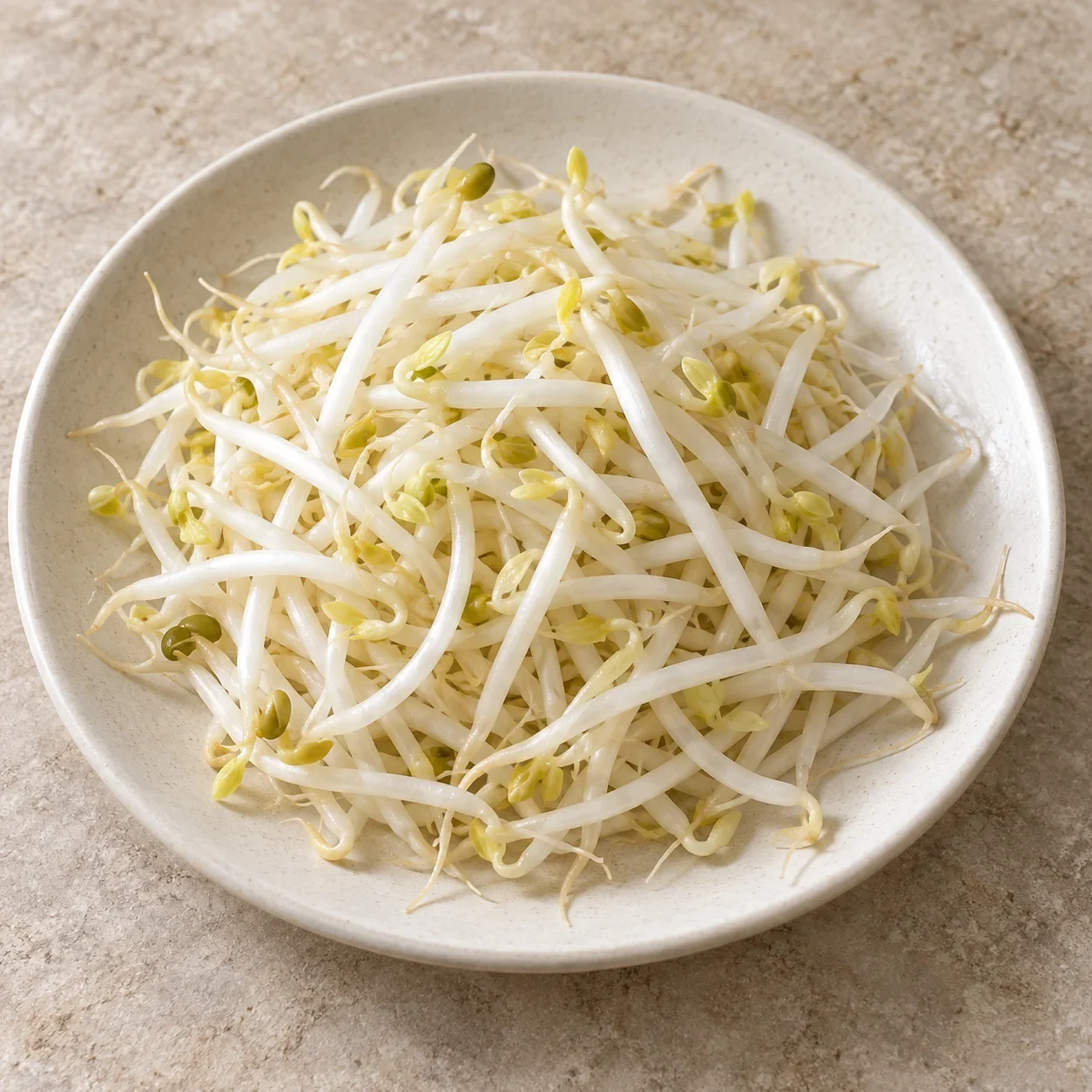
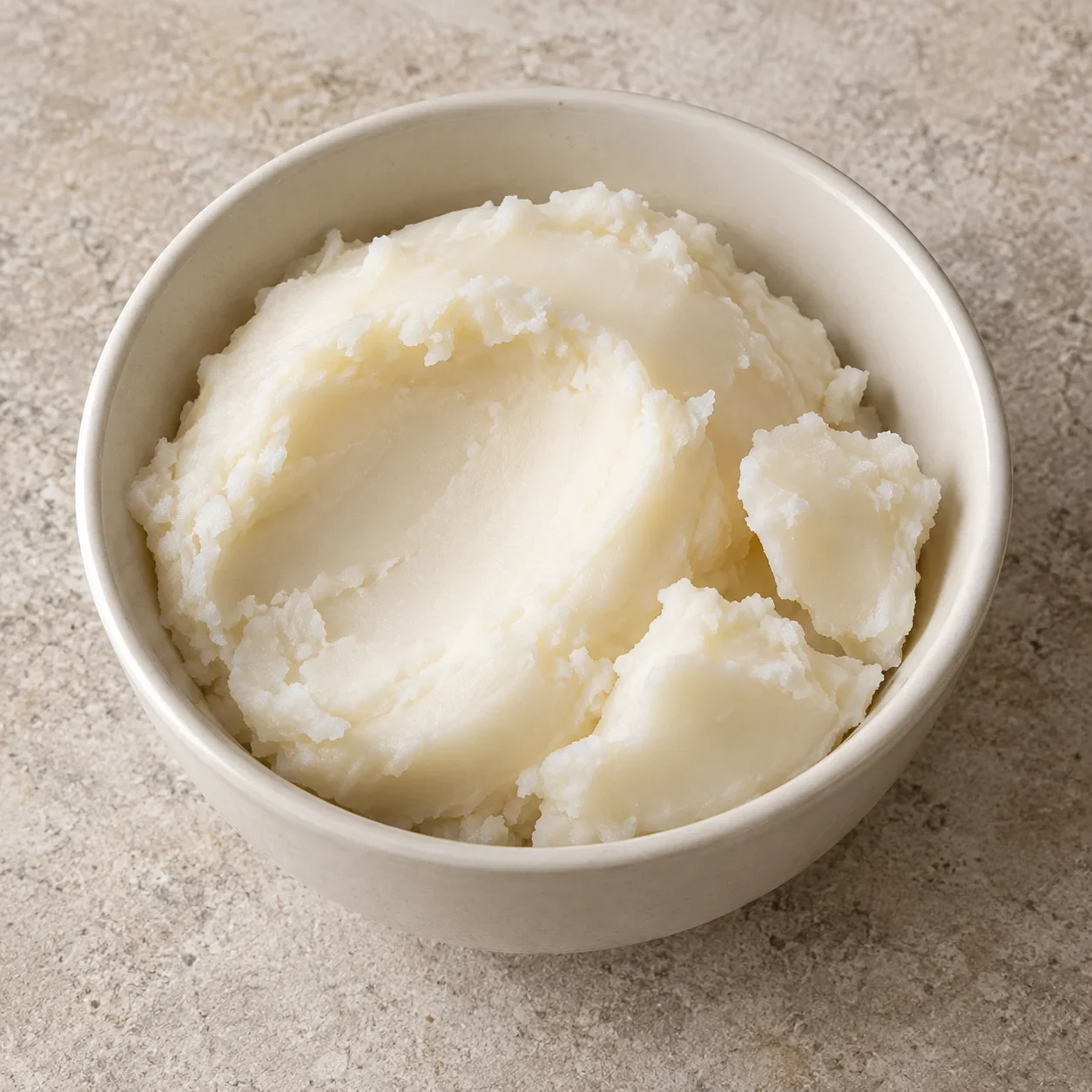
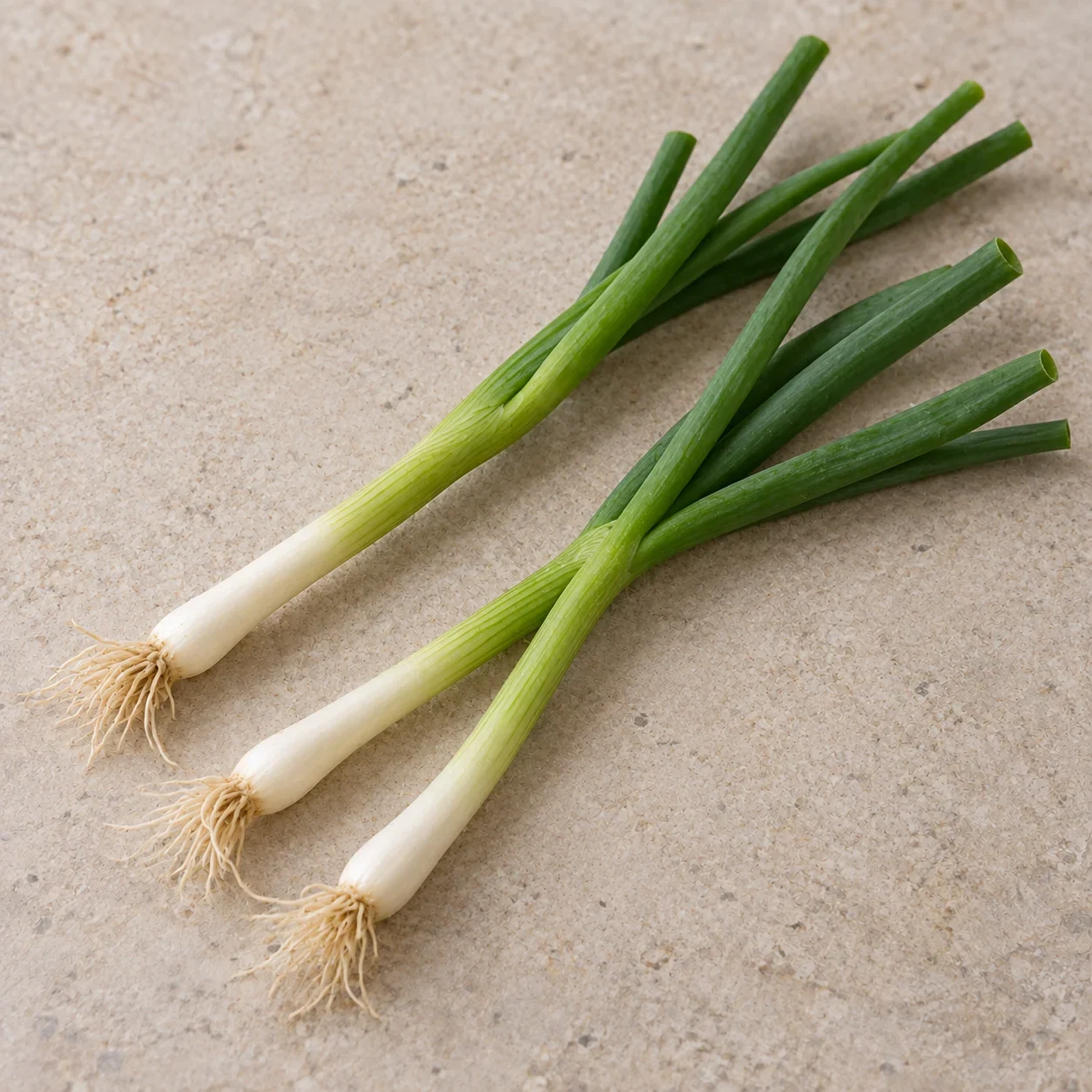
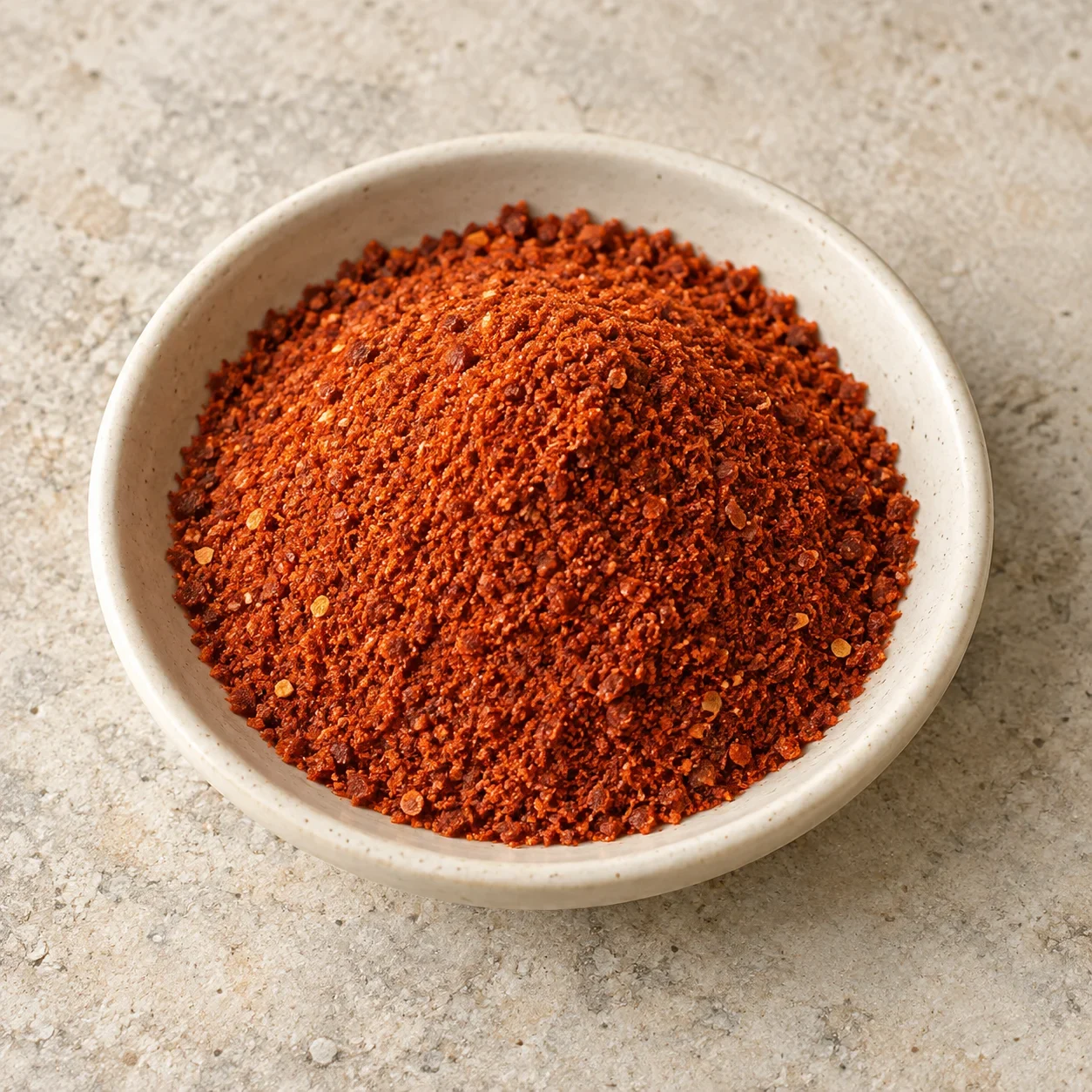
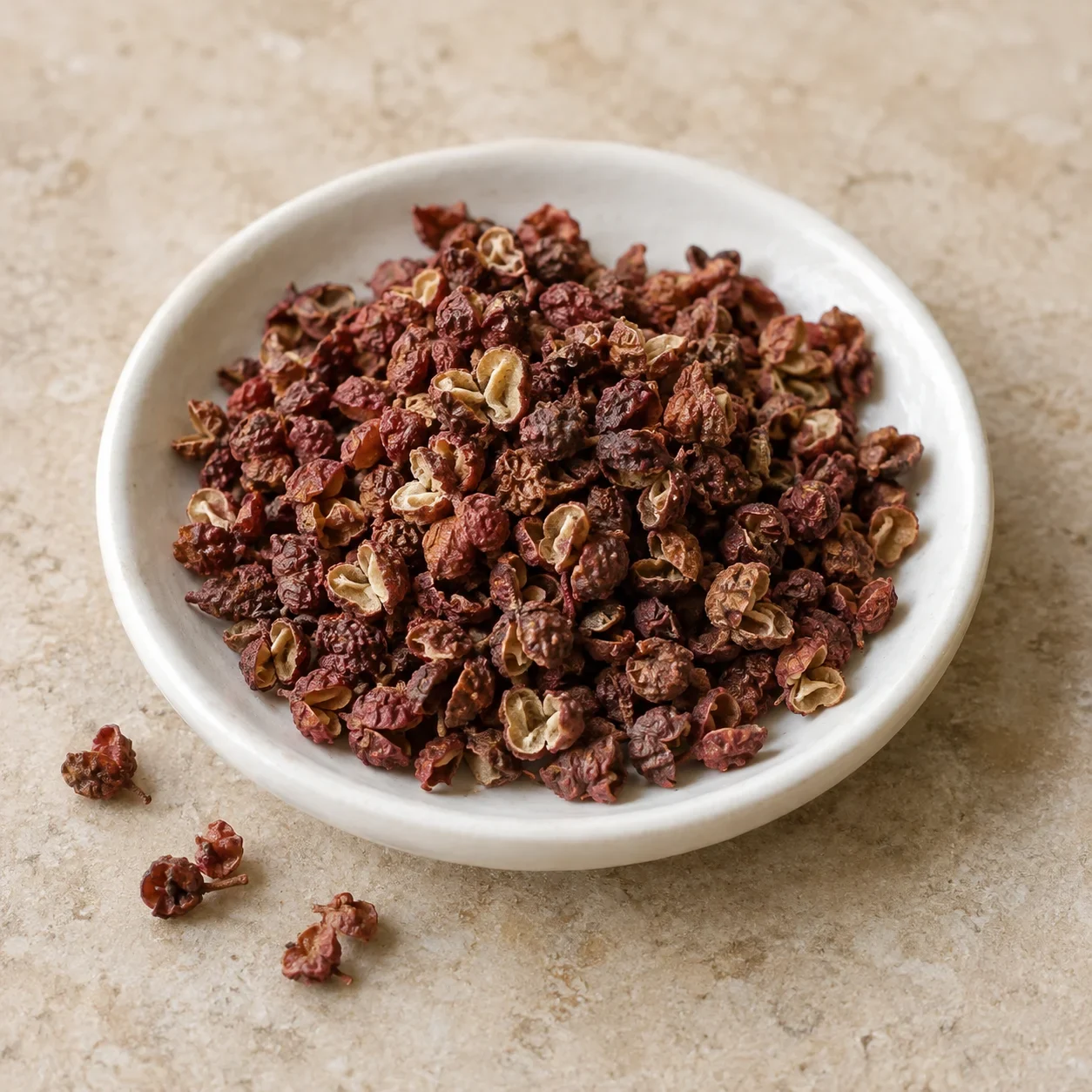

In some versions
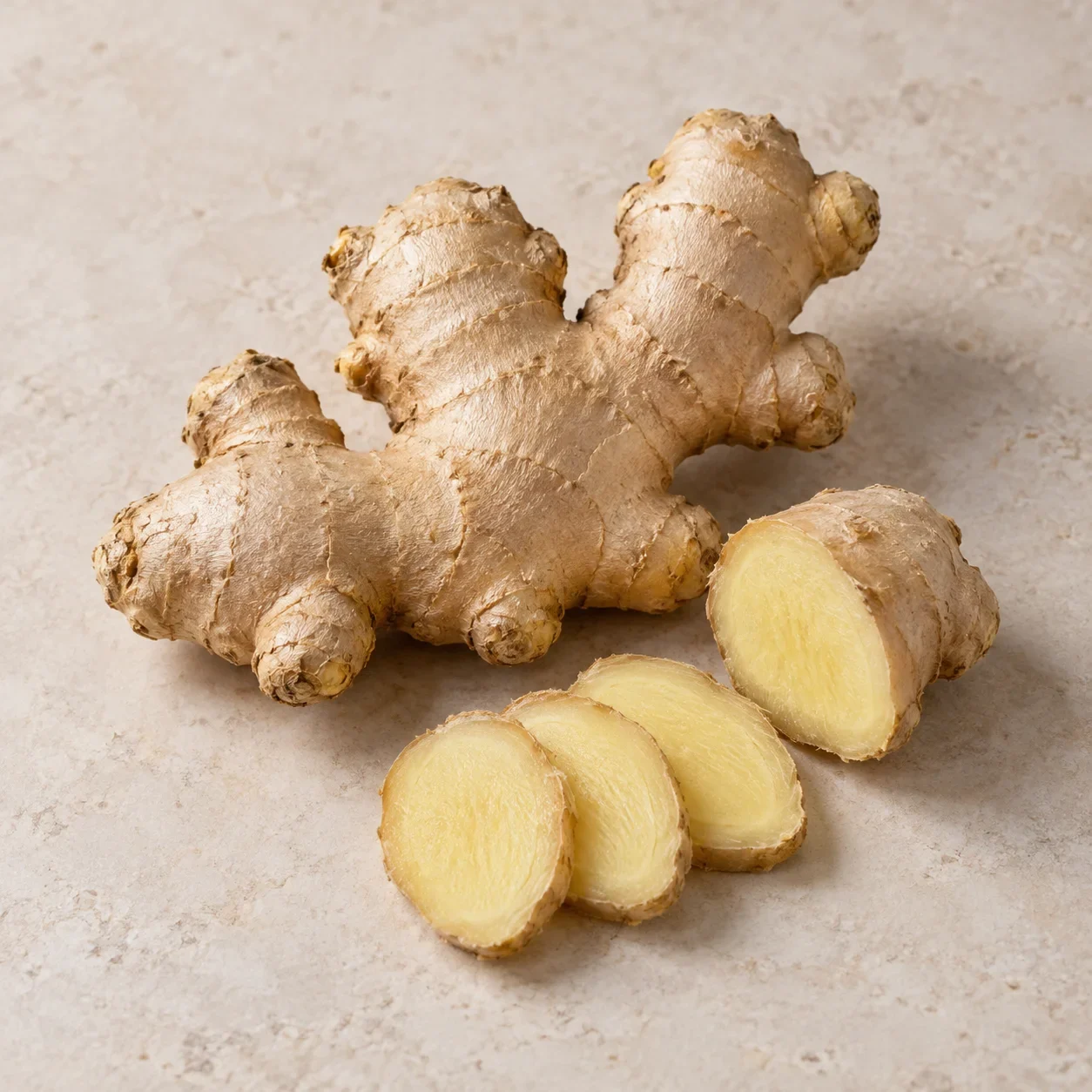
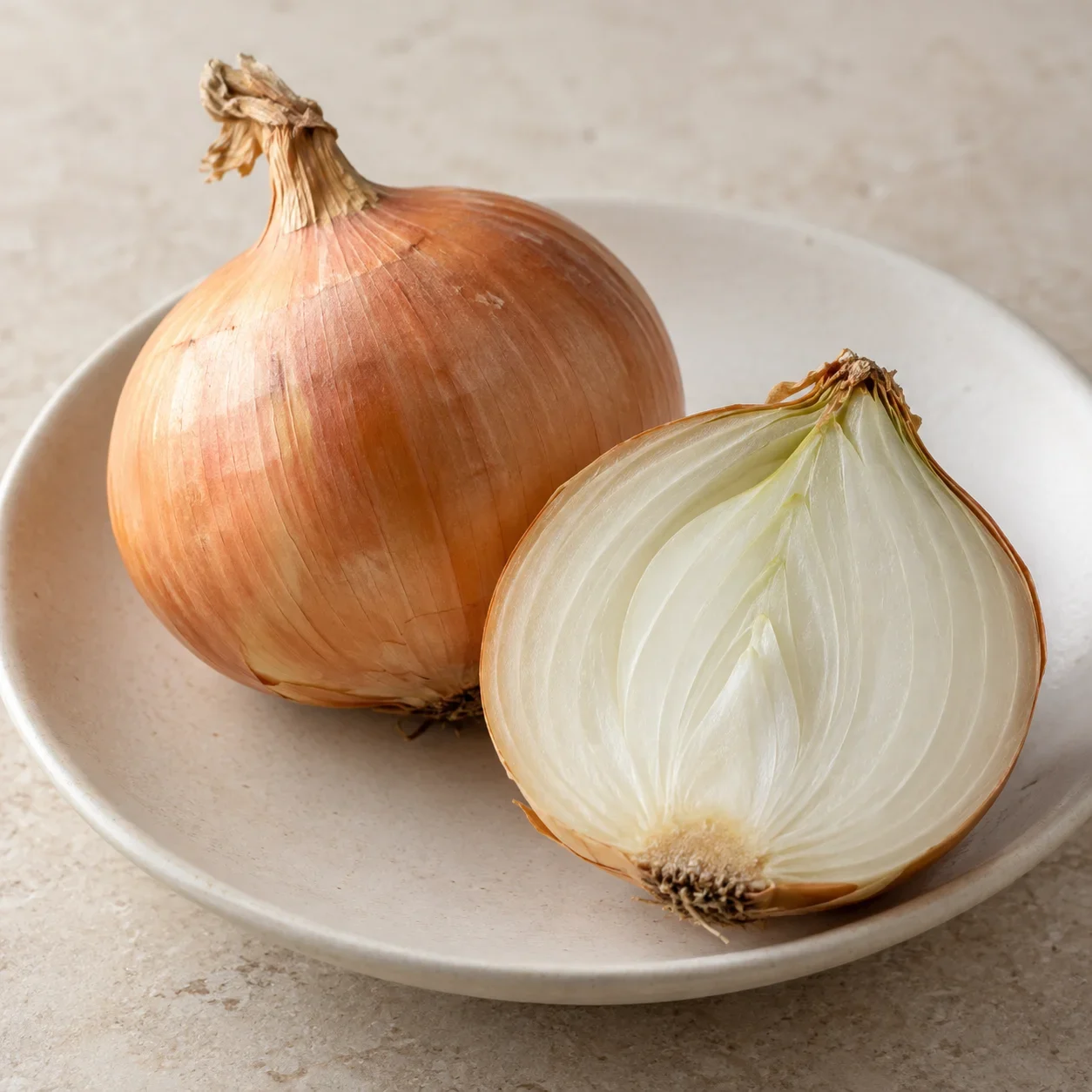
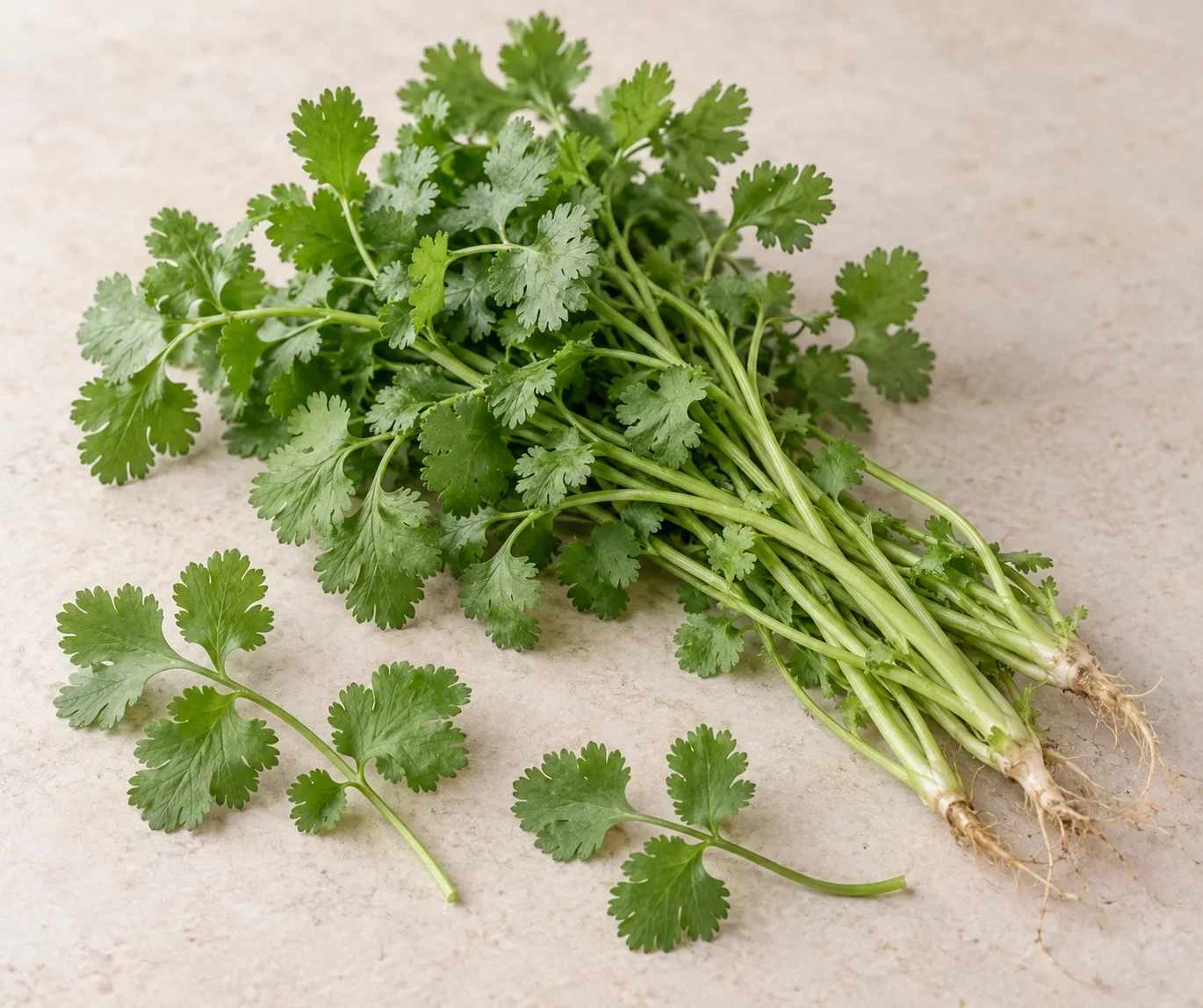
Recipes vary by restaurant.
How does it taste?
Savory, chili-hot and tingling; the intensity varies by shop.
- Chili heat
- Texture
- Springy noodles, crisp-tender sprouts and substantial pieces of cooked beef.
- How it’s made
- Noodles and sprouts are blanched, then topped with cooked beef, bone broth, spiced beef fat and scallions.
Chili, Sichuan pepper and other seasonings vary. Some preparations use ginger, onion or coriander. Beef offal is another topping choice, not an obligatory part of this beef bowl.
A CONNECTION TO PLACE
Origin & regional roots
Its origins are linked to Hubei.
About this regional connection
Hubei: Xiangyang city breakfast noodle version.
Ask if they have it first
请问你们有襄阳牛肉面吗?
Do you have this item?
A LITTLE SOMETHING TO READ
Story & history
A hearty Xiangyang breakfast
Noodle shops are part of Xiangyang’s morning routine. Locals may pair the bowl with huangjiu, a fermented alcoholic drink served separately.