
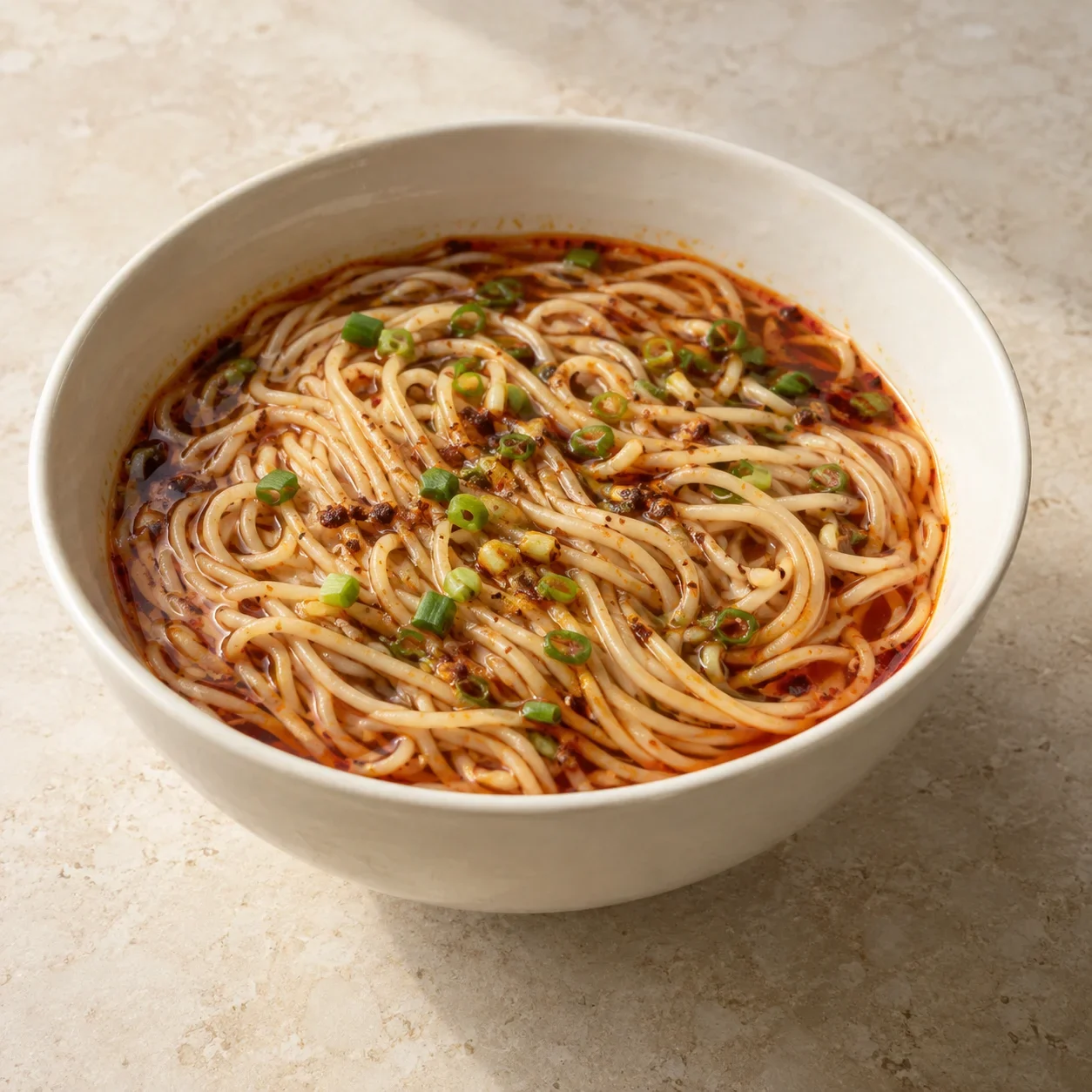
At the table
Mix the noodles from the bottom of the bowl to coat them with the seasoning. Eat with chopsticks, using a spoon for broth.
The bowl may contain peanuts, soy and pork fat as well as wheat noodles. Ask about the actual ingredients; chili heat and peppercorn numbness are separate sensations.
Brothy and dry versions are available. Toppings, fats and chili amounts vary; ask for less chili before ordering if needed.
GET TO KNOW THE DISH
What goes into it?
Explore some key ingredients below. Preparations may use additional seasonings and ingredients.
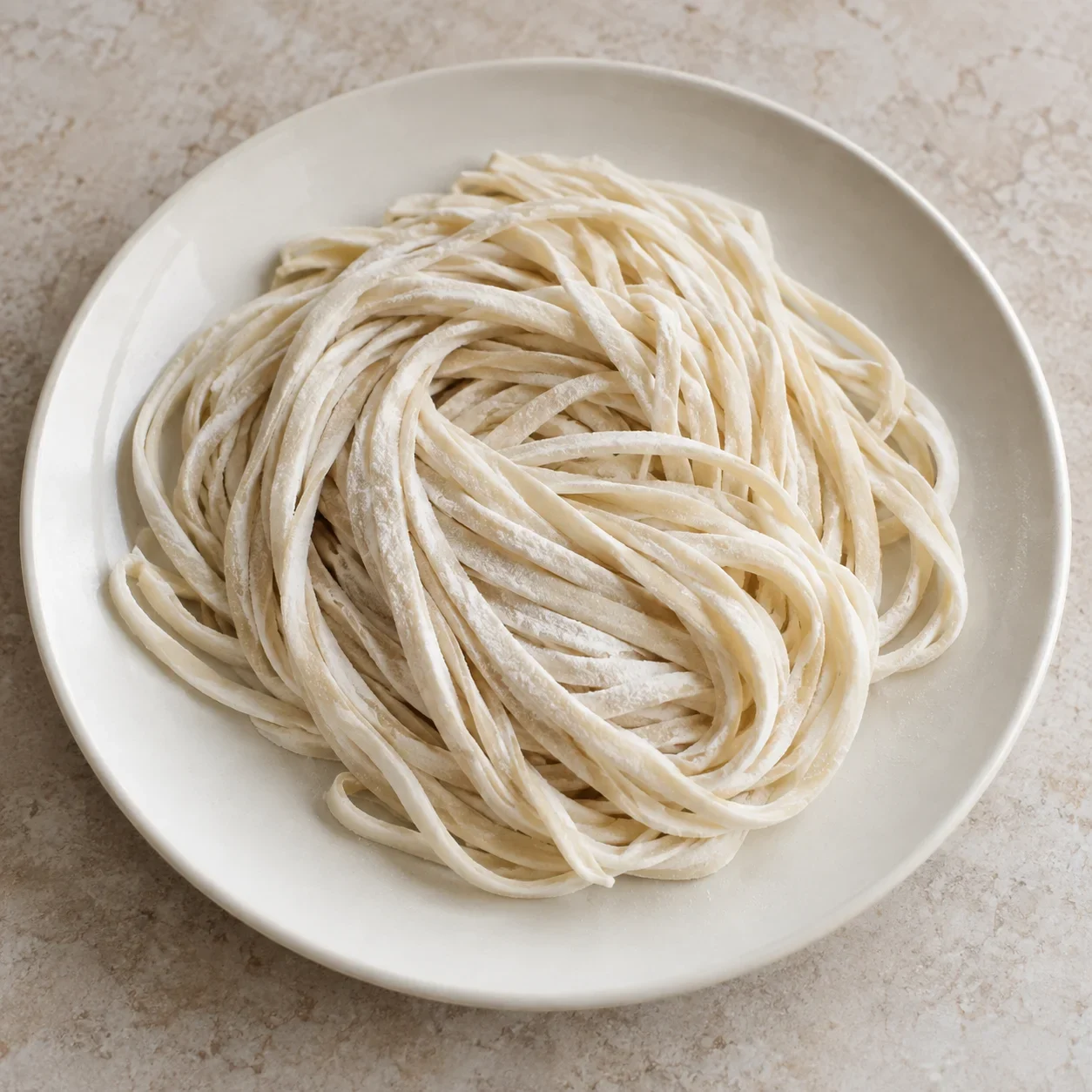 Wheat noodles小麦面条
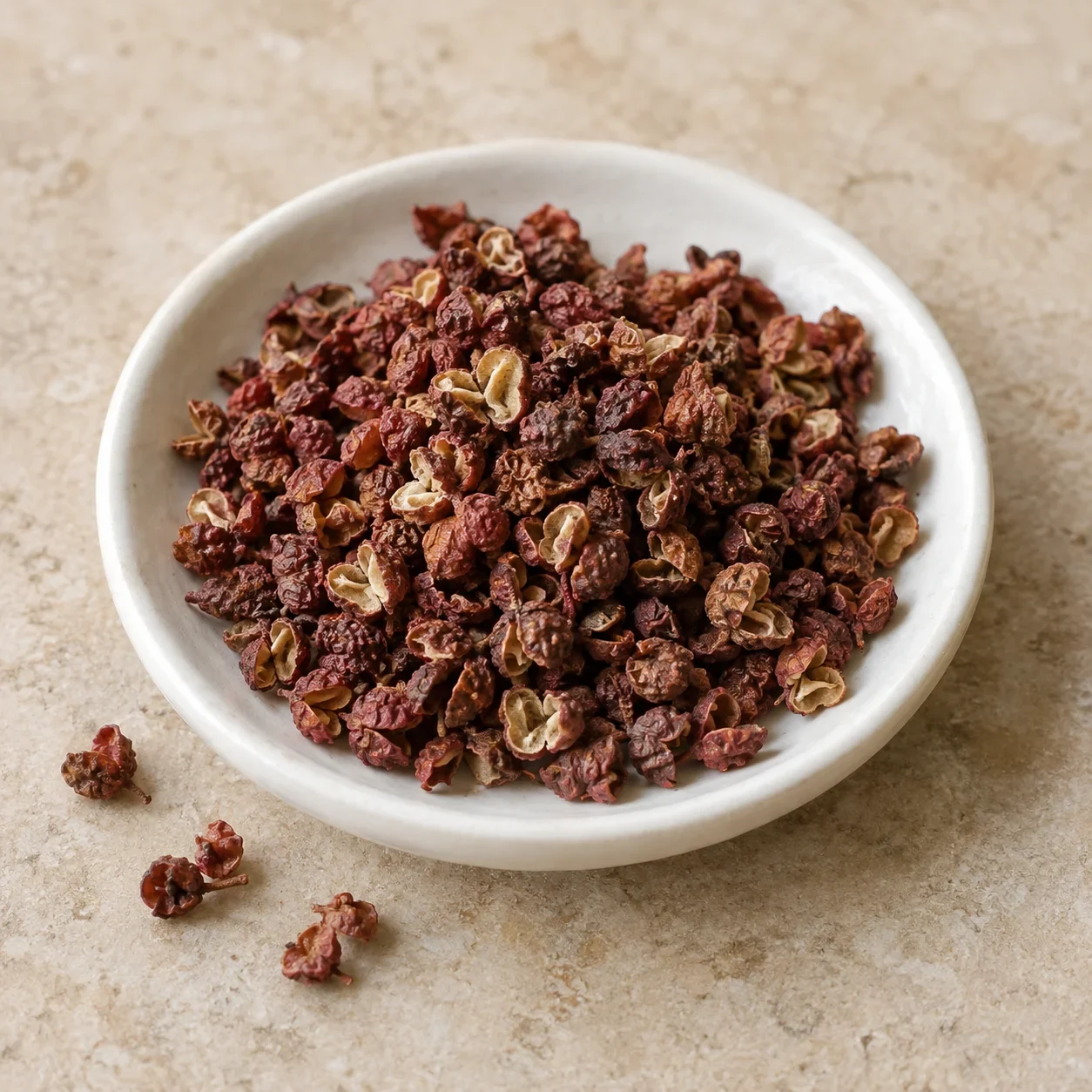 Sichuan peppercorns花椒
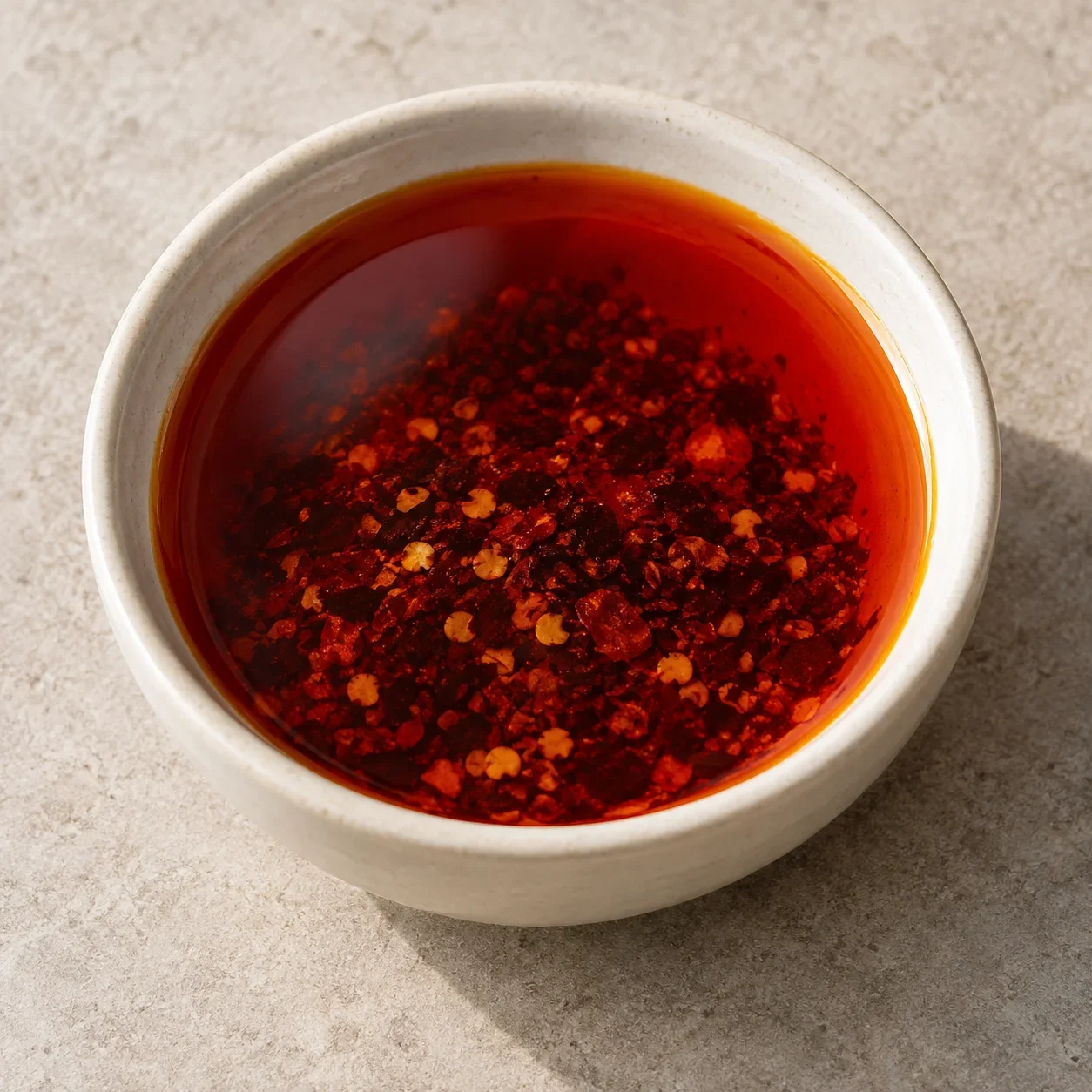 Chili oil辣椒油
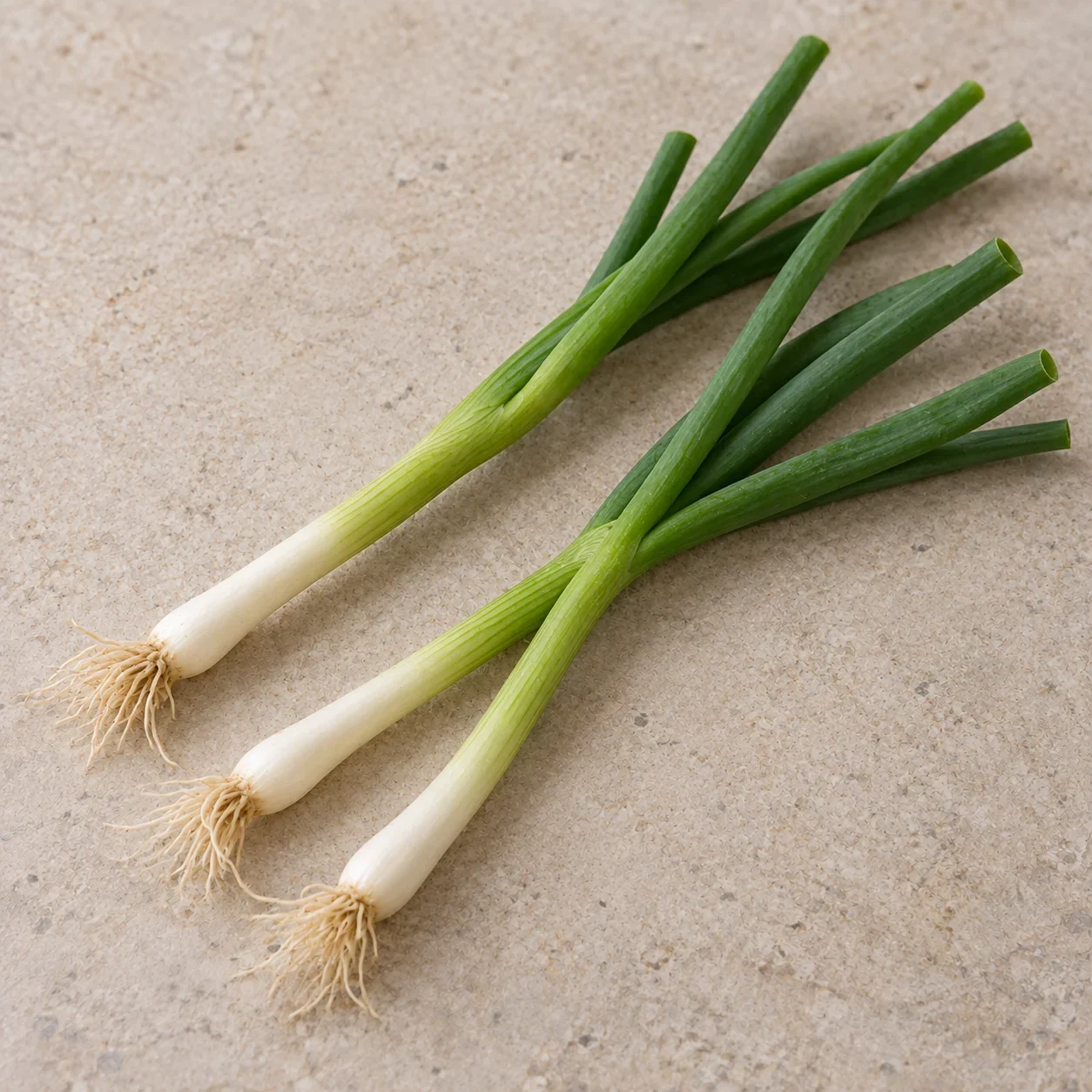 Scallions葱
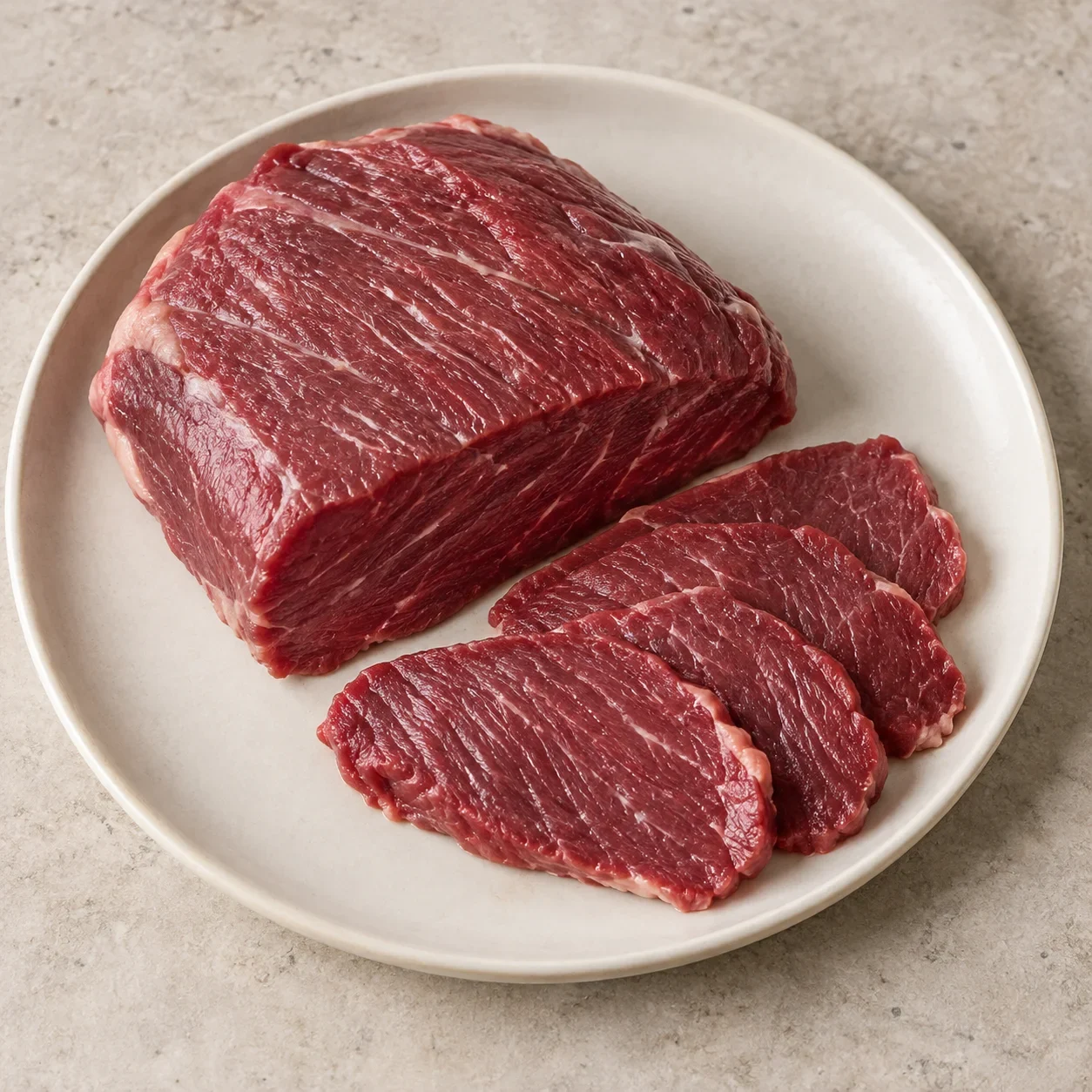 Beef牛肉
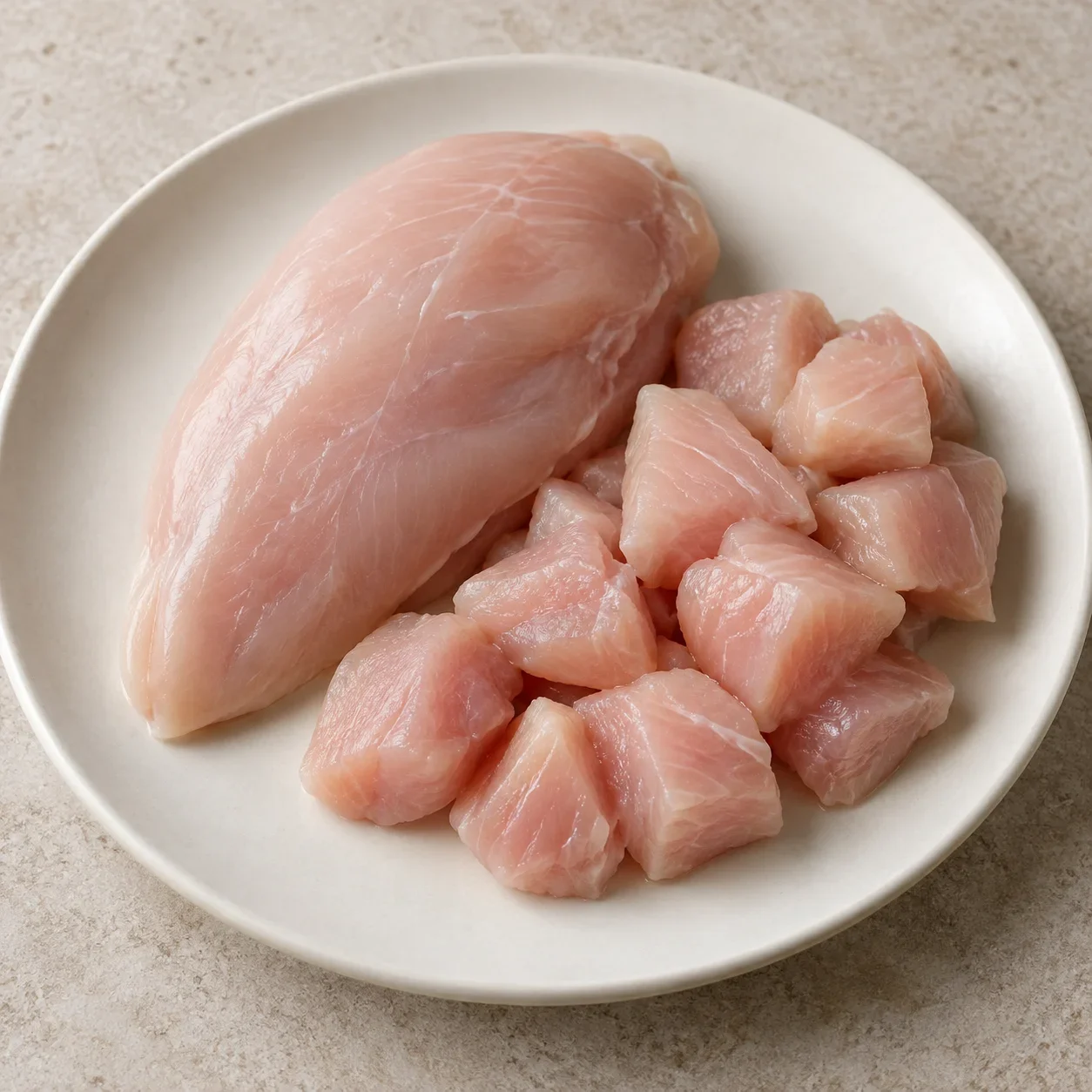 Chicken鸡肉
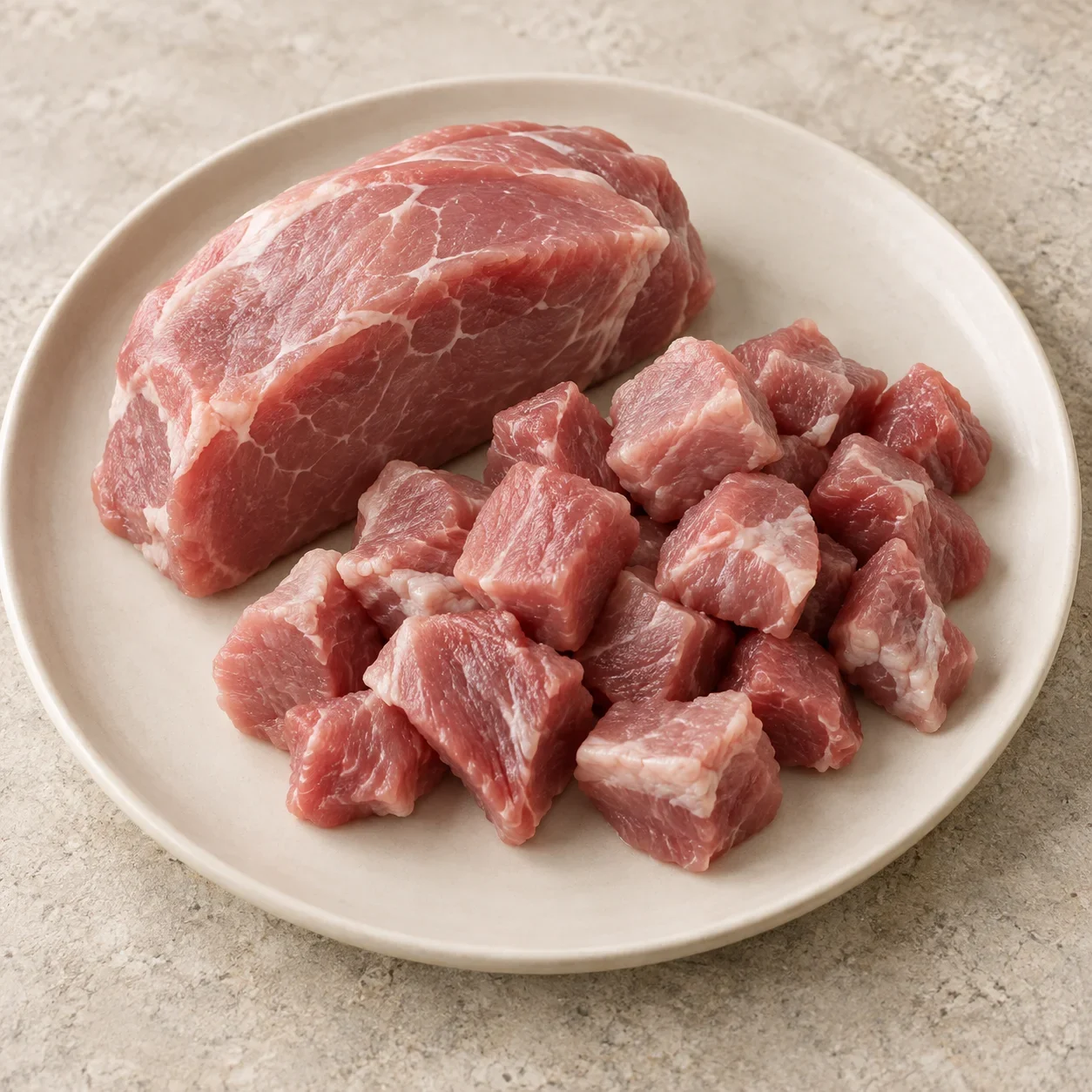 Pork猪肉
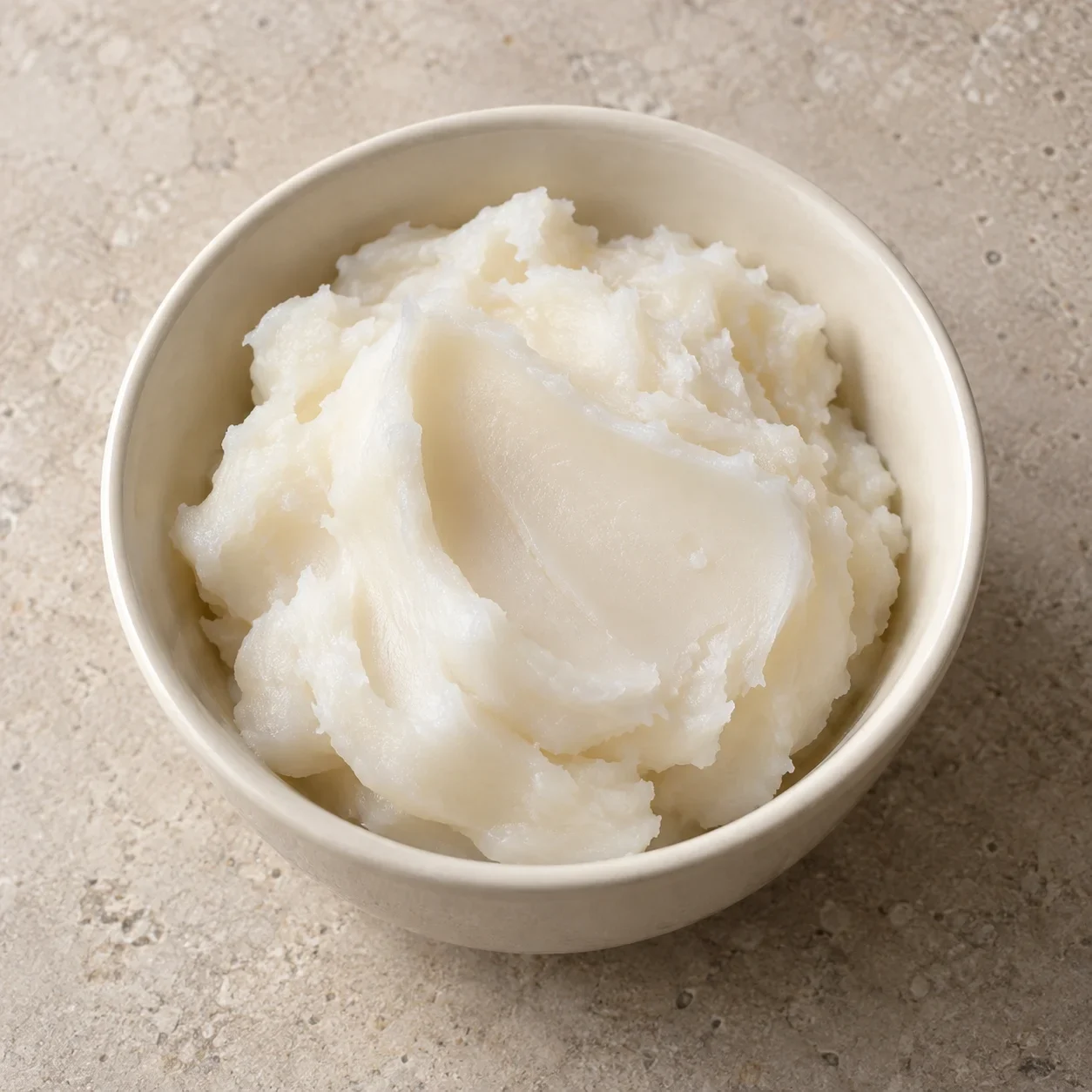 Lard猪油
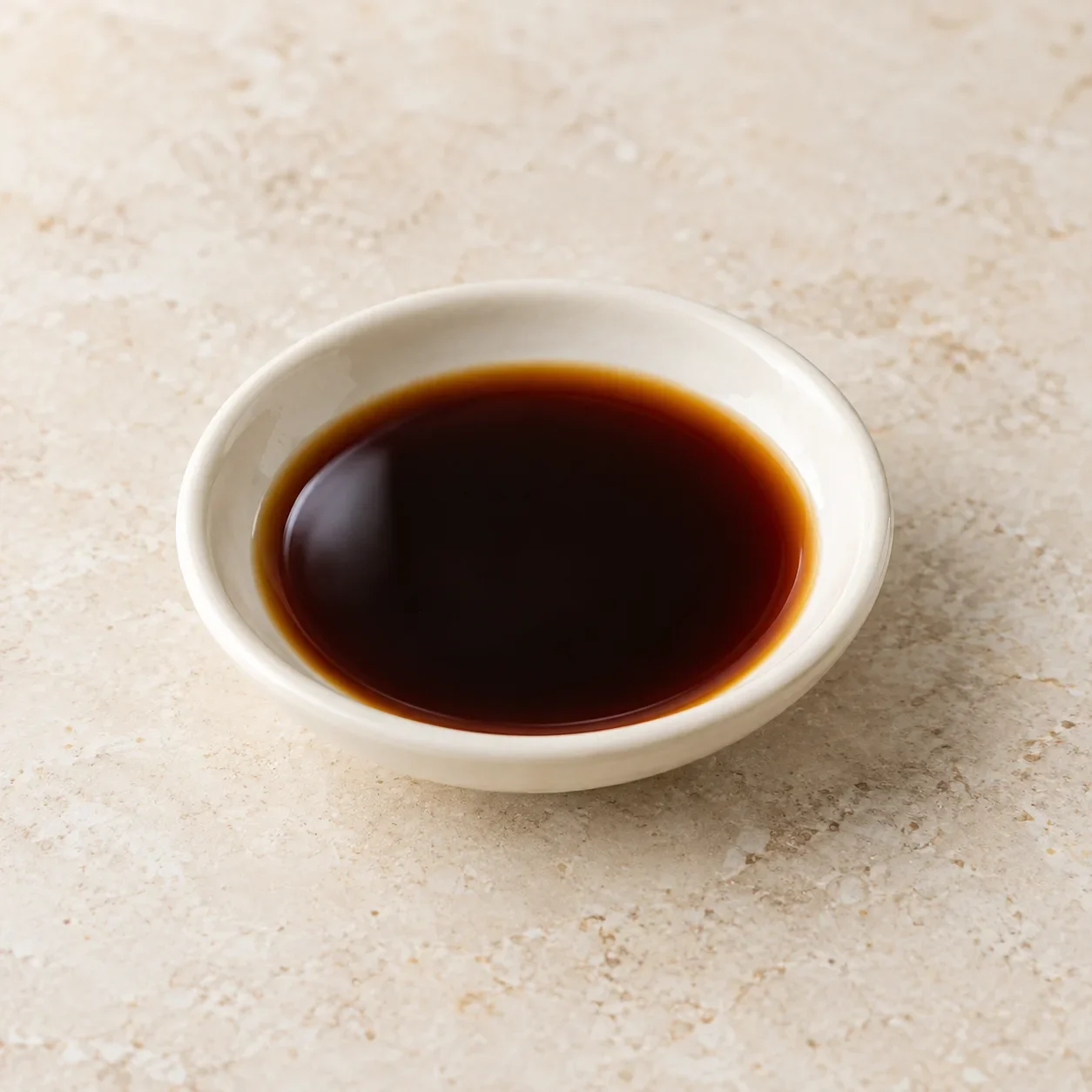 Soy sauce醬油
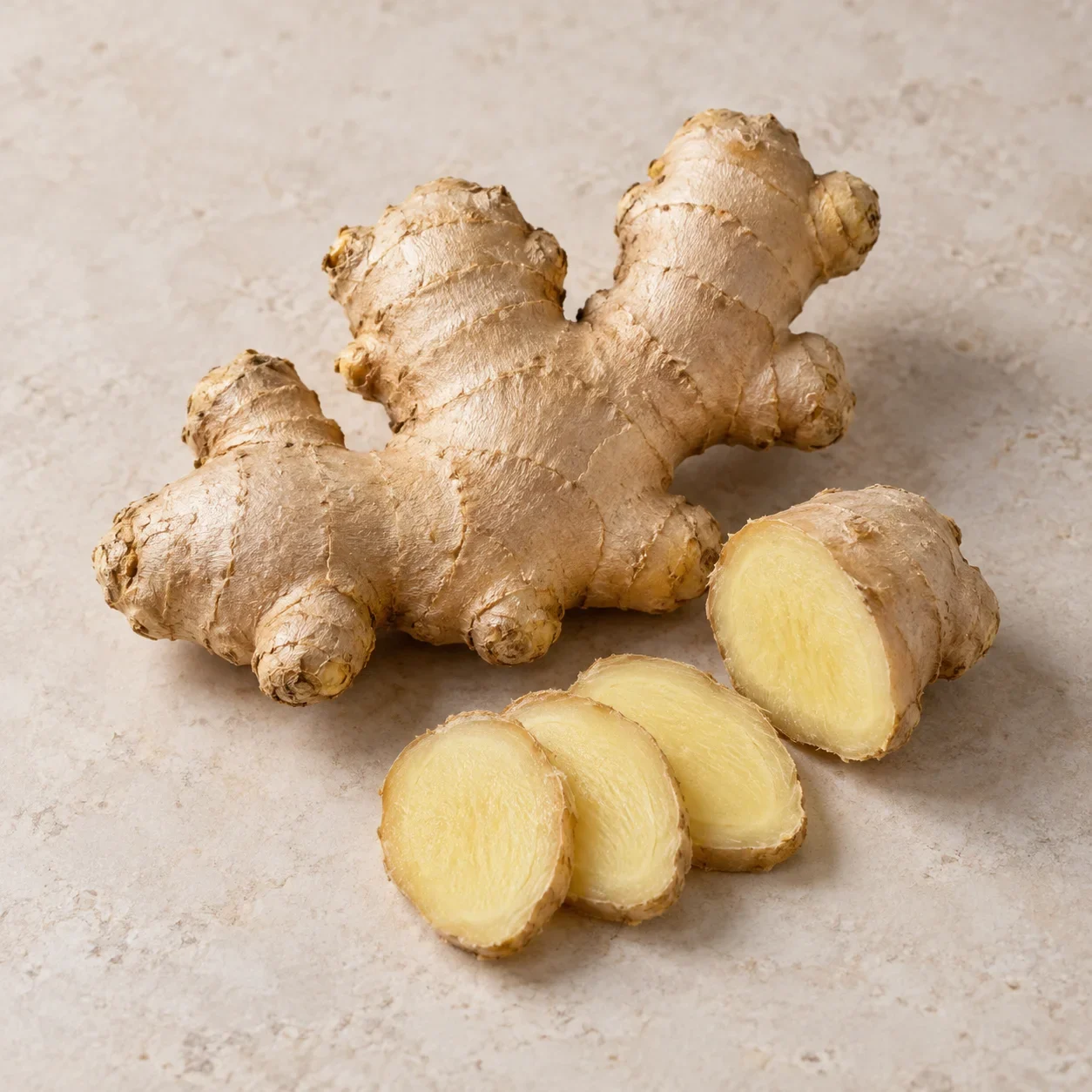 Ginger姜
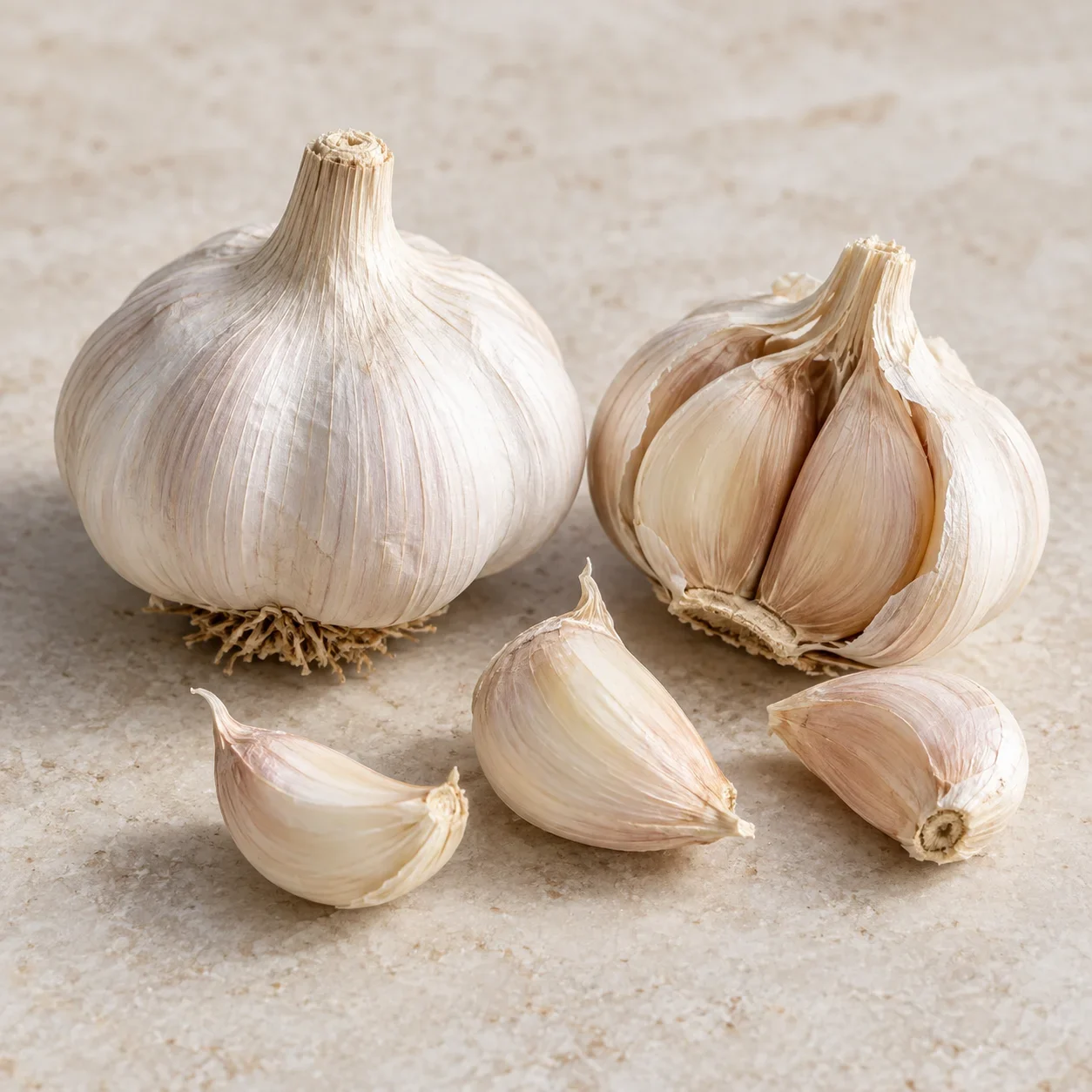 Garlic大蒜
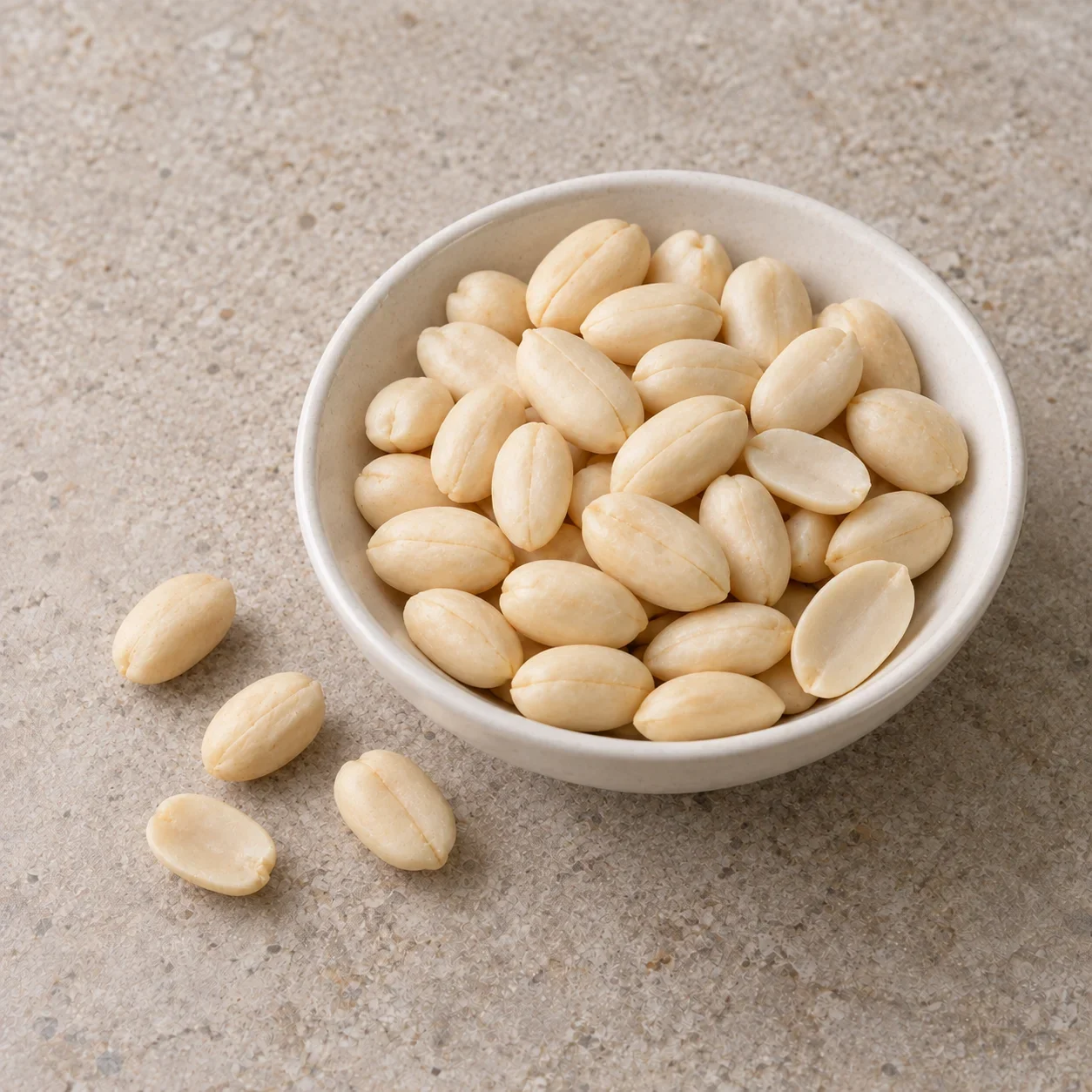 Peanuts花生
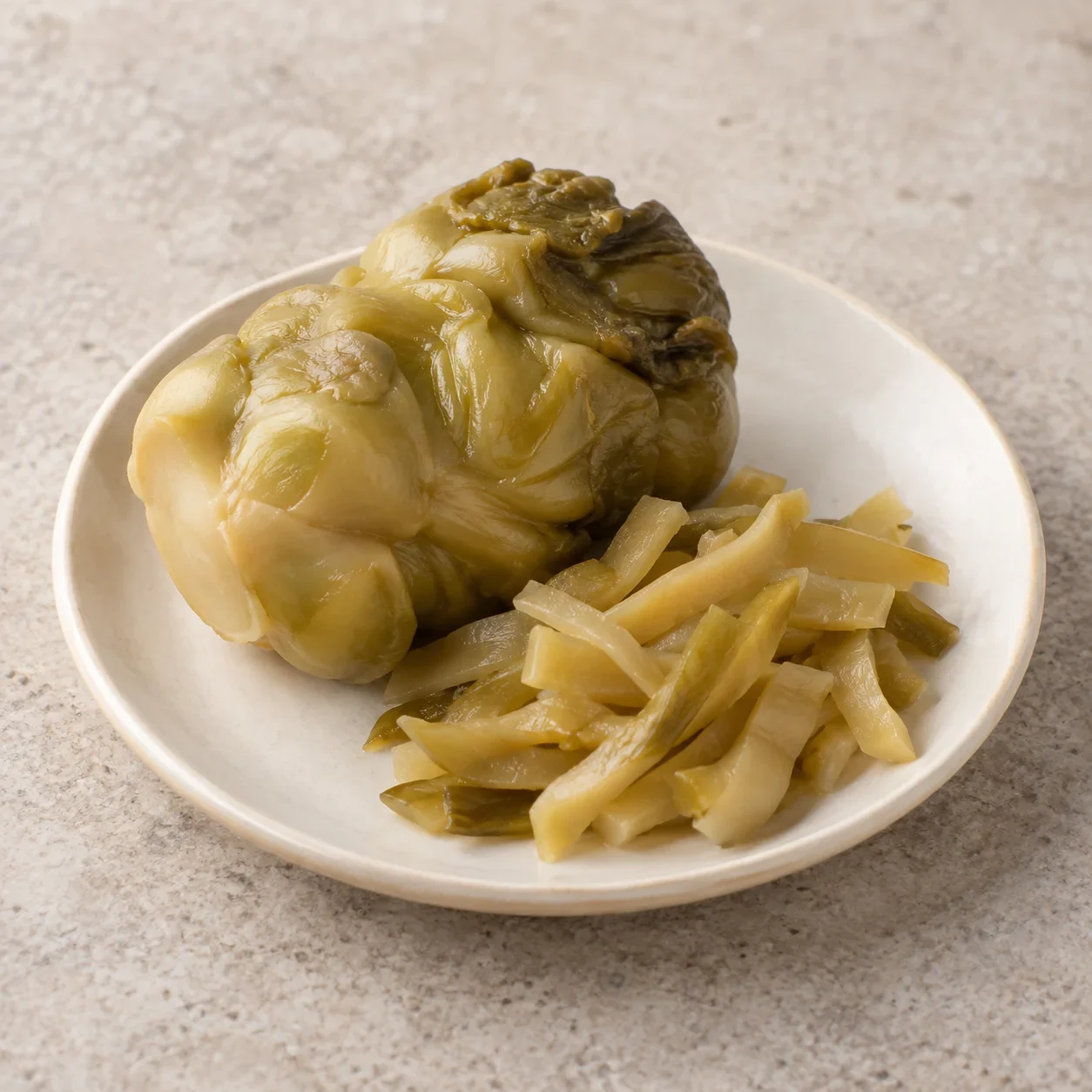 Pickled mustard stem榨菜
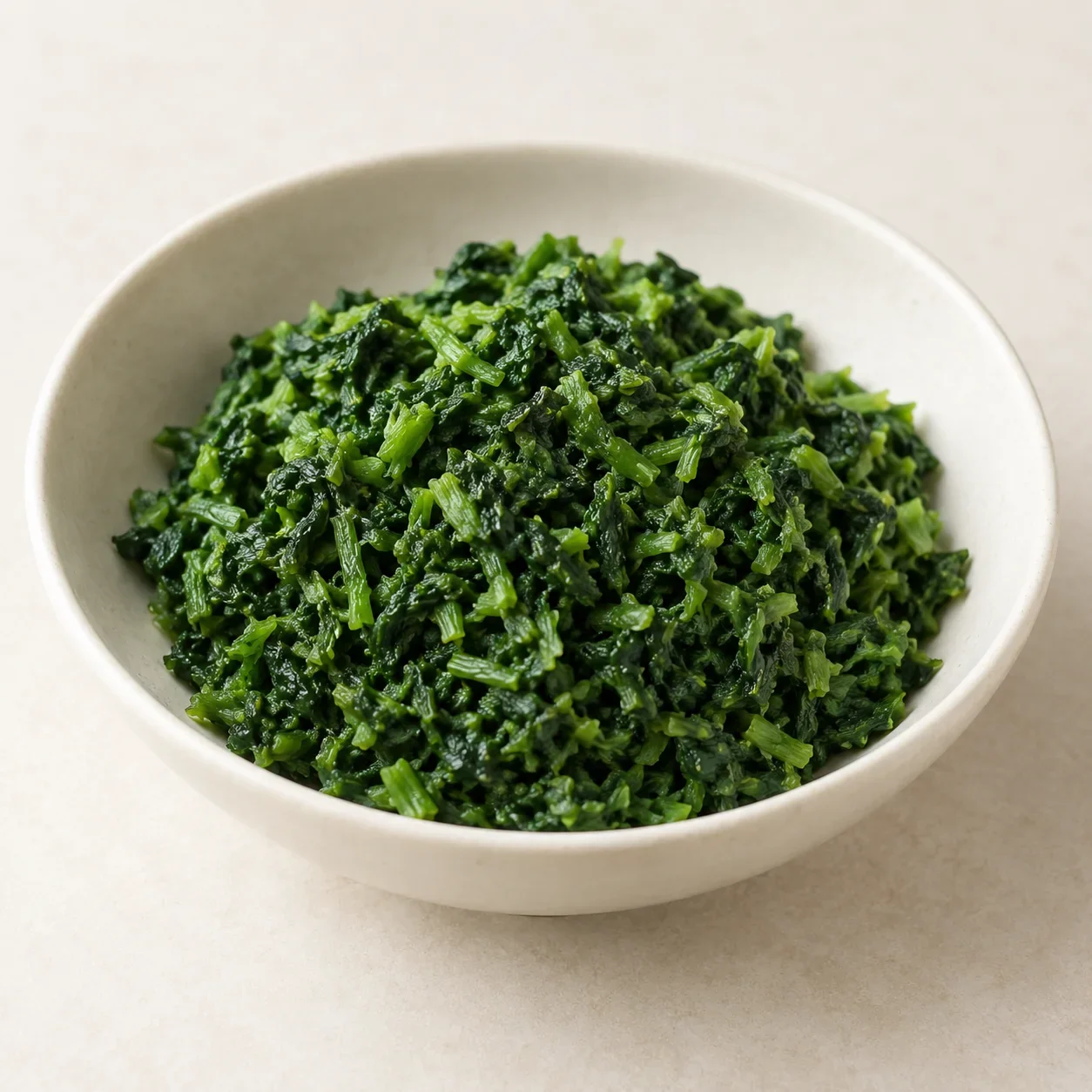 Leafy greens青菜叶
Recipes vary by restaurant.
How does it taste?
Hot and numbing.
- Chili heat
- 3/5
- Texture
- Chewy; noodle thickness varies.
- How it’s made
- Serve cooked noodles with the seasoning mixture.
Brothy and dry versions occur, with optional beef, chicken or pork toppings.
A CONNECTION TO PLACE
Origin & regional roots
Chongqing
Associated with Chongqing.
Ask if they have it first
请问你们有重庆小面吗?
Do you have this item?
A LITTLE SOMETHING TO READ
Story & history
A morning bowl of Chongqing xiaomian
This account describes a tradition or story, rather than an established historical fact.
Chongqing xiaomian is part of the city’s breakfast culture. Here “xiao” (“small”) describes a simple noodle style, not the portion size: the classic version is a simple, spicy bowl without a meat topping. Before the day gets busy, small street-side shops set out a few tables as customers come and go. Seasoning proportions differ from one shop to another, so the name describes a local style rather than one fixed recipe.
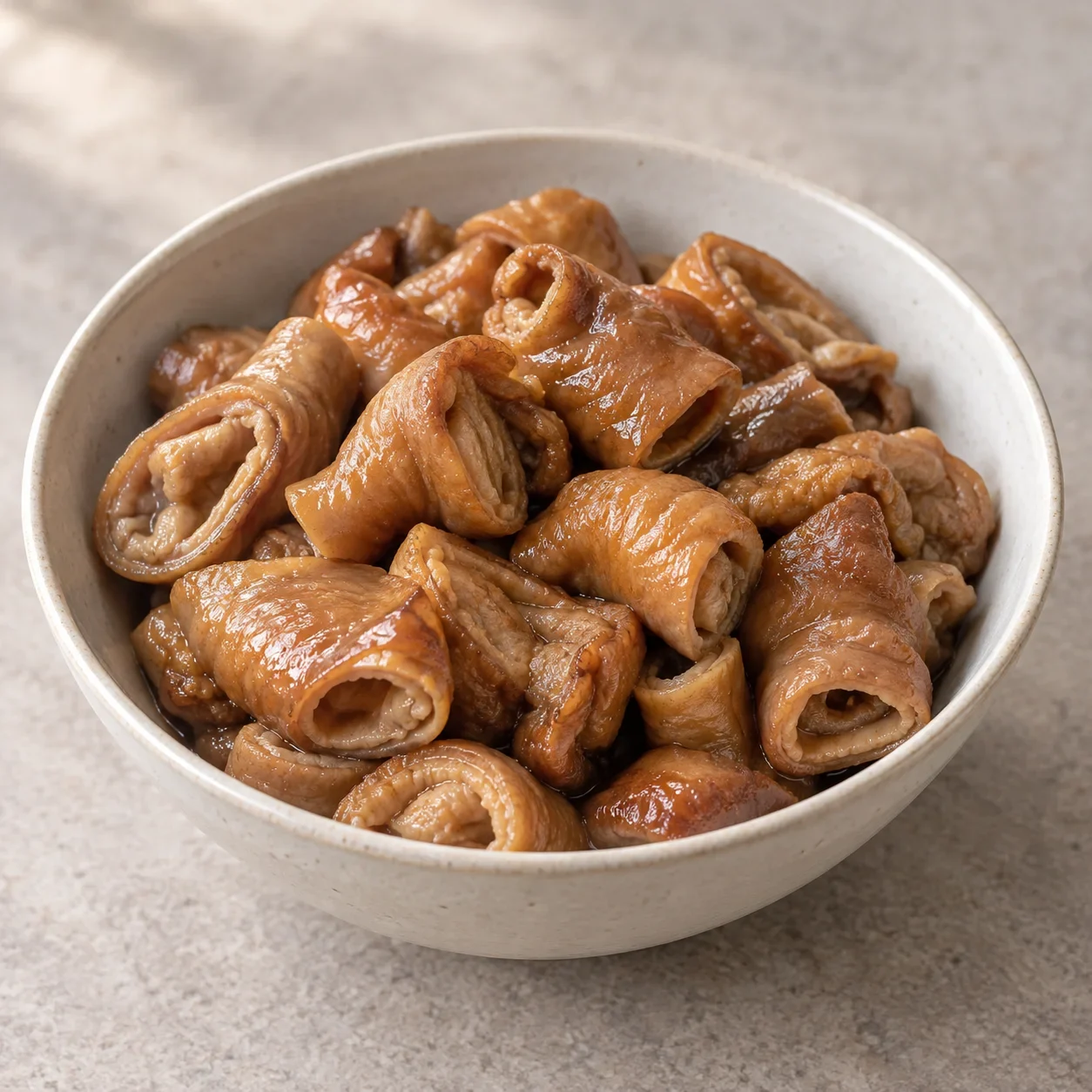
Traveler experiences
Loading reviews…