
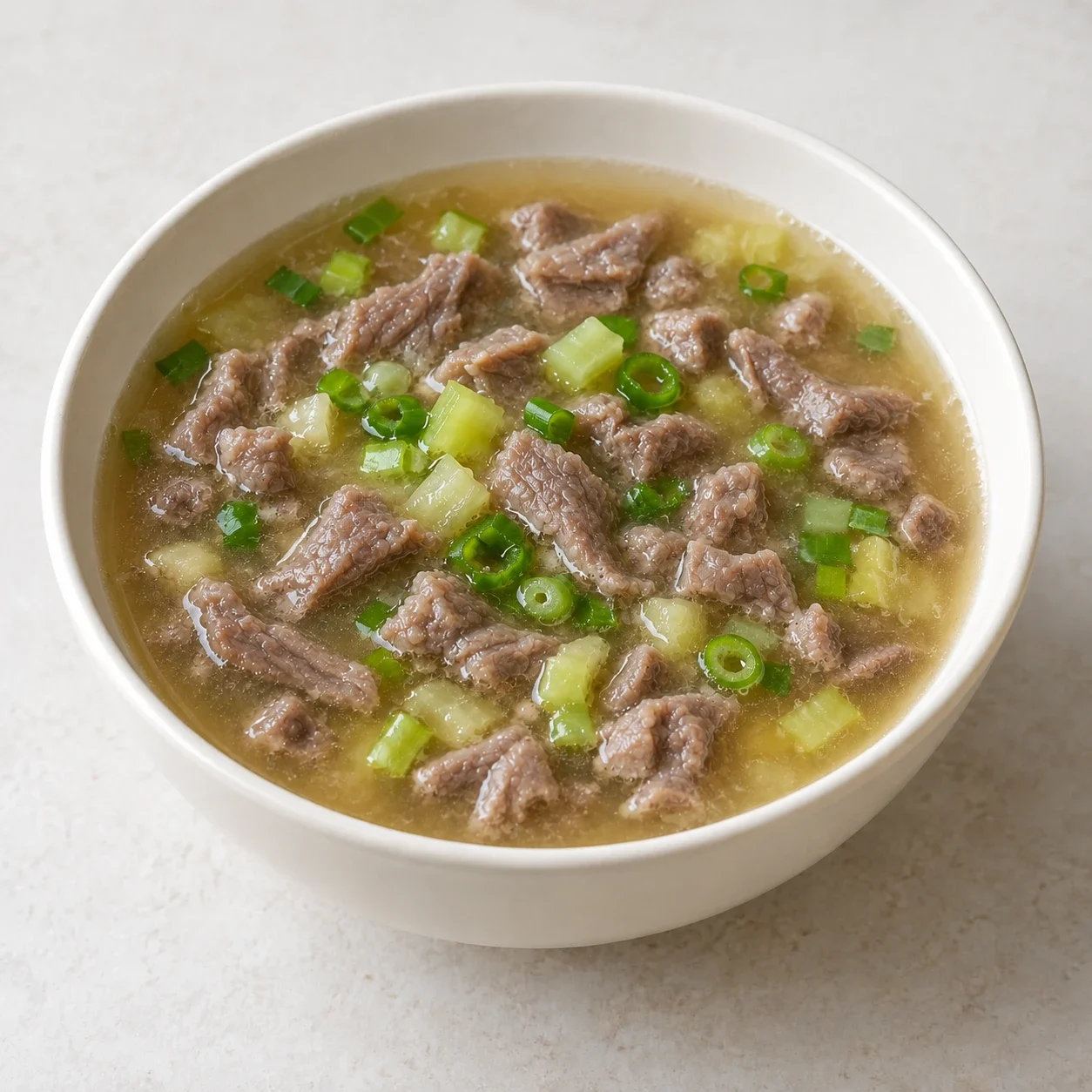
At the table
Taste a little soup before adding condiments. Stir well and let each spoonful cool before eating.
Contains beef. Celery and soy sauce may be added; soy sauce may contain wheat. Check condiments if you have allergies.
Chili heat 0 describes the soup before optional chili seasoning. Some market versions cook chili into the broth; ask before ordering. Ginger warmth is not chili heat.
GET TO KNOW THE DISH
What goes into it?
Explore some key ingredients below. Preparations may use additional seasonings and ingredients.
Ginger may cook in the soup; celery and scallions may be added at the table. A chili-and-soy condiment can accompany it.
Typical ingredients
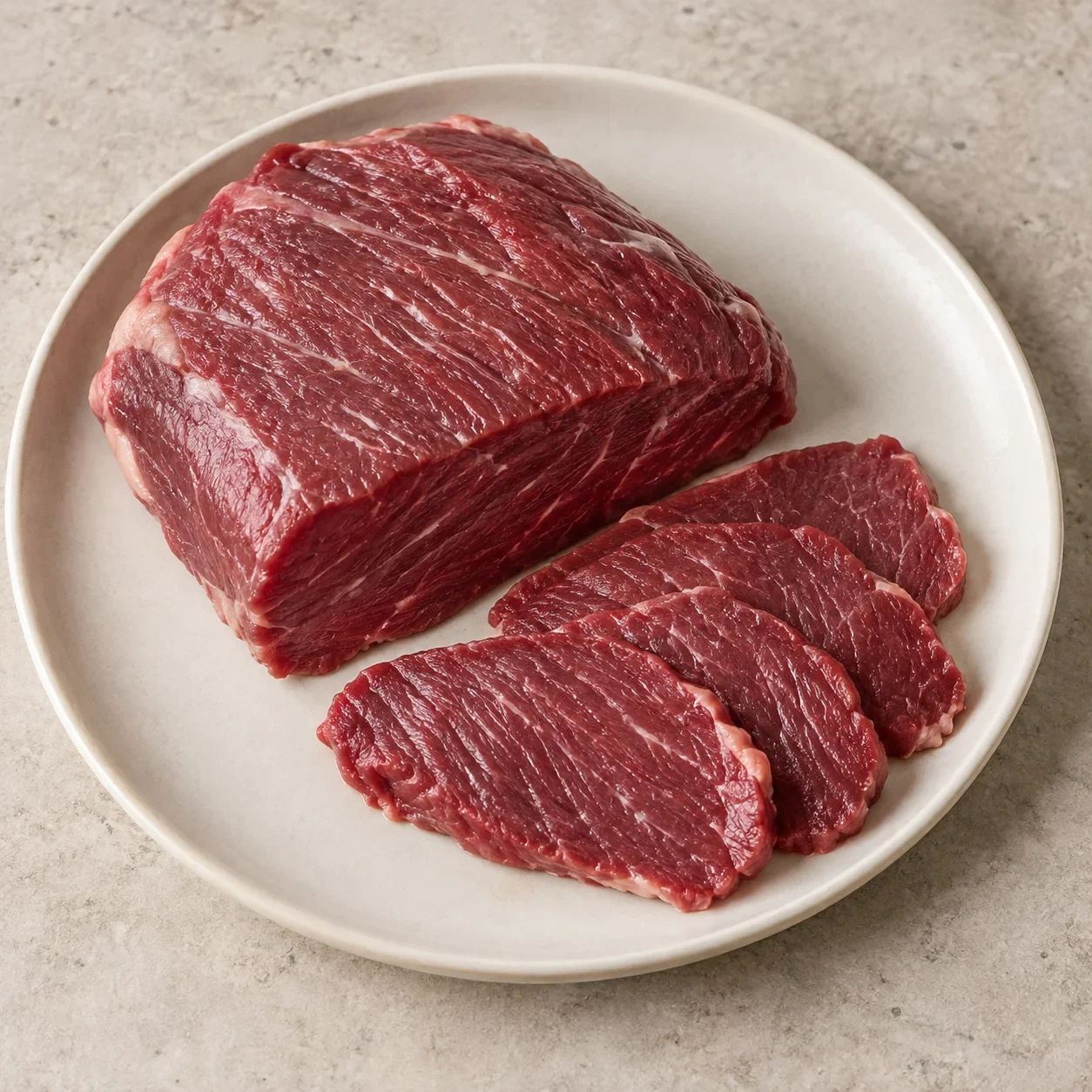
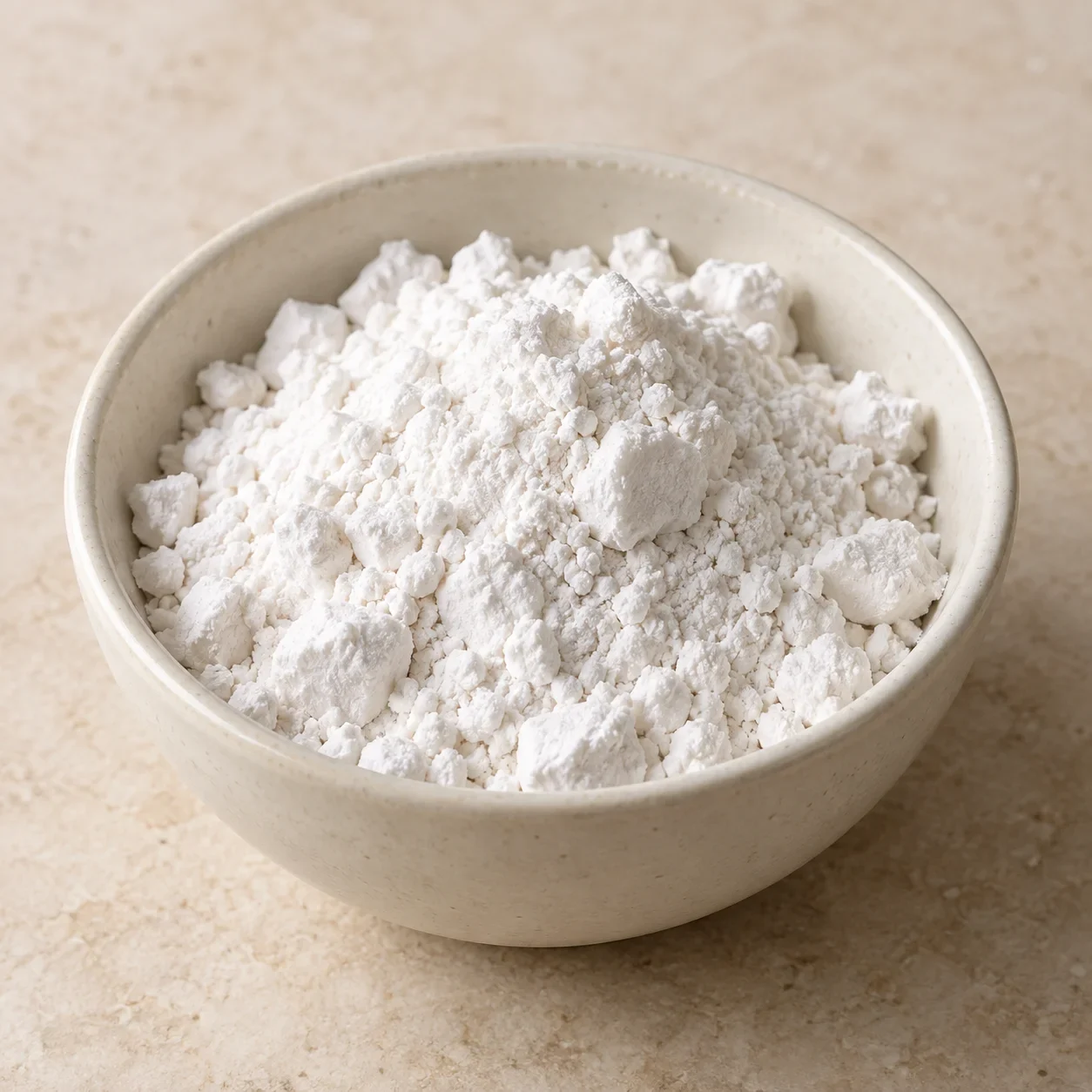
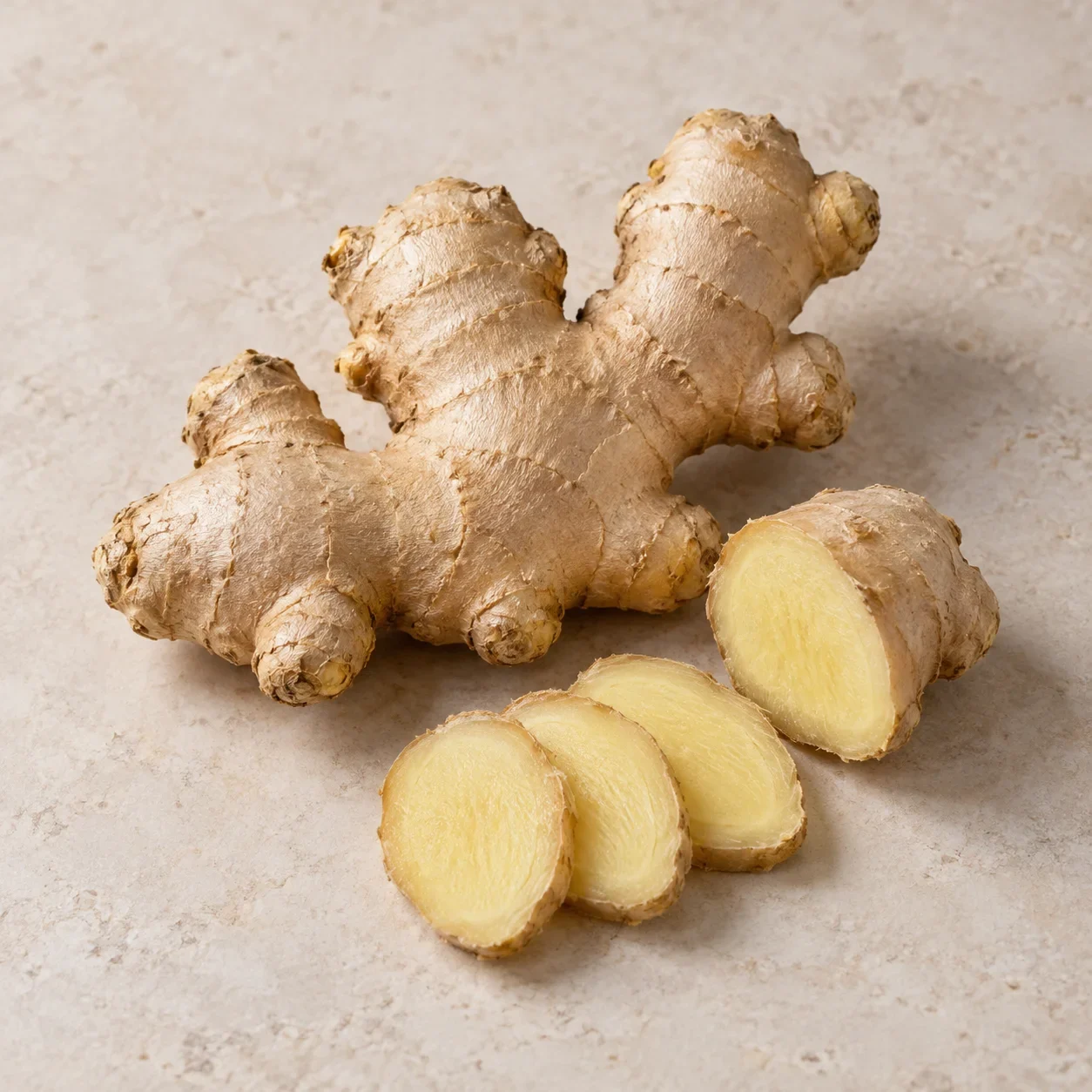
In some versions
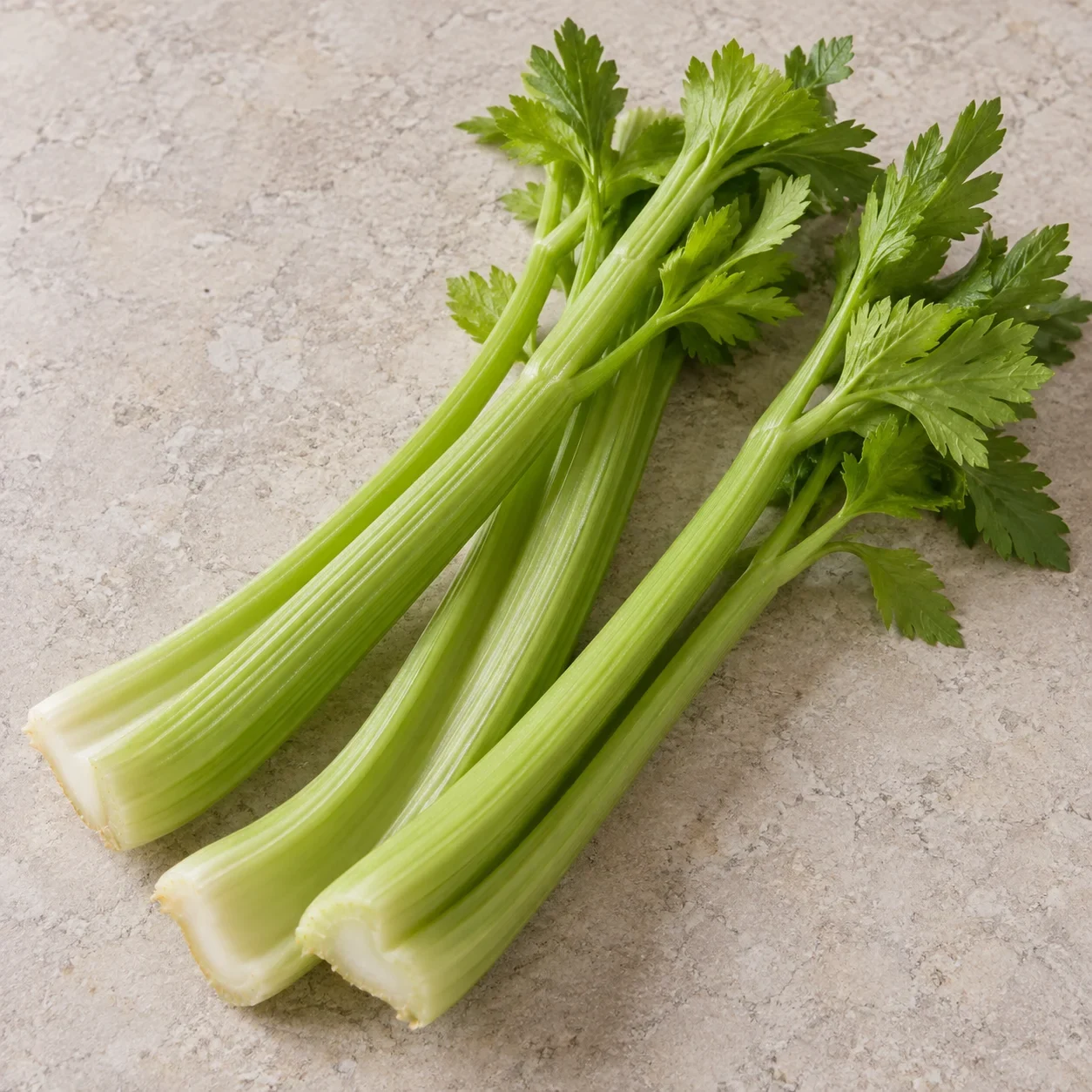
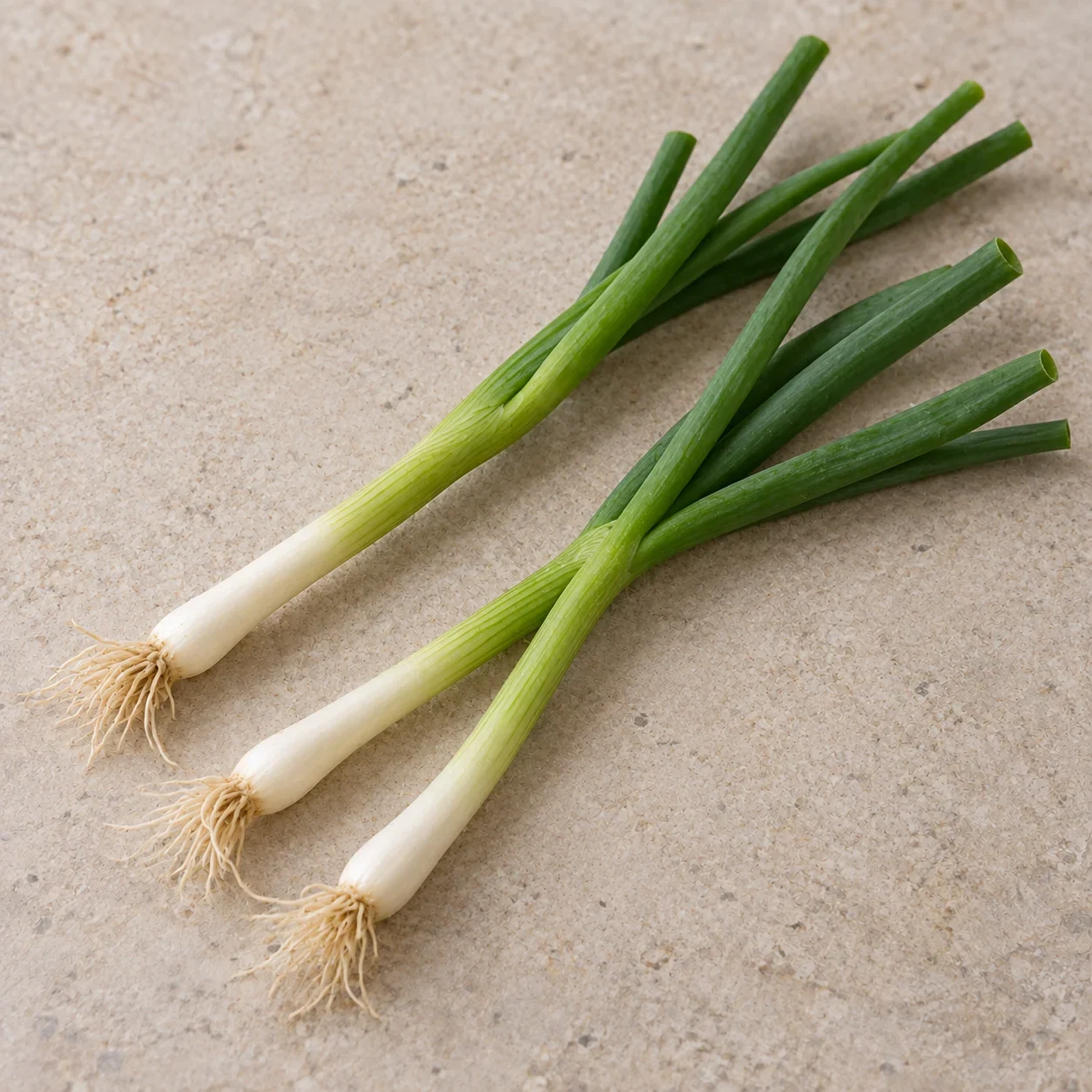
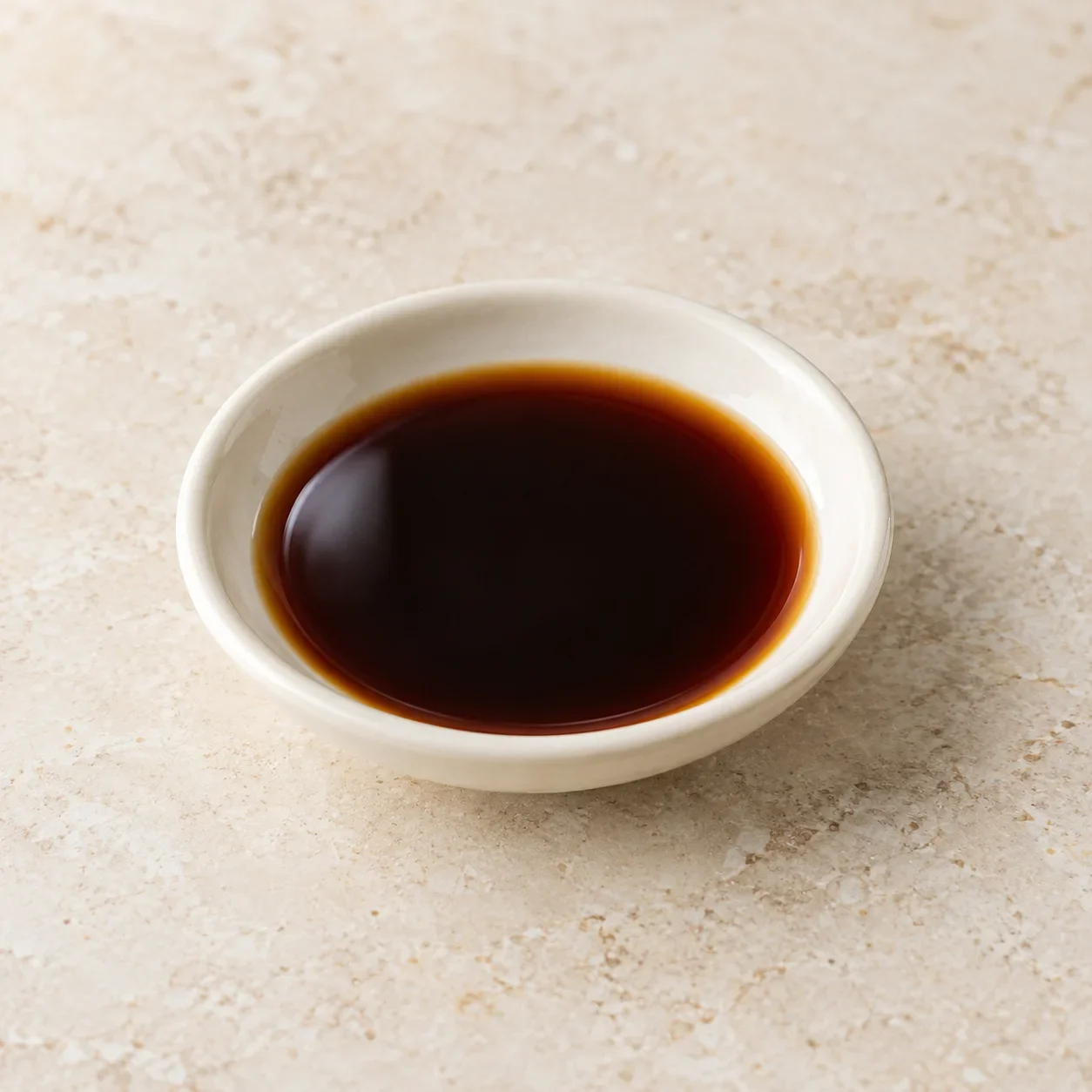
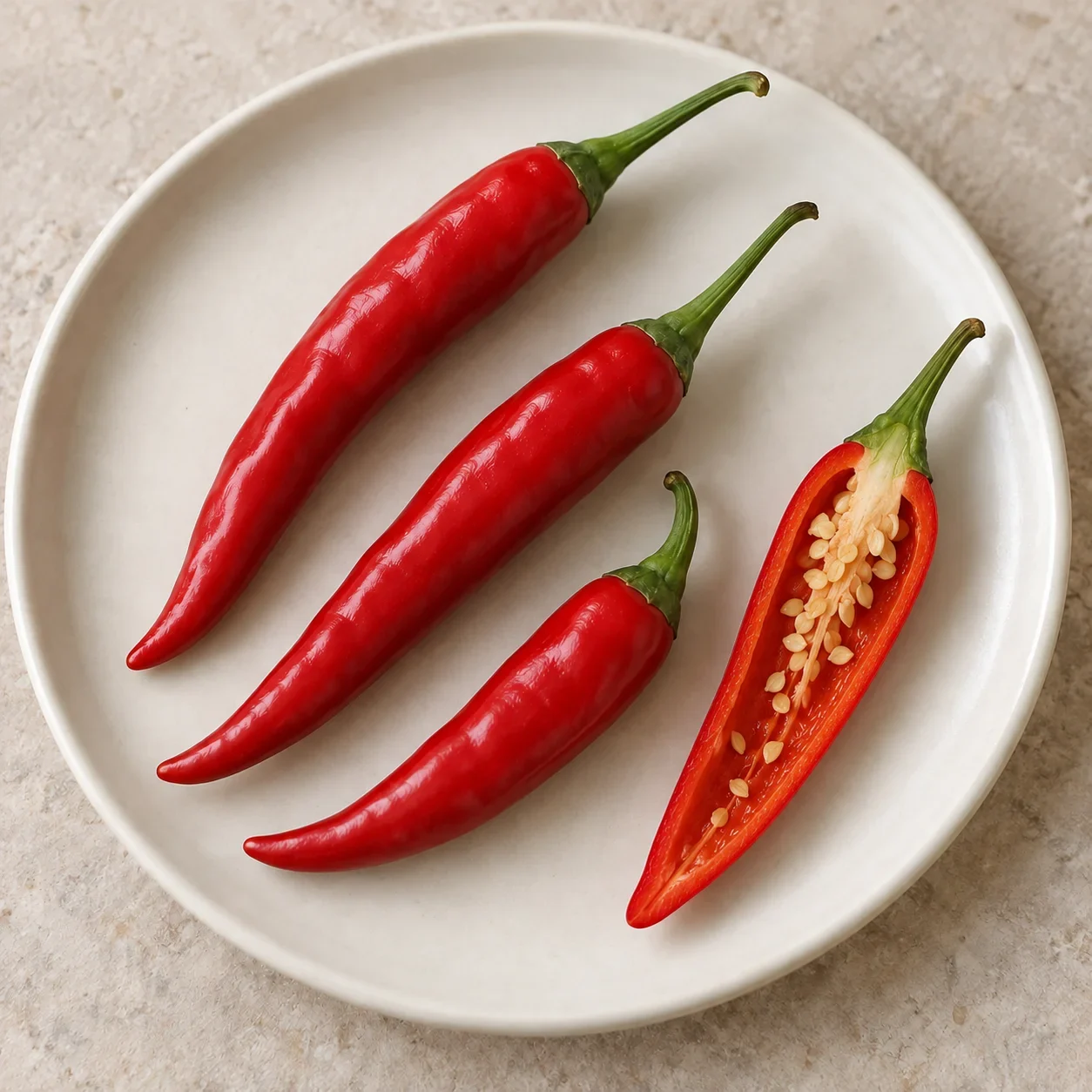
Recipes vary by restaurant.
How does it taste?
Savory
- Chili heat
- Texture
- Tender beef in a glossy broth.
- How it’s made
- Coat beef with starch, cook in boiling water and thicken with a starch slurry.
Ginger may cook in the soup; celery and scallions may be added at the table. A chili-and-soy condiment can accompany it.
A CONNECTION TO PLACE
Origin & regional roots
Associated with Jiangxi.
Ask if they have it first
请问你们有瑞金牛肉汤吗?
Do you have this item?
A LITTLE SOMETHING TO READ
Story & history
Starch and seasoning at the table
This account describes a tradition or story, rather than an established historical fact.
In Ruijin, this Hakka beef soup is also called doutang. Sweet-potato starch coats the small beef pieces and gives the broth its glossy thickness. Some shops serve the soup with seasonings at the table, so diners can add scallions, celery or chili-soy sauce to taste. Market versions may cook chili directly into the soup.