
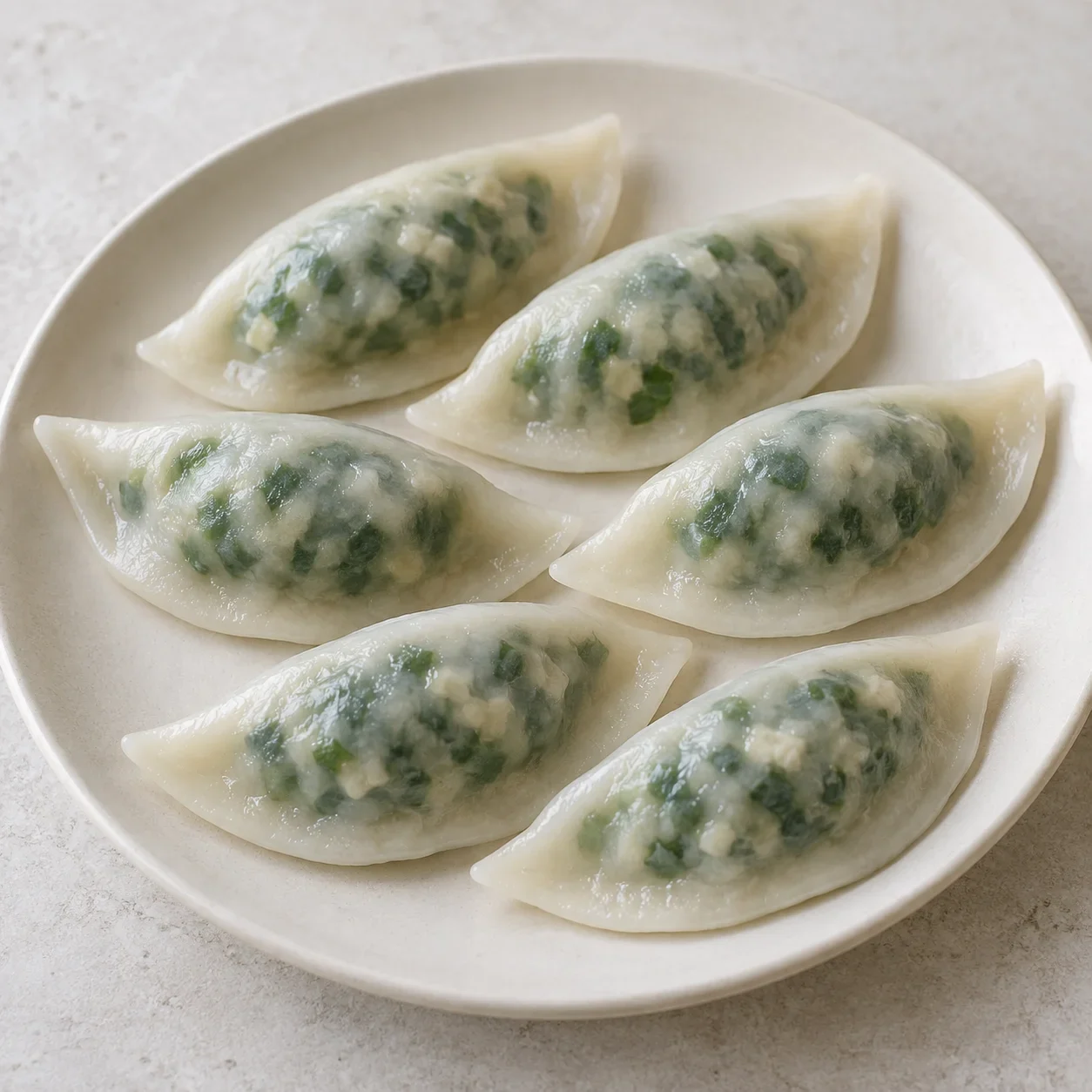
At the table
Eat warm, taking small bites to let the filling cool. They can be eaten on their own or with soup.
Contains soy. Other fillings may contain shrimp or meat; check the filling, seasonings and cooking fat if you have dietary restrictions.
This entry describes the traditionally non-chili chive-and-dried-tofu version. Fillings, seasonings and cooking fats vary by maker.
GET TO KNOW THE DISH
What goes into it?
Explore some key ingredients below. Preparations may use additional seasonings and ingredients.
The chive-and-tofu filling has no chili; spicy radish-and-shrimp and other fillings are alternatives.
Typical ingredients
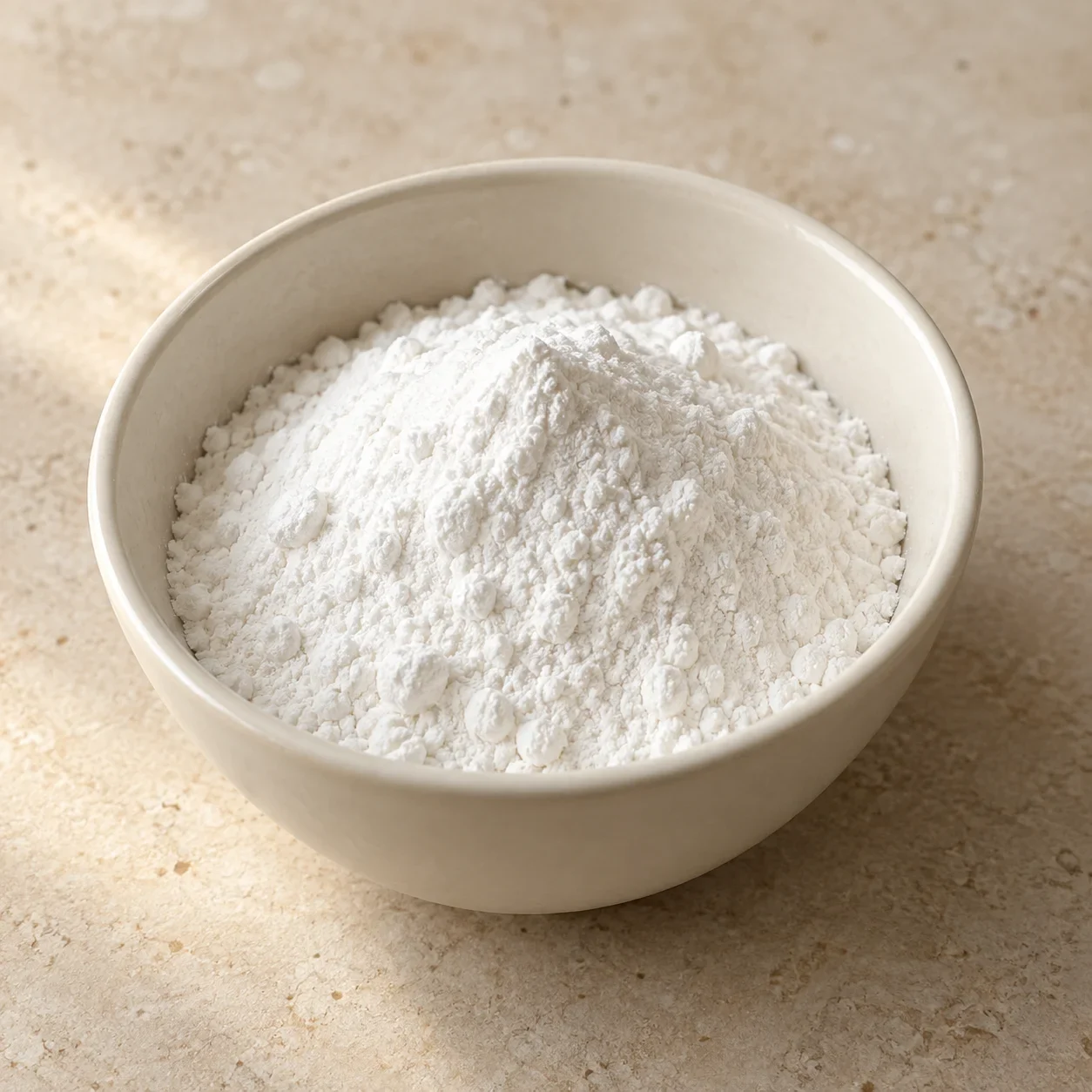
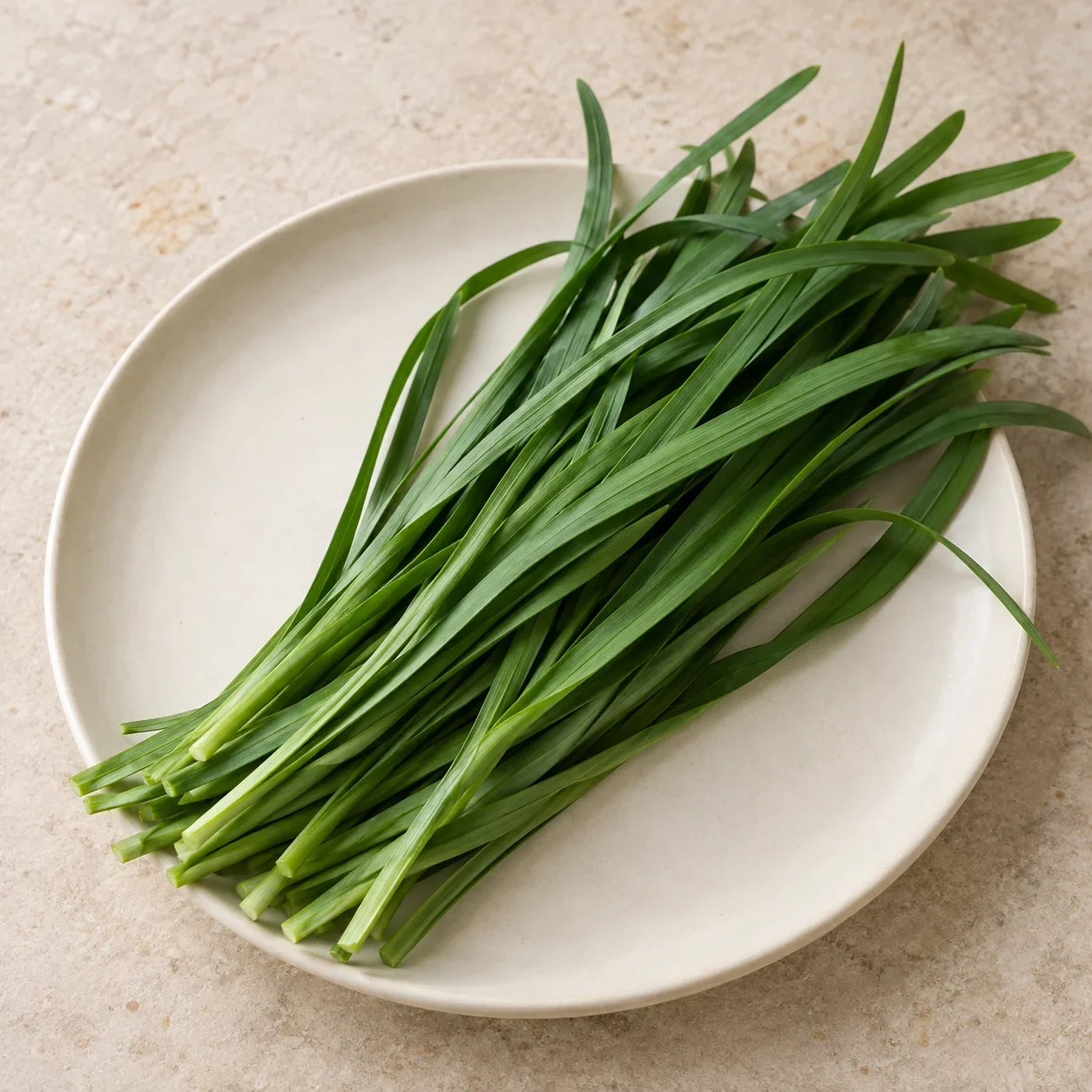
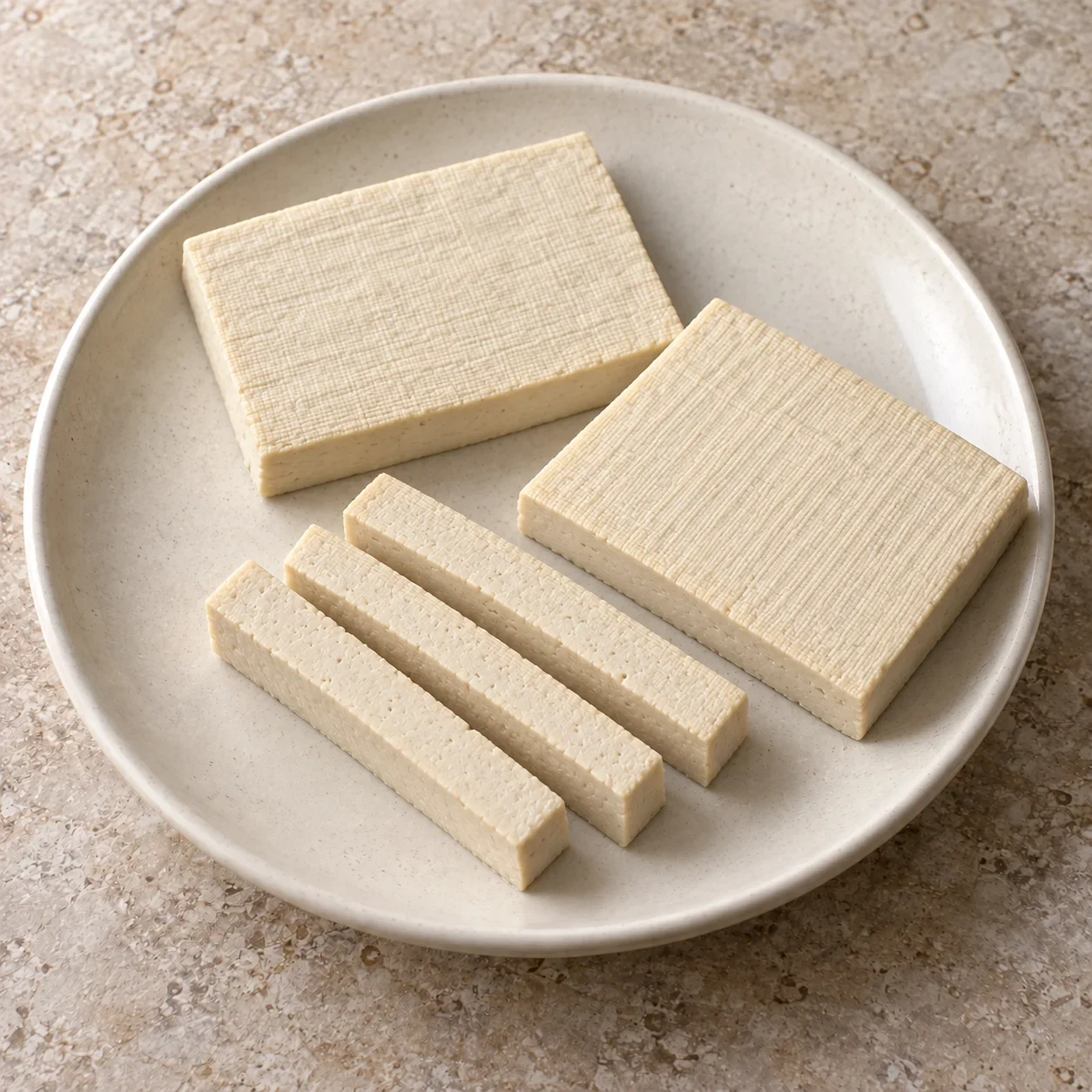
Recipes vary by restaurant.
How does it taste?
Savory
- Chili heat
- Texture
- Thin wrapper.
- How it’s made
- Make hot-water dough from ground rice, wrap cooked filling and steam.
The chive-and-tofu filling has no chili; spicy radish-and-shrimp and other fillings are alternatives.
A CONNECTION TO PLACE
Origin & regional roots
Associated with Jiangxi.
Ask if they have it first
请问你们有景德镇韭菜豆干饺子粑吗?
Do you have this item?
A LITTLE SOMETHING TO READ
Story & history
Jingdezhen’s rice-wrapper snack
This account describes a tradition or story, rather than an established historical fact.
Jiaozi ba looks like a dumpling, but its wrapper is made from rice flour mixed with hot water. The filling is cooked before wrapping, then the parcels are steamed. In Jingdezhen, the mild chive-and-dried-tofu filling is a traditional choice alongside a spicy radish-and-dried-shrimp version. These rice snacks are eaten for breakfast or as a snack, sometimes with soup. Choose the filling by name: the similar wrappers can hide very different ingredients.