At the table
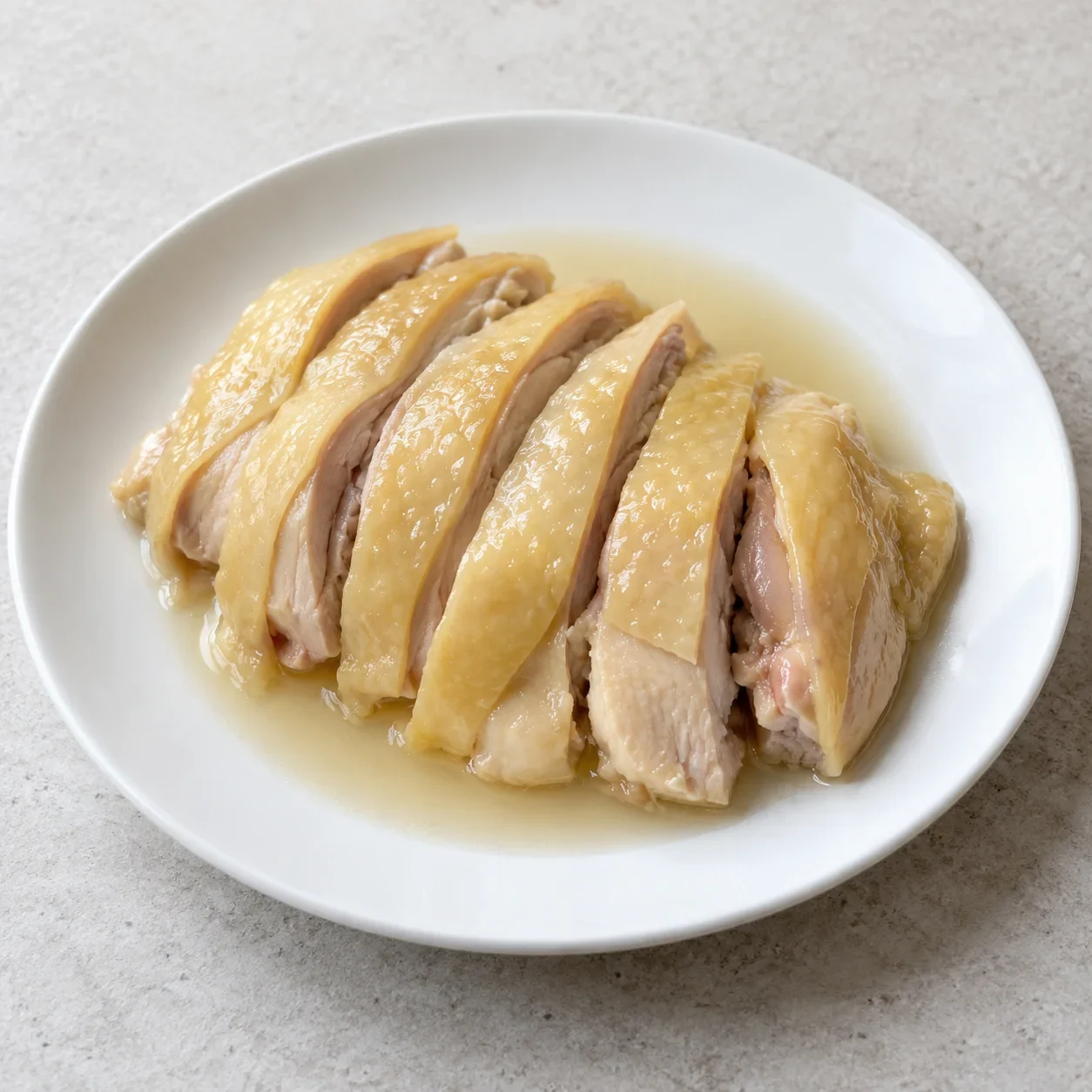
Take pieces with chopsticks and check for bones. Ask “有骨头吗?” to ask whether it has bones. Share it as a cold dish alongside the rest of the meal.
Contains chicken and alcohol. The wine is added after cooking, so do not assume the alcohol has cooked away. Choose another dish if avoiding alcohol; pieces may contain bones.
This plain wine-soaked version has no chili, added oil or lees sauce. Wine strength, cuts and added seasonings vary by preparation.
GET TO KNOW THE DISH
What goes into it?
Explore some key ingredients below. Preparations may use additional seasonings and ingredients.
Other versions use Shaoxing wine, stock or wine-lees brine; cuts may be bone-in or boneless.
Typical ingredients
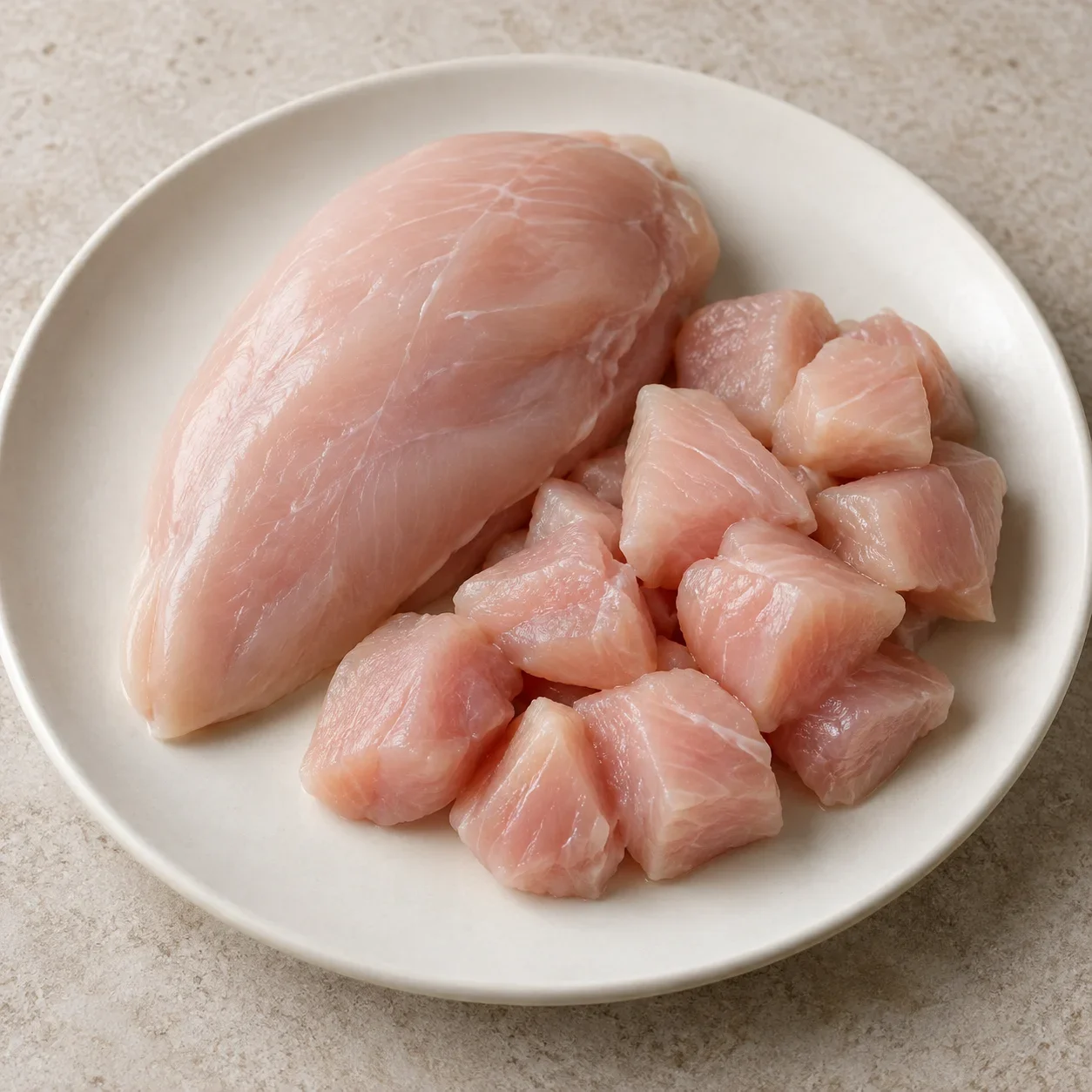
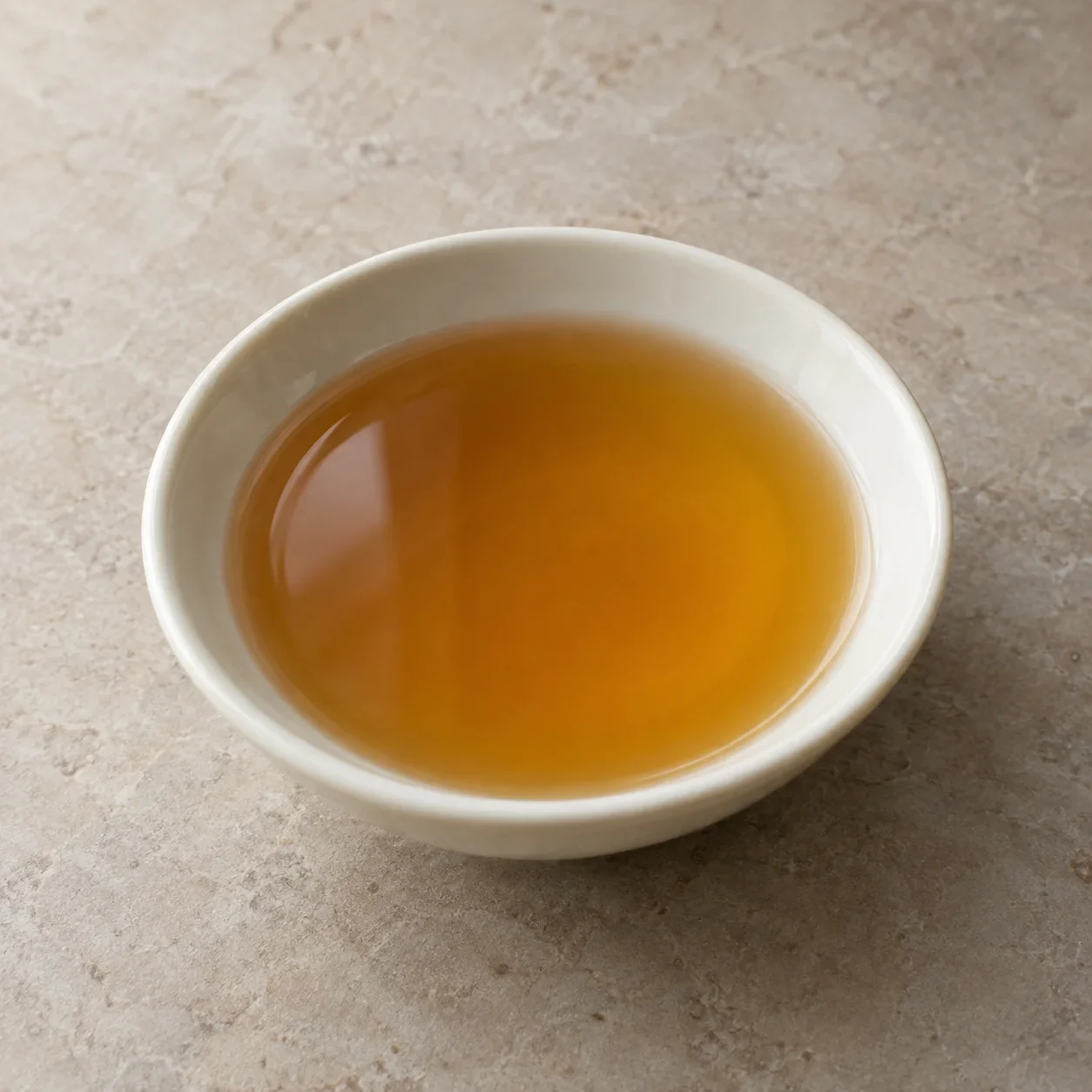


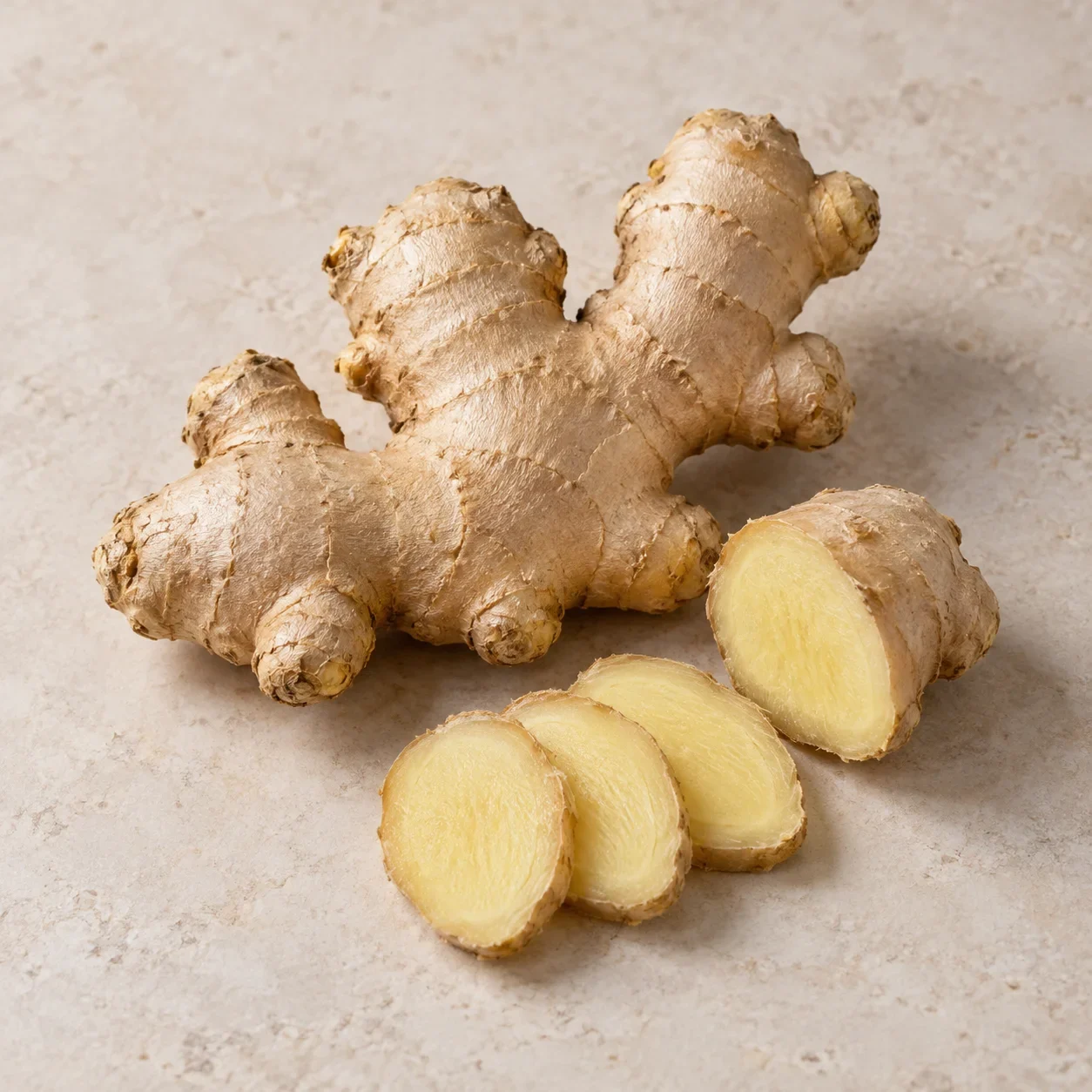
Recipes vary by restaurant.
How does it taste?
A clear savory chicken taste with pronounced yellow-wine aroma.
- Chili heat
- Texture
- Tender, moist chicken pieces with soft skin, served cool.
- How it’s made
- Poach chicken with scallion and ginger, salt the cooked meat, cool and cut it, then steep it in huangjiu.
Other versions use Shaoxing wine, stock or wine-lees brine; cuts may be bone-in or boneless.
A CONNECTION TO PLACE
Origin & regional roots
Associated with Zhejiang.
About this regional connection
Zhejiang: Selected Zhejiang plain huangjiu version; not exclusive origin.
Ask if they have it first
请问你们有醉鸡吗?
Do you have this item?
A LITTLE SOMETHING TO READ
Story & history
Wine added after cooking
This account describes a tradition or story, rather than an established historical fact.
The chicken is cooked before it takes on its wine aroma. In this Zhejiang preparation, the short ingredient list lets the wine and chicken stand out. It is served as a cool dish; recipes using fragrant lees brine are a different version.