
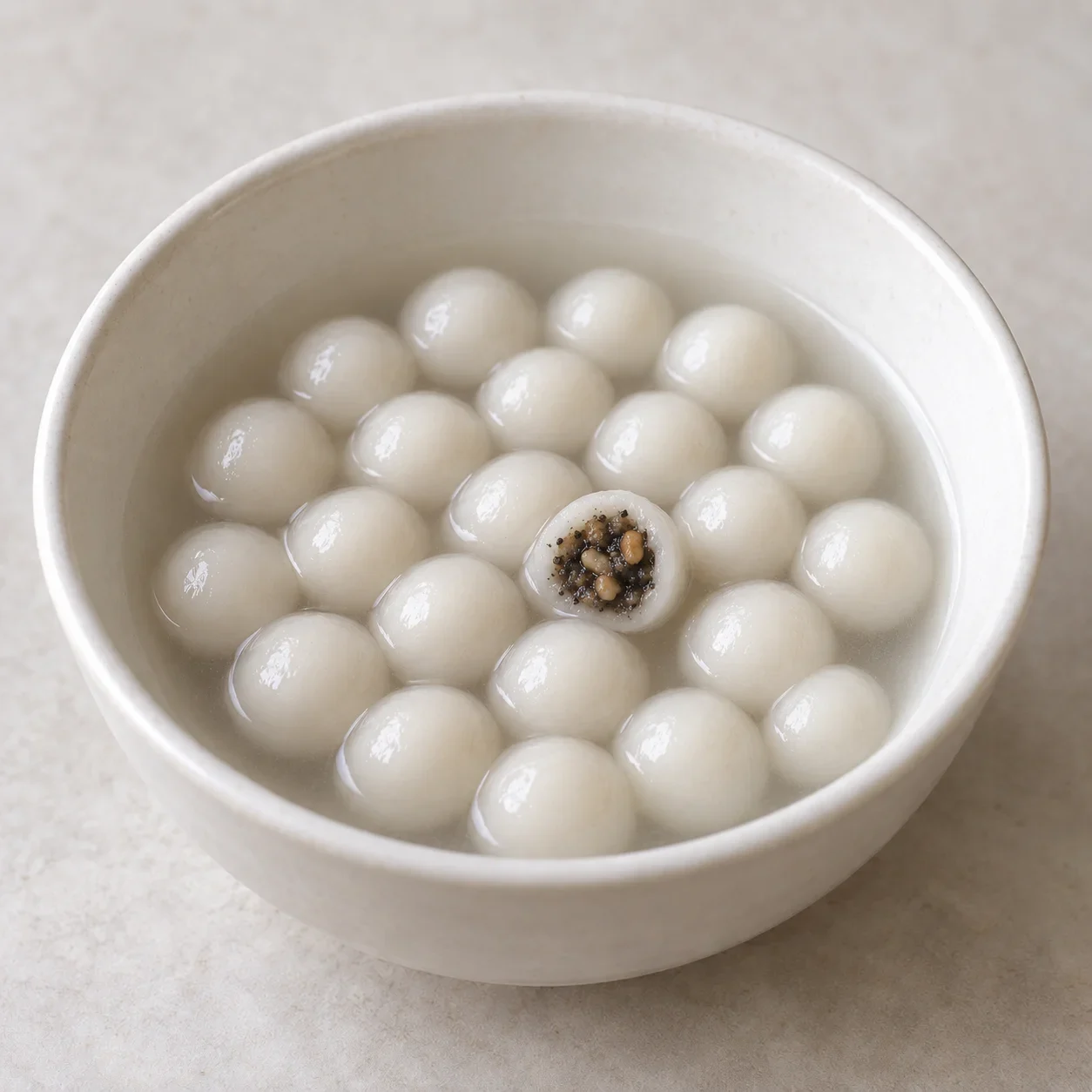
At the table
Use a spoon, open one dumpling and let the filling cool before taking a small bite.
The filling may be very hot. Contains sesame and may contain peanuts or walnuts; chew the sticky dumplings carefully.
Nut additions, sweetness and serving liquid vary. Some bowls include sweet fermented rice; ask if avoiding alcohol.
GET TO KNOW THE DISH
What goes into it?
Explore some key ingredients below. Preparations may use additional seasonings and ingredients.
Nut additions, sweetness and serving liquid vary. Some bowls include sweet fermented rice; ask if avoiding alcohol.
Typical ingredients
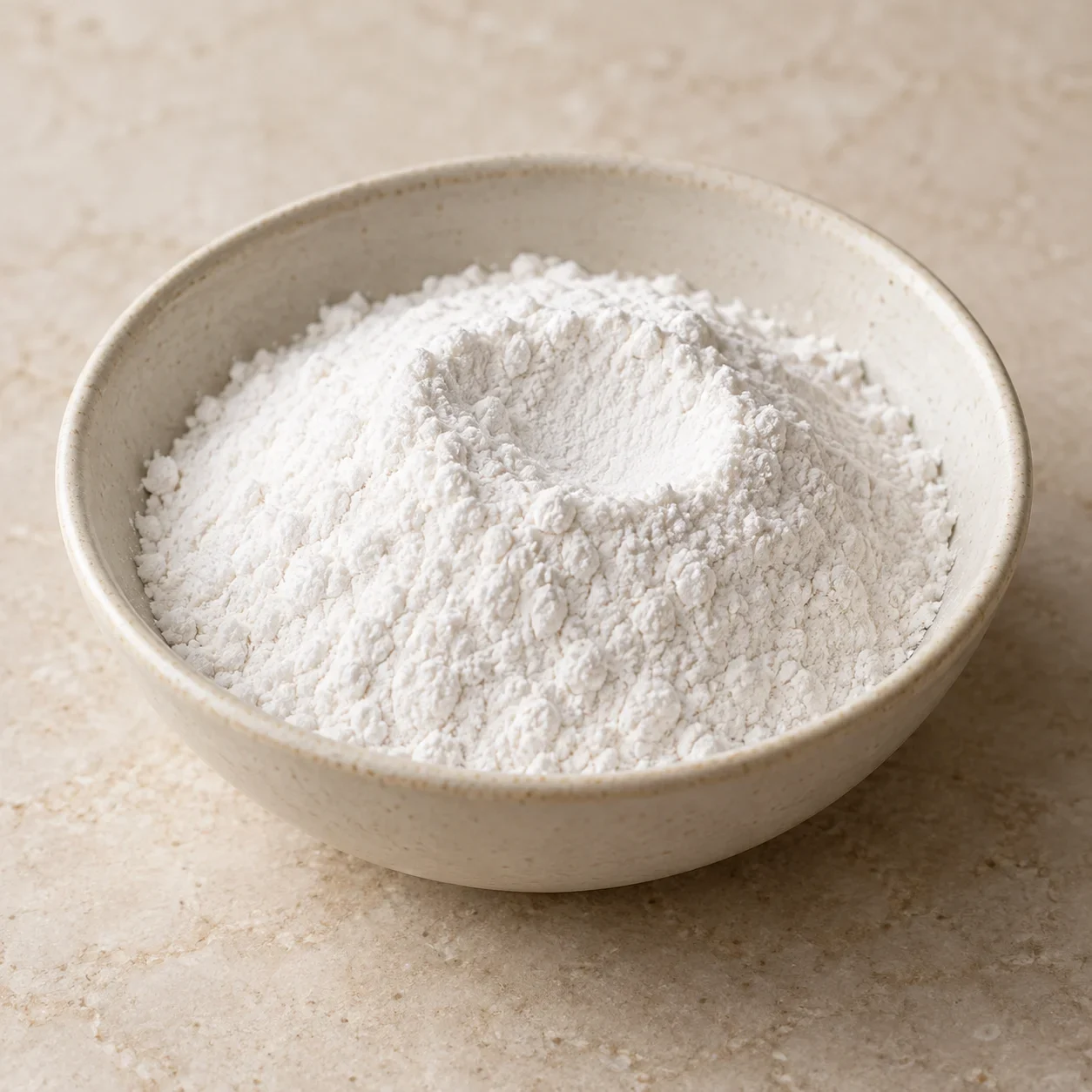
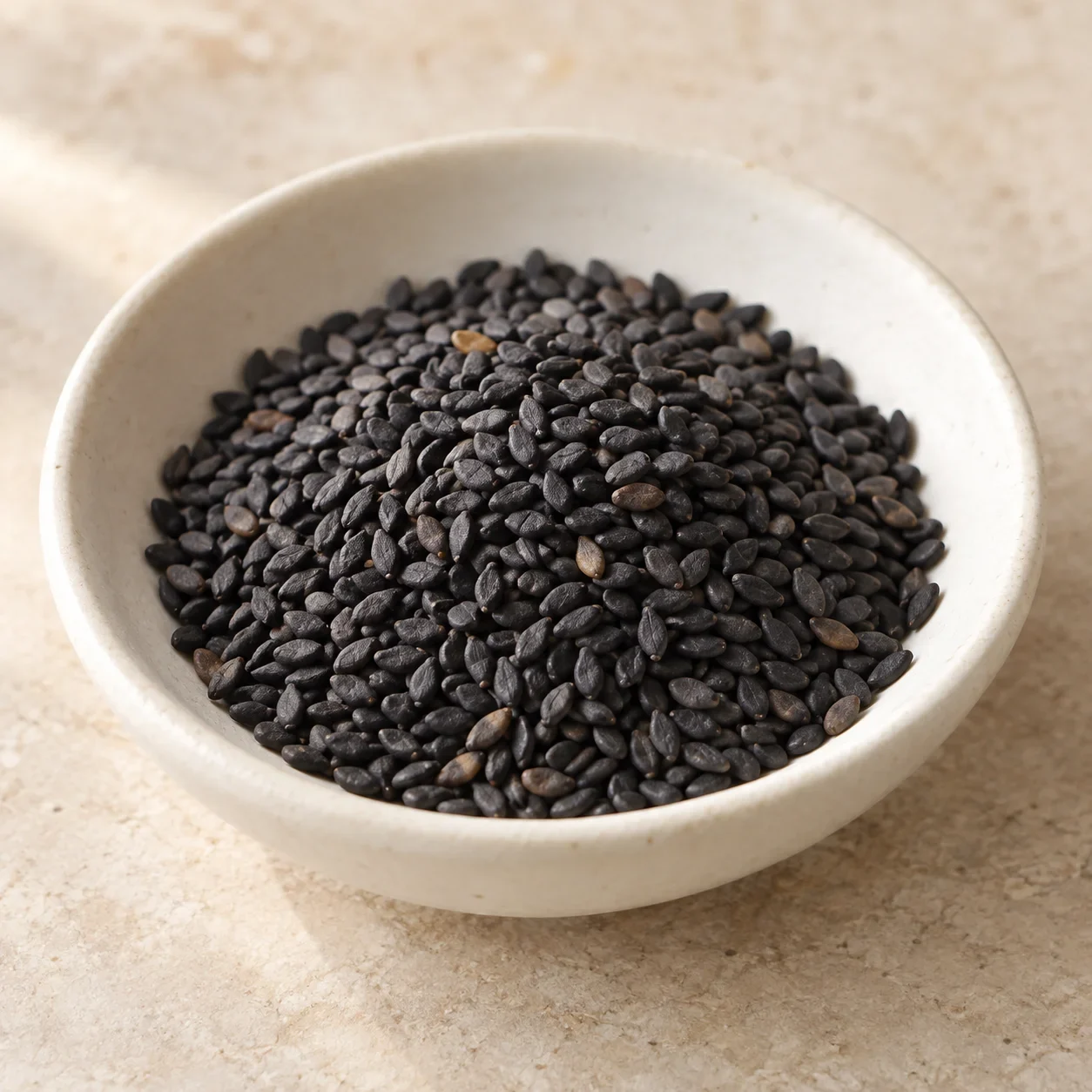

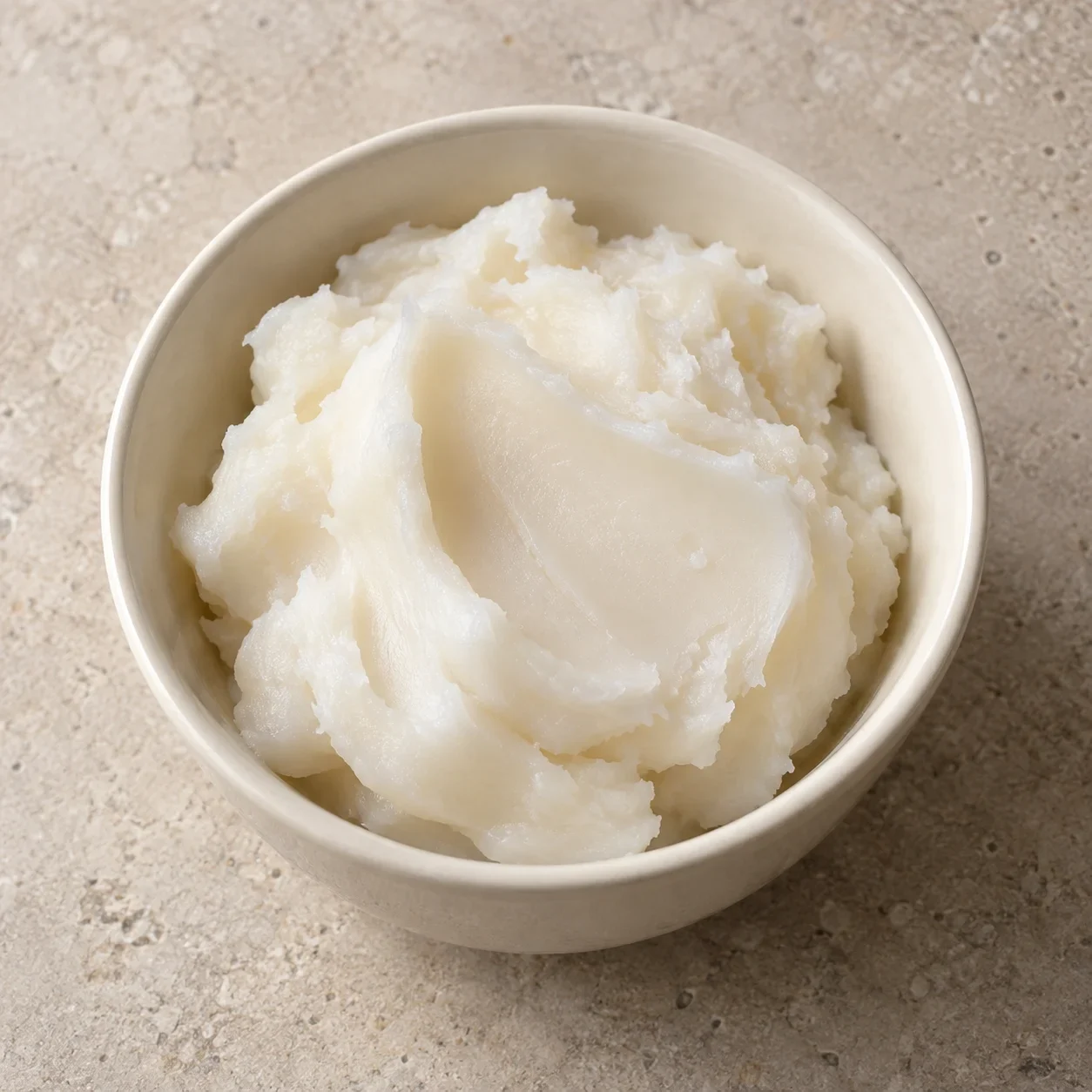
In some versions
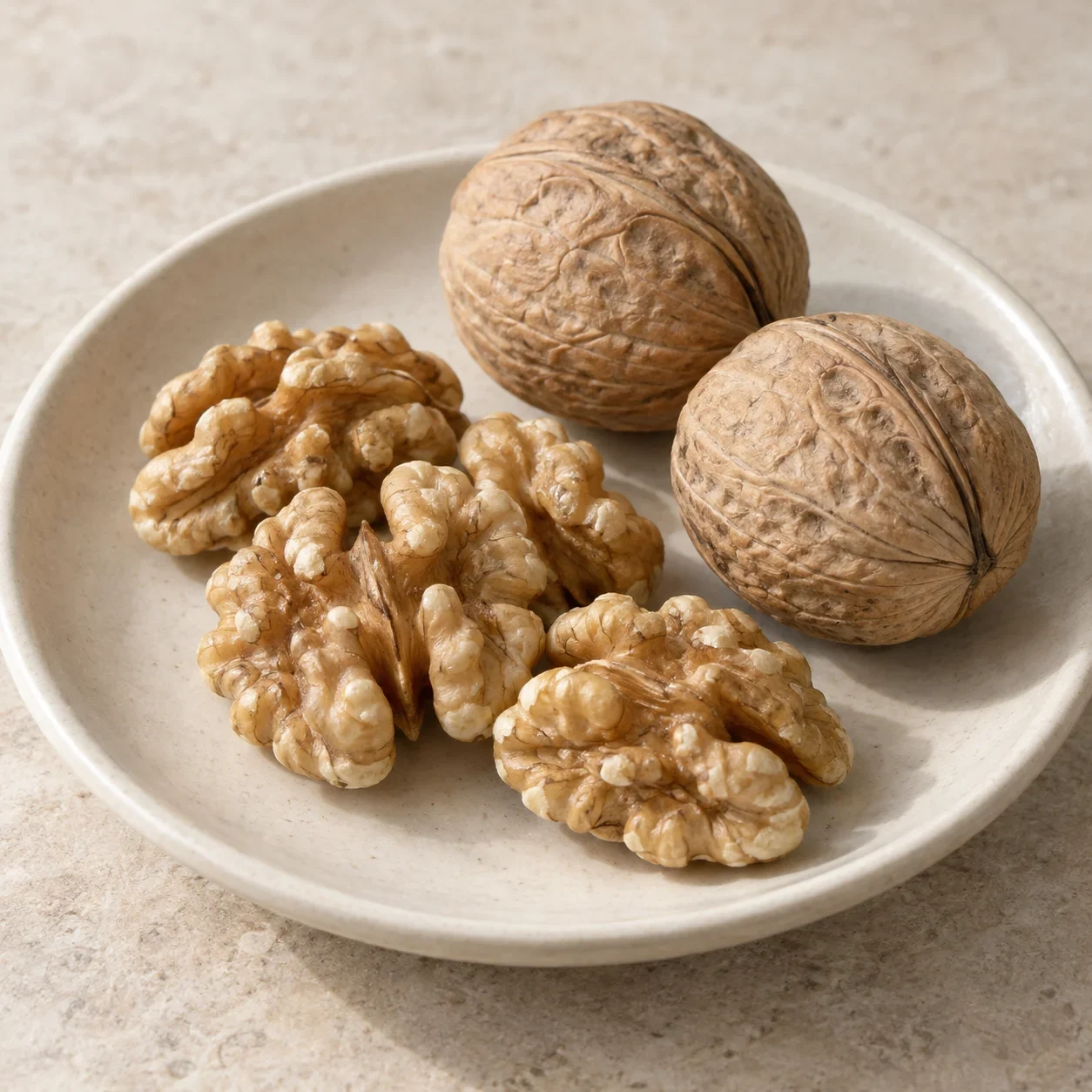
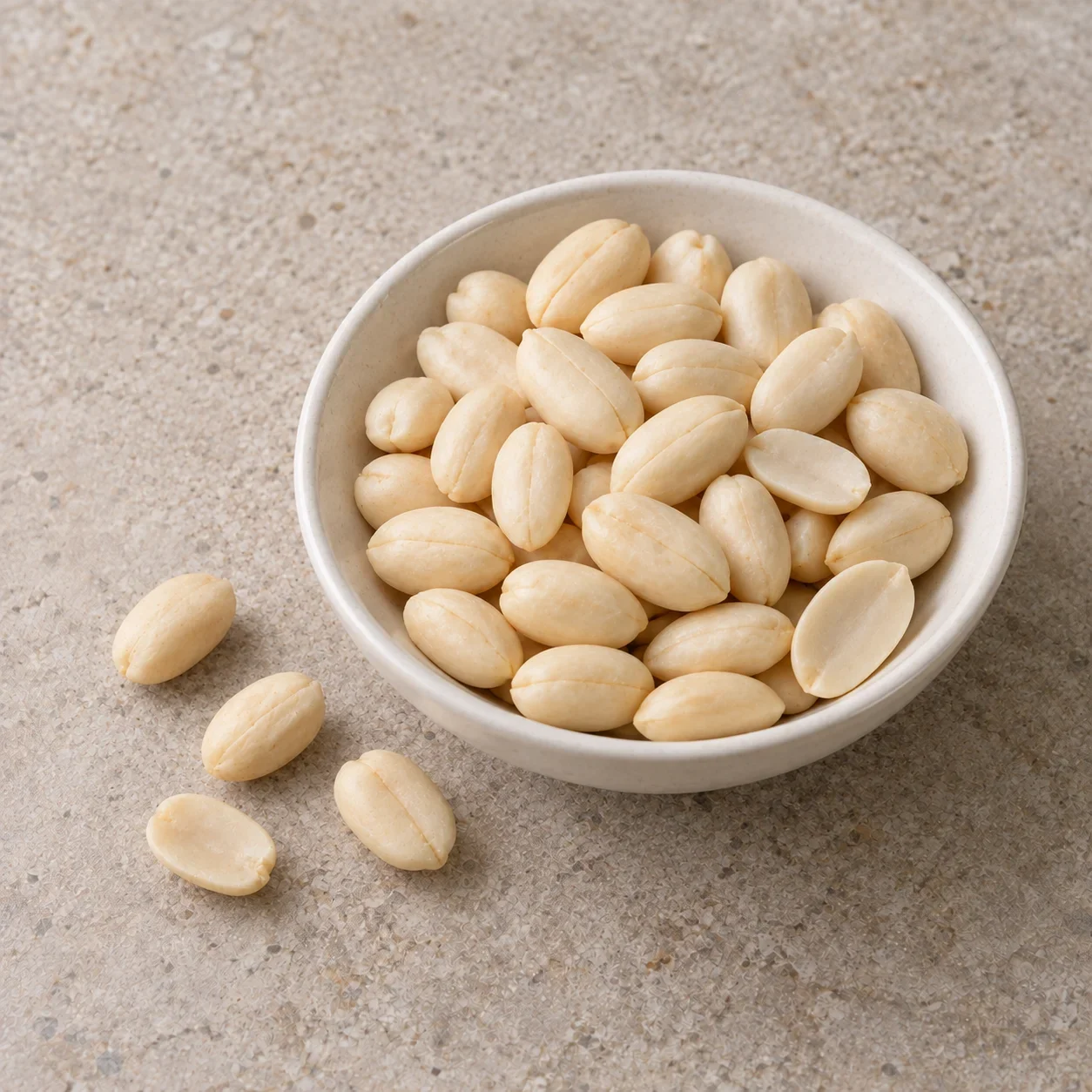
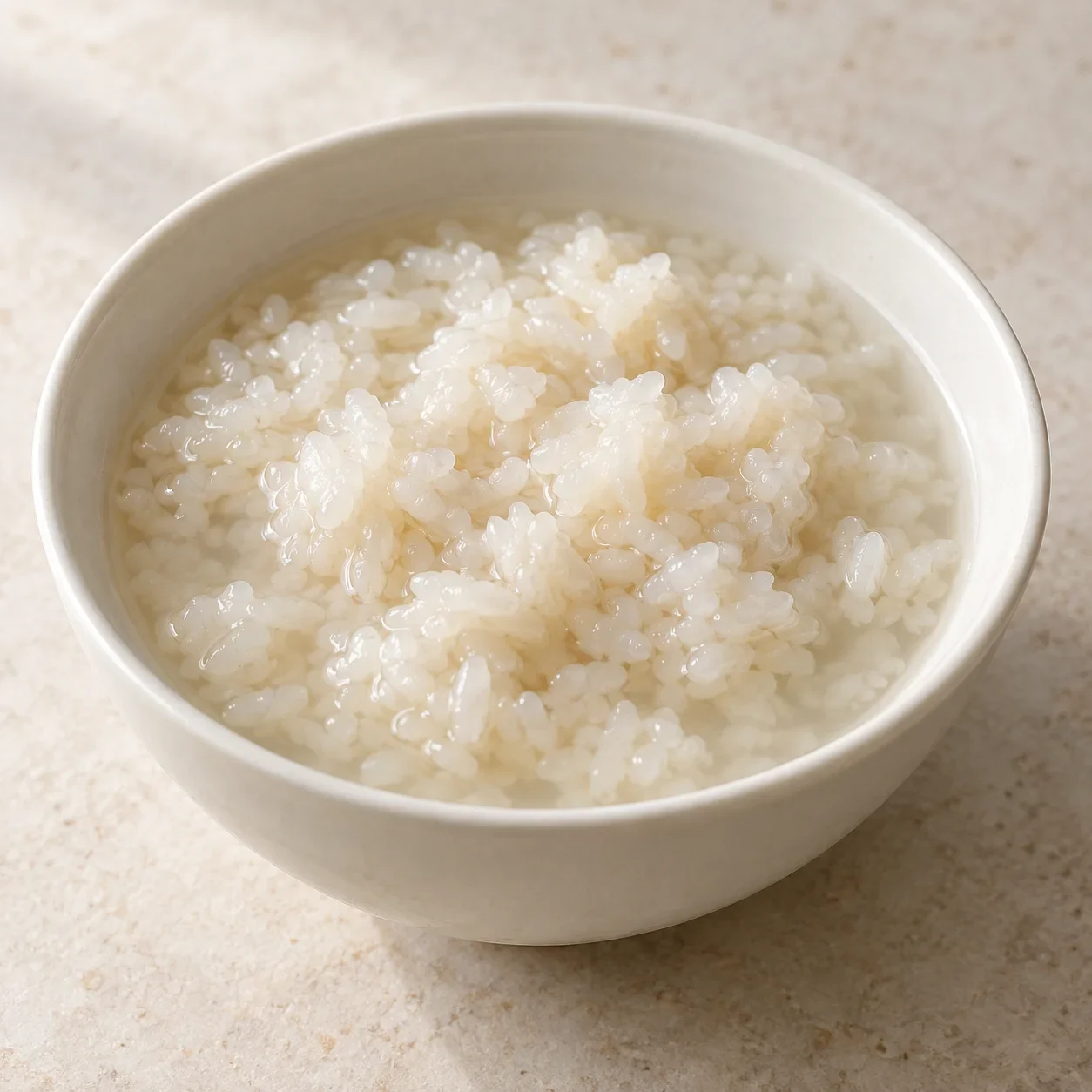
Recipes vary by restaurant.
How does it taste?
Sweet, nutty sesame flavor; not chili-hot.
- Chili heat
- Texture
- Smooth, sticky-soft skins around a rich filling.
- How it’s made
- Glutinous-rice dough is wrapped around sweet sesame filling and boiled. Traditional fillings include pork fat.
Nut additions, sweetness and serving liquid vary. Some bowls include sweet fermented rice; ask if avoiding alcohol.
A CONNECTION TO PLACE
Origin & regional roots
Associated with Chongqing.
About this regional connection
Chongqing: A small filled sweet tangyuan form associated with Chongqing; retained separately from larger and savory varieties.
Ask if they have it first
请问你们有山城小汤圆吗?
Do you have this item?
A LITTLE SOMETHING TO READ
Story & history
Shancheng tangyuan, shaped by a family’s move to Chongqing
Several shops use the name Shancheng xiaotangyuan, so one family’s version offers a more specific story. The Yu family came from Hangzhou to Chongqing after the outbreak of the Second Sino-Japanese War in 1937 and first sold unfilled, Zhejiang-style small rice balls. At customers’ suggestion, they combined that familiar style with Chongqing’s soft, chewy diaojiang rice dough. In 1964, their Hangzhou Xiaotangyuan Sweet Shop took the name Shancheng Xiaotangyuan. The bowl reflects an immigrant family adapting a home tradition to the texture local diners enjoyed.