
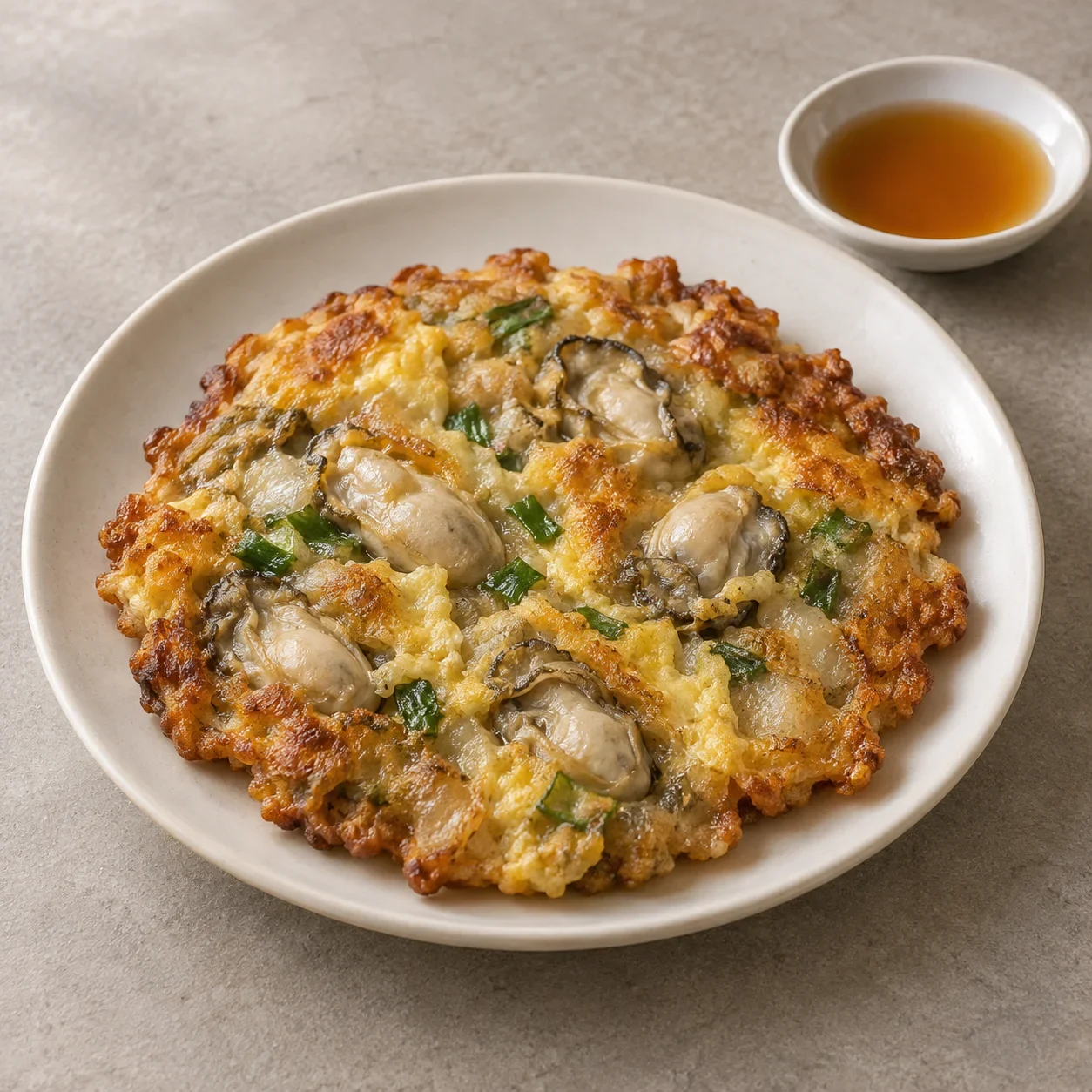
GET TO KNOW THE DISH
What goes into it?
Explore some key ingredients below. Preparations may use additional seasonings and ingredients.
Local preparations range from a drier, chewier style to a wetter, springier one. Oyster moisture and cooking sequence affect the texture.
Typical ingredients
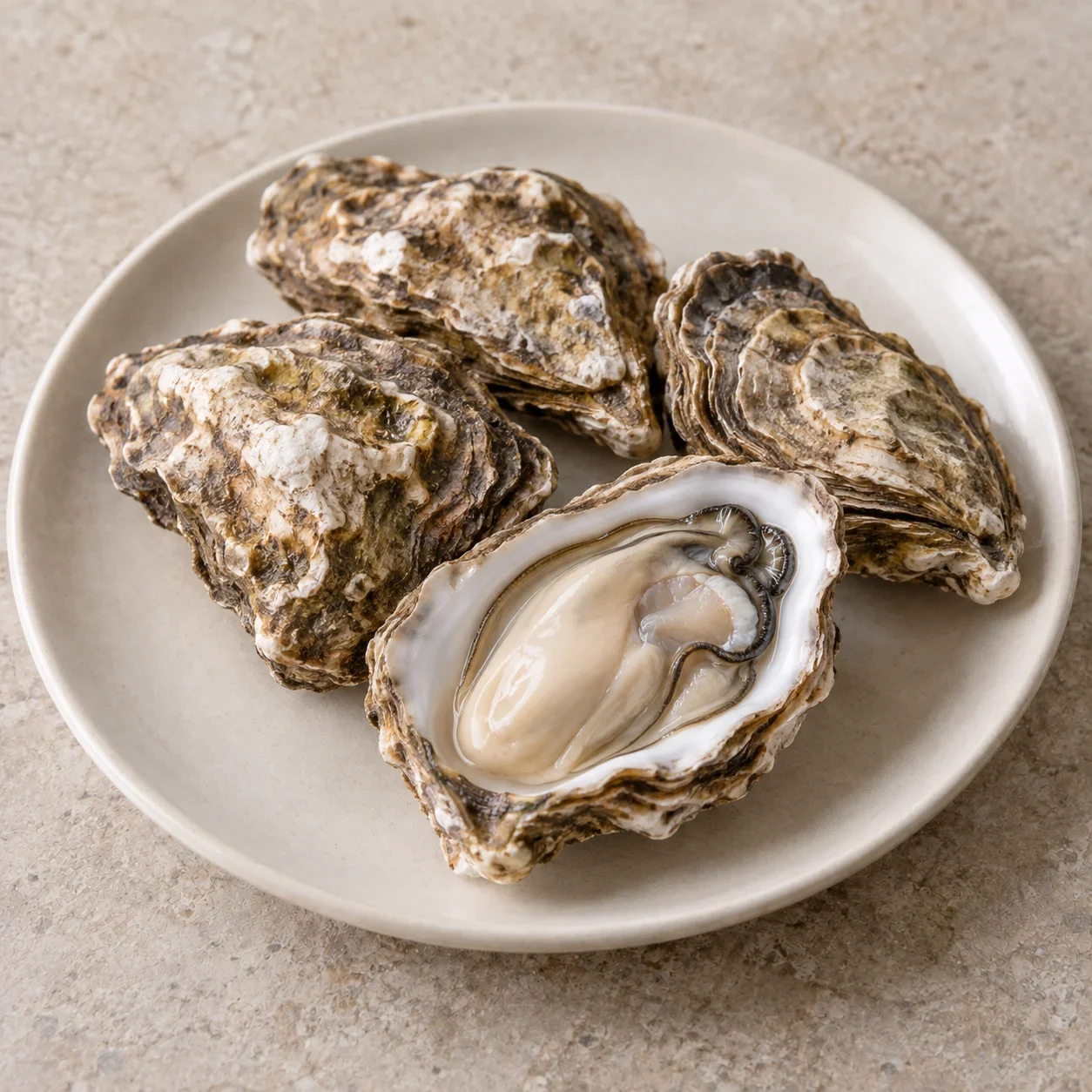
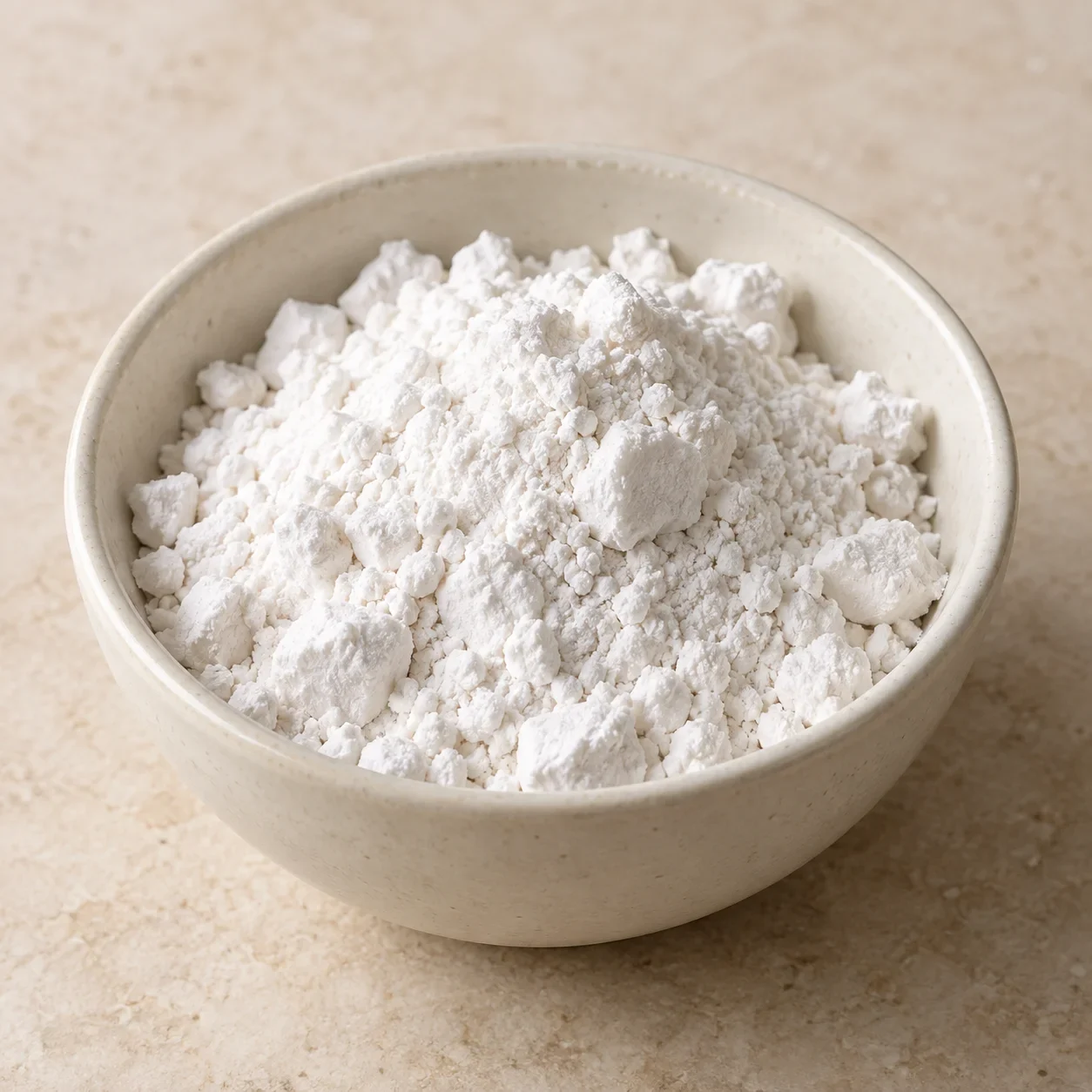
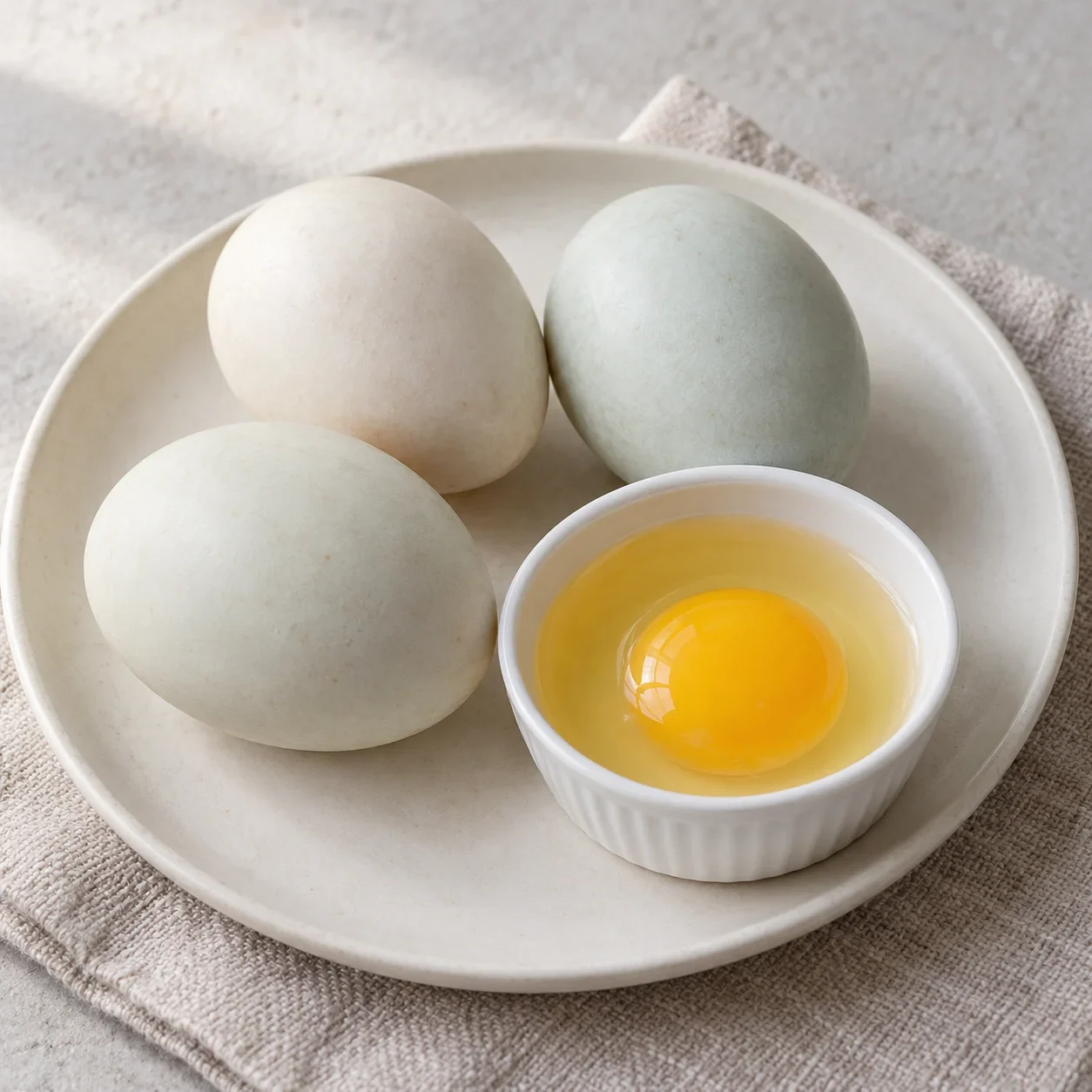
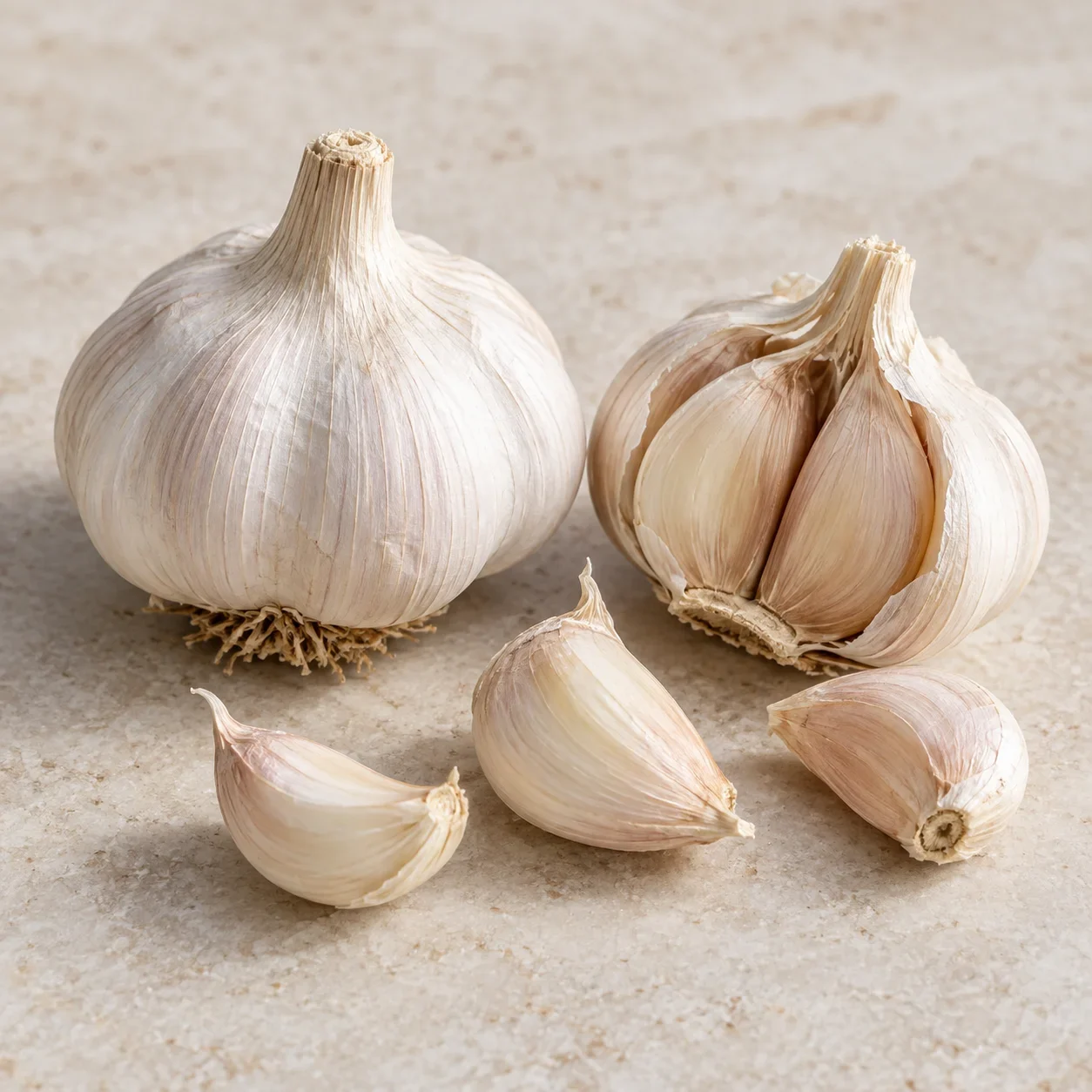
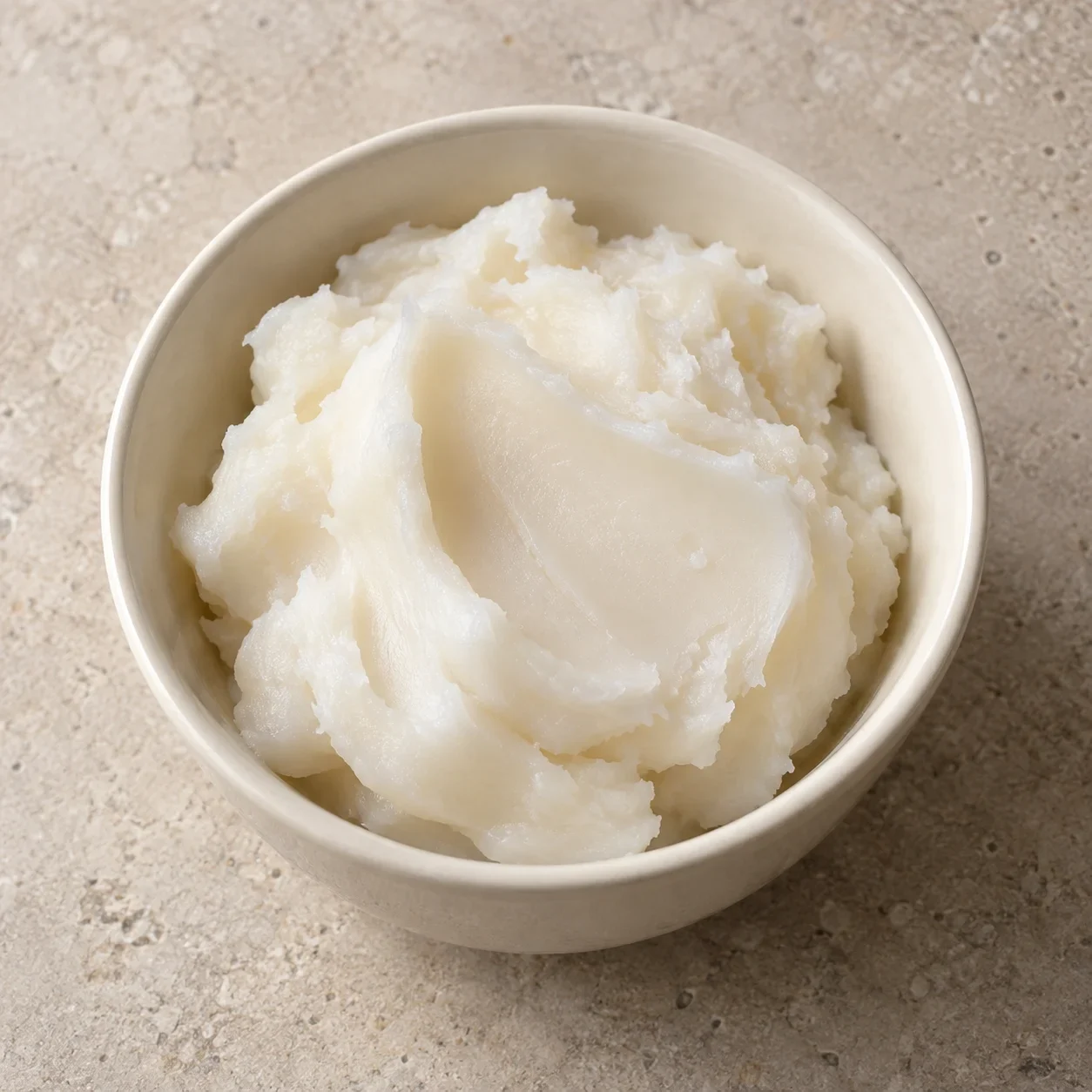
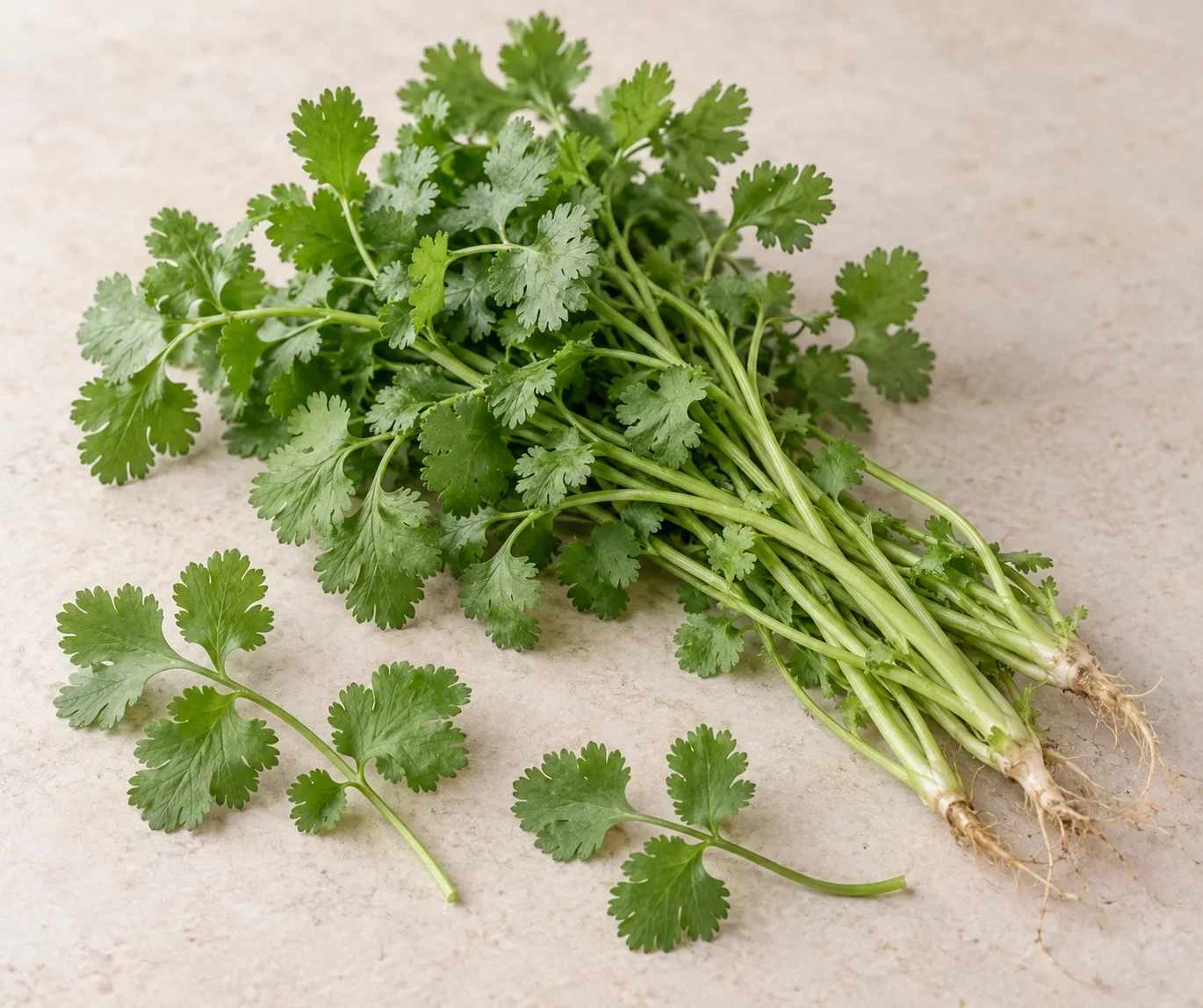
In some versions
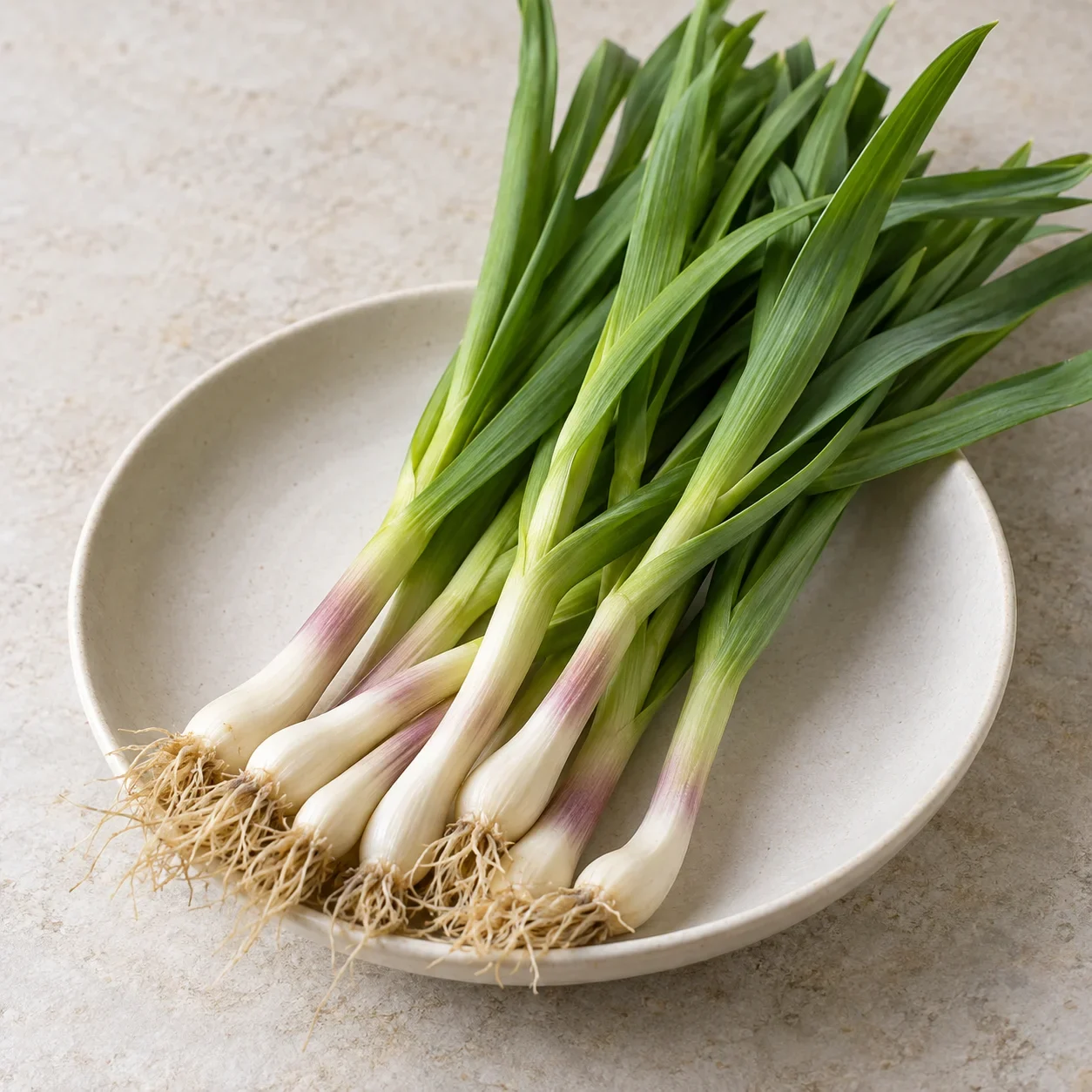
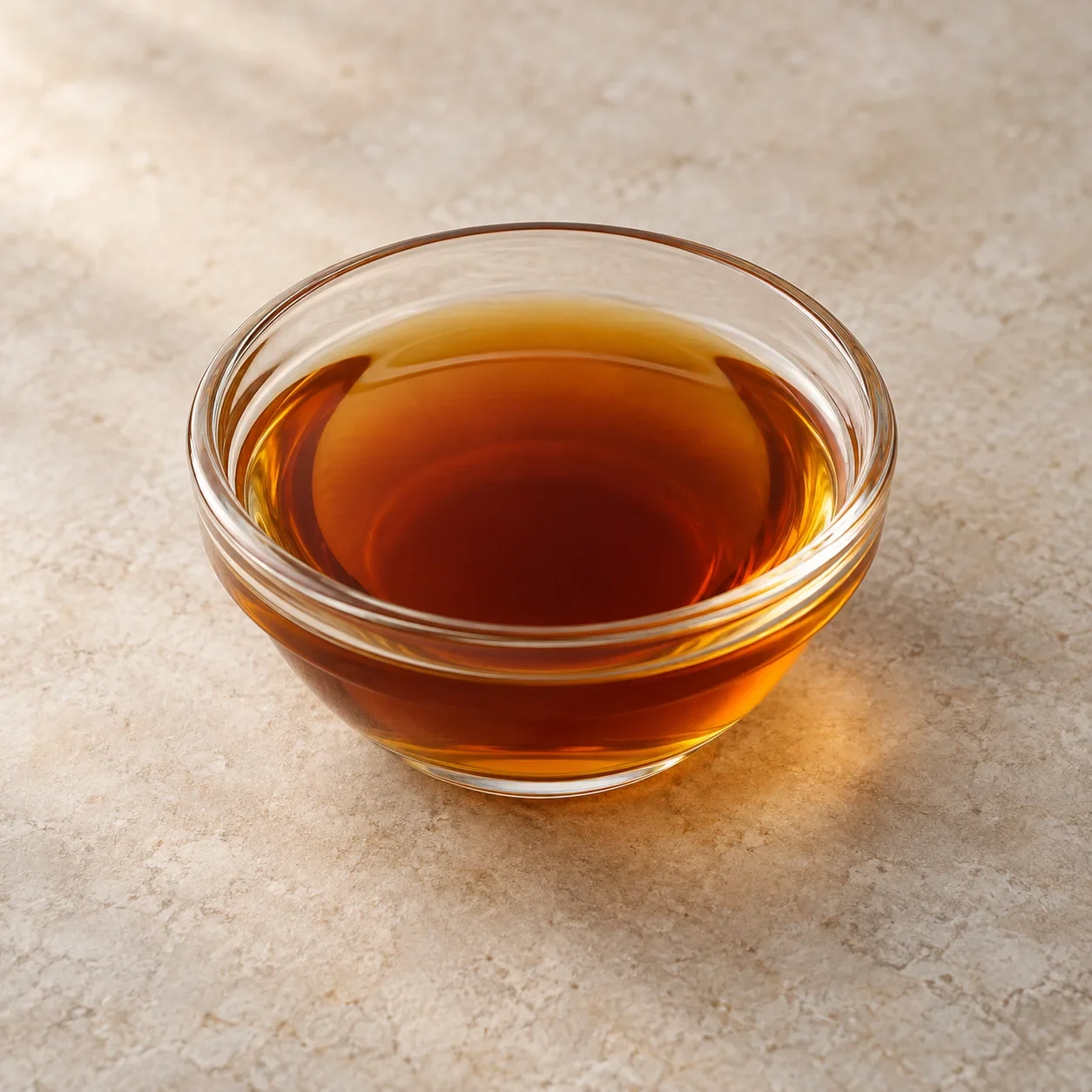
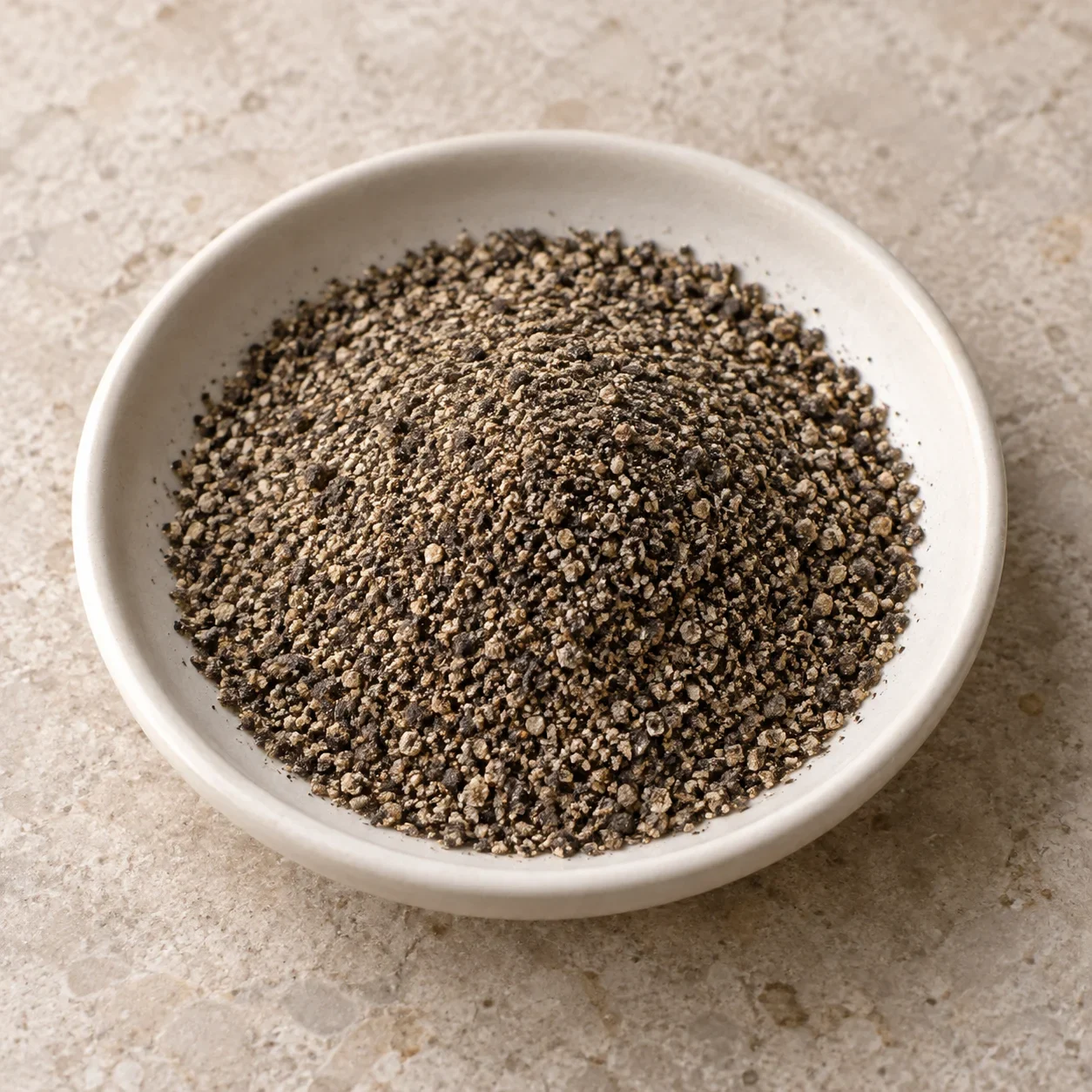
Recipes vary by restaurant.
How does it taste?
Savory, oyster-forward and lightly briny, with egg and browned starch; fish sauce and pepper may be served alongside.
- Chili heat
- Texture
- Crisp and golden at the edges with a soft, tender center. Drier oyster preparations can be chewier; wetter ones can be springier.
- How it’s made
- In one local preparation, small oysters are washed and drained. Sweet-potato-starch batter is added to a pan with lard; as the batter begins to set, the oysters are scattered over it, followed by chopped green garlic and beaten duck egg. The mixture is pan-fried until both sides are golden and crisp. Coriander is added after cooking, with fish sauce and pepper served alongside.
Local preparations range from a drier, chewier style to a wetter, springier one. Oyster moisture and cooking sequence affect the texture.
A CONNECTION TO PLACE
Origin & regional roots
Associated with Guangdong.
About this regional connection
Guangdong: The directly read Chaozhou gastronomy page titles the preparation 潮州蚝烙 and describes it as a traditional Chaozhou snack. This supports association, not exclusive origin.
Ask if they have it first
请问你们有蚝烙吗?
Do you have this item?
A LITTLE SOMETHING TO READ
Story & history
Six years learning to fry oyster pancakes
At Lao Zheng’s oyster-pancake shop in Chaozhou’s Xia Shuimen, cook Xu Canbin spent six years learning from a senior master. His craft begins with choosing plump, juicy small oysters and finely milled sweet-potato starch. The oyster pancake, also called hao jian, belongs to the local street-snack tradition. This is one shop’s apprenticeship story; oyster moisture and cooking sequence give other versions different textures.