At the table
Eat it by hand in small bites.
Fresh filling can be hot. Check whether chili is included.
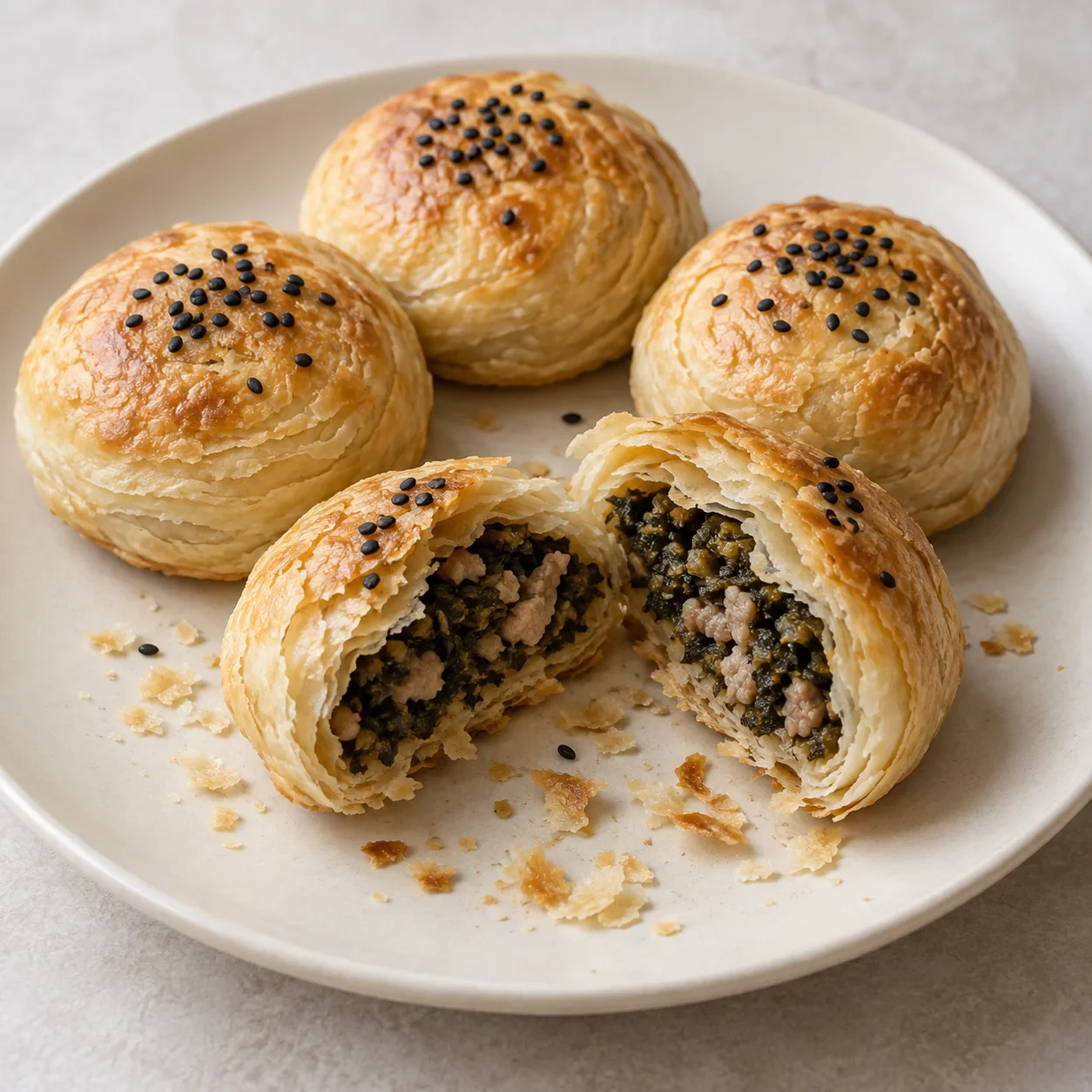
Pork, preserved greens and seasoning vary between preparations; some versions have no chili.
For children, break into small pieces and let the filling cool.
Recipes vary. Ask the restaurant about ingredients and serving before you order.
GET TO KNOW THE DISH
What goes into it?
Explore some key ingredients below. Preparations may use additional seasonings and ingredients.
A home preparation uses medium-gluten wheat flour, fatty pork belly and rapeseed oil. White sesame can replace black sesame, and dried chili can replace chili powder. Other preparations use fermented dough and raw pork fat, which differs from rendered lard and leaf fat.
Typical ingredients
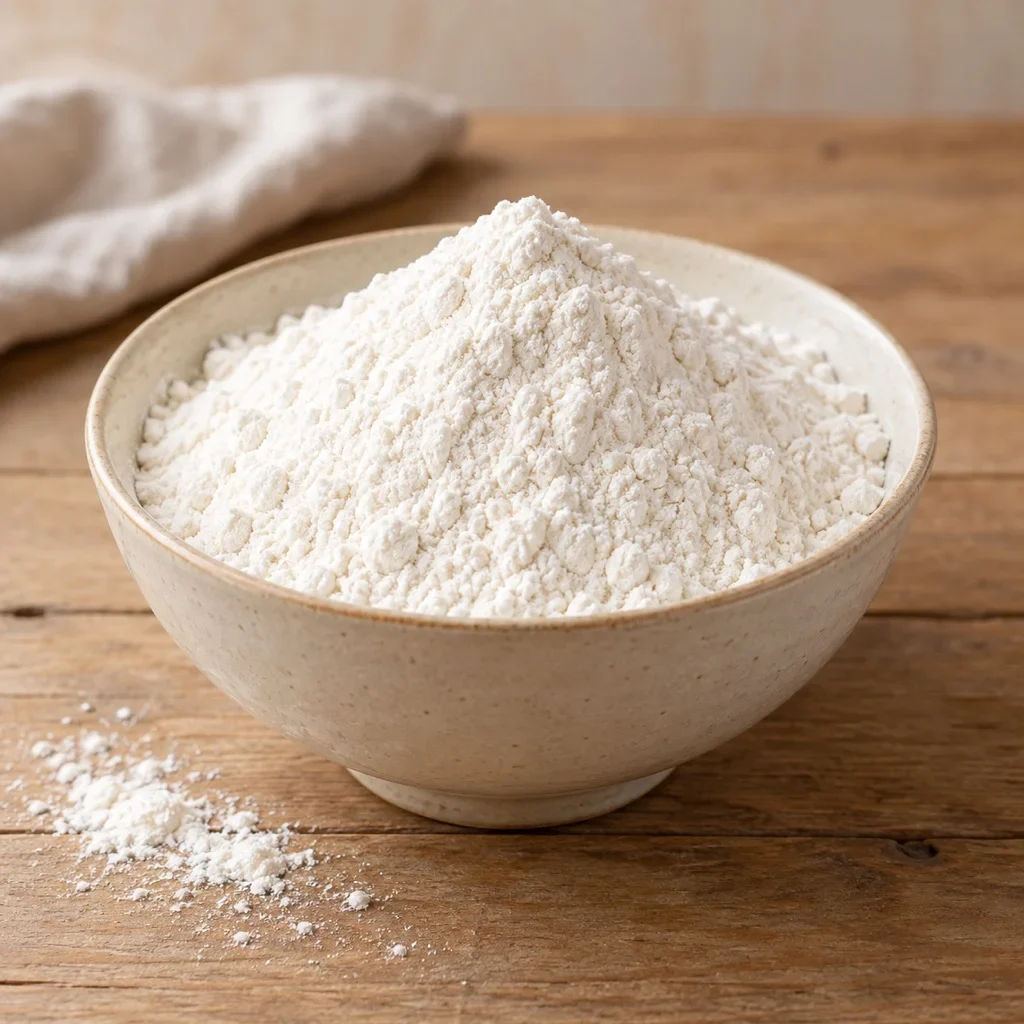
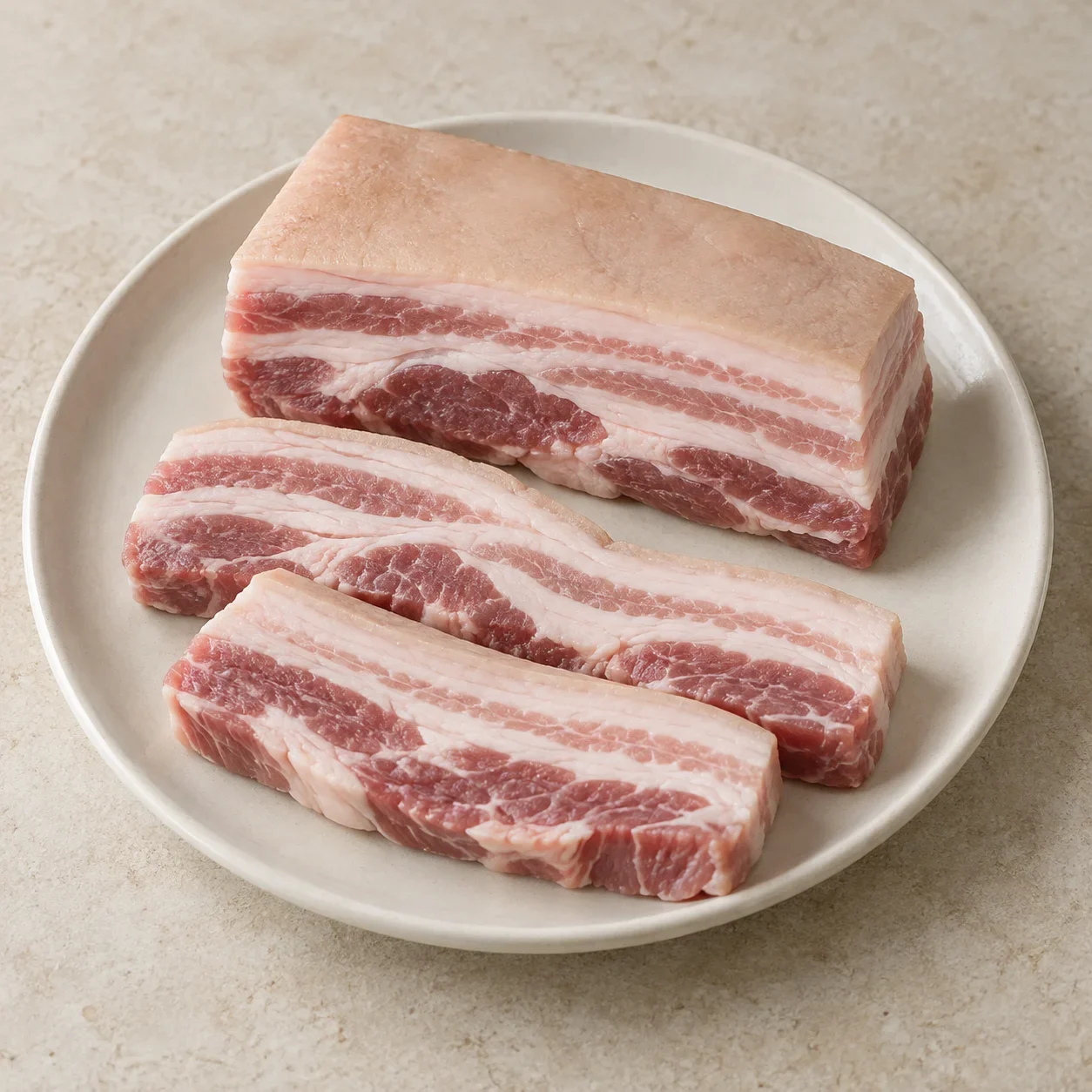
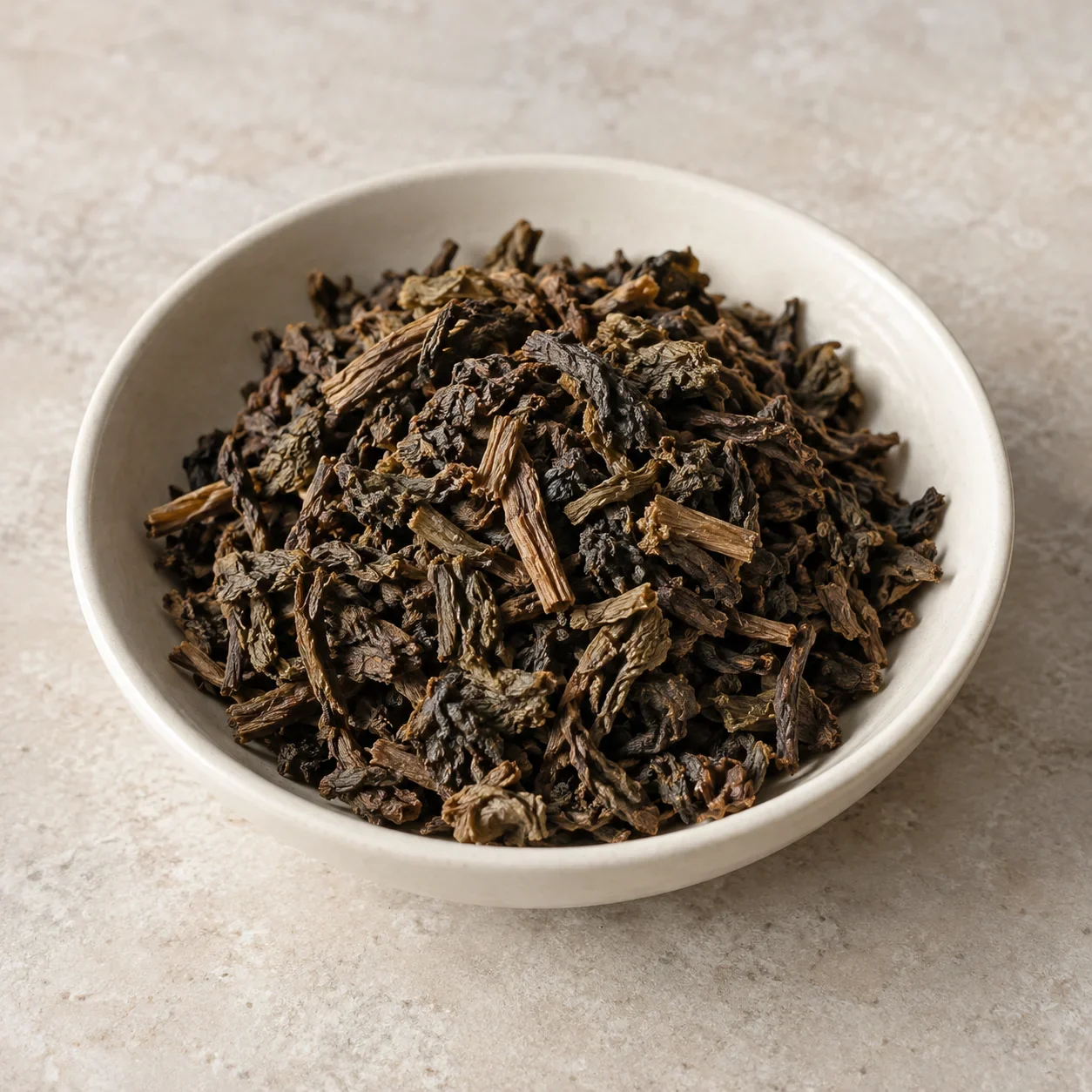
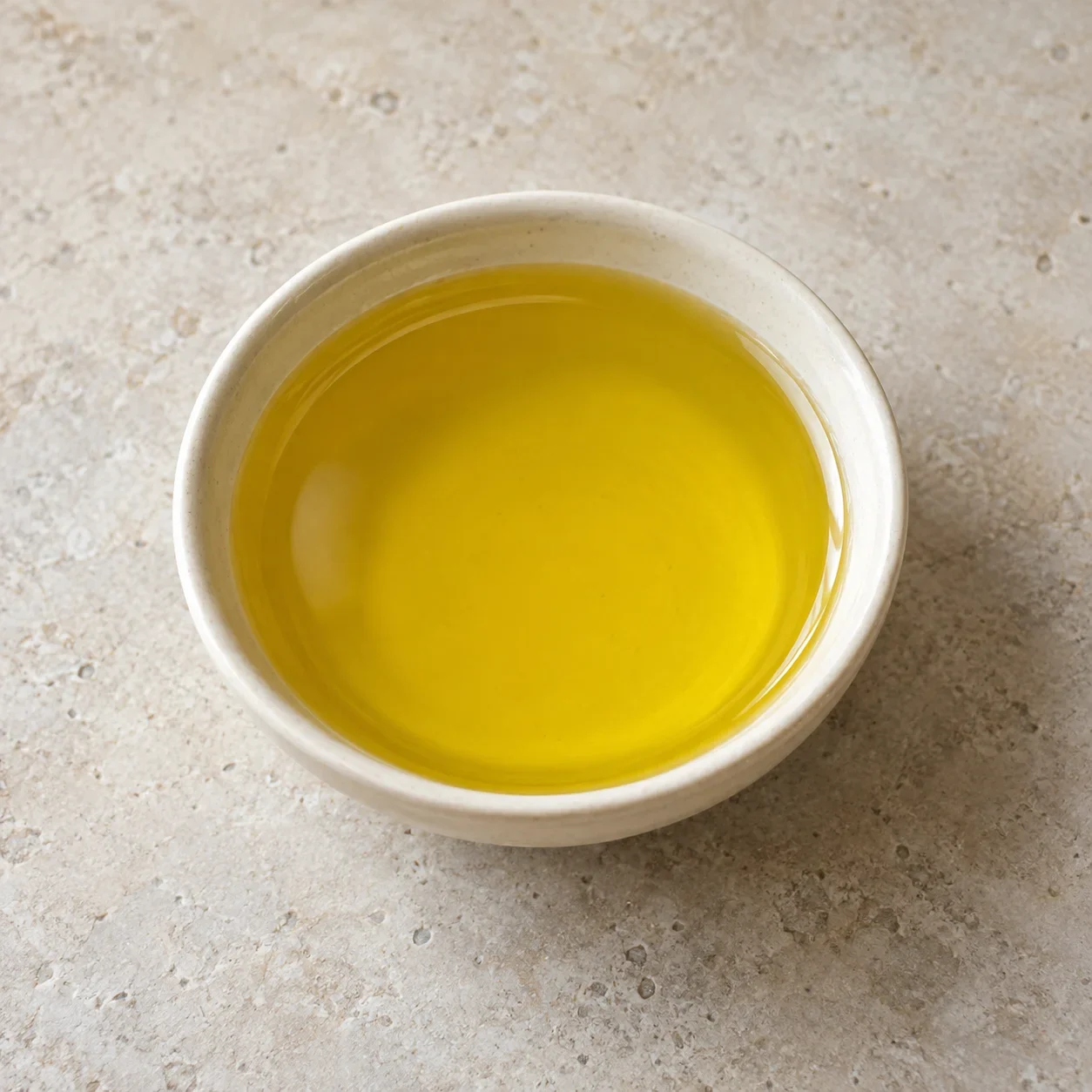
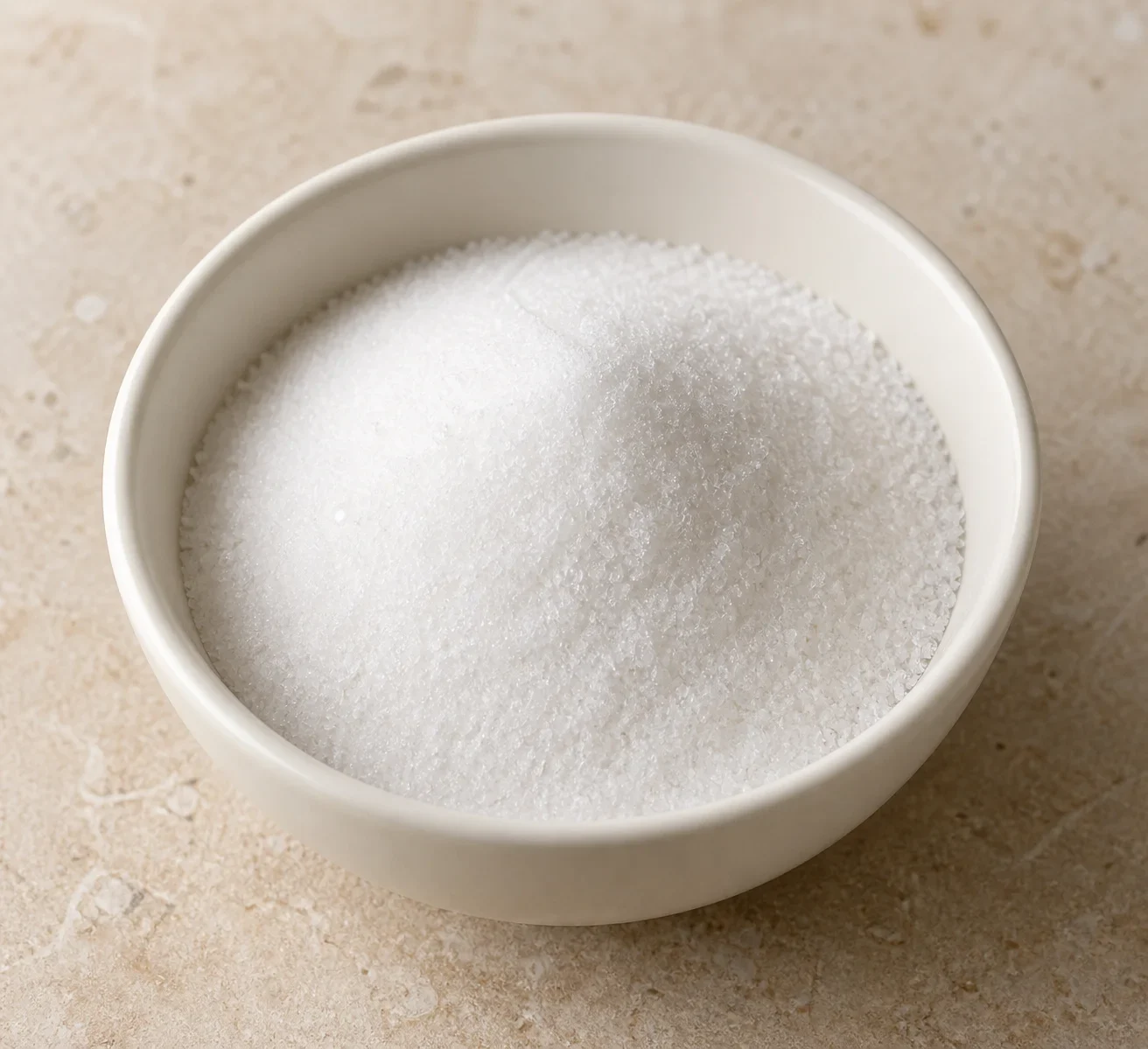

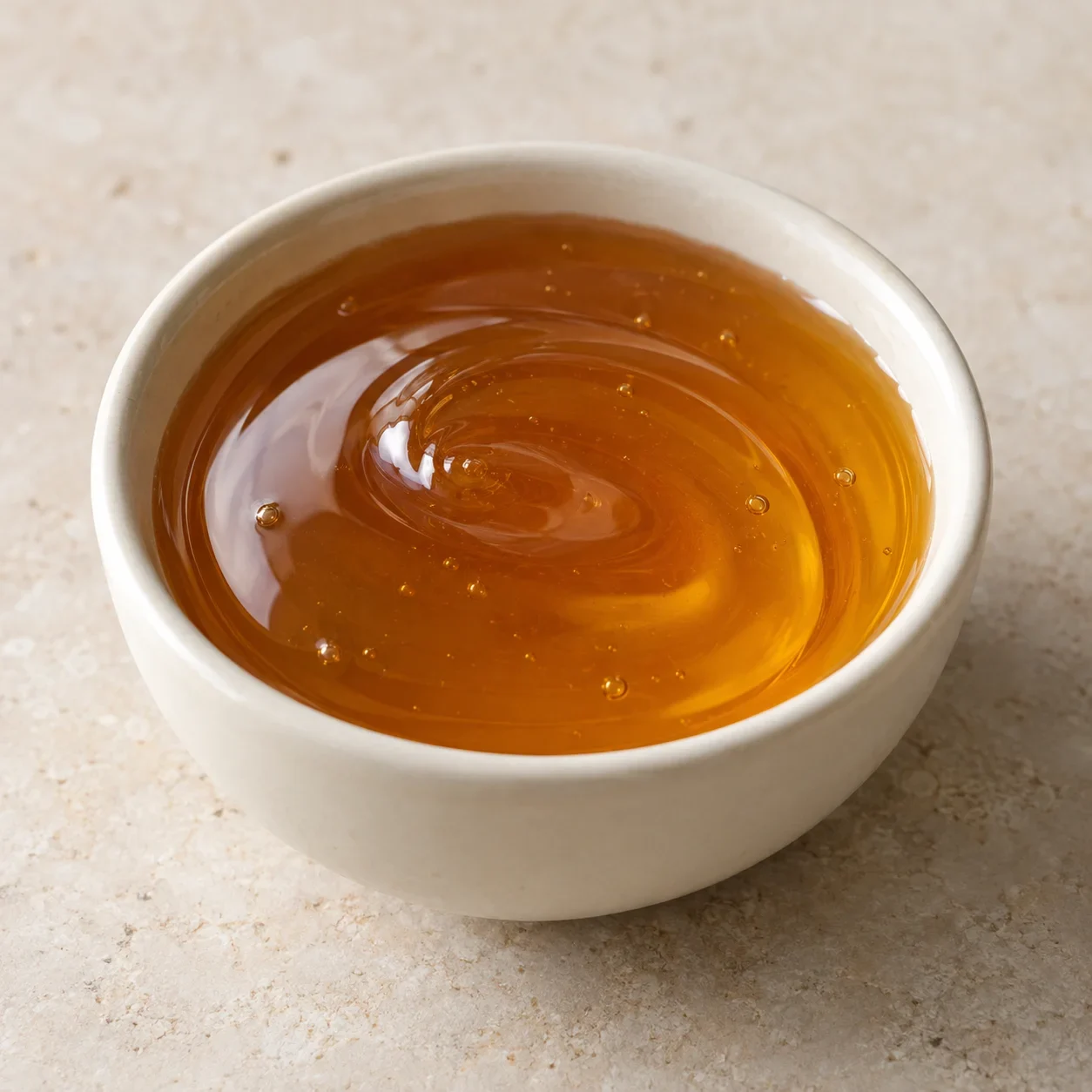
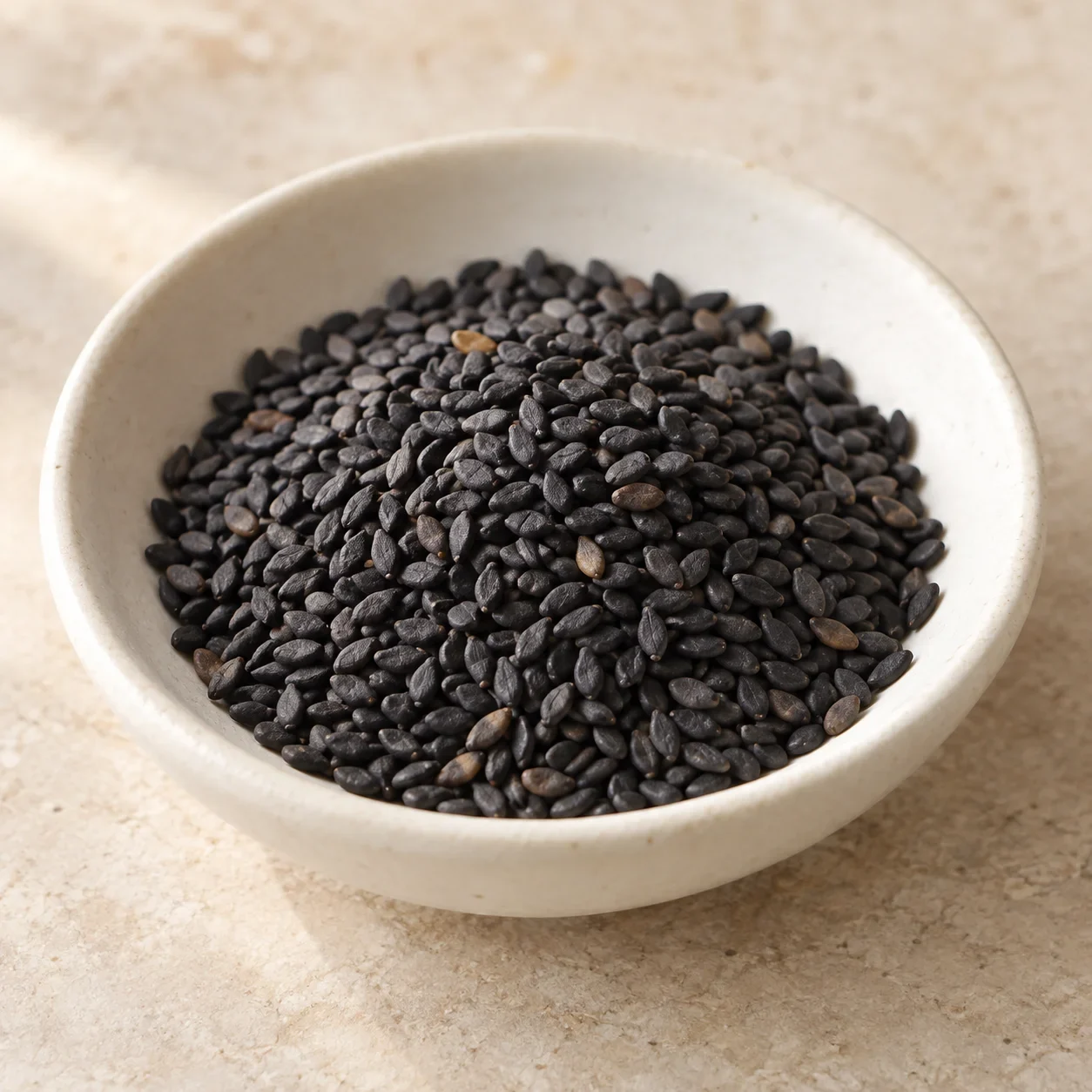
In some versions
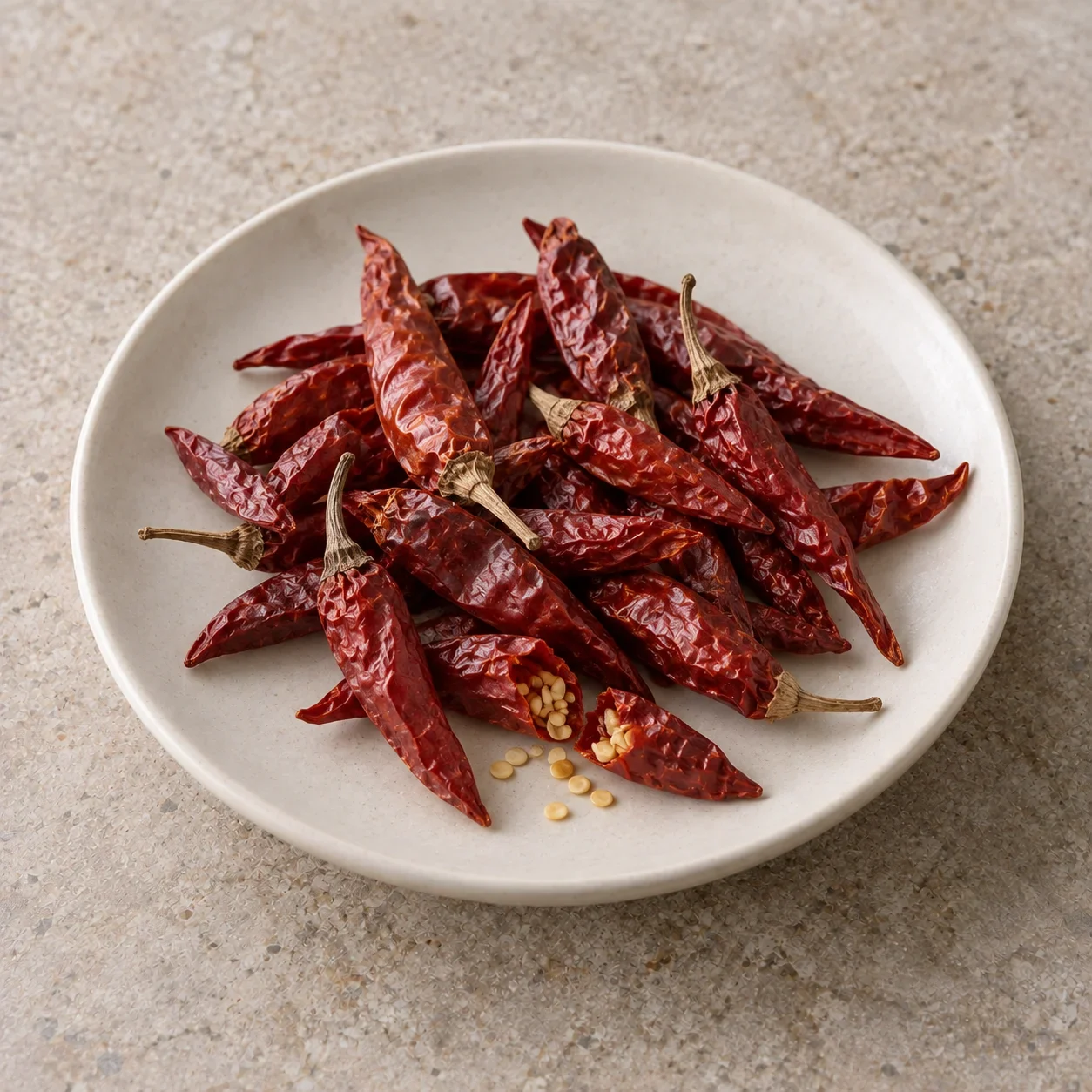
Recipes vary by restaurant.
How does it taste?
Savory, with sweet or spicy variations
- Chili heat
- Texture
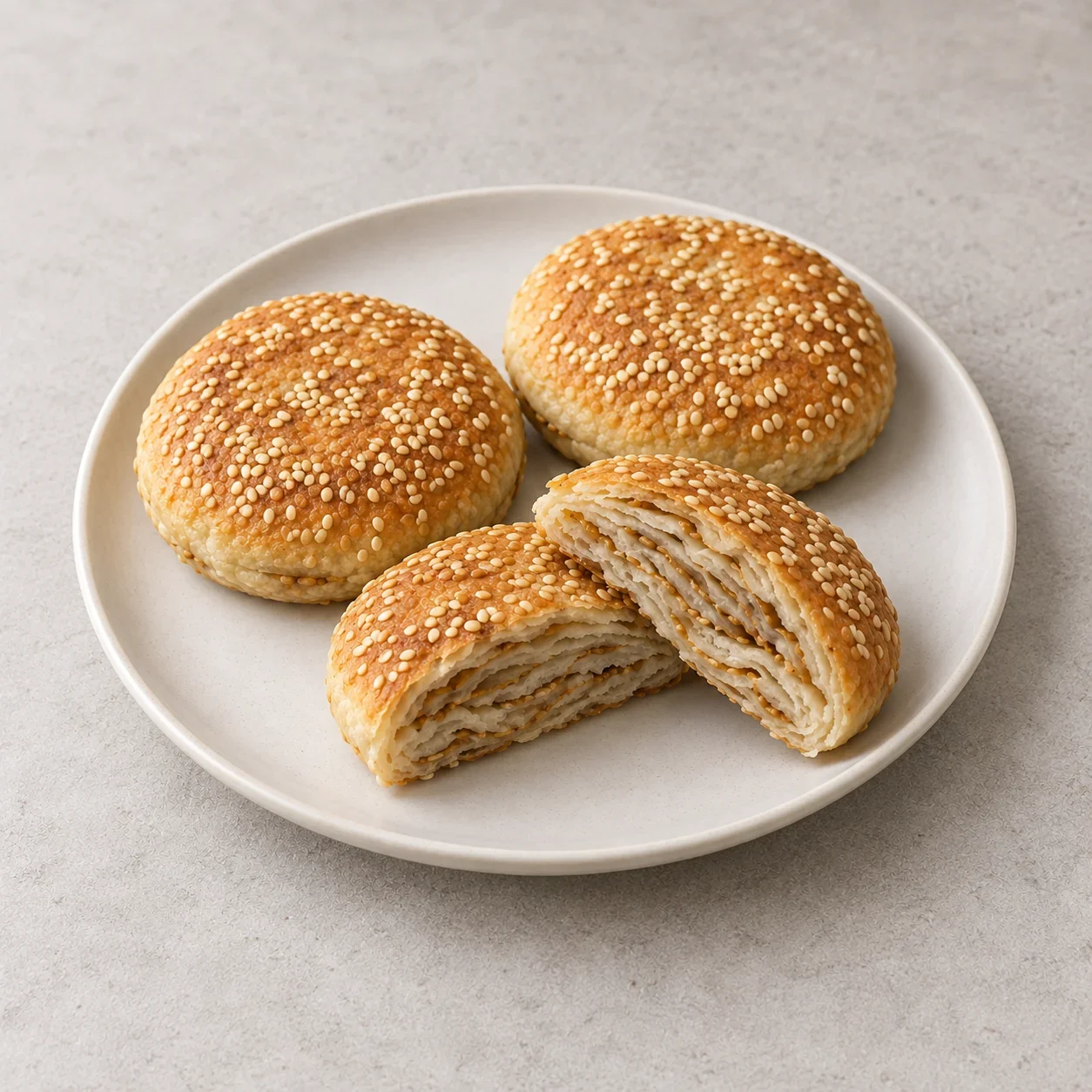
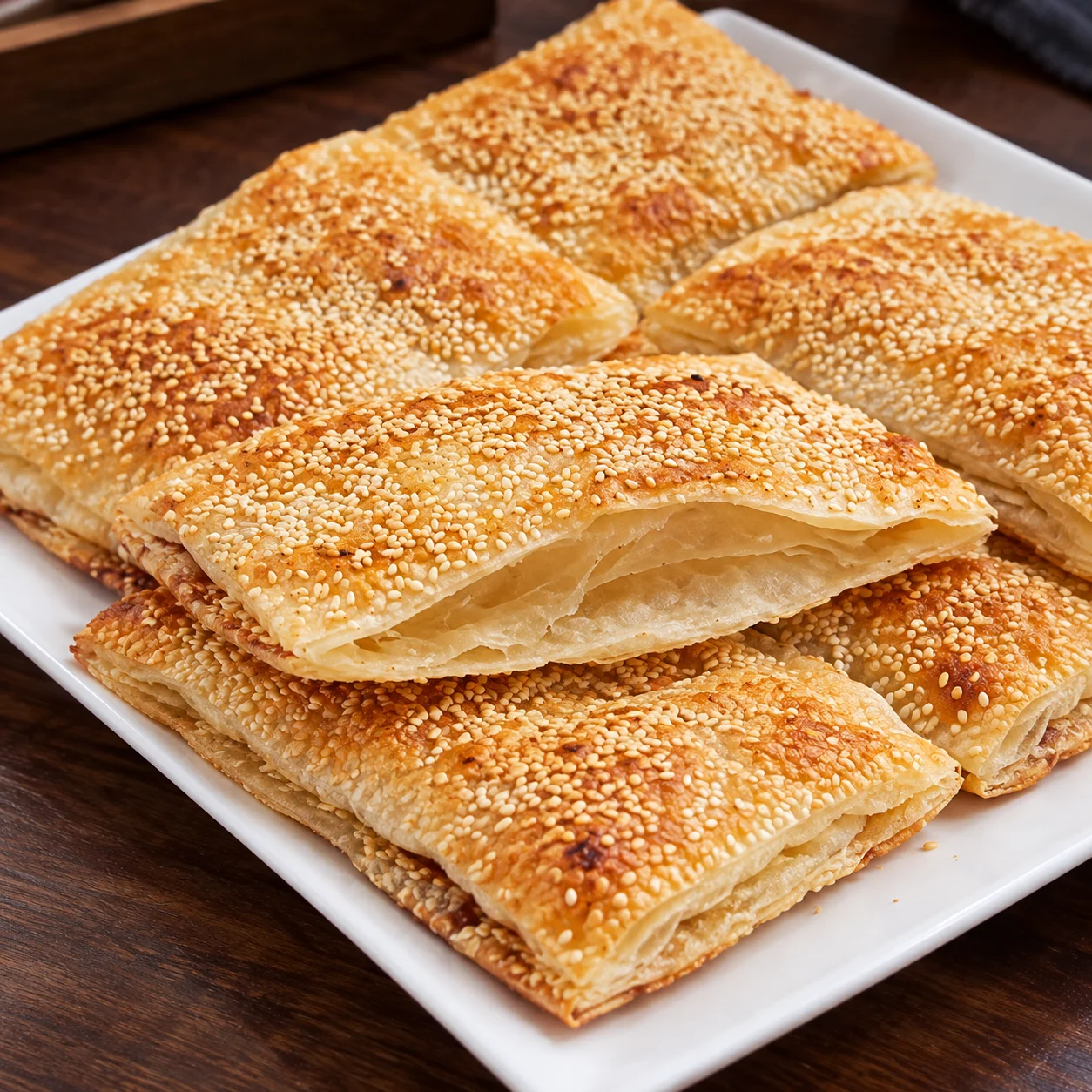
- Crisp, thin layers.
- How it’s made
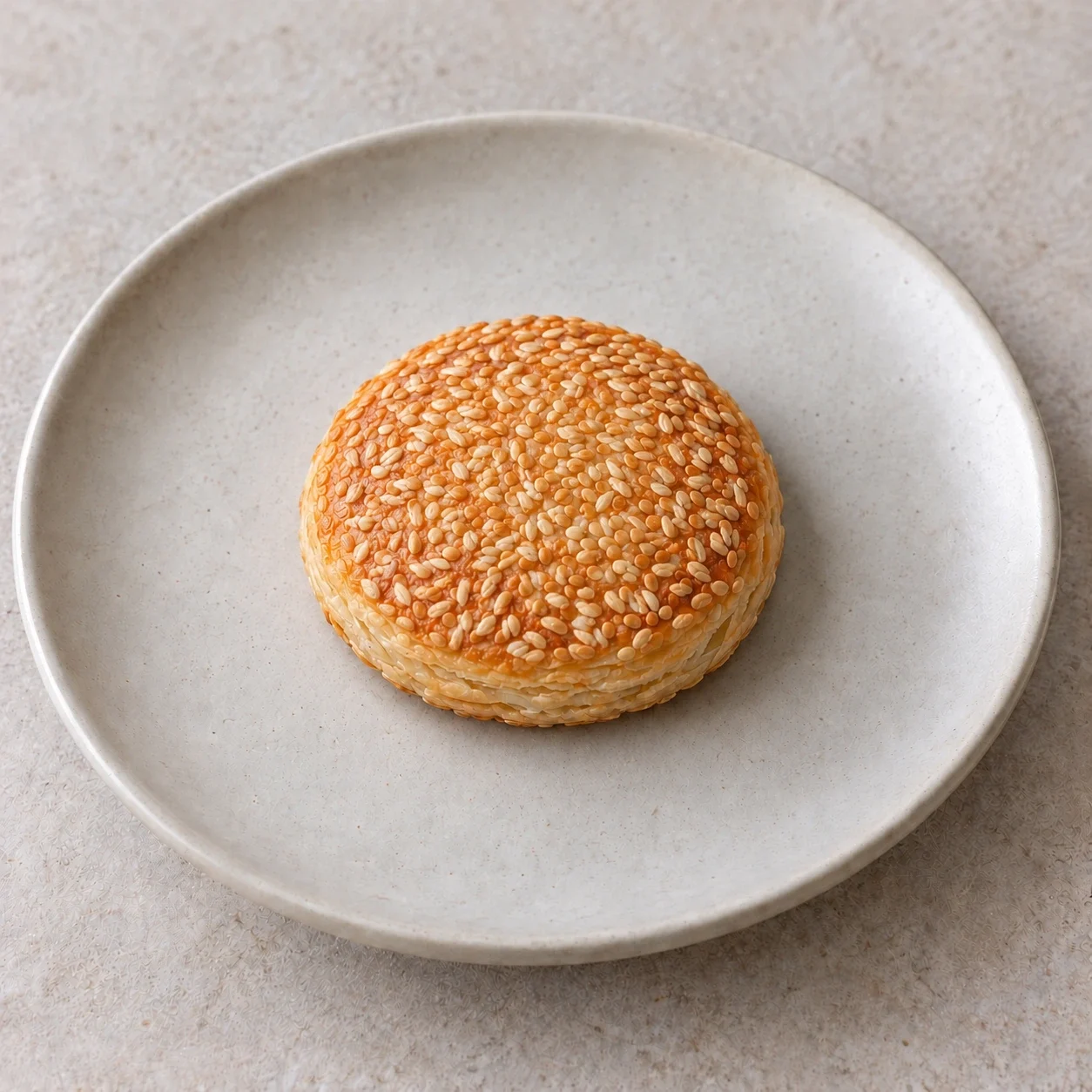
- Fold an oil-and-wheat dough into layers, wrap cooked pork-belly and preserved-greens filling, brush with honey, add sesame and bake.
A home preparation uses medium-gluten wheat flour, fatty pork belly and rapeseed oil. White sesame can replace black sesame, and dried chili can replace chili powder. Other preparations use fermented dough and raw pork fat, which differs from rendered lard and leaf fat.
A CONNECTION TO PLACE
Origin & regional roots
Associated with Anhui.
Ask if they have it first
请问你们有黄山烧饼吗?
Do you have this item?
A LITTLE SOMETHING TO READ
Story & history
A travel pastry in the Huizhou merchants’ kit
A long bake helped Huizhou shaobing keep well on the road; if a pastry softened, baking it again could bring back its crispness. A merchant’s travel saying pairs one bundle of cakes with two books and three ropes. The layered pastry was practical road food and was also given to trading partners. Its place in merchants’ travel stories helps explain why this small snack became a familiar taste of Huizhou beyond home.