
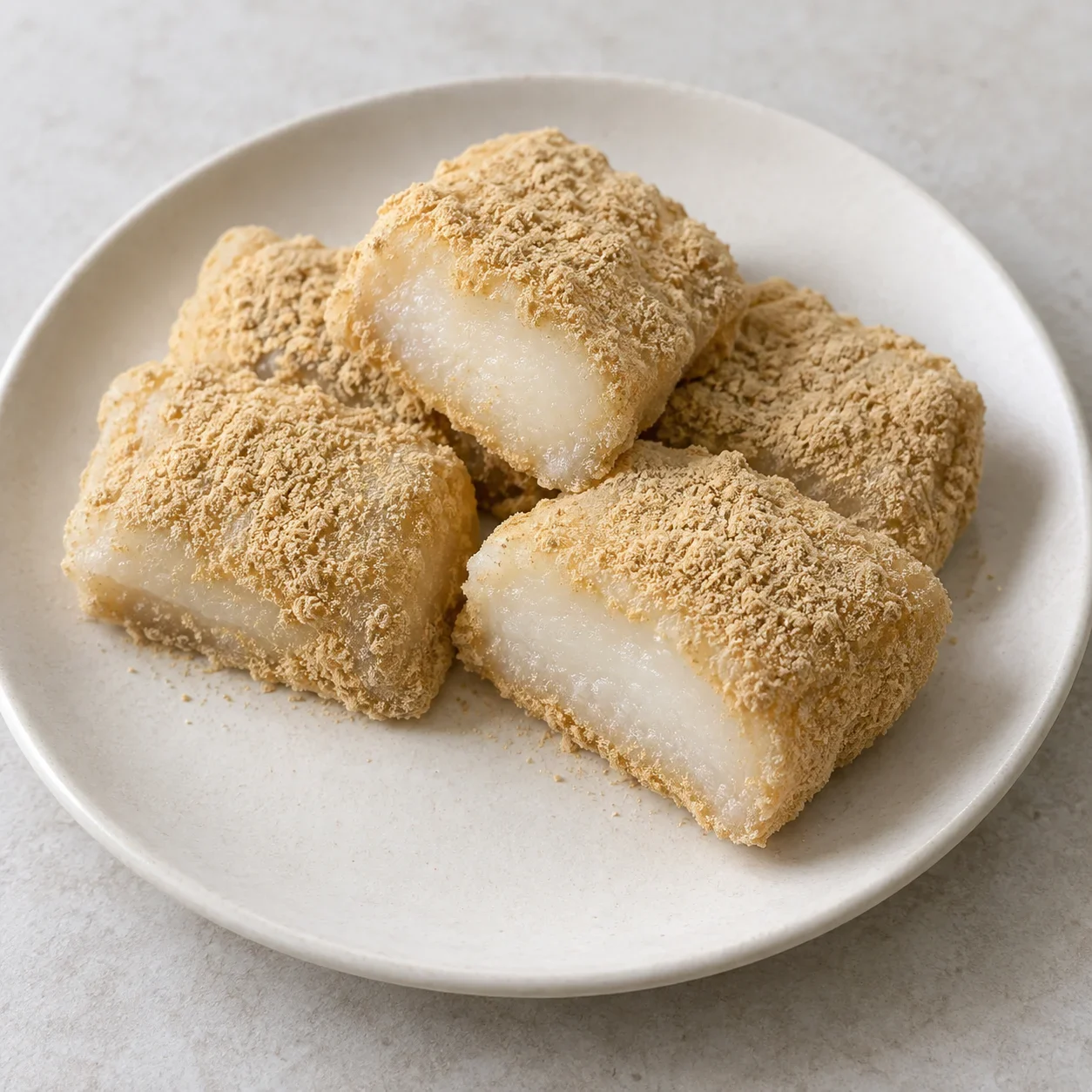
At the table
Take small bites and chew thoroughly. Do not swallow large pieces whole.
The soybean-flour version contains soy. Sticky rice cake requires careful chewing; softness alone does not make it suitable for young children or people who have difficulty swallowing.
Heat 0 refers to the plain rice-and-bean version. Toppings and their ingredients vary; ask about added fats or other ingredients if following a vegetarian or vegan diet.
GET TO KNOW THE DISH
What goes into it?
Explore some key ingredients below. Preparations may use additional seasonings and ingredients.
Roasted soybean flour and red-bean paste are alternative accompaniments.
Typical ingredients
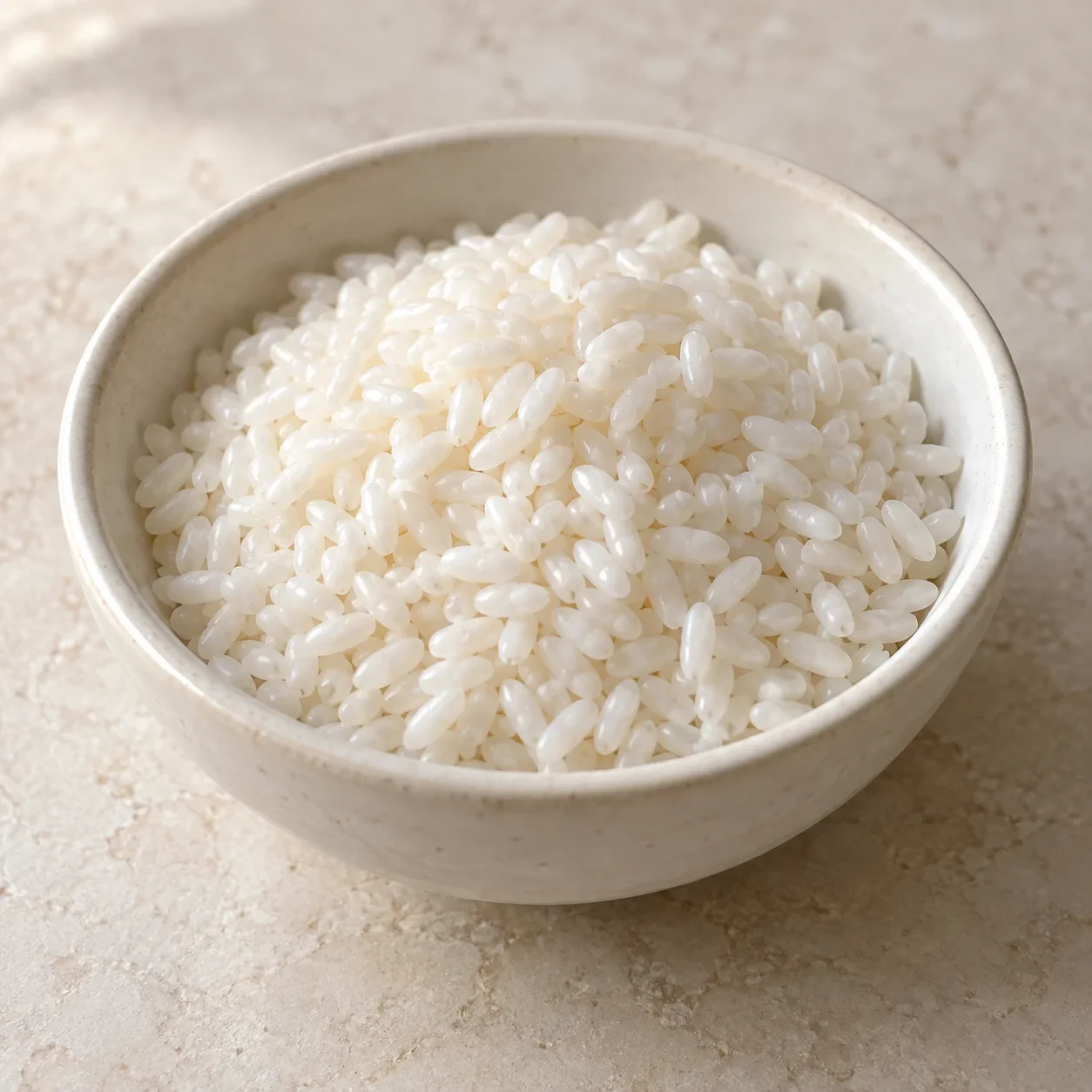
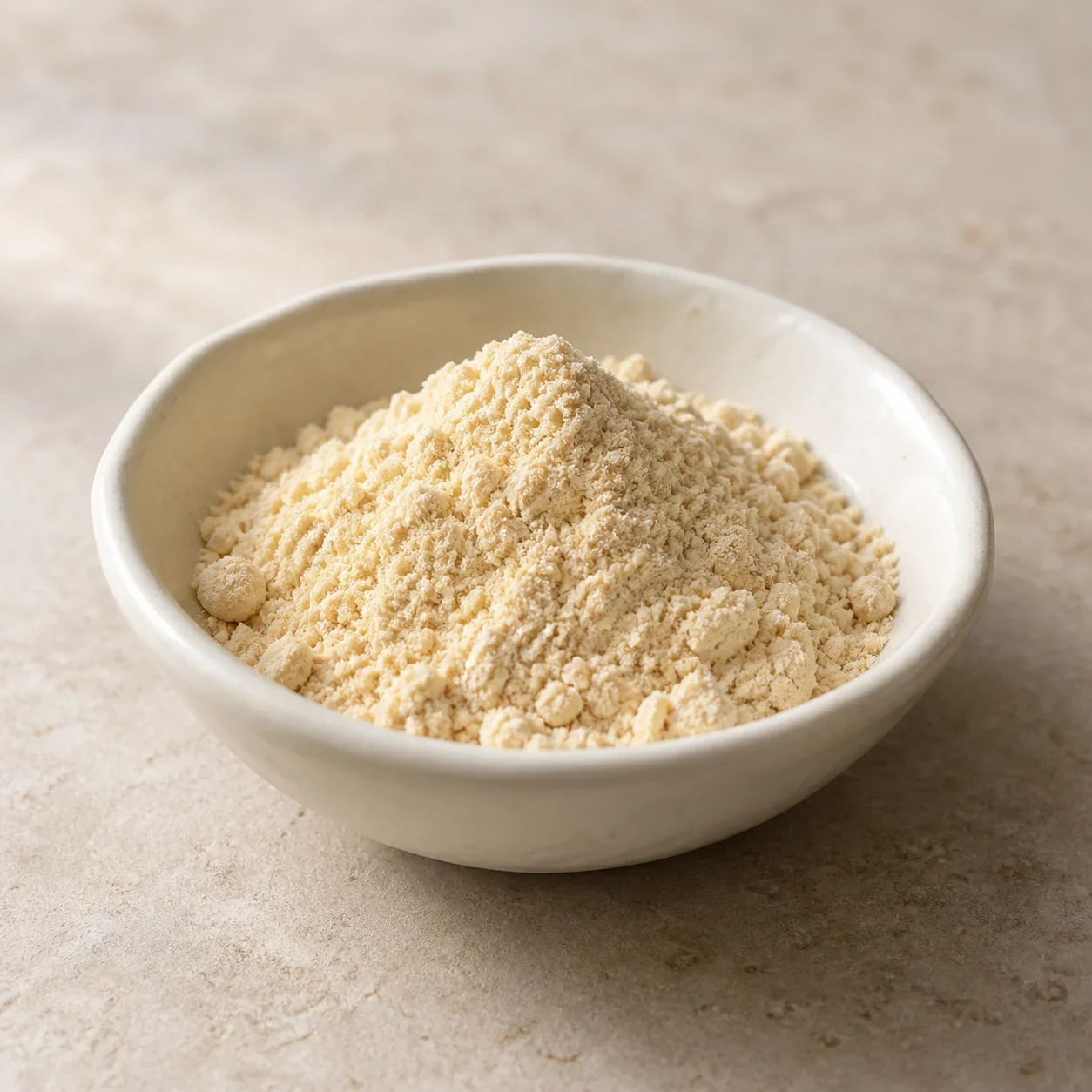
In some versions
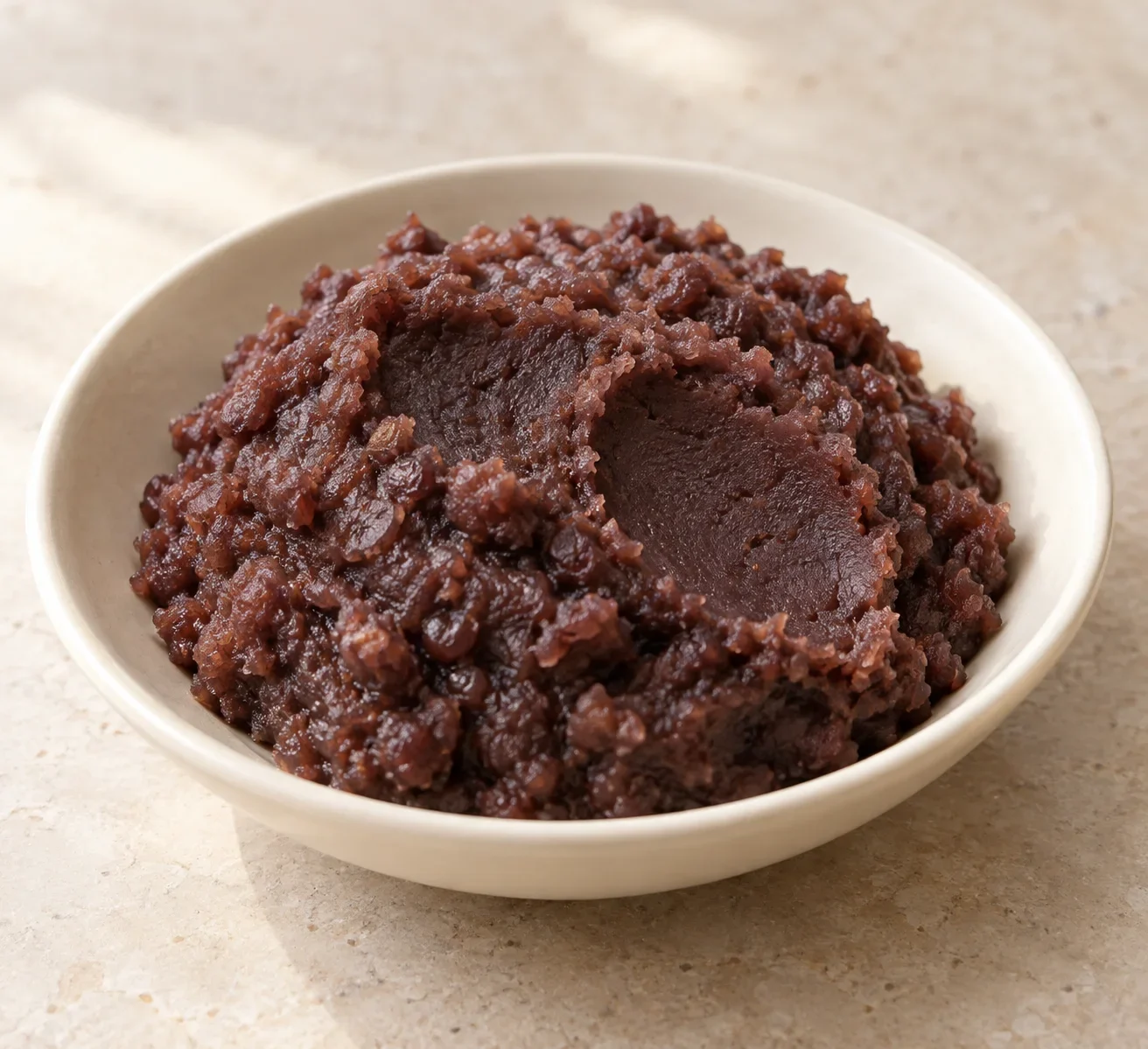
Recipes vary by restaurant.
How does it taste?
Rice and bean flavor
- Chili heat
- Texture
- Sticky and elastic
- How it’s made
- Steam glutinous rice, pound and cut; serve with bean flour.
Roasted soybean flour and red-bean paste are alternative accompaniments.
A CONNECTION TO PLACE
Origin & regional roots
Associated with Liaoning. Associated with Jilin. Associated with Heilongjiang.
About this regional connection
Liaoning: The broader Korean pounded-rice-cake tradition is also associated with Dandong in Liaoning. Heilongjiang: The broader Korean pounded-rice-cake tradition is also associated with Jixi in Heilongjiang.
Ask if they have it first
请问你们有延边打糕吗?
Do you have this item?
A LITTLE SOMETHING TO READ
Story & history
A cake made by pounding
This account describes a tradition or story, rather than an established historical fact.
Dagao gets its name from pounding steamed rice into a cohesive cake. In Yanbian’s Korean-Chinese food culture, it is shared at festivals, weddings and when welcoming guests. Pieces are eaten with roasted soybean flour or red-bean paste. The pounding gives the cake its characteristic elastic, sticky texture.