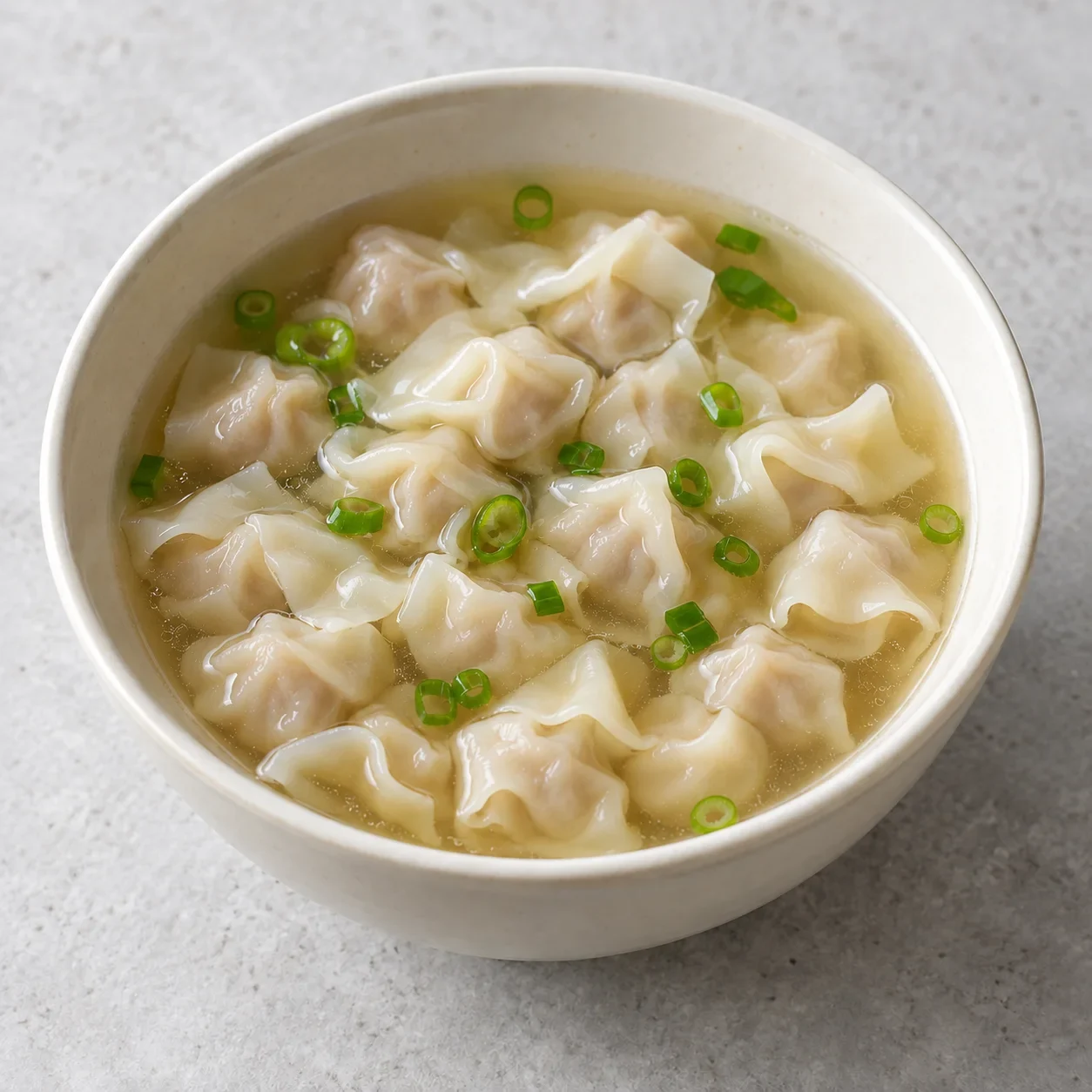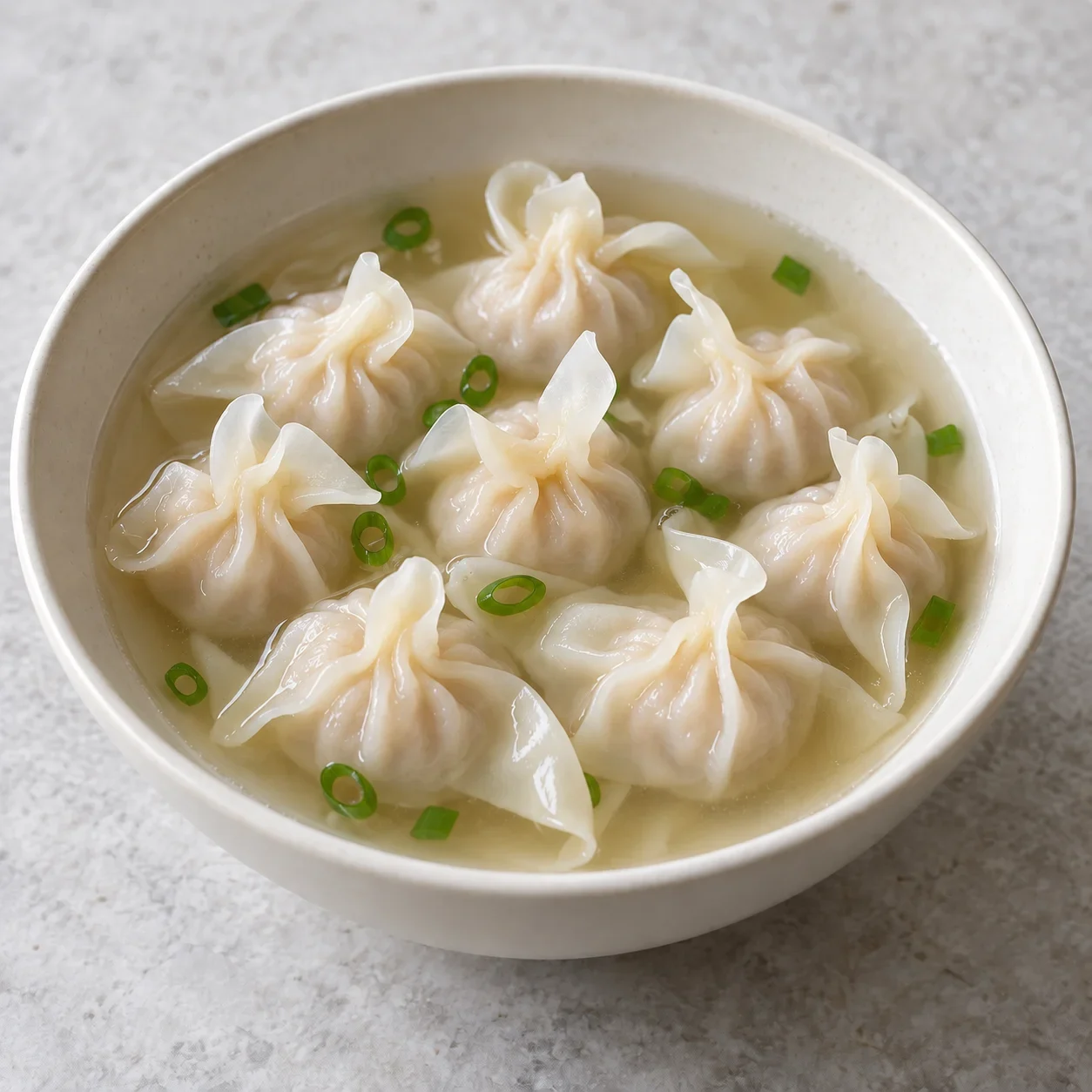
At the table
Lift a dumpling with a spoon, let it cool and bite or cut it open before eating.
The broth can be hot. Both wrapper and filling contain pork; this version also uses dried shrimp, egg, sesame and rice wine.
The wrapper itself contains meat. Salt can replace shrimp sauce in the filling.
The small pork-filled wrappers are served in broth and can be shared in a small bowl; allow the hot broth to cool and offer manageable pieces.
Recipes vary. Ask the restaurant about ingredients and serving before you order.
GET TO KNOW THE DISH
What goes into it?
Explore some key ingredients below. Preparations may use additional seasonings and ingredients.
The wrapper itself contains meat. Salt can replace shrimp sauce in the filling.
Typical ingredients
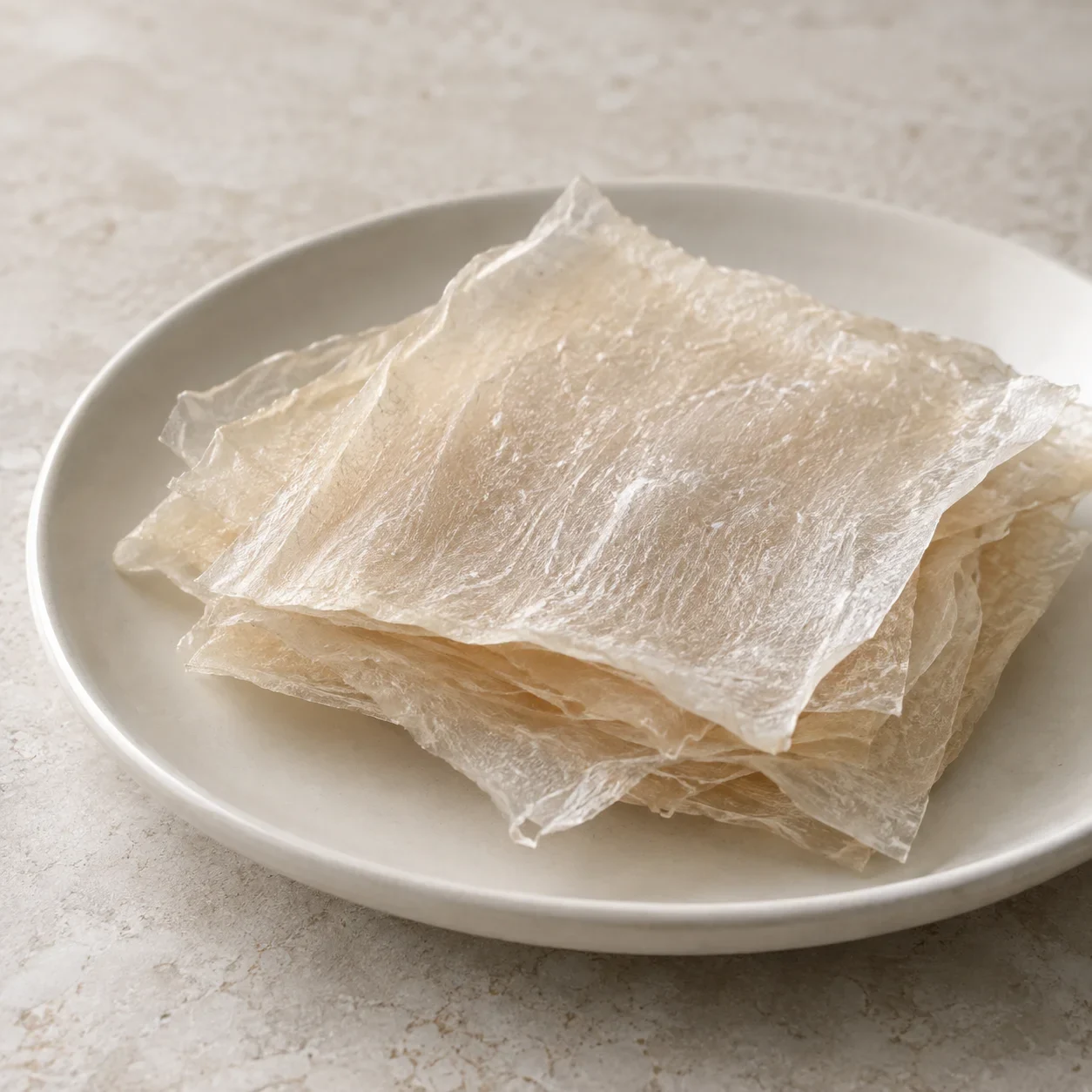
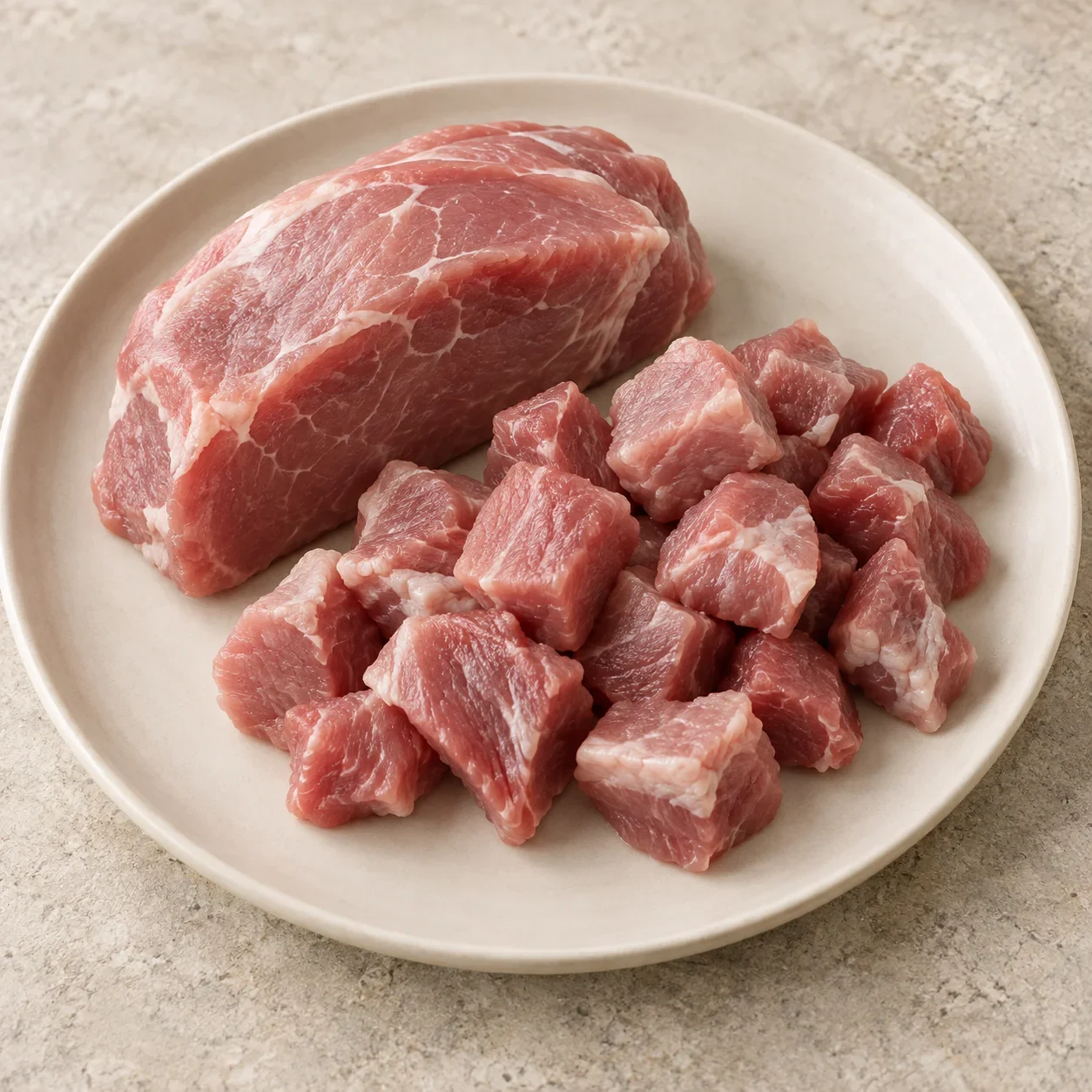
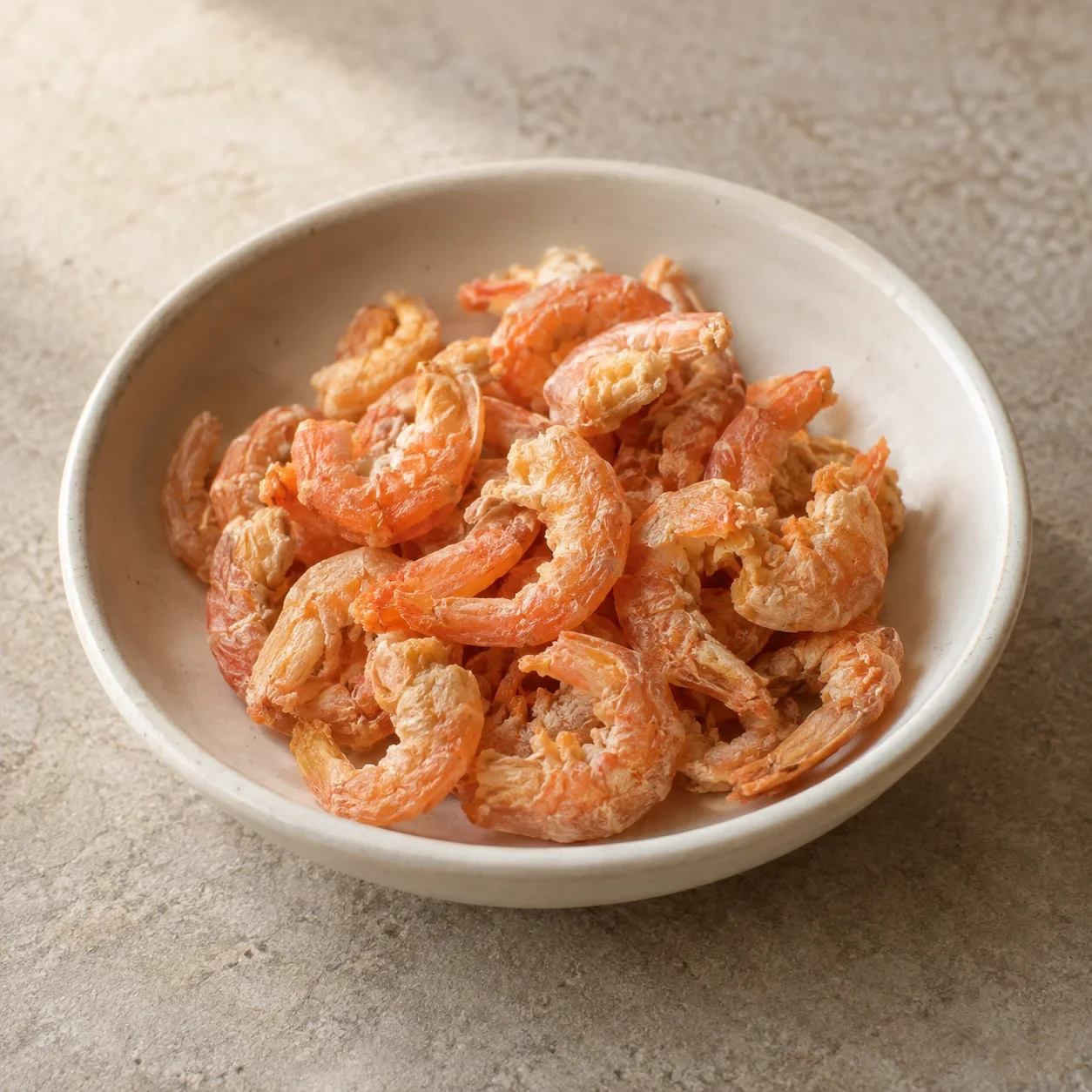
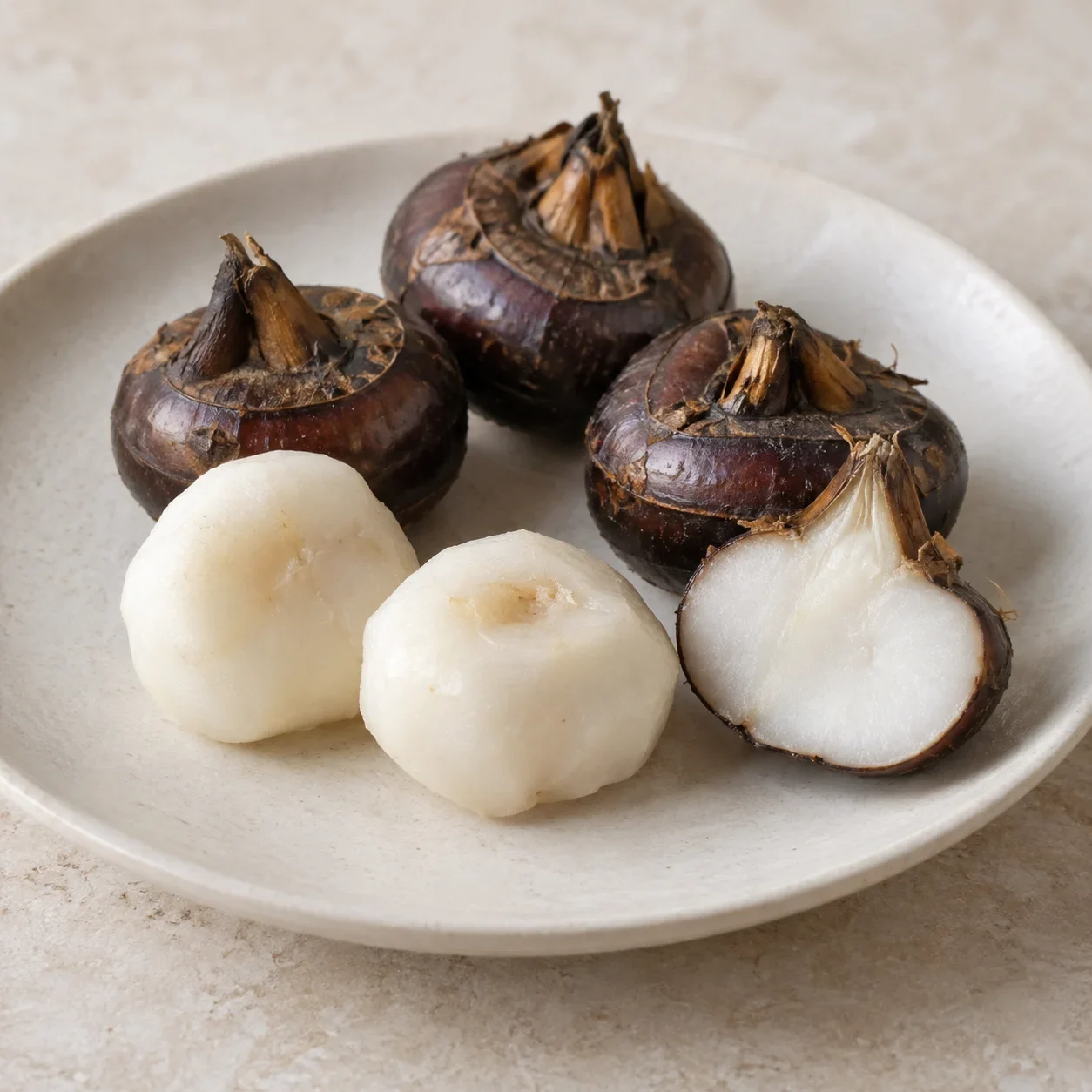
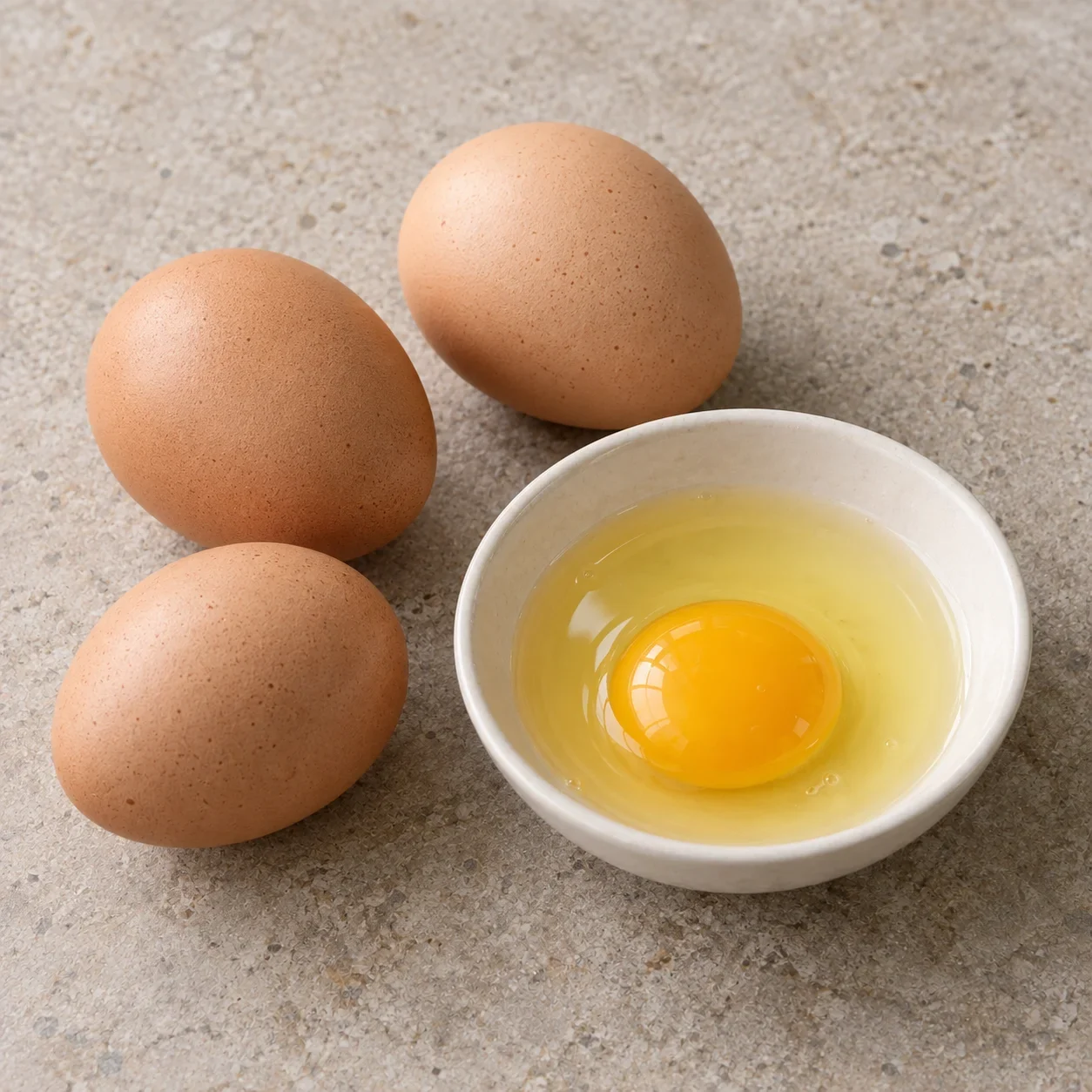
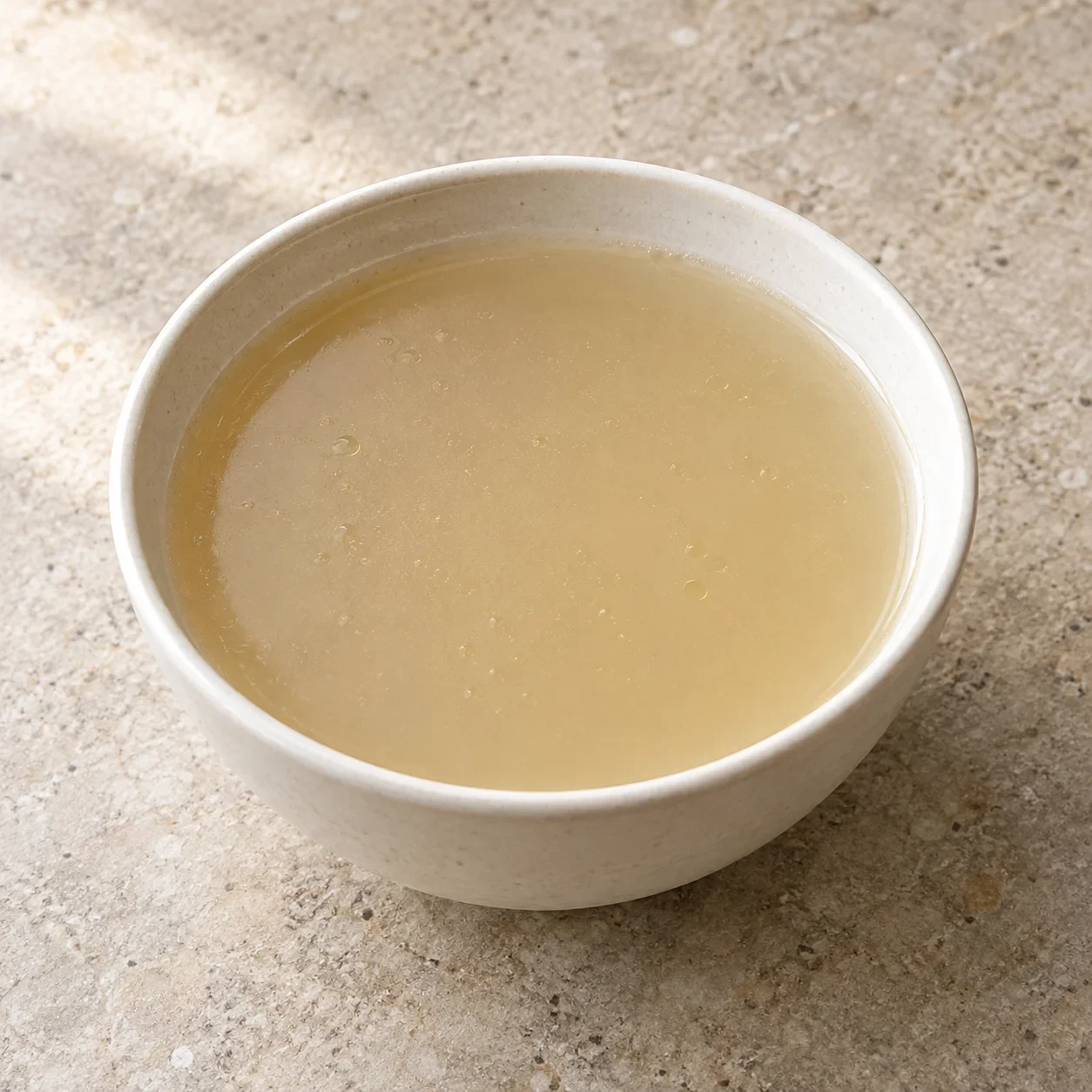
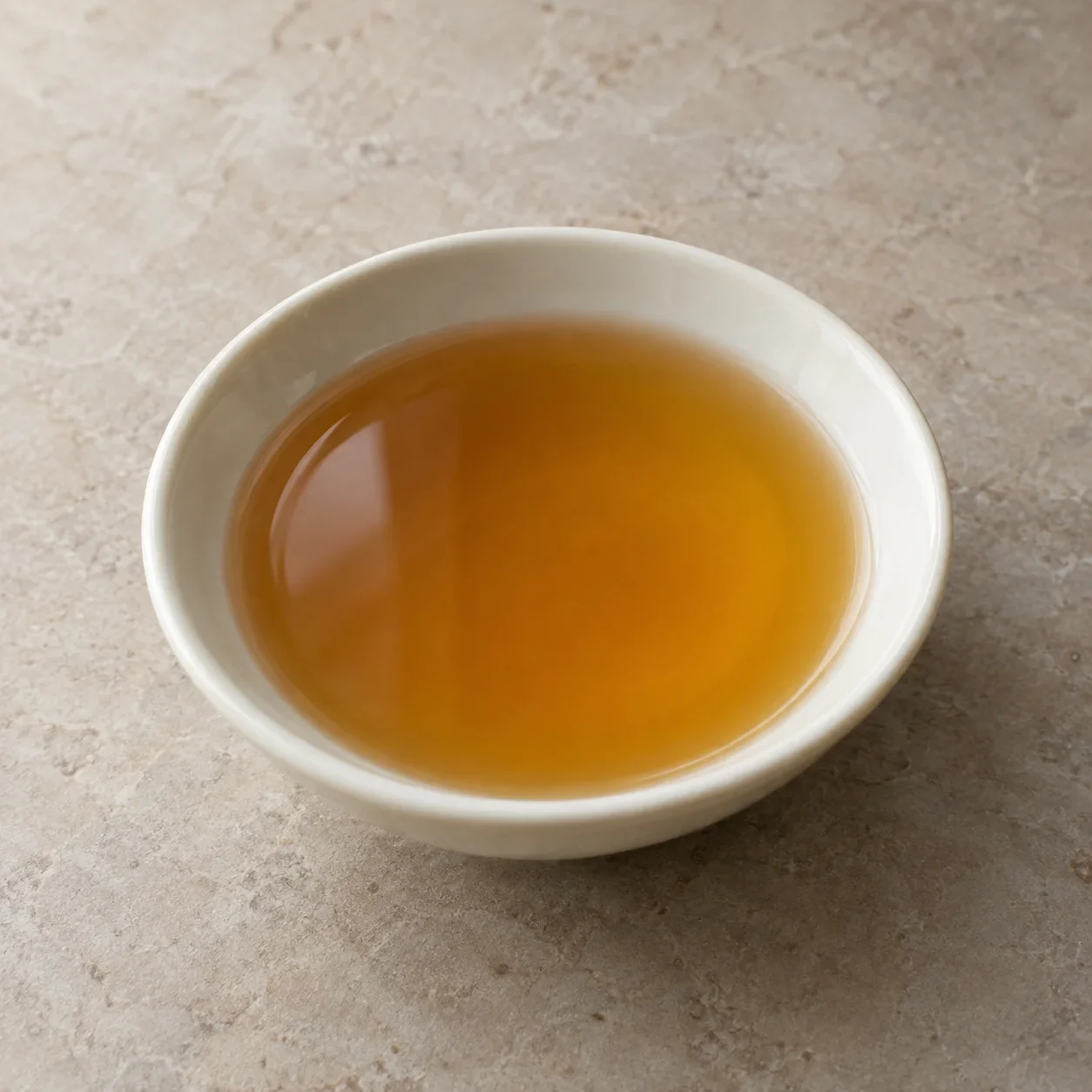

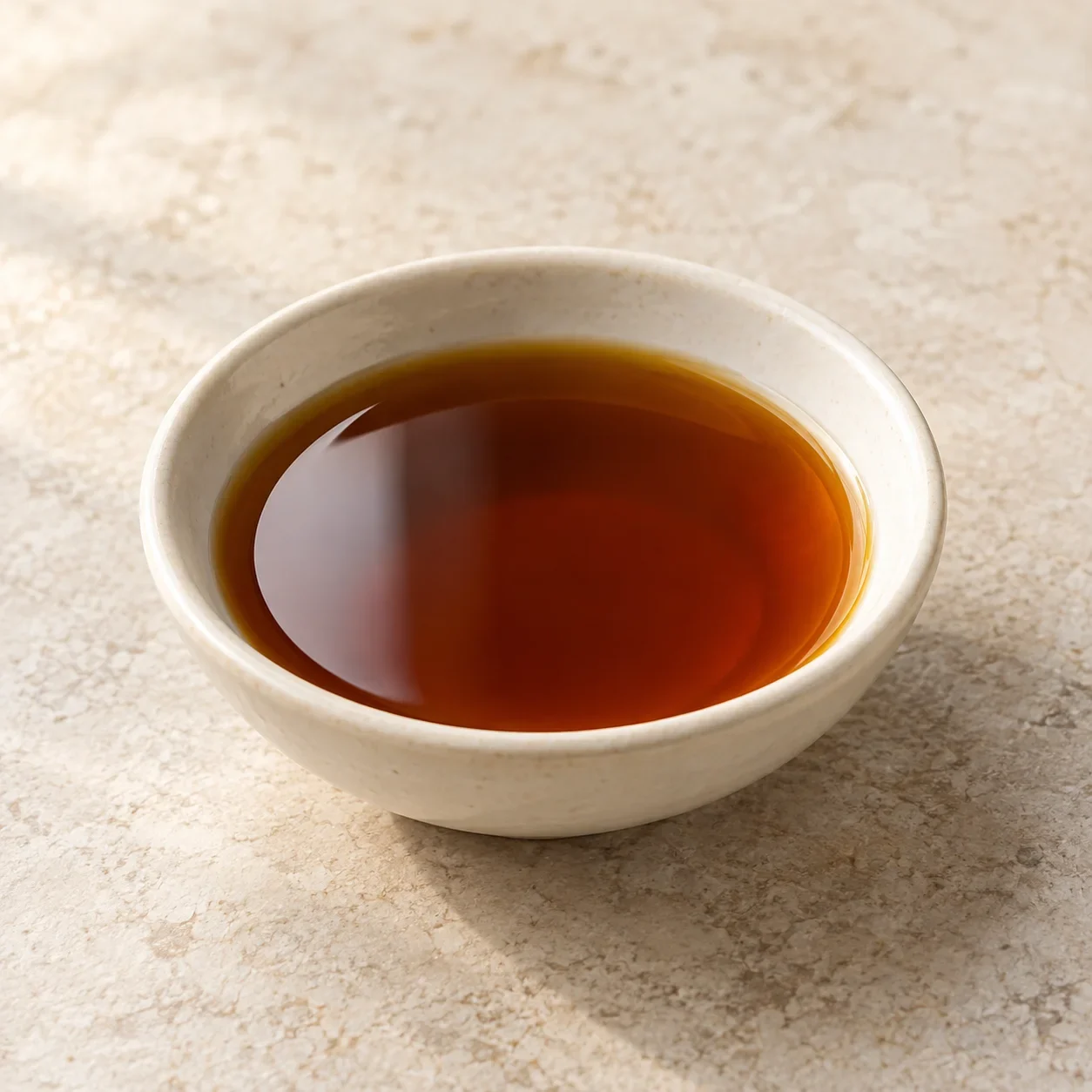
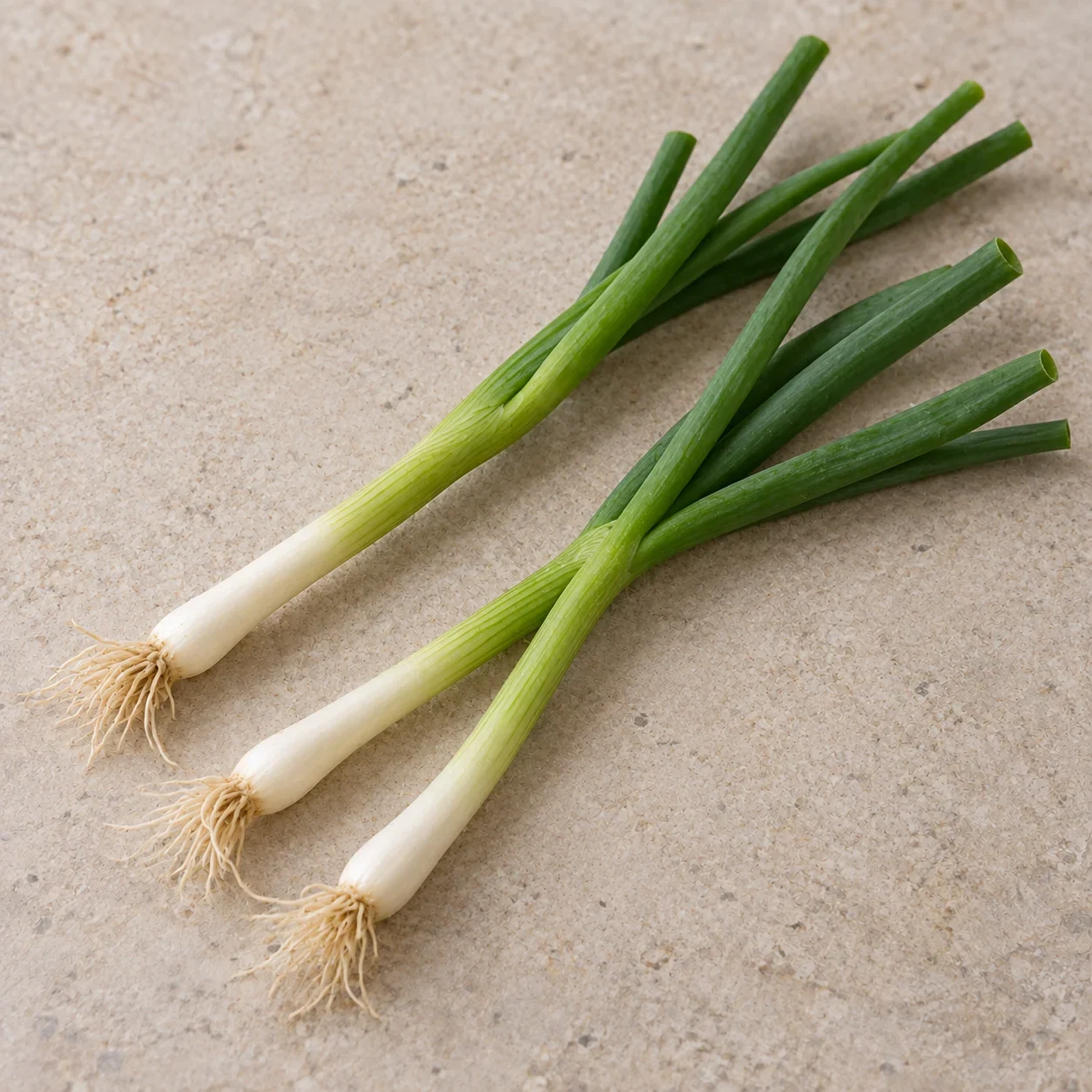
Recipes vary by restaurant.
How does it taste?
Savory
- Chili heat
- Texture
- Thin, springy wrapper with a firm bite.
- How it’s made
- Wrap pork, dried shrimp and water chestnut in rouyan skin; steam, boil and serve in broth.
The wrapper itself contains meat. Salt can replace shrimp sauce in the filling.
A CONNECTION TO PLACE
Origin & regional roots
Associated with Fujian.
Ask if they have it first
请问你们有福州肉燕吗?
Do you have this item?
A LITTLE SOMETHING TO READ
Story & history
Rouyan at Fuzhou’s celebratory table
Rouyan has a ceremonial place at Fuzhou tables. Served with duck egg, it becomes Taiping Yan, a banquet dish for New Year celebrations, weddings, funerals and birthdays. By the Guangxu era of the Qing dynasty, Fuzhou shops were already making its distinctive meat-and-starch wrappers. More than an everyday dumpling, it carries a place in the city’s family gatherings and life milestones.