
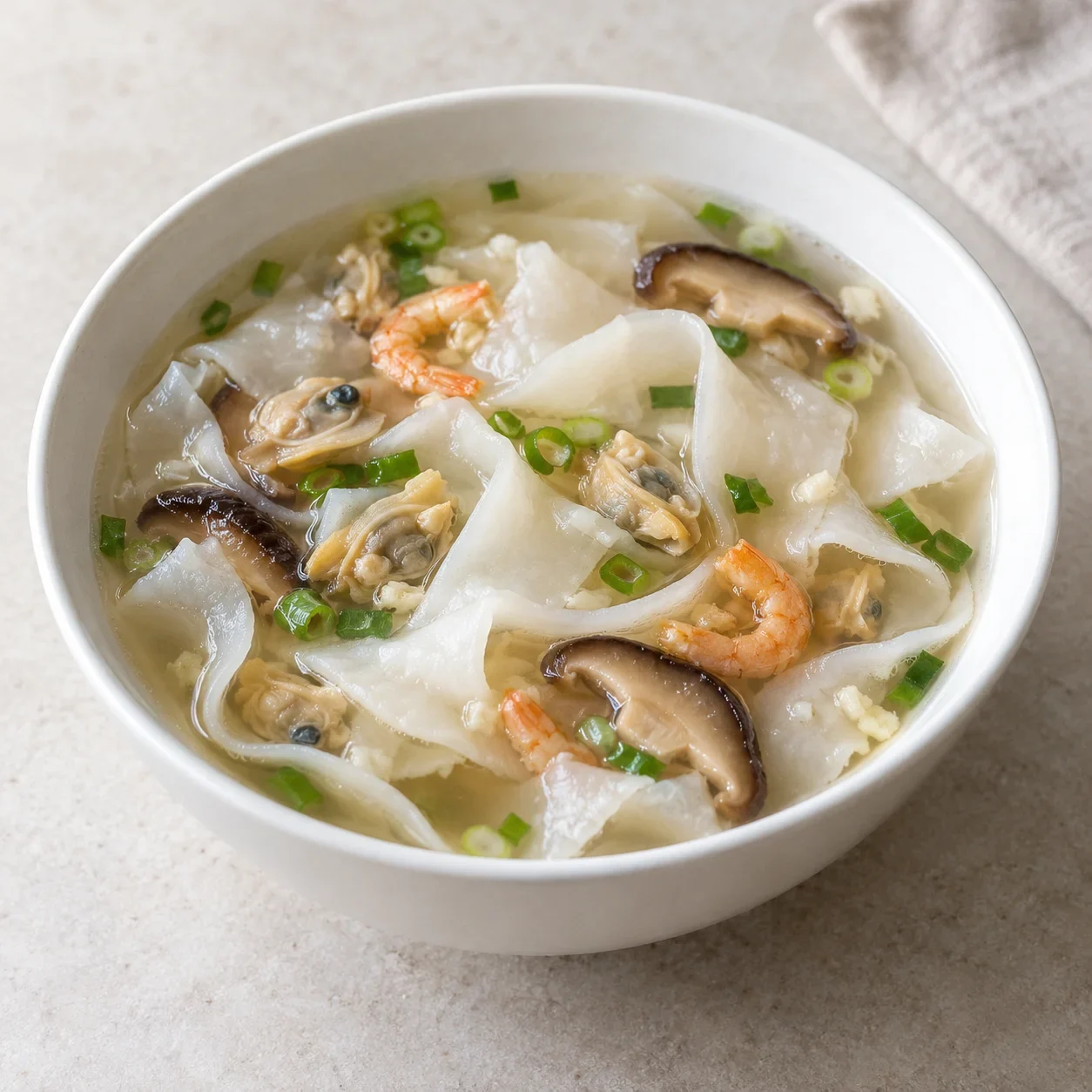
At the table
Scoop up rice sheets with a spoon and let hot broth cool before tasting. Order “一碗鼎边糊” for one bowl; a fried oyster cake or youtiao can be a separate side.
Contains shrimp and shellfish in this version; broth may contain other animal ingredients. Check for shells and ask about oil and broth if you have dietary restrictions.
Ask “汤里有什么海鲜?” to check the seafood. Rice as the main ingredient does not guarantee a gluten-free or vegetarian bowl.
GET TO KNOW THE DISH
What goes into it?
Explore some key ingredients below. Preparations may use additional seasonings and ingredients.
Seafood and vegetables vary; dried shrimp, celery or oysters may be used. Older freshwater-clam broths and contemporary clam or oyster versions are not identical recipes.
Typical ingredients
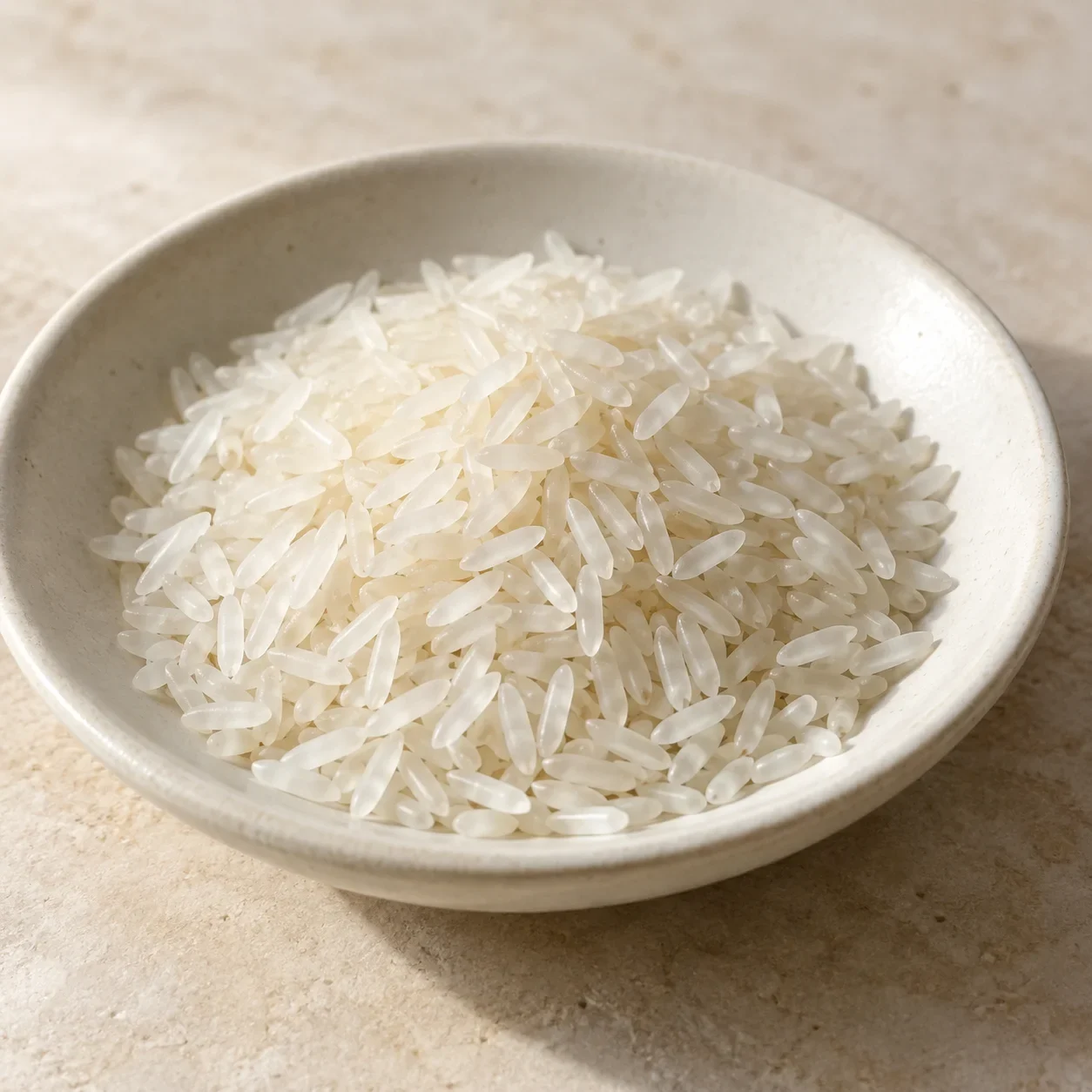
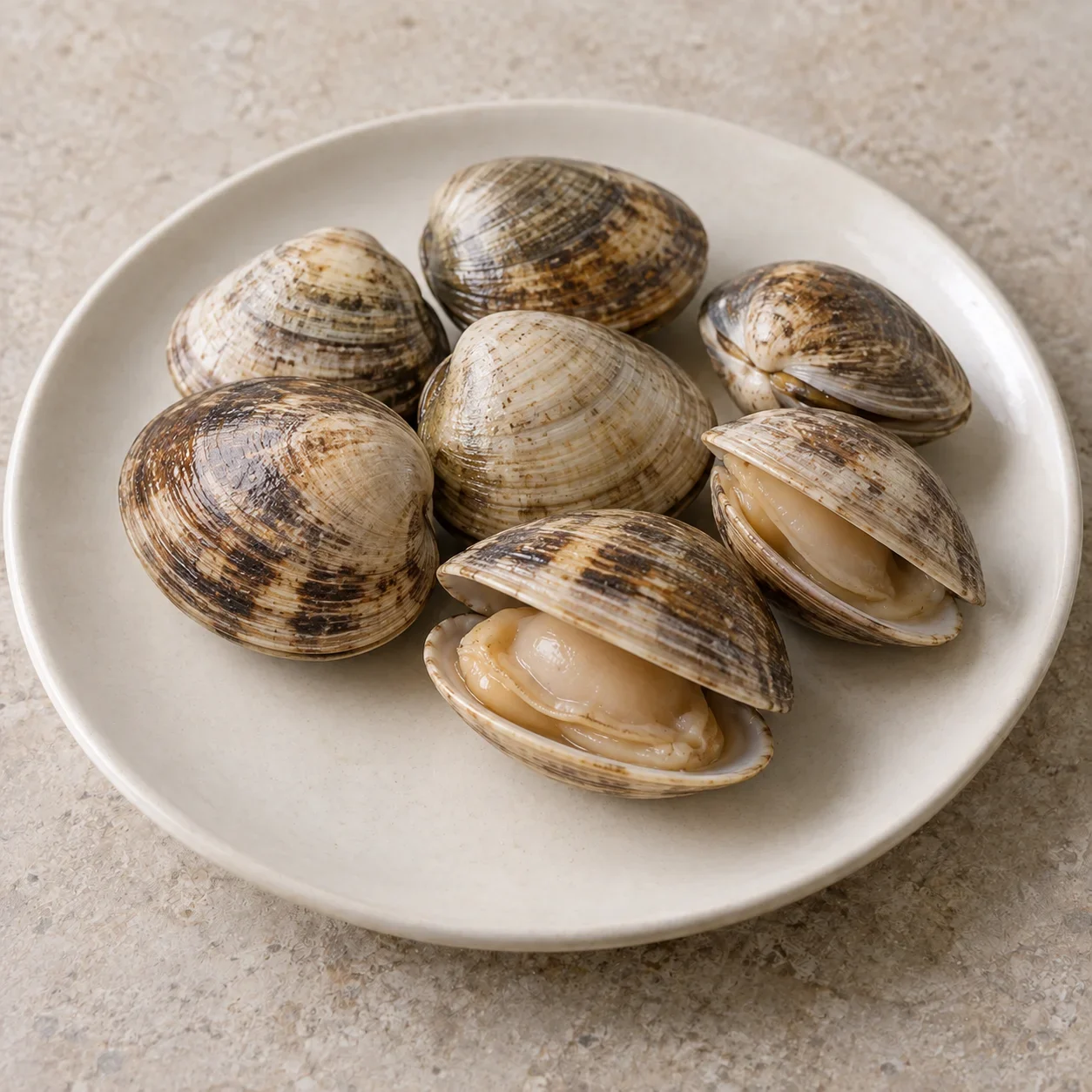


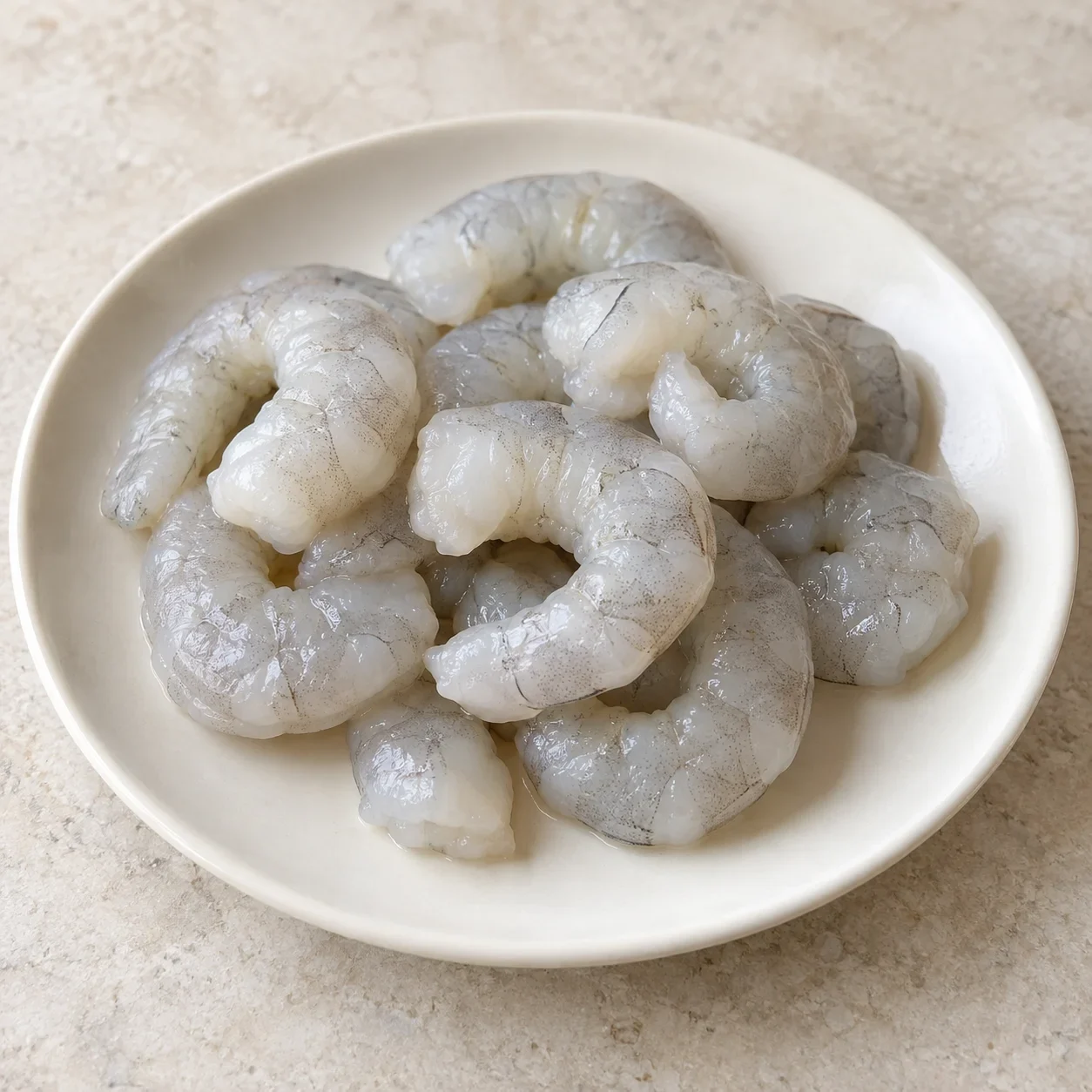

In some versions
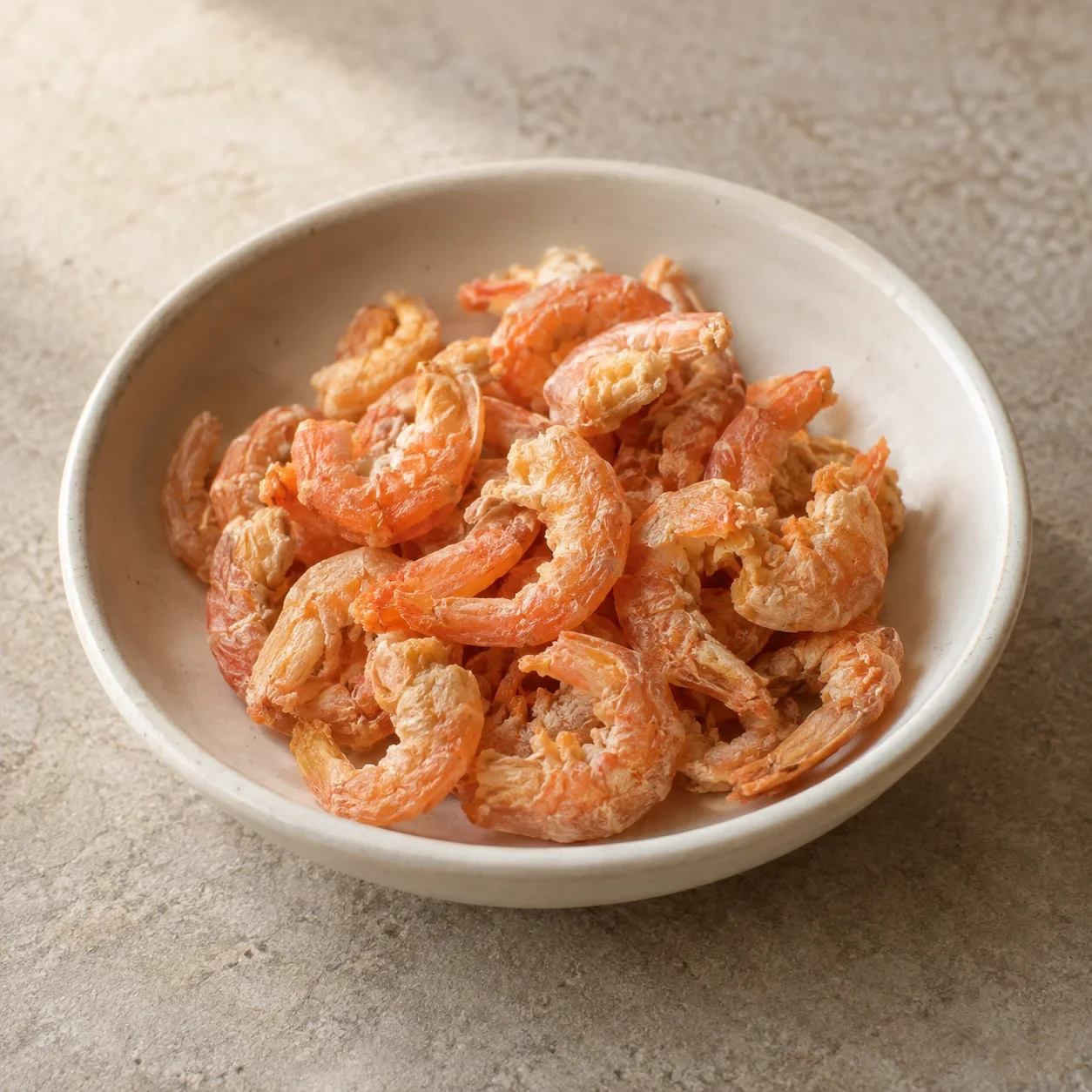
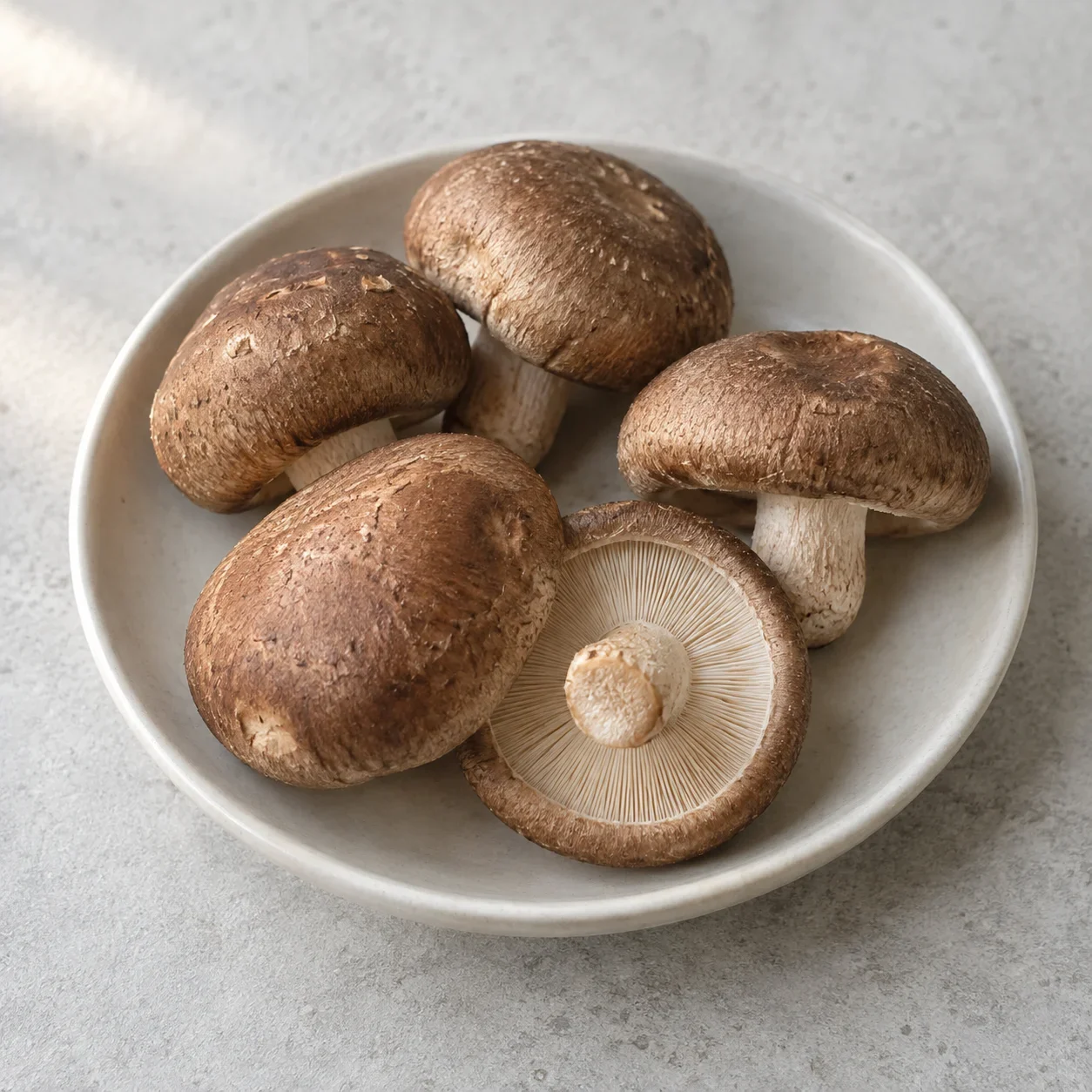
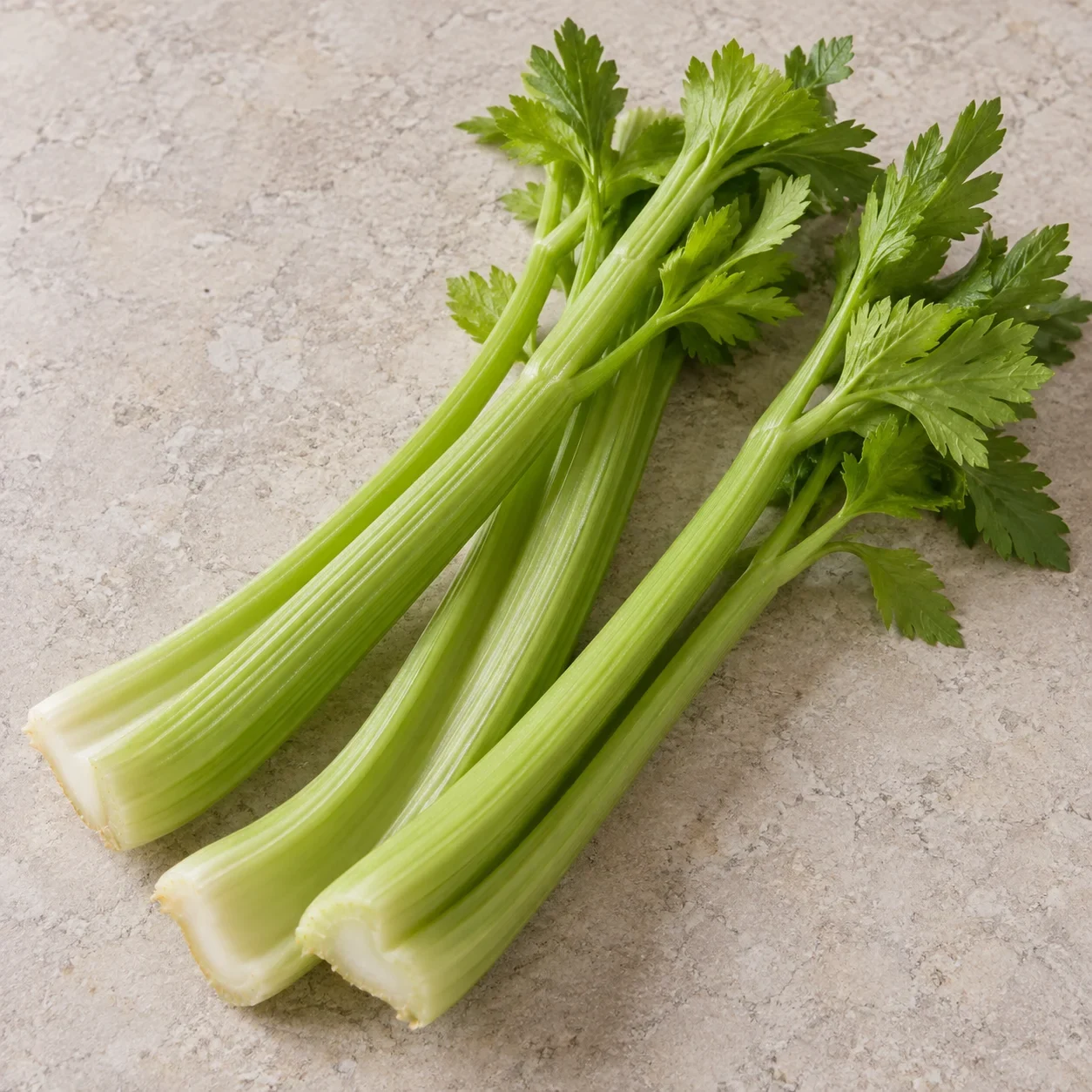
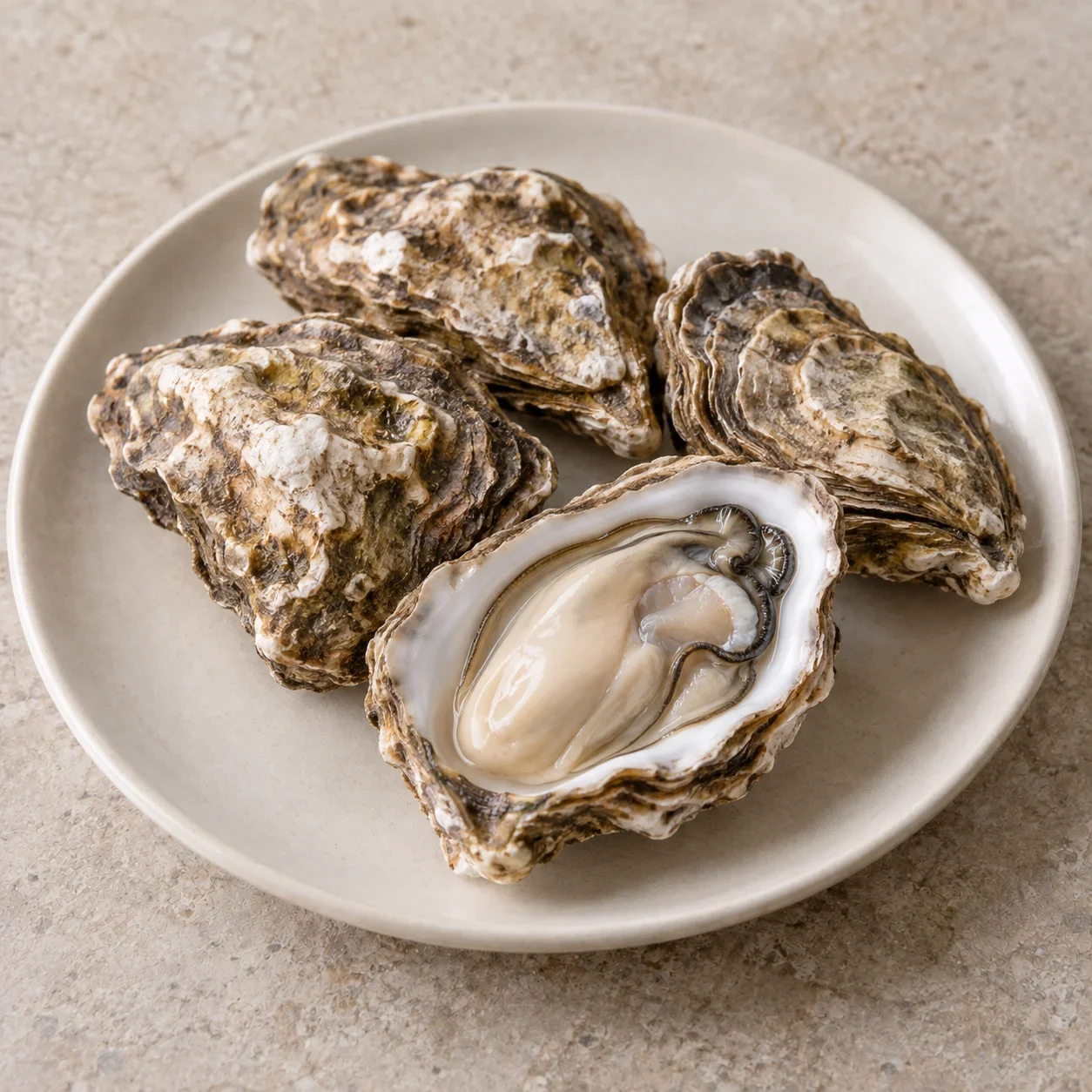
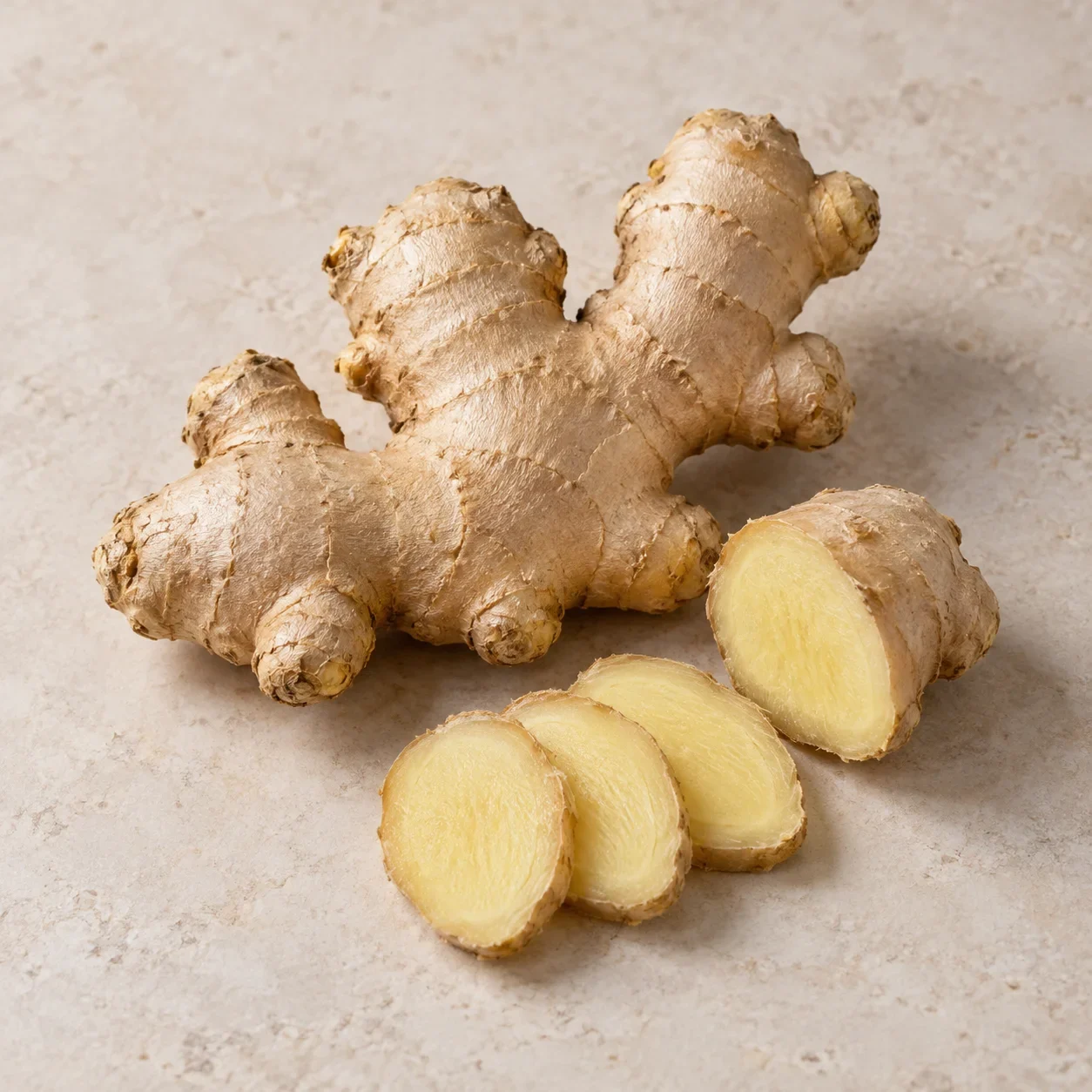
Recipes vary by restaurant.
How does it taste?
Light seafood savor with rice fragrance and scallion.
- Chili heat
- Texture
- Thin, soft, slippery rice sheets in a light broth, not a thick porridge.
- How it’s made
- Rice batter is spread around the oiled hot wok wall above the soup, allowed to set, then scraped into the soup to finish cooking. Shellfish, shrimp, mushrooms and aromatics flavor the broth.
Seafood and vegetables vary; dried shrimp, celery or oysters may be used. Older freshwater-clam broths and contemporary clam or oyster versions are not identical recipes.
A CONNECTION TO PLACE
Origin & regional roots
Associated with Fujian.
Ask if they have it first
请问你们有鼎边糊吗?
Do you have this item?
A LITTLE SOMETHING TO READ
Story & history
A breakfast made around the wok
This account describes a tradition or story, rather than an established historical fact.
The Fuzhou word ding refers to the cooking pot, giving this snack its name. It is familiar breakfast food and also part of local Lixia, the beginning-of-summer seasonal custom. Oyster cakes or youtiao are common accompaniments.