
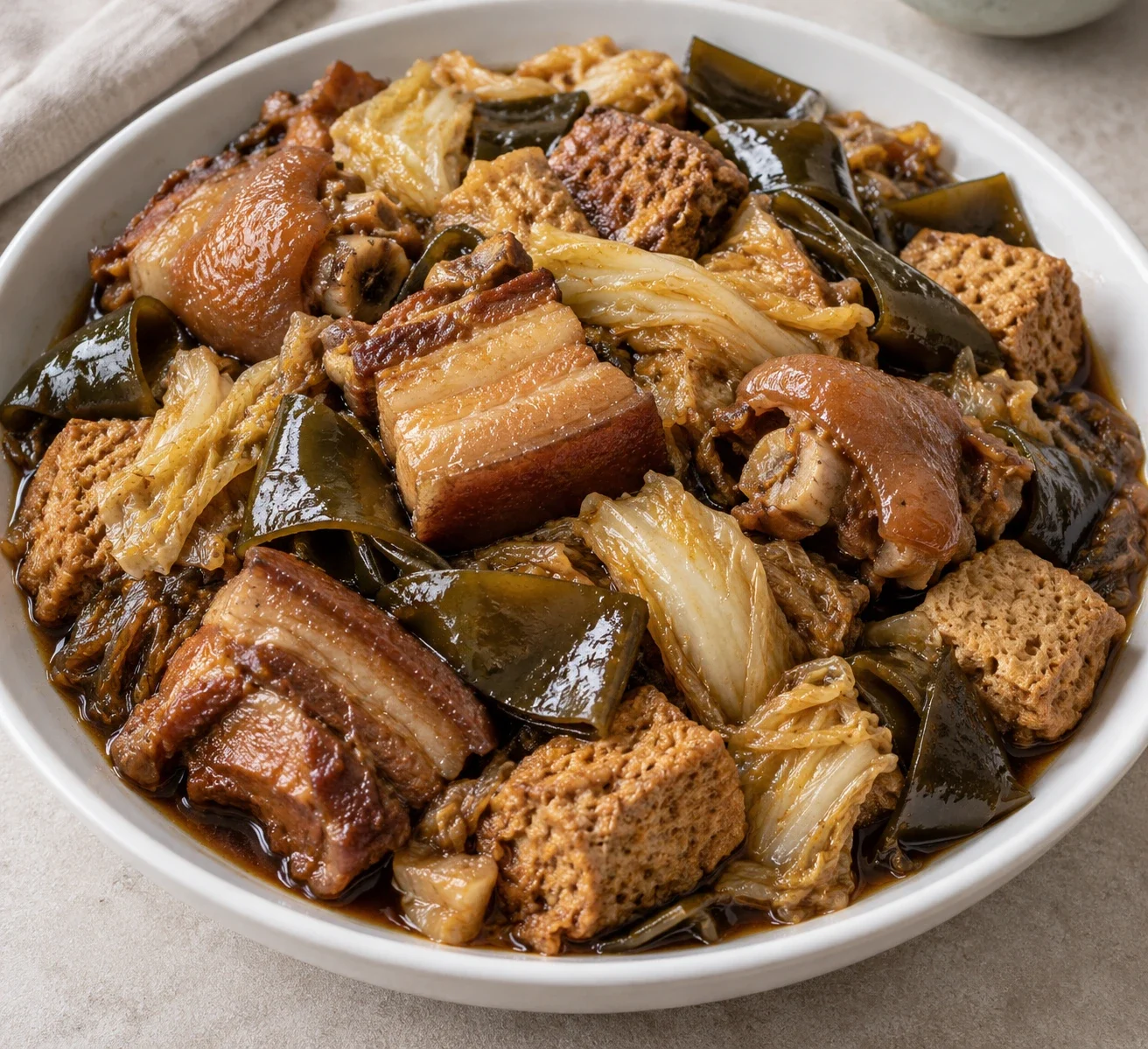
At the table
Spoon a mixed portion onto your plate. Separate meat from trotter bones; eat the softened cabbage, kelp and tofu with chopsticks or a spoon.
Contains pork and soy; soy sauce may contain wheat. Trotter bones remain in the dish. Fish versions have fish and possible bones.
Household combinations vary; fish and lotus root are common additions, absent from this version.
An adult can offer cooled soft vegetables or boneless meat in small pieces; carefully remove all trotter bones and check soy and wheat.
Recipes vary. Ask the restaurant about ingredients and serving before you order.
GET TO KNOW THE DISH
What goes into it?
Explore some key ingredients below. Preparations may use additional seasonings and ingredients.
Household combinations vary; fish and lotus root are common additions, absent from this version.
Typical ingredients
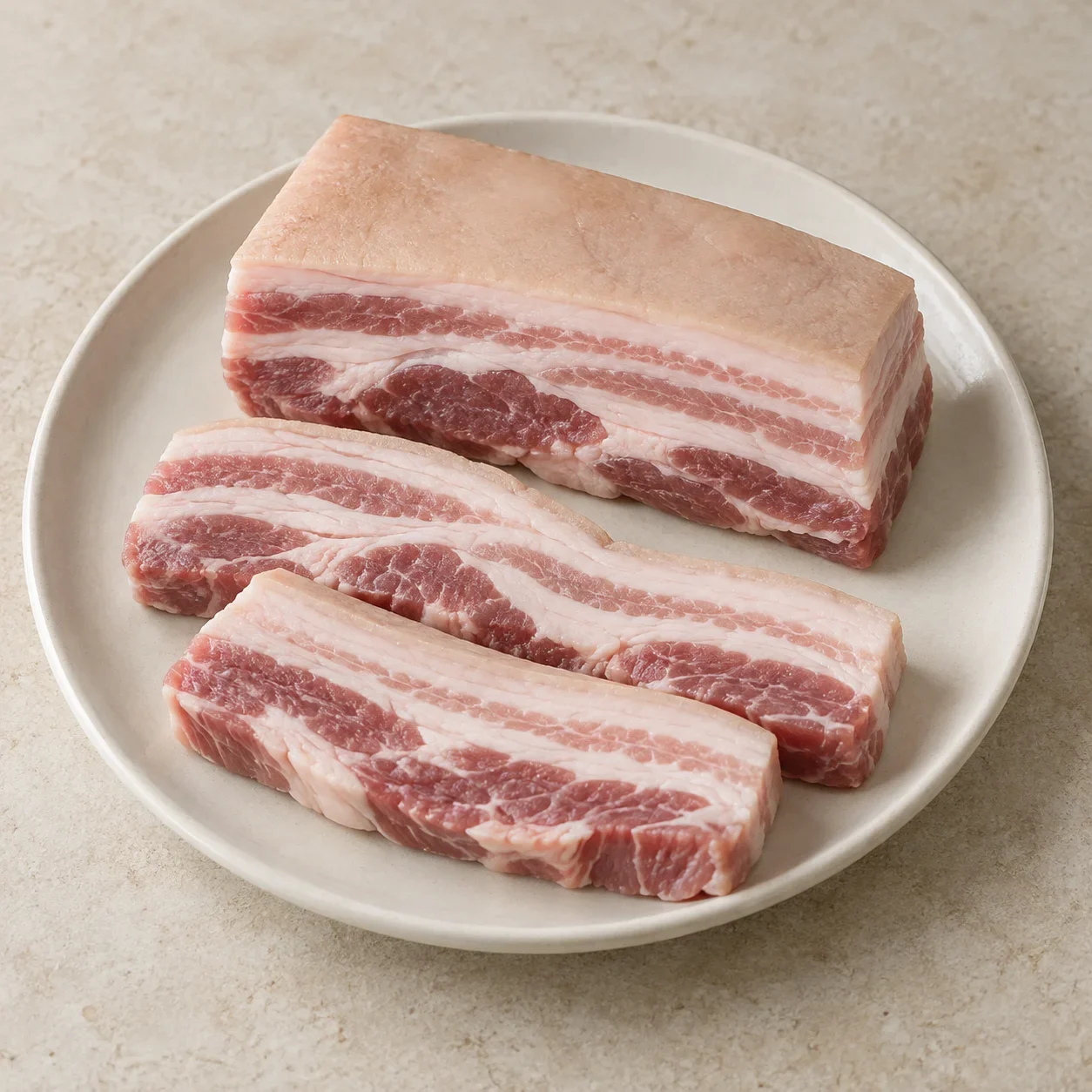
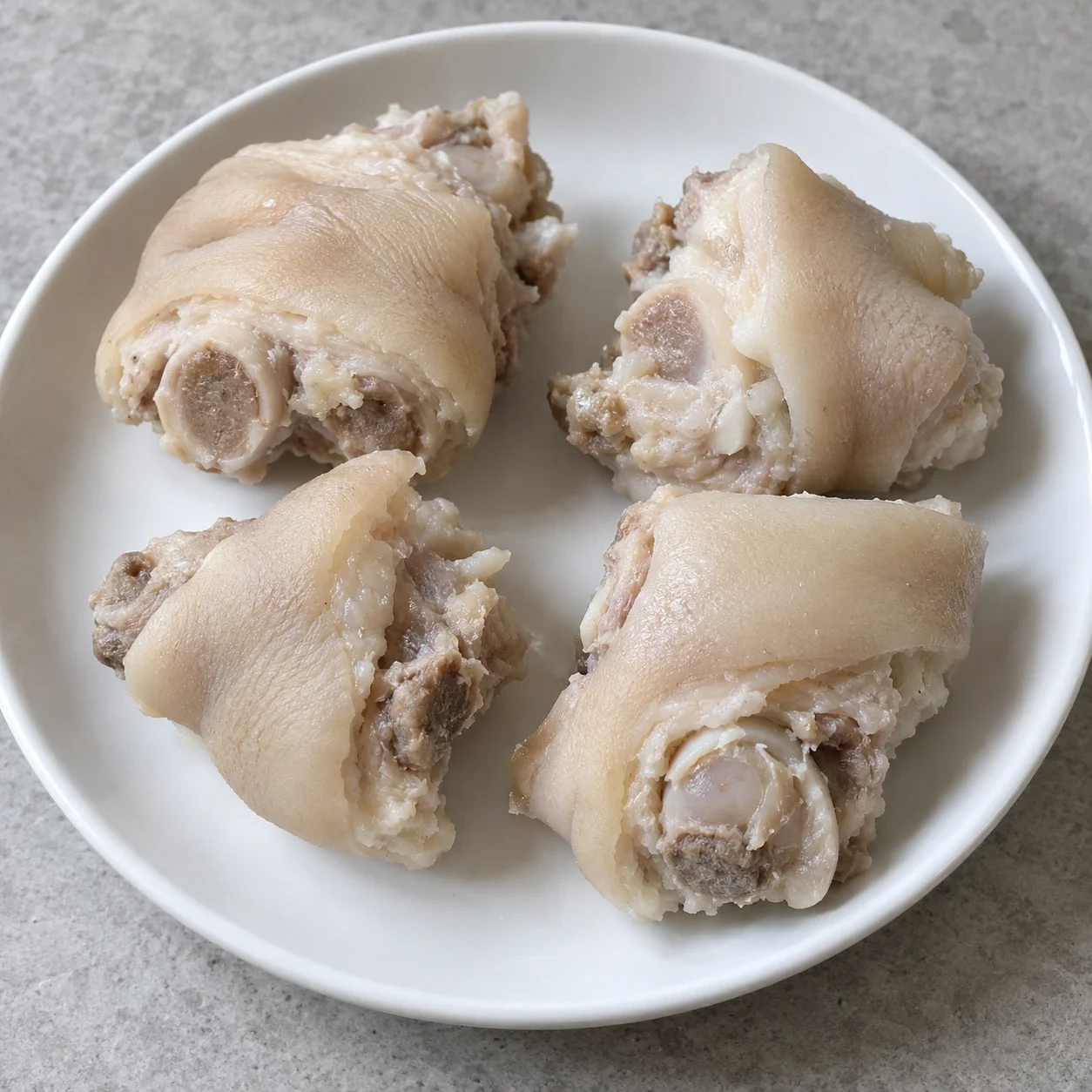
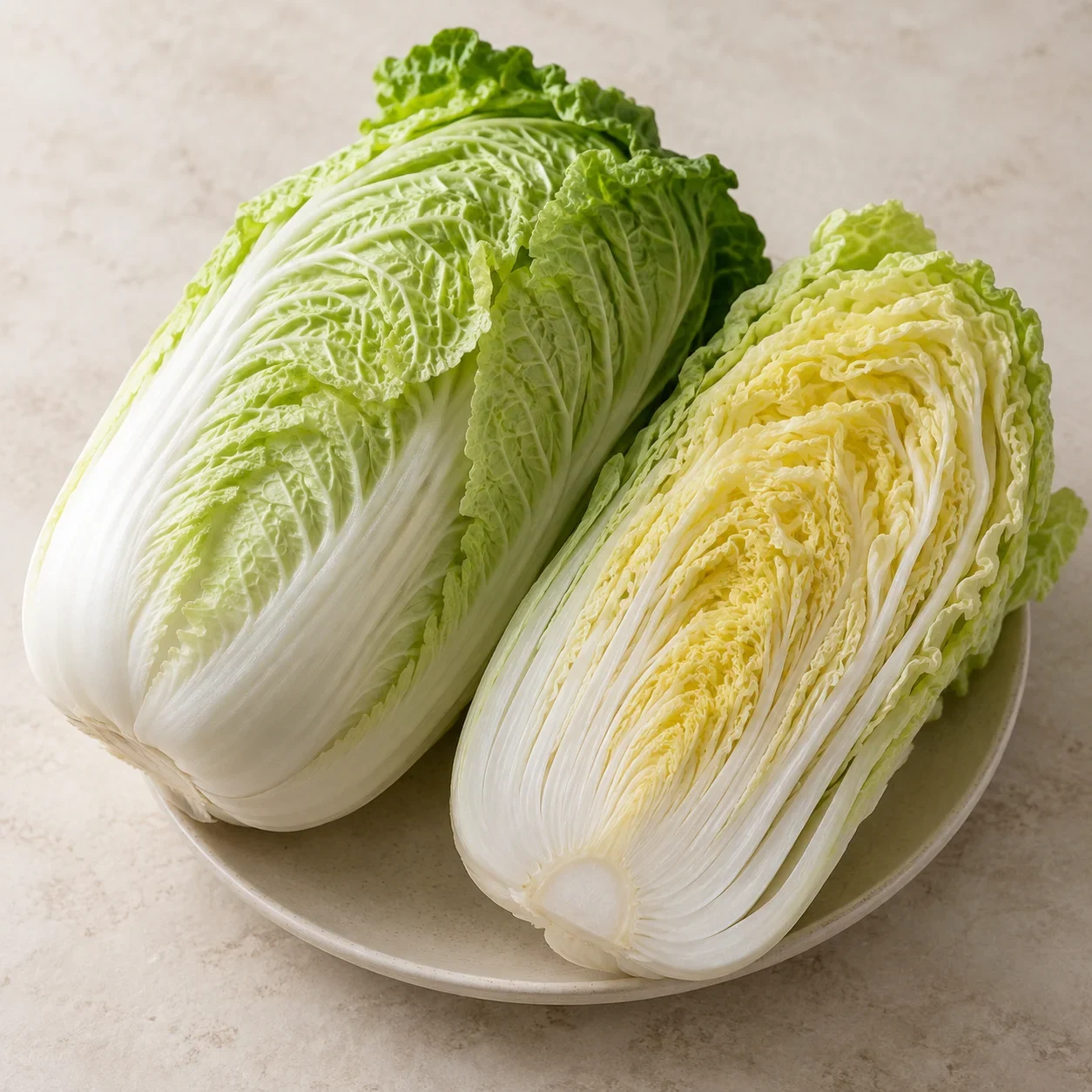
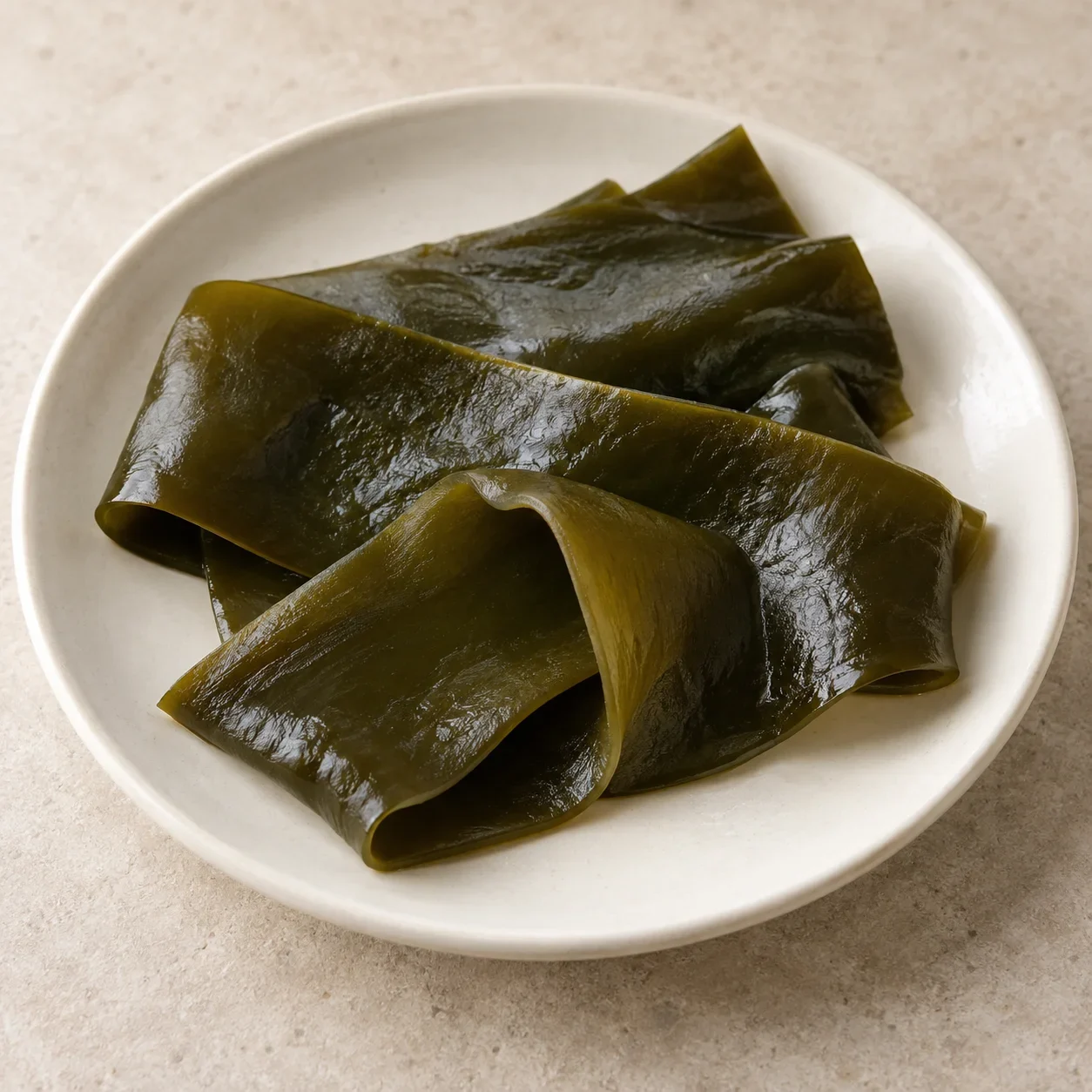
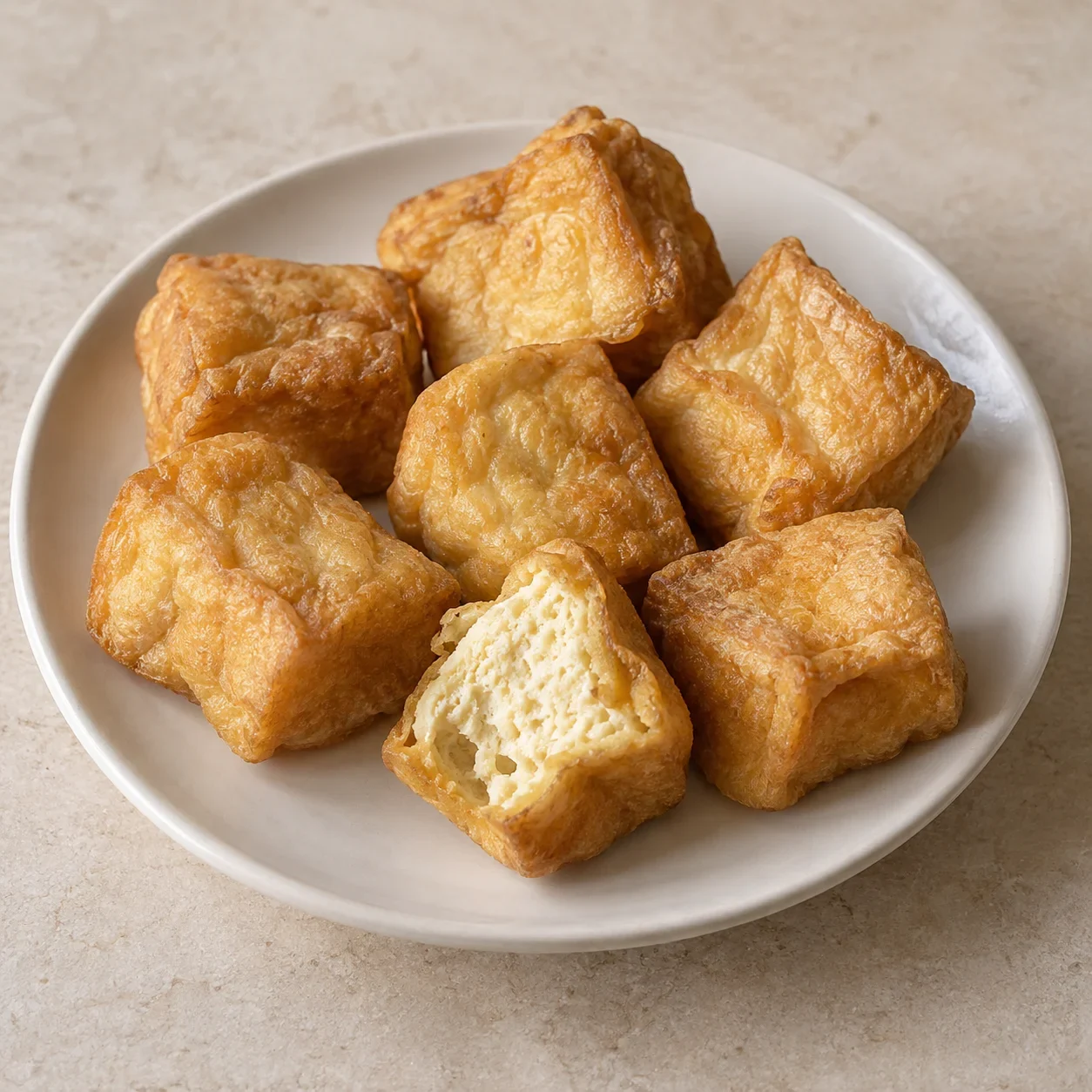

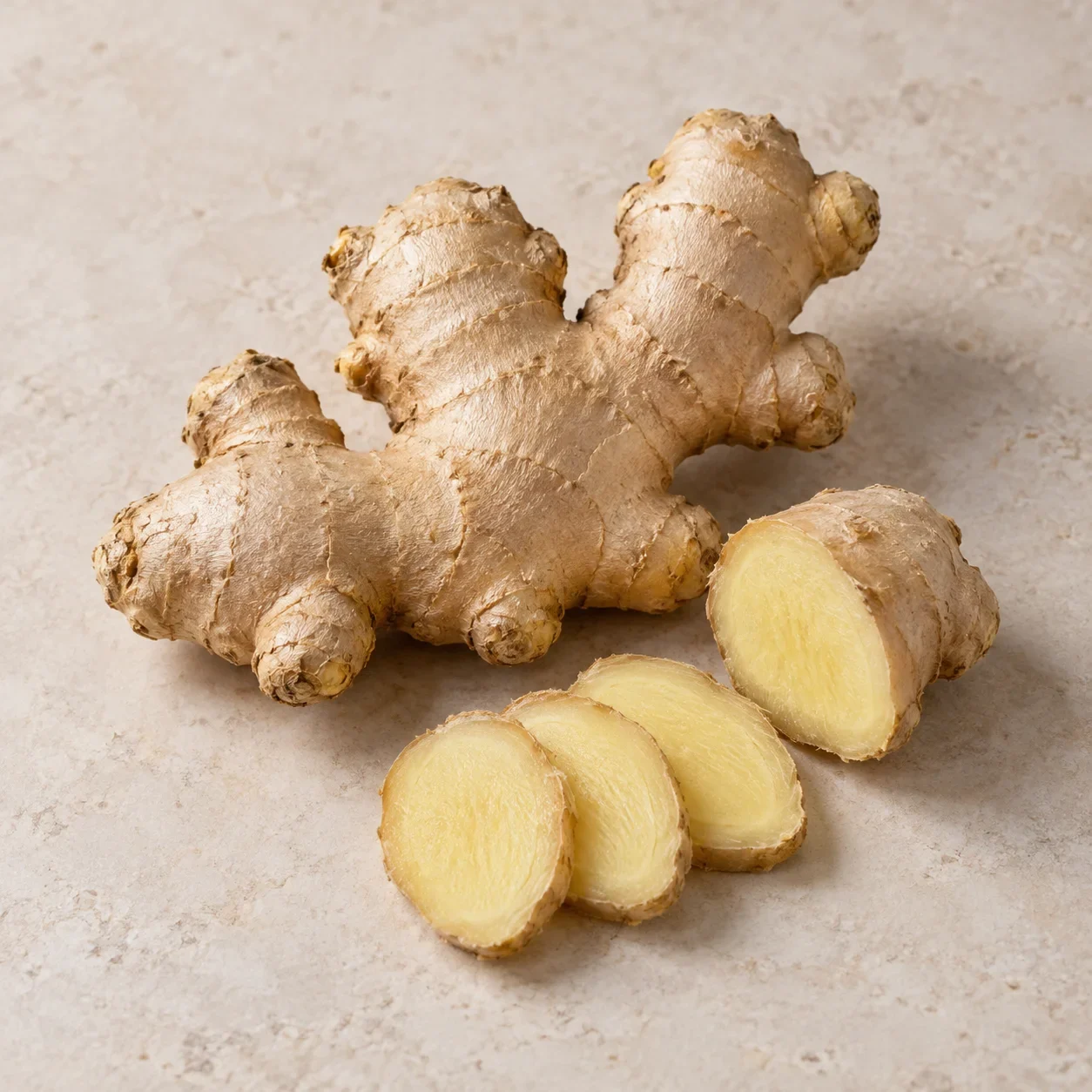




In some versions
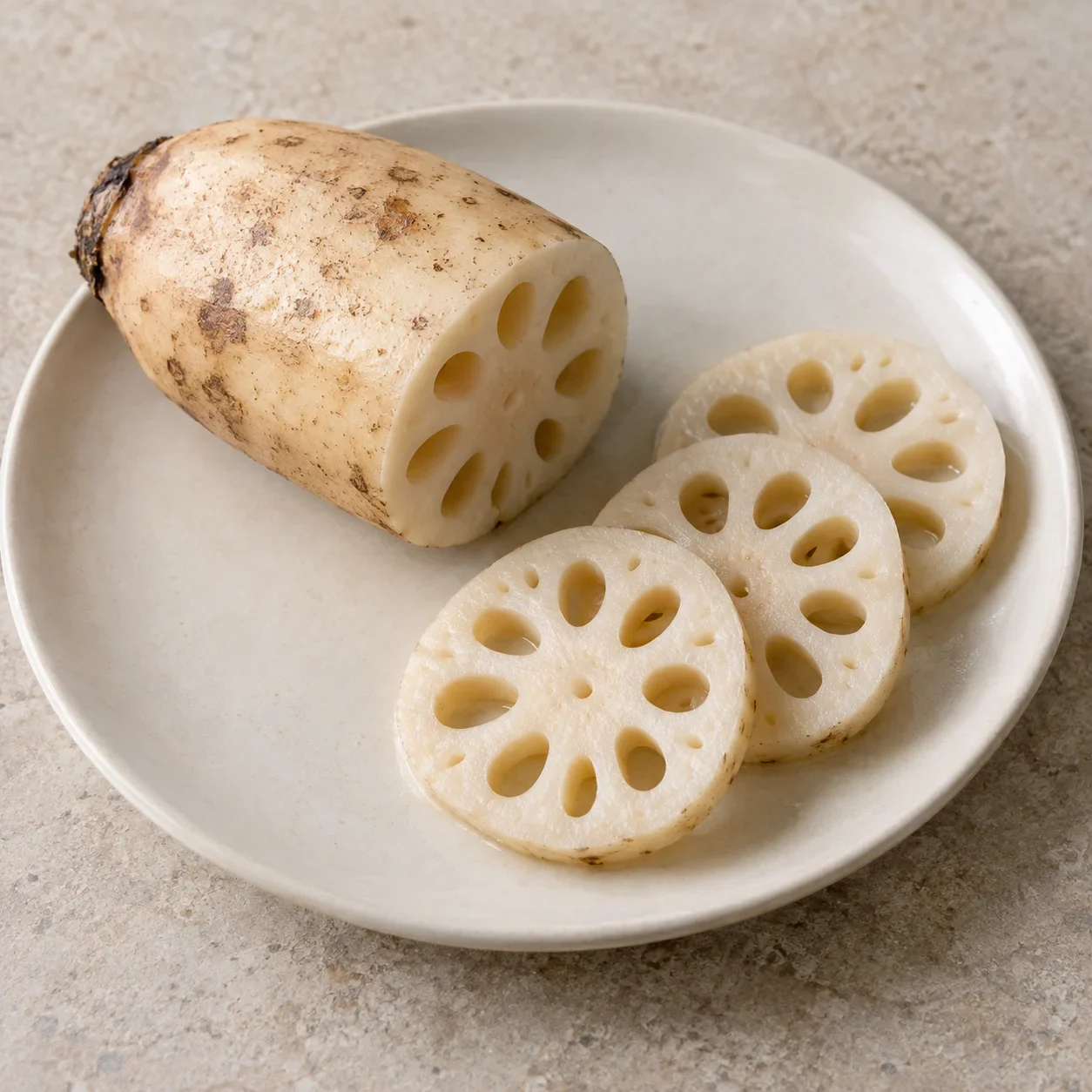
Recipes vary by restaurant.
How does it taste?
Savory pork richness, vinegar tang and gentle sweetness.
- Chili heat
- Texture
- Very soft vegetables and tofu, tender meat and gelatinous skin.
- How it’s made
- Layer blanched pork belly and trotters with cabbage, soaked kelp, fried tofu, scallion and ginger. Add vinegar, soy sauce, sugar, salt and a little water, then simmer gently until tender.
Household combinations vary; fish and lotus root are common additions, absent from this version.
A CONNECTION TO PLACE
Origin & regional roots
Associated with Shandong.
About this regional connection
Shandong: Boshan, Zibo family New Year dish.
Ask if they have it first
请问你们有博山酥锅吗?
Do you have this item?
A LITTLE SOMETHING TO READ
Story & history
A layered New Year dish
This account describes a tradition or story, rather than an established historical fact.
In Boshan, families prepare large pots for the New Year. Ingredients are layered and slowly cooked together; each household adjusts the balance of meat and vegetables.