

At the table
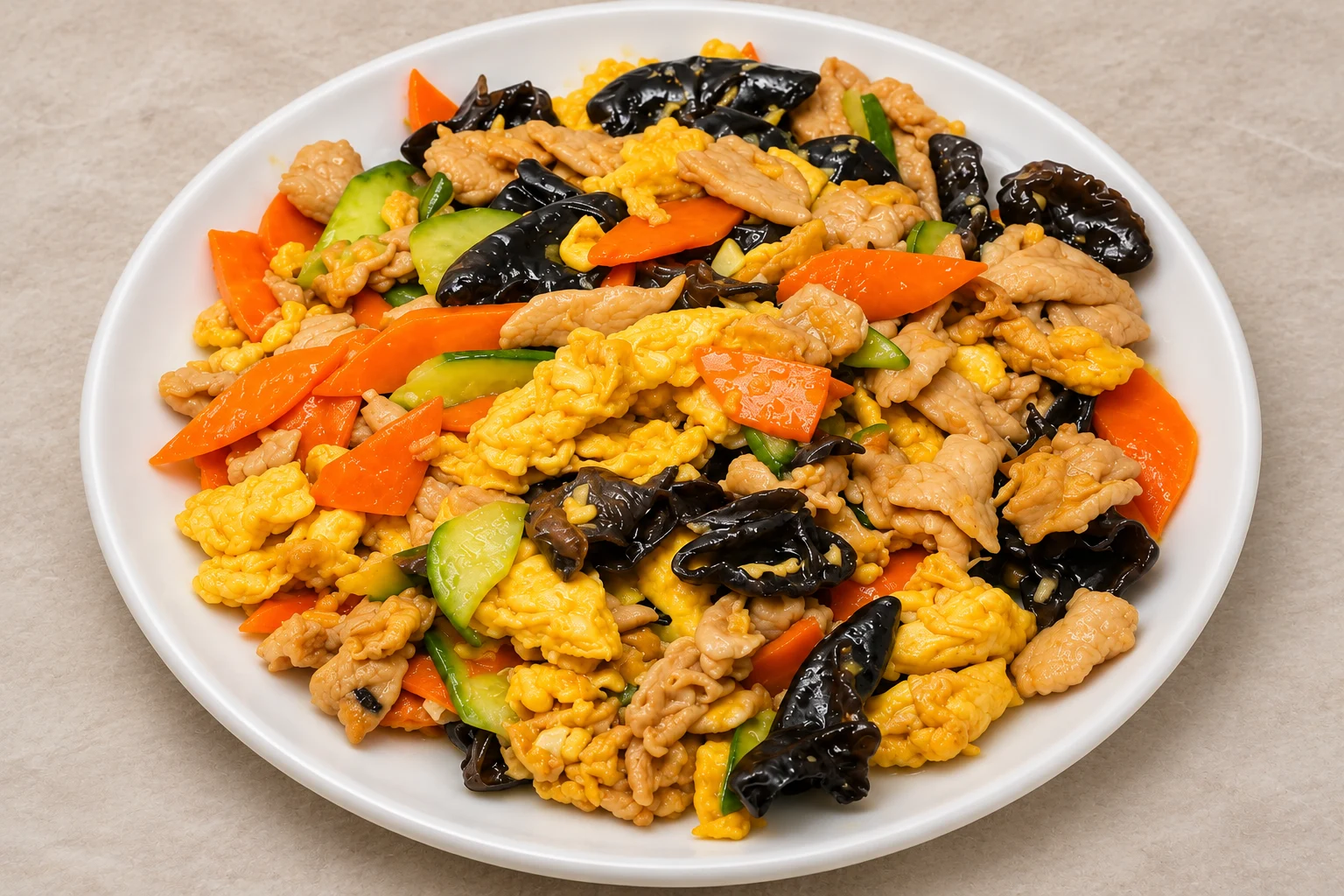
Take a mixed bite of meat, egg and vegetables with serving chopsticks. This version is a shared stir-fry, often eaten with rice ordered separately. Pancakes and sweet sauce are not included by default; ask if you want them. Let hot pieces cool and cut large chewy mushrooms smaller for children.
Contains pork and egg. Soy sauce may contain soy and wheat; sesame oil, oyster sauce, cooking wine and other seasonings vary. The black pieces are edible wood-ear mushrooms, not burnt meat. For allergies, confirm the marinade and sauces rather than relying on the visible ingredients.
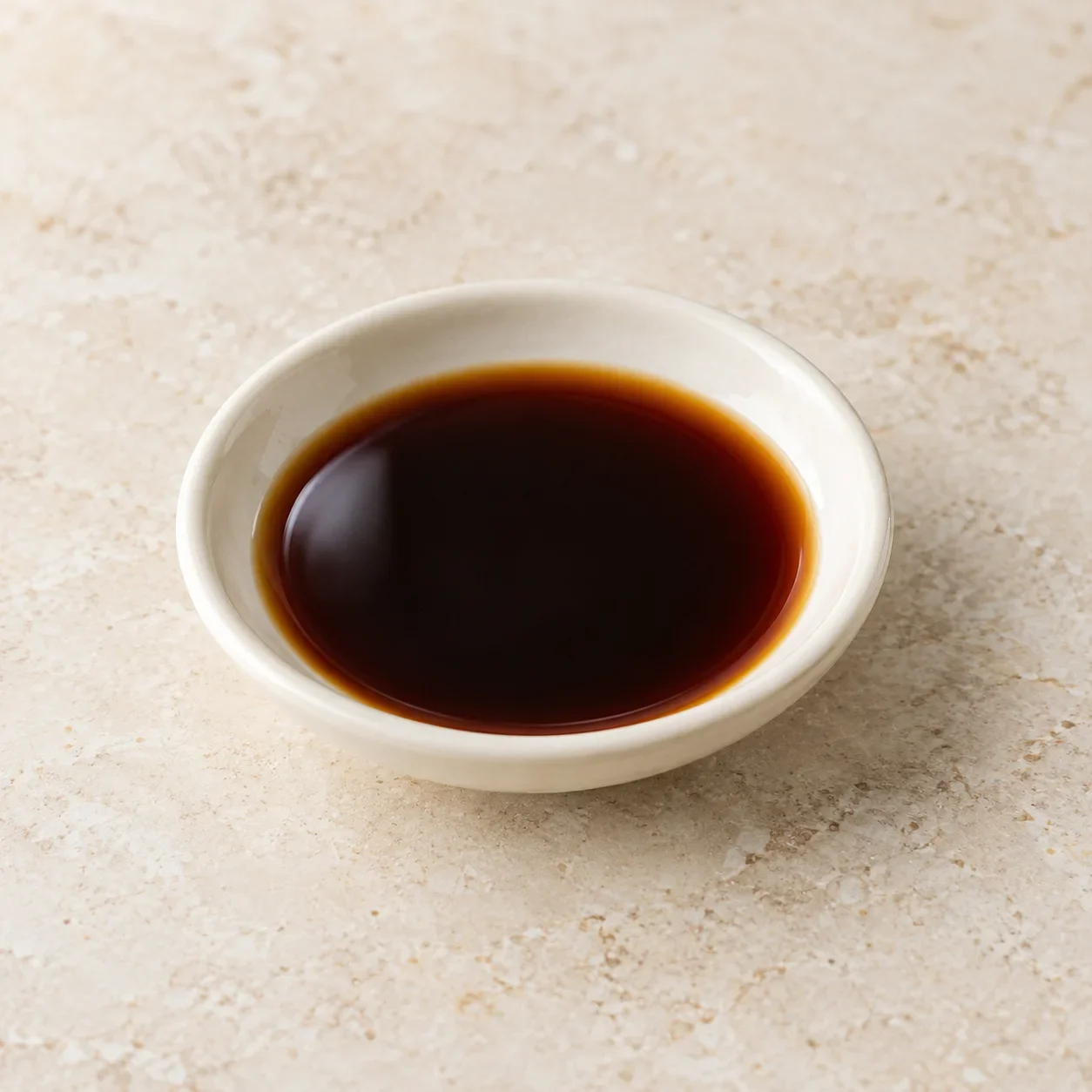
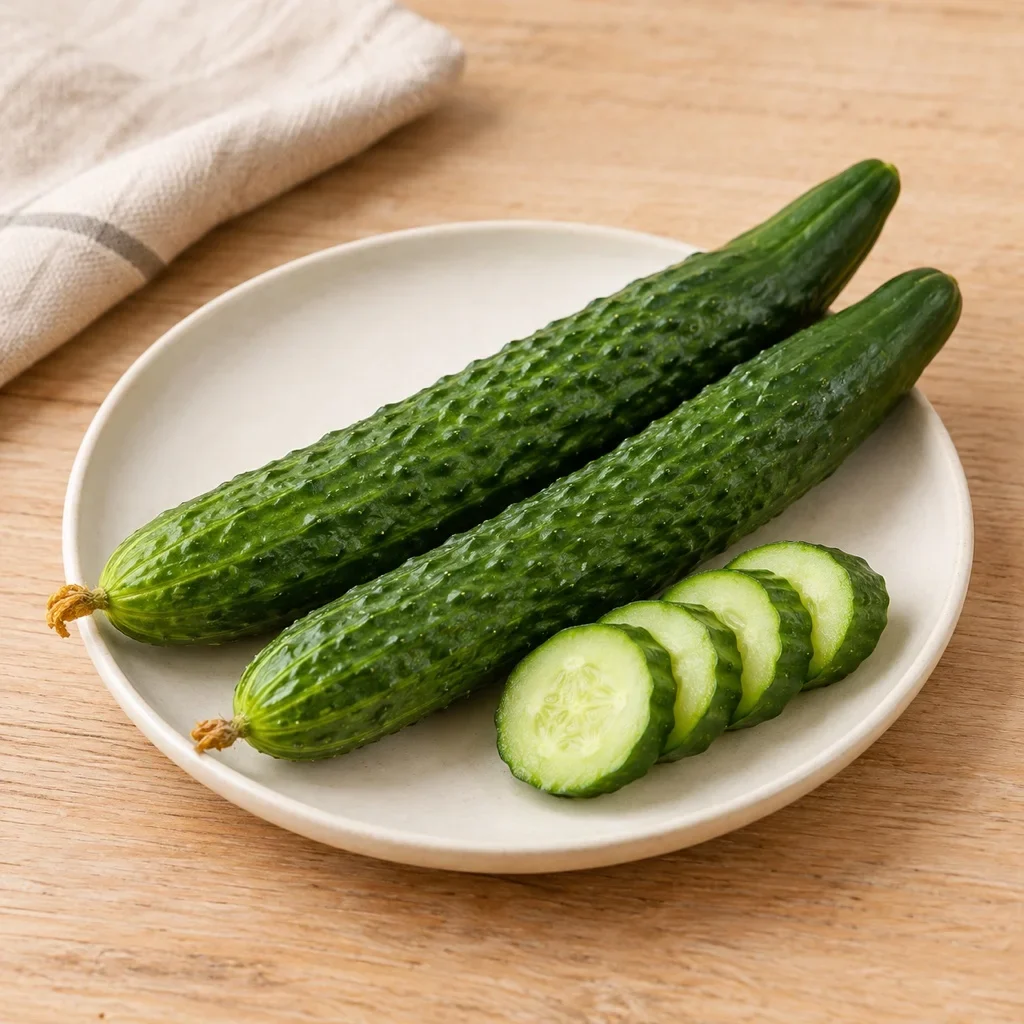
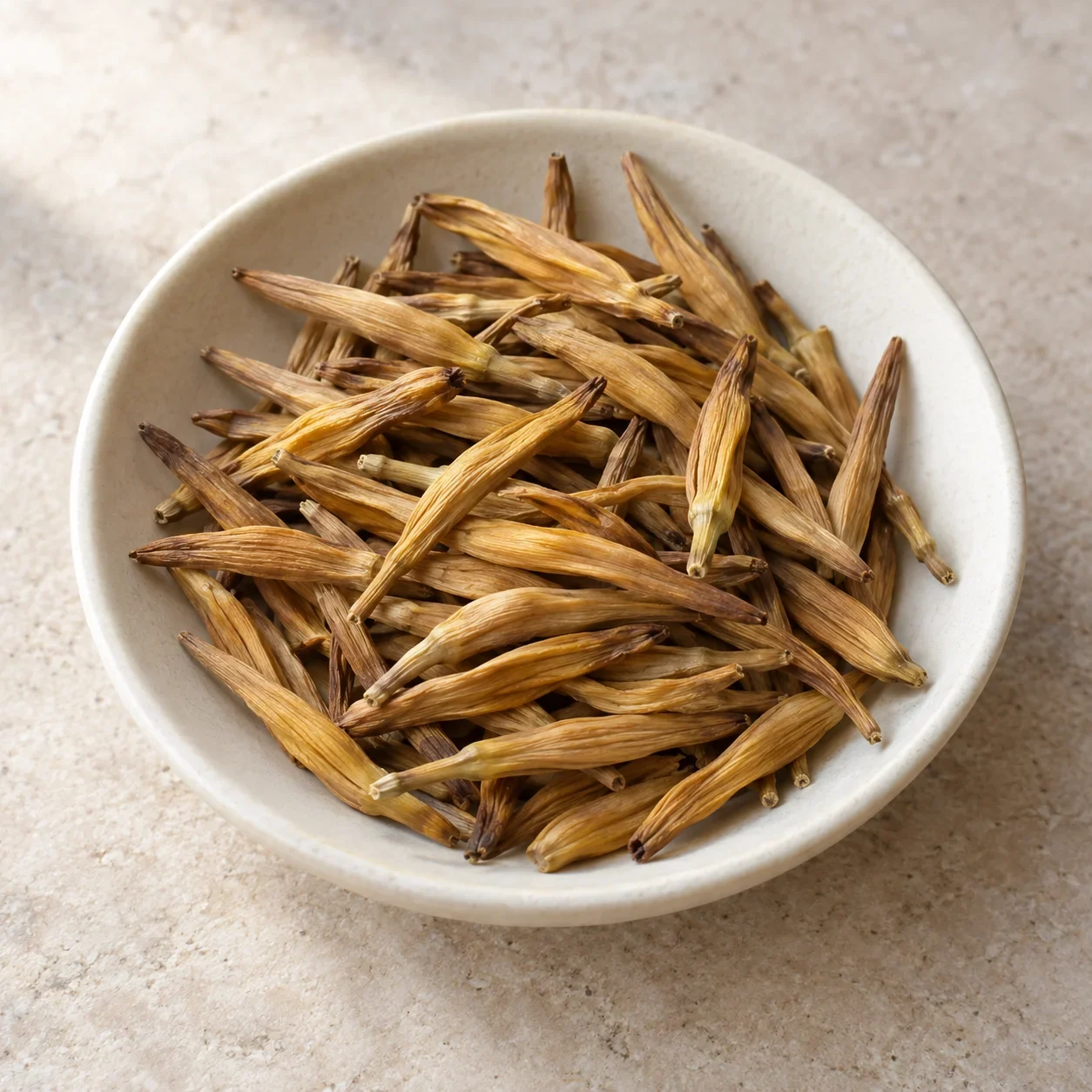
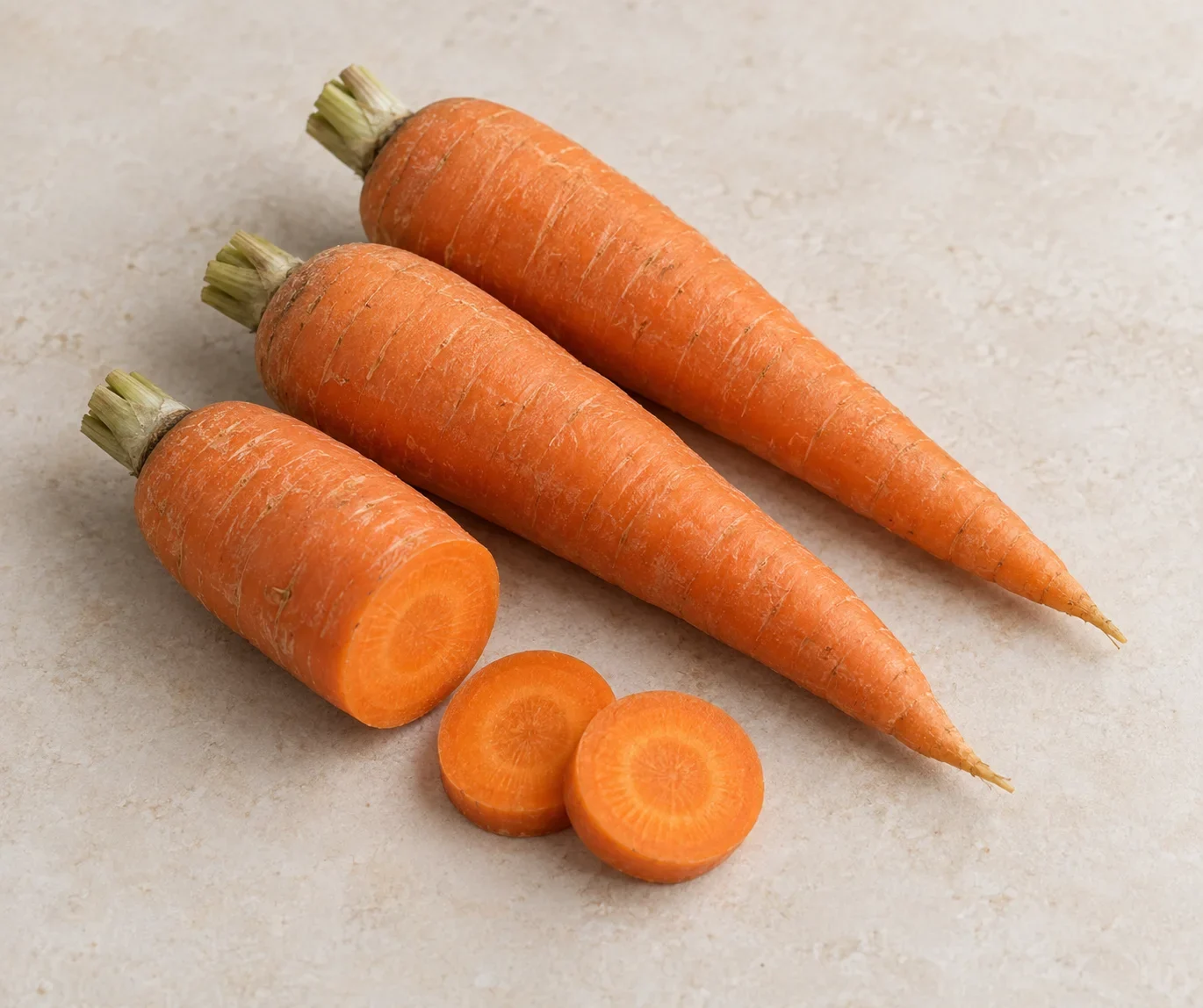
Pork may be sliced or shredded; cucumber, carrot, bamboo shoots, daylily buds and other vegetables vary by household or region. The illustration shows cucumber and daylily buds without chilli. Meat-free adaptations are separate versions, and the egg remains an animal ingredient. Actual preparation may differ.
GET TO KNOW THE DISH
What goes into it?
Explore some key ingredients below. Preparations may use additional seasonings and ingredients.
Pork may be sliced or shredded; cucumber, carrot, bamboo shoots, daylily buds and other vegetables vary by household or region. The illustration shows cucumber and daylily buds without chilli. Meat-free adaptations are separate versions, and the egg remains an animal ingredient. Actual preparation may differ.
Typical ingredients
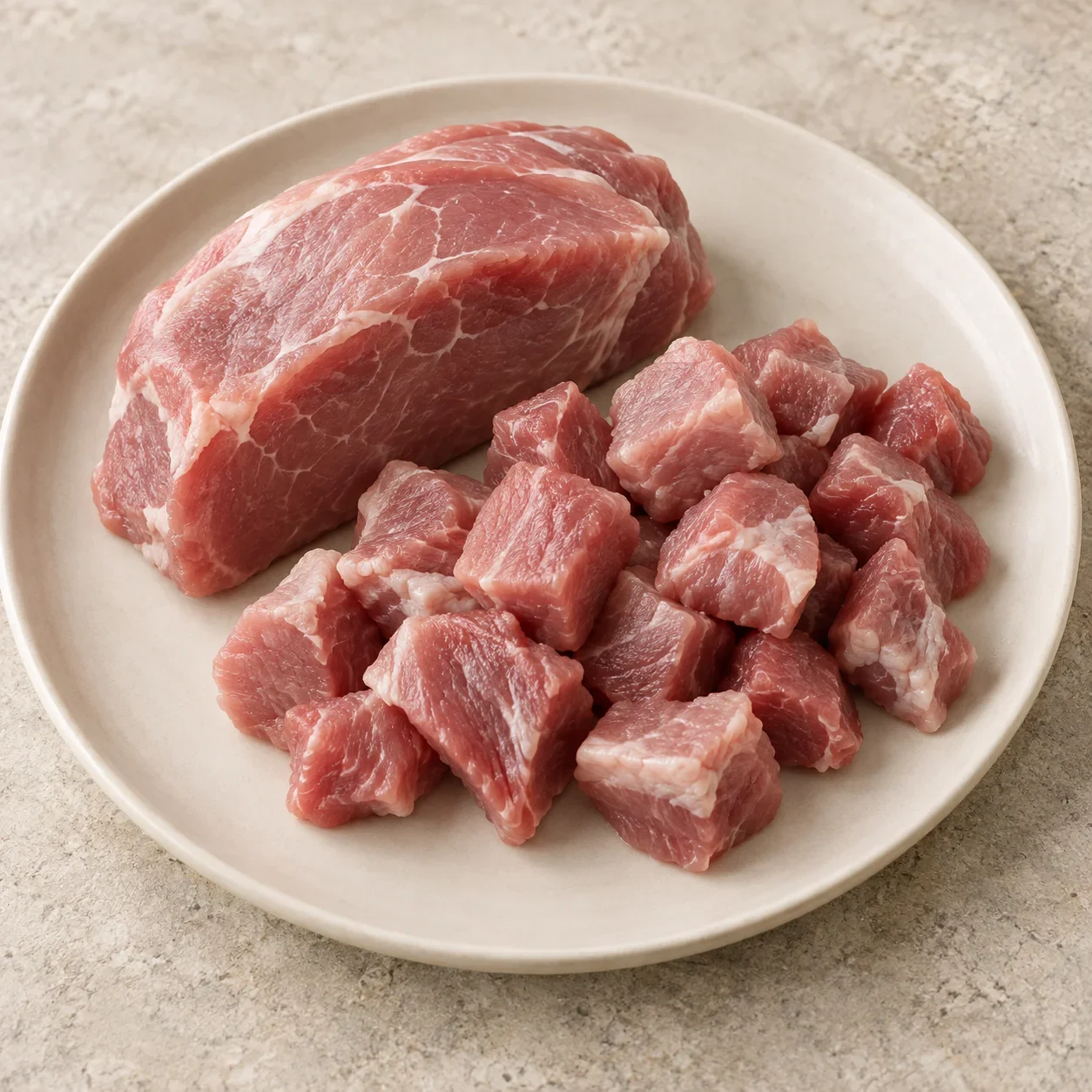
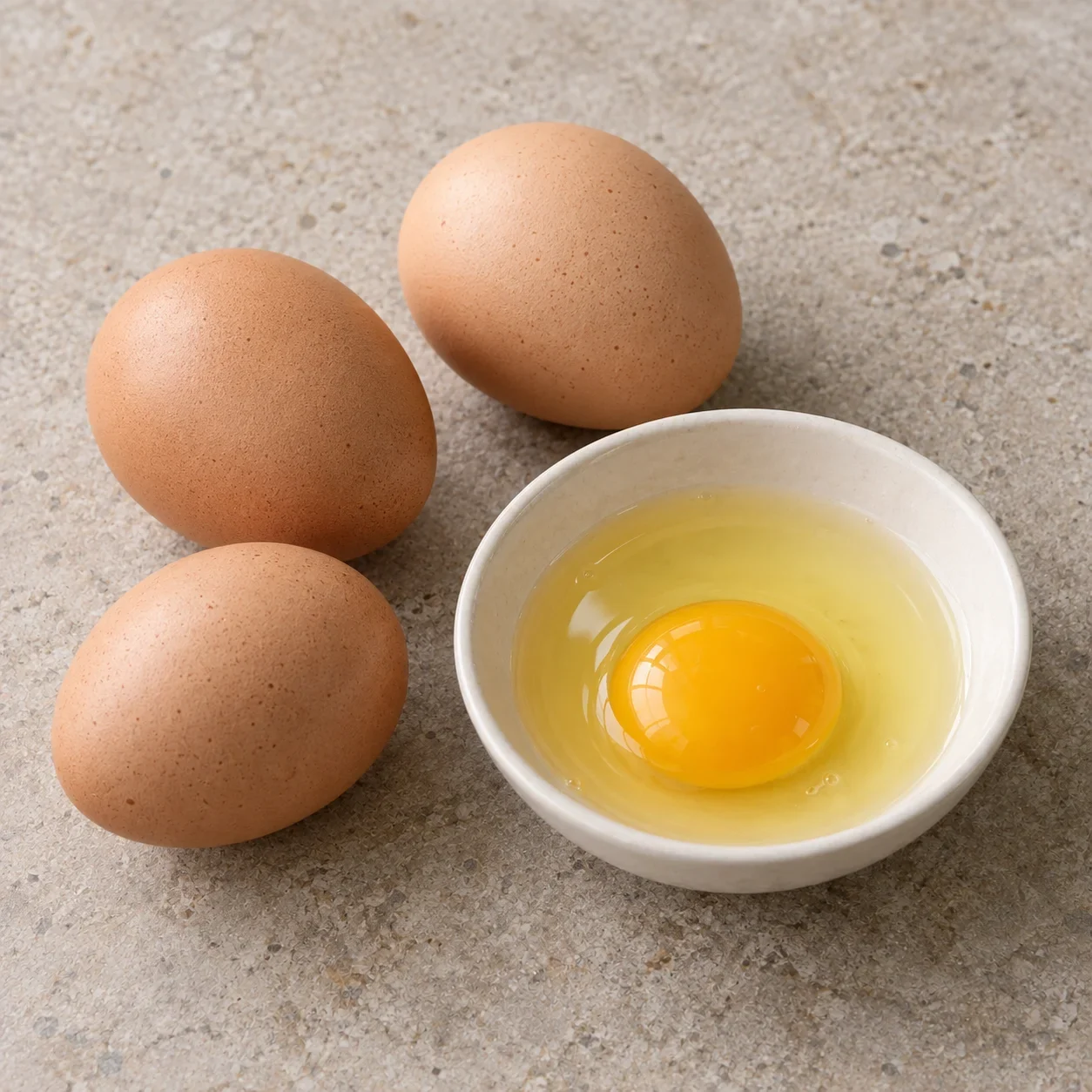
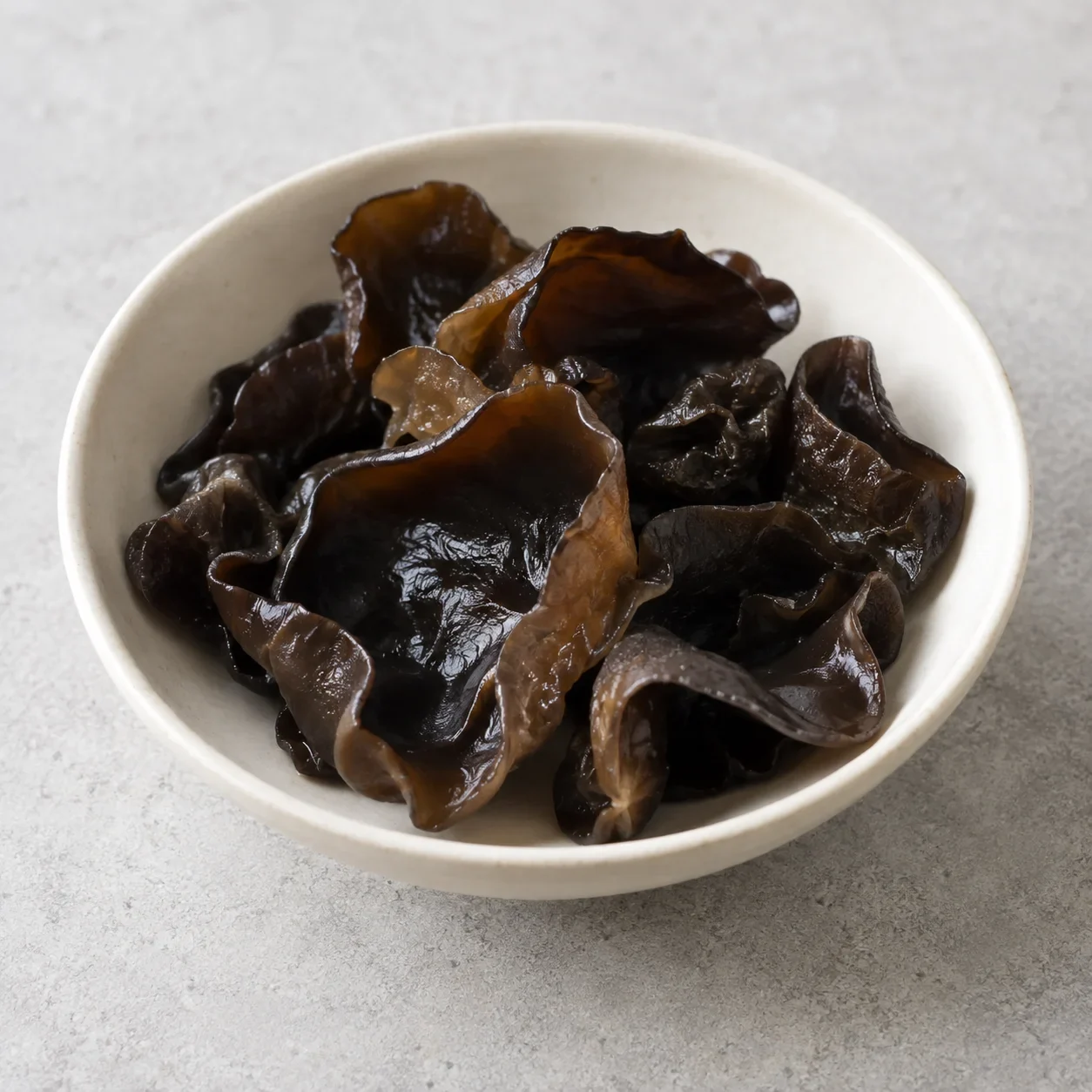
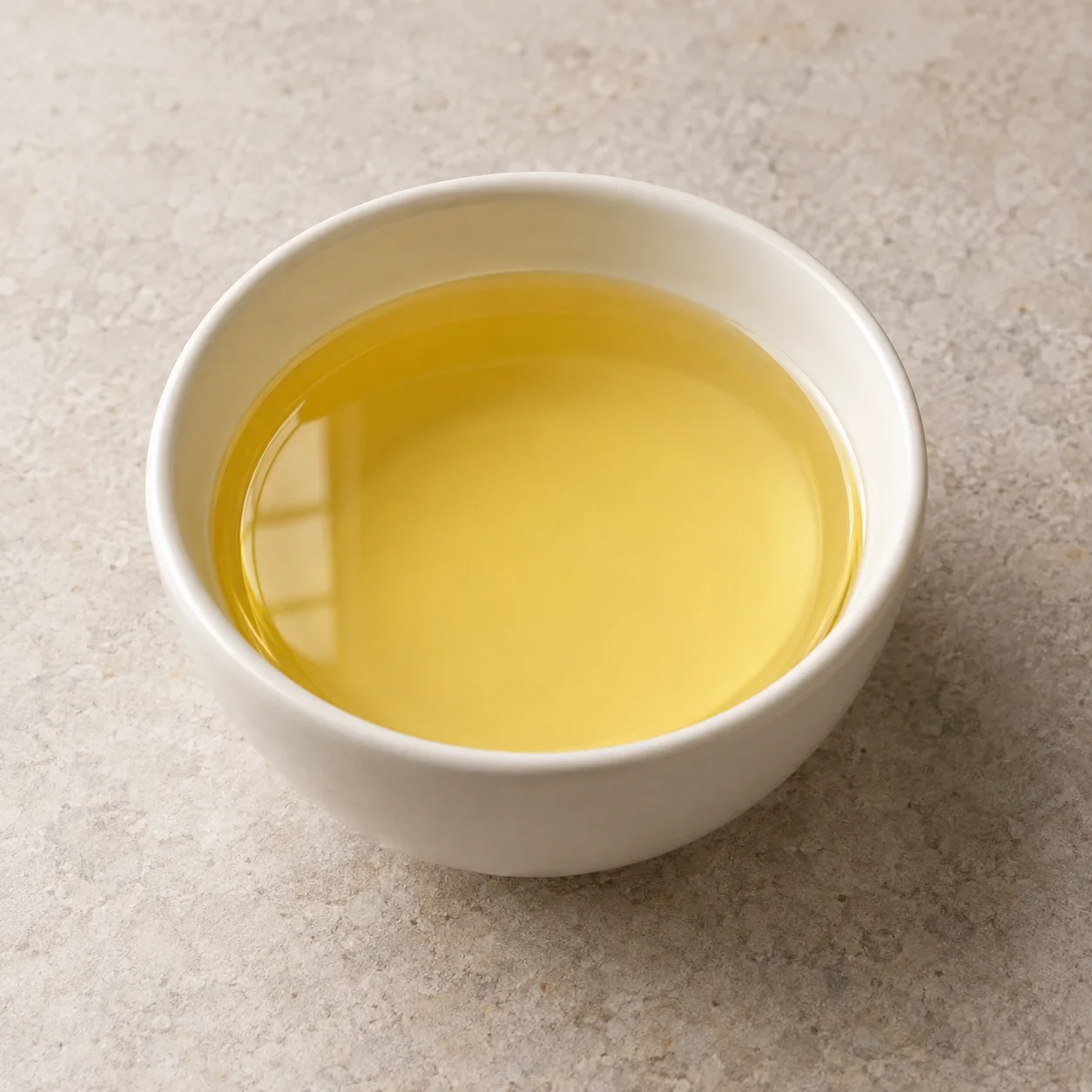

In some versions
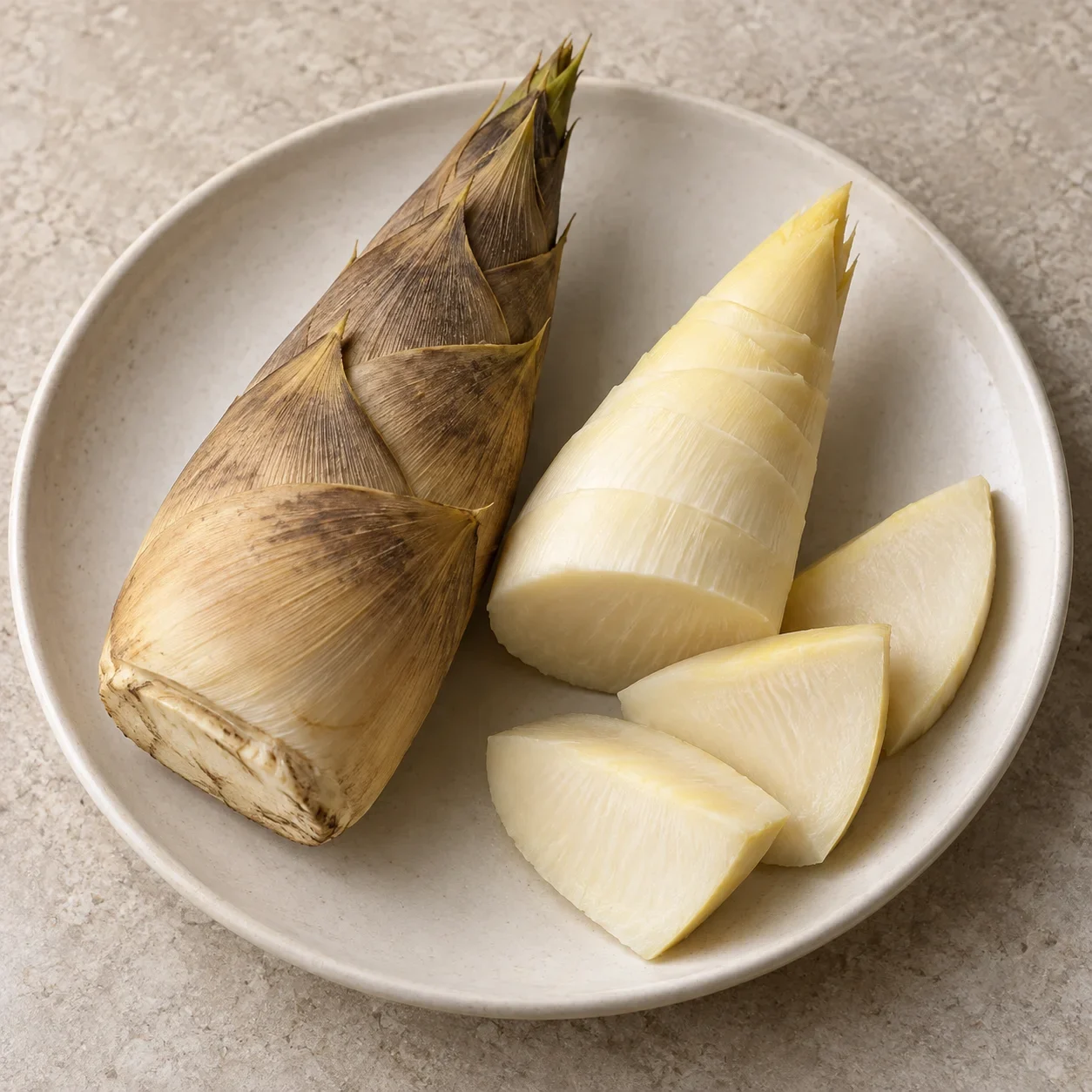
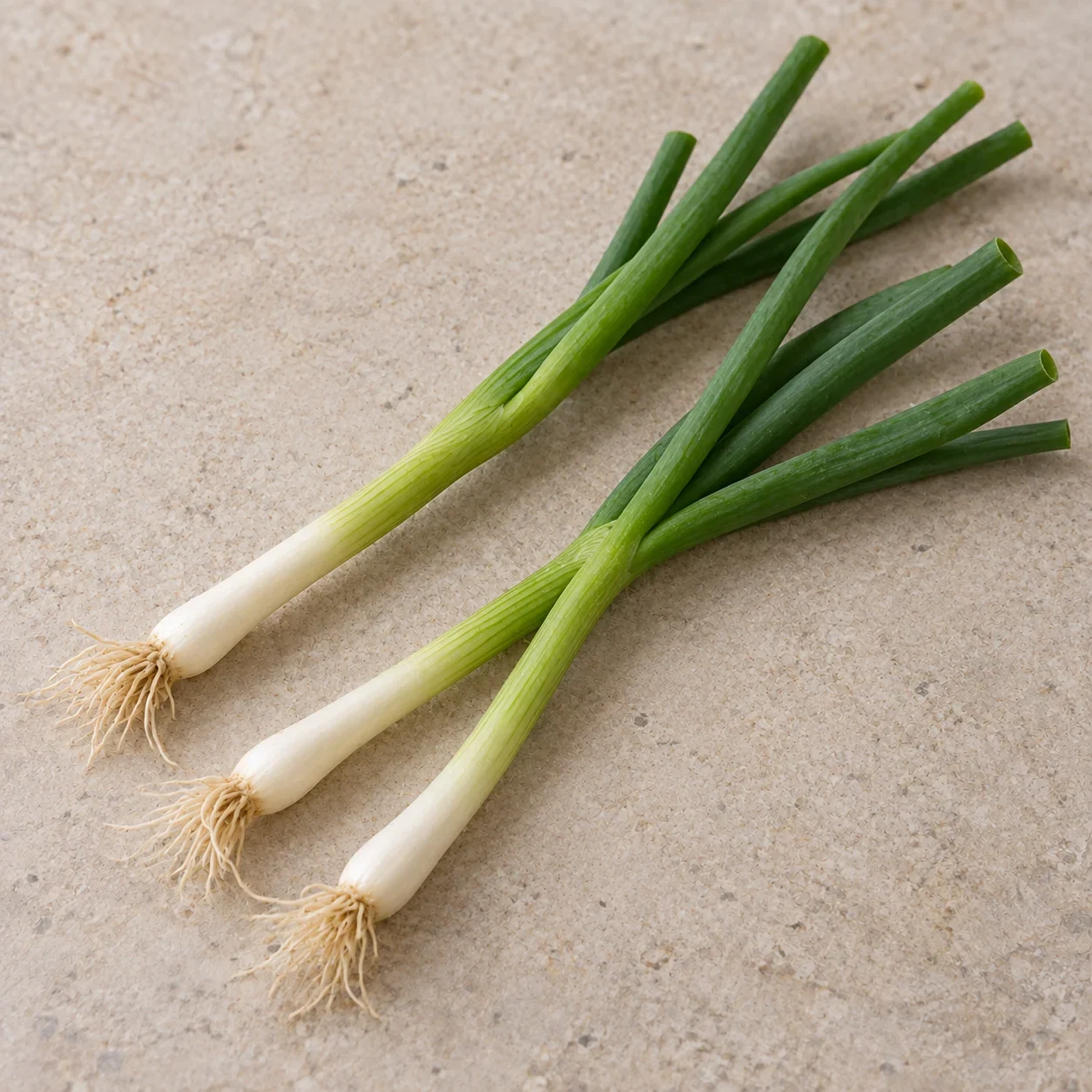
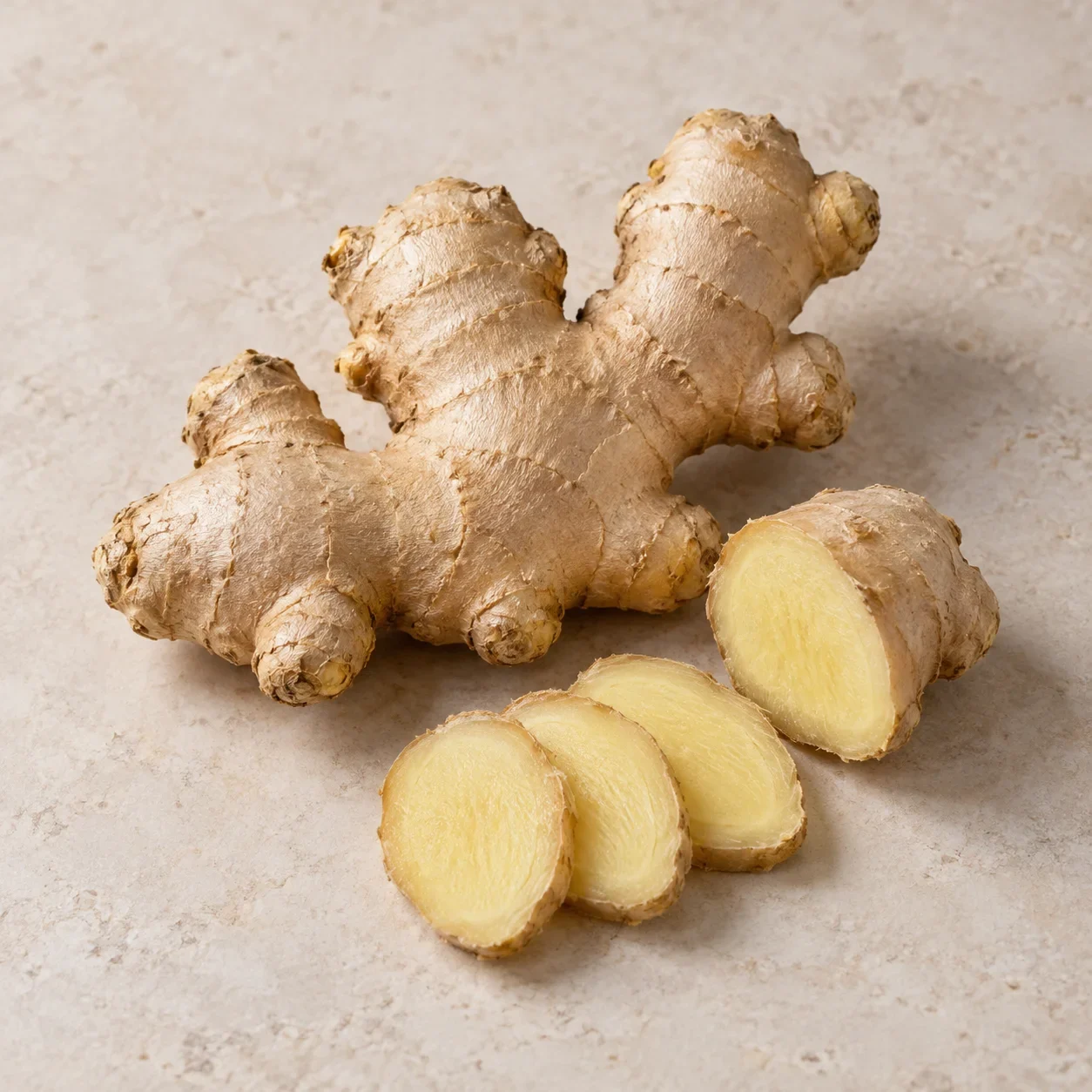
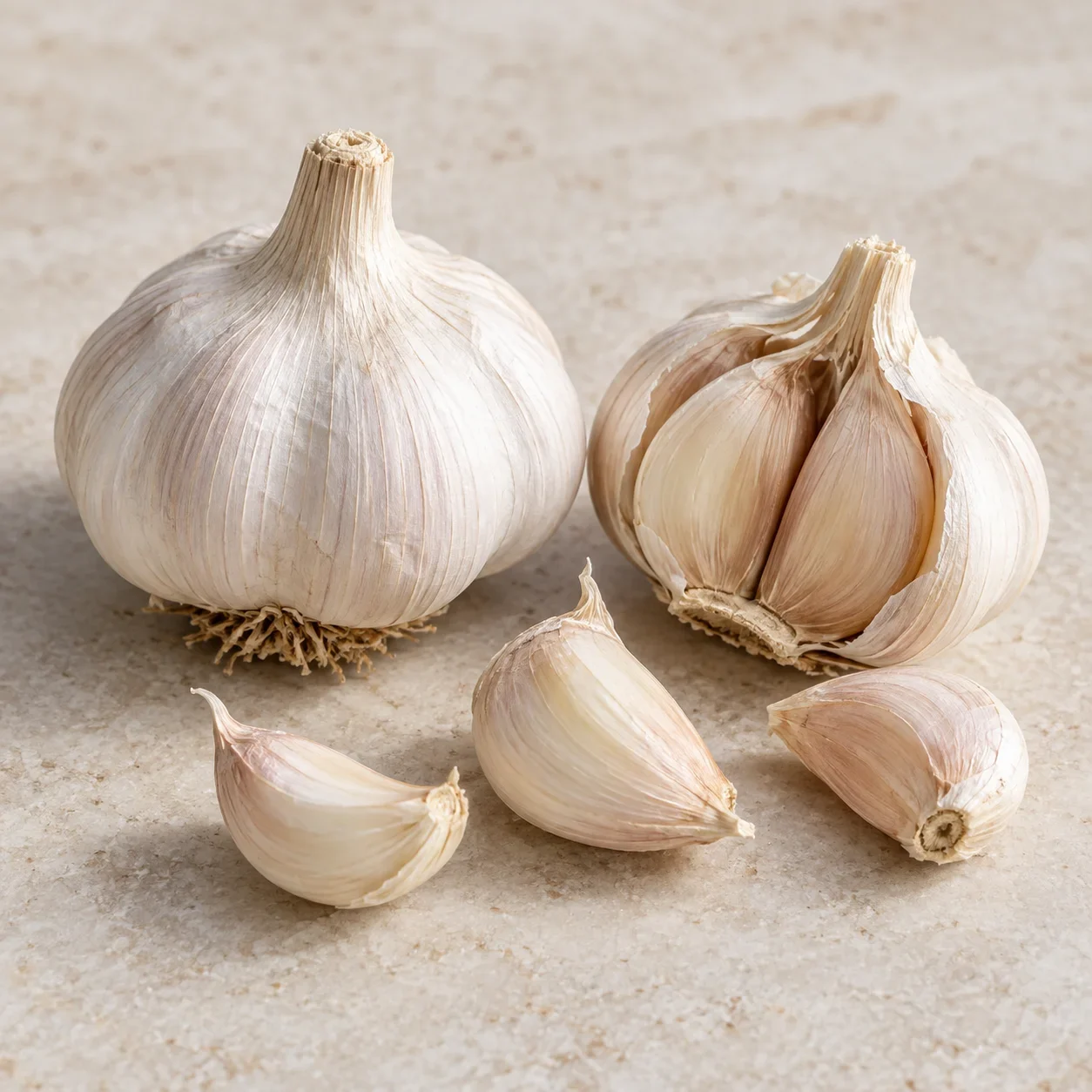
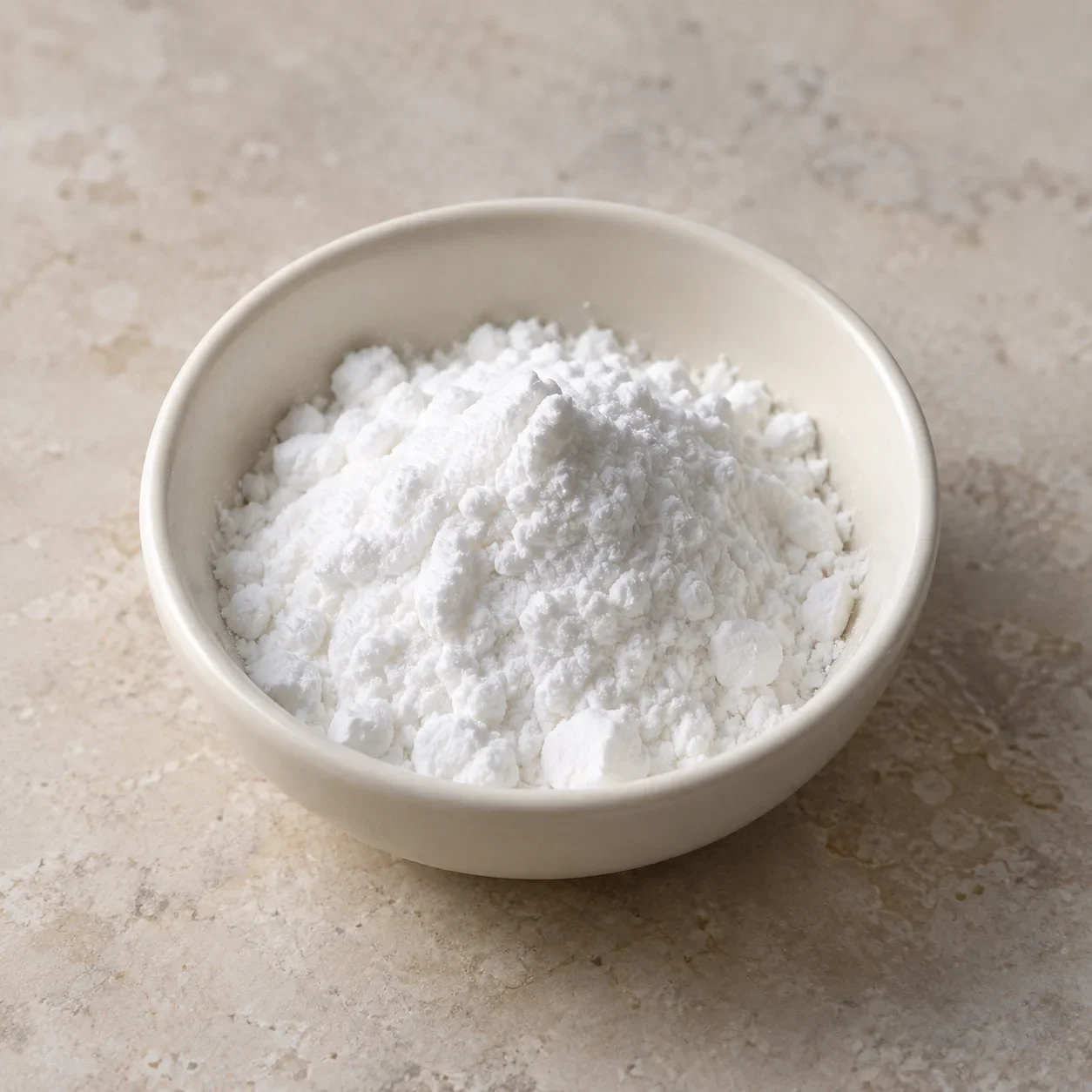
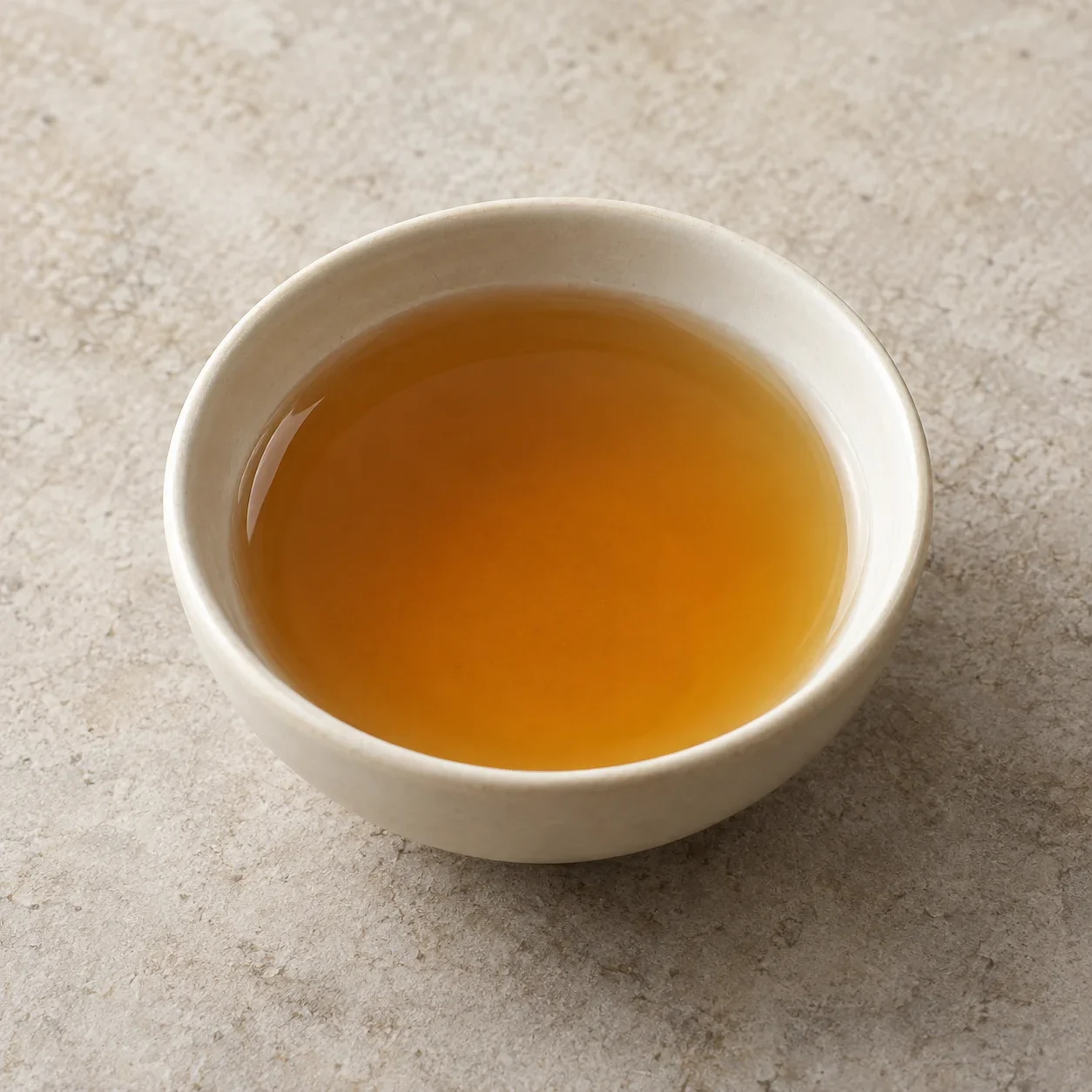
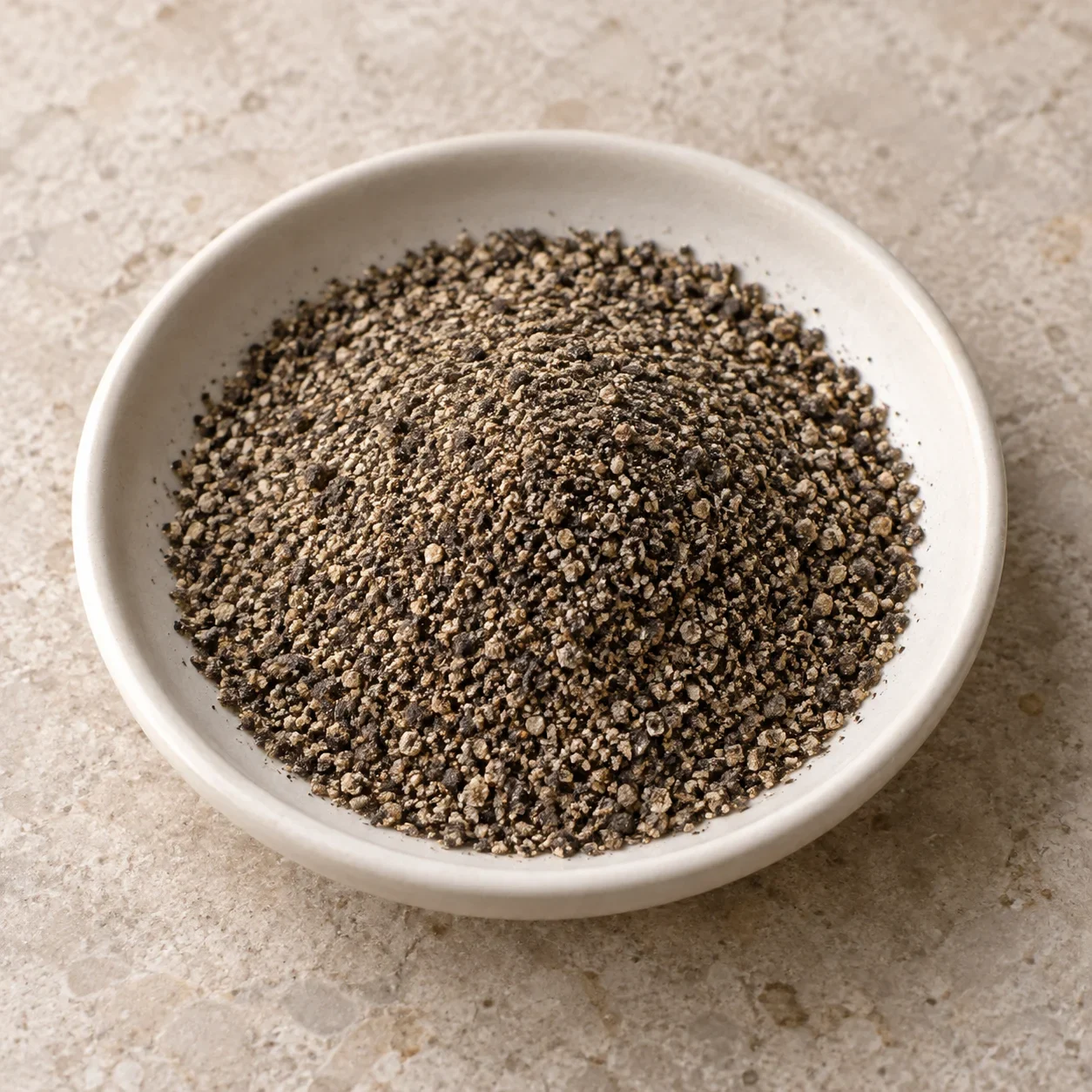
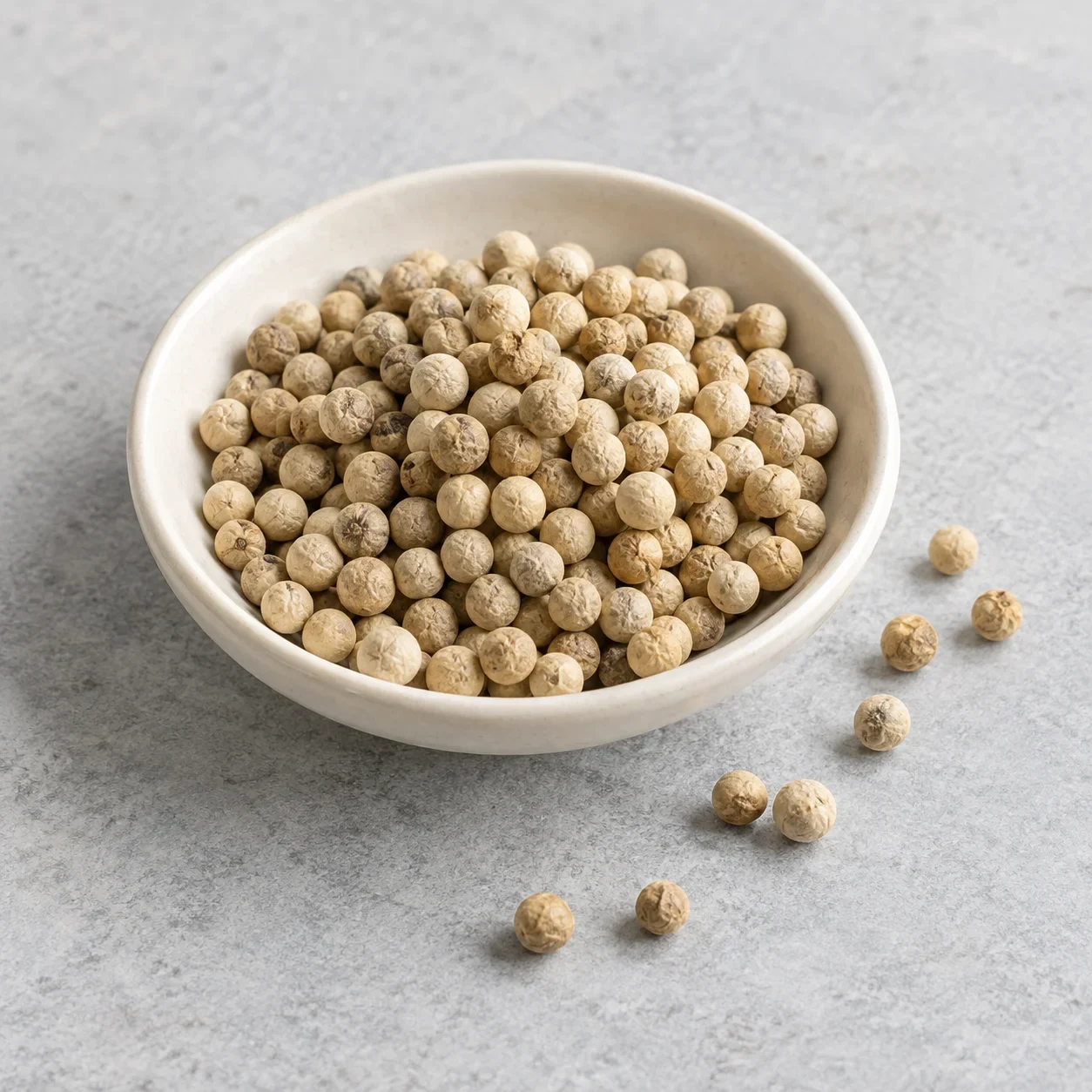
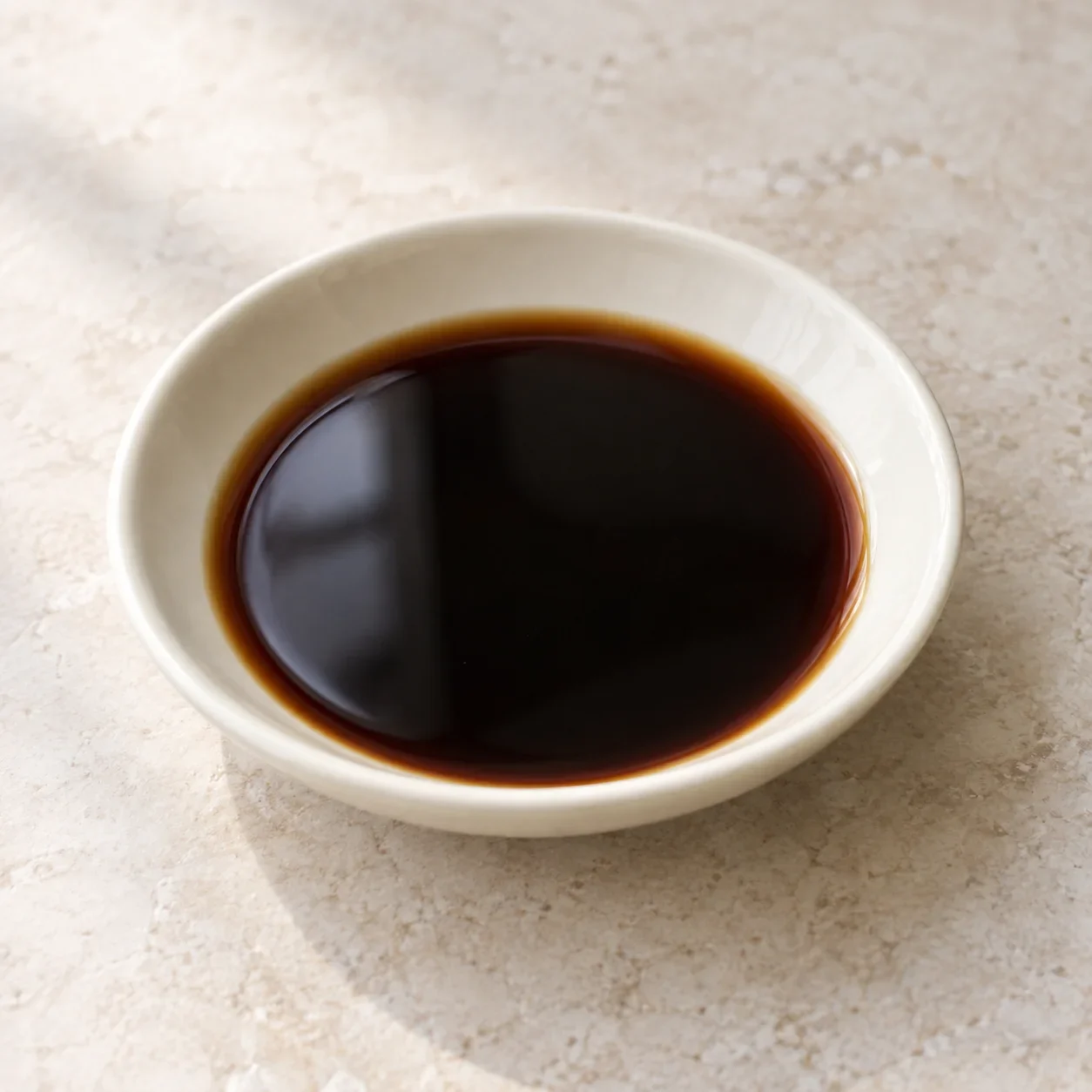
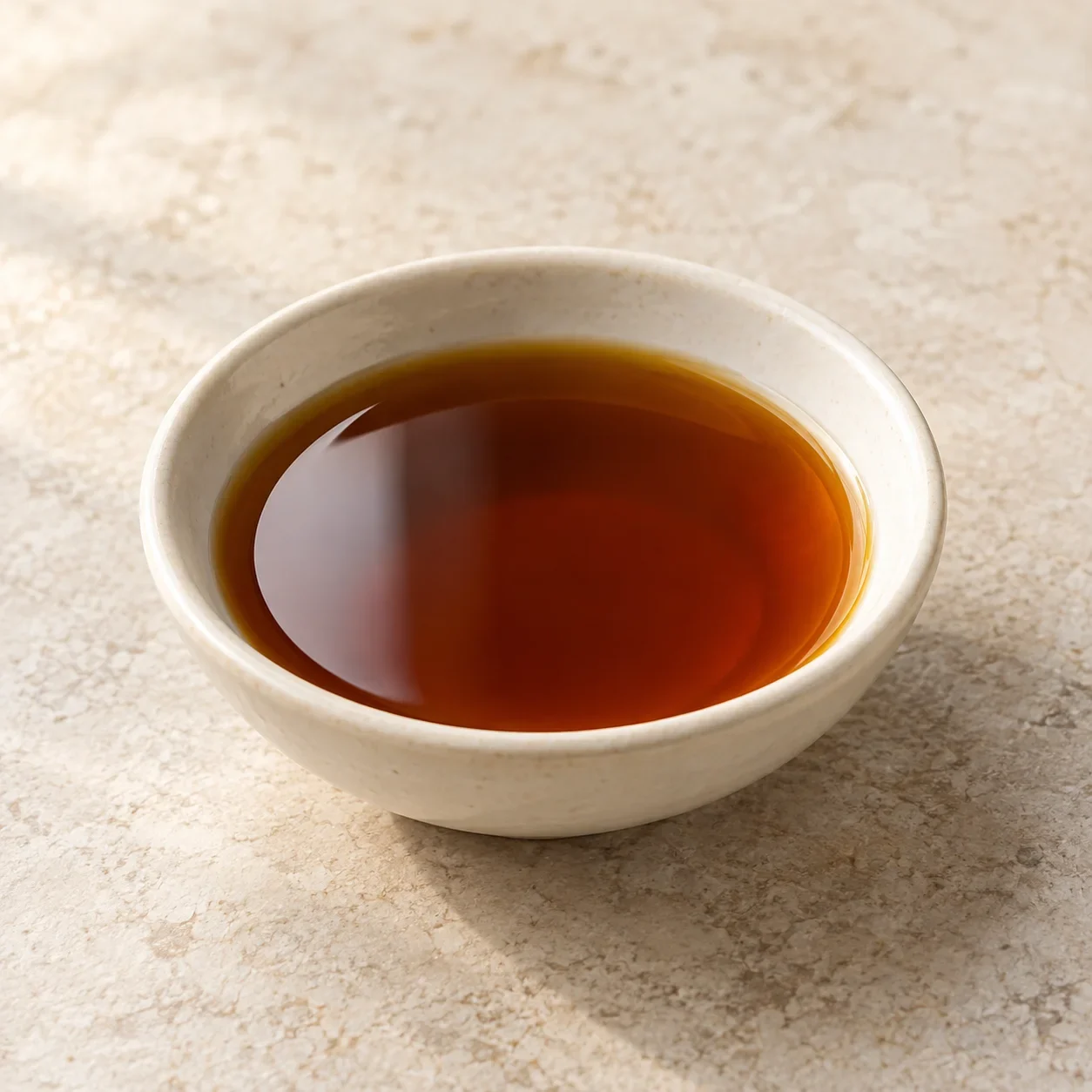
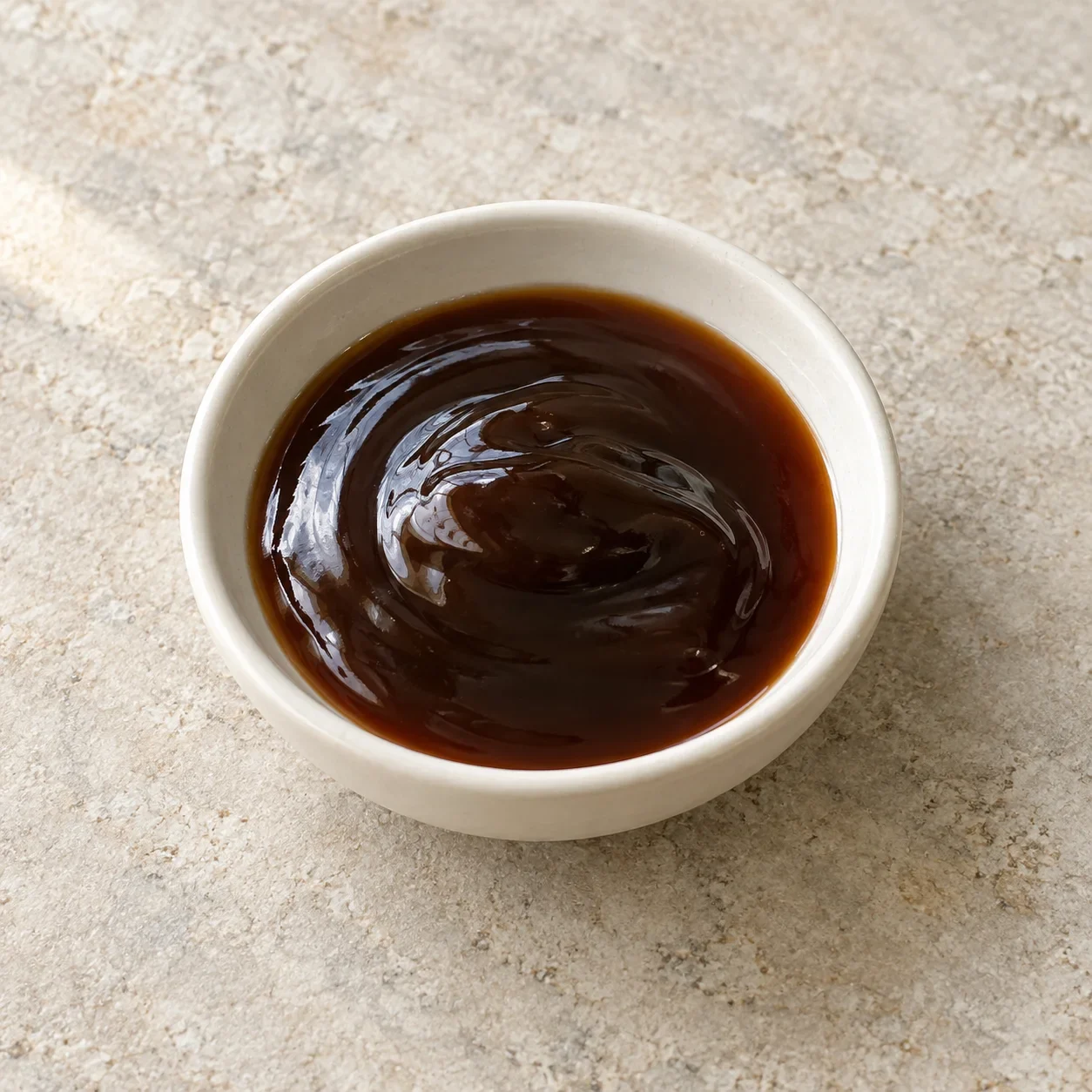
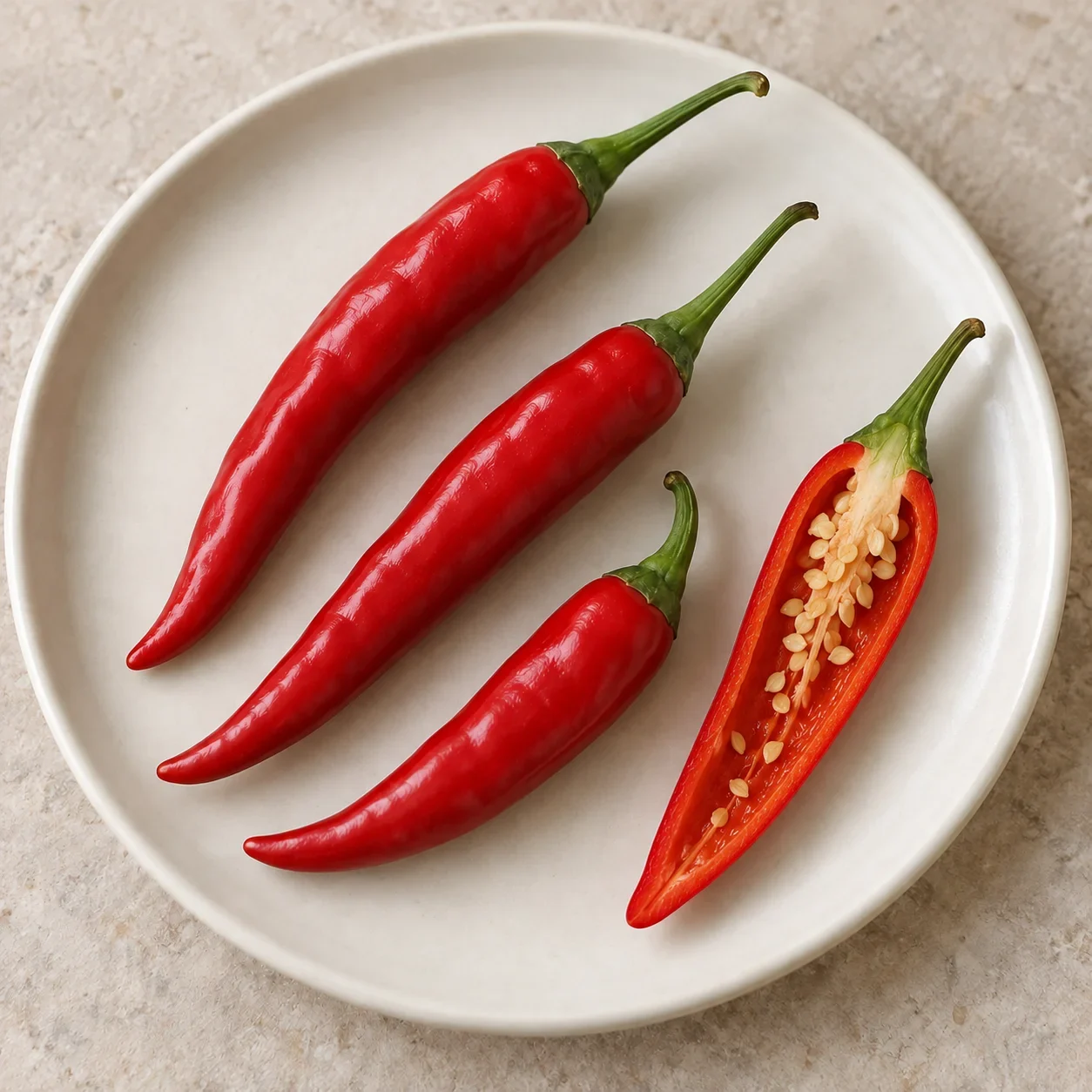

Recipes vary by restaurant.
How does it taste?
Savoury pork and egg with light soy seasoning and fresh vegetable notes. The selected version has no chilli; pepper, wine or a little vinegar may add aroma.
- Chili heat
- Texture
- Tender pork, soft egg curds, springy-crisp wood ears and lightly crisp cucumber; daylily buds add a soft chewy strand.
- How it’s made
- Scramble the eggs separately, then stir-fry the pork and aromatics. Add prepared wood ears and vegetables, return the egg and toss with seasonings until everything is cooked. Some versions lightly thicken the juices with starch.
Pork may be sliced or shredded; cucumber, carrot, bamboo shoots, daylily buds and other vegetables vary by household or region. The illustration shows cucumber and daylily buds without chilli. Meat-free adaptations are separate versions, and the egg remains an animal ingredient. Actual preparation may differ.
A CONNECTION TO PLACE
Origin & regional roots
Associated with Beijing.
About this regional connection
Beijing: A northern Chinese pork, egg and wood-ear stir-fry, with a familiar Beijing-style version.
Ask if they have it first
请问你们有木须肉吗?
Do you have this item?
A LITTLE SOMETHING TO READ
Story & history
Moo shu pork
This account describes a tradition or story, rather than an established historical fact.
A northern Chinese stir-fry of pork, scrambled egg and wood-ear mushrooms, often with cucumber and rehydrated dried daylily buds. Also written muxi rou, its name refers to the golden egg rather than requiring osmanthus flowers.